Buying a used truck is not simply about finding the lowest asking price. Some pickups retain their value because of strong demand, proven capability, and dependable long-term ownership records.
Others remain expensive because of their image, unusual features, or original sticker prices, even when their resale performance tells a different story. The challenge is knowing when a higher price represents genuine value and when it reflects a seller’s expectations rather than the vehicle’s condition.
These ten trucks illustrate both sides of the American used-truck market, helping buyers identify pickups that deserve closer attention and those that require a more cautious approach.
5 Used Trucks Worth the Premium
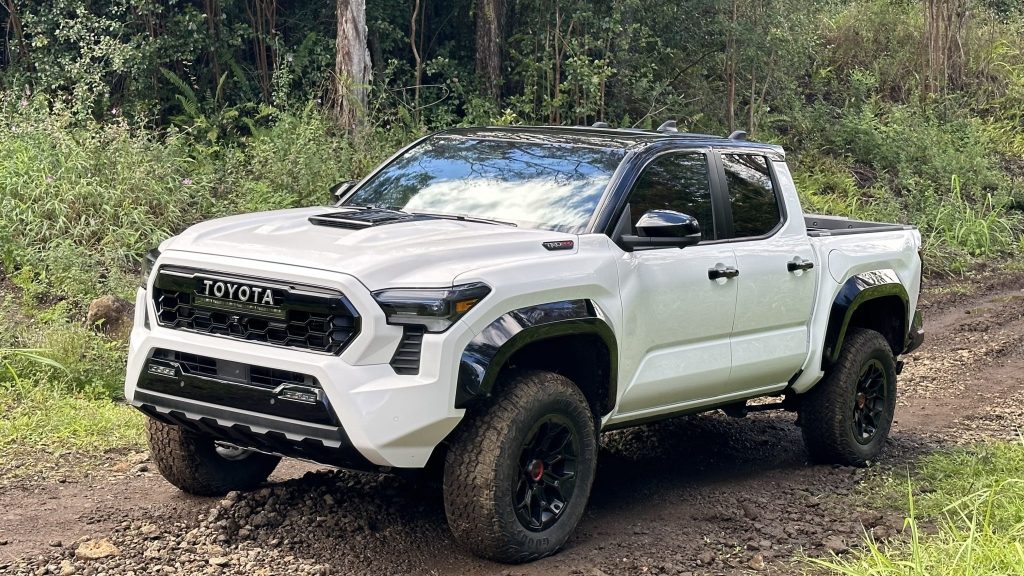
1. Toyota Tacoma
The Toyota Tacoma has developed one of the strongest resale reputations in the American midsize pickup market. Its appeal comes from a combination of manageable dimensions, available four-wheel drive, practical bed space, and a long history of attracting buyers who want a truck without moving into the full-size category.
For people who use their pickups for commuting, outdoor activities, light hauling, and occasional off-road driving, it offers a particularly useful combination.
Its resale performance provides a measurable reason for the premium. iSeeCars’ 2026 resale-value rankings estimate that the Tacoma retains approximately 80.5 percent of its value after five years, placing it at the top of the midsize pickup category.
That figure is considerably stronger than the average for the segment. It helps explain why clean used examples can remain expensive even when several newer alternatives are available.
The Tacoma’s appeal also extends to its broad aftermarket support. Owners can find accessories for suspension upgrades, bed storage, protective equipment, and off-road use. This makes it attractive to buyers who want to personalize a truck without starting with an expensive full-size platform.
There are important differences between generations, however. The 2024 redesign introduced a turbocharged four-cylinder engine and an available hybrid powertrain, replacing the previous generation’s naturally aspirated V6 options.
Buyers should research the specific year and configuration rather than assuming every Tacoma has identical mechanical characteristics.
A premium is reasonable when the truck has documented maintenance, a clean frame, healthy suspension components, and no evidence of serious off-road abuse. The reputation should support the purchase, not replace a proper inspection.
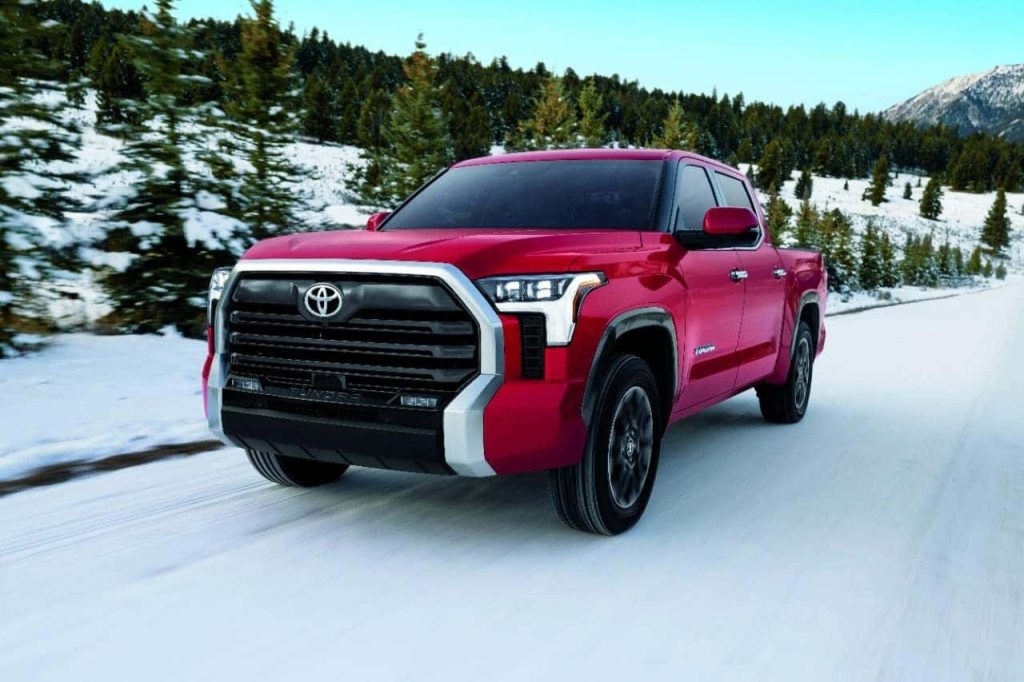
2. Toyota Tundra
The Toyota Tundra deserves attention from buyers who need full-size pickup capability but want a vehicle with unusually strong resale performance. Unlike midsize pickups, it offers the dimensions and towing potential expected from a larger American-market truck.
Depending on the generation, engine, and configuration, it can serve as a family vehicle during the week and a serious hauling machine when required.
Its value retention is one of its strongest selling points. iSeeCars’ 2026 analysis estimates that the Tundra retains approximately 80.3 percent of its value after five years, placing it at the top of the full-size pickup category.
That is an exceptional result for a vehicle in a segment where purchase prices can be substantial and ownership costs can increase with age.
The older Tundra generations are particularly interesting to shoppers who prefer traditional V8 power. Earlier models offered naturally aspirated V8 engines, while the third-generation truck introduced a twin-turbocharged V6 and an available hybrid system.
Buyers should therefore avoid treating every model year as mechanically identical. The generation, powertrain, and service history matter.
A well-kept Tundra can justify a higher asking price because finding a clean example with limited corrosion, consistent maintenance, and no evidence of heavy commercial use may take time.
Frame condition deserves particular attention, especially in regions where road salt is common. The buyer should also examine the transmission, suspension, cooling system, and evidence of previous towing.
There is a limit to what the reputation can justify. A heavily used truck with neglected maintenance does not become a smart purchase simply because it carries a desirable badge. The premium makes sense when the vehicle’s actual condition matches the expectations created by its resale reputation.
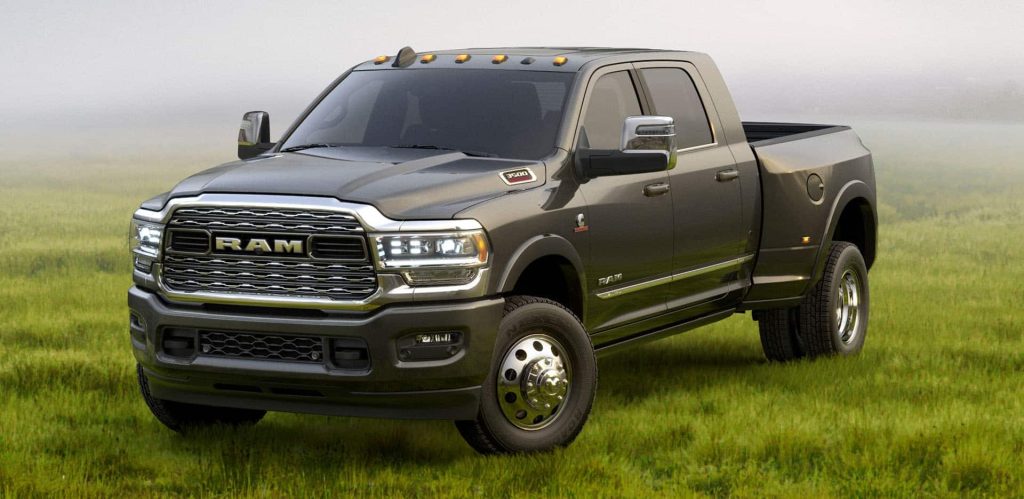
3. Ram 3500
A heavy-duty pickup should be judged differently from a midsize or half-ton truck. Buyers considering a Ram 3500 are often looking for substantial towing and payload capability, making its value less dependent on everyday comfort or fuel economy.
For people who regularly pull large trailers, operate equipment, or need a serious work vehicle, a properly configured example can be worth paying extra for.
Its resale performance is particularly impressive. iSeeCars’ 2026 heavy-duty truck rankings estimate that the Ram 3500 retains approximately 79.8 percent of its value after five years. The study places it first among heavy-duty pickups.
The average five-year-old example in the analysis was valued at approximately $48,940, although actual transaction prices vary considerably with engine, trim, mileage, and configuration.
The truck’s appeal is tied to its ability to serve demanding purposes. Buyers can find different cab, bed, drivetrain, and powertrain combinations, including diesel configurations that appeal to owners who need substantial torque for towing. The correct configuration is essential because not every Ram 3500 has the same towing or payload rating.
This is also a truck where maintenance records deserve more attention than cosmetic condition. Inspect the transmission, differential, suspension, brakes, cooling system, and diesel emissions equipment where applicable. Ask whether it has regularly hauled heavy loads and whether the previous owner followed the correct service schedule.
A premium is justified when the truck has the equipment needed for the buyer’s work and a documented history of responsible use. Someone who only needs a commuter pickup should not pay heavy-duty prices for capability they will never use. For the right owner, however, a clean example can offer considerable long-term value.
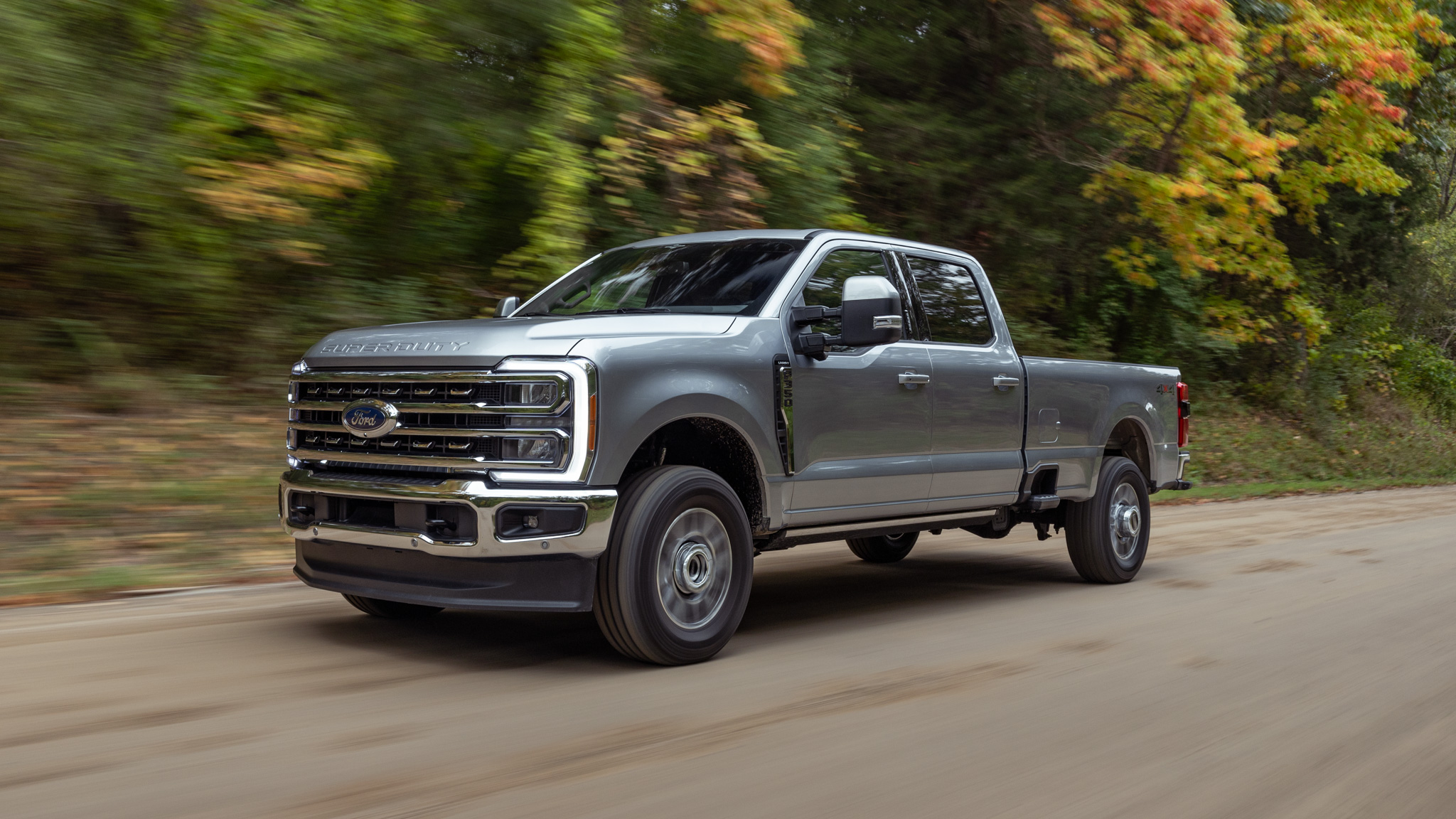
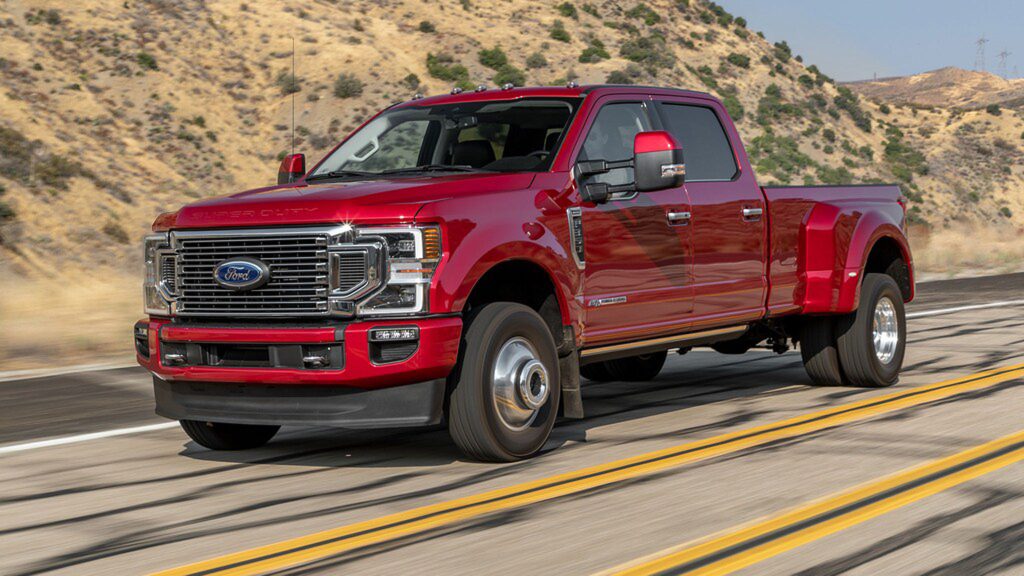
4. Ford F-350 Super Duty
The Ford F-350 Super Duty is another heavy-duty pickup that can justify a higher used price when its capabilities match the buyer’s requirements. It is designed for demanding applications, including towing large trailers, transporting substantial loads, and supporting commercial operations.
Its appeal is not based on being an inexpensive daily driver. It is based on providing the strength and configuration choices required by people who genuinely need a heavy-duty truck.
The resale figures support its position in the used market. iSeeCars estimates that the F-350 retains approximately 79.6 percent of its value after five years, placing it second among heavy-duty pickups in its 2026 comparison.
Its average five-year-old value in that analysis was approximately $51,387. That figure reflects the importance of configuration, equipment, and demand in this segment.
Buyers can choose between different engine options, cab styles, bed lengths, and drivetrain arrangements. Diesel versions are particularly attractive to people who regularly tow heavy trailers, while gasoline configurations may suit owners whose requirements are different. The correct choice depends on the actual load, trailer weight, and expected operating conditions.
A used F-350 should receive a detailed mechanical inspection before purchase. Look closely at the frame, suspension, steering components, brakes, and drivetrain. Diesel buyers should also investigate emissions-system condition, maintenance history, and evidence of modifications.
A truck that has spent years working at high loads can have considerable hidden wear even if its exterior looks clean.
The premium is worthwhile when the buyer needs its heavy-duty capability and finds an example with a verifiable service history. A lower-mileage work truck with documented maintenance can be more attractive than a cheaper example that has been heavily used. This is a purchase where condition and configuration matter far more than appearance.
5. Ford Ranger
The Ford Ranger offers a more manageable alternative for buyers who want a midsize pickup with useful capability but do not need the size or operating costs of a full-size truck. Its appeal comes from its practical dimensions, available four-wheel drive, useful bed, and ability to handle a mixture of daily driving and recreational work.
Its resale performance is another reason it deserves consideration. iSeeCars’ 2026 midsize truck rankings estimate that the Ranger retains approximately 68.8 percent of its value after five years, placing it second in the category behind the Tacoma.
That result indicates that demand for the model remains relatively strong compared with many competing pickups.
The Ranger has changed significantly across generations. Earlier American-market versions used different engine and transmission combinations from the redesigned truck introduced for the 2019 model year.
The newer generation brought a turbocharged 2.3-liter four-cylinder engine, while later versions expanded the range of configurations and available equipment. Buyers should compare the specific model year rather than assuming all examples deliver the same driving experience.
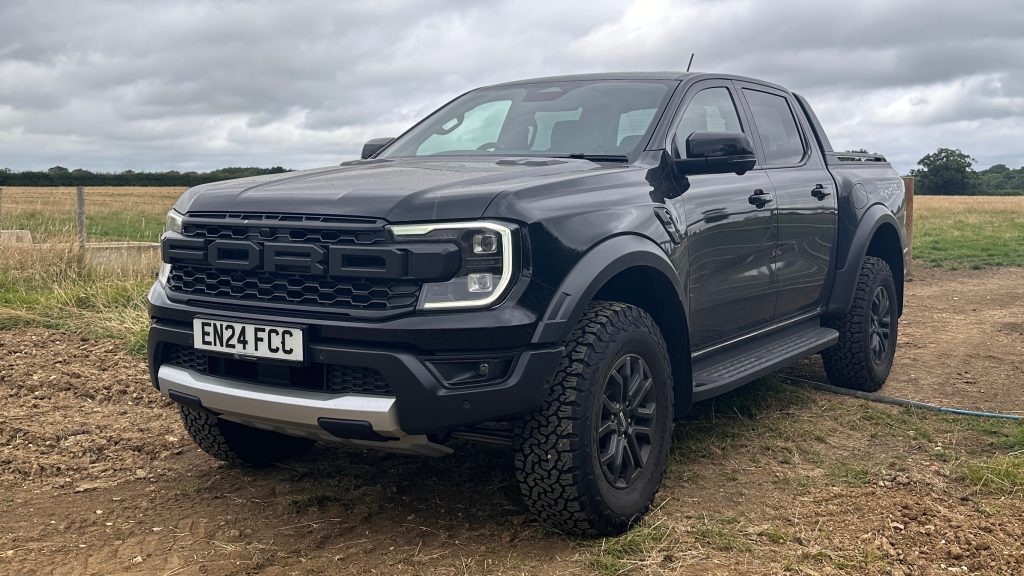
For used shoppers, the Ranger’s size can be a major advantage. It is easier to maneuver and park than many full-size pickups while still offering a proper truck bed and useful towing capability. Certain versions also provide off-road equipment for buyers who want to travel beyond paved roads.
Inspect the transmission, cooling system, suspension, underbody, and four-wheel-drive operation. A vehicle used regularly for towing or off-road driving deserves additional scrutiny.
The Ranger is worth paying extra for when its condition is excellent and its price remains competitive with comparable listings. It is not worth accepting an inflated asking price simply because midsize trucks are popular.
5 Used Trucks That Are Overpriced
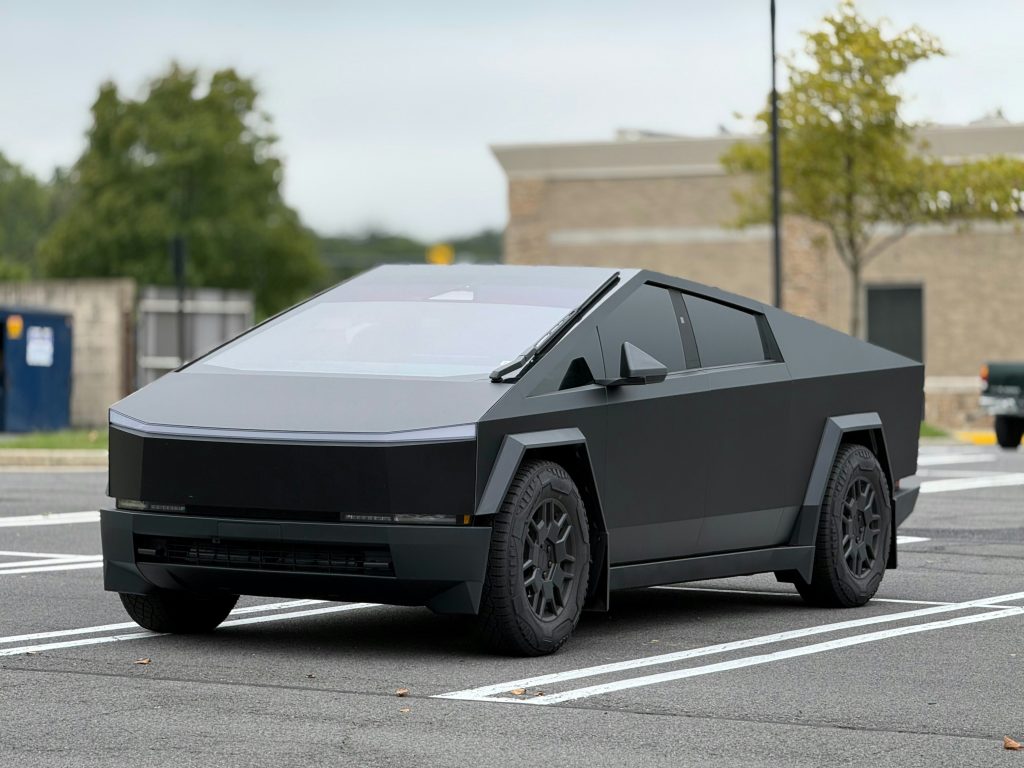
1. Tesla Cybertruck
The Tesla Cybertruck attracts attention through its unusual exterior, electric powertrain and technology-focused design. Its performance and distinctive construction make it different from traditional American pickups, but those features do not automatically make it a sensible used purchase at a premium price.
One of the biggest concerns is depreciation. iSeeCars’ 2026 modeled depreciation data estimates that the Cybertruck could lose approximately 56.5 percent of its value over five years. That is substantially worse than the average five-year depreciation estimate for pickups, which stands at approximately 33.3 percent in the same analysis.
The figures are estimates rather than a record of five complete years of ownership for every Cybertruck configuration, but they highlight the resale uncertainty surrounding the model.
The truck’s unusual design also narrows the pool of potential buyers. Some people appreciate its appearance and technology, while others prefer conventional styling, familiar controls and established repair networks. A smaller buyer pool can make resale pricing less predictable.
There are practical considerations as well. Buyers need to assess charging access, real-world range, tire replacement costs, repair availability and the condition of the vehicle’s electronic systems. The exact version and equipment package also matter because specifications and pricing have changed during the model’s market life.
A used Cybertruck may become appealing when the asking price reflects depreciation and the buyer specifically wants its electric performance and technology.
However, paying close to an original premium price without accounting for market changes is difficult to justify. The distinctive design may attract attention, but attention alone does not protect resale value.
2. Rivian R1T
The Rivian R1T demonstrates how an innovative electric pickup can deliver impressive capability while still presenting a difficult depreciation equation. It offers strong acceleration, advanced electric technology, a useful storage layout and genuine recreational appeal.
Its combination of performance and adventure-focused features makes it attractive to buyers who want something different from a traditional gasoline pickup.
The problem is how much value can disappear after the initial purchase. iSeeCars’ 2026 resale analysis estimates that the R1T loses approximately 55.1 percent of its value after five years.
Its estimated retained value is about 44.9 percent, compared with approximately 66.7 percent for the pickup category in the same analysis. That difference is significant for a vehicle that can cost substantially more than an ordinary midsize truck.
The R1T also introduces ownership questions that buyers should investigate carefully. Battery health, charging performance, software condition, warranty coverage and access to qualified repair facilities can influence the long-term cost of ownership.
Electric vehicles have fewer conventional engine components, but that does not mean every repair is inexpensive or easy to arrange.

Its distinctive features may justify the purchase for someone who regularly uses its electric performance, storage solutions and outdoor-oriented equipment. A buyer who mainly needs a conventional work truck may find that a less expensive gasoline pickup is more practical.
The used market can offer opportunities, particularly when depreciation has already absorbed a substantial portion of the original cost.
The mistake is paying a premium based on the vehicle’s original positioning rather than its current value. A properly inspected example at a realistic price can be interesting, but an expensive listing should be approached cautiously.
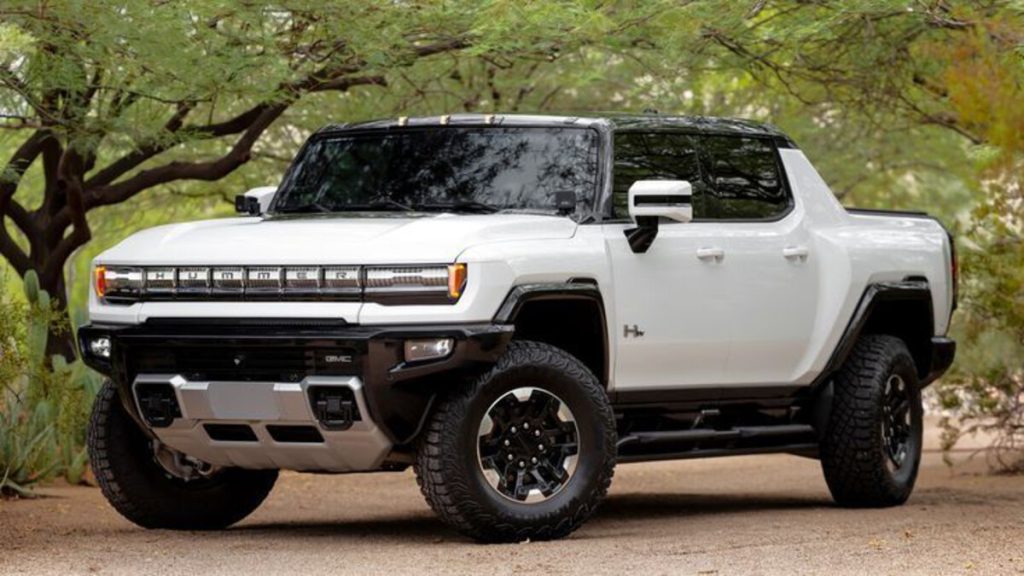
3. GMC Hummer EV Pickup
The GMC Hummer EV Pickup was designed to make a statement. Its enormous proportions, powerful electric drivetrain, advanced off-road features and premium equipment distinguish it from ordinary pickups.
It offers a combination of performance and technology that few conventional trucks can match. However, its size and original pricing create questions about whether a used buyer should pay a substantial premium.
The depreciation figures deserve attention. iSeeCars’ 2026 modeled data estimates approximately 55 percent depreciation for the Hummer EV pickup over five years. This means the projected retained value is around 45 percent.
Although the model is still relatively new and the estimate should not be treated as a guaranteed future selling price, it illustrates the financial risk of purchasing an expensive electric truck near its original price.
Its physical dimensions are another practical consideration. The vehicle’s size can make parking, maneuvering through narrow spaces and using certain trails more difficult.
Its substantial weight also has implications for tire wear and energy consumption. Buyers should consider whether they can comfortably accommodate the truck before being attracted by its specifications.
Ownership costs require careful examination. Check the condition of the battery system, charging equipment, tires, suspension and electronic features. Warranty coverage and access to qualified service facilities should be confirmed before purchase.
A vehicle with complex technology can become expensive if major components need attention outside the applicable warranty.
The Hummer EV can make sense for someone who specifically wants its unusual combination of luxury, electric performance and off-road equipment. It is much harder to recommend as a value-focused pickup. A used example needs a substantial price adjustment to compensate for depreciation and the limited number of buyers seeking such a specialized vehicle.
4. Chevrolet Silverado EV
The Chevrolet Silverado EV offers a different interpretation of a full-size pickup. It combines an electric drivetrain with a large cabin, practical bed design and features aimed at buyers who want conventional truck proportions without a gasoline engine.
Its available configurations and equipment can make it attractive for towing, hauling and daily use, depending on the version selected.
Its financial case is less convincing when the asking price remains close to its original premium positioning. iSeeCars’ 2026 modeled data estimates that the Silverado EV could lose approximately 57.2 percent of its value over five years.
That is a substantial projected reduction and places it near the weaker end of the electric full-size pickup group in that comparison.
The model also faces a changing electric-truck market. Battery technology, charging infrastructure, vehicle software and manufacturer pricing strategies continue to develop.
A buyer considering a used example should compare its equipment and range with newer alternatives rather than assuming the original purchase price reflects its current competitiveness.
There are several details worth checking before purchase. Examine the battery and charging systems, verify warranty coverage, confirm that the vehicle has received applicable software updates and investigate whether the truck has been used for frequent towing.
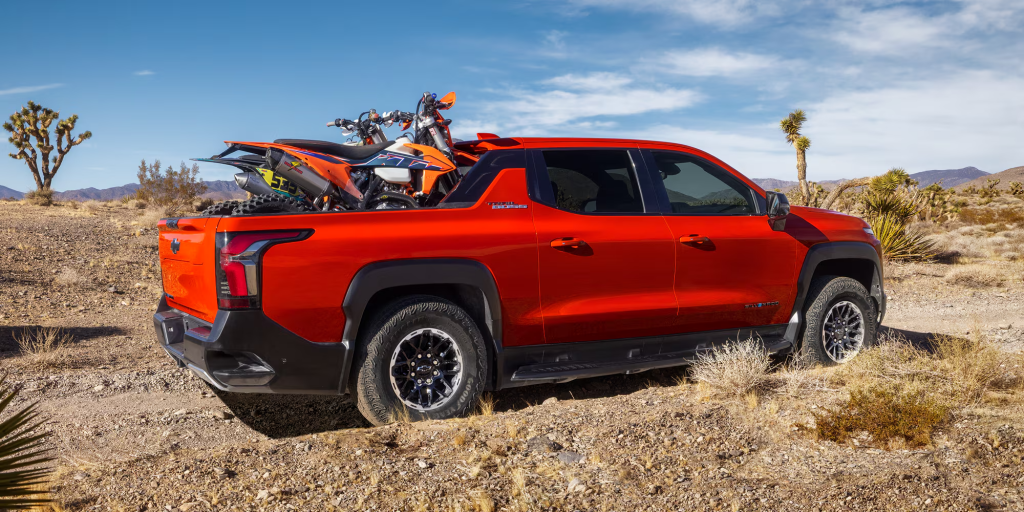
Towing can affect electric range considerably, so buyers should evaluate the vehicle against their actual travel requirements.
The Silverado EV is not automatically a poor vehicle. It can be a useful choice for someone who has convenient charging access and wants an electric full-size pickup. The concern is paying too much for it.
A significant depreciation adjustment can make the truck far more attractive, while a seller demanding an inflated price may leave the buyer carrying the financial risk.
5. Ford F-150 Lightning
The Ford F-150 Lightning offers a familiar pickup format with an electric powertrain. Its conventional body design, large cabin and useful storage solutions make it easier for traditional truck buyers to understand than some more unusual electric alternatives.
It also delivers immediate electric torque and can provide practical benefits for owners who can charge at home.
Despite those strengths, its resale performance creates a reason to negotiate carefully. iSeeCars’ 2026 data estimates that the Lightning loses approximately 53.3 percent of its value after five years.
That is a substantial reduction compared with the estimated depreciation of conventional pickups. The model has also experienced changing prices and incentives during its market life, which can influence what used buyers consider reasonable.
The truck’s electric range is an important factor. Actual distance depends on temperature, driving speed, payload, towing and equipment. Someone who regularly travels long distances with a trailer may find the ownership experience different from a driver who uses the vehicle mainly for commuting and local hauling.
Battery condition and charging performance should be checked before buying. Owners should also investigate warranty coverage, software history, charging equipment and whether the vehicle has received relevant manufacturer updates.
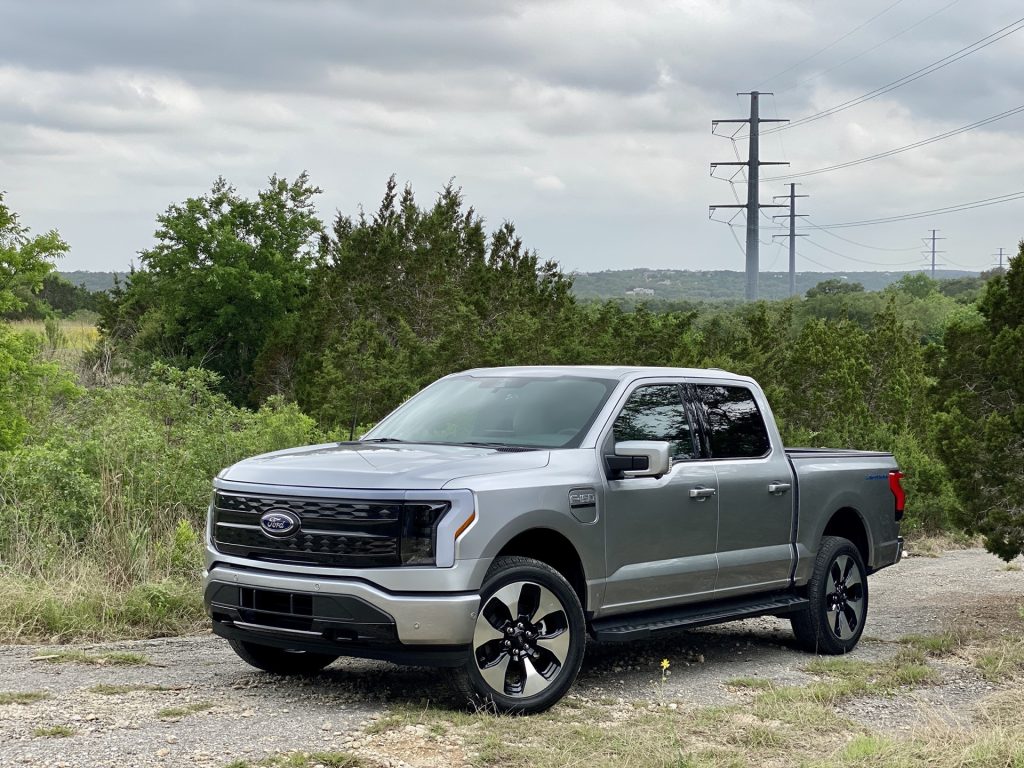
The condition of the tires and suspension deserves attention because a heavy electric pickup can place substantial demands on these components.
The Lightning can be a sensible purchase when its price reflects the depreciation already experienced and its electric capabilities suit the buyer’s lifestyle.
It becomes difficult to justify when a seller asks nearly as much as a newer example or ignores manufacturer incentives that have affected the market. Its familiar pickup layout is a strength, but it does not remove the financial risks of buying an expensive electric vehicle.