
Federal vehicle safety investigations can raise serious questions about the reliability of popular cars, SUVs, and electric vehicles. When drivers report unexpected braking, engine failures, electrical problems, or fire risks, federal regulators may examine whether manufacturers have addressed potential defects.
These investigations can lead to recalls, repairs, updated safety procedures, and closer monitoring. For vehicle owners, understanding these concerns is important when purchasing a used car or maintaining an existing one.
Here are nine well-known vehicles that have faced federal safety scrutiny, along with the reported concerns, possible consequences, and information drivers should understand.
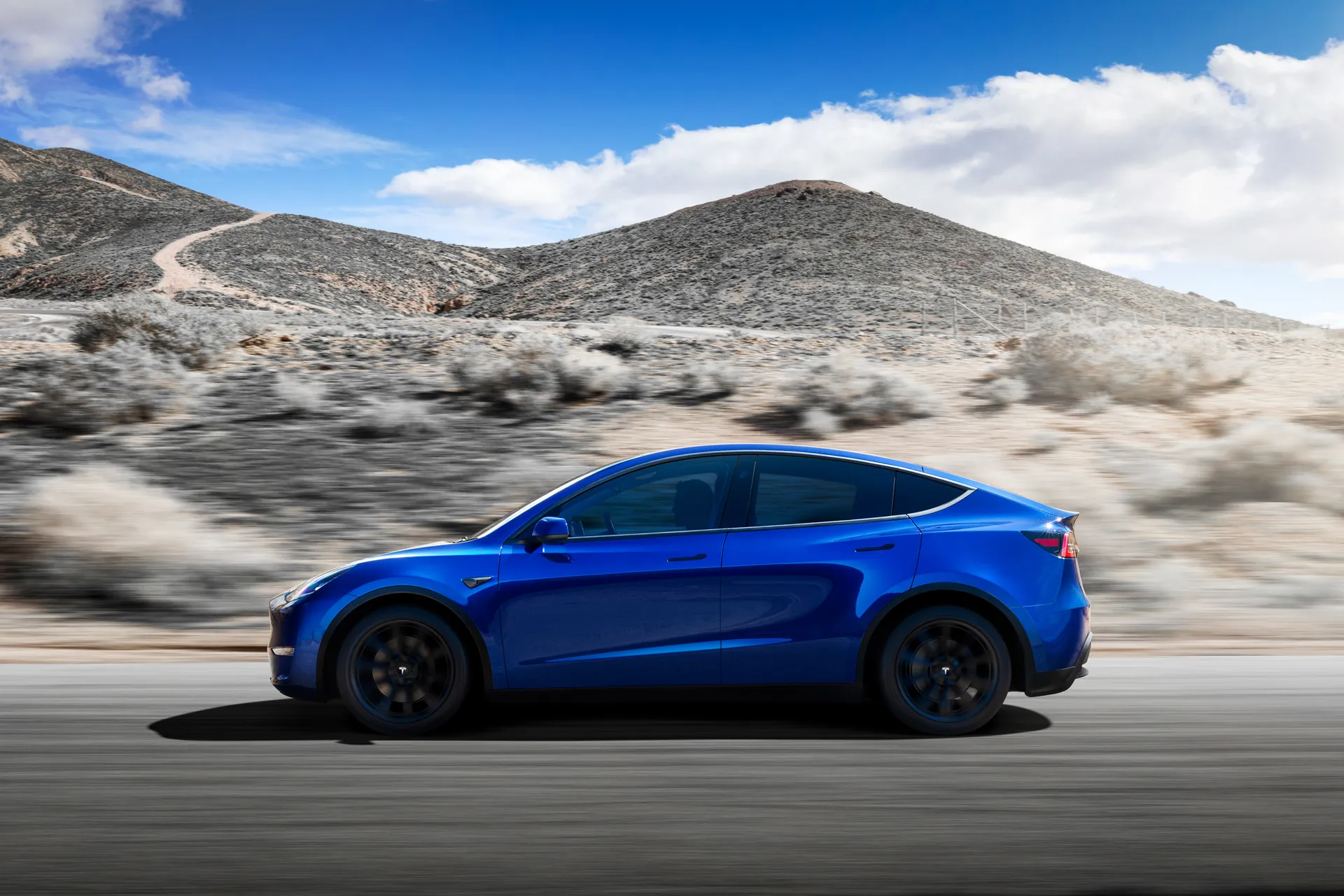
1. Tesla Model 3 and Model Y: Concerns About Driver Assistance Technology
The Tesla Model 3 and Tesla Model Y have become familiar sights on American roads. Their electric powertrains, software-based controls, and advanced driver assistance features have attracted considerable attention. However, Tesla vehicles have also faced federal scrutiny involving crashes and the performance of driver assistance technology.
One major area of concern involves Autopilot and related driver assistance functions. These systems can help maintain speed, steering, and distance from other vehicles under appropriate conditions.
However, they do not turn a vehicle into a fully autonomous car. Drivers remain responsible for monitoring traffic, maintaining attention, and taking control when necessary.
Federal safety investigations involving Tesla have examined crashes in which driver assistance technology was reportedly active. Investigators have considered whether drivers understood the system’s limitations and whether the available safeguards adequately prevented misuse.
Such reviews are important because a driver may incorrectly assume that a vehicle can recognize every road hazard or respond appropriately to every emergency.
Another concern involves how vehicle software, driver monitoring, and warning systems work together. Regulators may examine whether alerts are sufficiently clear and whether drivers receive appropriate warnings when they fail to maintain attention.
Software updates can improve certain functions, but they do not automatically resolve every possible safety concern associated with vehicle operation.
Owners of Model 3 and Model Y vehicles should understand the distinction between driver assistance and autonomous driving. They should read the owner’s manual, install recommended software updates, and remain attentive whenever driving.
Anyone considering a used Tesla should also review its recall history and confirm that outstanding safety repairs have been completed.
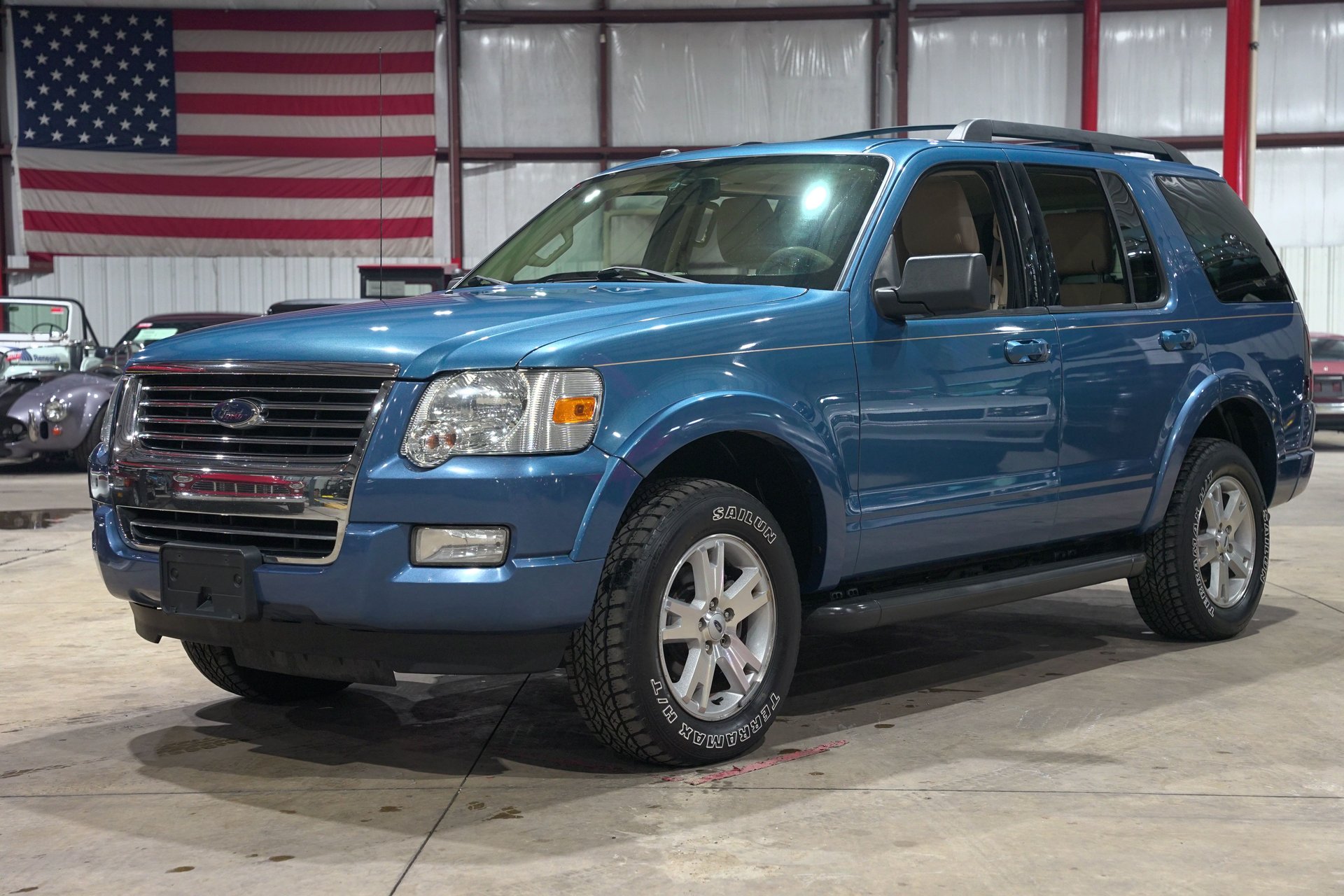
2. Ford Explorer: Questions About Vehicle Reliability and Safety
The Ford Explorer is a widely recognized family SUV known for its passenger space, towing capabilities, and availability of different engine options.
It has served families, businesses, and public agencies for decades. Its popularity has also meant that safety complaints and reported mechanical problems have received considerable attention from regulators.
A major historical safety concern involving certain Explorer models involved reports of exhaust fumes entering the passenger compartment. Carbon monoxide exposure can be dangerous because the gas is colorless and odorless.
Depending on the concentration and duration of exposure, affected occupants may experience headaches, dizziness, confusion, or more serious health consequences.
Federal scrutiny of reported exhaust concerns has highlighted the importance of identifying potential sources of harmful fumes. Investigators can examine vehicle ventilation, exhaust systems, reported incidents, and manufacturer repair procedures. The objective is to establish whether a particular defect exists and whether it creates an unreasonable risk to occupants.
Ford Explorer vehicles have also been associated with other safety-related recalls and complaints involving mechanical and electrical components.
Problems affecting suspension parts, steering, braking, or powertrain systems can influence vehicle handling and reliability. However, the presence of a complaint does not establish that every vehicle in a model family has the same defect.
Explorer owners should check their vehicle identification number through the official NHTSA recall database. They should pay attention to warning lights, unusual exhaust odors, unexplained changes in handling, and unusual mechanical sounds.
Any suspected exhaust leak or possible carbon monoxide exposure should be treated seriously, and the vehicle should be inspected by a qualified professional.

3. Hyundai Santa Fe: Engine Problems and Fire-Related Safety Concerns
The Hyundai Santa Fe has attracted buyers through its comfortable interior, practical design, and range of available features. It is commonly used as a family vehicle, making reliability an important consideration. However, certain Hyundai vehicle generations have faced significant safety scrutiny involving engine problems and fire risks.
Engine-related complaints have been an important subject in investigations and regulatory actions involving some Hyundai models. Reported concerns have included abnormal engine noise, excessive oil consumption, stalling, and mechanical damage.
In some circumstances, serious engine failures can cause a vehicle to lose power while moving, creating a dangerous situation for occupants.
Fire-related concerns have also affected certain Hyundai vehicle groups. Electrical problems, engine compartment defects, and other mechanical conditions can potentially increase fire risks.
The precise cause depends on the affected component and vehicle configuration. A safety investigation helps determine whether incidents share a common technical explanation.
Not every Santa Fe model is affected by the same issue. Model years, engine types, manufacturing dates, and installed components can influence whether a vehicle falls within a particular recall or investigation.
Buyers should avoid assuming that a problem reported for one version automatically applies to every vehicle carrying the Santa Fe name.
Current and prospective owners should review manufacturer notices and federal recall records. Unusual engine sounds, burning smells, smoke, warning lights, and unexpected loss of power deserve immediate attention. Owners should follow official instructions if a safety recall recommends specific parking or operating precautions while repairs are pending.
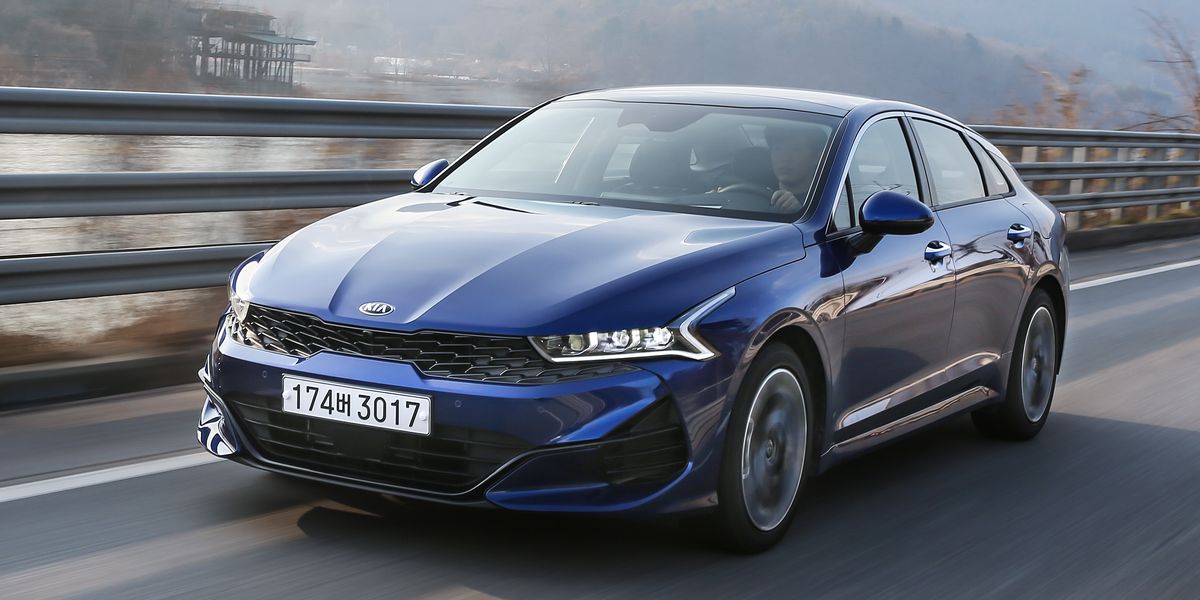
4. Kia Optima and Sorento: Engine Failure and Fire Risks
The Kia Optima and Kia Sorento have been popular choices among American drivers seeking practical vehicles with modern equipment. Both nameplates have appeared in broader safety discussions involving certain Kia powertrains and components. These concerns have prompted regulatory attention, recalls, and manufacturer repair programs.
Some Kia vehicles have faced reports of engine bearing wear, internal engine damage, and unexpected engine failure. Mechanical deterioration can affect an engine’s ability to operate reliably. In serious cases, a damaged engine may stall, lose power, or create additional hazards while the vehicle is being driven.
Fire risk has also been a significant concern in certain Kia vehicle populations. Depending on the specific defect, a fire may develop within the engine compartment or involve electrical components.
Reports of fires in parked vehicles have also prompted safety attention. However, the existence of a recall does not mean that every Kia Optima or Sorento has an identical risk.
Federal regulators examine complaint patterns, incident reports, technical information, and manufacturer responses when determining whether further investigation is necessary.
They may request additional information from the manufacturer and evaluate whether existing recalls adequately address the reported condition. A recall can involve inspections, replacement parts, software changes, or other corrective measures.
Owners should verify whether their particular vehicle is included in any safety campaign. They should also maintain service records and respond promptly to manufacturer communications.
If an official notice recommends specific precautions, those instructions should be followed. Buyers should request documented evidence of completed recall repairs before purchasing an older Optima or Sorento.

5. Jeep Wrangler 4xe: Battery Safety and Electrical System Concerns
The Jeep Wrangler 4xe combines traditional off-road capability with a plug-in hybrid powertrain. Its combination of electric driving and gasoline power has made it an interesting option for buyers seeking improved fuel efficiency without giving up the Wrangler’s familiar design.
However, certain plug-in hybrid vehicles have faced safety scrutiny involving battery systems and fire hazards.
High-voltage battery packs are essential components of electric and plug-in hybrid vehicles. They store electrical energy and deliver power to the vehicle’s electric motors. If a battery develops an internal defect, overheating or other abnormal conditions may occur. In rare circumstances, battery-related failures can result in a fire.
Battery fires require particular attention because damaged lithium-ion battery cells can experience thermal runaway. This process involves an uncontrolled rise in temperature that can spread between cells.
Firefighters and vehicle owners may face additional challenges when dealing with high-voltage battery incidents compared with conventional gasoline vehicle fires.
Safety actions involving certain Jeep plug-in hybrid models have included manufacturer recalls and instructions related to battery-related fire concerns. These actions demonstrate why regulators examine reports involving electric and hybrid vehicles. They also highlight the importance of identifying affected production batches rather than assuming every vehicle has the same defect.
Wrangler 4xe owners should check their vehicle identification numbers against official recall notices and follow any special charging or parking instructions. They should not ignore battery warnings, unusual odors, smoke, or abnormal electrical behavior. Any suspected high-voltage battery problem should be handled by a trained technician familiar with electric vehicle safety procedures.
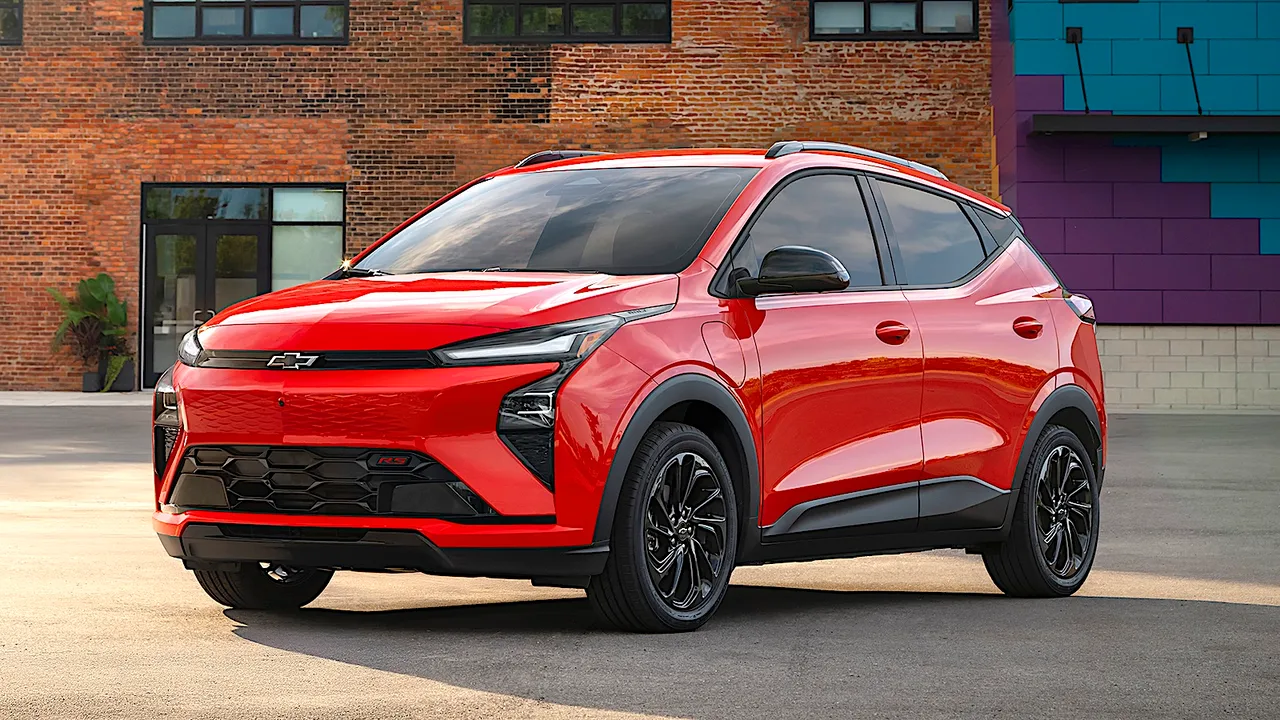
6. Chevrolet Bolt EV: Battery Defects and Potential Fire Hazards
The Chevrolet Bolt EV became an important vehicle in the affordable electric car market. Its practical size, electric driving range, and relatively accessible price attracted many customers. However, the Bolt EV became associated with a major battery safety issue that resulted in extensive recalls and significant regulatory attention.
The central concern involved defects in certain high-voltage battery cells. Investigations and manufacturer findings identified manufacturing-related problems that could increase the possibility of a battery fire. These defects demonstrated how problems involving individual battery cells can potentially affect an entire vehicle’s safety.
Battery-related fires are particularly concerning because they can occur even when a vehicle is parked and switched off. Depending on the nature of the defect, the battery may overheat and produce smoke or flames. This can create risks for vehicle occupants, nearby property, and emergency responders.
General Motors introduced recall measures to address affected Chevrolet Bolt EV vehicles. Depending on the vehicle and the applicable recall campaign, corrective actions included battery inspections, software measures, and battery module or pack replacements.
These actions were intended to reduce the identified risks and restore confidence in the vehicle’s safety.
Owners should verify that all applicable battery-related recalls have been completed. They should retain repair documentation and follow any charging or parking restrictions provided in official notices.
Anyone purchasing a used Bolt EV should request its recall and battery replacement history. A completed repair record is especially important when evaluating an older electric vehicle.
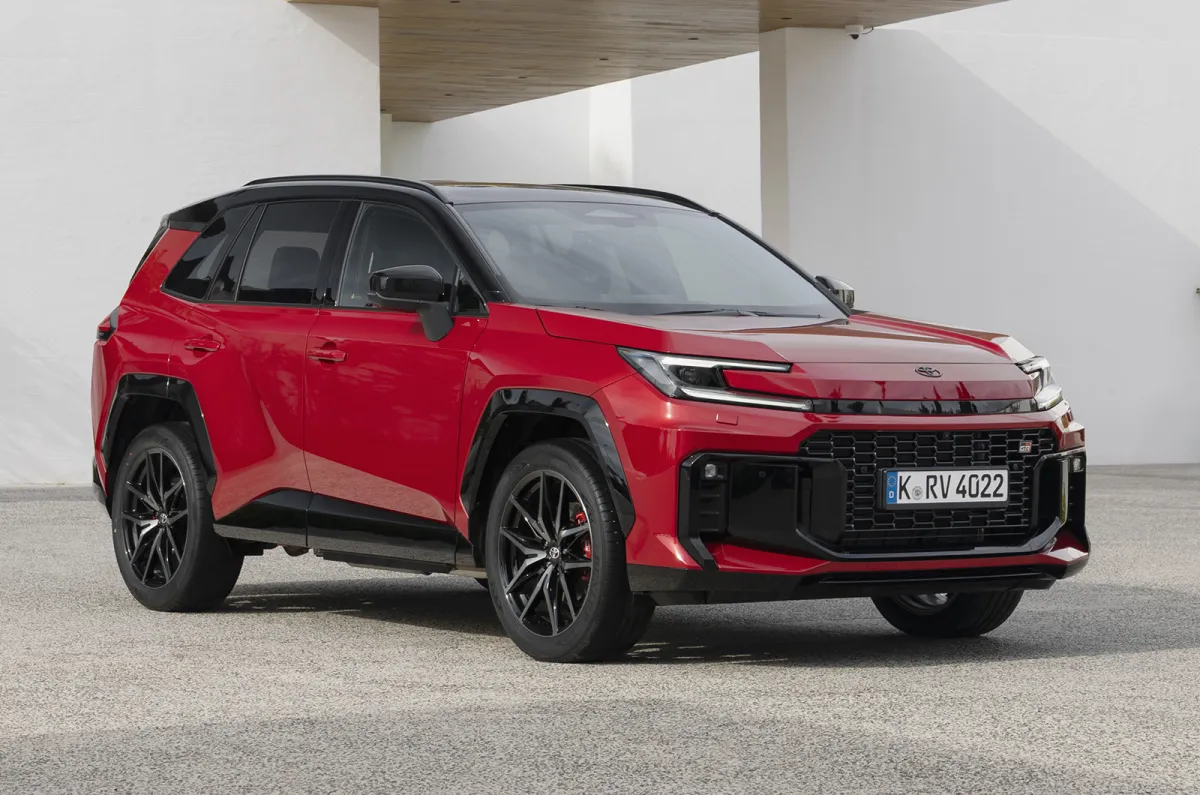
7. Toyota RAV4: Battery, Electrical, and Mechanical Safety Questions
The Toyota RAV4 is among the best-known compact SUVs in the American automotive market. Its reputation for practicality, fuel efficiency, and everyday usability has helped it attract a large customer base.
However, even established vehicle manufacturers can face safety investigations when owners report recurring problems involving specific components.
One area of concern involving certain RAV4 models has involved electrical and battery-related issues. Vehicle batteries and electrical connections play important roles in starting the engine and supporting electronic systems.
Problems with connections, charging components, or electrical equipment can sometimes produce warning lights, starting difficulties, or unexpected electrical behavior.
Certain Toyota vehicles have also faced scrutiny involving battery movement and related electrical concerns. In particular, reports concerning the fitment and retention of replacement or vehicle batteries have highlighted the importance of secure installation. An improperly secured battery can move during vehicle operation and potentially cause electrical damage.
Mechanical concerns can also prompt federal safety reviews. Investigators may examine reports involving suspension, steering, braking, and powertrain components.
Their work generally involves determining whether the reported failures are connected to a manufacturing or design defect, rather than ordinary wear, improper maintenance, or unrelated damage.
RAV4 owners should follow the recommended maintenance schedule and ensure that replacement batteries are installed correctly.
They should also check whether their model year is included in a particular recall. Used-car buyers should inspect maintenance records, review previous repairs, and verify that safety campaigns have been completed before finalizing a purchase.
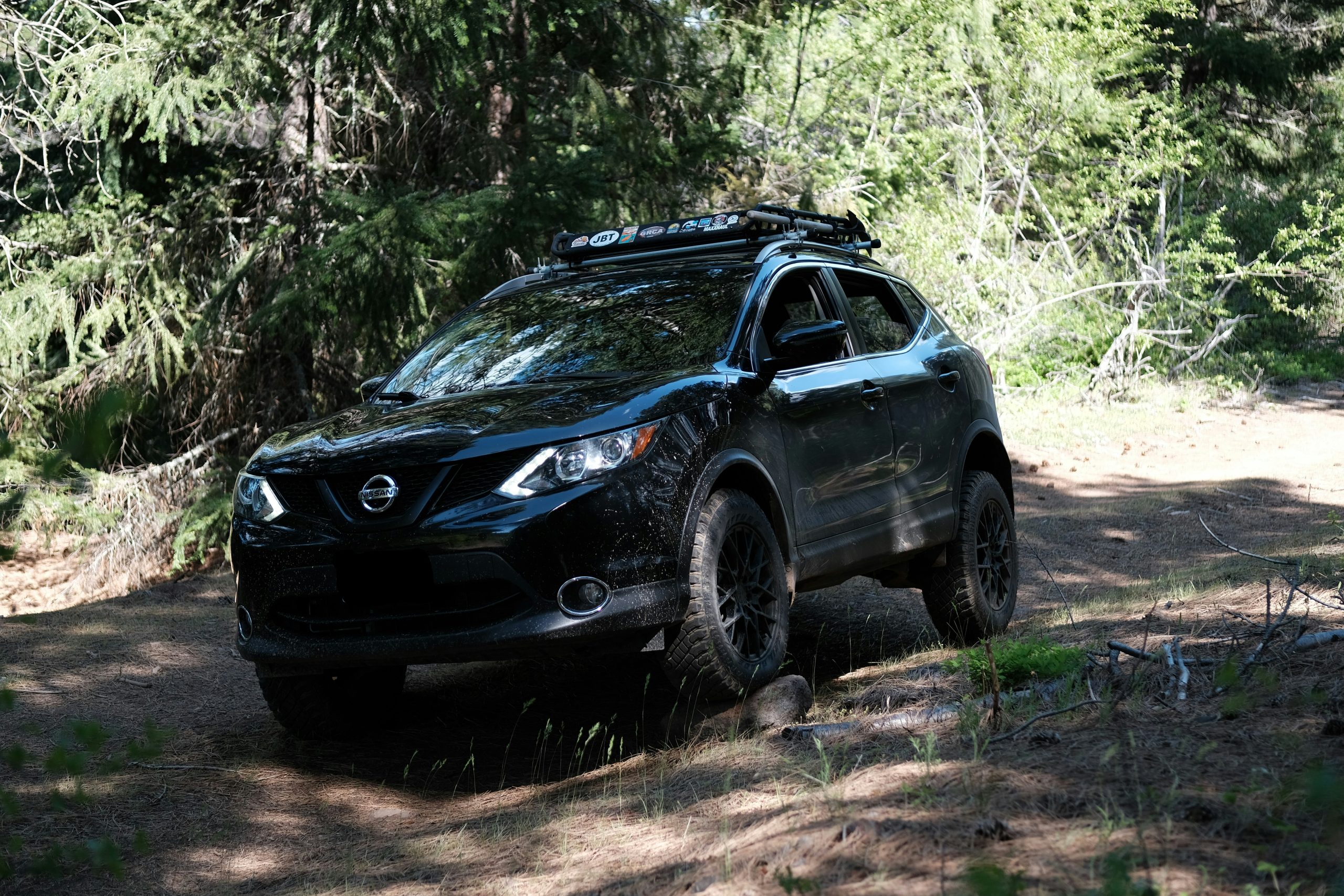
8. Nissan Rogue: Automatic Emergency Braking and Unexpected Vehicle Responses
The Nissan Rogue has been a major part of Nissan’s SUV lineup. It offers family-friendly seating, practical storage, and driver assistance technology designed to support everyday driving.
Certain Rogue models have attracted safety attention involving advanced braking systems and the way vehicles respond to objects detected by onboard sensors.
Automatic emergency braking systems are designed to help reduce the severity of certain collisions. They use cameras, radar, or other sensors to identify potential obstacles and may apply the brakes when the system detects an imminent collision. These technologies can be helpful, but their performance depends on operating conditions and system limitations.
Reports of unexpected braking have been a concern involving certain vehicles equipped with automatic emergency braking technology.
Drivers may experience sudden braking when the system incorrectly identifies a hazard or interprets an object as an immediate collision threat. Such behavior can increase the possibility of a rear-end collision if surrounding traffic cannot react in time.
Federal safety investigations into unexpected braking complaints typically examine the conditions under which incidents occurred.
Regulators may assess sensor performance, software calibration, warning systems, and the frequency of reported incidents. They may also compare consumer complaints with manufacturer testing and available technical information.
Rogue owners should understand how their emergency braking features operate and should not treat them as substitutes for attentive driving.
They should also check for software updates and outstanding recalls. If the vehicle repeatedly brakes unexpectedly, owners should arrange a professional inspection and document when and under what conditions the problem occurs.
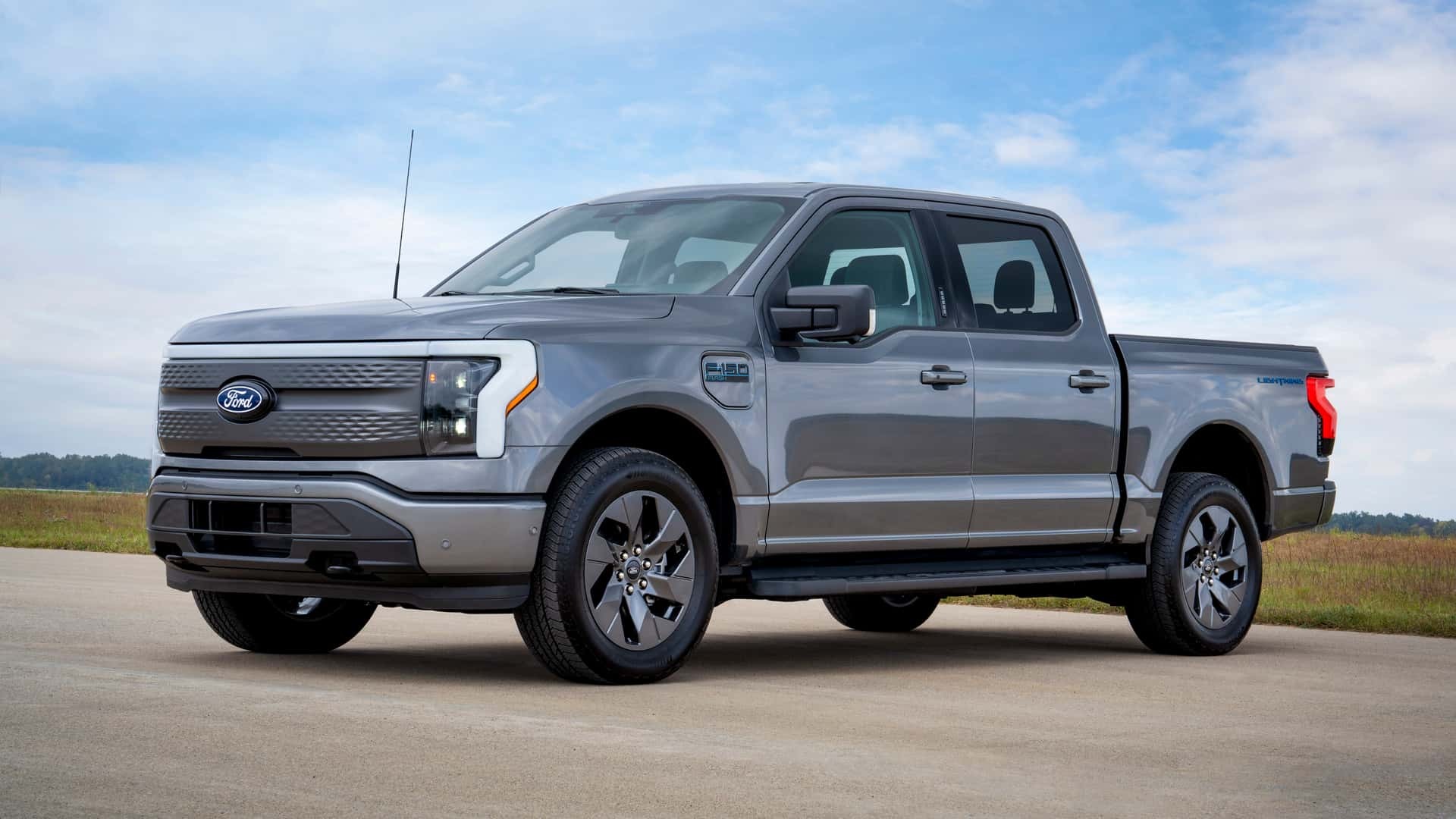
9. Ford F-150: Powertrain, Steering, and Electrical System Concerns
The Ford F-150 has been a leading name in the American pickup truck market for many years. Its towing ability, available engine options, and usefulness for personal and commercial transportation have contributed to its popularity. With millions of vehicles on roads, reported defects involving particular model years can attract substantial regulatory attention.
Powertrain problems are among the safety issues that can affect pickup trucks. Engine stalling, transmission irregularities, and unexpected power loss may interfere with normal driving. When a vehicle experiences a sudden mechanical problem on a highway or while towing a heavy load, the situation can become particularly dangerous.
Steering and suspension components are also important safety considerations. A failure involving these systems may affect directional control, stability, or the ability to respond to road conditions. Even a relatively small mechanical defect can have serious consequences when a vehicle is carrying a heavy load or travelling at highway speeds.
Modern F-150 models also rely on extensive electrical systems and computer-controlled functions. Sensors, electronic modules, cameras, and software help manage different vehicle features. When a component develops a defect, drivers may experience warning messages, malfunctioning equipment, or unexpected changes in vehicle behavior. The exact risk depends on the affected system.
Owners should pay attention to manufacturer notices and verify their truck’s recall status. They should also keep maintenance records, particularly when using the vehicle for towing or commercial activities. Buyers considering a used F-150 should examine its service history, inspect important mechanical systems, and confirm that any outstanding safety repairs have been completed.