
A pickup truck is built to handle demanding jobs, long journeys, heavy loads, and challenging road conditions. However, mechanical problems can develop without much warning, leaving drivers stranded or making the vehicle impossible to move.
Some issues affect the engine, while others involve the transmission, brakes, steering, or electrical system. Understanding the common causes of a sudden truck lockup can help owners recognize warning signs before a minor fault becomes an expensive repair.
From seized engines to damaged wheel bearings, knowing what to watch for can protect your vehicle, improve road safety, and reduce unexpected repair costs.
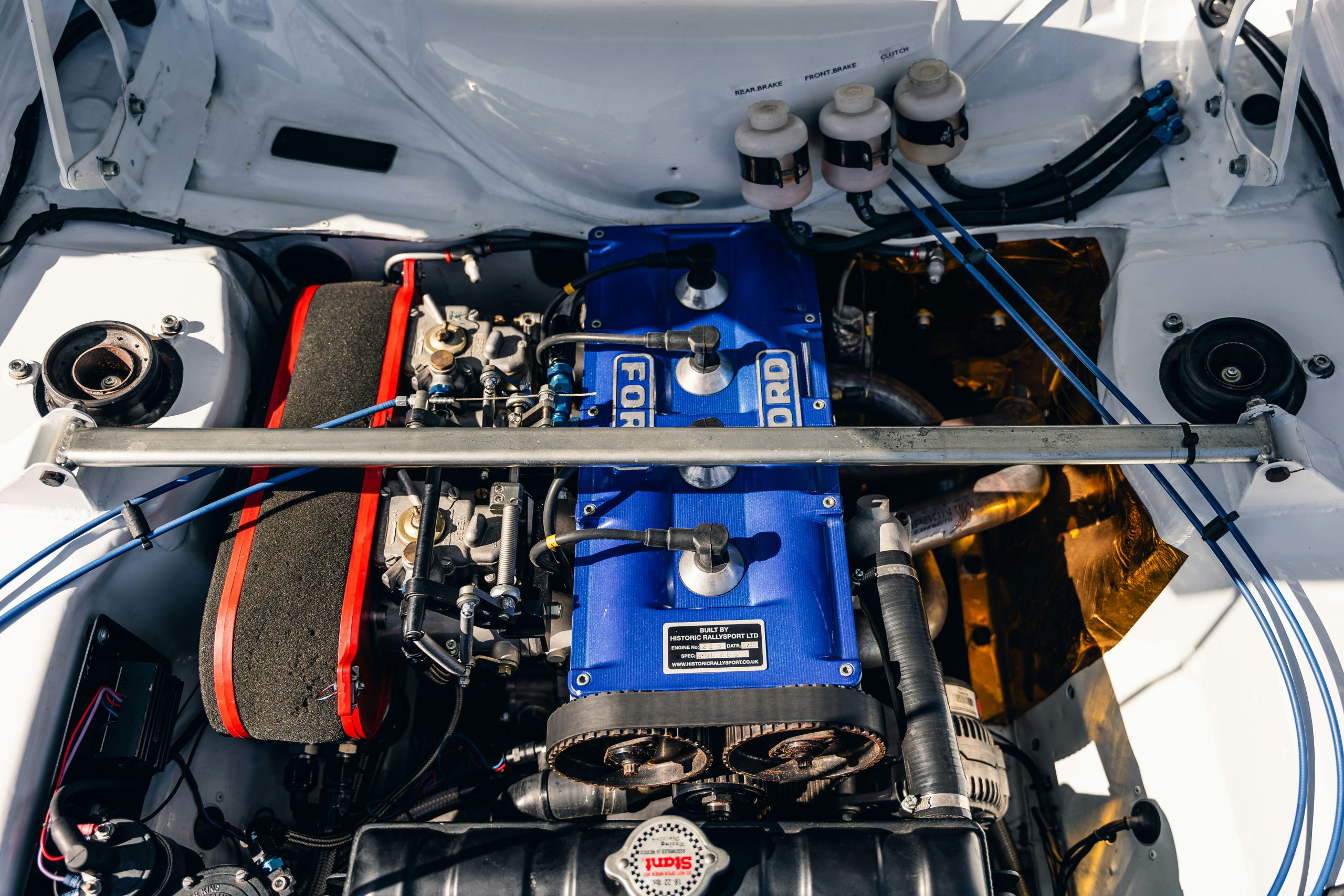
1. Engine Seizure Caused by Internal Mechanical Failure
An engine seizure is among the most serious problems that can suddenly stop a pickup truck. It occurs when internal engine components become unable to move freely because of excessive friction, overheating, insufficient lubrication, or severe mechanical damage. When the engine seizes completely, the crankshaft may no longer rotate, preventing the vehicle from starting.
Engine oil plays an essential role in protecting moving components such as pistons, crankshafts, camshafts, and bearings. If the oil level drops too low or the lubrication system stops working correctly, metal surfaces can rub against each other. Continued operation under these conditions may cause substantial internal damage.
Drivers might notice knocking sounds, unusual engine noise, excessive heat, or an oil pressure warning light before a complete failure occurs. In certain situations, however, the engine can seize with very little warning. Ignoring early symptoms increases the possibility of expensive repairs or complete engine replacement.
Poor maintenance, oil leaks, incorrect oil grades, and neglected oil changes can contribute to engine seizure. A damaged oil pump can also prevent lubricant from reaching critical engine components. These problems are particularly concerning for pickup trucks used regularly for towing, hauling, or driving under demanding conditions.
If the engine suddenly stops and will not turn over, avoid repeatedly attempting to start it. Continued cranking may worsen existing damage.
Have the truck transported to a qualified mechanic for inspection. A professional can check the lubrication system, internal components, and engine rotation to determine whether repair or replacement is necessary.
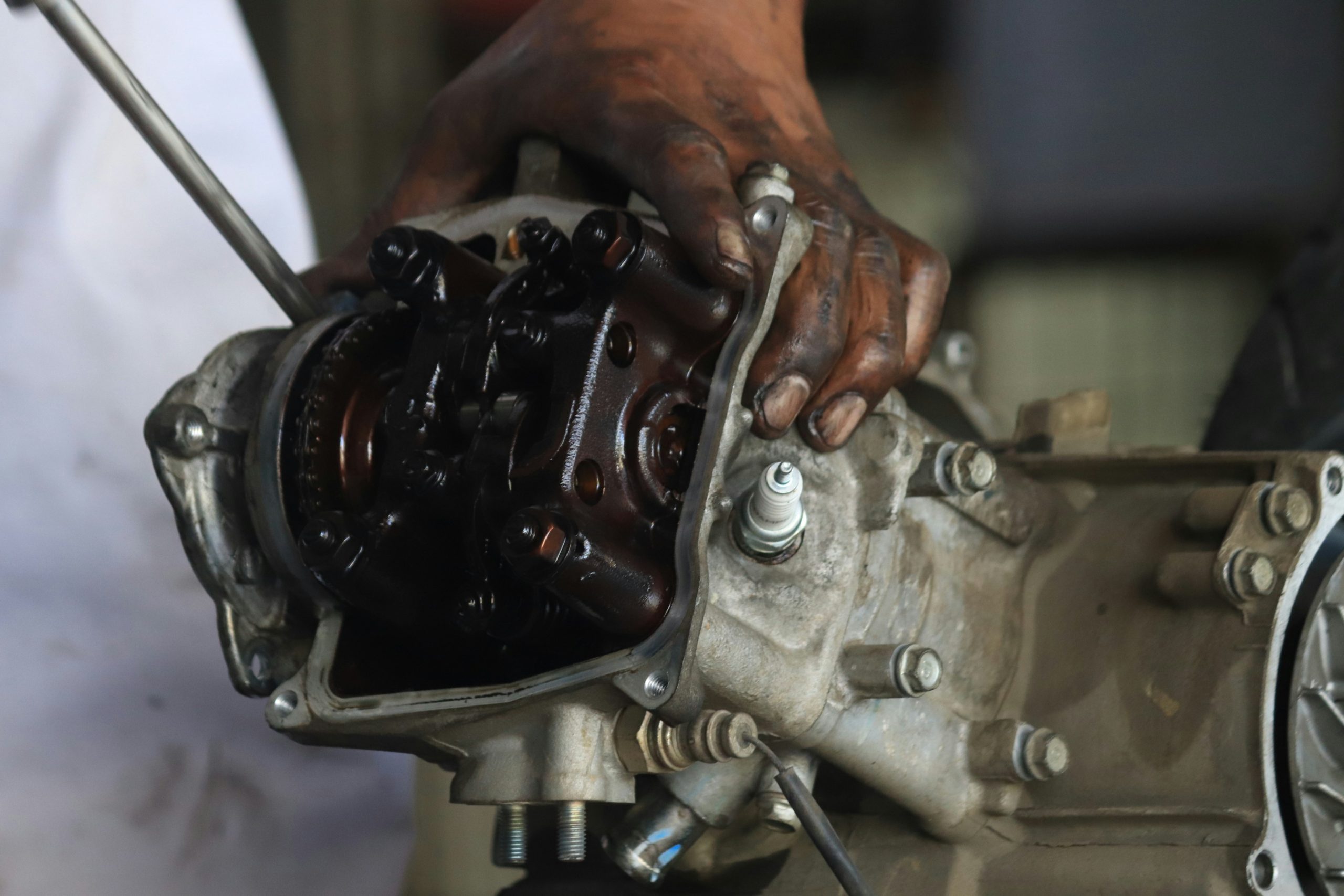
2. Transmission Failure That Prevents the Truck From Moving
The transmission transfers engine power to the wheels and allows a pickup truck to operate at different speeds. When this system develops a serious mechanical or hydraulic fault, the vehicle may suddenly lose its ability to move. In severe cases, damaged internal components can cause the transmission to bind or lock.
Low transmission fluid is a common contributor to transmission problems. Automatic transmissions depend on properly maintained fluid for lubrication, cooling, and hydraulic pressure.
When fluid levels become too low, internal components may experience excessive friction and heat. Leaking seals, damaged lines, and neglected servicing can all contribute to fluid loss.
Warning signs often include delayed gear engagement, slipping gears, harsh shifting, burning smells, and unusual whining noises.
Some trucks may also display transmission warning messages or enter a reduced-performance mode. These symptoms should receive attention before the transmission suffers more serious damage.
Internal transmission damage can involve worn clutch packs, damaged gears, faulty bearings, or problems with the torque converter. A broken component may interfere with the movement of other parts inside the gearbox. The result can be a transmission that struggles to engage or prevents the truck from moving properly.
When transmission trouble develops, stop driving if the vehicle behaves unpredictably or becomes difficult to control. Check for visible fluid leaks only when it is safe to do so. A qualified technician should inspect the fluid condition, electronic controls, hydraulic pressure, and mechanical components before recommending repairs.
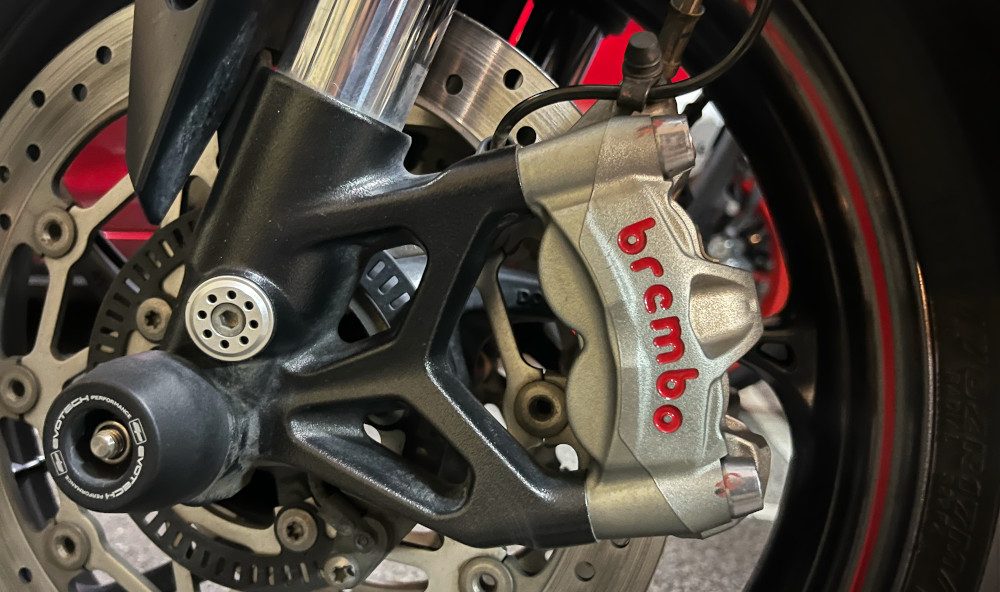
3. Brake Caliper Seizure That Locks the Wheels
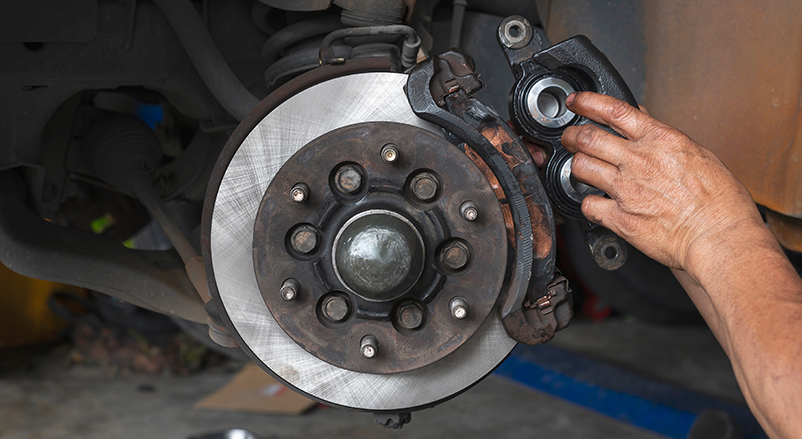
Brake calipers are responsible for pressing brake pads against the rotors to slow down or stop a pickup truck. When a caliper becomes stuck, it may continue applying pressure even after the driver releases the brake pedal. This condition can create significant resistance and make the affected wheel difficult to rotate.
Corrosion is a common reason brake calipers develop problems. Moisture, road salt, dirt, and prolonged exposure to harsh conditions can affect caliper pistons and sliding pins. When these components cannot move freely, the brake pads may remain in contact with the rotor longer than necessary.
A pickup truck with a seized brake caliper may pull toward one side while driving. Drivers might also notice a burning smell, excessive heat near a wheel, unusual brake noises, or reduced fuel efficiency. In some situations, the affected wheel can become extremely hot after relatively short journeys.
Continuing to drive with a stuck caliper can damage brake pads, rotors, wheel components, and nearby rubber parts. Excessive heat may also affect braking performance elsewhere in the system. The problem becomes particularly dangerous when the truck carries heavy cargo or travels down steep roads.
If you suspect a seized brake caliper, pull over somewhere safe and allow the brakes to cool. Never touch a hot rotor or caliper directly. Arrange a professional inspection and have the affected components repaired or replaced. Regular brake servicing can help identify corrosion and sticking parts before they create serious trouble.
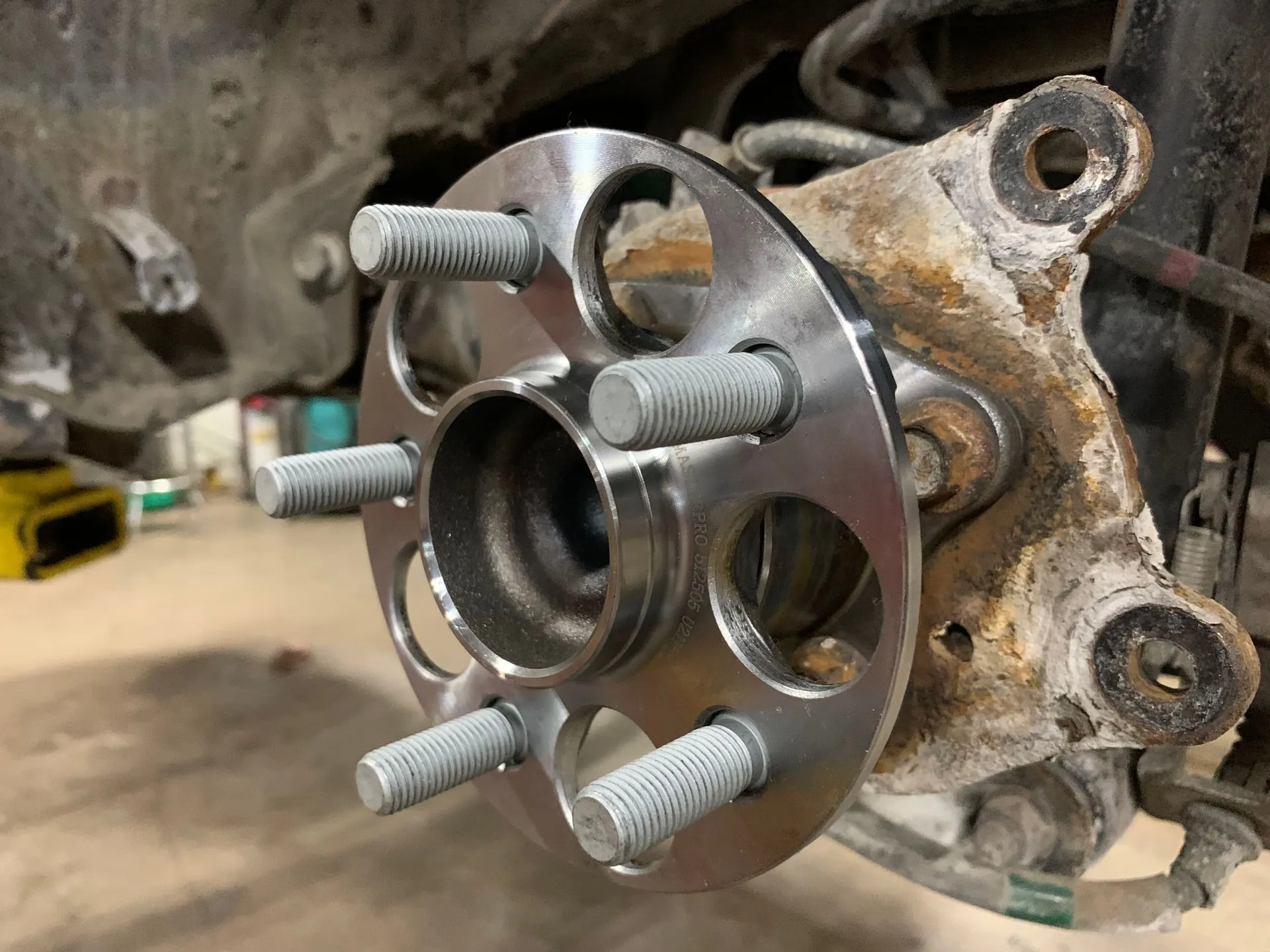
4. Damaged Wheel Bearings That Cause Wheel Lockup
Wheel bearings allow the wheels to rotate smoothly while supporting the weight of the pickup truck. These components experience continuous pressure from vehicle weight, road impacts, cornering forces, and braking.
When a bearing becomes severely damaged, it can generate excessive friction and, in extreme cases, cause the wheel assembly to bind.
A failing wheel bearing usually produces noticeable warning signs before complete failure. Drivers may hear humming, grinding, or rumbling noises that become louder as vehicle speed increases. Vibrations through the steering wheel or floor can also indicate a problem with a wheel bearing or related components.
Water contamination, damaged seals, poor installation, excessive loading, and normal wear can shorten bearing life. Pickup trucks frequently used on rough roads or carrying heavy equipment may place additional stress on their wheel assemblies. Improper wheel installation can also contribute to premature bearing damage.
When bearing damage becomes severe, the wheel may develop excessive movement, generate substantial heat, or become difficult to rotate.
In extreme cases, the bearing can break apart and affect the hub or surrounding suspension components. This can create a dangerous driving situation and potentially cause a loss of control.
Do not ignore unusual wheel noises or vibrations. Have the wheel hub and bearing assembly inspected as soon as possible. A mechanic can check for looseness, rough rotation, overheating, and visible damage. Replacing a worn bearing promptly is considerably safer than waiting for the component to fail completely.
5. Broken Driveshaft or Differential Problems
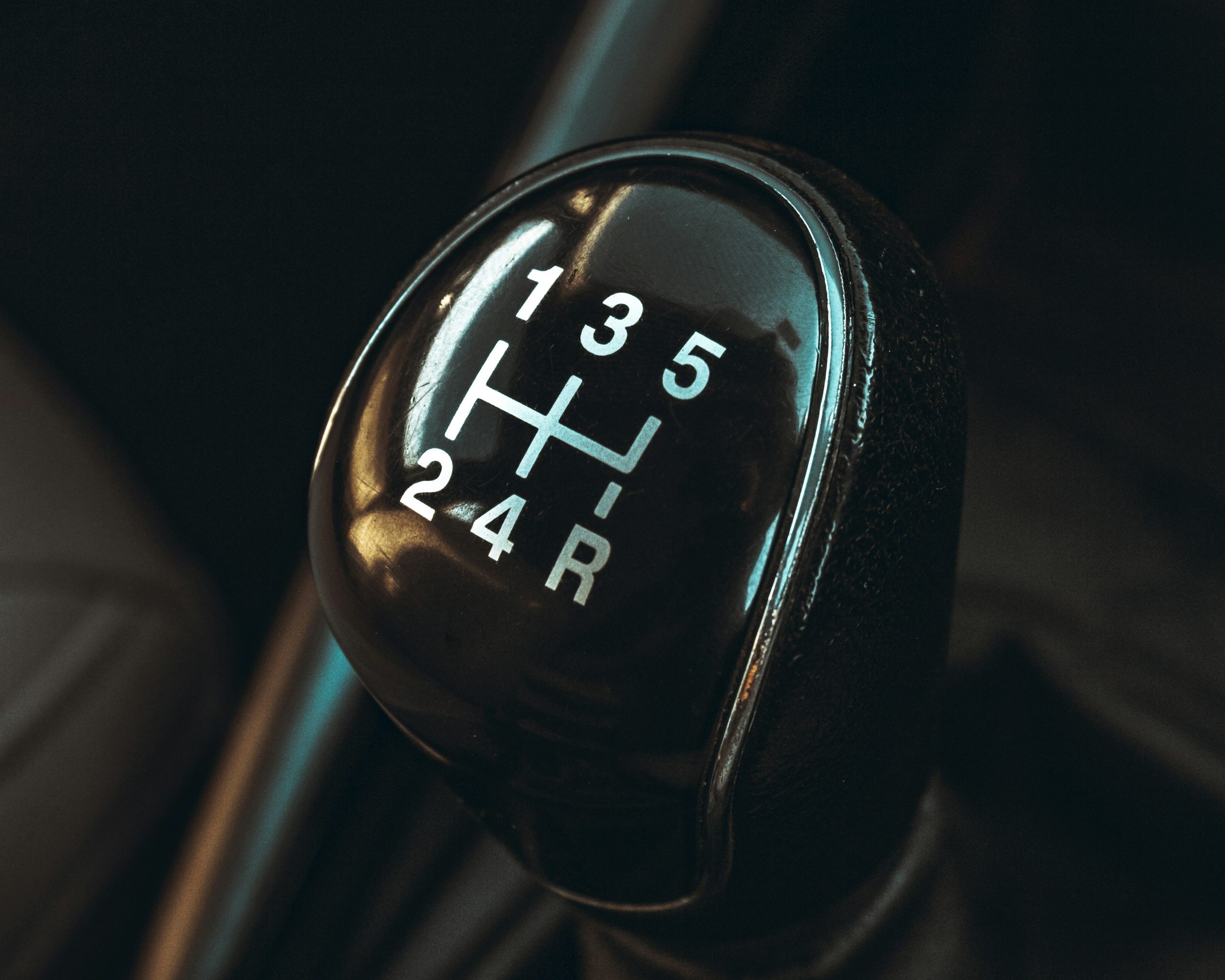
The driveshaft transfers rotational power from the transmission to the differential in many rear-wheel-drive and four-wheel-drive pickup trucks.
The differential then distributes power to the wheels while allowing them to rotate at different speeds during turns. Problems within these components can interrupt power delivery and sometimes cause serious mechanical binding.
Universal joints, slip joints, and driveshaft bearings experience continuous movement and mechanical stress. If a universal joint wears out or loses lubrication, it may produce clunking sounds, vibrations, and unusual movement. A severely damaged joint can separate or interfere with the rotation of connected components.
Differential problems can develop when gear oil becomes contaminated, fluid levels fall, or internal gears suffer excessive wear. Damaged bearings, broken gear teeth, and worn ring-and-pinion components may produce grinding or whining sounds. A major internal failure can cause the drivetrain to bind and prevent normal wheel movement.
Drivers should pay attention to clunking when shifting between drive and reverse, vibrations during acceleration, and unusual noises from underneath the truck. Leaking differential fluid can also indicate a damaged seal or housing problem. These symptoms deserve attention, especially when the vehicle is regularly used for towing.
If the drivetrain suddenly produces loud grinding noises or the truck experiences severe resistance, stop driving and arrange professional assistance. Avoid attempting to force the vehicle forward. A technician can inspect the driveshaft, universal joints, differential gears, bearings, and lubrication system to locate the source of the failure.

6. Overheating That Causes Mechanical Lockup
Engine overheating is a major mechanical concern that can quickly turn a manageable maintenance issue into an expensive repair.
Pickup truck engines produce considerable heat during operation, particularly when towing trailers, carrying heavy cargo, climbing hills, or driving in hot weather. The cooling system must regulate this temperature to protect internal components.
Several faults can cause the engine to overheat. These include coolant leaks, a damaged radiator, a failing water pump, a malfunctioning thermostat, and a faulty cooling fan. A blocked radiator or restricted coolant passage can also reduce heat transfer and prevent the engine from maintaining its normal operating temperature.
Early warning signs include a rising temperature gauge, steam from underneath the hood, coolant warning messages, and unusual smells. Some drivers may notice reduced engine performance or hear knocking sounds as the temperature increases. These symptoms indicate that the engine needs attention before additional damage occurs.
Severe overheating can damage the cylinder head gasket, distort engine surfaces, and affect piston movement. In extreme situations, insufficient lubrication and excessive expansion of internal components can cause the engine to seize. Repair costs can become substantial when overheating continues without intervention.
If the temperature gauge enters the danger zone, stop in a safe location and switch off the engine. Never remove a hot radiator cap because pressurized coolant can cause serious burns.
Allow the system to cool and arrange professional assistance if necessary. Regular coolant inspections and cooling system maintenance can reduce the risk of overheating.
7. Electrical System Failure That Disables Essential Components
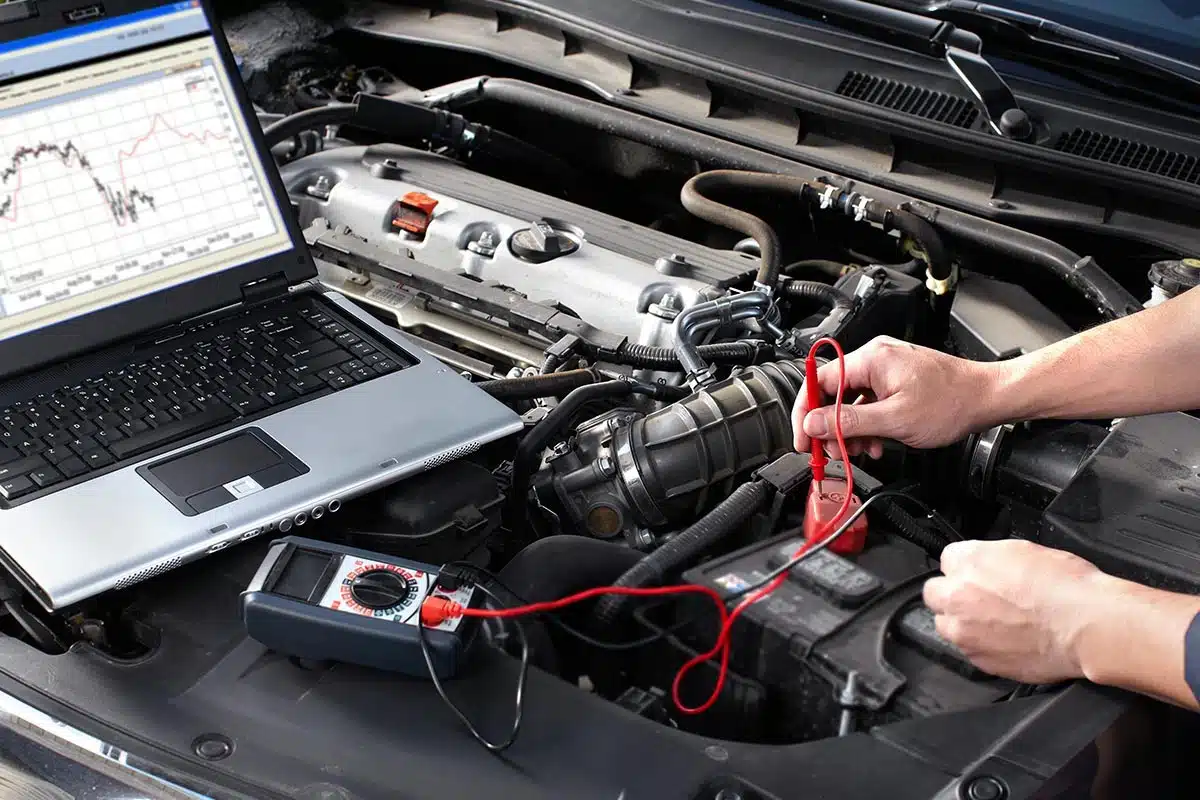
Modern pickup trucks rely on electrical systems to operate essential components, including the engine control module, fuel pump, ignition system, transmission controls, and electronic steering assistance. When a serious electrical fault occurs, the truck may suddenly shut down, refuse to start, or become unable to move.
A weak battery, damaged alternator, corroded connections, and faulty wiring can create electrical problems. Loose battery terminals may interrupt the power supply, while a failing alternator may prevent the battery from receiving sufficient charge. Damaged grounding wires can also cause unpredictable electrical behavior.
Drivers may notice flickering dashboard lights, repeated warning messages, difficulty starting the engine, or electrical accessories that stop working. In some cases, the engine may stall while driving because essential electronic systems are no longer receiving consistent power.
Blown fuses and damaged relays can also interrupt power to important vehicle systems. A faulty transmission control module or wiring connection may prevent proper gear selection.
Certain modern pickup trucks use electronic shift systems, meaning an electrical malfunction can affect the driver’s ability to select or engage a gear.
When electrical problems appear, avoid replacing random components without identifying the underlying fault. A professional diagnostic scan, battery test, alternator inspection, and wiring examination can help locate the issue. Proper electrical maintenance is important because even a relatively small wiring fault can affect several interconnected vehicle systems.
8. Fuel System Problems That Cause Sudden Engine Shutdown
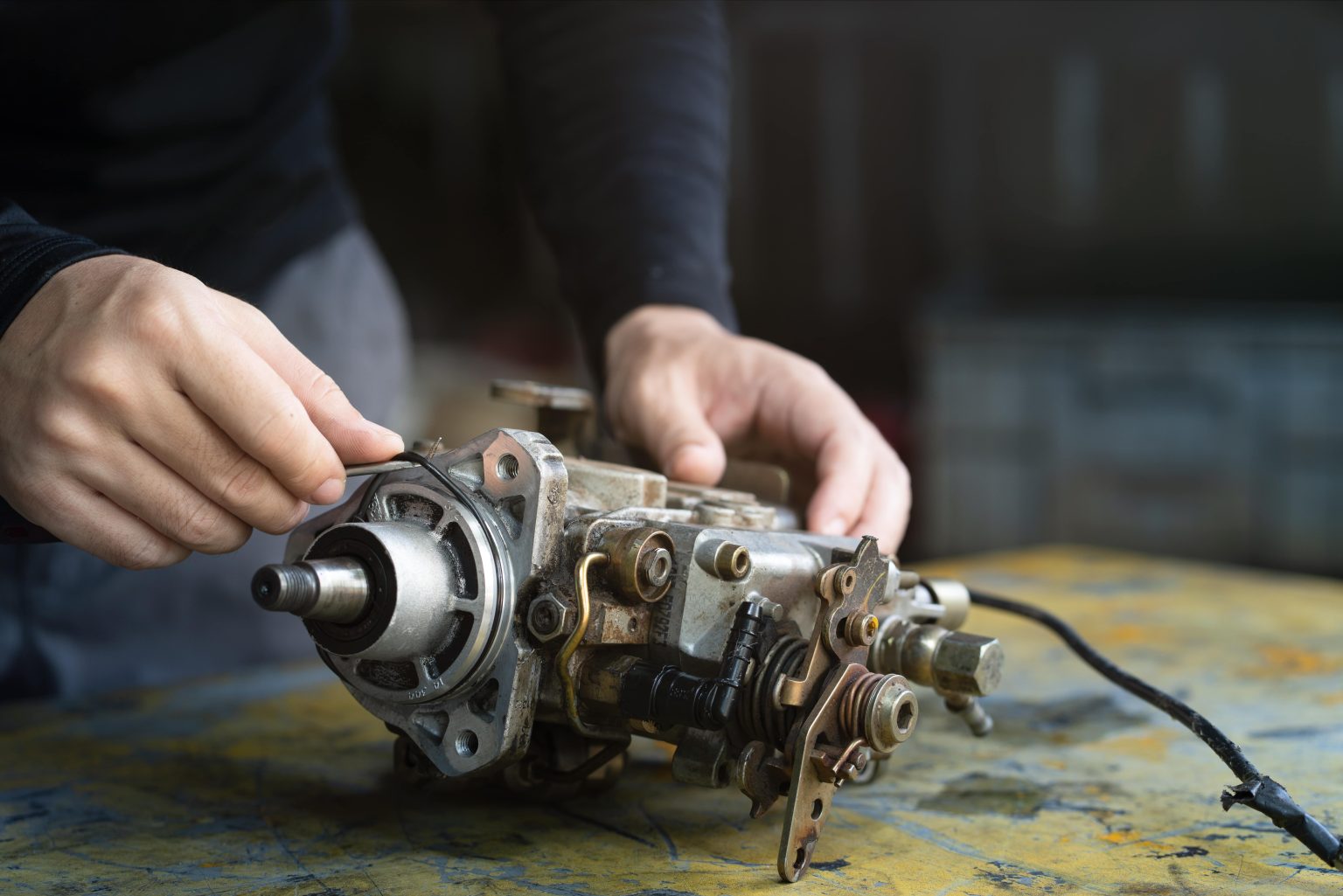
The fuel system supplies the engine with the correct amount of fuel at the required pressure. If an important component fails, the engine may lose power, stall, or refuse to restart.
While fuel system problems do not usually lock the wheels mechanically, they can suddenly leave a pickup truck unable to continue its journey.
A failing fuel pump is a common cause of unexpected engine shutdown. The pump must deliver fuel consistently from the tank to the engine.
When its performance declines, fuel pressure may become insufficient, especially under acceleration or heavy engine loads. Complete pump failure can prevent the engine from running altogether.
Clogged fuel filters can also restrict the flow of fuel. Dirt, rust, water, and other contaminants may enter the system and affect filters, injectors, and pumps. Diesel pickup trucks are particularly sensitive to fuel contamination because their high-pressure injection systems operate with extremely precise tolerances.
Common warning signs include difficulty starting, hesitation during acceleration, engine misfires, reduced power, and unexpected stalling. Some vehicles may display a check-engine light or fuel system warning. Ignoring these symptoms can lead to further damage, particularly when contaminated fuel reaches expensive injection components.
If your truck stalls repeatedly or loses power unexpectedly, avoid continuing to drive it in traffic. Have the fuel filter, pump, injectors, fuel lines, and pressure regulation system inspected.
Using the correct fuel, replacing filters according to the manufacturer’s schedule, and avoiding contaminated fuel can help protect the entire system.

9. Steering System Failure That Makes the Truck Difficult to Control
The steering system allows drivers to control the direction of their pickup truck. A serious steering fault may make the vehicle extremely difficult to maneuver or, in some cases, cause certain components to bind.
Although steering problems do not usually lock the wheels completely, they can create a dangerous situation that requires immediate attention.
Common steering components include the steering rack, tie rods, ball joints, steering column, and power steering pump. Damage or excessive wear in these parts can affect how the wheels respond to steering inputs. A broken tie rod or severely damaged ball joint can compromise directional control.
Power steering problems may develop because of fluid leaks, pump failure, damaged hoses, or electrical faults in vehicles with electric power steering. Drivers may experience unusually heavy steering, whining noises, or inconsistent steering assistance. These symptoms often become more noticeable when parking or maneuvering at low speeds.
Mechanical steering faults can be even more concerning. A damaged steering joint, worn rack, or seized component may cause stiffness, excessive play, or unpredictable movement. Ignoring these warning signs can increase the risk of losing control, particularly when driving at higher speeds or on uneven roads.
If steering suddenly becomes difficult or behaves unpredictably, slow down carefully and move to a safe location if possible. Avoid making sudden steering movements. Have the system inspected by a qualified technician, including the steering linkage, suspension joints, power assistance, and related components.
10. Parking Brake and Brake System Malfunctions
The parking brake keeps a pickup truck stationary when it is parked, particularly on slopes or uneven surfaces. If its cables, shoes, or electronic operating components become stuck, the rear wheels may remain partially or completely restrained. This can make the truck difficult to move even when the transmission is in gear.
Traditional parking brake systems use cables and mechanical linkages to apply braking force. Over time, corrosion, dirt, moisture, and lack of maintenance can cause these components to seize. A damaged cable may fail to release properly, leaving the brakes engaged after the driver releases the parking brake lever.
Electronic parking brake systems can experience different problems. Faulty switches, damaged wiring, actuator failures, and control module issues may prevent the brake from releasing. Some modern pickup trucks also have safety features that prevent movement when specific operating conditions are not satisfied.
A truck with a parking brake malfunction may struggle to accelerate, produce grinding noises, or show a parking brake warning light. Drivers might also notice unusual heat near the rear wheels after attempting to move the vehicle. These symptoms should not be ignored because continued driving can damage brake components.
If the parking brake does not release normally, avoid forcing the truck to move. Check whether the warning light remains illuminated and follow the manufacturer’s instructions. If the problem continues, arrange a professional inspection.
Keeping cables, linkages, brake shoes, and electronic components in good condition can help prevent unexpected parking brake lockups.