

Car safety regulations play an important role in protecting drivers, passengers, pedestrians, and other road users. In the United States, federal authorities establish standards that influence how automakers design, test, and equip new vehicles.
Recent decisions in Washington have changed the timeline for several planned vehicle safety requirements, raising questions about what these changes mean for motorists. From automatic emergency braking to blind-spot monitoring and pedestrian protection, the affected measures cover technologies designed to reduce accidents and improve road safety.
Understanding these regulatory changes can help consumers make informed decisions when purchasing or driving a vehicle.
1. Pedestrian Protection Testing for New Vehicles
Pedestrian protection is an important part of modern vehicle safety because people walking near traffic have little physical protection when a collision occurs. Vehicle manufacturers have increasingly been encouraged to design front-end structures that reduce the severity of injuries during pedestrian accidents.
The National Highway Traffic Safety Administration (NHTSA) has been working to improve how vehicles are assessed for pedestrian safety through its New Car Assessment Program (NCAP). The planned changes were intended to give consumers more information about how well a vehicle protects vulnerable road users.
One important area involves testing how a vehicle’s front end interacts with a pedestrian during a collision. The hood, windshield area, bumper, and other front-end components can influence the severity of injuries. Engineers use specialized testing equipment and crash-test dummies to assess potential injury risks.
These evaluations help identify vehicle designs that may offer better protection. Improved testing can also encourage manufacturers to reconsider the materials, shapes, and structural components used in their vehicles.
The federal government’s planned assessment changes included a head-to-hood pedestrian protection test. This type of evaluation examines the potential for head injuries when a pedestrian strikes the hood of a vehicle. The intention was to make pedestrian protection a more visible part of government vehicle safety assessments.
However, the implementation timeline was delayed after automakers raised concerns about the availability of testing procedures and the time needed to prepare for the updated assessments. The delay moved the planned implementation toward the 2027 model year rather than the original 2026 schedule.
This development matters because pedestrian accidents remain a serious road safety concern. A vehicle may perform well in traditional occupant crash tests without necessarily offering the same level of protection to someone outside the vehicle.
Assessments that include pedestrian injury risks provide consumers with a broader picture of vehicle safety. They can also help manufacturers identify areas where improvements may reduce the consequences of collisions involving pedestrians.
The delay does not mean pedestrian protection has become irrelevant or that automakers are prohibited from improving their designs. Existing vehicle safety requirements and voluntary engineering efforts continue to matter.
Consumers should still consider pedestrian protection when comparing new cars, particularly vehicles frequently driven in residential areas, school zones, and busy urban streets. The important distinction is that the planned government assessment was postponed, not that pedestrian safety was permanently removed from vehicle safety discussions.
2. Pedestrian Automatic Emergency Braking Requirements
Automatic emergency braking, commonly known as AEB, is a driver assistance technology designed to help prevent or reduce the severity of certain collisions. The system uses cameras, radar, or other sensors to monitor the road ahead.
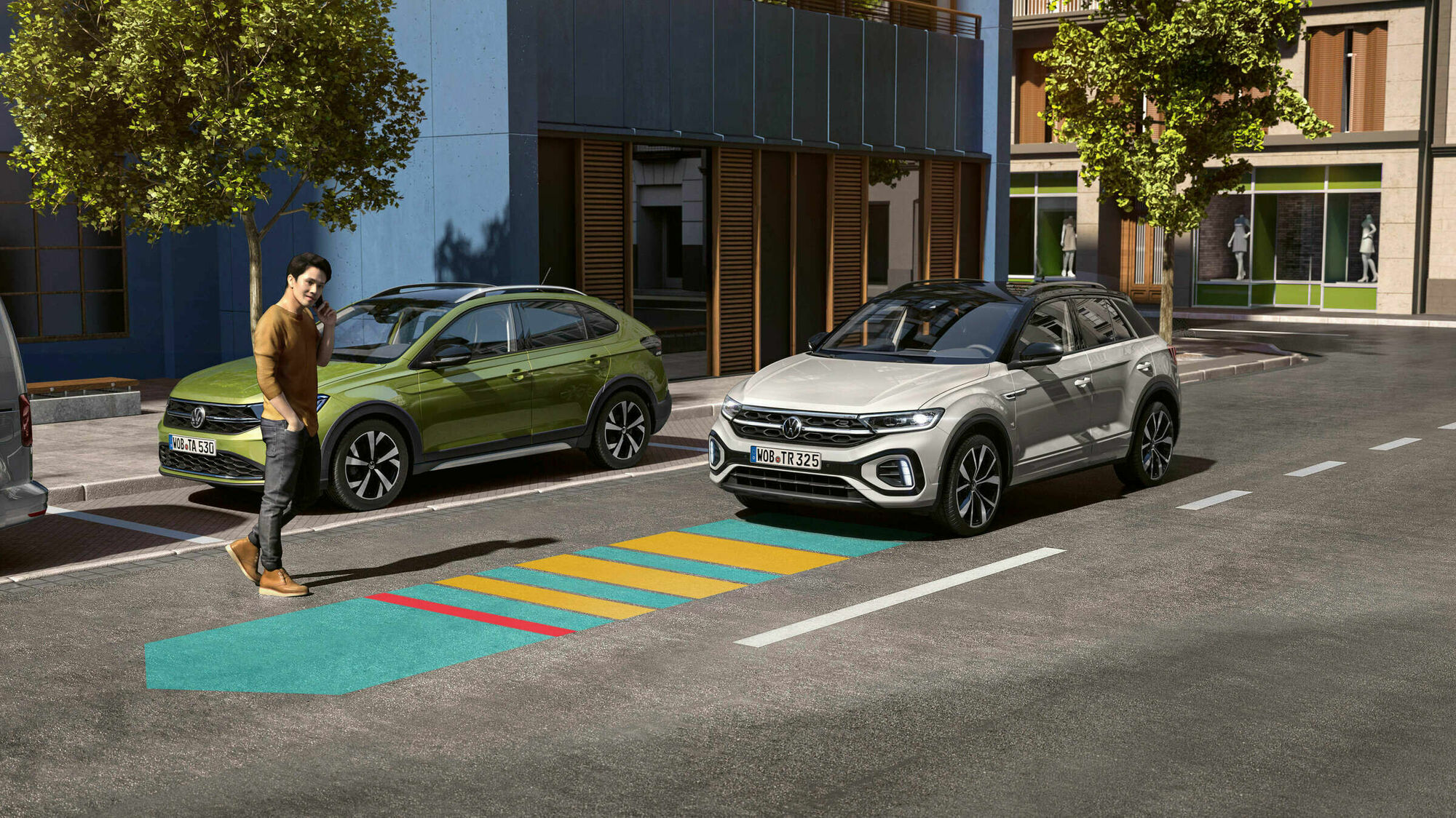
When it identifies a potential collision and determines that the driver has not responded sufficiently, it can apply the brakes automatically. Pedestrian automatic emergency braking extends this technology by detecting people who may cross or enter the vehicle’s path.
Pedestrian AEB can be particularly useful in locations where people and vehicles share limited road space. Parking areas, residential streets, school surroundings, and intersections are examples of places where drivers may encounter pedestrians unexpectedly.
The technology can provide an additional layer of assistance when a driver is distracted or does not recognize a developing hazard quickly enough. Its effectiveness, however, depends on system design, sensor visibility, operating conditions, and the circumstances of the potential collision.
The NHTSA’s planned NCAP updates included pedestrian automatic emergency braking assessments. The intention was to evaluate whether these systems could recognize pedestrians and respond appropriately under specified testing conditions.
Such assessments can help consumers distinguish between vehicles with different levels of driver assistance capability. They also give manufacturers a reason to improve the reliability and performance of pedestrian detection technology.
The planned testing changes were delayed as part of the broader postponement affecting several vehicle safety assessment updates. Automakers had raised concerns about the availability of sufficiently detailed testing procedures.
According to reporting on the September 2025 decision, NHTSA moved the affected NCAP changes from the 2026 model year to the 2027 model year. This was a delay in the assessment schedule rather than an announcement that pedestrian AEB technology itself was prohibited or abandoned.
Drivers should understand that automatic emergency braking is an assistance feature, not a replacement for attentive driving. Systems may have difficulty detecting pedestrians in poor lighting, severe weather, unusual road layouts, or situations outside their operating design.
Anyone purchasing a vehicle should check its safety equipment, understand the manufacturer’s operating instructions, and maintain the sensors according to the owner’s manual. A delayed government evaluation does not remove the practical value of having effective pedestrian detection technology.
3. Updated Automatic Emergency Braking Performance Assessments
Automatic emergency braking has become an increasingly common feature in modern passenger vehicles. Its purpose is to reduce the likelihood of a collision by detecting obstacles and helping the driver respond before an impact occurs.
Different systems may recognize vehicles, pedestrians, cyclists, or stationary objects, depending on the equipment and software installed. The technology is not identical across manufacturers, which makes standardized performance assessments useful for consumers comparing vehicles.
The planned federal assessment changes included updated evaluations of automatic emergency braking performance. These assessments were intended to provide a more consistent way to examine whether vehicles could recognize potential hazards and respond appropriately.
Testing procedures are important because simply advertising a vehicle as having AEB does not establish how reliably the system works under different conditions. Standardized evaluations help make safety information more meaningful and easier to compare.
The updated requirements were part of the NHTSA’s New Car Assessment Program changes. The program provides safety information that helps consumers understand the performance of new vehicles. It is important to distinguish NCAP assessments from mandatory Federal Motor Vehicle Safety Standards.
An NCAP update can influence consumer ratings and manufacturers’ product decisions without automatically becoming a binding requirement that every vehicle must meet in the same way as a federal safety standard.
The planned AEB assessment changes were included in the September 2025 postponement. NHTSA moved the relevant NCAP updates toward the 2027 model year after automakers requested additional time and raised concerns about the publication of testing procedures.
The delay affected when the revised assessments would be implemented, rather than establishing that automatic emergency braking was no longer considered a valuable safety technology.
For vehicle buyers, this means that comparing AEB systems requires more than looking at a feature list. Consumers should check independent safety assessments, manufacturer specifications, and the precise capabilities of the system offered on a particular trim level.
Some vehicles provide warnings before braking, while others may intervene automatically when certain conditions are met. Drivers should also remember that braking assistance has limitations and cannot guarantee that every collision will be avoided.
4. Blind-Spot Warning Systems
Blind-spot warning technology is designed to alert drivers when another vehicle is traveling in an area that may not be easily visible through the side mirrors. These areas can become particularly important when changing lanes, merging onto highways, or driving alongside larger vehicles.
Depending on the manufacturer, a warning may appear as a light in the side mirror, an indicator near the windshield, or an audible notification. Some systems also provide additional alerts when a driver activates a turn signal while another vehicle is detected nearby.
The technology generally uses radar sensors or cameras positioned around the vehicle. These components monitor nearby traffic and identify vehicles entering designated detection zones.
When the system detects a possible hazard, it communicates the information to the driver. Blind-spot monitoring can be especially useful on busy highways, where vehicles may approach quickly from behind and remain outside a driver’s immediate field of vision.
The NHTSA’s planned NCAP changes included blind-spot warning as an area for updated safety assessment. The intention was to recognize and evaluate driver assistance technologies that could reduce risks during lane changes.
Standardized assessments can provide consumers with a clearer understanding of which vehicles offer these features and how their systems are evaluated. This information may also encourage manufacturers to improve detection accuracy and warning consistency.
The planned blind-spot warning assessment was included in the wider delay announced in September 2025. The affected NCAP changes were moved toward the 2027 model year after automakers requested additional time to prepare for the new testing procedures.
This decision did not eliminate blind-spot warning systems from vehicles or make their installation unlawful. Rather, it changed the timetable for incorporating the updated assessments into the federal consumer information program.

5. Blind-Spot Intervention Technology
Blind-spot intervention takes driver assistance a step further than a conventional blind-spot warning system. While a warning system primarily alerts the driver to nearby traffic, an intervention system may take corrective action when it detects that a lane change could result in a collision.
Depending on the vehicle, this may involve applying selective braking or providing steering assistance to help prevent the vehicle from moving into an occupied lane. The exact response varies by manufacturer and system design.
This technology is particularly relevant on multilane roads and highways. Drivers sometimes misjudge the distance or speed of vehicles approaching from behind. A vehicle traveling in an adjacent lane may enter the blind spot just as the driver begins moving sideways.
An intervention system can help address this risk by detecting the nearby vehicle and responding when the driver attempts an unsafe maneuver. It provides an additional safety measure in situations where visual checks and mirror adjustments may not be sufficient.
The federal government’s planned NCAP updates included blind-spot intervention among the technologies intended for assessment. Including this feature would help consumers understand the availability of more advanced lane-change assistance systems.
It would also give automakers an incentive to improve the accuracy and responsiveness of their safety technology. Consistent evaluation is useful because different systems may have different operating limits, warning methods, and intervention capabilities.
The September 2025 regulatory decision delayed the planned NCAP updates affecting blind-spot intervention. The revised timetable moved the affected assessments toward the 2027 model year.
Automakers had requested additional time to prepare for the new testing procedures, and NHTSA adjusted its implementation schedule. This should not be confused with a nationwide ban on blind-spot intervention or a requirement for manufacturers to remove existing systems.
6. Lane-Keeping Assistance Assessments
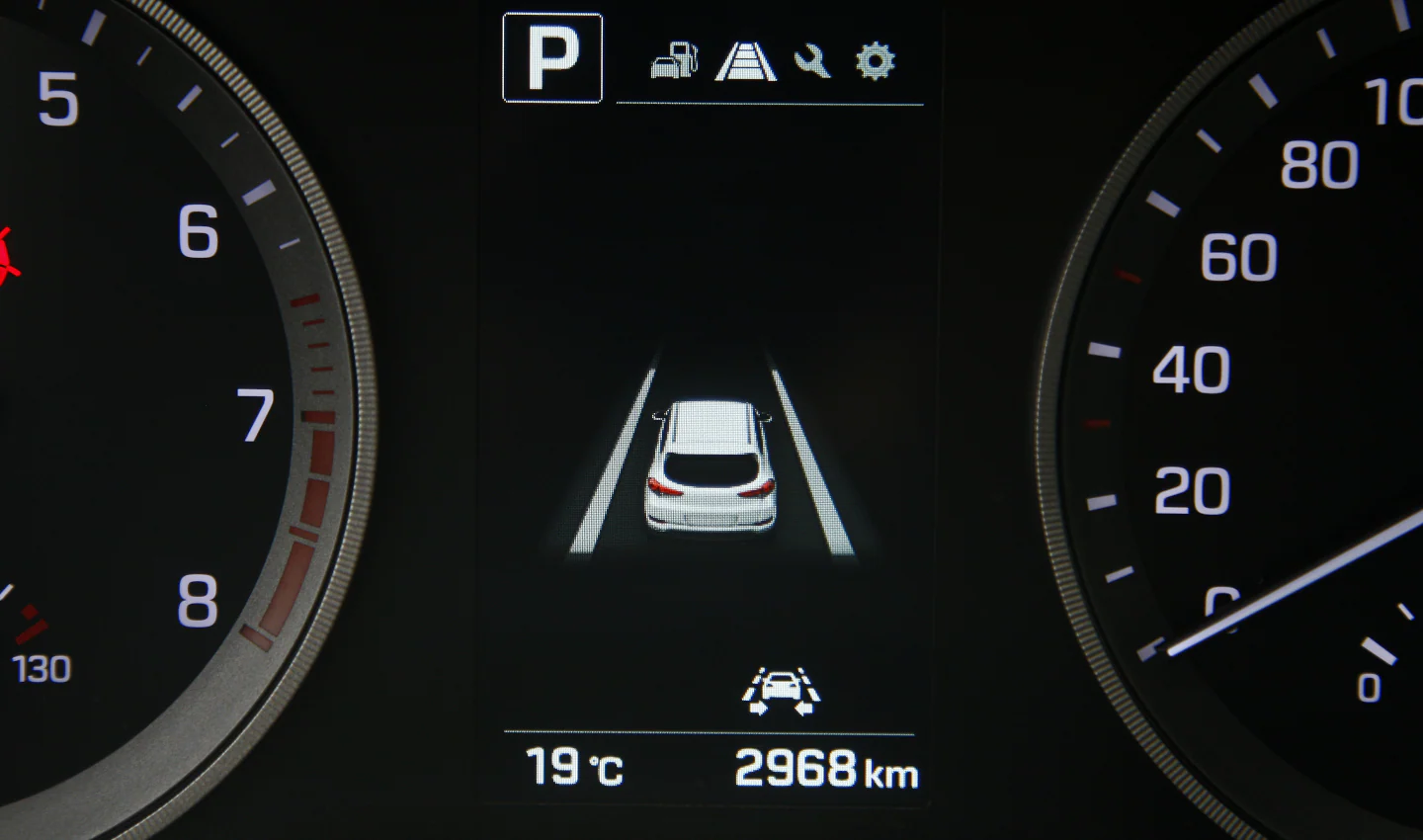
Lane-keeping assistance is a driver support feature designed to help a vehicle remain within its marked traffic lane. Most systems use forward-facing cameras to identify lane markings and monitor the vehicle’s position.
If the vehicle begins drifting without an appropriate turn signal, the system may provide a steering correction or alert the driver. The precise operation depends on the vehicle manufacturer, software, and available equipment. Some systems offer gentle steering assistance, while others primarily provide warnings.
Unintended lane departures can occur for several reasons. A driver may become distracted, feel tired, or fail to notice that the vehicle is moving toward the edge of a lane. On highways, even a brief lapse in attention can create risks for nearby traffic.
Lane-keeping assistance is intended to reduce some of these risks by helping drivers recognize and correct unintended movement. It can be particularly useful during long journeys when concentration becomes difficult to maintain.
The NHTSA planned to include lane-keeping assistance in its updated New Car Assessment Program evaluations. The intention was to give consumers additional information about technologies that help prevent unintended lane departures.
A consistent testing approach could also help manufacturers improve system performance. As with other driver assistance features, the quality of the assessment depends on clearly defined testing conditions and procedures that can be applied consistently across different vehicle designs.
However, the planned federal assessment was delayed as part of the September 2025 decision. The original timeline had included the 2026 model year, but NHTSA moved the affected changes toward the 2027 model year after industry representatives raised concerns about testing procedures.
The postponement affected the implementation of the updated consumer assessment program. It did not mean that existing lane-keeping systems had to be removed or that manufacturers were forbidden from continuing to develop them.
7. Front and Rear Seat Belt Reminder Requirements
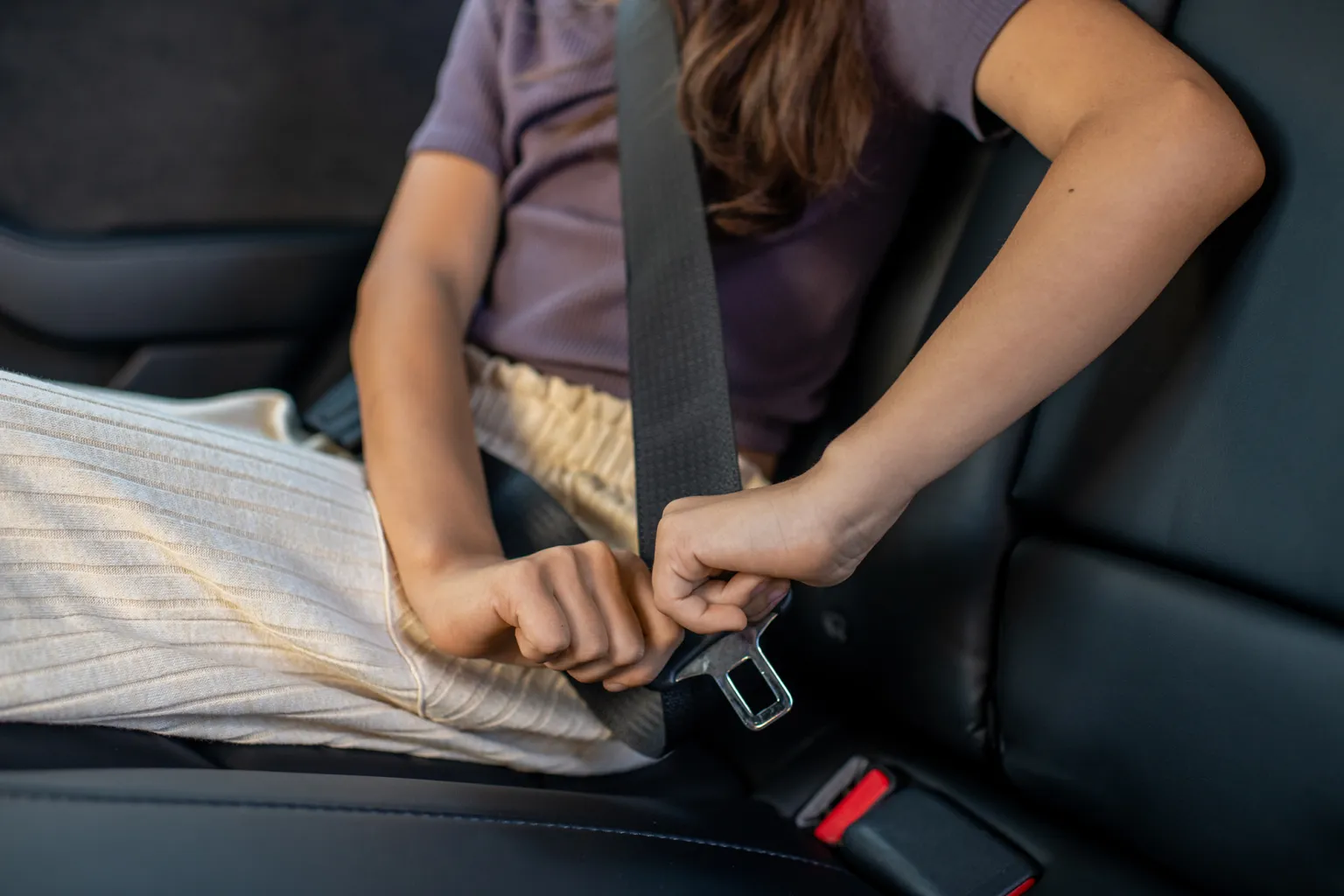
Seat belts remain among the most important safety features in passenger vehicles. They help restrain occupants during sudden braking and collisions, reducing the risk of serious injuries.
Modern vehicles increasingly use electronic reminder systems to encourage drivers and passengers to buckle up before traveling. These systems may include warning lights, audible alerts, and sensors that detect whether a seat belt is being used. More advanced arrangements can also identify changes in rear-seat occupancy.
In January 2025, NHTSA published a final rule updating federal seat belt warning requirements under Federal Motor Vehicle Safety Standard No. 208. The rule included enhanced warning requirements for the driver’s seat belt, extended requirements to the front outboard passenger seat, and introduced warning provisions for rear seating positions.
The purpose was to encourage seat belt use by providing more noticeable reminders when occupants were not properly restrained. The rule covered many passenger cars, light trucks, buses, and multipurpose passenger vehicles within the specified weight limits.
The original compliance schedule established September 1, 2026, for the front-seat warning requirements and September 1, 2027, for the rear-seat warning requirements. Automakers subsequently requested additional time, pointing to the engineering and development work involved.
Changes could require new occupant detection hardware, software updates, instrument panel modifications, and additional validation. Manufacturers also raised concerns about adapting existing seat belt reminder systems across different vehicle models.
On April 6, 2026, NHTSA issued an interim final rule that extended the compliance timetable. The revised schedule unified the front and rear seat belt warning requirements under a September 1, 2028, compliance date.
The agency explained that manufacturers needed additional time to complete design changes, validate software, and implement the updated systems. Multi-stage manufacturers and vehicle alterers received an additional year under the applicable provisions.
8. Updated Government Vehicle Safety Ratings
Government vehicle safety ratings help consumers compare the crash protection and safety features offered by different automobiles. In the United States, NHTSA operates the New Car Assessment Program, which provides information about vehicle crash performance and certain advanced safety technologies.
Its familiar five-star rating system helps buyers understand how vehicles perform in specified crash tests. These ratings are separate from a manufacturer’s marketing claims and provide an additional source of information when researching a new car.
The planned NCAP changes were intended to expand the program’s attention to modern driver assistance technologies. Traditional crash tests focus heavily on what happens when a vehicle experiences an impact.
However, many newer safety systems aim to prevent a crash from happening in the first place. Features such as automatic emergency braking, pedestrian detection, blind-spot warning, and lane-keeping assistance are therefore important areas for modern consumer assessments.
A more comprehensive assessment framework could help buyers understand the differences between vehicles that offer similar specifications. For example, two cars may both advertise automatic emergency braking, but their detection capabilities and performance under specific conditions may differ.
Standardized testing can make such differences easier to identify. It can also encourage automakers to improve their technology and provide consumers with more useful safety information before purchasing a vehicle.
The September 2025 decision delayed the planned NCAP updates that were intended for the 2026 model year. NHTSA moved the affected changes toward the 2027 model year after automakers raised concerns about the availability of testing procedures.
The decision affected the schedule for the updated assessment program, rather than announcing that the existing government crash-rating system had been abolished. It is therefore important not to interpret a delayed assessment as the removal of all federal vehicle safety protections.
