

Winter weather can affect how a car performs, especially when temperatures drop and mechanical components become cold. Many drivers notice unusual sounds when starting their vehicles, applying the brakes, turning the steering wheel, or driving over uneven roads.
These noises may come from worn belts, stiff suspension parts, weak batteries, low fluid levels, or other mechanical issues. Understanding the reasons behind these sounds helps drivers recognise potential problems before they become expensive repairs.
This article discusses 9 cars that may make unusual noises during winter, their possible causes, and practical maintenance tips for safer driving.
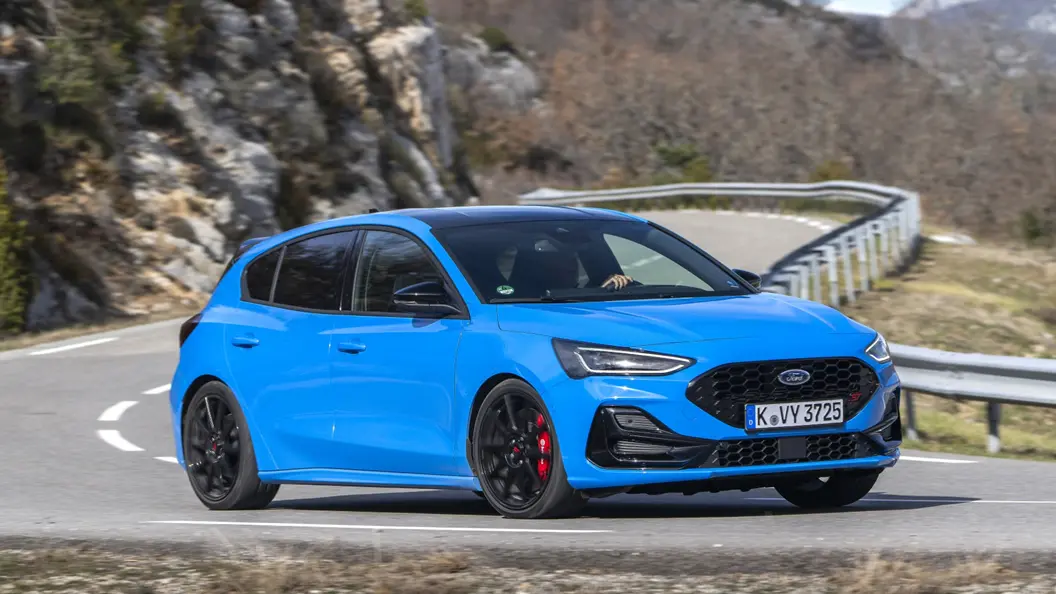
1. Ford Focus: Squealing Sounds During Cold Starts
The Ford Focus is a popular compact car known for its practical design and comfortable driving experience. However, like other vehicles, it can develop unusual sounds during colder months.
Some owners may notice a high-pitched squealing noise when starting the engine, particularly after the car has remained parked overnight. Cold temperatures can make rubber components less flexible, which may contribute to noise from the accessory belt system.
A worn or loose serpentine belt is a possible source of this sound. The belt operates several engine accessories, including the alternator and air conditioning compressor.
When temperatures fall, rubber can become less pliable, reducing the belt’s ability to maintain proper contact with pulleys. Moisture, dirt, and normal wear can also contribute to slipping, producing a noticeable squeal that may disappear once the engine warms up.
Another possible cause involves the belt tensioner or pulley bearings. These components maintain the correct tension and guide the belt during engine operation.
If a tensioner becomes weak or a pulley bearing starts wearing out, the engine may produce a squeaking or grinding sound. Such noises should not automatically be blamed on winter weather because they can indicate developing mechanical problems that require inspection.
Drivers should pay attention to how long the noise lasts and whether it changes with engine speed. A brief squeal during a cold start may have a different cause from a continuous noise that becomes louder when electrical accessories are switched on. A qualified mechanic can inspect the belt, pulleys, and tensioner to identify the source rather than replacing parts unnecessarily.
Regular maintenance can help prevent belt-related problems. Drivers should follow the recommended inspection schedule, replace damaged belts, and check for visible cracks or unusual wear.
Keeping the engine compartment clean and addressing unusual sounds early can also reduce the possibility of unexpected breakdowns during winter journeys.

2. Honda Civic: Grinding Noises When Applying Brakes
The Honda Civic is widely recognised for its reliability, fuel efficiency, and everyday practicality. Nevertheless, cold weather can affect the braking system and make unusual noises more noticeable.
Some drivers may hear grinding, squeaking, or scraping sounds when pressing the brake pedal during winter mornings. These sounds can originate from moisture, surface rust, worn brake pads, or other braking system components.
One common explanation is the formation of a thin layer of rust on brake rotors. When a vehicle remains parked overnight in damp or cold conditions, moisture can settle on exposed metal surfaces.
This may produce light scraping sounds when the brakes are used for the first time. In many cases, the sound disappears after normal braking removes the surface rust.
However, persistent grinding should never be ignored. Brake pads contain friction material designed to slow the vehicle by pressing against the rotors.
When this material becomes excessively worn, the metal backing plate may contact the rotor. This can produce a harsh grinding noise and damage the braking components. Continuing to drive with severely worn brake pads can compromise braking performance.
Cold weather may also make brake-related squeaks more noticeable. Moisture, road salt, dirt, and changes in component temperature can influence how brake pads and rotors interact. Some vehicles may produce temporary squeaking without having a serious fault, but repeated or worsening sounds deserve professional attention.
Drivers should arrange a brake inspection if grinding continues, braking becomes less responsive, or the steering wheel vibrates while slowing down.
Mechanics can check pad thickness, rotor condition, calipers, and related hardware. Maintaining the braking system is particularly important during winter because wet, icy, or slippery roads require reliable stopping performance.

3. Toyota Corolla: Clicking Noises During Engine Starting
The Toyota Corolla is known for dependable performance and relatively straightforward maintenance. However, even well-maintained vehicles can experience starting problems when temperatures become low.
A clicking sound when turning the ignition key or pressing the start button is a common symptom that may indicate a weak battery or an issue with the starting system.
Car batteries become less effective in cold weather because low temperatures slow the chemical reactions responsible for producing electrical energy.
At the same time, a cold engine requires more power to turn over because engine oil becomes thicker. This combination places additional demands on the battery, particularly when it is already old or partially discharged.
A rapid clicking noise may indicate that the battery cannot supply enough current to operate the starter motor properly. The starter solenoid may repeatedly engage and disengage as voltage drops. A single click without engine movement can also point towards a starter motor problem, damaged wiring, or poor electrical connections.
Corroded battery terminals are another possible cause. Dirt, moisture, and corrosion can interfere with electrical contact, reducing the power available to the starter. Drivers may notice dim dashboard lights, slow engine cranking, or difficulty starting the vehicle after it has been parked overnight.
Battery maintenance is particularly useful before winter begins. Checking battery health, inspecting terminals, and testing the charging system can help identify potential problems.
If the clicking continues after the battery has been tested, a mechanic should examine the starter motor and electrical connections. Repeatedly attempting to start a vehicle with an electrical fault may place additional strain on its components.

4. Hyundai Elantra: Knocking Sounds From the Suspension
The Hyundai Elantra offers a comfortable ride for everyday commuting, but winter temperatures can make suspension noises more noticeable.
Drivers may hear knocking, clunking, or creaking sounds when passing over speed bumps, potholes, or uneven road surfaces. These noises may be associated with suspension bushings, stabiliser links, shock absorbers, or other parts that help control vehicle movement.
Rubber bushings are used throughout the suspension system to reduce vibration and allow controlled movement between connected components. When temperatures fall, rubber can become temporarily stiffer. Existing cracks, deterioration, or excessive wear may become more noticeable because the material cannot absorb movement as effectively as before.
Stabiliser links are another component worth checking. They connect parts of the suspension system and help reduce body roll when cornering.
Worn joints or damaged connections can create repeated knocking sounds when driving over uneven surfaces. Such noises may become easier to hear during winter when roads contain more potholes and surface irregularities.
Shock absorbers and struts can also contribute to suspension-related sounds. Their purpose is to control spring movement and maintain tyre contact with the road.
Worn mounts, damaged internal components, or loose fittings may cause clunking noises during driving. A vehicle that bounces excessively or feels unstable may need a complete suspension inspection.
Drivers should avoid assuming that every winter suspension noise is harmless. A mechanic can inspect bushings, links, mounts, and shock absorbers to identify worn components. Maintaining the suspension system improves ride comfort, steering stability, and tyre contact, which are particularly important when driving on slippery winter roads.
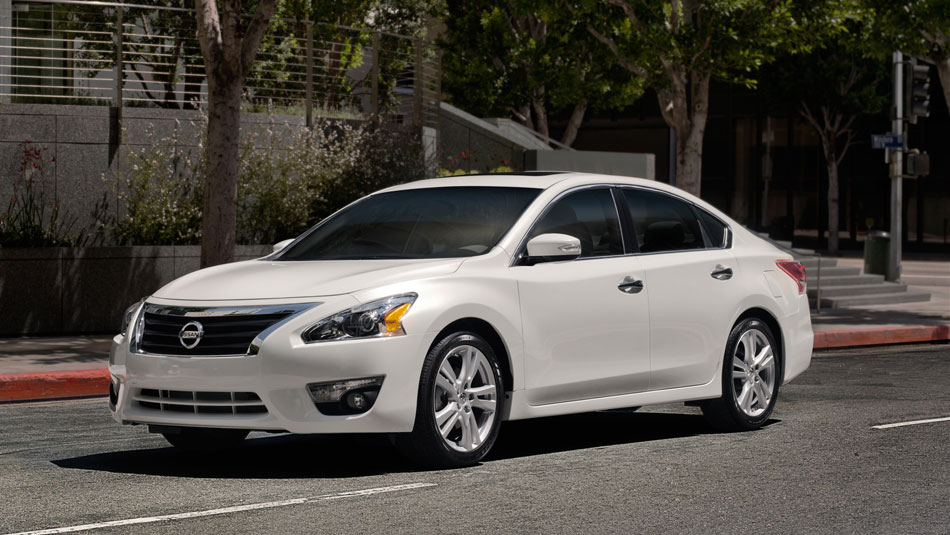
5. Nissan Altima: Humming and Whining Sounds While Driving
The Nissan Altima is designed for comfortable daily transportation, but unusual humming or whining sounds may become noticeable during colder weather. These noises can come from wheel bearings, tyres, transmission components, or other rotating parts. Identifying when the sound occurs can help narrow down the possible source.
Wheel bearings allow the wheels to rotate smoothly while supporting the vehicle’s weight. When a bearing begins to wear, it may produce a humming or growling sound that increases with road speed.
The noise can sometimes change when the vehicle turns because the load on individual wheel bearings changes. Cold weather does not necessarily cause bearing failure, but it may make existing mechanical problems more noticeable.
Tyres can also create humming sounds during winter. Changes in rubber flexibility, road texture, and tyre pressure can influence how much noise reaches the cabin. Winter tyres may have different tread patterns that produce more road noise than standard summer tyres. Incorrect inflation can also affect tyre contact with the road and create unusual sounds.
Transmission-related whining deserves attention as well. Cold transmission fluid may flow differently before the vehicle reaches its normal operating temperature. If the fluid level is incorrect, the fluid is degraded, or internal components are worn, the driver may notice whining during acceleration or gear changes.
The correct fluid type and service schedule should always follow the vehicle manufacturer’s recommendations.
Drivers should note whether the noise changes with speed, acceleration, steering input, or gear selection. A persistent humming or whining sound should be investigated by a qualified technician. Early diagnosis can help prevent further damage to wheel bearings, transmission components, and other mechanical systems.

6. Chevrolet Malibu: Rattling Noises From the Engine Area
The Chevrolet Malibu is a midsize sedan that offers a practical combination of comfort and everyday usability. During winter, some drivers may notice rattling sounds from the engine compartment, particularly when starting the vehicle or accelerating.
These noises can have several explanations, ranging from loose components to problems involving engine lubrication or exhaust system fittings.
Cold engine oil becomes thicker, which can temporarily affect how quickly it reaches certain engine components after starting.
If the oil is overdue for replacement or the incorrect viscosity is being used, lubrication may be less effective under cold-start conditions. Some engines naturally produce brief mechanical sounds during initial operation, but loud or persistent rattling requires investigation.
Loose heat shields are another possible source. These metal shields protect surrounding components from exhaust system heat. Over time, mounting points can corrode or become loose, allowing the shield to vibrate when the engine runs. The resulting sound may resemble a metallic rattle and can become more noticeable at certain engine speeds.
Engine mounts may also contribute to unusual vibration and noise. These mounts hold the engine in position while reducing the amount of movement transferred to the vehicle body. Worn mounts can allow excessive engine movement during starting, acceleration, or gear selection, creating clunking or vibration-related sounds.
Drivers should check the vehicle’s oil level and follow the recommended service schedule. If rattling continues after the engine warms up, becomes louder, or occurs alongside warning lights, professional diagnosis is advisable. A mechanic can inspect the lubrication system, heat shields, engine mounts, and other components to determine the actual cause.

7. Volkswagen Jetta: Creaking Sounds When Turning the Steering Wheel
The Volkswagen Jetta is recognised for its balanced driving characteristics and comfortable interior. However, colder temperatures can make steering-related noises more noticeable. Some drivers may hear creaking, groaning, or squeaking when turning the steering wheel, especially while parking or manoeuvring at low speeds.
One possible cause is stiffness in suspension bushings and steering components. Rubber parts can become less flexible when exposed to low temperatures. If these components are already worn or damaged, movement may produce noticeable creaking sounds. The noise may be particularly apparent when the vehicle is stationary or moving slowly.
Steering system components also deserve attention. Depending on the vehicle’s model year and configuration, the steering system may use electric assistance or hydraulic assistance.
Problems with steering joints, column components, or assistance mechanisms can create unusual noises. Hydraulic systems may produce whining if fluid levels are low or air enters the system.
Strut mounts and related suspension parts can also produce noises while turning. These components allow the suspension to move as the steering angle changes. Worn bearings or damaged mounts may cause creaking, popping, or rubbing sounds during manoeuvres.
Drivers should pay attention to steering effort and vehicle response. If the steering wheel becomes unusually heavy, jerky, or difficult to control, the car should be inspected promptly. Regular checks of steering connections, suspension mounts, and relevant fluids can help maintain smooth operation throughout winter.

8. BMW 3 Series: Whistling Noises Around the Engine
The BMW 3 Series is known for its driving dynamics and refined engineering. Nevertheless, unusual whistling noises can develop in vehicles of different ages and conditions.
During winter, drivers may notice a whistle from the engine area when accelerating, idling, or switching on certain accessories. The sound may be linked to air leaks, intake components, belts, or turbocharger-related systems on equipped models.
A vacuum leak is a possible explanation for a whistling sound. Engine systems use vacuum lines and other air passages to control different functions. If a hose becomes cracked, disconnected, or damaged, unwanted air may enter the system. This can sometimes create a high-pitched noise and affect engine performance.
Cold weather can make existing rubber hose problems more noticeable. Rubber components naturally change flexibility with temperature, and older hoses may become less tolerant of movement or pressure changes. However, winter conditions alone do not prove that a vacuum leak is present. Proper testing is needed to locate the source.
Vehicles equipped with turbocharged engines may also produce different sounds from their forced-induction systems. A mild turbo whistle can be normal, depending on the engine and operating conditions. A sudden increase in noise, accompanied by reduced acceleration, smoke, or warning lights, may indicate a problem involving the intake or boost system.
Drivers should not ignore persistent whistling, especially when accompanied by rough idling or reduced engine power. A technician can inspect intake hoses, vacuum connections, belts, and turbocharger-related components where fitted.
Regular maintenance and timely replacement of deteriorated rubber parts can help maintain reliable engine performance.

9. Kia Seltos: Squeaking Sounds From the Suspension and Brakes
The Kia Seltos is a popular compact SUV in several markets. Its suspension and braking systems operate under different road conditions, and winter weather may make certain noises easier to notice. Drivers may experience squeaking sounds when travelling over speed breakers, applying brakes, or moving slowly through parking areas.
Suspension bushings are a possible source of squeaking. These rubber components absorb vibration and help control movement between suspension parts. When they become old, dry, cracked, or damaged, they may produce noise as the suspension moves. Cold temperatures can make the rubber temporarily stiffer, increasing the likelihood that existing wear becomes noticeable.
Brake components may also produce squeaks during cold or damp mornings. Moisture can accumulate on the rotors, while dust and road debris may affect the contact between brake pads and braking surfaces. Temporary noise may disappear after normal driving, but repeated squeaking should be checked to rule out worn pads or damaged hardware.
Another possible source is the suspension’s shock absorber mounting system. Loose or worn mounting points may create sounds when the vehicle passes over rough roads. Drivers may also notice excessive bouncing, vibration, or reduced ride comfort when suspension components are no longer working properly.
Regular inspections can help identify these problems before they affect driving comfort or safety. Drivers should ask a mechanic to check brake pads, rotors, bushings, stabiliser links, and shock absorber mounts if unusual sounds continue. Keeping tyres correctly inflated and maintaining the suspension system also supports better road handling during winter.
