Selling a car involves more than choosing an asking price and finding a potential buyer. Its condition, maintenance history, appearance, and mechanical performance can all influence how much money you receive.
Some repairs can make a vehicle easier to sell, improve buyer confidence, and help protect its resale value. Others may cost hundreds or thousands of dollars without producing a meaningful financial return. Knowing where to spend money before listing your vehicle can make a considerable difference.
This guide examines five car repairs worth completing and five that may not justify their expense for American car sellers.
5 Car Repairs Worth Doing Before Selling
1. Fixing Check Engine Light Problems
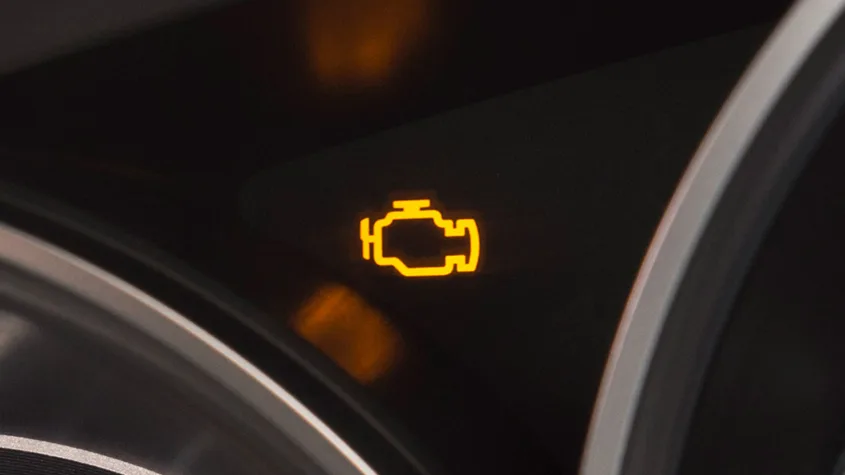
A check engine light can create immediate concerns for potential buyers. Even if the vehicle appears to run normally, an illuminated warning light suggests that something may require attention. Buyers may assume the car has an expensive mechanical problem and become hesitant to make an offer.
Before selling, have a qualified mechanic scan the vehicle for diagnostic trouble codes. This inspection can identify problems involving the engine, emissions system, oxygen sensors, ignition components, or other monitored systems. A proper diagnosis is more useful than simply clearing the warning light.
Some check engine light problems are relatively inexpensive to repair. A faulty oxygen sensor, loose electrical connection, or defective gas cap may require a modest investment compared with major engine work. The actual cost depends on the vehicle and the underlying fault.
Addressing a confirmed issue can improve buyer confidence. A vehicle with no unexplained warning lights is generally easier to present during an inspection or test drive. It also reduces the likelihood of buyers using dashboard warnings to negotiate a lower price.
If the problem involves a more expensive component, request a repair estimate before making a decision. A catalytic converter replacement or complicated engine repair may cost more than the additional resale value it creates. Compare the estimated expense with the vehicle’s market value.
Keep the diagnostic report and repair invoice after the work is completed. These documents provide evidence that the warning light was investigated and that the necessary work was performed. Transparency can make negotiations more straightforward.
For sellers in the United States, emissions-related issues deserve particular attention. Some states require emissions testing or inspections before registration. A vehicle that cannot pass applicable requirements may have a smaller pool of interested buyers.

2. Replacing Worn Tires
Tires have a direct influence on vehicle safety, handling, braking, and driving comfort. Buyers often inspect them during a viewing because replacement can represent an immediate expense after purchasing the vehicle.
If your tires have uneven tread wear, visible cracks, bulges, or insufficient tread depth, replacing them may be worthwhile. Worn tires can suggest poor maintenance and raise questions about the vehicle’s suspension, alignment, or previous driving conditions.
You do not necessarily need premium tires before selling. A reputable set of reasonably priced tires that meets the manufacturer’s specifications may be sufficient. Focus on safety, appropriate sizing, and reliable performance rather than expensive upgrades.
Tread depth is particularly important. In the United States, the commonly recommended replacement threshold is 2/32 of an inch, although tires can lose wet-weather performance before reaching that point. A professional inspection can help determine whether replacement is necessary.
Check whether all four tires show similar wear. Uneven wear patterns may indicate alignment problems, incorrect inflation, or worn suspension components. Correcting the underlying issue can prevent buyers from questioning the vehicle’s mechanical condition.
If only one or two tires need replacement, discuss the appropriate replacement options with a tire professional. Matching tires across an axle is generally important for consistent handling, and all-wheel-drive vehicles may have additional requirements.
Clean, properly inflated tires with adequate tread can make a positive impression during a test drive. Since tires are relatively easy for buyers to evaluate, addressing serious wear can remove a straightforward negotiating objection.
3. Repairing Brake Problems
Brakes are among the most important safety systems in any vehicle. Buyers are unlikely to feel comfortable purchasing a car that makes grinding noises, vibrates during braking, or has a soft brake pedal.
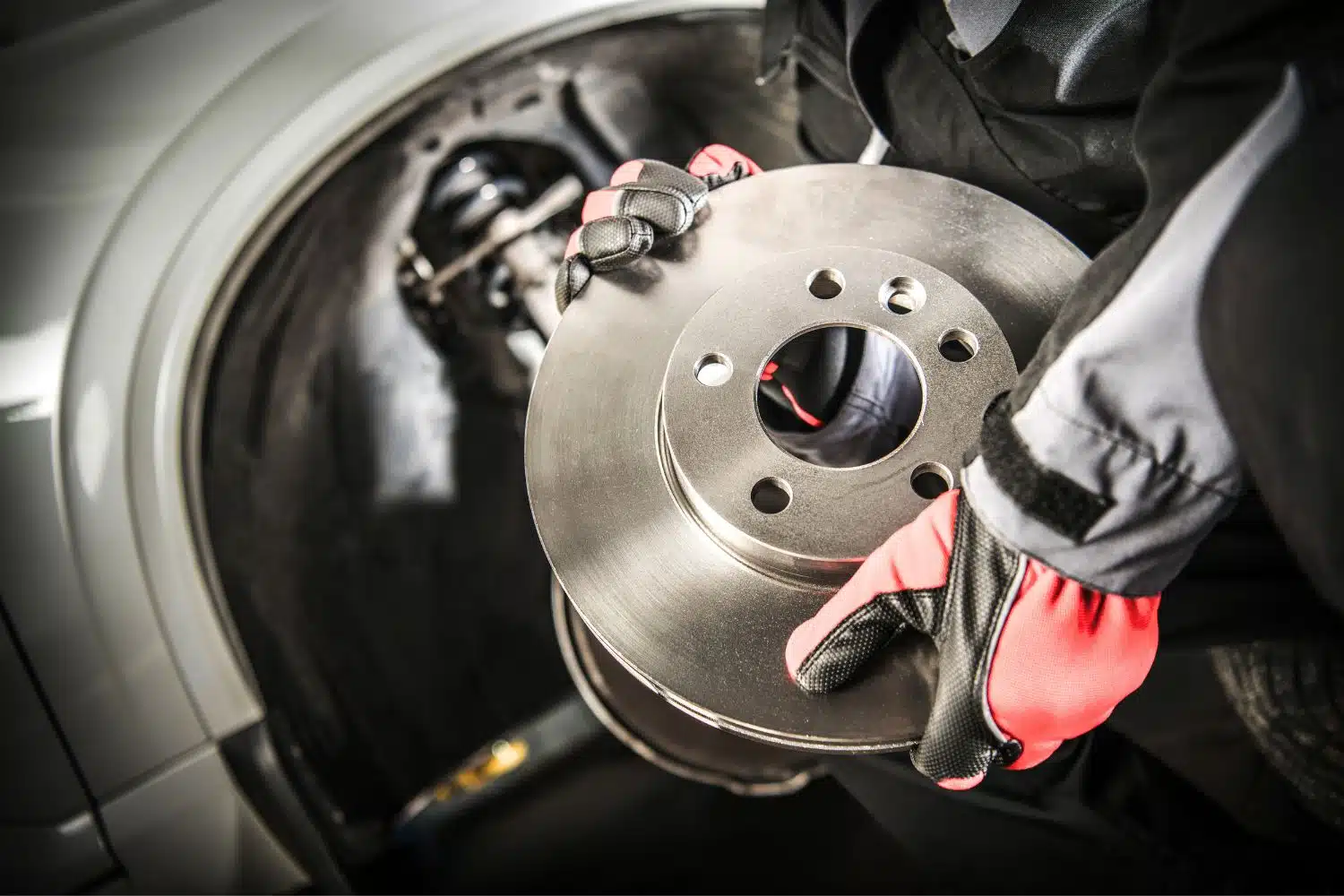
If the brake pads are significantly worn, replacing them before selling may be a sensible investment. Brake pads are routine maintenance components, and buyers generally expect them to be in serviceable condition.
Brake rotors may also require attention. Deep grooves, excessive thickness variation, or severe corrosion can affect braking performance. A mechanic can determine whether resurfacing is appropriate or whether replacement is necessary.
Pay attention to warning signs such as squealing, grinding, pulling to one side, or unusual pedal movement. These symptoms can indicate worn pads, damaged rotors, hydraulic problems, or other brake-related faults.
Brake fluid should also be checked according to the manufacturer’s maintenance schedule. Contaminated fluid or a hydraulic leak can affect braking performance. Any confirmed safety-related defect should be addressed before allowing potential buyers to test-drive the vehicle.
Avoid replacing every brake component automatically. If the pads, rotors, calipers, and fluid are in good condition, unnecessary replacement will probably not increase the vehicle’s selling price enough to justify the expense.
Keep the repair documentation, including the parts replaced and the date of service. A recent brake service record can reassure buyers that an important maintenance item has been addressed.

4. Fixing Minor Exterior Damage
First impressions matter when selling a used car. Scratches, small dents, chipped paint, and damaged exterior trim can make an otherwise well-maintained vehicle appear neglected.
Minor cosmetic repairs are often worth considering because they can improve the vehicle’s presentation without requiring a large investment. Paint touch-ups, paintless dent removal, and basic trim replacement may offer reasonable value.
Paintless dent repair can be particularly useful for small dents where the paint remains intact. The technique uses specialized tools to reshape the affected panel without requiring conventional bodywork and repainting.
Small scratches may also respond to professional polishing or paint correction. However, deeper scratches that reach the primer or metal may require more extensive work. Ask for an estimate before approving a repair.
Headlight clarity is another detail worth checking. Cloudy headlights can make an older vehicle look poorly maintained. Professional headlight restoration may improve appearance and lighting performance at a lower cost than replacing the entire assembly.
Avoid spending heavily on a complete repaint simply to prepare an average used car for sale. A full paint job can cost considerably more than the improvement it produces in the final selling price.
Concentrate on visible damage that buyers are likely to notice during a walk-around inspection. Repairing a few obvious defects can make the vehicle look better cared for and help support your asking price.
5. Fixing Small Mechanical and Electrical Issues
Small mechanical and electrical problems can become major negotiating points during a vehicle inspection. A malfunctioning power window, broken exterior light, defective door lock, or faulty windshield wiper may seem minor to the owner but inconvenient to a prospective buyer.
Start by checking the vehicle’s basic electrical functions. Test the headlights, brake lights, turn signals, interior lights, dashboard controls, power windows, mirrors, and door locks. Replace defective bulbs and investigate electrical faults that affect essential functions.
Air conditioning is particularly important in many parts of the United States. A system that blows warm air can discourage buyers, especially during summer. A professional diagnosis can determine whether the problem involves refrigerant leakage, a compressor, electrical components, or another fault.
Windshield wipers should also receive attention. Worn blades are inexpensive to replace and can affect visibility during rain or snow. Similarly, replacing a damaged windshield washer nozzle or repairing a minor washer-system issue can be a practical investment.
Check for fluid leaks, loose hoses, and unusual noises. A small leak may be relatively inexpensive to repair, but ignoring it can create the impression that the vehicle has been poorly maintained.
Do not overlook the condition of the battery. A weak battery can create starting problems during a buyer’s inspection. If testing confirms that the battery is nearing the end of its useful life, replacement may help avoid unnecessary complications.
These smaller repairs can make the vehicle feel more dependable during a test drive. They also demonstrate attention to routine maintenance, which can help buyers feel more comfortable moving forward with the purchase.
5 Car Repairs That Are Not Worth Doing Before Selling
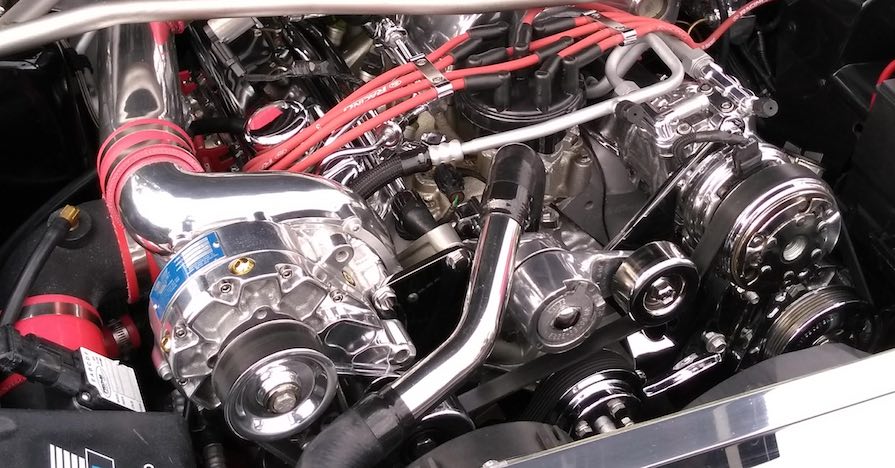
1. Replacing an Entire Engine
An engine replacement is among the most expensive repairs a vehicle owner can face. Depending on the vehicle, engine type, labor rates, and whether the replacement is new, rebuilt, or used, the bill can reach several thousand dollars or more.
Before approving such work, compare the vehicle’s current market value with its value after the proposed repair. If the replacement costs a substantial portion of the vehicle’s resale value, recovering that investment through a sale may be difficult.
For example, spending $6,000 on an engine for a vehicle worth approximately $7,000 in its current condition may not make financial sense. Even after the repair, buyers may not be willing to pay the full cost of the work.
The vehicle’s age and mileage also matter. A replacement engine does not automatically restore the transmission, suspension, steering, interior, or other aging components. Buyers may still consider the car a high-mileage vehicle.
There are situations where engine replacement makes sense. A relatively newer vehicle with strong market demand and otherwise excellent condition may justify the expense, particularly if comparable running vehicles sell for significantly more.
However, sellers should obtain multiple estimates and consider selling the vehicle in its current condition. A mechanic, used-car dealer, or specialist buyer may be interested in purchasing a vehicle that needs major mechanical work.
Be honest about the engine condition when advertising the car. Provide available inspection reports and disclose known problems as required by applicable state law.
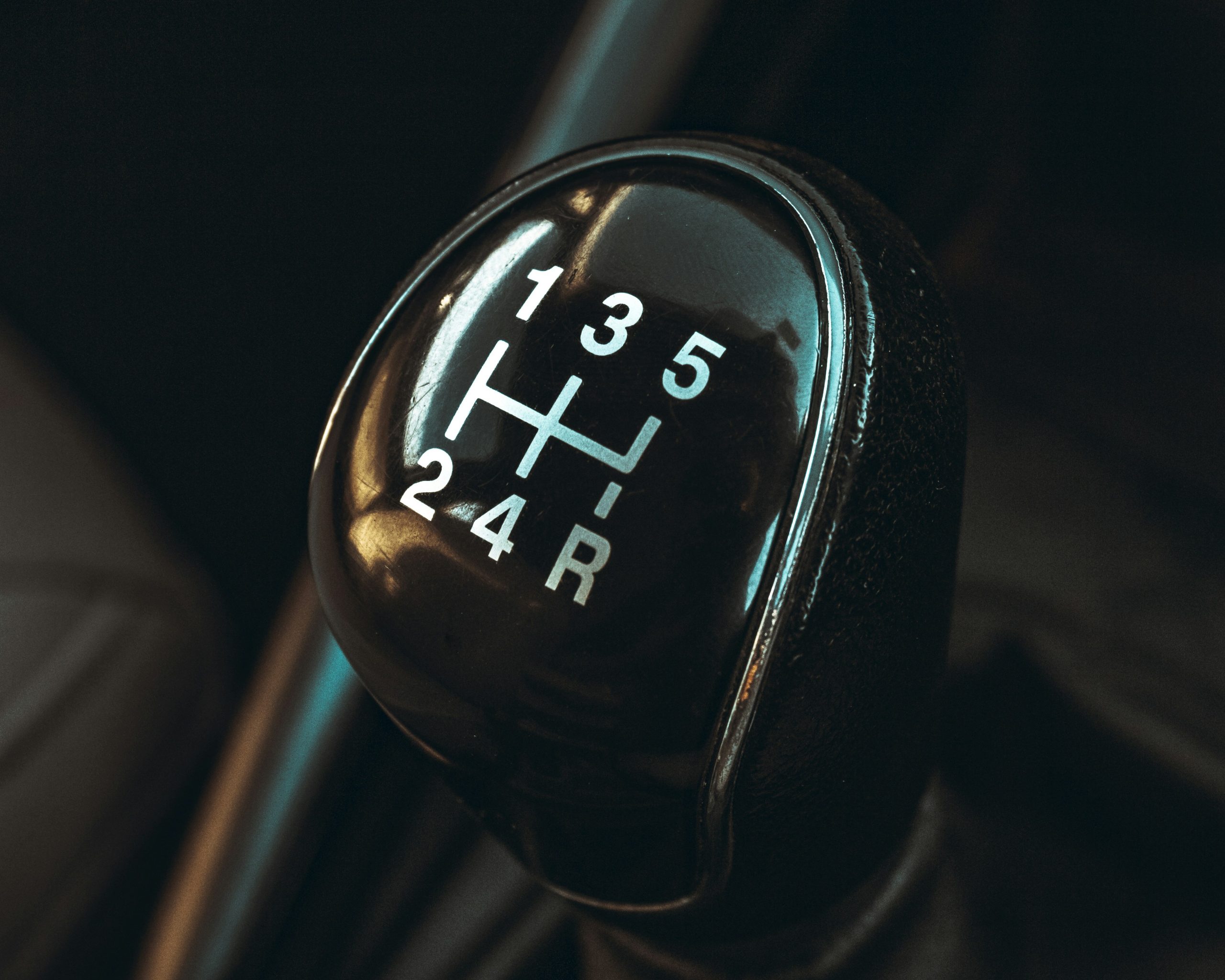
2. Replacing the Transmission Without Comparing Costs
Transmission repairs can be extremely expensive, particularly when a complete replacement is necessary. Automatic transmission problems may involve slipping gears, delayed engagement, fluid leaks, overheating, or unusual noises.
Replacing a transmission before selling does not guarantee that you will recover the repair cost. Buyers may recognize the vehicle’s age and mileage and compare its asking price with similar models.
A complete replacement can be reasonable for a newer vehicle with a strong resale market. However, for an older car with significant mileage, the financial return may be limited.
Before deciding, request a proper diagnosis. Some transmission-related symptoms can originate from less expensive problems involving sensors, wiring, fluid leaks, or other components. The correct diagnosis can prevent unnecessary spending.
A transmission flush should not be treated as a universal solution. Maintenance requirements vary by vehicle, and an incorrect service can cause complications. Follow the manufacturer’s recommendations and consult a qualified technician.
If the estimated replacement cost is higher than the likely increase in selling price, consider selling the vehicle as-is. Buyers who specialize in mechanical repairs may be willing to purchase it at an appropriate discount.
When listing the vehicle, disclose known transmission problems. Misrepresenting its condition can lead to disputes, failed inspections, and potential legal issues depending on the circumstances and state regulations.
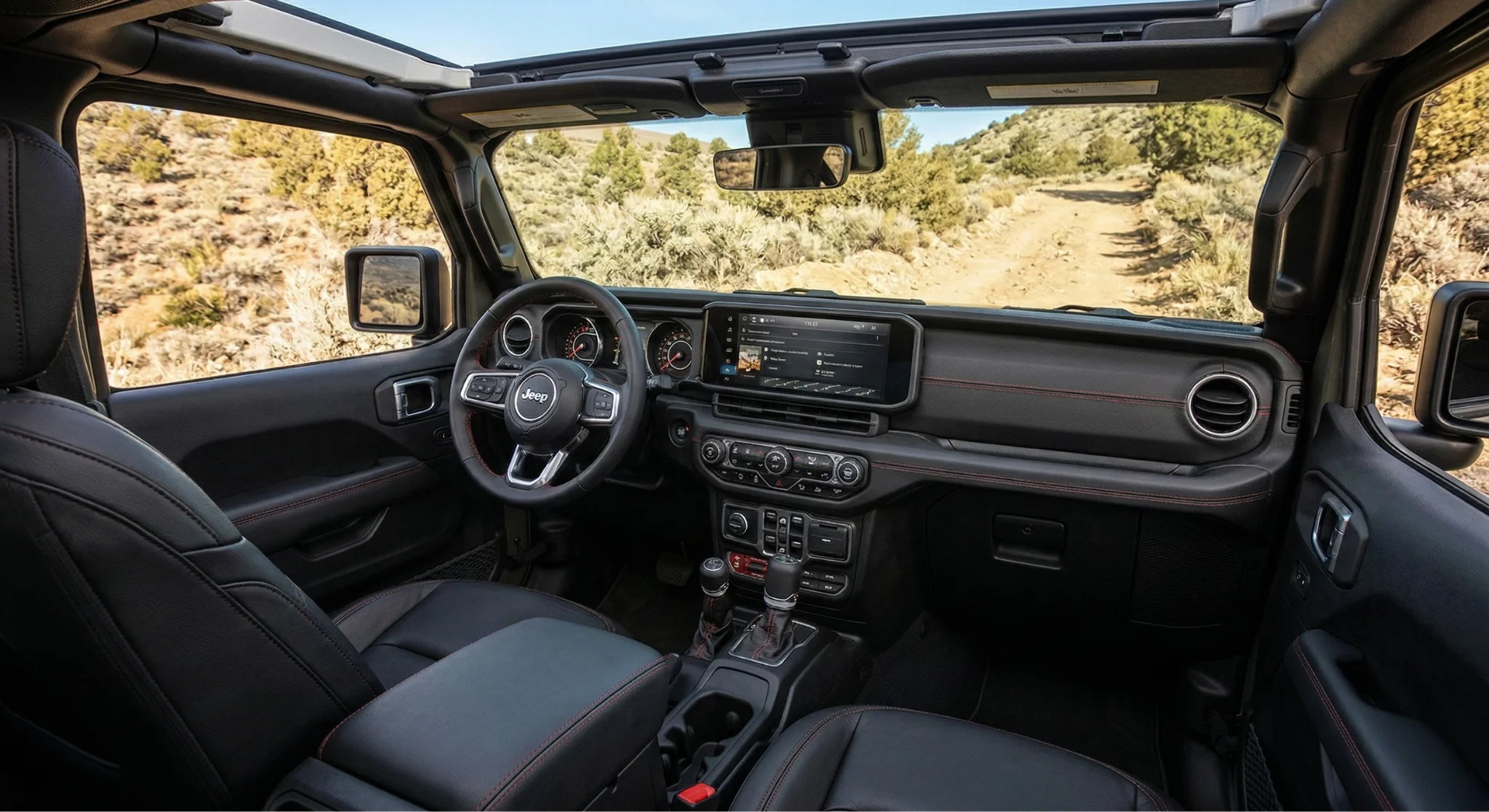
3. Spending Thousands on a Full Interior Restoration
A clean interior can help sell a used car, but a complete interior restoration is rarely necessary for an ordinary resale transaction. Replacing every seat, carpet, dashboard component, and door panel can become expensive.
The return on this investment is often limited because buyers consider the vehicle’s age, mileage, reliability, and market price. A brand-new interior may look impressive without significantly increasing what someone is willing to pay.
Small improvements are generally more practical. Professional interior detailing, stain removal, odor treatment, and basic cleaning can make a substantial difference without requiring extensive replacement work.
Torn seats can sometimes be repaired using professional upholstery services. If the damage is limited, a targeted repair may be more affordable than replacing the entire seat assembly.
Carpets that have accumulated dirt, dust, or minor stains can often be cleaned professionally. However, persistent water damage or severe mold contamination requires proper investigation rather than cosmetic treatment.
Avoid installing expensive custom leather seats or aftermarket interior accessories solely to increase resale value. Buyers have different preferences, and modifications do not always match their expectations.
A clean, functional, and odor-free cabin is usually more important than a completely renovated interior. Spend money on basic presentation and leave expensive cosmetic upgrades to the next owner.
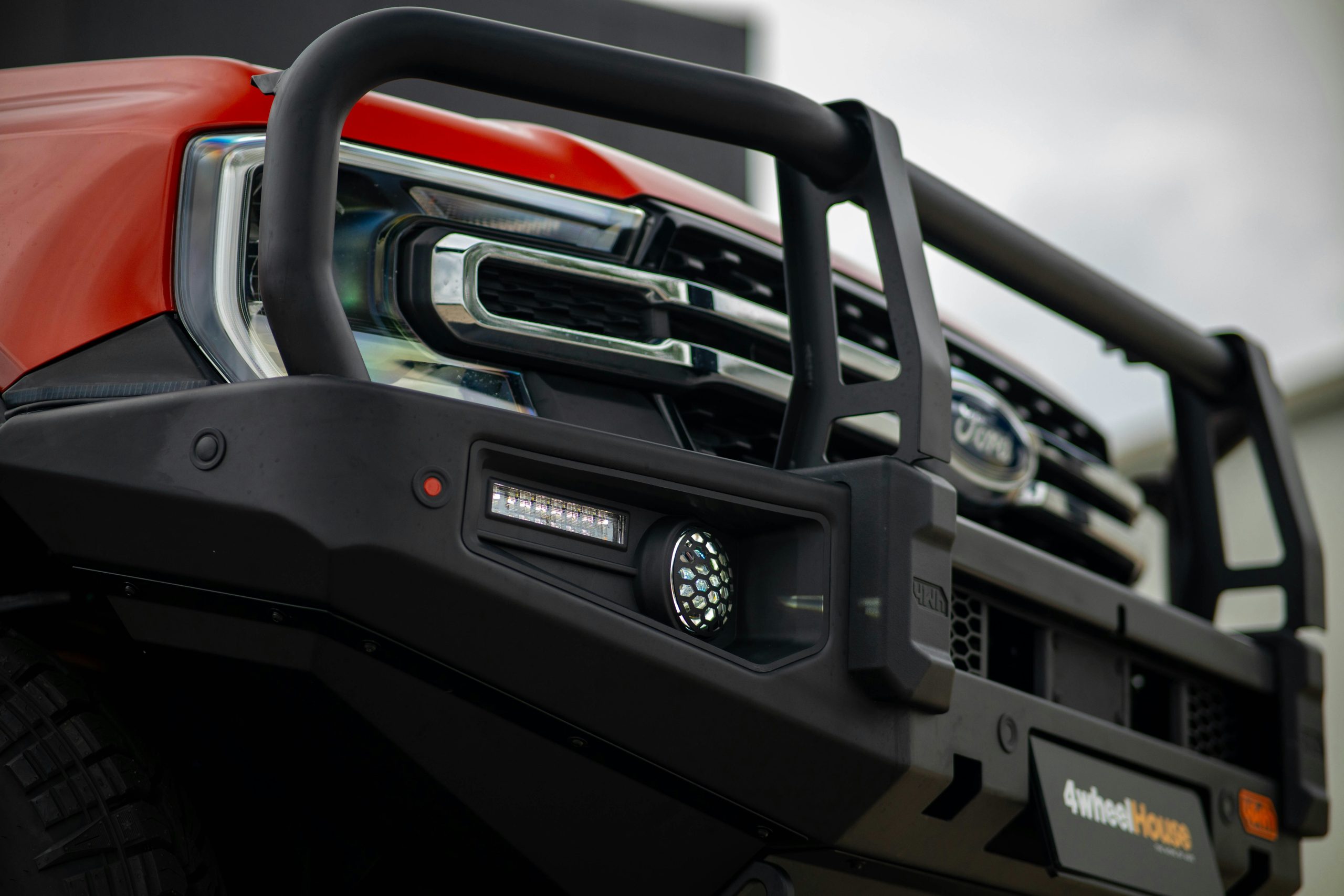
4. Installing Expensive Aftermarket Upgrades
Aftermarket upgrades can make a vehicle more appealing to a particular enthusiast, but they do not necessarily increase its resale value. In many cases, modifications make it harder to attract mainstream used-car buyers.
Examples include expensive sound systems, custom wheels, performance exhausts, suspension modifications, aftermarket body kits, and upgraded interior electronics. These additions can cost hundreds or thousands of dollars.
The problem is that buyers may not share your preferences. A modified suspension may appeal to one person but discourage someone looking for a comfortable daily driver. Similarly, custom wheels may not match the expectations of a buyer seeking an original vehicle.
Performance modifications can also raise questions about reliability, warranty coverage, and previous driving habits. Some buyers prefer vehicles that retain their factory specifications.
If you have installed expensive accessories, consider whether they can be removed and sold separately. In some cases, returning the vehicle to its original configuration may make it more attractive to a wider audience.
Factory-style replacement parts are generally easier for mainstream buyers to understand and evaluate. Original equipment can also make maintenance and future repairs more straightforward.
Keep receipts and documentation for any modifications that remain on the vehicle. If an upgrade has been professionally installed, provide details rather than assuming buyers will automatically recognize its value.
5. Repairing Every Small Cosmetic Imperfection
Older vehicles naturally develop small signs of use. Minor scratches, tiny paint chips, light upholstery wear, and small interior marks are common in cars that have been driven for several years.
Trying to eliminate every imperfection can quickly become an unnecessary expense. Buyers generally expect some wear on a used vehicle, particularly when its age and mileage are reflected in the asking price.
For instance, repainting an entire door to correct a small scratch may not produce enough additional resale value to justify the cost. The same applies to replacing an otherwise functional dashboard component because of a minor cosmetic mark.
Focus on defects that affect safety, functionality, or the vehicle’s general appearance. A broken mirror, damaged windshield, or missing exterior trim deserves more attention than a small scratch hidden near the lower bumper.
Professional detailing can often improve the appearance of minor imperfections. Cleaning the paint, removing surface contaminants, and polishing appropriate areas may help the vehicle look better without extensive bodywork.
Buyers may also appreciate honest photographs showing the vehicle’s actual condition. Clear pictures of existing damage can prevent misunderstandings and reduce wasted time during in-person viewings.
A realistic asking price should account for ordinary cosmetic wear. Rather than spending money on every small mark, reserve your budget for repairs that have a meaningful effect on safety, usability, and buyer confidence.