
Cold weather can change how a vehicle responds when the driver presses the brake pedal. During winter, drivers may notice unusual noises, reduced braking response, stiff pedals, or longer stopping distances. These changes can result from low temperatures affecting brake components, tyre grip, road surfaces, and brake fluid performance.
Understanding why car brakes act differently in the cold helps drivers recognise normal winter behaviour and identify problems that require professional attention. From moisture and ice to temperature-sensitive materials, several factors influence braking performance. Knowing what to watch for can make winter driving safer and more predictable.

1. Cold Temperatures Affect Brake Pad Performance
Cold temperatures can influence the way brake pads respond when they make contact with the brake rotors. Brake pads are manufactured using friction materials designed to operate within particular temperature ranges. When the temperature drops significantly, some compounds may behave differently, affecting their initial friction characteristics.
This can make the brakes feel less responsive during the first few applications after a vehicle has been parked outside overnight. The change is often temporary, but drivers should pay attention to any unusual braking behaviour.
Modern vehicles use different types of brake pad materials, including ceramic, semi-metallic, and organic compounds. Each material has its own characteristics, including heat resistance, noise levels, durability, and friction performance.
Certain compounds may produce slightly different braking sensations when they are cold. This does not automatically indicate a mechanical fault. However, the correct brake pad specification is important because unsuitable materials can affect stopping performance, comfort, and component wear.
When a vehicle remains parked in freezing conditions for several hours, the entire braking assembly becomes cold. Brake pads and rotors need to operate together to produce the friction required to slow the vehicle.
During the first few braking applications, the system may feel different from how it behaves after normal driving. Drivers may notice a slight change in pedal response or hear brief noises. These symptoms should disappear as normal operating conditions return.
Brake pad condition also plays an important role during colder months. Worn pads, uneven friction surfaces, and contaminated materials can make winter braking less predictable. Low temperatures may make existing problems more noticeable, especially when the vehicle has not been driven recently.
Regular inspections help identify worn friction material and damaged components before they become serious safety concerns. Drivers should follow the manufacturer’s recommended maintenance schedule.
2. Moisture and Ice Can Build Up on Brake Rotors
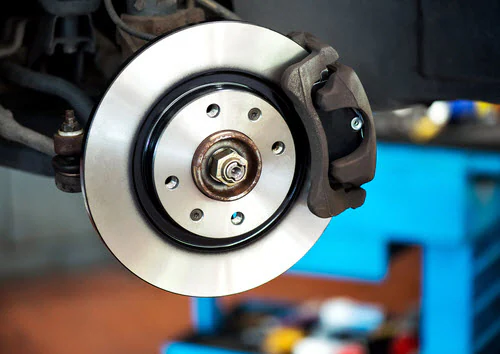
Moisture is a common reason car brakes behave differently during cold weather. Rain, melting snow, fog, and overnight condensation can leave a thin layer of water on exposed brake rotors.
When temperatures fall below freezing, this moisture may turn into ice. The resulting surface conditions can temporarily affect the contact between the brake pads and rotors. Drivers may notice unusual sounds or a slight change in braking response when they first start driving.
Brake rotors are generally made from iron-based materials that can develop surface rust when exposed to moisture. A light orange or brown coating may appear after a vehicle has been parked in wet conditions.
This is usually superficial and can be removed through normal braking as the pads contact the rotor surface. However, heavy corrosion, deep pitting, or uneven rotor surfaces require professional inspection because they can affect braking performance.
Ice formation can create additional challenges. If a vehicle remains parked outside during freezing weather, moisture around the brake components may freeze.
This can temporarily restrict the movement of certain parts or create resistance during the first few braking applications. In some cases, drivers may hear scraping sounds as frozen moisture clears. Persistent noises or resistance should not be ignored because they may indicate a separate mechanical problem.
Vehicles that are driven regularly through wet winter conditions may experience repeated moisture exposure. Parking in an uncovered area can increase the chances of condensation forming on the braking system.
While moisture itself is not unusual, repeated exposure can contribute to corrosion over time. Drivers should pay attention to changes in brake performance, particularly when a vehicle has been sitting unused for several days.
3. Brake Fluid Can Be Affected by Temperature Changes
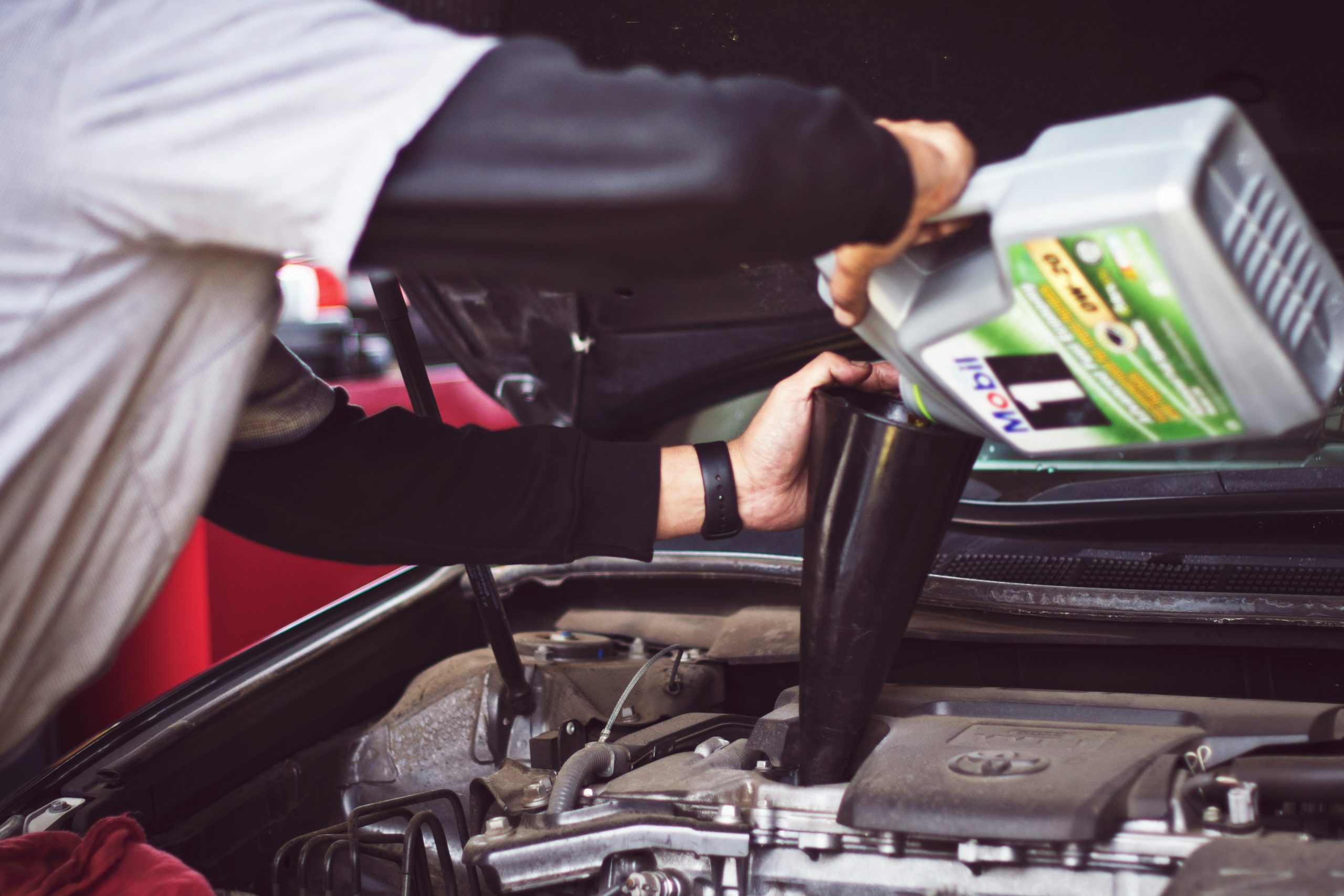
Brake fluid plays an essential role in the operation of a hydraulic braking system. When a driver presses the brake pedal, hydraulic pressure travels through the brake lines and activates the components that bring the vehicle to a stop.
Temperature changes can influence fluid properties, but properly specified brake fluid is designed to function across a broad operating range. Extremely cold conditions may affect fluid viscosity, particularly when the fluid is old, contaminated, or unsuitable for the vehicle.
Brake fluid is also hygroscopic, which means it absorbs moisture from its surroundings over time. This characteristic makes regular maintenance important. As water content increases, the fluid’s boiling point decreases, potentially reducing braking reliability during demanding driving conditions.
Moisture contamination is more closely associated with high-temperature performance risks than ordinary cold-weather braking, but it can still indicate that the hydraulic system needs attention.
During winter, drivers sometimes notice a firmer or different brake pedal response. This can have several causes, including temperature-related changes in components, vacuum assistance behaviour, or an existing hydraulic issue.
The brake fluid itself should not automatically be blamed. If the pedal becomes unusually hard, sinks towards the floor, or feels inconsistent, the vehicle should be inspected by a qualified technician.
Using the correct brake fluid specification is particularly important. Different vehicles require different fluid grades, such as DOT 3, DOT 4, or DOT 5.1.
These fluids have different performance characteristics and are not universally interchangeable. DOT 5 silicone-based fluid is also chemically different from the glycol-based fluids commonly used in passenger cars. Vehicle manufacturers specify the appropriate type to maintain safe hydraulic operation.
4. Tyres Lose Grip on Cold and Slippery Roads
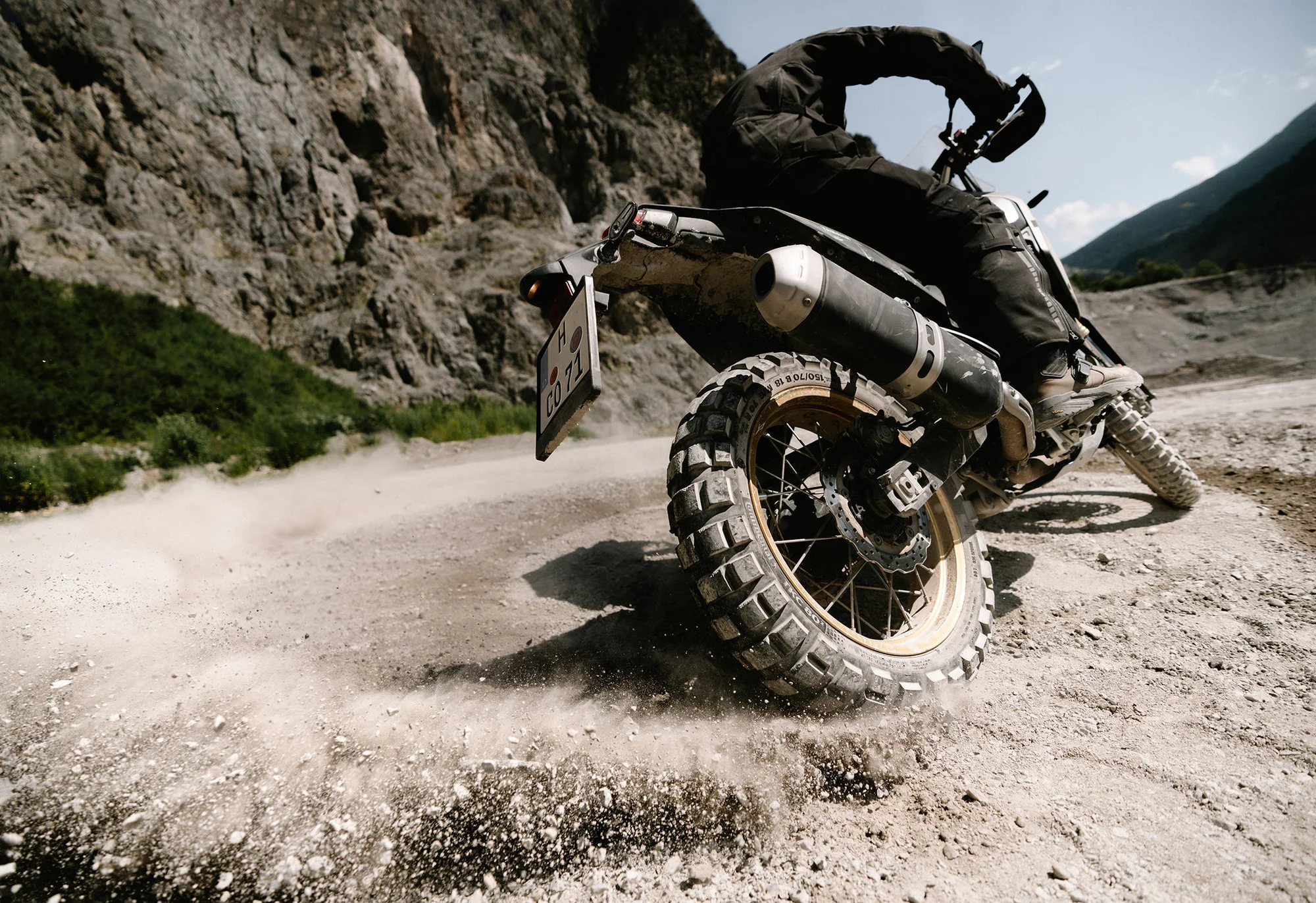
Braking performance depends on more than the components inside the braking system. Tyres are the only parts of a vehicle that make direct contact with the road, so their condition has a major influence on stopping distance.
When temperatures fall, tyre rubber can become harder, particularly if the tyres are not designed for cold-weather use. Reduced flexibility may affect how effectively the tread maintains contact with the road surface.
Summer tyres are generally designed for warmer conditions. Their rubber compounds can become less flexible as temperatures approach freezing, reducing their ability to provide consistent grip.
Winter tyres use specialised rubber compounds and tread patterns intended to maintain better traction in cold conditions. All-season tyres offer a compromise, but their performance depends on the specific design and the severity of the weather.
Ice and snow make braking more challenging because they reduce the friction available between the tyres and the road. Even a perfectly maintained braking system cannot prevent the wheels from losing traction when the road surface is extremely slippery.
This is why a vehicle may take significantly longer to stop in winter conditions. Drivers should reduce speed, increase following distance, and avoid sudden braking wherever possible.
Tyre pressure also deserves attention during winter. Air contracts as temperatures decrease, so tyre pressure can fall when the weather becomes colder. Underinflated tyres may affect handling, braking response, fuel efficiency, and tread wear.
Drivers should check tyre pressure when the tyres are cold and use the pressure recommended by the vehicle manufacturer. The maximum pressure printed on the tyre sidewall is not the recommended everyday setting.
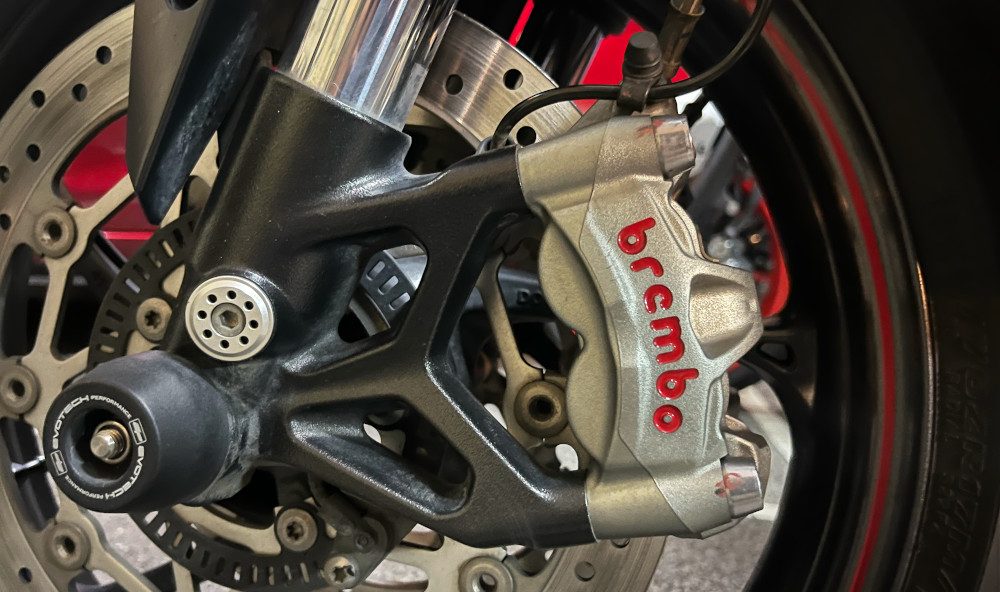
5. Brake Calipers May Become Stiff or Restricted
Brake calipers are responsible for applying pressure to the brake pads against the rotor in a disc braking system. They must move correctly to provide balanced braking force.
Cold weather can make existing problems with caliper movement more noticeable, particularly when moisture, corrosion, or dirt has affected the moving components. Drivers may experience uneven braking, unusual noises, or a vehicle that seems to pull towards one side.
Caliper guide pins allow certain caliper designs to move freely as the brake pads engage and release. These pins require suitable lubrication and protective rubber boots.
When the lubricant deteriorates, or moisture enters the assembly, corrosion can develop. Freezing temperatures may make an already restricted mechanism feel even less responsive. A sticking caliper can prevent the brake pads from releasing properly after the pedal is released.
A restricted caliper can create several symptoms. The affected wheel may become unusually hot after driving, the vehicle may pull to one side during braking, or the driver may notice a burning smell.
Fuel consumption can also increase when a brake remains partially applied. These warning signs require prompt attention because excessive brake heat can damage pads, rotors, seals, and other nearby components.
Caliper pistons can also develop problems when their seals become worn or damaged. Moisture and road contaminants may contribute to corrosion on exposed surfaces. If the piston cannot move smoothly, braking force may become inconsistent.
Low temperatures do not necessarily cause caliper failure, but winter conditions can expose weaknesses that have developed through age, poor maintenance, or prolonged exposure to road salt and moisture.
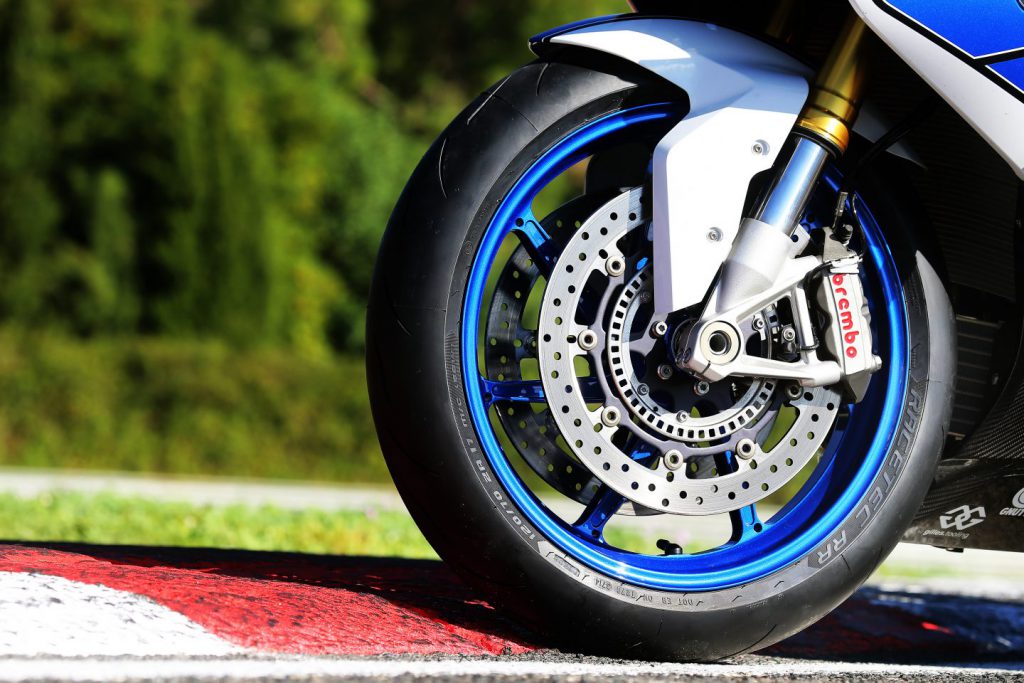
6. Brake Discs Can Contract and Produce Unusual Noises
Brake discs, commonly called rotors, are exposed to changing temperatures throughout the year. They heat up when the brake pads create friction and cool down when the vehicle is parked.
During winter, the difference between operating temperatures and outside temperatures can be significant. This repeated heating and cooling can influence how the braking assembly behaves, particularly when the discs already have wear, corrosion, or uneven surfaces.
Metal components naturally expand when heated and contract when cooled. Brake rotors are designed to handle normal temperature changes, but extreme or repeated thermal stress can contribute to problems when other conditions are present.
For example, an already damaged rotor may develop additional symptoms during periods of rapid temperature change. Drivers might notice vibrations, pulsations, or changes in braking smoothness.
Unusual brake noises are also common complaints during cold mornings. A brief squeaking or scraping sound may occur when moisture or light surface corrosion is present.
The sound may disappear after a few normal braking applications. However, continuous grinding, loud metallic noises, or repeated vibrations should not be considered normal winter behaviour. Such symptoms can indicate worn brake pads, damaged rotors, or other mechanical faults.
Uneven rotor surfaces can affect how the brake pads make contact with the discs. This may result in a pulsing sensation through the brake pedal or vibration through the steering wheel when slowing down.
Temperature changes may make an existing issue more noticeable, but they should not be treated as the sole cause. Incorrect installation, excessive wear, and uneven brake deposits can also contribute to these symptoms.

7. Cold Weather Can Affect the Brake Booster
The brake booster helps reduce the physical effort required to press the brake pedal. Many conventional vehicles use a vacuum-assisted braking system, while some modern vehicles use electric or electrohydraulic assistance.
When the booster operates correctly, drivers can apply braking force without needing excessive pressure. Cold weather may make existing issues with these systems more noticeable, especially when vacuum hoses, seals, or related components have deteriorated.
In vacuum-assisted systems, engine vacuum helps provide additional force when the driver presses the brake pedal. During cold starts, engine operating conditions may differ from those experienced after the vehicle has warmed up. This can influence vacuum availability in certain situations.
However, a properly maintained system should continue providing the braking assistance required by the manufacturer.
Drivers may notice a harder brake pedal when the vehicle is first started in cold weather. This can sometimes happen because the available vacuum assistance has been reduced after the vehicle has been parked. Once the engine is running and the system restores the required assistance, normal pedal operation should return. A pedal that remains unusually hard requires professional inspection.
Damaged vacuum hoses and leaking connections can make booster performance unreliable. Rubber components may become less flexible in very cold temperatures, and existing cracks or weakened connections can become more apparent.
A faulty booster may also produce a hissing sound near the brake pedal or cause the engine idle to behave differently. These symptoms should be checked rather than ignored.

8. Road Salt and Winter Dirt Can Cause Brake Component Corrosion
Road salt is commonly used in regions that experience snow and icy roads. It helps lower the freezing point of water and improves road safety by reducing ice formation.
However, salt can also create challenges for vehicle maintenance. When salty water reaches brake components, it can accelerate corrosion on exposed metal surfaces. This may affect rotors, calipers, fasteners, brackets, and other parts of the braking assembly.
Vehicles driven through slush and wet winter roads collect dirt, salt, and moisture around their wheels. These materials can accumulate in areas that are difficult to clean during ordinary washing.
Over time, corrosion may develop, particularly when the vehicle is parked for extended periods without being cleaned. While brake components are designed to withstand demanding conditions, prolonged exposure can still cause deterioration.
Corrosion around brake hardware can affect the movement of pads and related components. Brake pads must be able to move correctly within their supporting brackets. When corrosion builds up around contact points, the pads may become restricted.
This can lead to uneven wear, dragging brakes, unusual noises, and inconsistent braking response. A technician can inspect and service the affected hardware when necessary.
Road salt can also damage protective coatings and contribute to deterioration of nearby suspension and underbody components. Although the braking system is the main concern here, winter vehicle maintenance should include attention to the surrounding areas.
Washing the vehicle, particularly its underside and wheel areas, can help remove accumulated salt. However, cleaning should be carried out safely without directing high-pressure water into sensitive components.
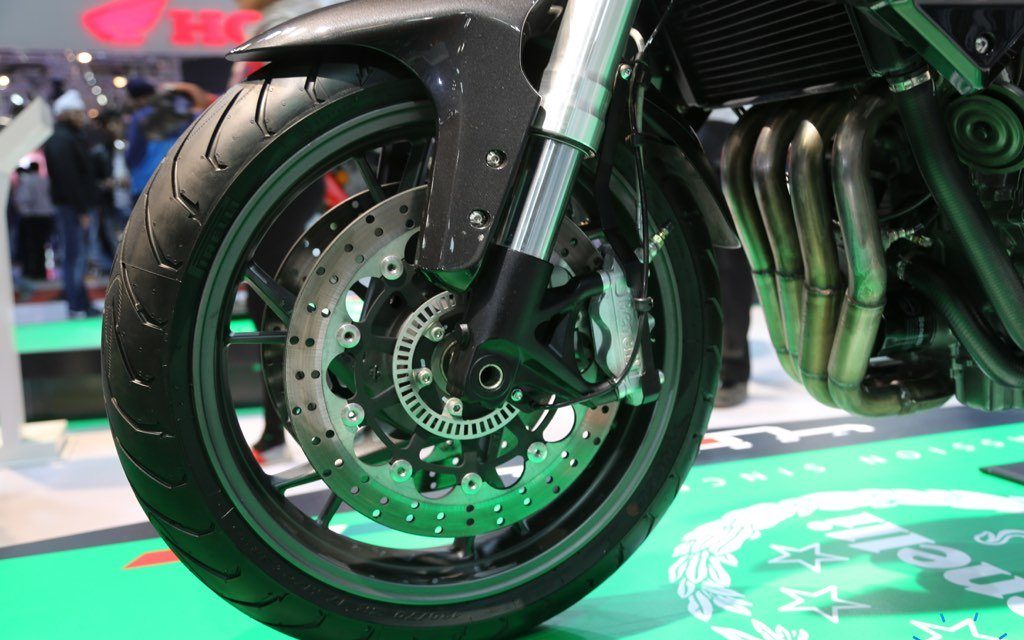
9. The Anti-Lock Braking System Can Feel Different on Slippery Roads
The anti-lock braking system, commonly known as ABS, is designed to help prevent the wheels from locking during hard braking. It monitors wheel speed and adjusts brake pressure when it detects that a wheel is about to stop rotating while the vehicle is still moving.
This allows the driver to maintain better steering control during emergency braking. On cold, slippery roads, the system may activate more frequently because tyre grip is reduced.
When ABS activates, drivers may feel a rapid pulsing sensation through the brake pedal. They may also hear mechanical clicking or buzzing sounds.
These sensations can be surprising for people who have not experienced ABS operation before. However, they are generally normal when the system is actively controlling brake pressure. Drivers should maintain firm pressure on the brake pedal during an emergency stop rather than pumping it manually.
Snow, ice, and wet road surfaces can cause the wheels to approach their grip limits more quickly. As a result, ABS may activate during braking that would not trigger the system on dry pavement. The system helps manage wheel slip, but it cannot create additional traction. If the road surface offers very little grip, the vehicle may still require a longer distance to stop.
ABS relies on several components, including wheel speed sensors, electronic control units, hydraulic valves, and wiring connections. Snow, dirt, corrosion, or damaged wiring can sometimes interfere with sensor operation.
If the ABS warning light remains illuminated after the vehicle starts, the system may have detected a fault. Ordinary braking may still be available, but anti-lock assistance could be reduced or unavailable until the problem is repaired.
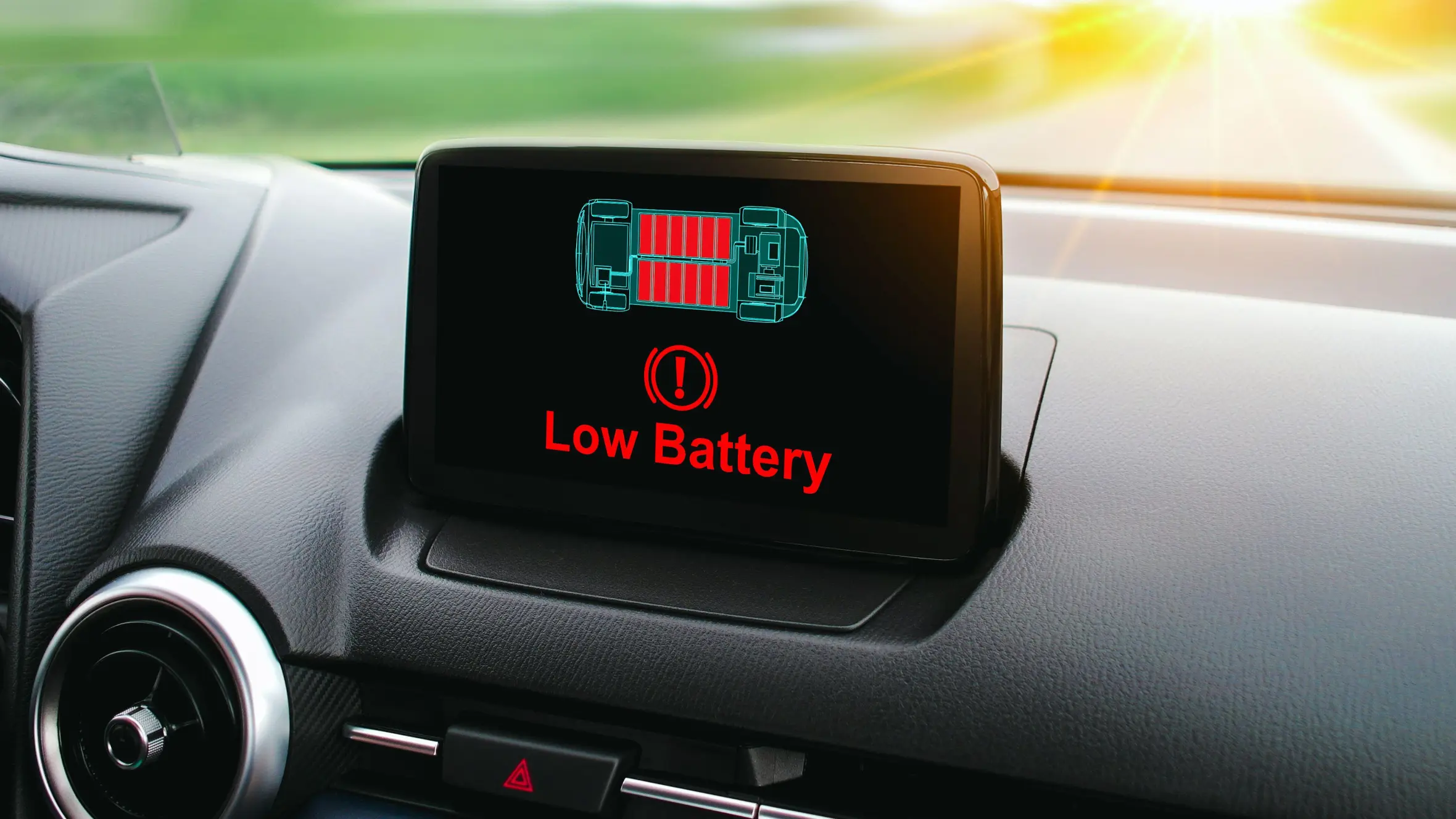
10. Cold Weather Can Reduce Battery Performance
Modern vehicles depend on electrical power to operate many safety and braking features. These can include electronic brake-force distribution, ABS, electronic stability control, electric parking brakes, and brake-by-wire technology in certain vehicles.
Cold weather can reduce battery performance, especially when a battery is old or already weakened. If electrical voltage becomes unstable, certain electronic systems may display warning messages or temporarily restrict selected functions.
Car batteries experience reduced chemical activity as temperatures fall. This means a battery may deliver less available power during cold conditions, particularly when the vehicle has been parked outside overnight.
Starting the engine also requires considerable electrical energy, placing additional demands on the battery. If the charging system or battery is already in poor condition, electronic components may be affected by insufficient voltage.
Electric parking brakes are another feature that can behave differently in winter. These systems use electric motors and control mechanisms to apply and release the parking brake.
Moisture and freezing conditions may contribute to problems around exposed mechanical components. Drivers should follow the manufacturer’s parking recommendations during severe winter weather, particularly when the vehicle has been exposed to freezing rain or standing water.
Electronic braking systems rely on sensors and control modules to monitor vehicle behaviour. A fault in a wheel speed sensor, electrical connector, battery, or control unit may trigger dashboard warning lights. Some vehicles may activate a reduced-function mode when a fault is detected.
The exact response depends on the vehicle’s design, so drivers should consult the owner’s manual instead of assuming that every warning has the same meaning.
