
Winter driving can reveal car problems that remain unnoticed during short city trips. Cold temperatures affect tyres, batteries, engine performance, fluids, and several mechanical components, while sustained highway speeds place extra demands on the vehicle.
A car that feels perfectly normal around town may develop vibrations, unusual noises, steering issues, or warning lights after spending time on a fast road.
Recognising these symptoms early can help drivers avoid breakdowns, expensive repairs, and dangerous situations. Here are eight winter car problems that become easier to notice at highway speeds and deserve attention.
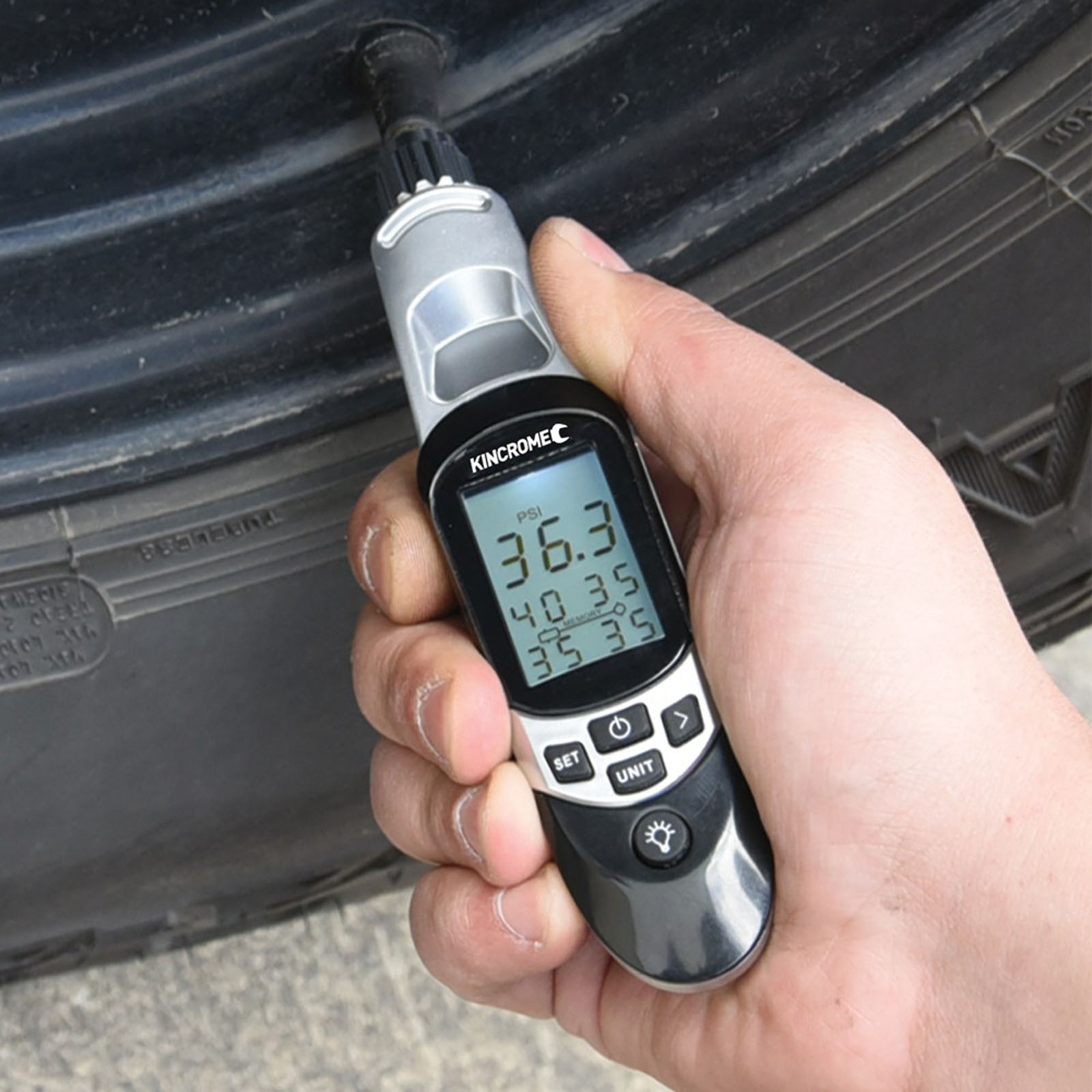
1. Winter Tyre Pressure Changes That Cause Highway Instability
Cold weather has a direct effect on tyre pressure, and the difference can become more noticeable when a vehicle travels at highway speeds. Tyres naturally lose pressure as temperatures fall because the air inside contracts.
As a general guideline, tyre pressure drops by approximately 1 PSI for every 10°F (5.6°C) decrease in temperature. This means a vehicle that had correctly inflated tyres during warmer months may start winter with pressure below the manufacturer’s recommended level.
Around town, drivers might not immediately notice the difference, but longer journeys can expose problems through changes in steering response, road grip, and vehicle stability.
Underinflated tyres can generate additional heat because their sidewalls flex more than they should while rotating. At highway speeds, this repeated movement places extra stress on the tyre structure.
The vehicle may feel less responsive when changing lanes, and steering can become less precise. In severe cases, excessive heat buildup can contribute to tyre damage or failure.
Winter roads already present challenges through rain, frost, slush, and occasional snow, so maintaining the correct pressure becomes particularly important. Drivers should never assume that a tyre looks properly inflated simply because it does not appear visibly flat.
Another problem involves uneven tyre pressure across the four wheels. If one tyre has significantly lower pressure than the others, the vehicle may pull slightly to one side or feel unsettled when travelling at higher speeds.
These symptoms can be confused with wheel alignment problems or suspension wear. A driver might notice that the steering wheel requires constant small corrections to keep the vehicle moving straight. This behaviour deserves attention because uneven pressure can affect braking distances and cornering stability.
Checking all four tyres, including the spare where applicable, helps identify differences before they become serious.
Tyre pressure monitoring systems can provide useful warnings during winter, but they are not a replacement for manual checks. Some systems display a warning only after pressure falls below a particular threshold. Others may show a temporary alert when temperatures change quickly.
Drivers should check tyre pressure when the tyres are cold, ideally before starting a journey or after the vehicle has been parked for several hours. The correct pressure can usually be found in the owner’s manual, on the driver’s door frame, or on the manufacturer’s recommended tyre information label.
The pressure printed on the tyre sidewall usually indicates a maximum rating rather than the vehicle’s recommended operating pressure.
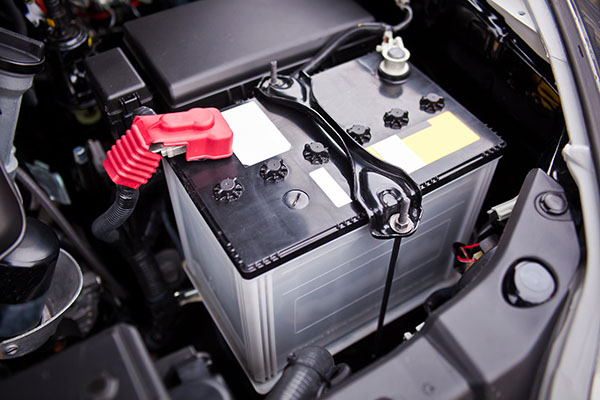
2. Weak Car Batteries That Struggle During Long Highway Journeys
Cold temperatures make life harder for a car battery because chemical reactions inside it slow down as the temperature falls. This reduces the battery’s ability to deliver electrical power, particularly when the engine needs extra energy to start.
Many drivers first notice battery trouble on a freezing morning when the starter motor turns slowly or the engine takes longer to start. However, a weak battery can also create problems during highway journeys.
Once the vehicle is moving, the electrical system must support headlights, heating equipment, windscreen demisters, entertainment systems, and other accessories. A battery that is already deteriorating may struggle to maintain reliable electrical performance when the charging system is not operating correctly.
At highway speeds, drivers often use more electrical equipment than they do during short urban journeys. Heated seats, powerful blowers, rear-window defrosters, headlights, fog lamps, and phone chargers can all increase electrical demand.
The alternator normally supplies power to the vehicle while the engine runs and also replenishes the battery. If the alternator is weak, the drive belt is slipping, or the battery cannot hold a charge, electrical problems may become noticeable during extended journeys.
Symptoms can include dimming headlights, flickering dashboard lights, unusual warning messages, or accessories that operate inconsistently. These signs should not be ignored because they can indicate a charging system fault rather than a battery problem alone.
A deteriorating battery can also affect electronic systems that depend on stable voltage. Modern vehicles use electronic control modules to manage engine operation, transmission behaviour, safety equipment, and comfort features.
If system voltage becomes unstable, certain modules may record faults or display warning lights. Drivers might notice intermittent dashboard alerts or unusual behaviour from electrical accessories. Such symptoms can be confusing because they may appear and disappear without a clear pattern.
A proper battery and charging system test can help identify whether the battery, alternator, wiring, or electrical connections are responsible. Replacing the battery without checking the rest of the charging system may fail to solve the underlying problem.

3. Engine Overheating That Appears During Sustained Highway Driving
Engine overheating during winter can seem surprising because cold weather is generally associated with lower engine temperatures. However, outside temperatures do not eliminate the heat produced inside an engine. When a vehicle travels at highway speeds, its engine operates under sustained load for longer periods.
Problems involving coolant circulation, radiator efficiency, thermostats, water pumps, or cooling fans can become more noticeable under these conditions. A vehicle may remain within its normal temperature range during short city journeys because the engine does not spend as much time under continuous load.
Once the driver maintains a higher speed for an extended period, an existing cooling system weakness may become apparent.
Low coolant levels are a common reason for engine temperature problems. Coolant absorbs heat from the engine and transfers it to the radiator, where that heat is released into the surrounding air.
If coolant is leaking through a hose, radiator, water pump, or another connection, the system may not have enough fluid to control engine temperature effectively. Drivers may notice a temperature gauge rising during highway travel, a sweet smell around the vehicle, or visible fluid beneath the engine compartment.
Some leaks occur only when the cooling system becomes hot and pressurised, making them difficult to detect during a quick visual inspection. Any repeated temperature increase requires attention before it develops into serious engine damage.
A faulty thermostat can also create highway overheating problems. The thermostat controls coolant circulation by opening and closing according to engine temperature. If it becomes stuck in the closed position, coolant circulation through the radiator can be restricted.
This may cause the engine temperature to rise, particularly when the vehicle operates under sustained load. A failing water pump can create similar symptoms by reducing coolant flow. Drivers may notice fluctuating temperature readings, unusual noises, coolant leakage, or poor cabin heating.
These symptoms do not identify a specific failed component on their own, so a cooling system inspection is necessary to establish the actual cause.
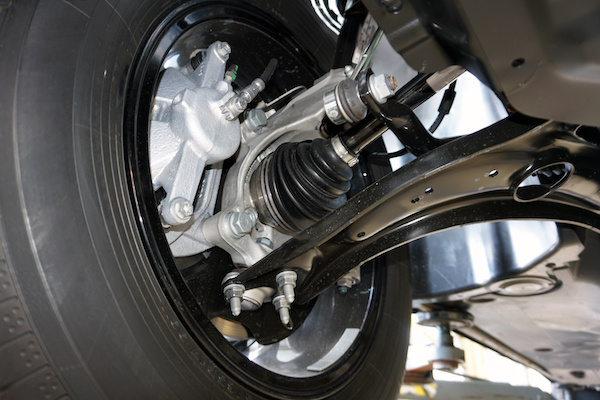
4. Wheel Balancing Problems That Become Obvious at Higher Speeds
Wheel balancing problems often remain unnoticed during slow driving because the wheels rotate at relatively low speeds. As the vehicle accelerates onto a highway, even a small imbalance can produce noticeable vibration.
This happens when the weight around a wheel and tyre assembly is not distributed evenly. The imbalance creates centrifugal forces that increase as rotational speed rises. Drivers commonly notice vibration through the steering wheel, floor, seats, or entire vehicle.
The symptoms may appear within a particular speed range and become less noticeable when the vehicle slows down. Winter conditions can make existing balancing problems more apparent because rough roads, potholes, and temperature-related tyre pressure changes can add to the vehicle’s handling challenges.
Snow, mud, ice, and road debris can collect inside wheel rims and disturb their balance. Although this is more common in regions with regular snowfall, mud and accumulated dirt can also create uneven weight distribution.
A small amount of material attached to a rotating wheel can produce repeated vibration at highway speeds. Drivers may notice the problem shortly after travelling through slushy conditions or driving on roads covered with loose debris.
Cleaning the wheels carefully may help when contamination is responsible, but persistent vibration usually requires professional balancing. It is important to distinguish between a simple cleaning issue and damage to the wheel or tyre.
Wheel weights can also become loose or fall off due to corrosion, impacts, or previous tyre service. These small weights help technicians balance the wheel assembly accurately. If a weight becomes detached, the wheel may develop an imbalance that was not present earlier.
The driver may initially notice a mild vibration that gradually becomes more distracting as speed increases. A missing wheel weight can sometimes leave a visible adhesive mark or attachment area, but identifying the problem accurately usually requires specialist equipment.
Having all four wheels checked can prevent drivers from assuming that the source of vibration is limited to the front axle.
5. Frozen or Thickened Fluids That Affect Steering and Transmission Performance
Low temperatures affect several fluids used throughout a vehicle, and their behaviour can influence performance during highway travel. Engine oil, transmission fluid, power steering fluid, brake fluid, and coolant all have different operating requirements.
Some become thicker in cold conditions, which can affect how quickly they circulate through the relevant systems. Modern vehicles generally use fluids designed to operate across a wide temperature range, but incorrect specifications, poor maintenance, contamination, or ageing can create problems.
Drivers may notice unusual steering response, delayed transmission operation, or mechanical noises when the vehicle has not reached its normal operating temperature.
Transmission fluid plays an important role in lubrication, hydraulic pressure, cooling, and gear engagement. In automatic transmissions, fluid must move through internal passages to support smooth operation. Cold fluid can be more viscous, which may influence shifting behaviour until the transmission warms up.
If the fluid is old, contaminated, or at an incorrect level, the symptoms can become more noticeable. Drivers may experience harsh gear changes, delayed engagement, unusual noises, or slipping during acceleration.
At highway speeds, a transmission that struggles to maintain smooth operation can affect driving comfort and vehicle performance. Repeated slipping or severe shifting problems should be inspected promptly.
Power steering systems can also behave differently in cold weather. Vehicles equipped with hydraulic power steering rely on fluid to assist steering effort. If the fluid is low, contaminated, or unsuitable for the vehicle, drivers may notice whining noises or heavier steering, particularly during initial operation.
Some hydraulic systems may become noisier when the fluid is cold. Electric power steering systems operate differently because they use electric assistance rather than conventional hydraulic fluid.
However, they can still experience cold-weather issues involving electrical connections, sensors, or mechanical components. Understanding which steering system a vehicle uses helps technicians identify the appropriate diagnostic procedure.
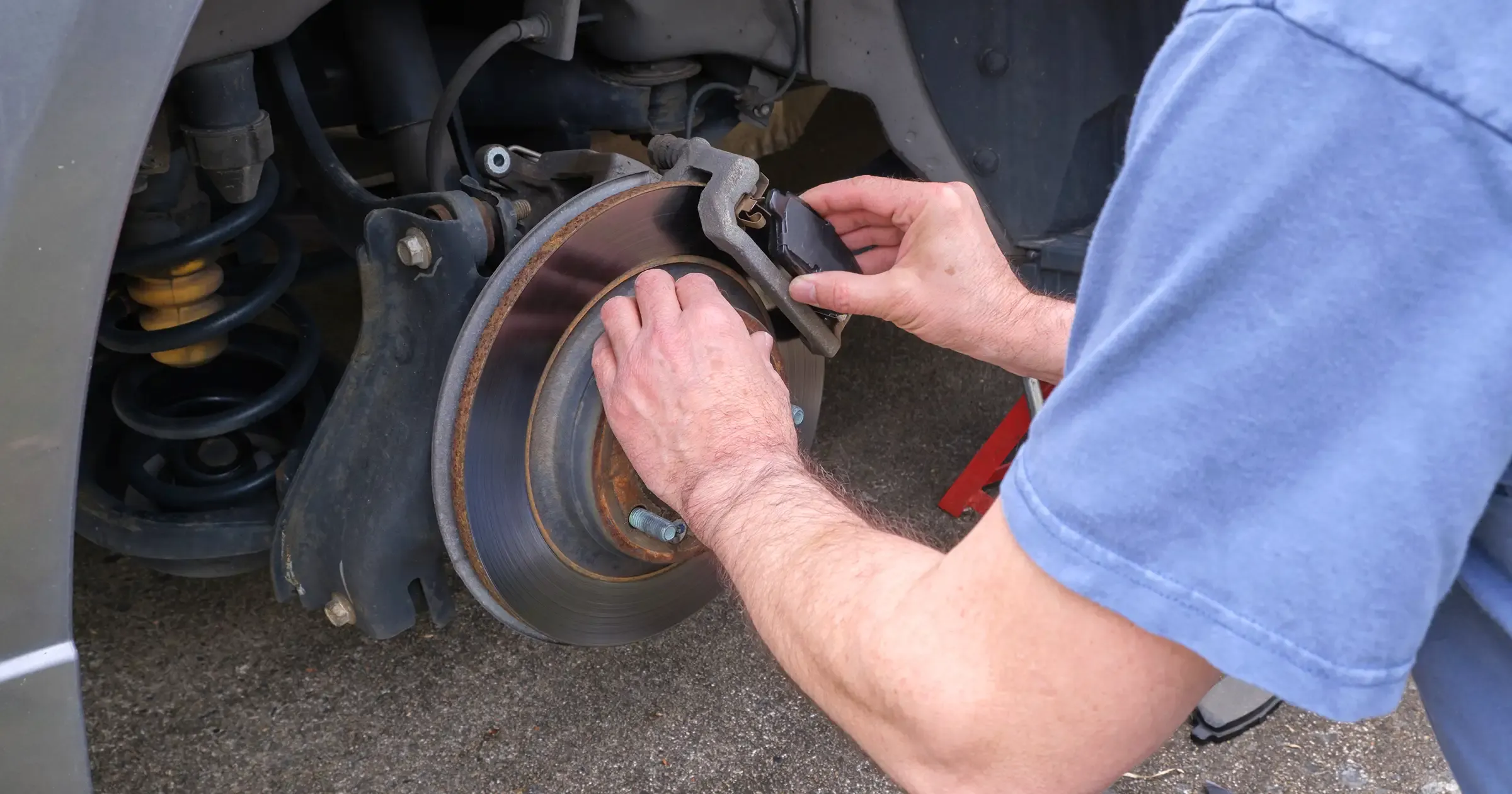
6. Brake Vibrations and Reduced Stopping Performance on Cold Roads
Braking systems face additional challenges during winter because cold temperatures, moisture, road salt, and changing road surfaces can affect their operation. Drivers may notice that the brakes feel different during the first few minutes of driving.
A light surface layer of rust can develop on brake discs when a vehicle remains parked in damp conditions. This is often removed through normal braking, but persistent vibration, grinding, or uneven braking deserves investigation.
At highway speeds, a braking problem can become more noticeable because the vehicle carries greater momentum and needs more distance to slow down safely.
Brake disc problems can produce steering wheel vibration or pedal pulsation when the driver applies the brakes. Uneven disc thickness, surface deposits, excessive runout, or other mechanical faults can contribute to this sensation.
Drivers sometimes describe the vehicle as shaking when slowing down from higher speeds. Such symptoms should not automatically be attributed to cold weather. A professional inspection can determine whether the discs, pads, callipers, wheel bearings, or suspension components require attention.
Continuing to drive with severe brake vibration may worsen component wear and reduce confidence during emergency stopping situations.
Brake pads also need attention during winter maintenance. Worn pads may produce squealing, grinding, or warning indicators, depending on the vehicle’s design. Moisture and corrosion can affect brake components, particularly when a vehicle is regularly exposed to wet roads or road salt.
A calliper that does not release correctly may cause one wheel to experience excessive drag. This can produce a burning smell, increased fuel consumption, unusual heat around a wheel, or a vehicle that pulls to one side.
If a wheel appears significantly hotter than the others after normal driving, arrange an inspection rather than continuing the journey.
7. Wind Noise and Loose Exterior Components That Appear at Highway Speed
Wind noise is a common complaint during highway driving, but winter conditions can make certain exterior problems easier to notice. At lower speeds, air moves around the vehicle with relatively little noise.
As speed increases, aerodynamic pressure rises and even small gaps around doors, windows, mirrors, and weather seals can create noticeable sounds. Drivers may hear whistling, humming, or rushing air from a particular area of the cabin.
Cold weather can make rubber seals less flexible, especially when they are old or damaged. This may reduce their ability to maintain a tight connection around doors and windows, allowing more outside air and noise into the interior.
Door weatherstripping is particularly important because it helps protect the cabin from wind, water, dust, and road debris. Rubber seals can become brittle or lose their shape as they age. During winter, lower temperatures may make existing damage more noticeable.
A loose section of weatherstripping can create a whistling sound when air passes through the gap at higher speeds. Drivers may also notice cold air entering around the door frame or moisture appearing near the interior trim. Inspecting the seals for tears, flattening, and loose sections can help identify the source.
Replacing damaged seals is generally more effective than attempting temporary fixes that may interfere with door closure.
Windshield and window installation problems can create similar symptoms. If a windshield has been replaced incorrectly or its bonding material has deteriorated, air may pass through small gaps around the glass.
At highway speeds, this can produce a distinct whistling noise that changes with vehicle speed or wind direction. Water leaks may also occur during heavy rain or snowmelt.
Drivers should look for damp carpets, moisture around the dashboard, or unusual fogging inside the cabin. These signs may indicate a sealing problem that needs professional attention. Windshield damage should never be ignored because the glass contributes to structural support and passenger protection.
8. Suspension and Steering Problems That Become Noticeable on Cold Highways
Suspension and steering systems play an important role in maintaining stability, tyre contact, and driver control. During winter, potholes, uneven road surfaces, water-filled depressions, and temperature changes can place extra demands on these components.
A vehicle with worn shock absorbers, damaged bushings, weak springs, or loose steering joints may feel acceptable during slow city driving.
However, highway speeds can reveal problems through excessive bouncing, wandering, vibration, or poor directional stability. Sustained driving also gives the suspension more opportunities to respond to repeated road imperfections, making existing weaknesses easier for the driver to recognise.
Shock absorbers and struts help control spring movement and maintain consistent tyre contact with the road. When these components wear out, the vehicle may continue bouncing after passing over a bump.
At highway speeds, this can make the car feel unsettled, particularly when travelling over uneven surfaces. Worn dampers may also contribute to longer stopping distances because they can reduce tyre contact during certain braking conditions.
Drivers might notice excessive body movement when changing lanes or taking bends. Visible fluid leakage around a shock absorber, uneven tyre wear, and repeated bouncing are possible warning signs that should be checked by a technician.
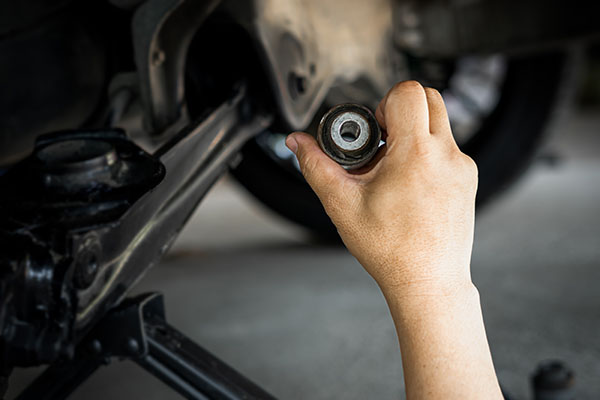
Suspension bushings are designed to reduce vibration and allow controlled movement between connected components. Over time, rubber bushings can deteriorate, crack, or become loose. Cold temperatures may make ageing rubber components less flexible, which can make existing noises more noticeable.
Drivers may hear clunking, knocking, or squeaking when travelling over bumps or uneven road surfaces. At highway speeds, worn bushings can also affect alignment and directional stability.
If the vehicle seems to wander or requires frequent steering corrections, a suspension inspection can help determine whether worn joints or mounting points are responsible.