
Unpaid traffic tickets can create more trouble than many drivers expect. Depending on the state and local enforcement rules, ignoring citations may lead to late fees, registration suspensions, collection actions, vehicle immobilization, or even impoundment.
Some states also have civil asset forfeiture laws that allow authorities to seize vehicles connected to certain unlawful activities. However, civil forfeiture is not the same as taking someone’s car simply because they have unpaid parking or traffic tickets.
Understanding the difference matters when protecting your vehicle and knowing your rights. Alabama, Alaska, Delaware, Georgia, and several other states have forfeiture laws that deserve attention. Here are 10 states with broad vehicle seizure or forfeiture powers and what motorists should understand about their legal exposure.

1. Alabama
Alabama has civil asset forfeiture laws that allow authorities to seize vehicles and other property connected to certain criminal activities.
Under the state’s forfeiture framework, property may be subject to seizure when prosecutors establish the required legal connection between the asset and an unlawful activity. This can include vehicles allegedly used in qualifying offenses.
The important distinction is that an unpaid traffic ticket does not automatically give police the right to take someone’s car under civil forfeiture laws.
However, ignoring citations can create separate enforcement problems, including additional penalties, registration restrictions, or warrants in certain circumstances.
Alabama motorists should take official traffic notices seriously rather than allowing unpaid fines to accumulate. If a driver receives multiple citations, the resulting financial obligations can become harder to resolve, particularly when late fees and court costs are added.
Vehicle owners should also understand their rights if authorities attempt to seize a car under forfeiture laws. The government generally must follow applicable legal procedures, and owners may have opportunities to challenge the seizure.
Anyone facing a vehicle seizure should request information about the legal grounds, obtain copies of relevant paperwork, and seek qualified legal assistance.
Knowing whether the matter involves unpaid tickets, an outstanding warrant, or civil forfeiture can make a major difference in determining the appropriate response.

2. Alaska
Alaska has civil asset forfeiture provisions that permit authorities to seize property, including vehicles, when the required legal conditions are satisfied.
The state’s forfeiture framework has historically allowed property seizures based on probable cause in certain circumstances, making it important for vehicle owners to understand how these proceedings work.
A car may become subject to forfeiture when authorities establish a legally recognized connection between the vehicle and qualifying unlawful activity.
However, this does not mean that an ordinary unpaid speeding ticket or parking citation automatically gives police permission to take the vehicle.
Drivers who ignore traffic citations may face other consequences, depending on the nature of the violation. These can include additional financial penalties, court proceedings, registration problems, or other enforcement measures authorized by law.
Alaska motorists should keep track of outstanding citations and respond to notices within the required deadlines. If financial difficulties make payment difficult, contacting the appropriate court or agency may help identify available payment arrangements.
Vehicle owners should also pay attention to official notices concerning seizure or forfeiture. Such proceedings involve legal rights and deadlines that should not be ignored.
Anyone whose vehicle has been seized should request the applicable documents and consult an attorney about available options.
Understanding the difference between traffic enforcement and civil forfeiture can help drivers avoid unnecessary confusion when dealing with vehicle-related legal matters.
3. Delaware
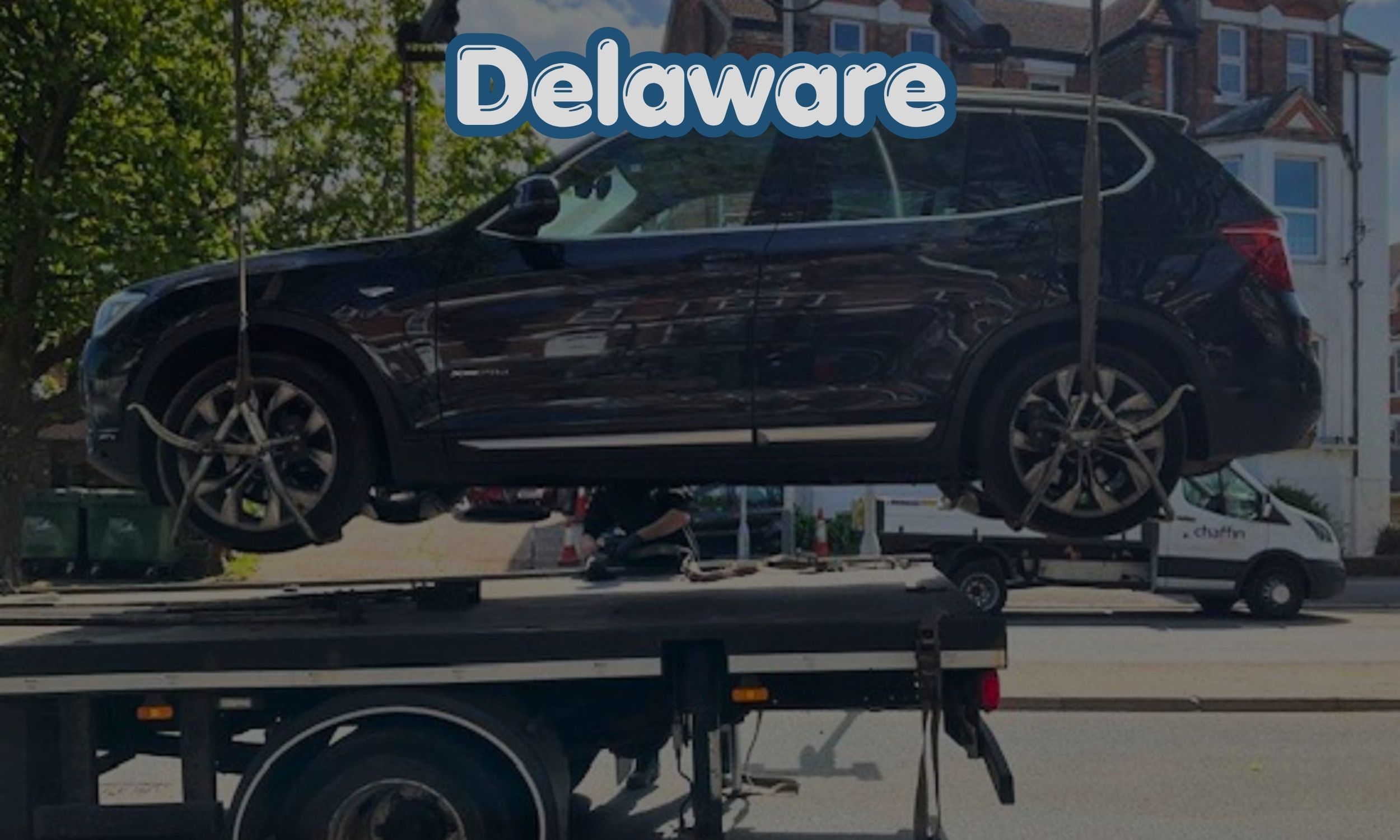
Delaware has civil asset forfeiture laws that can allow authorities to seize vehicles connected to certain unlawful activities. These provisions are separate from ordinary traffic ticket collection, although motorists who ignore official citations may face additional enforcement consequences.
Under Delaware’s forfeiture framework, probable cause can play an important role in establishing grounds for a seizure. Property owners may need to challenge the government’s claims through the applicable legal process.
This makes it important to respond promptly when a vehicle becomes involved in a forfeiture proceeding. Unpaid traffic tickets generally follow a different enforcement route.
Depending on the violation and applicable local rules, unresolved citations may lead to late charges, court action, registration restrictions, or other penalties. A driver should not assume that an unpaid parking ticket automatically makes a vehicle eligible for civil forfeiture.
Delaware motorists can protect themselves by checking outstanding citations and resolving them before additional penalties accumulate. Keeping payment confirmations, court documents, and registration records also helps when questions arise.
If authorities seize a vehicle, owners should find out whether the action involves a forfeiture case, an impoundment, or enforcement of an outstanding legal order. Each process has different requirements and possible remedies.
Getting legal advice early can help vehicle owners understand their rights and determine how to challenge an improper seizure.
4. Georgia
Georgia uses a preponderance of the evidence standard in applicable civil asset forfeiture proceedings, and law enforcement agencies may retain a large portion of the proceeds from forfeited property.
This arrangement has attracted attention because it connects property seizure procedures with funding for law enforcement. For vehicle owners, understanding how the system works is important, particularly when a car becomes connected to an alleged offense.
Under this legal standard, the government generally needs to show that its claim is more likely true than not.
This is different from the beyond-a-reasonable-doubt standard used in criminal trials. However, a vehicle cannot simply be confiscated because its owner has an unpaid parking ticket or speeding citation. Civil forfeiture requires separate legal grounds.
Unresolved traffic fines can still create problems for Georgia motorists. Depending on the circumstances, ignored citations may lead to additional penalties, court proceedings, license suspension, or warrants.
Continuing to drive with a suspended license can create further legal trouble. To protect yourself, treat every traffic citation seriously.
Record its due date as soon as you receive it and set reminders before the deadline. When paying online, save the confirmation number and keep a copy of the receipt.
If you cannot afford the full amount, contact the court to ask about available payment arrangements. You should also check your driving record periodically for outstanding citations or unresolved cases. If your license has been suspended, confirm that it has been reinstated before driving again.
Taking care of these matters promptly can prevent a relatively small traffic issue from developing into a costly legal problem.

5. Hawaii
Hawaii’s civil asset forfeiture laws allow authorities to pursue vehicles and other property connected to qualifying unlawful activities.
The state uses a preponderance of the evidence standard in applicable proceedings, and the attorney general may pursue the seizure and sale of property when the legal requirements are satisfied.
This means a vehicle involved in a forfeiture case may eventually be auctioned rather than simply remaining in storage. For vehicle owners, that possibility makes it important to pay attention to official notices and legal deadlines.
Once a vehicle has been seized, recovering it may require following specific procedures and presenting evidence supporting the owner’s claim. Delaying a response can make the situation harder to resolve, particularly when an auction or other legal action is approaching.
It is worth clarifying that unpaid parking tickets or ordinary traffic fines do not automatically authorize civil forfeiture in Hawaii.
These matters generally follow separate enforcement procedures. However, ignoring citations can lead to additional penalties, court action, and other legal difficulties.
Drivers should also remember that lending a vehicle to another person carries responsibilities. If someone uses your car and becomes involved in unlawful activity, the vehicle could become part of a legal investigation.
This does not automatically mean the owner will lose the car, but ownership and knowledge may become relevant to the proceedings.
Keep your registration, insurance, and ownership documents organized. Pay attention to who regularly uses your vehicle, and encourage anyone borrowing it to follow traffic laws.
If you receive a seizure notice, read it immediately, record every deadline, and seek legal advice. Prompt action is particularly important when forfeited property may be sold through an official auction.

6. Idaho
Idaho has civil asset forfeiture laws that allow authorities to pursue the seizure of vehicles connected to certain unlawful activities.
The state uses a preponderance of the evidence standard in applicable forfeiture proceedings, and law enforcement agencies have historically been entitled to retain proceeds from forfeited property.
These financial arrangements have made Idaho part of broader discussions about how civil forfeiture laws operate. For motorists, the important point is understanding that forfeiture involves specific legal requirements.
An unpaid traffic ticket, by itself, does not automatically give police the authority to confiscate a vehicle permanently. Ordinary traffic violations are generally handled through fines, court proceedings, and other authorized enforcement measures.
Still, ignoring citations can create unnecessary trouble. Depending on the violation, unpaid balances may result in late fees, registration restrictions, court action, or license-related penalties.
Driving with a suspended license can create additional legal consequences and make an ordinary traffic stop more difficult. Idaho drivers should make a habit of checking their driving and citation records.
Look for outstanding fines, unresolved court cases, and missed hearing dates. If you discover an unpaid balance, contact the appropriate court to find out how to resolve it.
Some courts may offer payment arrangements or other options for people experiencing financial hardship. Keep proof of every payment, including online transaction confirmations and receipts.
Also, make sure your registration and insurance documents are current. If authorities ever seize your vehicle, request the legal documents explaining the action and consult an attorney familiar with Idaho forfeiture law.
Understanding the difference between ordinary traffic enforcement and civil asset forfeiture can help you respond appropriately and protect your property rights.
7. Kansas
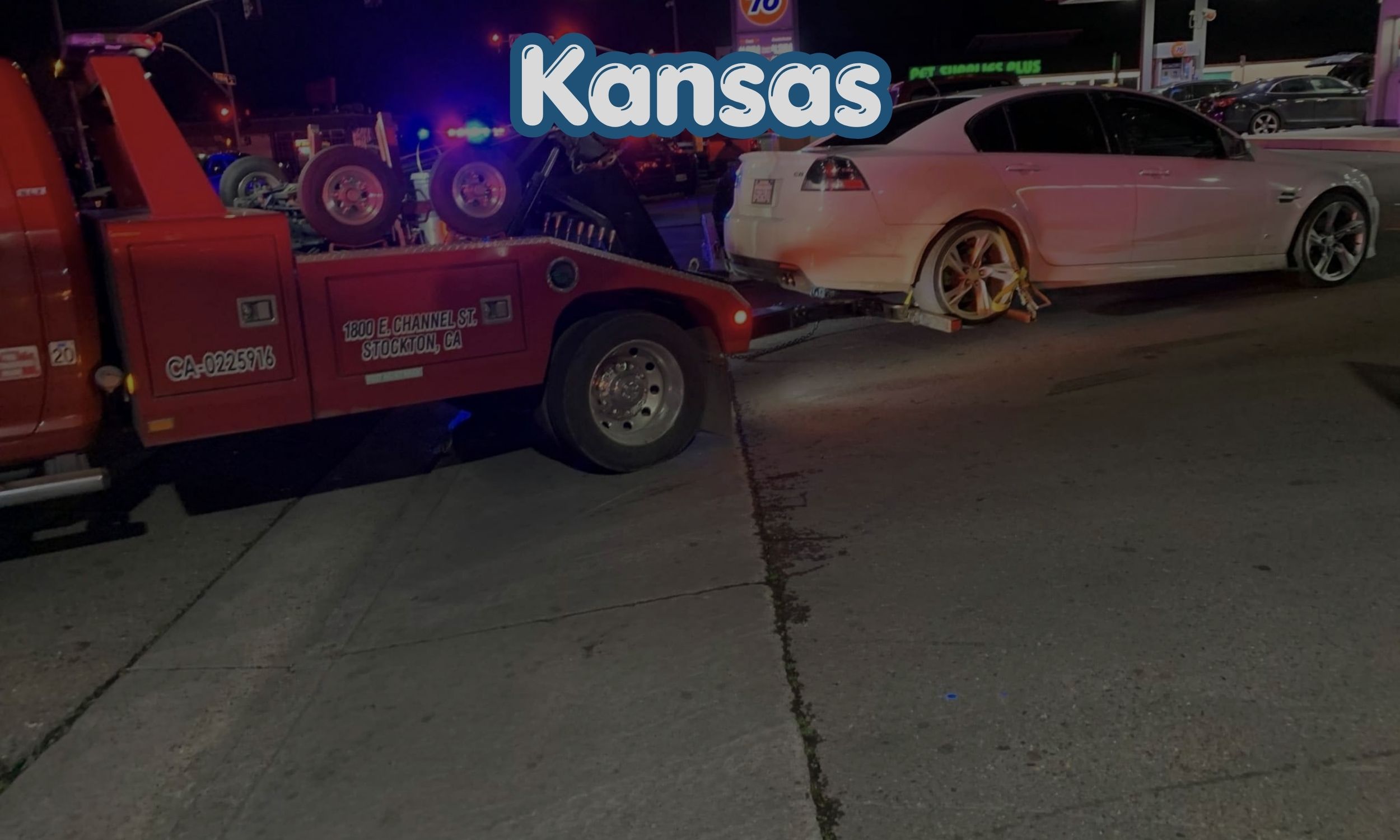
Kansas has civil asset forfeiture laws that can allow the government to seize vehicles connected to certain qualifying unlawful activities.
The state’s legal framework identifies circumstances in which property may be subject to forfeiture and establishes procedures for handling these cases.
For drivers, the important point is that civil forfeiture is not simply a penalty for failing to pay a routine traffic ticket. An unpaid citation may trigger separate collection or enforcement measures, but authorities need an appropriate legal basis before pursuing vehicle forfeiture.
Kansas motorists should avoid allowing traffic fines to remain unresolved. Depending on the type of citation, unpaid balances may lead to additional charges, court involvement, or restrictions affecting driving privileges and vehicle registration.
When a vehicle becomes involved in a seizure, owners should establish exactly what type of legal action has taken place.
A car held because of a traffic-related impoundment is not necessarily subject to permanent forfeiture. The distinction affects the owner’s rights and the steps required to recover the vehicle.
Keeping registration documents, proof of ownership, insurance information, and payment records readily available can make it easier to address vehicle-related legal issues.
If authorities initiate forfeiture proceedings, owners should review every notice carefully and pay attention to response deadlines. An attorney can explain the applicable Kansas statutes and help determine whether the seizure can be challenged.
8. Massachusetts
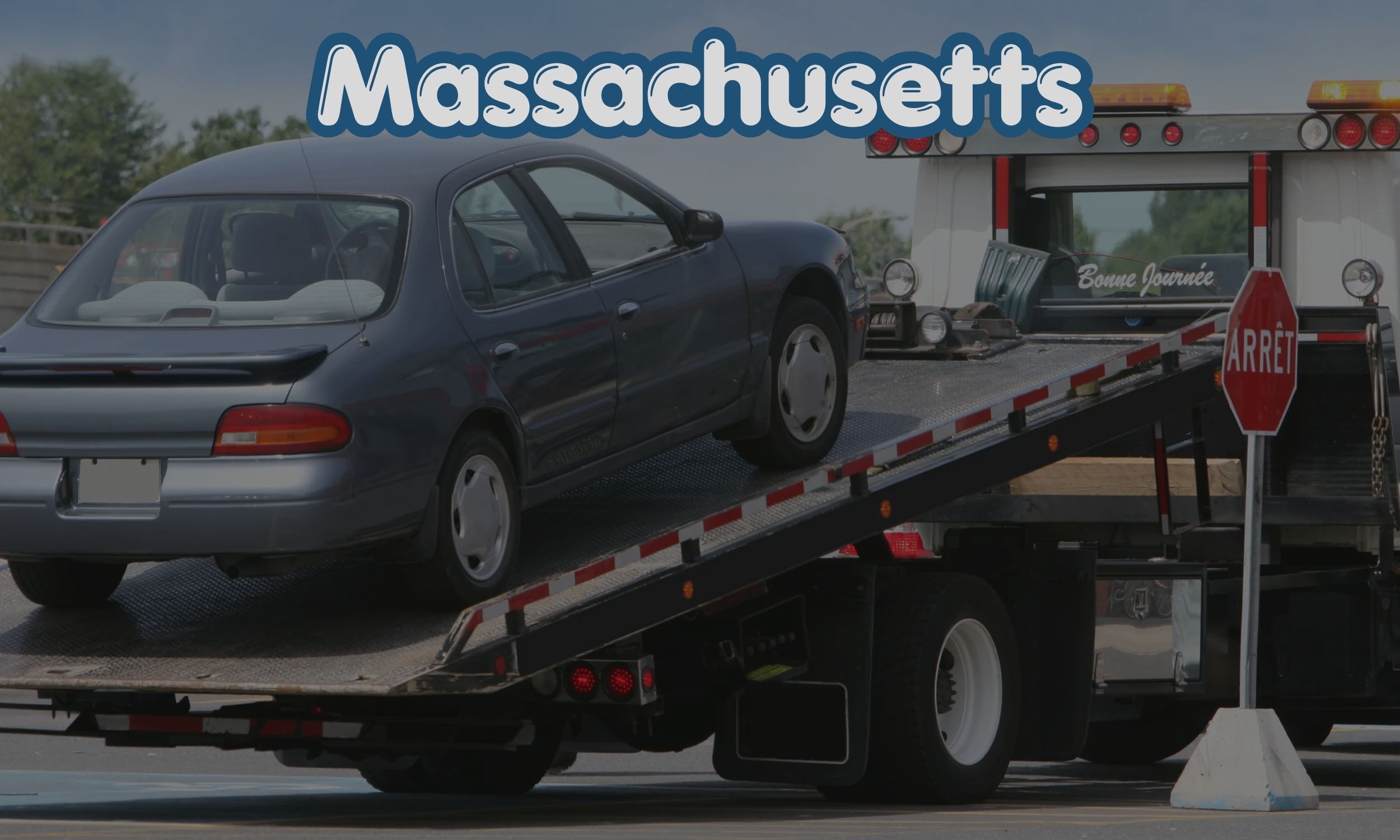
Massachusetts has civil forfeiture provisions that allow authorities to pursue the seizure of vehicles and other property associated with certain unlawful activities.
These laws involve specific legal requirements, and probable cause may play a role in establishing grounds for seizure in applicable cases.
However, motorists should not interpret these provisions as permission to take a vehicle simply because its owner has failed to pay a parking ticket. Ordinary traffic fines are generally handled through separate court, collection, and motor vehicle enforcement procedures.
Unresolved citations can still create problems for Massachusetts drivers. Depending on the violation, unpaid fines may result in additional charges, registration-related restrictions, or other legal consequences.
Drivers who ignore official correspondence may also miss opportunities to contest a citation or arrange payment. Massachusetts motorists should check their records regularly and contact the appropriate authority when they discover an unpaid balance.
Keeping copies of payment confirmations and court decisions can help resolve administrative errors. If a vehicle is seized, the owner should request the documents explaining the action and determine whether it involves civil forfeiture, a traffic-related tow, or another enforcement order.
Forfeiture proceedings can involve strict deadlines and legal requirements. Speaking with an experienced attorney can help owners understand whether the seizure was lawful and what steps may be available to recover their property.

9. Minnesota
Here the standard gets tougher for the state. Minnesota requires clear and convincing evidence, a higher bar than preponderance of evidence, and 90 percent of proceeds go to law enforcement.
That higher standard offers owners better protection than states using probable cause alone. Still, it doesn’t mean you can ignore tickets. A higher bar of proof only helps if you respond to notices and defend your rights on time.
Missing a deadline can undo any advantage the law gives you. So how do you stay safe?
First, know where you stand. Look up your fines and court dates, and don’t rely on memory.
Second, act quickly. If you receive a notice about your vehicle, read it carefully and contact the issuing agency or an attorney.
Third, keep records, including receipts, letters, and screenshots of online payments.
Fourth, never drive on a suspended license, since that can lead to new charges and make matters worse. Minnesota’s approach may feel fairer than some alternatives, yet the best protection remains simple compliance.
Pay what you owe, challenge errors through proper channels, and keep your contact details updated. Do those basics well, and you’ll rarely need to rely on legal safeguards at all.
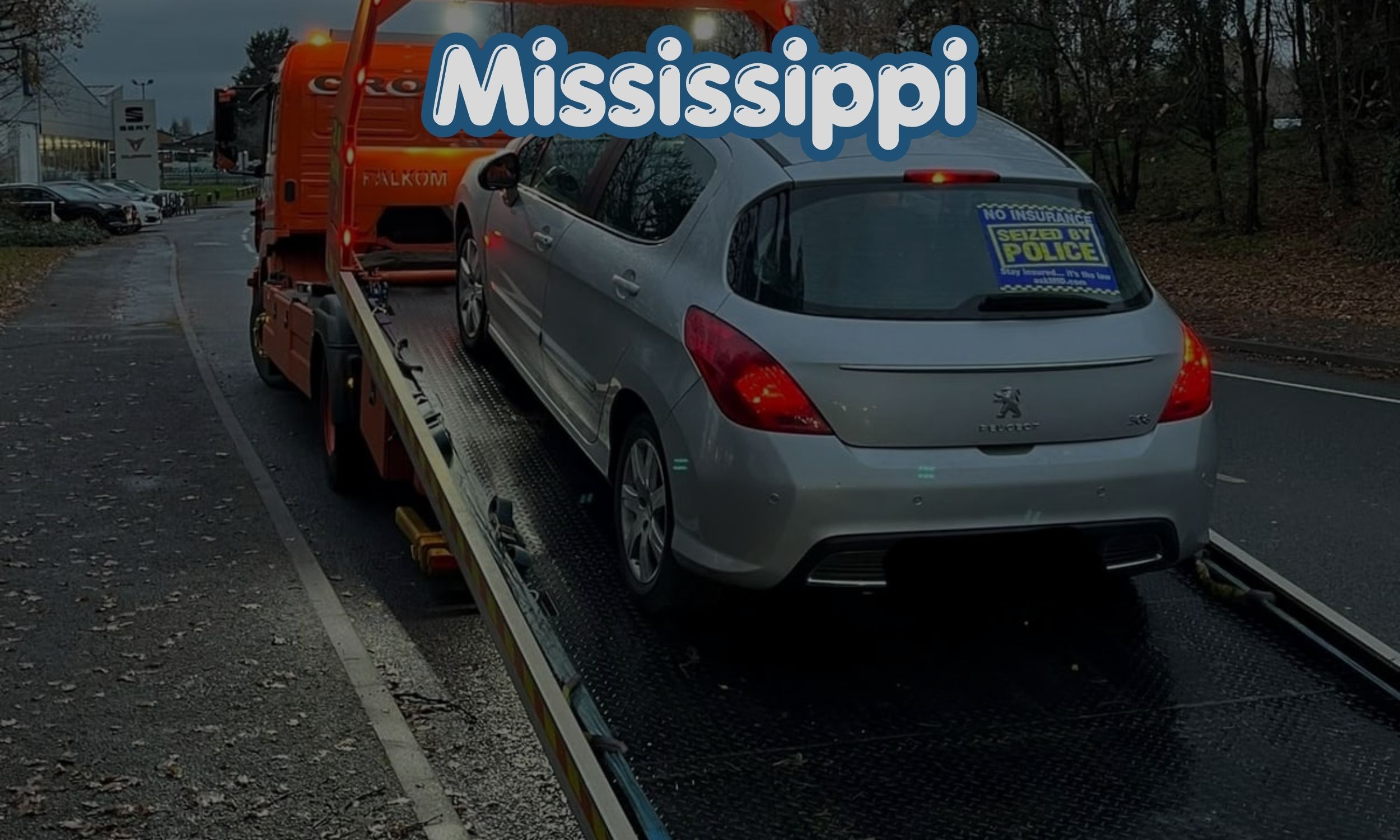
10. Mississippi
Mississippi rounds out the list, applying a clear and convincing evidence standard and allocating 80 percent of forfeiture proceeds to law enforcement. Across all ten states, the rules differ in terms of the evidence required and how seized assets are distributed. However, each state allows vehicle seizure under certain legal circumstances.
Some states require only probable cause, others demand more, and several send most or all proceeds to police. The sources don’t claim that unpaid tickets alone cause seizure, yet unresolved fines can escalate into warrants and enforcement actions.
That’s the real warning. So here’s your plan. Check your record today for open tickets. Pay or resolve each one, and save proof. Update your address with the court and motor vehicle office.
Keep insurance and registration current. If your car is ever seized, act fast by requesting written notice, noting deadlines, and contacting an attorney or legal aid group. Laws change, and details vary by case, so confirm current rules with your state or a qualified lawyer.
There is no need to panic, but staying alert is important. Address minor issues as soon as they appear to prevent more serious problems down the road. With proper care and timely maintenance, you can keep your vehicle reliable and ready whenever you need it.