
Forgetting to renew your vehicle registration might seem like a small mistake, but in some states, waiting too long can become an expensive problem. Late registration penalties vary widely across the United States, with some states charging modest monthly fees while others impose substantial percentage-based penalties. California, for example, can add charges that reach well beyond the original vehicle license fee.
New Mexico also has a steep penalty structure that can surprise drivers who miss the renewal deadline by more than a month. Whether you misplaced a renewal notice, experienced financial difficulties, or simply forgot the expiration date, knowing your state’s rules can help you avoid unnecessary expenses. Here are 12 states where late vehicle registration can become particularly costly.
1. California
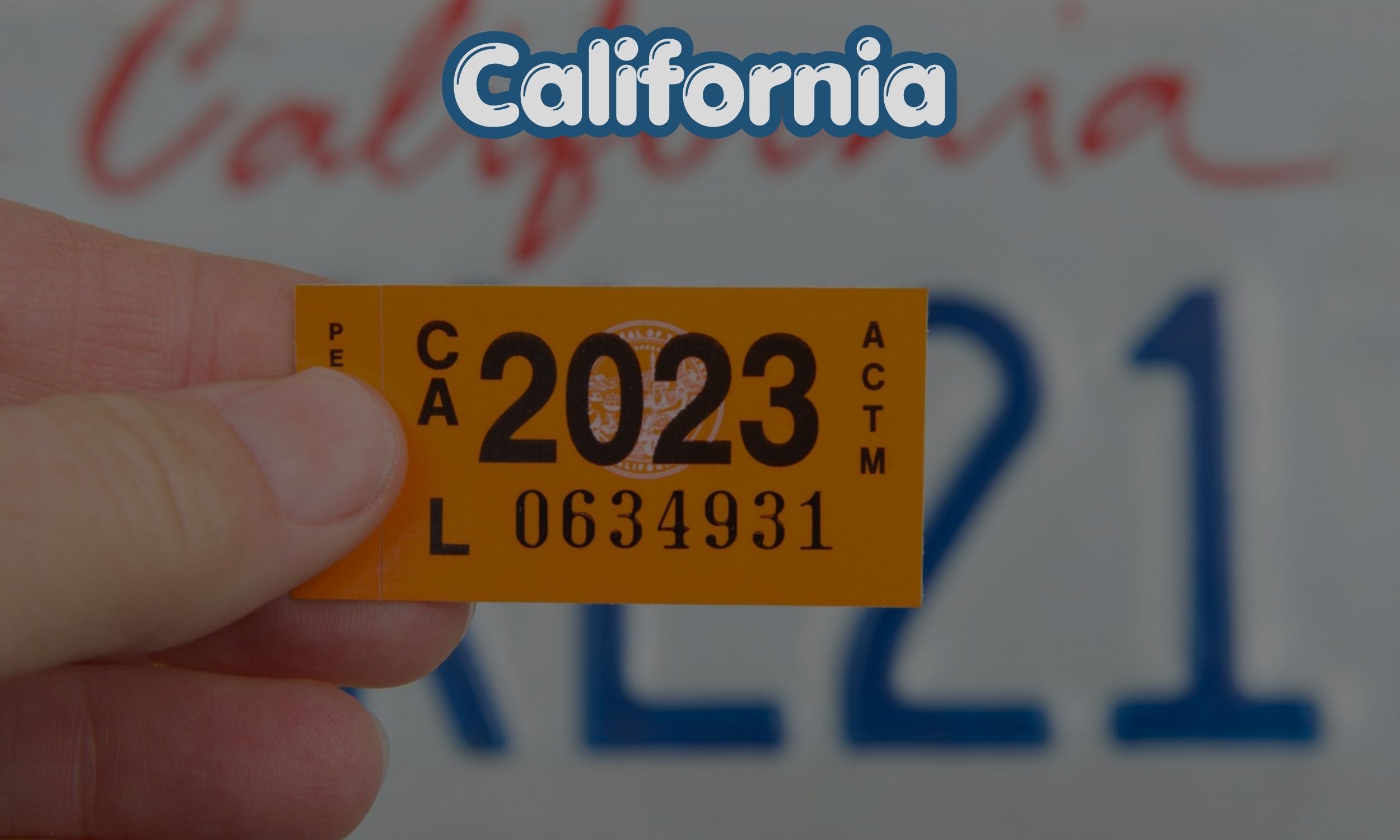
California has one of the most expensive late vehicle registration penalty structures in the country. Drivers who miss their renewal deadlines can face several additional charges, and the amount owed can increase quickly depending on how long the registration remains expired.
One reason California stands out is that penalties begin immediately after the registration expiration date. There is no general grace period that allows motorists to continue driving with expired registration without facing potential late charges.
Depending on how late the renewal becomes, penalties can increase from 10% to as much as 160% of the vehicle license fee.
Additional charges may also apply, including California Highway Patrol (CHP) fees and registration-related late penalties. This means the final amount can be considerably higher than the original renewal cost.
For drivers already managing household expenses, these additional charges can create an unpleasant financial surprise. A renewal that could have been completed for a relatively predictable amount may become much more expensive simply because the deadline was missed.
California motorists should pay attention to renewal notices and check their registration expiration dates before the month gets busy. Setting a phone reminder several weeks ahead can provide enough time to arrange payment.
If your registration has already expired, check the amount owed through the California DMV rather than assuming that the original renewal fee is still the full balance. Paying promptly can help prevent additional charges from accumulating.

2. Colorado
Colorado uses a monthly late registration penalty system, making delayed renewal increasingly expensive for motorists who allow their registration to remain expired.
The state generally provides a one-month grace period before the late penalty begins, giving drivers a limited opportunity to complete their renewal.
After that period, the penalty is generally $25 for each month the registration remains late, with a maximum penalty of $100.
Although this amount may appear manageable compared with California’s percentage-based charges, it can still create an unnecessary expense for drivers who forget their renewal dates.
For example, someone who allows registration to remain expired for several months may end up paying the regular registration charges plus the applicable late penalty. The additional amount can be frustrating, especially when the original renewal was relatively inexpensive.
Colorado motorists should also remember that the late penalty is not necessarily the only concern. Driving with expired registration may lead to a separate traffic citation, depending on the circumstances and applicable enforcement rules.
One practical way to avoid these charges is to renew as soon as the state allows. Keep your renewal notice somewhere visible and consider completing the transaction online if you qualify.
If you have already missed the deadline, check with the Colorado DMV or your county motor vehicle office to confirm the amount due. Understanding the grace period and applicable penalty rules can help you avoid paying more than necessary.

3. New Mexico
New Mexico has a late registration penalty structure that can catch motorists off guard, particularly those who allow their renewal to remain overdue for more than 30 days.
The state applies a relatively small initial late fee, but the amount can increase sharply once the first month has passed. According to the supplied fee information, drivers who renew within 30 days after expiration may face a $10 late charge.
However, after that period, the penalty can rise to 75% of the annual registration fee. This creates a substantial difference between renewing shortly after expiration and waiting much longer.
For someone with an expensive vehicle registration, a percentage-based penalty can add a considerable amount to the renewal bill. It is therefore important not to assume that a small initial charge will remain unchanged indefinitely.
New Mexico drivers should make registration renewal part of their regular vehicle maintenance schedule. Checking the expiration date when reviewing insurance documents or scheduling an annual service appointment can serve as a useful reminder.
If your registration has already expired, contact the New Mexico Motor Vehicle Division to confirm the current amount owed and the applicable penalty. You should also check whether any additional charges apply to your particular vehicle.
A missed renewal deadline does not have to become a major financial headache. Acting quickly, keeping your paperwork organized, and using available renewal services can help prevent a relatively minor oversight from becoming an expensive administrative problem.

4. Georgia
Georgia has a penalty structure that can make late vehicle registration more expensive than motorists initially expect. According to the supplied information, drivers may face a penalty equal to 25% of the license plate fee, along with an additional 10% of the applicable ad valorem tax.
This arrangement matters because the amount owed is not necessarily limited to one flat late charge. Depending on the vehicle and the taxes associated with its registration, the additional expense can become substantial.
For motorists who already have a tight monthly budget, missing a registration deadline can create an unexpected bill. Someone who planned to pay only the regular renewal amount may suddenly need to find additional money to bring the vehicle’s registration up to date.
Georgia drivers should pay attention to their renewal notices and confirm the applicable deadline with their county tag office. Registration requirements and charges can depend on the vehicle, ownership circumstances, and applicable local procedures.
It is also worth remembering that late registration penalties are separate from any citation a driver may receive for operating a vehicle with expired registration. Allowing the problem to continue can therefore create additional expenses.
If you have missed your renewal date, check your outstanding balance before visiting the tag office. Ask whether you need any additional documents or payments.
A simple calendar reminder can make a real difference. Set one several weeks before expiration so you have enough time to renew without rushing or paying avoidable penalties.
5. Hawaii
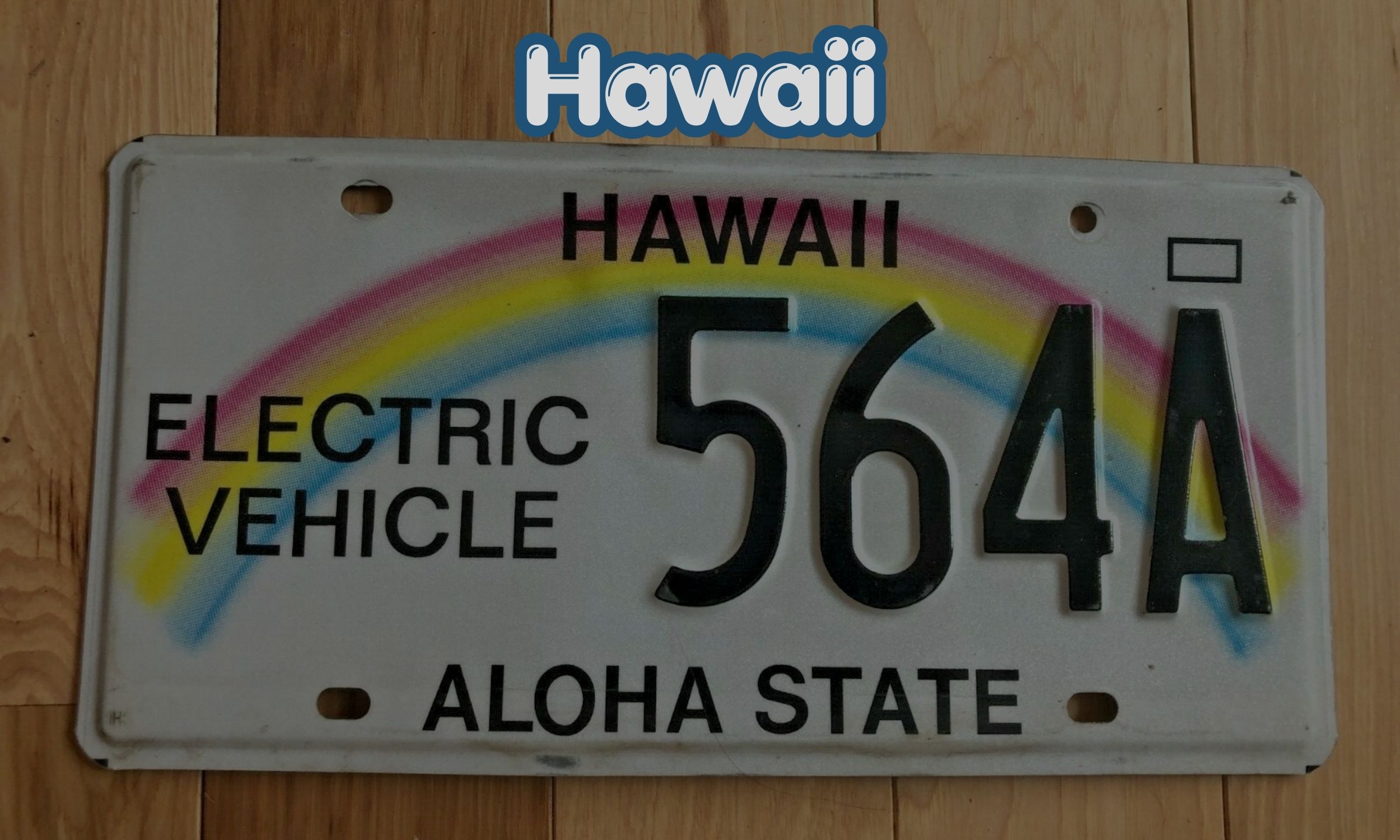
Hawaii has a registration fee structure that differs from many mainland states because vehicle registration is administered at the county level. This means motorists should pay attention to the rules and charges applicable to the county where their vehicle is registered.
According to the supplied information, Kauai charges a late penalty equal to 20% of the applicable weight tax. Since registration costs can depend on vehicle weight, the amount owed may vary between vehicles.
This can be particularly frustrating for owners of heavier vehicles. A driver who assumes that every late registration penalty is a small flat fee may be surprised when the final amount is calculated using a percentage of the applicable tax.
Hawaii motorists should also remember that registration renewal involves more than paying a late penalty. Depending on the vehicle and county requirements, owners may need to satisfy applicable safety inspection and documentation requirements before completing registration.
The best approach is to check your renewal date early and confirm the fee schedule with your county vehicle registration office. Do not rely entirely on information from another island, since local administrative rules and charges may differ.
If your registration has expired, ask the appropriate county office for an updated calculation of your outstanding balance. This can help you avoid arriving with insufficient payment.
Keeping renewal reminders on your phone and organizing vehicle documents in one place can make the annual process easier. A little preparation is preferable to paying additional charges because of a missed deadline.

6. Arkansas
Arkansas uses a penalty system that can increase the cost of vehicle registration when motorists fail to renew on time. The supplied information identifies a charge of $3 for every 10 days the registration remains late, along with an additional penalty equal to 10% of applicable sales tax.
Although the daily accumulation may seem small initially, repeated delays can make the total amount more expensive than expected.
Drivers who ignore their renewal deadlines for several weeks or months may discover that the final bill includes more than the ordinary registration charge.
The additional sales tax penalty is another expense worth considering. Since it is calculated as a percentage rather than a simple flat amount, the final cost can depend on the applicable tax obligation.
Arkansas motorists should renew before their registration expires. Checking the expiration date during routine vehicle maintenance is an easy way to remember when action is needed.
If you have already missed the deadline, contact the Arkansas Department of Finance and Administration or the appropriate revenue office to confirm your balance. Ask whether any additional documentation is needed to complete the renewal.
It is also wise to keep payment receipts and registration confirmations. These records can help resolve problems if a payment is not reflected correctly in the state’s system.
Avoid assuming that a small initial penalty means waiting longer will be inexpensive. Addressing an expired registration promptly can help prevent additional charges and reduce the risk of receiving a separate citation while driving.

7. Mississippi
Mississippi has a late registration penalty structure that can become increasingly expensive for drivers who postpone renewal. According to the supplied information, penalties can rise gradually until they reach a maximum of 25%.
This percentage-based approach means that the final charge may depend on the amount of the original registration obligation. Drivers with higher registration costs may therefore face larger additional expenses than those with less expensive vehicles.
For example, someone who misses a renewal deadline and waits several weeks before taking action may discover that the amount due has increased.
Although a 25% maximum may sound manageable compared with some other states, it is still money that could have been avoided through timely renewal.
Mississippi motorists should also be aware that registration penalties and traffic citations are separate matters. Paying a late renewal charge does not necessarily resolve a citation received for driving with expired registration.
One useful habit is to check the expiration date whenever you review your insurance policy or vehicle maintenance records. You can also set automatic reminders on your phone so the renewal does not get overlooked.
If your registration is already overdue, contact your county tax collector or the Mississippi Department of Revenue to establish the amount you need to pay. Ask about any additional requirements that may apply to your vehicle.
Keeping proof of payment is equally important. Save electronic confirmations and retain relevant registration documents after completing the renewal. These simple habits can help prevent administrative confusion and unnecessary expenses.

8. Iowa
Iowa has a penalty structure that can become particularly expensive when a vehicle’s registration remains delinquent for an extended period. The supplied information indicates that the penalty can reach 150% when registration has been overdue for 24 months or longer.
This is a substantial amount, especially for motorists who have allowed their vehicle paperwork to remain unresolved for years. A registration bill that originally seemed manageable can become much harder to pay once the applicable penalty is added.
The long delinquency period does not mean drivers should ignore shorter delays. Unresolved registration obligations can still create problems before reaching the 24-month threshold, including possible enforcement action when operating a vehicle without valid registration.
Iowa motorists should check their renewal dates carefully and avoid allowing an expired registration to remain unattended.
If a vehicle has not been driven for some time, owners should still confirm what requirements apply to its registration status rather than assuming that inactivity automatically removes the obligation.
Anyone with a long-overdue registration should contact the Iowa County Treasurer’s office responsible for vehicle registration. Ask for a complete breakdown of the outstanding charges and whether any additional steps are required.
Before paying, verify that the vehicle information and delinquency dates are correct. Keeping receipts and official correspondence can also help if a dispute arises.
The best way to avoid Iowa’s steep long-term penalty is to deal with registration obligations early. Even if you cannot renew immediately, contacting the appropriate office can help you understand your responsibilities and available options.

9. Nevada
Nevada can make late vehicle registration expensive because motorists may be responsible for the regular registration charges along with additional penalties and unpaid governmental taxes.
According to the supplied information, the state may charge monthly registration fees and add a 10% penalty on past-due governmental taxes.
This means that allowing registration to expire can result in a bill containing several different components rather than one simple late fee.
Drivers should pay attention to this structure because the amount owed may depend on the vehicle’s registration details and the taxes associated with the renewal.
Someone who assumes that paying the original registration fee will automatically clear the account may find that additional charges remain outstanding.
Nevada motorists can reduce the risk of unexpected expenses by checking their registration expiration dates before the renewal period begins.
The Nevada Department of Motor Vehicles provides online services that may allow eligible drivers to complete renewals without visiting an office.
If your registration has already expired, review the current balance through the DMV and confirm whether any additional requirements apply. Some vehicles may also need to satisfy emissions testing requirements before renewal, depending on their location and eligibility.
Drivers should avoid operating a vehicle with expired registration simply because they intend to renew it soon. A separate traffic citation may create another expense.
Keeping renewal reminders, insurance records, and payment confirmations organized can make the process easier. Addressing overdue registration promptly is generally less expensive than allowing additional charges to accumulate.

10. South Carolina
South Carolina uses a late registration penalty structure that increases according to how long the renewal remains overdue. The supplied information identifies penalties ranging from $10 to $75, depending on the number of days that have passed since the deadline.
This graduated approach means that the cost of missing a renewal date can become higher as the delay continues. Drivers who assume they can wait several weeks without additional expense may discover that their penalty has increased by the time they finally complete the transaction.
The exact amount can depend on the applicable period of delinquency and the registration circumstances. Motorists should therefore check the current fee schedule instead of relying on estimates from other drivers.
South Carolina vehicle owners should also remember that expired registration can create problems beyond the late fee itself. Operating an improperly registered vehicle may result in a separate traffic citation, depending on the circumstances.
One simple way to avoid these expenses is to check your registration expiration date when reviewing your vehicle insurance or arranging routine maintenance. Set a reminder at least two weeks before the deadline so you have enough time to complete the renewal.
If you have already missed the date, contact the South Carolina Department of Motor Vehicles or the appropriate county office to confirm your outstanding balance.
Do not assume that the lowest penalty applies simply because you have only recently remembered the renewal. Verify the number of overdue days and pay the correct amount.
11. Oklahoma
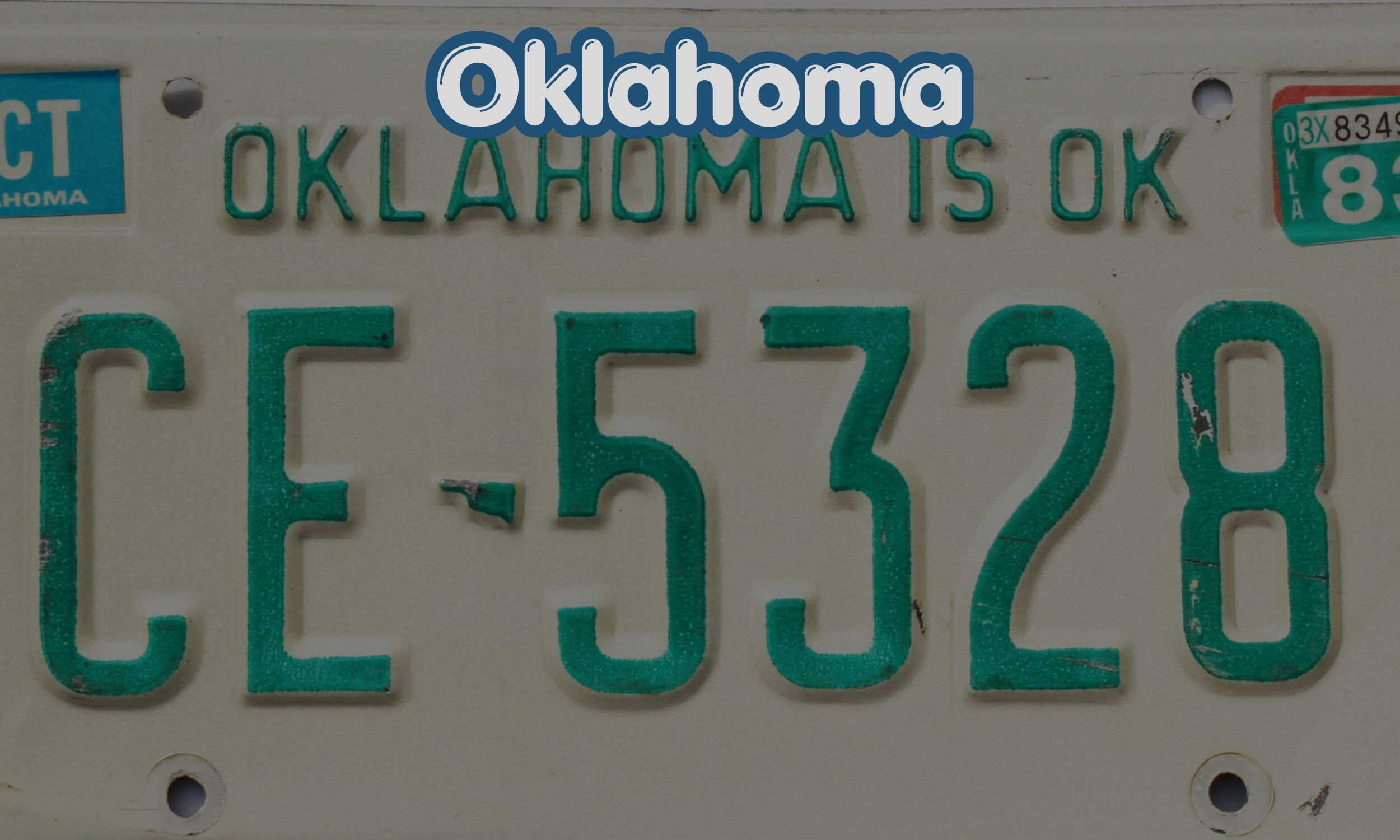
Thirty days of grace, then a steady daily charge. Oklahoma gives you a month after expiration before late fees begin, and then it charges $1 per day up to $100.
That structure is straightforward, and it gives you a clear target. If you renew within the grace period, you owe nothing extra. After that, each day costs a dollar, and you reach the $100 limit after 100 days.
Dollar-a-day math feels small, but small amounts become big ones fast. A week late means $7. A month late means $30. Waiting several months can burn through a sizable chunk of cash that could have gone toward gas, maintenance, or a weekend trip.
Use that grace period wisely. It’s a cushion for emergencies, such as illness or travel, not a reason to relax. Better still, renew early and enjoy the peace of mind.
Keep your registration receipt somewhere safe, and put the next renewal date in your phone. If you’re already past the grace period, pay now instead of waiting.
Every day you delay adds another dollar to the bill, and there’s no reason to give away money.
12. Arizona
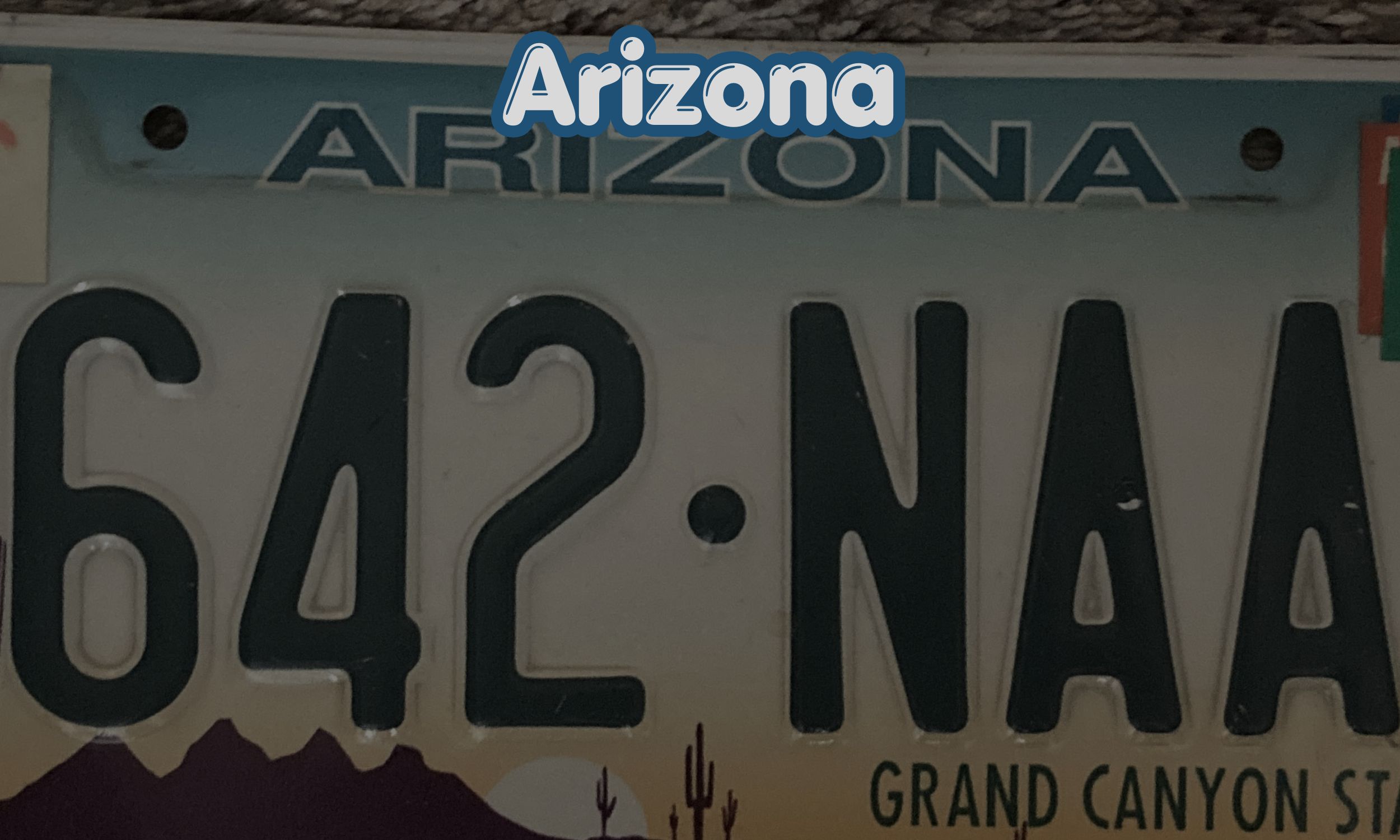
Last on our list is Arizona, where fees start at $8 plus $4 for each additional month, capping at $100. That makes it one of the gentler penalties here, yet the cap still means you could pay a real chunk of money for waiting too long.
Looking back at all twelve states, a pattern jumps out. Some charge immediately, some offer a grace period, and some scale up by days, months, or percentages.
Delaying the process can lead to higher costs, so it is important to stay ahead of your renewal deadlines. Start by checking your registration renewal date and saving it in at least two places as a reminder. Also, make sure your current address is updated with the appropriate motor vehicle agency to avoid missing important notices.
Keep proof of insurance and any required inspection records ready. Renew online whenever possible, and save the confirmation. If you’re already late, pay right away to stop the clock.
Laws and fees can change, so confirm current amounts with your state agency before you pay. Treat renewal as a small task that protects you from big surprises.
Do that, and you’ll drive confidently in any state, with a registration that’s current and a budget that stays intact.