Some vehicles hand back most of your money when you sell them. Others hand back less than half. That gap shows up in resale value, and it can add up to tens of thousands of dollars. Data from iSeeCars on five-year depreciation points to a clear pattern. Electric vehicles and luxury SUVs sit at the bottom, and many of them lose well over half their price in five years, while the average vehicle loses about 41.8%.
This page ranks ten segments from the fastest losers downward, using real models as examples. A few surprises are waiting, and some of these numbers might change what you put on your shopping list. Let’s get started.
1. Electric Cars (EV Sedans)
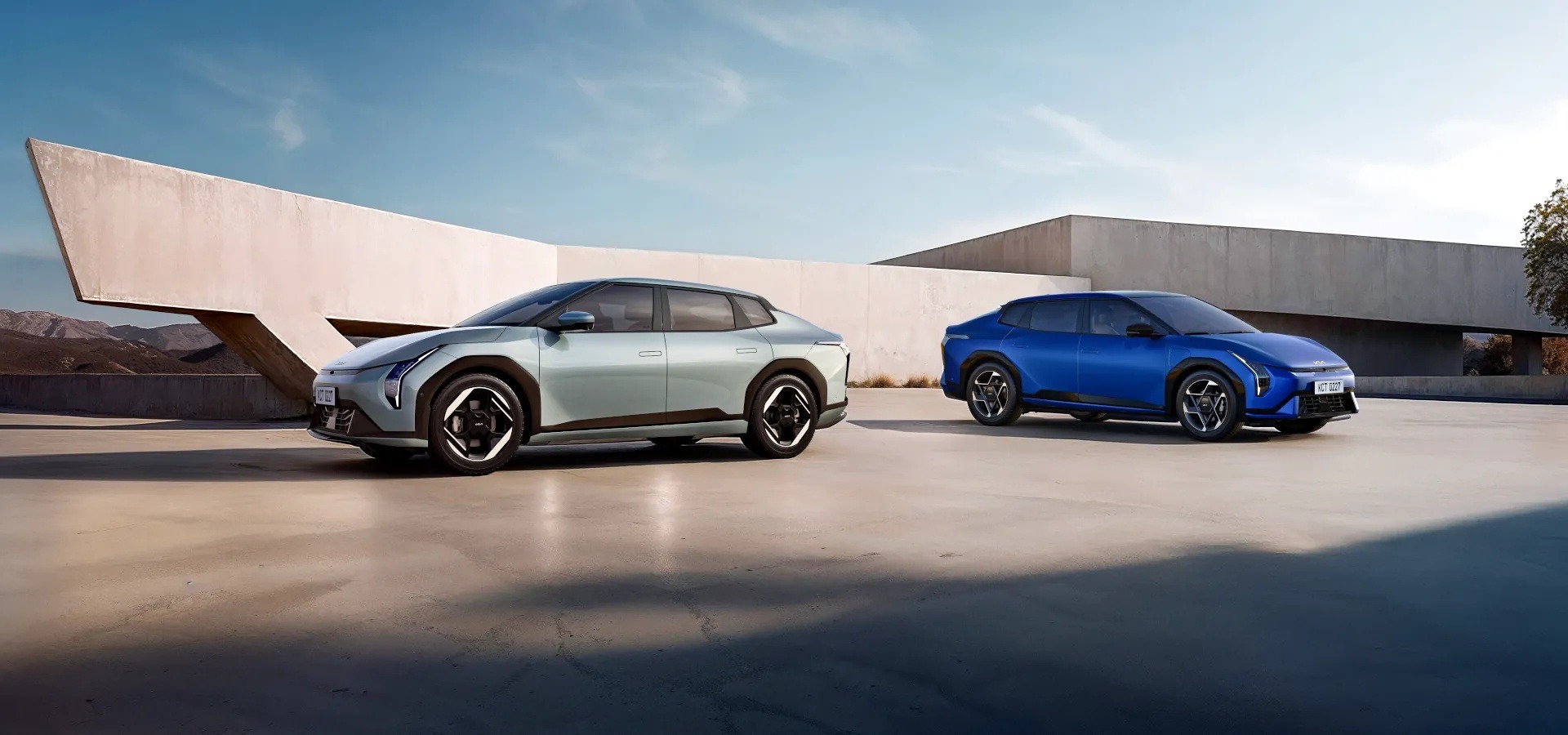
Electric sedans take the top position among the fastest-depreciating vehicle segments. One example is the Nissan LEAF, which recorded a five-year depreciation rate of 63.1% in the supplied data.
That means a vehicle originally purchased for $40,000 could lose approximately $25,240 in value under the same depreciation rate. Why does this happen? Electric vehicle technology continues to develop rapidly.
Newer models may offer longer driving ranges, faster charging, improved battery performance, and better software features. As these improvements reach dealerships, older electric sedans can become less attractive to used-car shoppers.
Battery condition also plays a role. Buyers may worry about battery health, replacement expenses, and reduced driving range as an electric vehicle ages. Even when a battery remains in good condition, uncertainty can affect resale demand.
For shoppers, this creates an interesting opportunity. A used Nissan LEAF may cost considerably less than a comparable new model, making electric transportation more affordable.
However, buyers should check battery health, charging compatibility, warranty coverage, and driving range before making a purchase.
2. Luxury Large SUVs
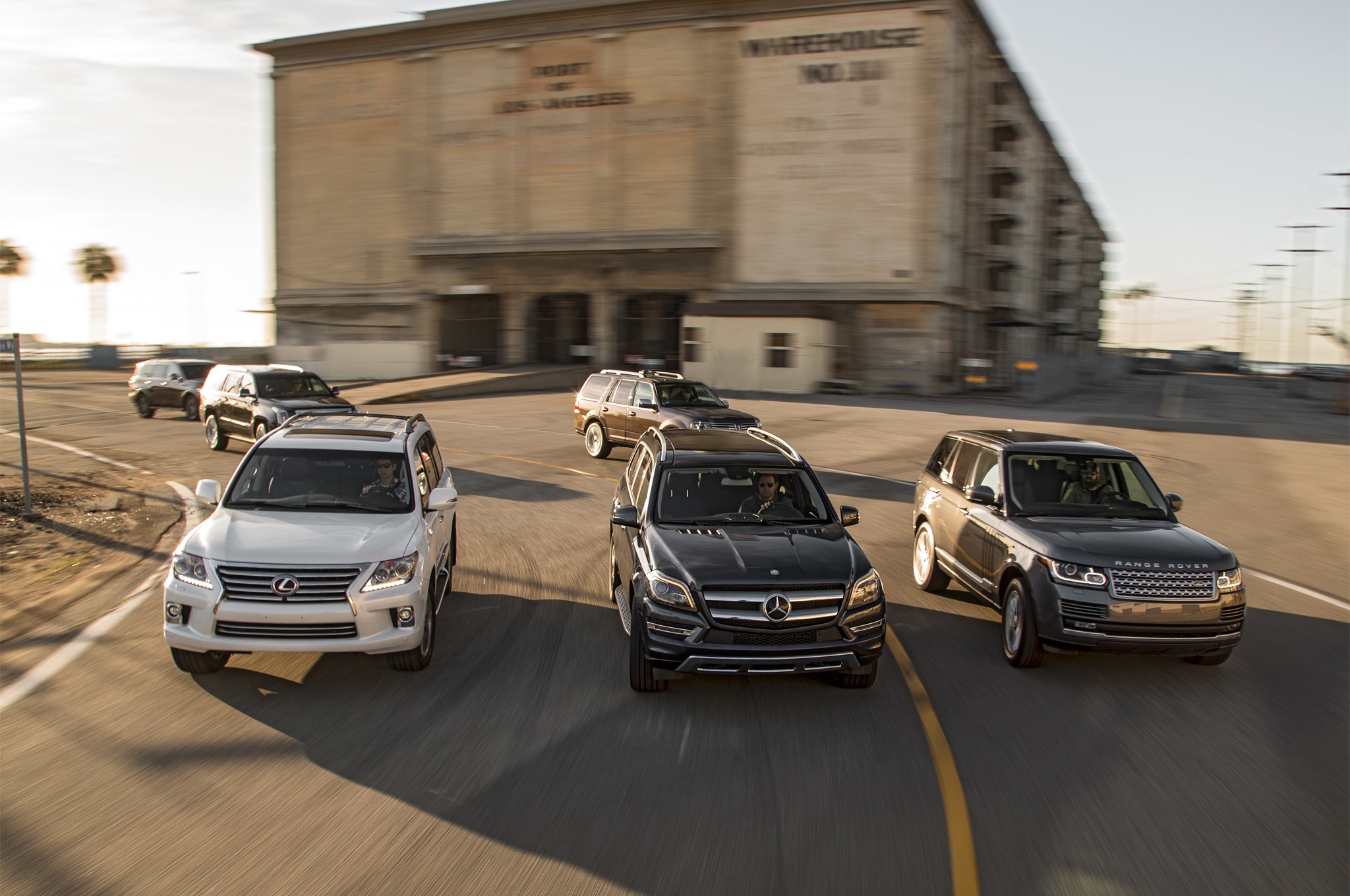
Luxury large SUVs can lose more than half their original value within five years, making them an expensive category for owners who frequently replace vehicles. The supplied figures show the INFINITI QX80 losing 62.8% of its value, while the Range Rover records depreciation of 61.7%.
These vehicles command high prices when new because they offer powerful engines, premium interiors, advanced technology, and generous passenger space. Unfortunately, those expensive features do not guarantee strong resale values.
Maintenance costs are another concern. Large luxury SUVs often require expensive tires, specialized components, and premium servicing. Used-car shoppers may hesitate when faced with the possibility of costly repairs after the factory warranty expires.
Fuel consumption can also affect demand, particularly when household budgets are tight. A large SUV with a powerful engine may appeal to buyers seeking comfort and towing capability, but running costs can discourage secondhand shoppers.
For someone considering a used luxury SUV, depreciation can create an attractive opportunity. A five-year-old model may offer impressive comfort at a fraction of its original price.
Just make sure you obtain a thorough mechanical inspection and review the maintenance history before committing.
3. Electric SUVs
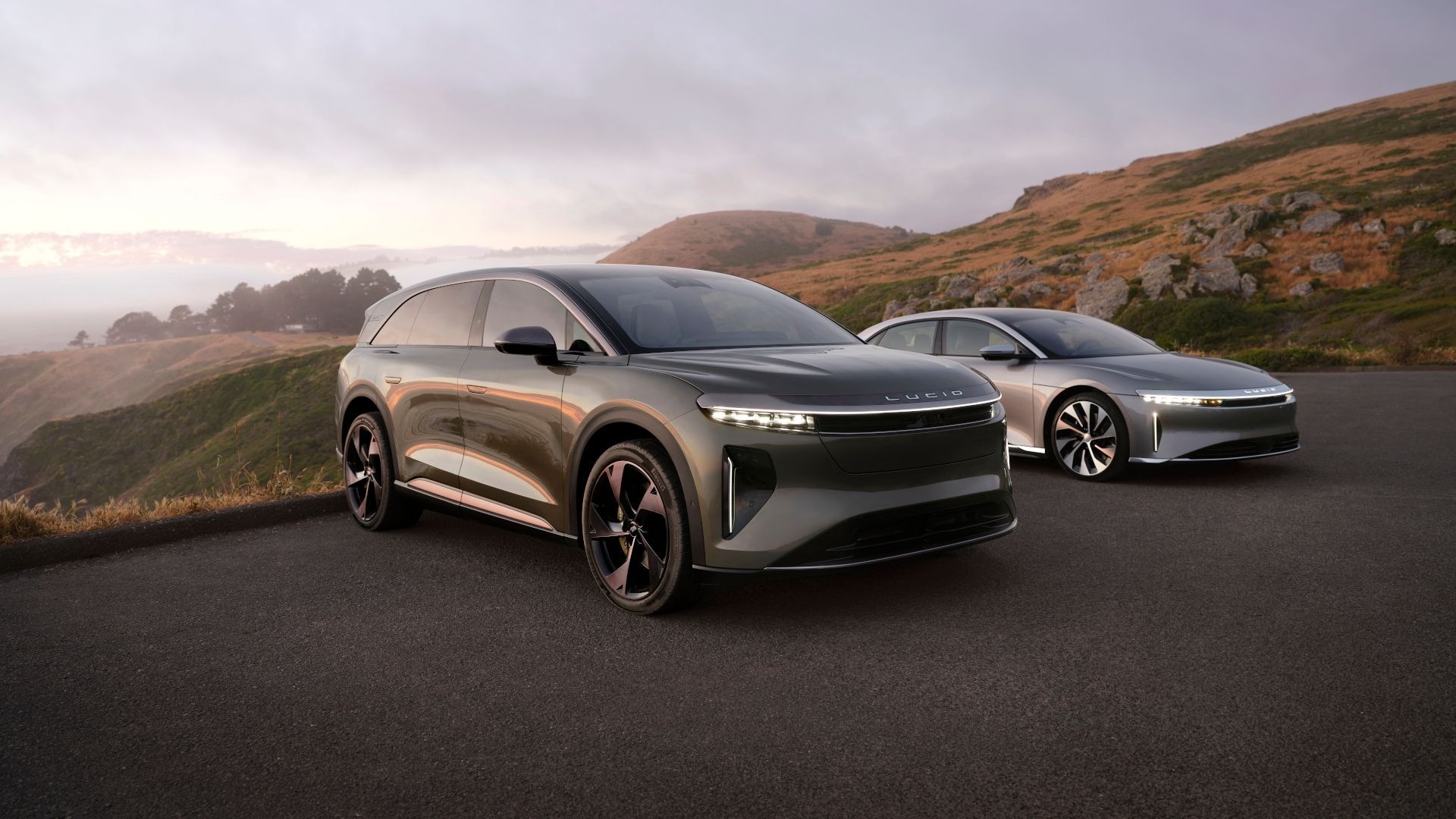
Electric SUVs follow a similar depreciation pattern to electric sedans, but their higher purchase prices can make the financial losses even harder to swallow. The Volkswagen ID.4 records a five-year depreciation rate of 62.1% in the supplied iSeeCars figures.
Tesla models also experience substantial losses, with the Model X depreciating by 61.2% and the Model Y losing approximately 57.8% of its original value.
Several factors contribute to these numbers. Electric SUVs often cost more than comparable gasoline-powered crossovers when purchased new.
Their resale prices also face pressure from new models offering better driving ranges, improved battery technology, and updated entertainment systems. When manufacturers reduce new-vehicle prices, used examples may need lower asking prices to remain competitive.
Government incentives have also influenced electric vehicle pricing. The federal clean vehicle tax credit previously offered eligible buyers up to $7,500, subject to specific requirements.
The federal consumer clean vehicle credits ended for vehicles acquired after September 30, 2025. Changes to these incentives can affect what shoppers are willing to pay for new and used electric vehicles.
For secondhand buyers, depreciation creates an opportunity to purchase a relatively modern electric SUV at a reduced price.
Before committing, request a battery health report, examine the charging system, and check the remaining warranty. Mileage matters, but battery condition and maintenance history deserve equal attention.
Compare the asking price with similar gasoline and hybrid SUVs before making your decision. Lower running expenses may help justify an electric model, particularly if you charge at home and drive regularly.
A careful purchase can provide excellent value without paying the original showroom price.
4. Luxury Electric Cars
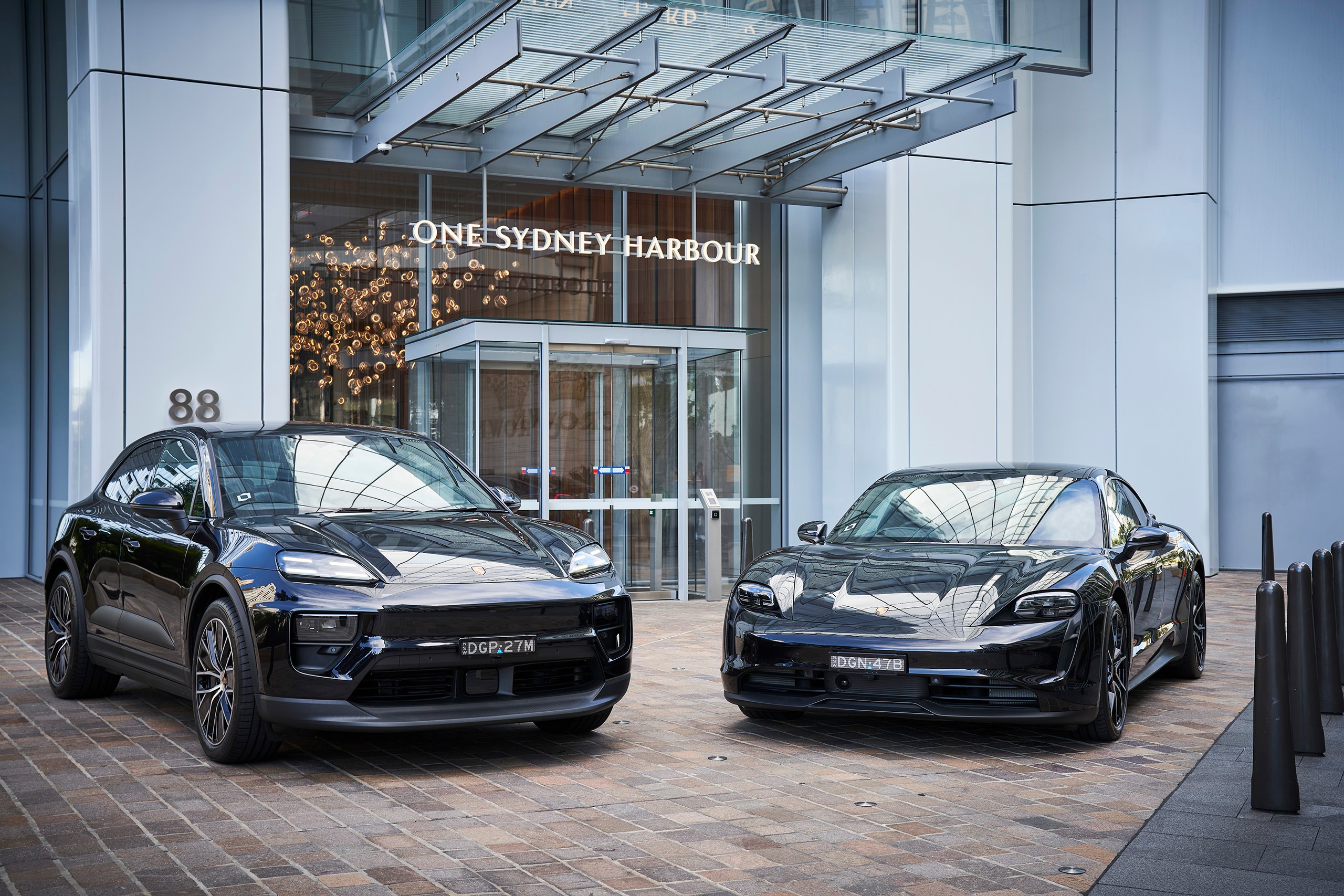
A luxury electric car can deliver impressive acceleration, advanced technology, and an exceptionally quiet driving experience. However, owning one can become expensive when depreciation enters the equation.
The Tesla Model S illustrates this problem, recording a five-year depreciation rate of 62.0% in the supplied figures. Its estimated value loss reaches approximately $58,907, a substantial amount for any vehicle owner.
Why do luxury electric cars lose so much value? Their original purchase prices are often high, leaving considerable room for depreciation. Technology also develops rapidly.
Newer electric vehicles may offer longer driving ranges, faster charging, improved battery efficiency, and updated software. These improvements can make an older flagship model less attractive to shoppers, even when it remains in excellent mechanical condition.
Manufacturer pricing decisions matter, too. When Tesla reduces the price of a new Model S, used examples may become less competitive at their previous asking prices. Buyers naturally compare the cost of an older vehicle with the features and warranty protection offered by a newer one.
Existing owners can take practical steps to maintain resale appeal. Follow the manufacturer’s battery care recommendations, avoid leaving the battery at extremely high or low charge levels for extended periods, and use fast charging when appropriate rather than unnecessarily.
Keep records of software updates, repairs, inspections, and warranty work. For secondhand shoppers, steep depreciation can make a luxury electric sedan more affordable.
However, check battery health, charging performance, service history, and remaining warranty coverage before purchasing. A professionally inspected Model S may offer premium electric driving at a fraction of its original price, provided its condition supports the asking amount.
5. Luxury Sedans (Large)
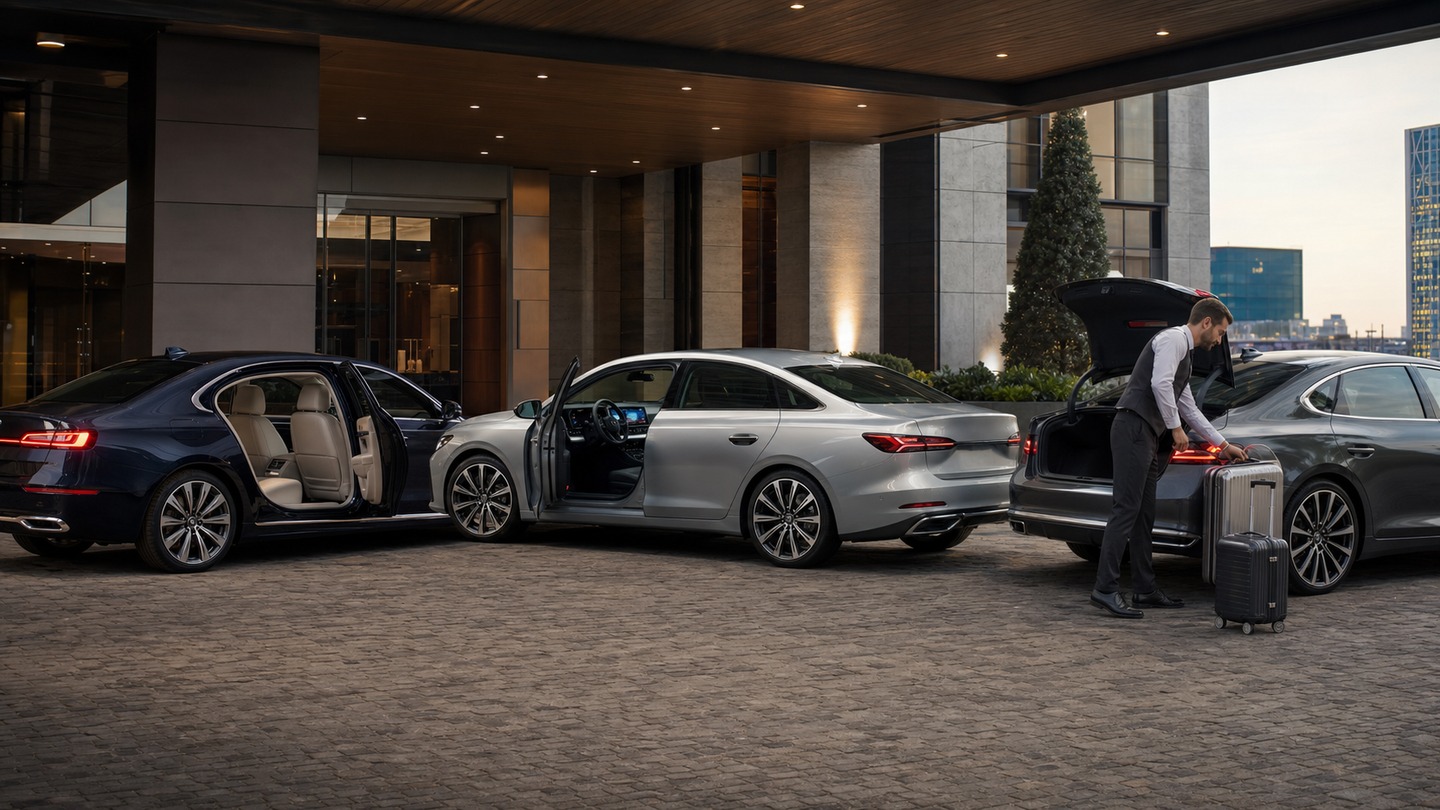
Large luxury sedans have long represented comfort, prestige, and advanced automotive engineering. Unfortunately, they also rank among the vehicle categories that can lose substantial value within five years.
The BMW 7 Series provides a clear example, recording depreciation of 61.6% in the supplied data. These sedans often carry high original price tags because manufacturers equip them with premium upholstery, advanced suspension systems, powerful engines, and sophisticated entertainment features.
Yet secondhand buyers may hesitate when they consider the potential expense of maintaining these systems. Another factor is changing consumer preferences.
Some shoppers who previously preferred large luxury sedans now consider premium SUVs because they offer higher seating positions, flexible cargo space, and family-friendly practicality.
This does not mean large luxury sedans have lost their appeal. They still provide excellent highway comfort, quiet cabins, and a refined driving experience.
For someone shopping for a used BMW 7 Series, depreciation can create an opportunity to purchase a high-end vehicle at a much lower price than its original sticker price.
However, inspect the suspension, electronics, engine, transmission, and service records carefully. An inexpensive purchase can become expensive if neglected maintenance is waiting around the corner.
6. Luxury Midsize SUVs
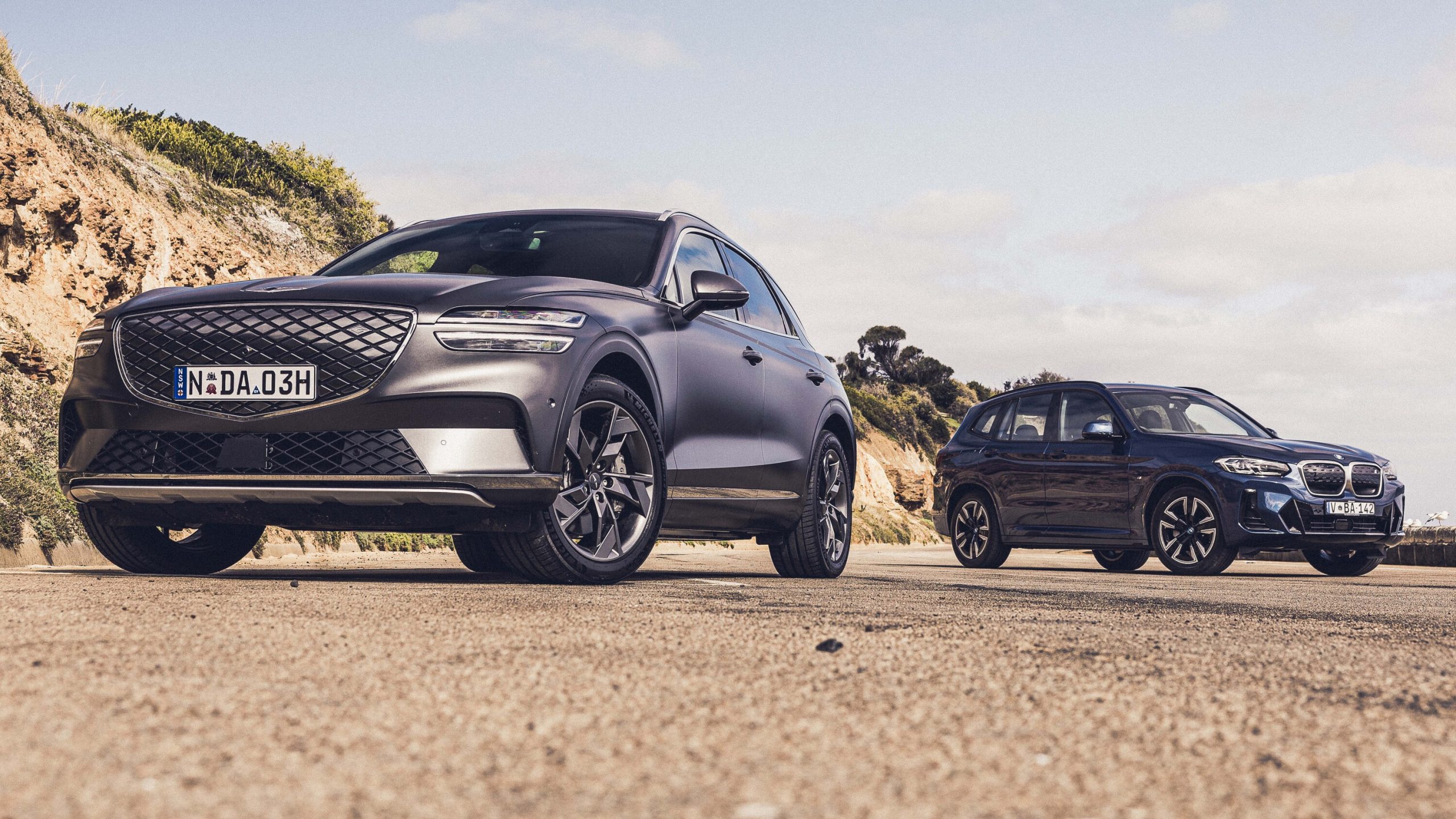
Luxury midsize SUVs attract buyers who want premium comfort without moving into the largest vehicle categories. They often provide spacious seating, refined interiors, advanced safety equipment, and useful cargo capacity. Despite these advantages, depreciation can be steep.
The supplied figures show the Range Rover Sport losing 58.3% of its value over five years. The Audi Q5 hybrid also records depreciation of 58.2%, demonstrating that premium midsize SUVs can experience substantial resale losses.
One reason is the cost of ownership. Luxury SUVs may require specialized servicing, expensive replacement parts, and premium tires. As vehicles age, prospective buyers may become more cautious about maintenance expenses.
Competition also affects resale prices. Shoppers can choose from numerous premium SUVs, including models from BMW, Mercedes-Benz, Lexus, Audi, and other manufacturers.
When several alternatives offer similar equipment, older vehicles may need lower asking prices to attract attention.
For used-car buyers, this category deserves consideration. A well-maintained five-year-old luxury SUV may deliver impressive comfort without the original new-car expense.
Before purchasing, review the service history, inspect the suspension and drivetrain, and check whether any factory warranty remains. Pay attention to previous accident repairs and electronic features, too.
7. Electric Crossovers
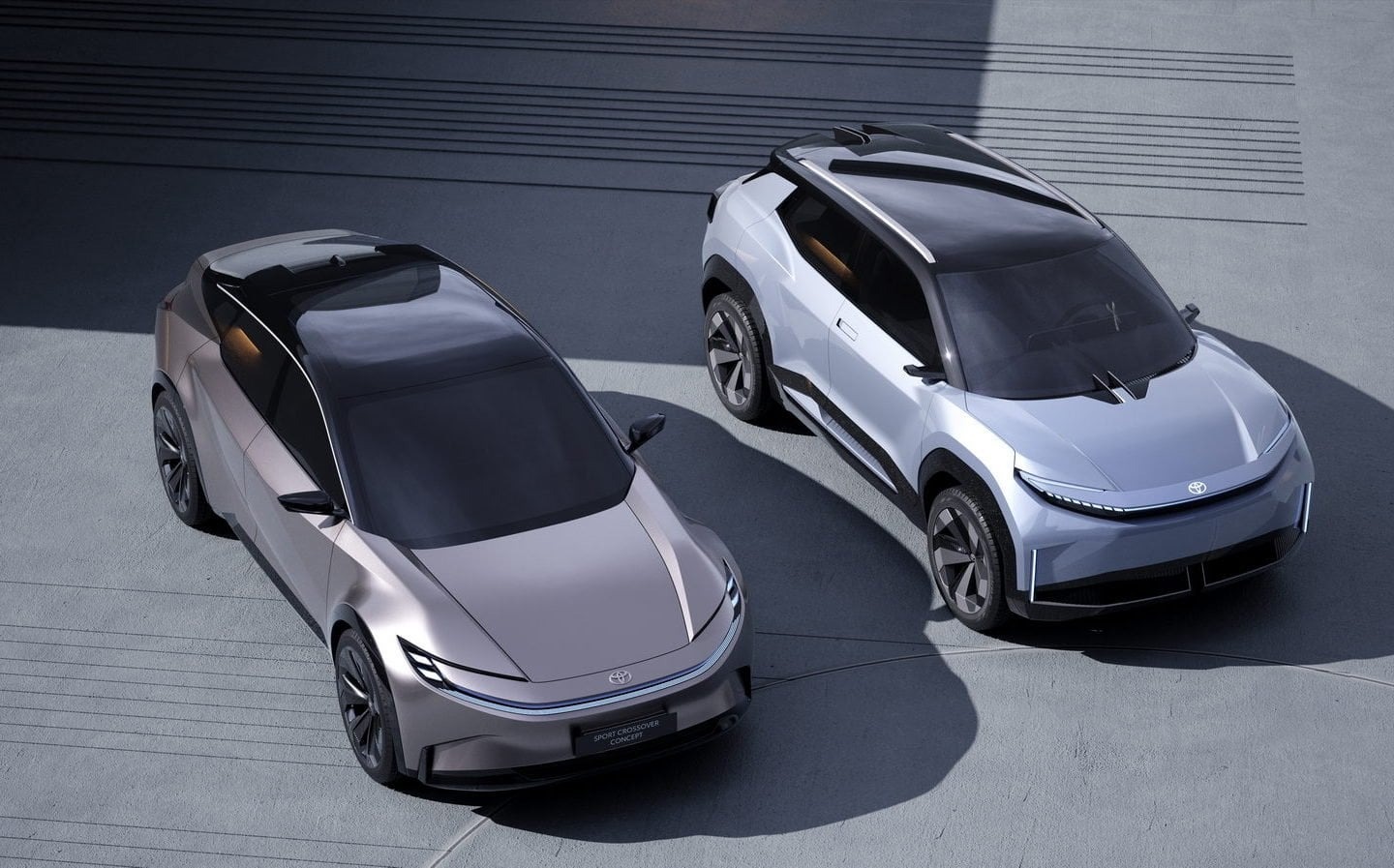
The numbers make electric crossovers an interesting case in vehicle depreciation. The Ford Mustang Mach-E loses 60.8% of its value within five years, according to the supplied figures.
Based on the original price used in the calculation, that represents approximately $22,976 in lost value. While this is a considerable amount, it is much lower in dollar terms than the losses experienced by some expensive luxury electric vehicles.
Consider the Tesla Model S, which loses 62.0% of its value over the same period. Although the percentage difference is relatively small, its estimated dollar loss exceeds $58,000.
The Mach-E loses approximately $23,000. This shows why percentage depreciation and actual money lost both deserve attention. Competition is another reason electric crossovers experience rapid depreciation.
Several manufacturers now offer battery-powered crossovers with different driving ranges, charging speeds, technology packages, and price points. Used-car shoppers have plenty of alternatives, which can put pressure on resale prices.
There is a positive side for secondhand buyers. A used Mach-E may offer modern styling, useful passenger space, and enjoyable electric performance at a much lower purchase price.
Drivers who travel frequently may also benefit from reduced fuel and routine maintenance expenses. Current owners can protect resale appeal by maintaining battery health, avoiding unnecessary modifications, keeping service records, and completing software updates.
Before selling, consider obtaining a battery health report and taking clear photographs. A well-maintained vehicle with organized documentation can give prospective buyers greater confidence and reduce objections during price negotiations.
8. Luxury Midsize Cars (Hybrid)
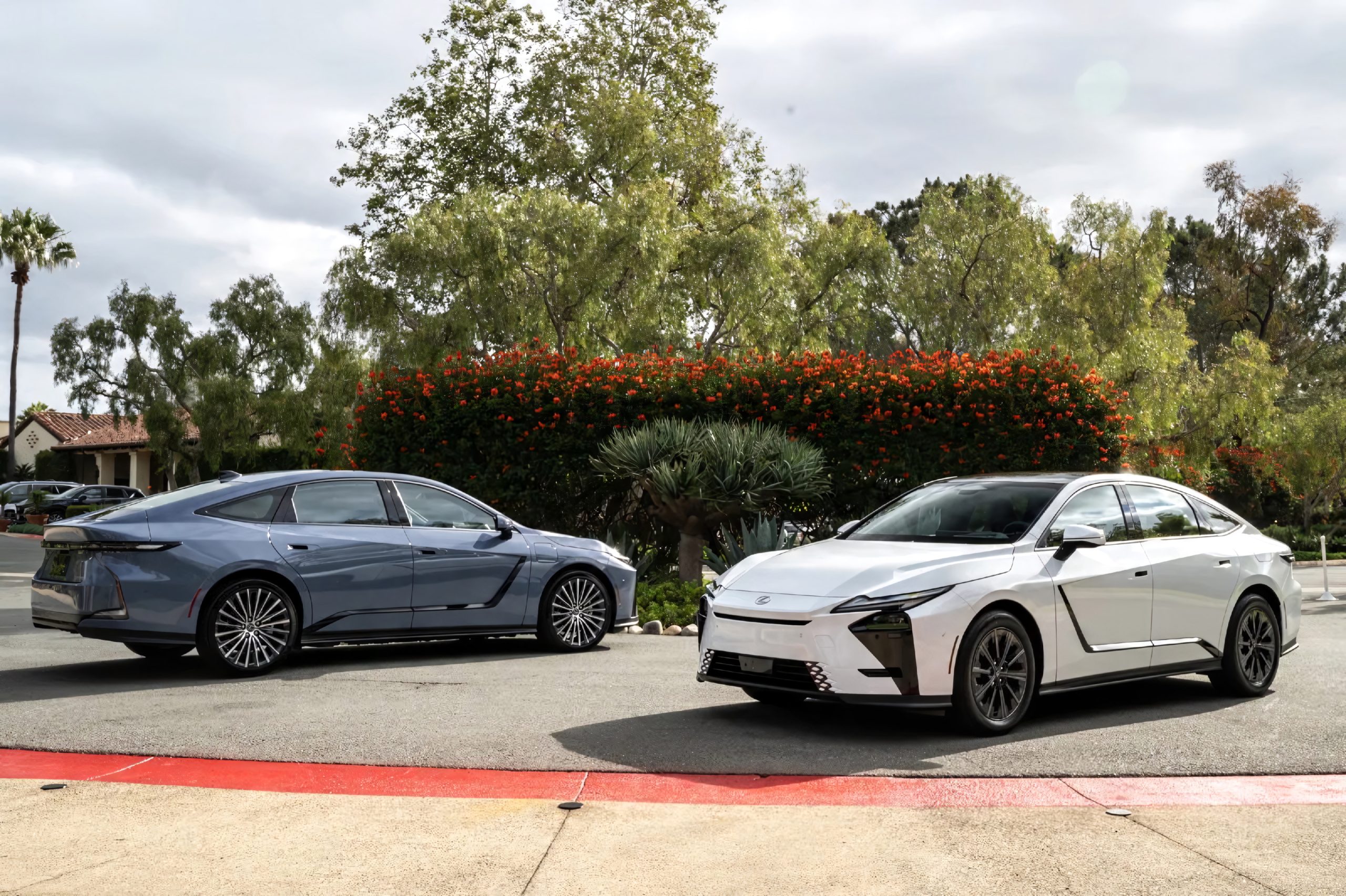
Hybrid vehicles often have a reputation for holding their value well, which makes the depreciation figures for luxury midsize hybrids particularly interesting.
According to the supplied information, hybrids lose an average of 35.4% of their value over five years, performing better than the broader market average of 41.8%. However, the BMW 5 Series hybrid records a much steeper depreciation rate of 59.5%.
Why does this happen? The answer has a lot to do with pricing and ownership expenses. Mainstream hybrids, such as the Toyota RAV4 Hybrid, attract shoppers looking for dependable transportation and reasonable running costs.
The supplied figures place its five-year depreciation at just 25.3%. Luxury hybrids have a different cost structure. Their original prices are higher, their equipment is more sophisticated, and replacement parts can be expensive.
Some buyers also worry about the cost of maintaining advanced hybrid systems. Plug-in hybrid versions may raise additional questions because they contain larger battery systems and more charging-related equipment.
For anyone interested in a BMW 5 Series hybrid, purchasing a used example may make better financial sense than paying the original showroom price. Let the first owner absorb the steepest portion of depreciation.
Before signing a purchase agreement, request complete maintenance records and check whether outstanding recalls or software updates have been addressed.
Have a qualified technician inspect the battery, electric motor, charging system, and gasoline engine. Confirm whether any remaining warranty can transfer to the next owner.
It is also worth comparing the BMW with a mainstream hybrid sedan. You may discover that another vehicle provides the fuel savings and daily comfort you need at a much lower ownership cost.
9. Luxury Large Cars
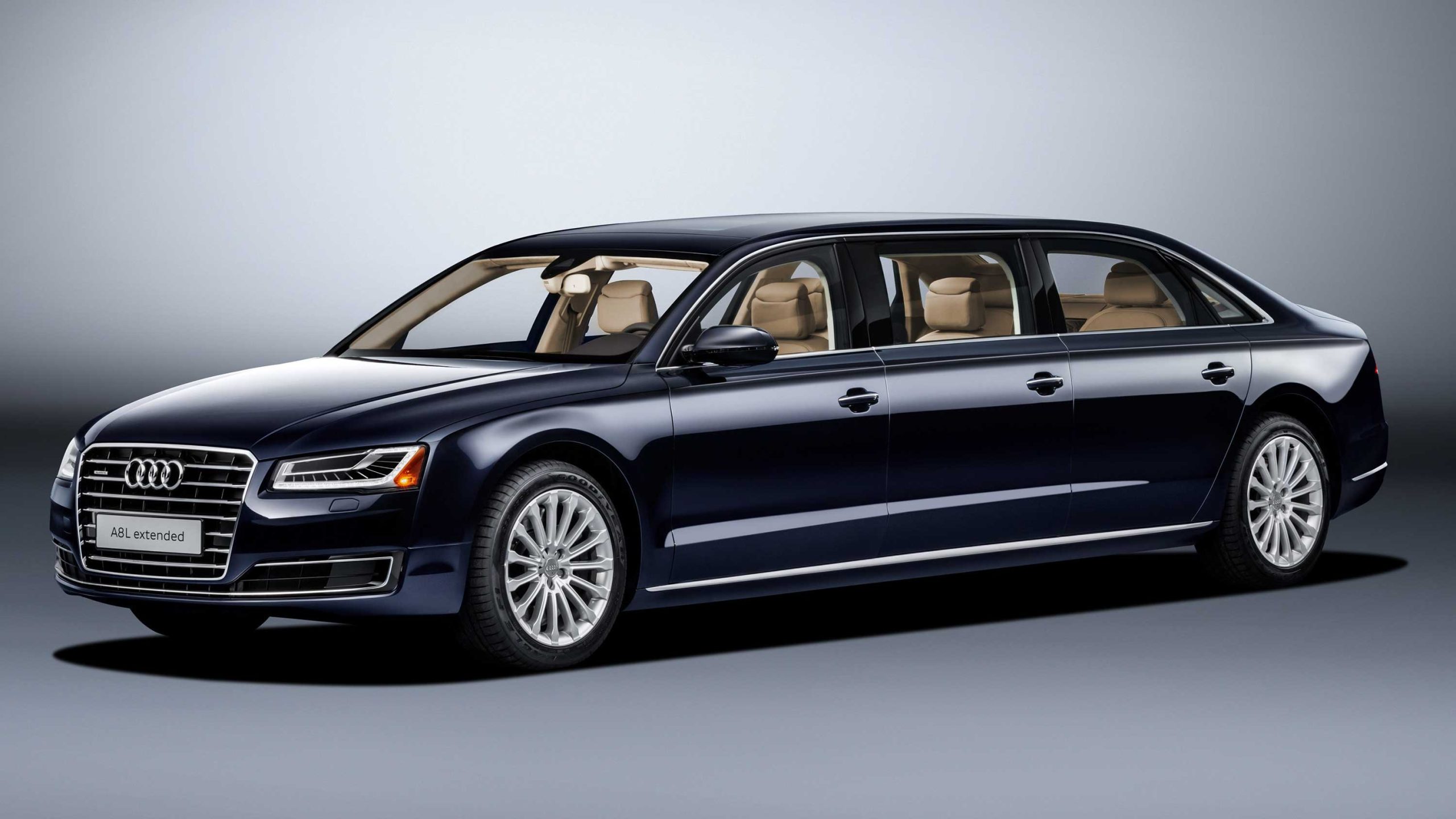
The Audi A8 L records a five-year depreciation rate of 57.6% in the supplied figures. That translates into an estimated loss of approximately $54,824, making it an expensive vehicle to own if your priority is preserving resale value.
Although its depreciation rate is lower than those of several other segments on this list, losing more than half the original purchase price is still a serious financial consideration.
There are understandable reasons behind this decline. The A8 L is a flagship luxury sedan with a long wheelbase, premium materials, advanced electronics, and a high original price.
These features make it attractive when new, but secondhand shoppers may hesitate when they consider the expense of maintaining an aging luxury vehicle.
For existing owners, keeping the car in excellent condition is essential. Regular servicing, careful driving, and prompt attention to mechanical problems can help preserve its appeal. Complete maintenance records are especially useful when presenting the vehicle to prospective buyers.
Used-car shoppers should take a more cautious approach. Arrange an independent pre-purchase inspection with a technician familiar with Audi vehicles.
Ask for documentation covering oil changes, brake repairs, suspension work, and previous electronic issues. Test every display, camera, climate control, and driver-assistance feature.
Pay particular attention to the air suspension, since repairs can be expensive. A road test on different surfaces can help reveal unusual noises or handling problems that might require attention.
You should also request an insurance estimate before purchasing. Premiums for flagship luxury sedans can vary considerably between insurers.
Finally, set aside money for future maintenance, even if the vehicle appears to be in excellent condition.
A used A8 L can offer exceptional comfort and refinement at a reduced purchase price, but careful preparation is necessary to make sure those savings remain worthwhile.
10. Luxury 3-Row SUVs
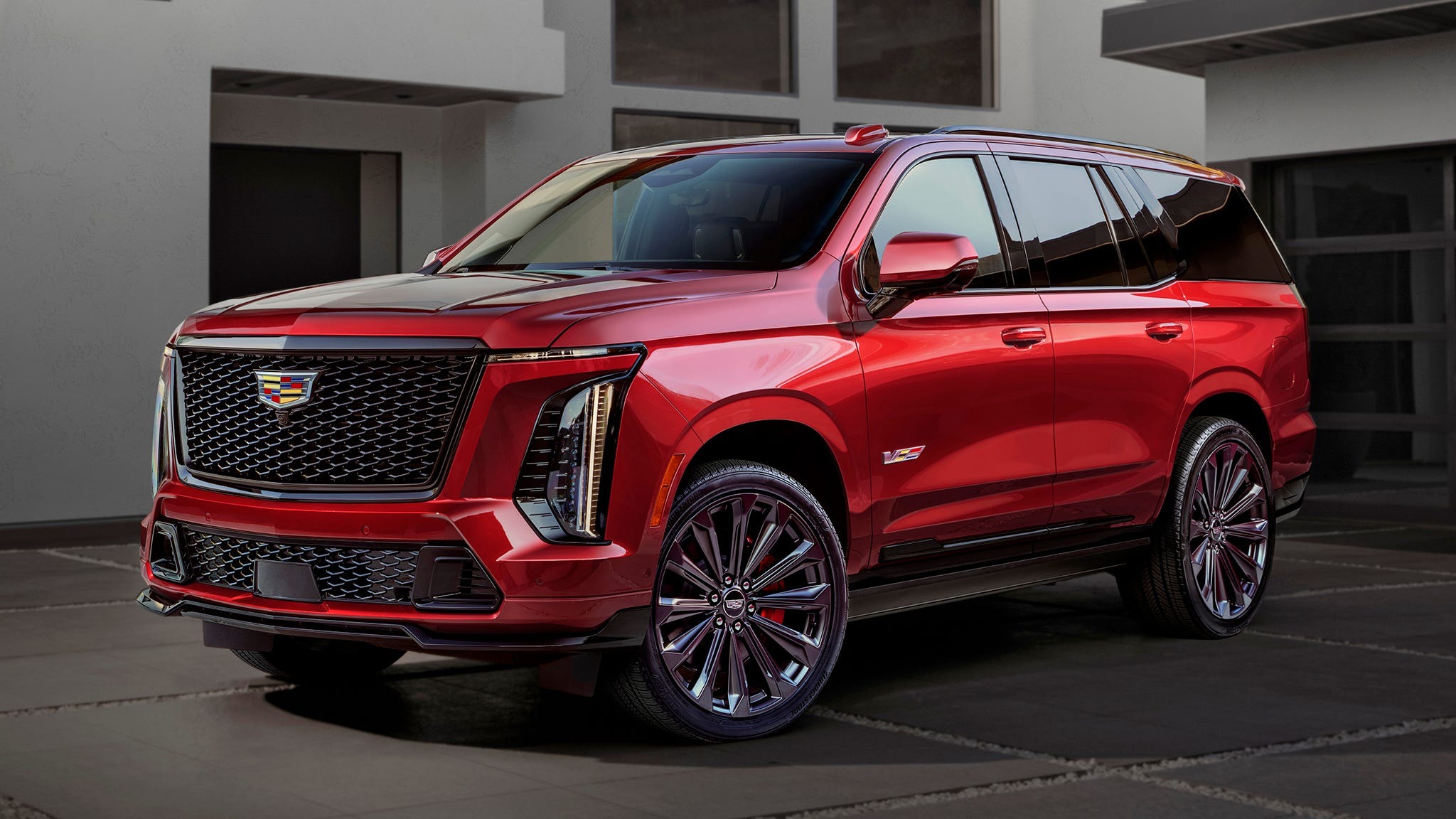
Luxury three-row SUVs provide space for larger families while offering premium interiors, advanced entertainment systems, and additional comfort features. They are attractive when new, but their resale values can fall considerably as they age.
The INFINITI QX60 recorded a five-year depreciation rate of 58.3% in the supplied figures. This places luxury three-row SUVs among the vehicle categories experiencing substantial value losses.
One reason is the cost of maintaining a premium family vehicle. Larger SUVs may require expensive tires, brakes, suspension components, and specialized servicing.
Families shopping for used vehicles often pay close attention to these expenses because their budgets must cover more than the purchase price.
Another factor is the availability of alternatives. Mainstream manufacturers offer three-row SUVs with competitive passenger space, safety equipment, and convenience features. These vehicles may cost less to maintain, making them attractive to budget-conscious shoppers.
Still, depreciation can make a luxury family SUV appealing to secondhand buyers. A used INFINITI QX60 may provide comfortable seating, useful cargo capacity, and premium features without the original new-car price.
Before purchasing, inspect all three seating rows, test the entertainment and climate systems, and review the vehicle’s maintenance history.
Check the transmission, suspension, brakes, and tires carefully. A thorough inspection can help ensure that the money saved on the purchase price does not disappear into unexpected repairs.