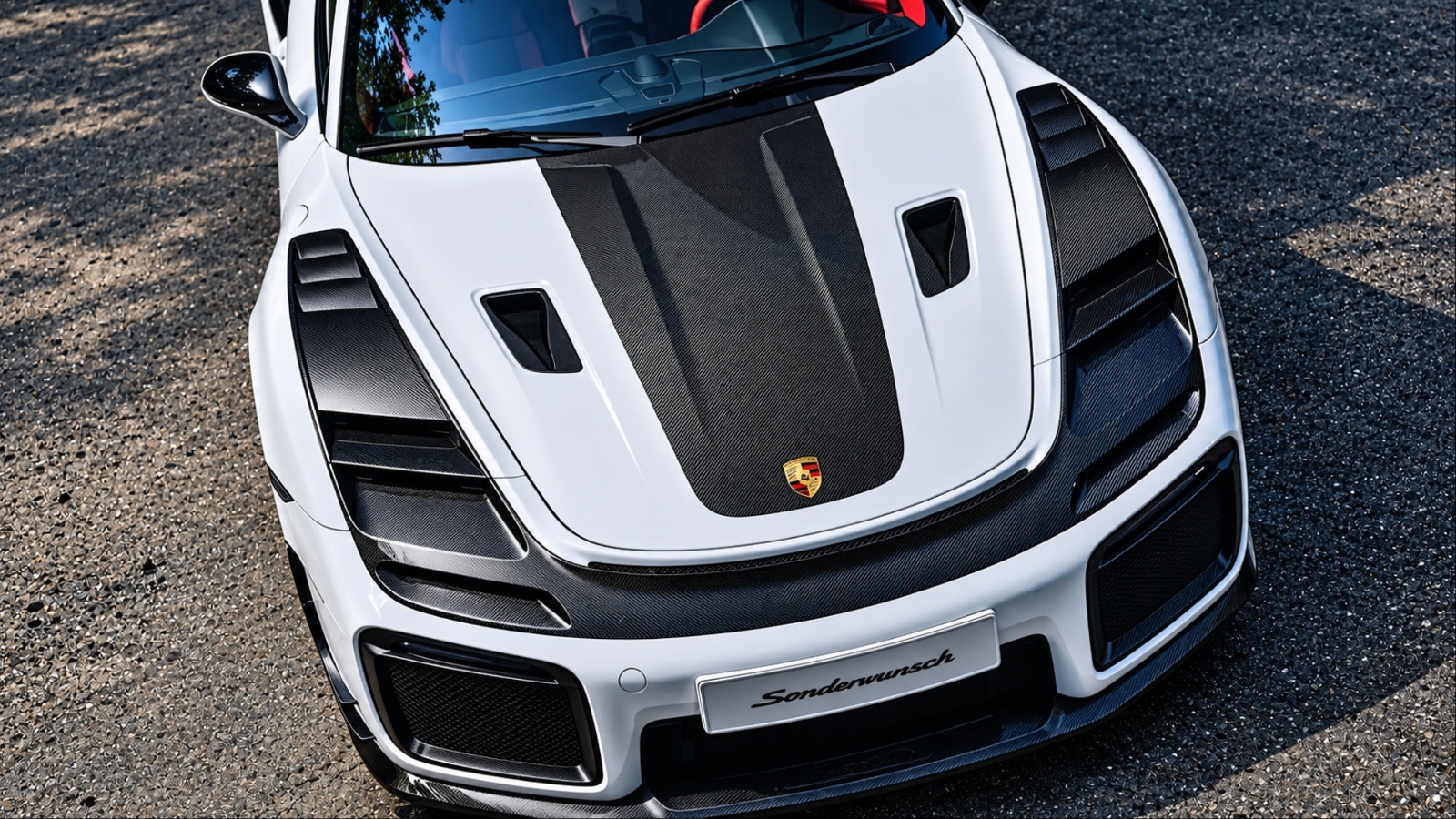
In the car business, winning once can be luck. Winning three years in a row is a pattern. When J.D. Power released its 2026 U.S. APEAL Study in late July, Porsche once again sat at the top of the premium brand ranking with a score of 896 on a 1,000-point scale. It is the third consecutive year the sports car maker has led its class, and the sixth time since 2020.
That headline hides a more interesting story. The industry as a whole got happier this year, premium and mass market scores moved closer together, and Porsche’s lead over the pack is thinner than it looks. Along the way, a handful of numbers explain why the interior and everyday usability matter more than ever. This article unpacks what 896 means, how the streak was built, which models carried it, and why staying on top may be harder from here.
What the 896 Score Actually Means
The APEAL Study is not a reliability survey. It asks owners to rate 37 attributes after 90 days of ownership, from the comfort they feel climbing into the driver’s seat to the excitement of pressing the accelerator. The 2026 edition draws on responses from 78,514 owners. Those answers roll up into an index, so the result is a measure of emotional attachment rather than a count of defects.
Against that backdrop, Porsche scored 896, up six points from a year earlier, compared with a premium-brand average of 893. The whole industry averaged 858, a seven-point rise that marked the third straight annual increase. That puts Porsche 38 points above the industry average by simple subtraction.
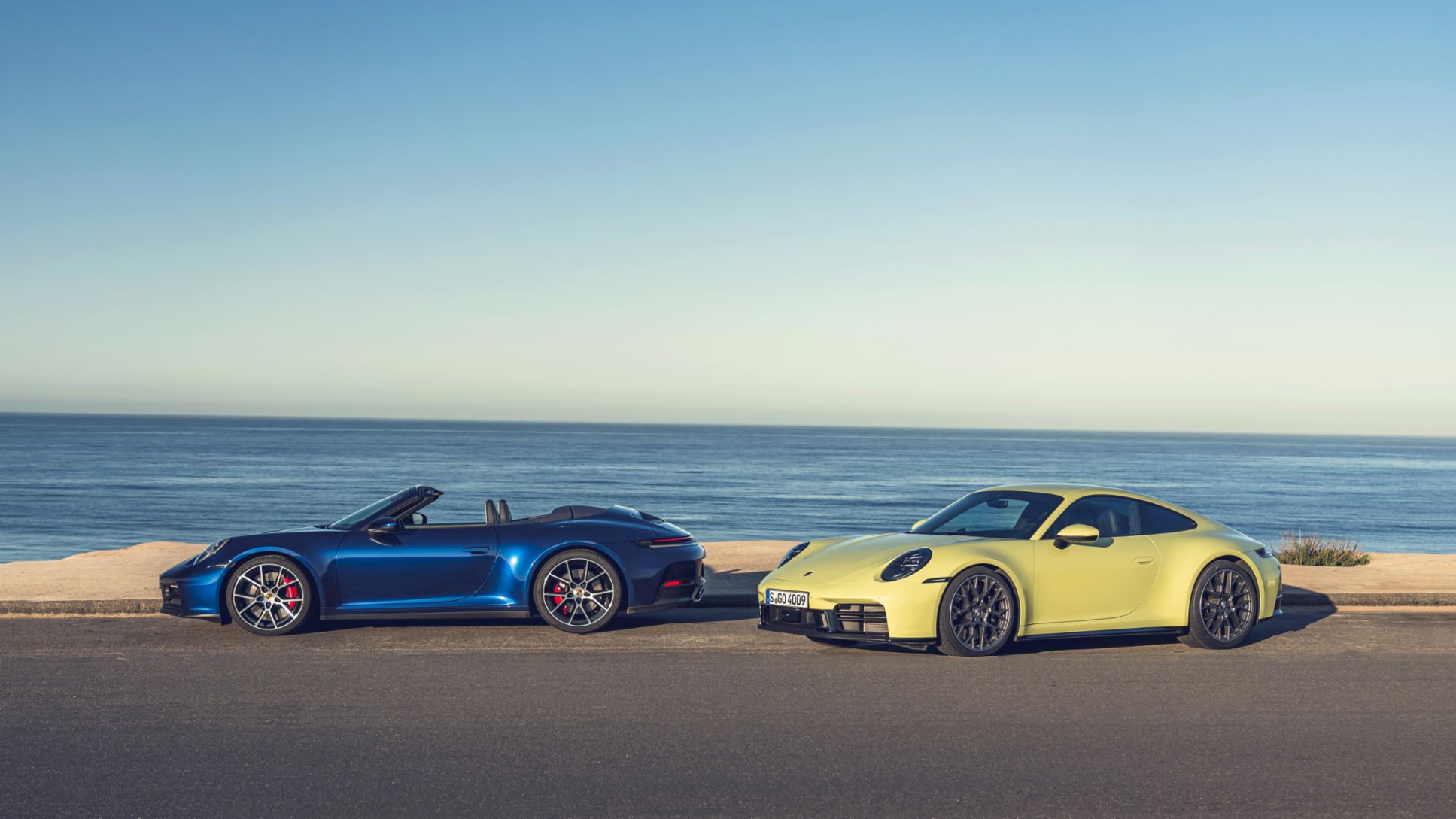
Index points are small units, so context helps. This year’s industry-wide gain was the largest since 2018 and the fifth largest in the study’s history. Among mainstream brands, MINI led at 875, followed by Hyundai at 858 and Kia at 857. Porsche’s 896 therefore sits 21 points above the best mass-market brand, a gap that still reflects a clear difference in how owners feel about their cars.
There is one asterisk worth knowing. Tesla, Rivian, Jaguar, Dodge and Chrysler were ineligible for the ranking because they did not meet the study’s award criteria. Porsche won the contest it was entered in, but the field was not literally every brand on sale.
A Three-Year Streak, and a Longer Pattern
Porsche’s dominance did not appear overnight. In the previous study, it earned 890 points against a premium-brand average of 881, and the 911 was its highest-scoring model at 902. Land Rover finished second at 886 and BMW third at 881. That was Porsche’s second consecutive win, and the 2026 result extended the run to three.
Zoom out further and the pattern is even clearer. Porsche has now claimed the top premium ranking six times since 2020. That is a rare level of consistency in a study where tastes, technology and competitors shift every year. Brands such as BMW and Land Rover have posted strong scores, and BMW took more model-level awards than any other automaker this year, yet neither has displaced Porsche at the brand level.
Porsche’s strong performance in the satisfaction rankings is also supported by its results in vehicle quality. The brand ranked first among all automakers in J.D. Power’s 2026 Initial Quality Study and also topped the premium brand category.
J.D. Power has pointed out that the two studies are closely related, as fewer reported problems often lead to greater owner satisfaction with a vehicle’s appearance, comfort, and performance. In Porsche’s case, its appeal goes beyond attractive styling and driving excitement, with vehicle quality playing an equally important role.
The trend line deserves a careful read, though. Porsche’s score rose from 890 to 896, yet the premium average rose faster, from 881 to 893. By arithmetic, Porsche’s margin over its peers shrank from nine points to three. The brand is still first, but the field is catching up.
Where Porsche’s Strength Shows Up Across the Lineup
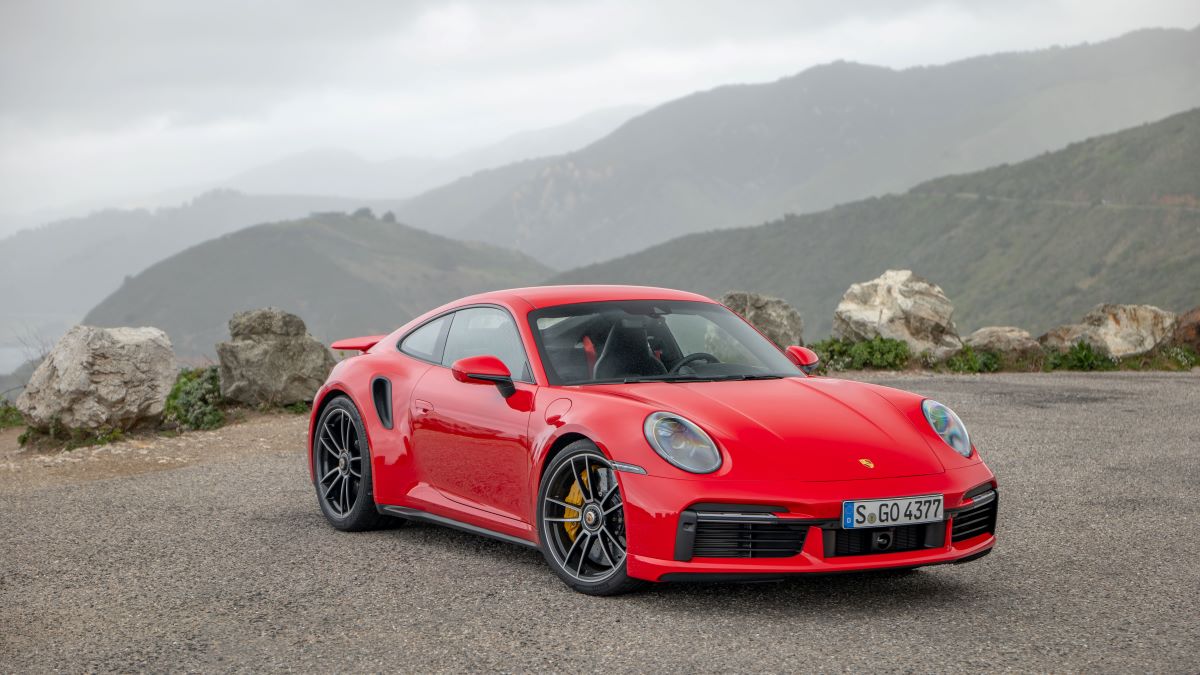
A brand score is an average of many models, and Porsche’s lineup contributes in different ways. The Panamera was the highest-scoring model in the portfolio at 910 points, and the 911 earned the top ranking in the Premium Sporty Car category. Those two cars anchor the brand’s reputation for driver engagement, and a score of 910 would be impressive in any segment.
The electric Taycan has been a consistent contributor as well. In the 2025 study, it earned best-in-class recognition among upper midsize premium cars for the third consecutive year. That matters because electric vehicles are where the industry is seeing its sharpest movement. Battery electric vehicles posted the biggest year-over-year gain in owner affinity at 22 points. A brand that already pleases owners with its EVs is well positioned for that shift.
SUVs tell a more nuanced story. In the upper midsize premium SUV category, the BMW X6 won the segment, with the Porsche Cayenne in second place and the Cadillac Vistiq third. The X6 also tied the BMW 7 Series as the highest-ranking individual model in the study. Porsche’s SUVs are well regarded, but in this study the brand’s trophy-winning energy comes mainly from its cars.
The interior is the thread running through all of this. J.D. Power found that interior satisfaction posted the largest gain of any category this year, and owners pointed to better center console layouts, smartphone storage and more practical cupholders.
Porsche cabins are generally known for driver-focused ergonomics and quality materials, which fits the kind of everyday usability owners are rewarding. The study does not publish Porsche’s interior score on its own, so that connection is an informed reading rather than a measured fact.
Why a Narrow Lead Still Matters, and What Comes Next
One of the biggest developments in 2026 is the shrinking difference between premium and mainstream vehicles. Premium brands have lost ground, while mass-market models have narrowed the satisfaction gap to just 29 points, compared with 66 points in 2008. J.D. Power’s findings suggest that luxury brands no longer enjoy a clear advantage in several important ownership categories.
For luxury automakers, this signals a growing challenge because a higher price tag and prestigious badge are no longer enough to guarantee a more satisfying ownership experience.
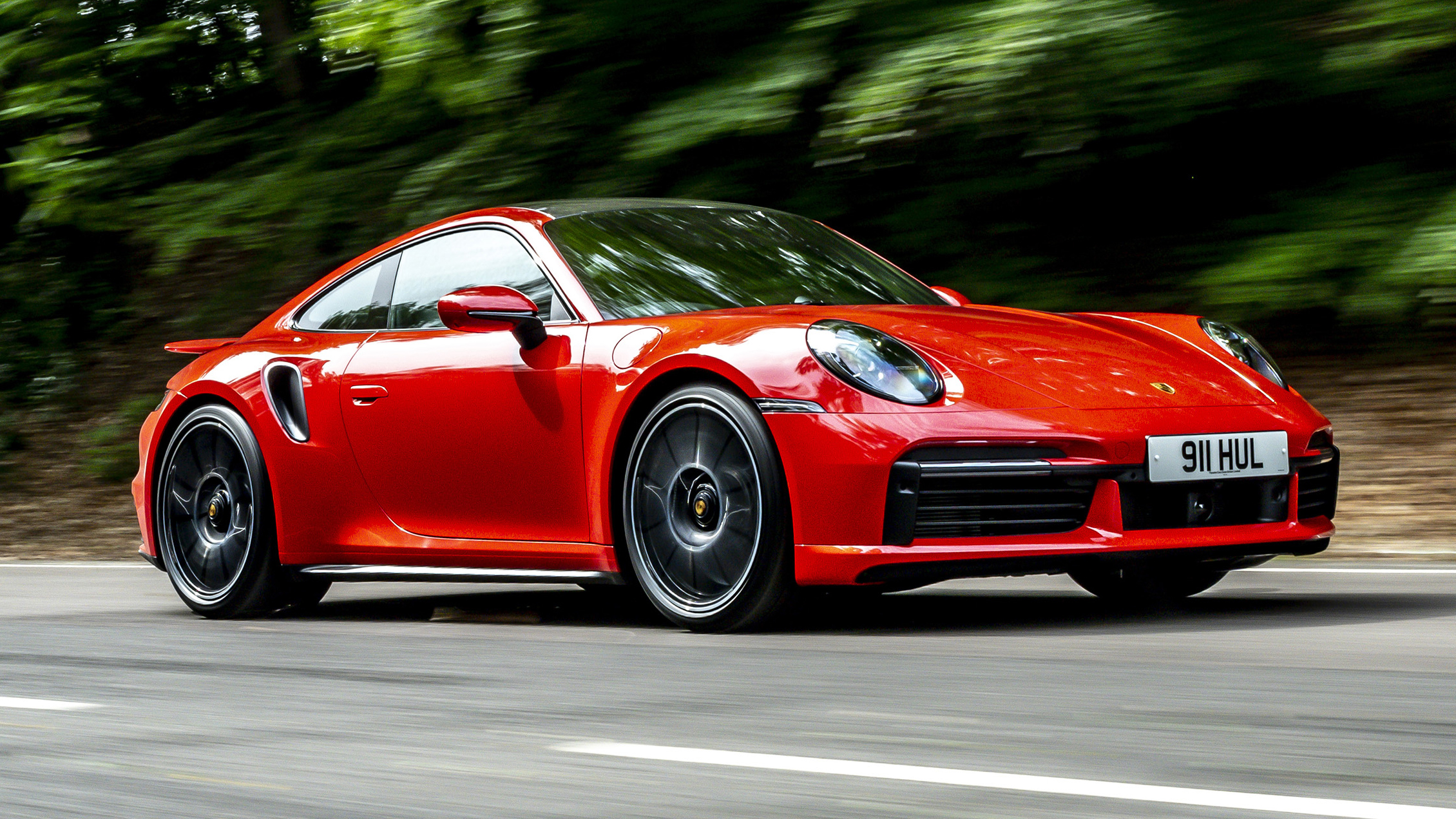
Porsche’s challenge is to keep exceeding expectations while the mainstream gets better. The industry has its own friction points. Infotainment, vehicle setup and technology features continue to dampen owner satisfaction.
Porsche has been rolling out major changes, including a fourth-generation Cayenne offered exclusively as a battery-electric vehicle, with production starting in February 2026. New models are exactly where the study has found satisfaction to be most fragile, because first-year software and setup problems can drag scores down.
For prospective buyers, the results offer a useful starting point, but they should not be treated as a guarantee that every Porsche model or trim will deliver the same level of satisfaction. Although Porsche finished first, its 3-point advantage over the premium brand average was relatively small, leaving competitors such as Land Rover and BMW as worthwhile alternatives.
The best approach is to test-drive these vehicles back to back and compare the everyday details that influence satisfaction, including seat comfort, dashboard controls, storage space, and how conveniently your phone fits into the cabin’s daily routine.
For Porsche, the streak is both a trophy and a target. Keeping it will depend on whether the brand can carry its driving character into an electric, screen-heavy era without losing the simplicity owners love. The 2026 result shows it can still do that. Whether it can do so again in 2027, with the gap narrowing, is the question to watch.