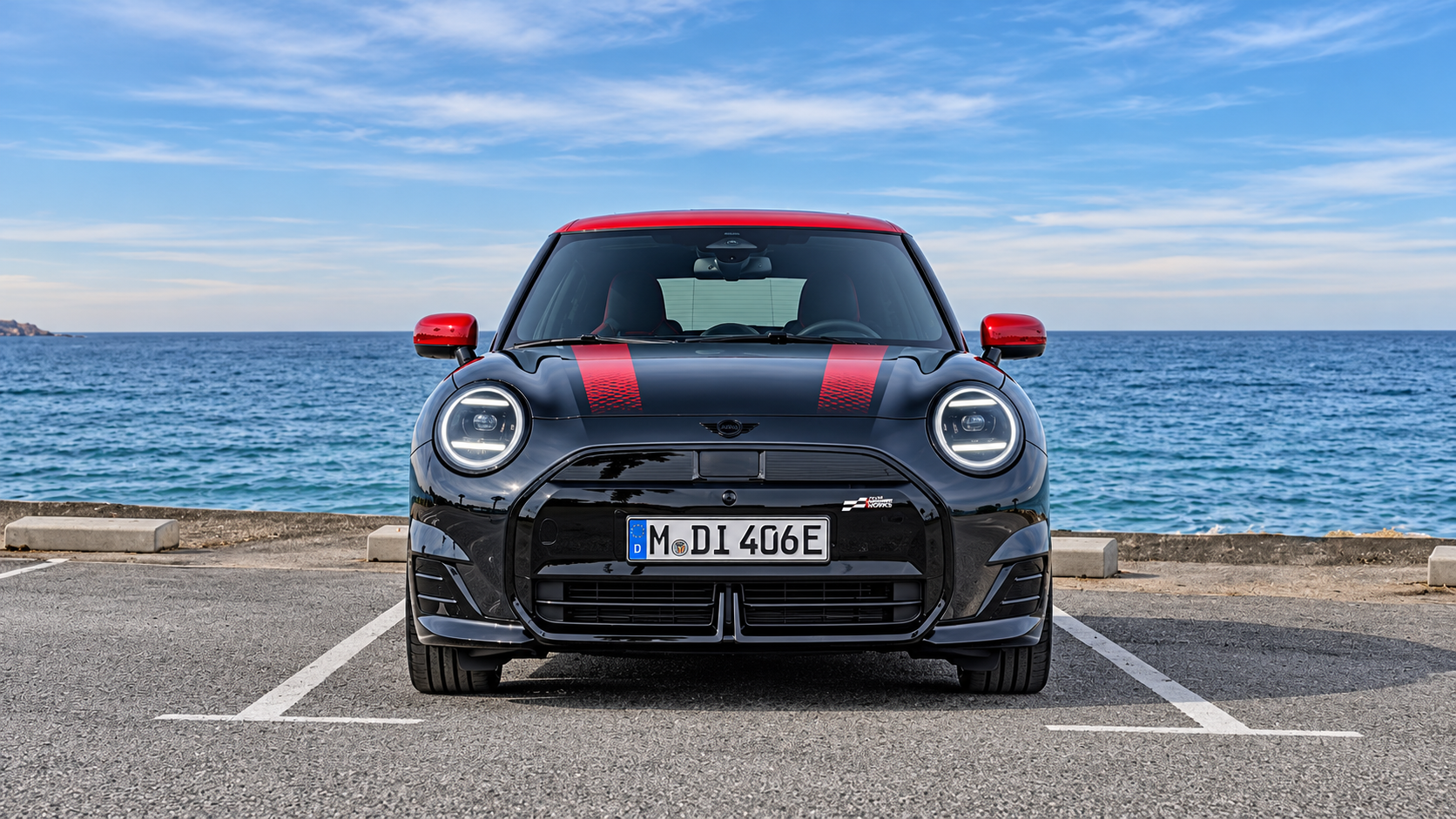
Some brands win by being the biggest. MINI wins by being the most loved. In J.D. Power’s 2026 U.S. APEAL Study, the British-born, BMW-owned brand again ranked first among mass market marques with a score of 875 on a 1,000-point scale. It is the third consecutive year MINI has finished on top, and it did so while selling far fewer cars than the household names it beat.
Yet the details of the 2026 result are more interesting than the headline. MINI’s score slipped by a point, the field closed in, and the gap between mainstream and luxury brands has narrowed sharply since 2008.
This article looks closely at what the number measures, how the three-year run unfolded, which cars deserve most of the credit, and what challengers and shoppers should watch as owners grow ever more discerning about the cabins, controls and personality of the cars they drive every day.
What 875 Says About MINI’s Hold on the Mass Market
APEAL is not a quality or reliability survey. It measures emotional attachment and excitement across 37 attributes after 90 days of ownership, and the 2026 edition draws on 78,514 owners of new vehicles. The score is an index, so it captures how much people enjoy their cars rather than how many problems they report.
On that measure, MINI ranked first among mass market brands at 875, with Hyundai second at 858 and Kia third at 857. Further down the table, Nissan and Ram each scored 856, followed by GMC at 852, Volkswagen at 851 and Chevrolet at 850, all ahead of Ford.
Ford itself improved to 849, above the mass market segment average of 846. By simple subtraction, MINI sits 29 points above that segment average and 17 points ahead of the runner-up.
The industry average was 858, the result of a seven-point rise that marked a third consecutive annual increase. That means MINI also finished 17 points above the all-industry figure. A lead of that size is meaningful in a study where most brands cluster within a narrow band.
There is an asterisk worth knowing. Tesla, Rivian, Jaguar, Dodge and Chrysler were ineligible for the ranking because they did not meet the study’s award criteria. Dodge matters here because it finished second in 2025. MINI won the contest as entered, but the field it beat was not literally every brand on sale.
Three Years at the Top, and How the Lead Changed
MINI’s streak has been steady rather than explosive. In the 2025 study, MINI ranked highest among mass market brands for a second consecutive year with 876 points, with Dodge at 868 and GMC at 852. The 2026 score of 875 is one point lower, which makes the third title a story of consistency rather than improvement.
MINI’s lead remains strong, but the gap has narrowed. In 2025, the industry satisfaction score stood at 851, putting MINI’s 876 rating 25 points ahead of the average. This year, that advantage has dropped to 17 points.
Meanwhile, its lead over the second-place brand grew from 8 to 17 points, although Dodge’s absence from this year’s eligible rankings makes that comparison less direct. The figures indicate that MINI maintained its performance as satisfaction levels across the broader market improved.
That is a healthy sign for the industry and a mild warning for MINI. The study notes that improvements in quality and the ownership experience are translating into stronger enthusiasm across the board. When everyone improves, standing still means falling behind.
MINI’s performance in the U.S. market has also experienced some changes. Deliveries of the redesigned Cooper and Countryman increased in 2025, helping drive a 29.1% sales jump in the second quarter of that year.
The brand finished 2025 with sales up 9.3%. However, momentum slowed in the second quarter of 2026, when sales declined 2.1% to 7,456 vehicles. These figures highlight an important distinction between customer satisfaction and sales performance. MINI owners may be pleased with their vehicles, but the brand still faces the challenge of attracting more buyers to its dealerships.
The Countryman and the Cars Behind the Score
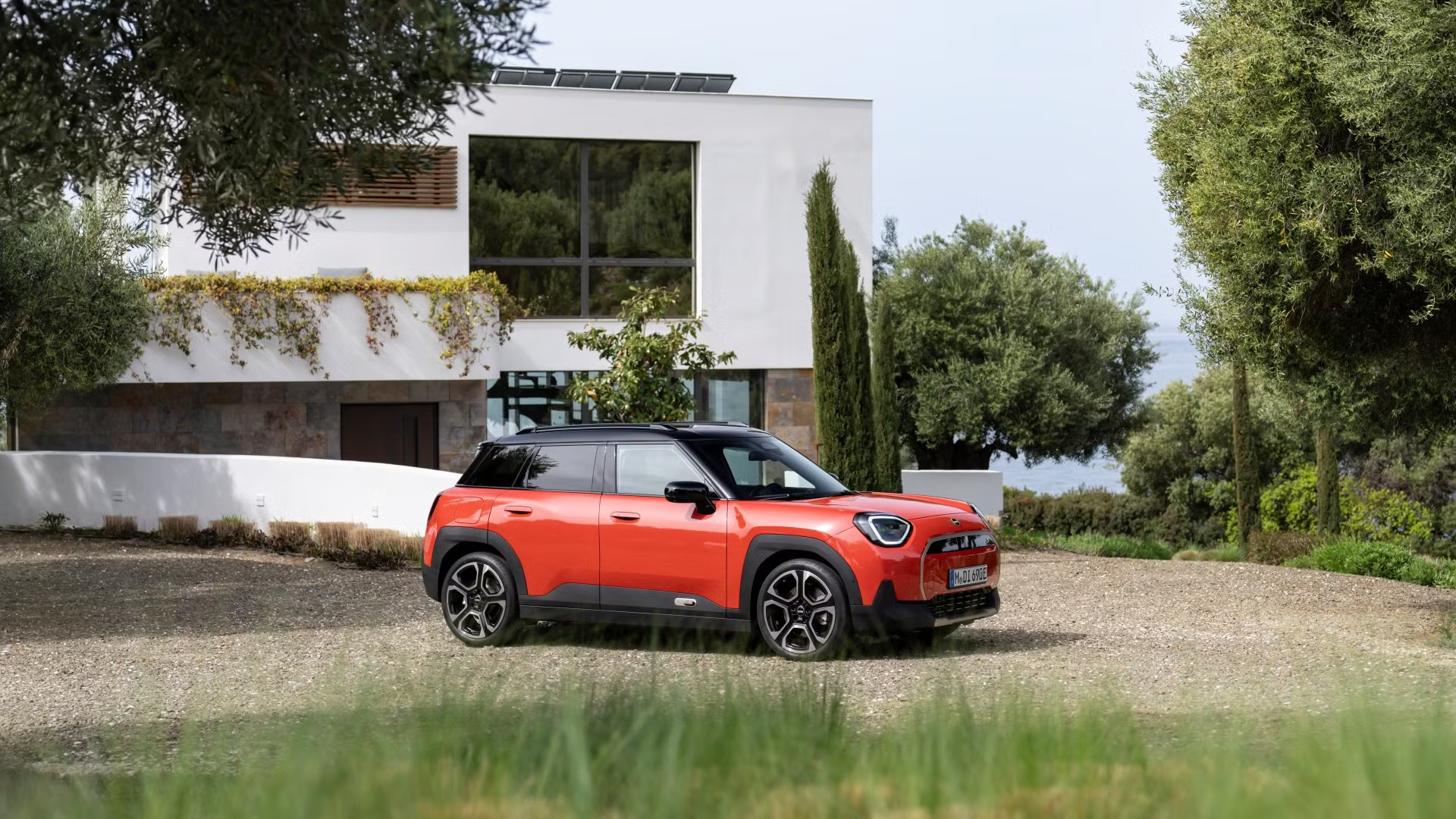
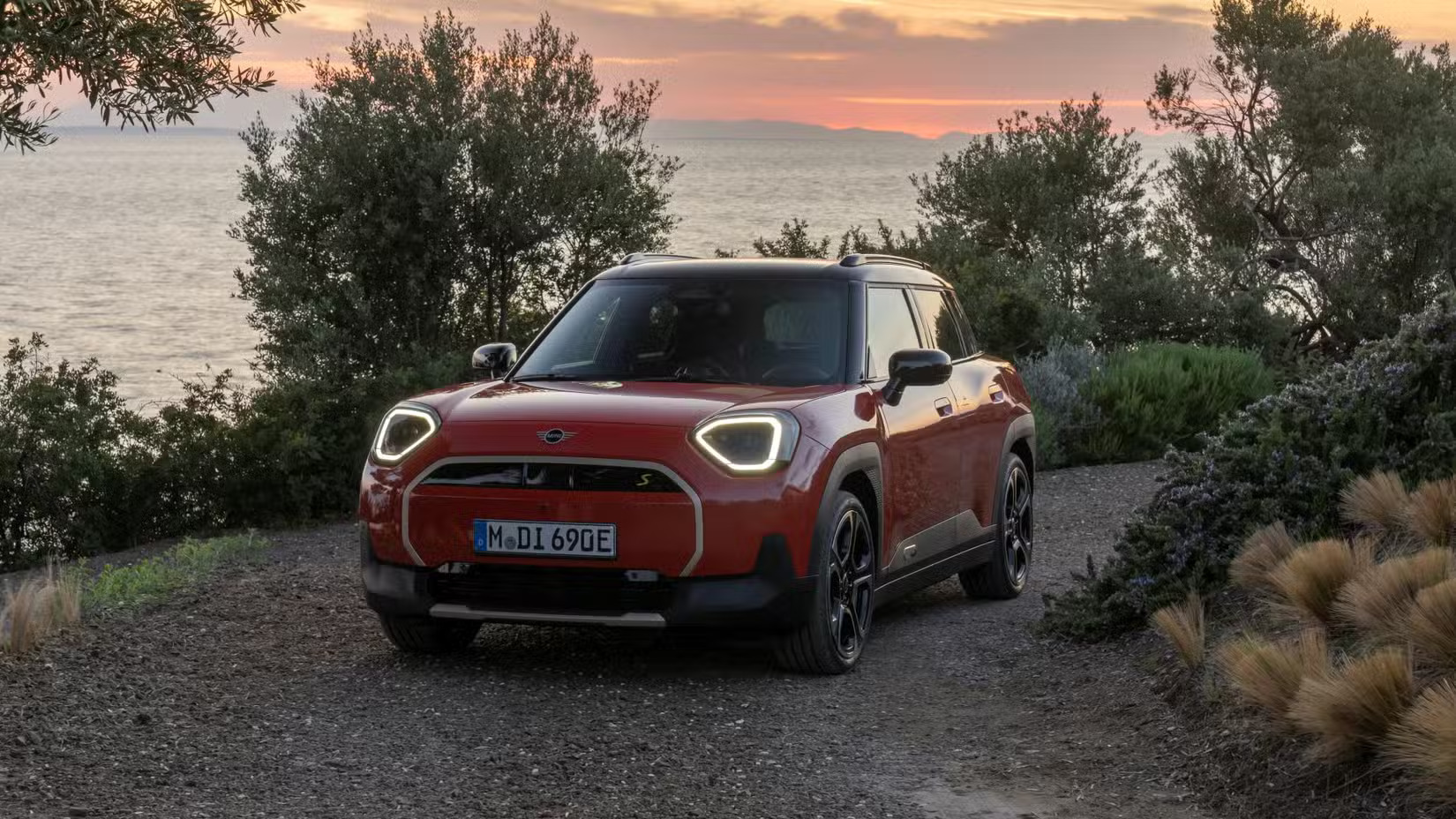
A brand score is an average of its models, and one MINI carries a large share of the weight. The MINI Countryman received a model-level award for a fourth consecutive year. In the small SUV segment, it ranked highest, ahead of the Buick Envista, with the Hyundai Kona and Nissan Kicks tied behind. It is also the model most owners are likely to be driving, since the Countryman remains MINI USA’s best-seller.
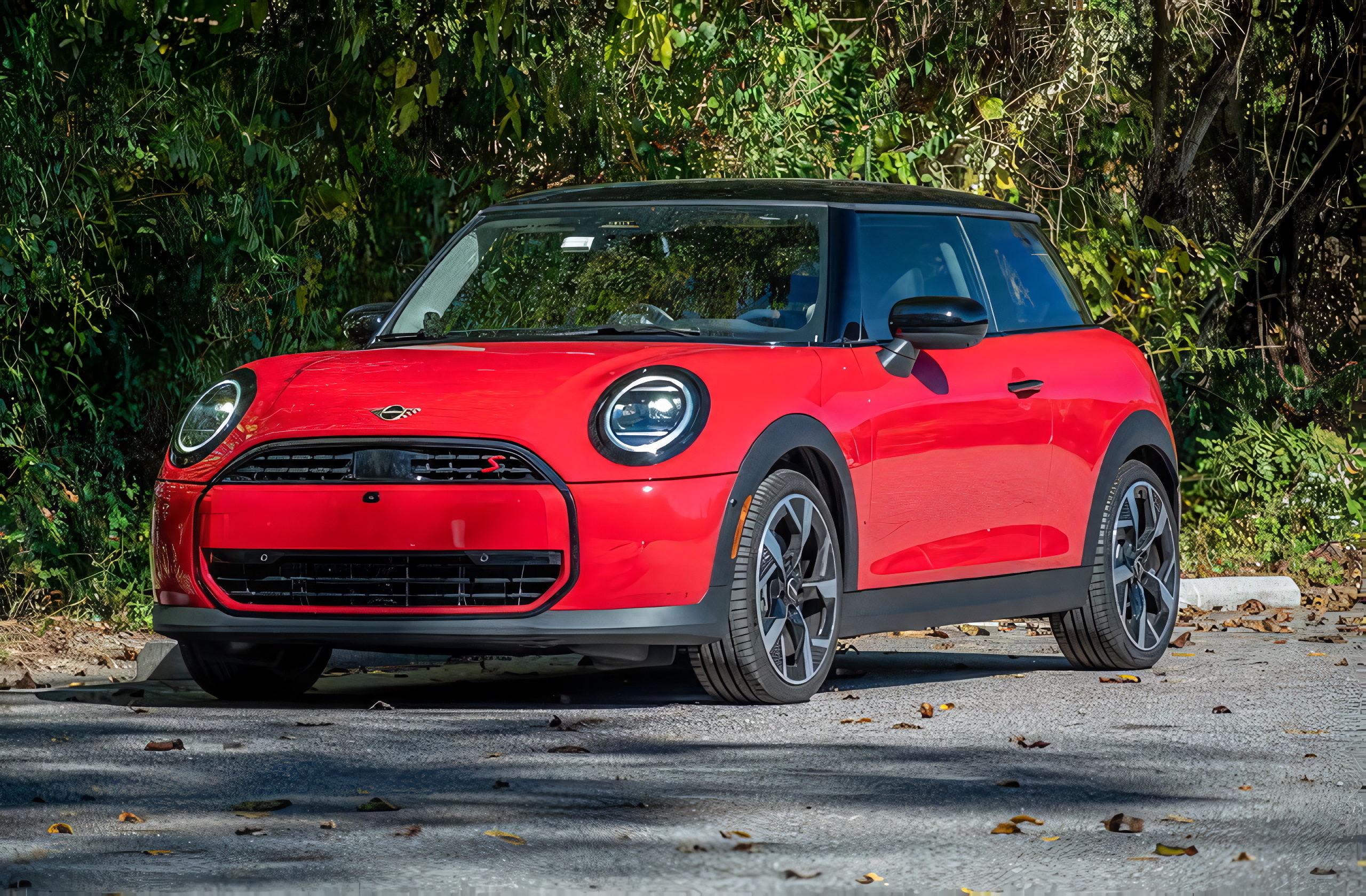
The Countryman is positioned above the budget end of the crossover market. The 2026 Countryman S ALL4 has a starting price of $38,900, compared with $29,500 for the two-door Cooper Hardtop. This puts MINI toward the higher end of the mainstream market and may help explain its strong satisfaction results. Many buyers are willing to pay extra because they specifically value the brand’s distinctive styling, driving experience, and character.
The Cooper adds to the brand’s emotional profile. In the sporty car segment, the Ford Mustang ranked first, beating the Mini Cooper. Being runner-up to a pony-car icon is not a bad place for a small hatchback to land.
Then there is the cabin. APEAL found interior design was the biggest driver of this year’s gains, with owners responding to better cupholders, phone placement and center console layouts. MINI does not publish a standalone interior score, so any link is an informed reading rather than a measured fact.
That said, the brand’s interiors are known for a round central display, textile-covered surfaces and toggle-style switches, a deliberately playful look that sets them apart from the gray-plastic norm. Owners who value character in a dashboard are likely to notice it every day.
That personality has staying power. MINI USA passed 1 million vehicles sold in March 2026, a quarter century after the modern brand launched, and it still leans on its go-kart feeling. A brand with a clear identity gives owners something to attach to, which is exactly what APEAL measures.
The Gap Is Closing: What Challengers and Shoppers Should Watch
The most important finding of the 2026 study may be the convergence between mainstream and luxury. The emotional satisfaction gap between premium brands, excluding Tesla, and mass market brands has shrunk to 29 points, down from 66 points since 2008. MINI is part of that story, since it ranks well above the mass market average and sits closer to premium territory than most of its rivals.
Rival automakers are also closing the gap. Hyundai Motor Group secured five segment awards, trailing only BMW AG, which earned six. Ford also made notable strides, gaining 11 points to reach 849 and moving up from 12th to ninth place among mainstream brands. These results suggest that established mass-market automakers are placing greater emphasis on customer satisfaction as a deliberate part of vehicle development.
Challenges remain for everyone. JD Power pointed to infotainment systems and vehicle setup as the main issues dragging down new-model scores, a problem the study also flagged last year. For MINI, that is a reminder that its distinctive display and software have to be as easy to use as they are attractive. A quirky interior only delights if the menus behave.
Electrification adds another variable. Battery electric vehicles posted the biggest year-over-year gain in owner affinity, up 22 points. MINI’s rivals are leaning into that trend, so the brand will need to keep its trademark fun intact as powertrains evolve.
For potential buyers, the Countryman’s high APEAL score is a good indication that owners remain happy with their purchase long after leaving the dealership. However, personal preference should carry more weight than any survey result.
Compare the Countryman with a mainstream competitor through back-to-back test drives, focusing on the features that matter in everyday use, such as seat comfort, dashboard controls, storage capacity, and how easily you can fit your daily essentials inside the cabin.
For MINI, the third straight title is both a trophy and a challenge. It has proved it can make small cars that people love. The question for 2027 is whether it can keep that lead while the rest of the market learns to do the same.