Repair bills rarely arrive on a schedule. They arrive after the warranty ends. Consumer Reports tracks this every year through its Annual Auto Survey. Members report what they paid out of pocket for maintenance and repairs over the previous 12 months. Collision repairs are excluded.
CR does not publish a ranked list of year-over-year increases. So I built one from CR’s published editions. They cover the 2023, 2024 and 2025 surveys.
For each brand, I compared the 10-year cost in the earliest and latest edition I could verify. Where a middle edition exists, I show it too. The ranking is by percentage rise.
Two cautions apply. The data is self-reported by CR members, so it carries survey noise. And some outlets report slightly different sub-figures for the same brand.
I use the 10-year totals where sources agree. I flag the rest. The pattern is clear. CR says costs can skyrocket once warranty and free maintenance periods end. European luxury brands still sit at the top. But the biggest percentage jumps are not always where you’d expect.
1. Mini: up about 34%
Mini posted the steepest rise on my list. Its 10-year cost went from $7,625 to $10,200. That is a jump of $2,575. The early years barely moved. The first five years rose from $1,525 to $1,700. The pain is in years six to ten.
That stretch climbed from $6,100 to $8,500. It is a rise of roughly 39%. CR’s latest numbers put Mini seventh on the list of costliest brands. In the earlier edition, it sat near the bottom of the European pack. That is a big change in a short time.
CR does not explain brand-level shifts. But the pattern fits small premium cars with turbocharged engines. Parts and labor for them cost like a luxury brand’s.
The warranty cliff is the other factor. Cheap early years hide what comes later. A Mini owner at year four feels fine. At year seven, the bills start arriving.
Buyers often treat Mini as a small, affordable car. The data says otherwise. If you plan to keep one past 100,000 miles, budget accordingly. An extended warranty may be worth pricing.
So is a trusted independent mechanic who knows the brand. Mini’s rise is the clearest warning on this list. Cheap to own early does not mean cheap to own long.
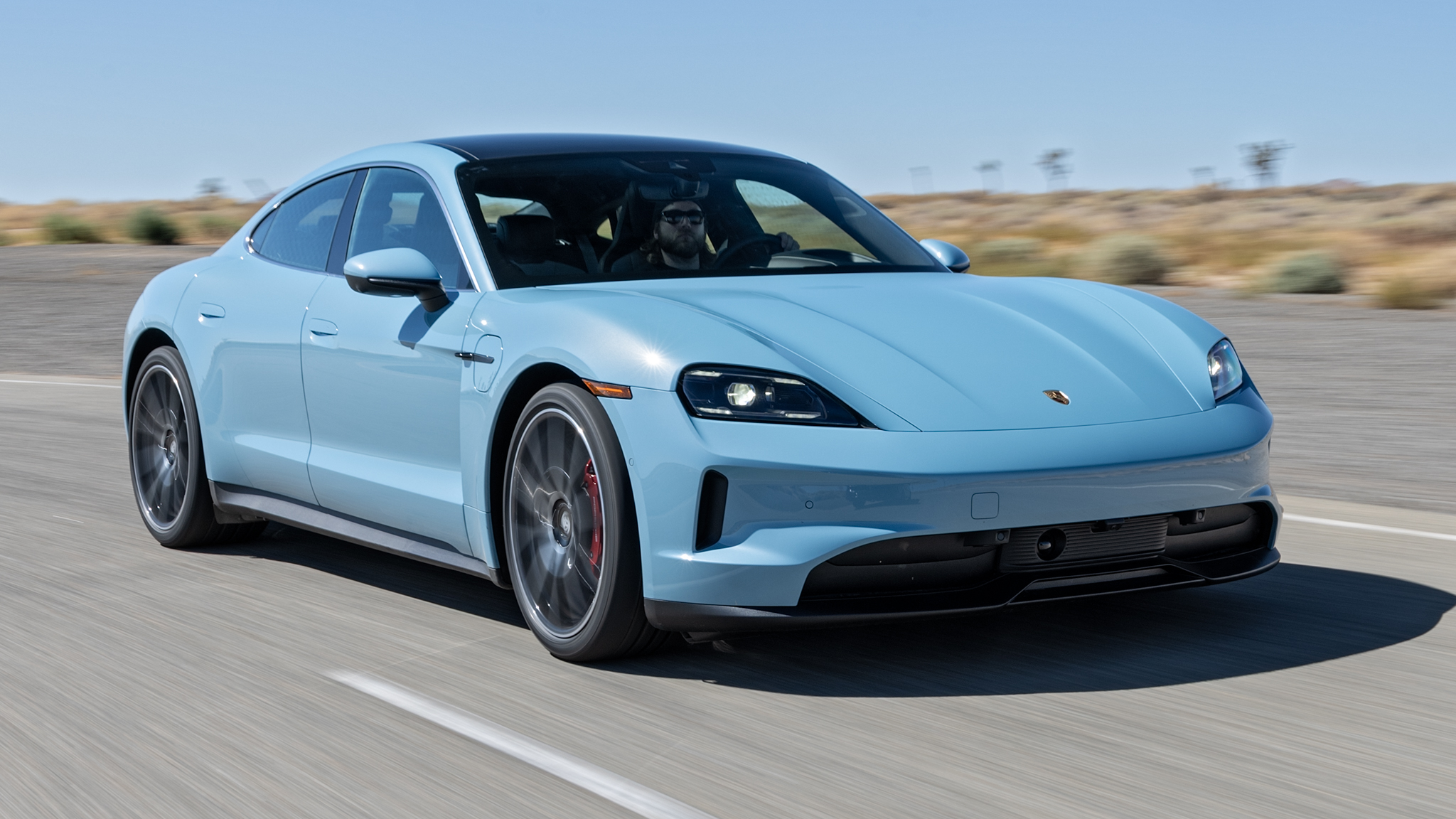
2. Porsche: up about 27%
Porsche was already expensive. It got worse. Its 10-year cost was $14,090 in the earlier edition. The next edition put it at $16,000. The latest edition lands at $17,900.
That is a $3,810 rise across the span. The latest single year added about $1,900, or roughly 12%. Both halves of ownership got pricier. The first five years went from $4,000 to $4,950. Years six to ten went from $10,090 to $12,950.
That second-half jump is about 28%. It is the larger of the two. Porsche’s reliability scores are often decent. Cost is a separate matter. Parts, specialist labor and performance-grade wear items drive it.
Brakes, tires and suspension components on a performance car are not cheap. Neither are dealer labor rates. CR also notes the gap inside the luxury group. Audi and BMW cost thousands less over a decade than Mercedes-Benz, Porsche and Land Rover.
Porsche’s five-year total of about $5,000 is roughly six times Tesla’s. That is a startling gap in the early years alone. Used Porsches are tempting at a discount.
That discount can vanish fast. A single out-of-warranty repair can wipe it out. Budget for the second five years, not the first. That is where Porsche’s real cost lives.
3. Toyota: up about 21%
Toyota is the surprise. It is among the cheapest brands to maintain. It is also getting more expensive fast. Its 10-year cost rose from $4,900 to $5,300 to $5,950. That is a gain of $1,050 across the span.
The latest year alone added about $650. That is a rise of roughly 12%. CR’s latest figure for Toyota is about $5,950. That still ranks third cheapest on the list.
So the headline is nuance, not alarm. Toyota is still a bargain. But the gap to its rivals is narrowing. Consider the cheapest brands. Lincoln and Buick sit at the bottom of the whole table. Buick has the lowest costs of any automaker, with Lincoln close behind.
Toyota’s rise fits a broader trend. Parts prices, shop labor rates and tire costs have all climbed across the industry. Even a reliable brand pays those prices when something wears out.
One more factor matters. Toyota offers complimentary maintenance on new vehicles. That keeps early costs low. But those perks cover scheduled service only. They do not cover brakes, tires or repairs after the free period.
Toyota still wins on predictability. A 21% rise on a low base is $1,050 over a decade. The same percentage on a Porsche would be several thousand dollars. That is why base cost matters.
4. Mercedes-Benz: up about 20%
Mercedes tells a two-part story. It jumped sharply, then eased slightly. Its 10-year cost was $10,525 in the earlier edition. The next edition put it near $13,100. The latest lands at $12,630.
The net rise is $2,105. The most recent year saw a dip of about $470. Don’t read that dip as relief. The brand is still roughly 20% costlier than it was in the earlier edition.
The five-year bill tells the same story. It rose from $2,850 to about $3,330 on the latest figures. Another outlet reports a five-year figure of $3,500, which earned Mercedes a bronze medal.
I’d treat the exact five-year number as approximate. Sources differ slightly. The direction is not in doubt. The gap to domestic luxury is stark. CR said Mercedes costs more than double what Lincoln does over ten years.
Mercedes is a complex machine. Air suspension, advanced electronics and layered driver aids are common even on mid-range models. When those parts fail out of warranty, the invoice shows it.
Mercedes also has a younger, more tech-heavy fleet than many rivals. More sensors mean more things that can fail. If you buy used, get a pre-purchase inspection from a specialist.
Ask about air suspension and electronic modules. Those are the typical big-ticket items. Mercedes is not the worst on this list. But it is the one where a “small” repair is rarely small.
5. Infiniti: up about 18%
Infiniti rose from $8,500 to $10,020 over ten years. That is $1,520 more. The latest figure puts Infiniti among the brands near $10,000. The first five years barely changed. They moved from about $2,150 to about $2,120. That is essentially flat.
So the rise is all in years six to ten. That stretch went from about $6,350 to roughly $7,900. That is a rise of about 24%. The brand’s early costs look tame. The later ones do not.
There is a reason for the flat early years. Infiniti introduced a complimentary maintenance benefit for the 2023 model year. Free scheduled service holds down early costs. It does nothing for repairs after the warranty ends.

This is a trap in the data. A brand can look stable at five years and surprising at ten. Infiniti’s older models also share parts with Nissan. That should help. But luxury-trim parts and Infiniti labor rates still carry a premium.
Infiniti has also been a smaller player lately. Fewer dealers and fewer specialist shops can mean less price competition. I can’t prove that from CR’s data. It is a plausible factor, not a finding. For buyers, the lesson is simple. Look past the five-year number. A cheap first half says little about the second half.
6. BMW: up about 16%
BMW’s 10-year cost rose from $9,500 to $11,000. That is $1,500 more. The latest ranking puts BMW fifth on the list of costliest brands. The first five years stayed at about $1,700. That is the free-maintenance effect again. CR names BMW among the brands with complimentary maintenance on new cars.
The back half did the damage. Years six to ten rose from about $7,800 to about $9,300. That is a rise of roughly 19%. That stretch is where BMW’s engineering shows its price tag. Cooling systems, gaskets and electronics are common culprits on older BMWs.
I would treat those as typical owner-forum themes, not CR findings. CR reports costs, not causes. Still, the pattern is consistent. BMW looks cheap early and expensive late.
BMW is also a useful middle case in the luxury group. It costs thousands less than Mercedes or Porsche over ten years. But it is not cheap. It costs well over double what Buick or Lincoln costs.
BMW’s gap to Audi is narrow too. Both sit in the $11,000 range. For used buyers, the free-maintenance period matters. It means the original owner may have paid little.
You may not. Ask for service records. Ask what was done after year five. A BMW at 70,000 miles may be about to enter its expensive years. Price it accordingly.
7. Audi: up about 15%
Audi’s costs rose from $9,890 to $11,050 to $11,350. That is a $1,460 rise across the span. The latest single year added about $300, or roughly 3%.
Audi’s rise was front-loaded. Most of it came in the middle edition. The five-year figure moved from $1,900 to $2,050. The second-half figure went from $7,990 to roughly $9,300.
That is about a 16% rise in the back half. Audi was fourth costliest in the earlier ranking. It is still fourth. That consistency matters. Audi has not moved up or down the table. It has simply gotten more expensive along with everyone else.
Audi’s five-year bill is about $2,050, according to one outlet’s account of CR’s data. That is higher than BMW’s for the same period. Audi shares platforms and parts with Volkswagen. That should cap some costs. But the premium trim, and the premium labor, still apply.
Audi also leans heavily on turbo engines and dual-clutch gearboxes. Those can be costly out of warranty. Again, that is general industry knowledge, not a CR finding.
For buyers, Audi sits in a middle band. It is costlier than Lexus or Acura. It is cheaper than Mercedes or Porsche. The slowing rise in the latest year is a mild positive. It suggests the brand may be leveling off. But slowing is not falling. Budget for the same cost, not less.
8. Volvo: up about 11%
Volvo’s 10-year cost rose from $9,285 to $10,330. That is a $1,045 increase. The latest list puts Volvo sixth on the costliest ranking. The second half drove it. Years six to ten went from $7,500 to about $8,800. That is a rise of roughly 17%.
Early costs are murkier. Sources report different five-year figures for Volvo. Some say about $1,530. Others say $1,775. I’d avoid leaning on either one. The 10-year total is the firmer number.
There is a policy change worth noting. Volvo scaled back its free maintenance to two years or 20,000 miles for the 2026 model year. Before that it covered three years or 30,000 miles.
That means newer buyers will pay sooner. Early-year costs should rise on the next survey. That is a forecast, not a finding. But it follows logically. Volvo’s reputation is safety. The cars deliver on that. But safety tech means sensors, cameras and radar.
Those parts are expensive to replace. A windshield with an embedded camera costs more than a plain one. Volvo’s rise is the second smallest among the European luxury brands here. That is a mild positive.
But “mild” still means over a thousand dollars more per car. And the free-maintenance cut will add to that. If you’re buying a 2026 Volvo, plan for earlier bills than owners of older ones had.
9. Subaru: up about 10%
Subaru is the odd one out. It is the only mainstream brand on CR’s list of costliest. Its 10-year cost rose from $7,200 to $7,920. That is $720 more. CR’s latest figure for Subaru is about $7,920. The earlier edition showed $1,700 for the first five years and $5,500 for the next five.
That ratio matters. Subaru’s costs are low early and ramp up later. Several factors may explain why. Subaru’s boxer engines, all-wheel-drive systems and CVTs add complexity.
Head gaskets on older boxer engines are a well-known concern. Again, that is general owner lore, not CR data. Another thing to note is the cheaper brands around it. Lexus costs about $7,400 over ten years.
Subaru now costs more than that luxury brand. That is a striking comparison. It is also costlier than Honda, Mazda and Hyundai. The gap to Toyota is about $2,000.
Subaru buyers often keep their cars a long time. That is part of the brand’s appeal. But long ownership means more years in the expensive second half.
A 10% rise is the smallest on this list outside Land Rover. But it moves a mainstream brand further from its peers. If you own a Subaru past 100,000 miles, set money aside. If you shop for one, compare it against a Toyota for the long haul.
10. Land Rover: net flat, but up 12% last year
Land Rover is the most expensive brand on CR’s list. It is also the one with the strangest trend. Its 10-year cost went from $19,250 to $17,450 to $19,460. The net change is only $210. But the latest year jumped about $2,010, or roughly 12%.
CR’s latest figure is $19,460 over ten years, with $5,560 in the first five. That is a large first-half number. It is also higher than the earlier first-five figure of $4,250. That is a rise of about 31%.
The second half moved the other way. It dipped from $15,000 to about $13,900. So the brand’s newer cars cost more early. Its older cars cost slightly less late. That may reflect fewer very old, high-mileage models in the sample.
I can’t confirm that from CR’s data. It is an inference. Either way, the ranking is stable. Buick and Lincoln each cost about a quarter of what Land Rover does over ten years.
Toyota’s 10-year cost is under $6,000. You could maintain about three Toyotas for the price of one Land Rover. Several Land Rover models also appear on CR’s least reliable list. Reliability and cost compound each other here.
Land Rover ranks tenth on my list only because it started so high. It is still the most expensive brand to keep on the road. If you buy one, treat repair money as a line in the monthly budget. Do not treat it as a surprise.