Buying a car is only the first bill. The real cost arrives slowly over the next decade. Brakes wear out. Batteries die. Sensors fail. Each visit to the shop adds up.
Two respected data sources help us see this clearly. Consumer Reports surveys its members every year. They report what they actually paid out of pocket.
CarEdge takes a different route. It studies millions of real service records. It then estimates ten-year maintenance and repair totals for each model.
Both sources point the same way. Toyota dominates the low-cost end. Tesla, Buick and Honda also appear often. Luxury German brands sit at the other extreme. Their ten-year bills can run three to four times higher.
This list focuses on individual vehicles, not just brands. Each one carries a low estimated ten-year total. Figures are rounded and based on the latest published estimates.
Your own costs will vary. Driving habits, climate and mileage all matter. Still, these numbers are a strong guide. They show where your money is safest.
1. Toyota Yaris
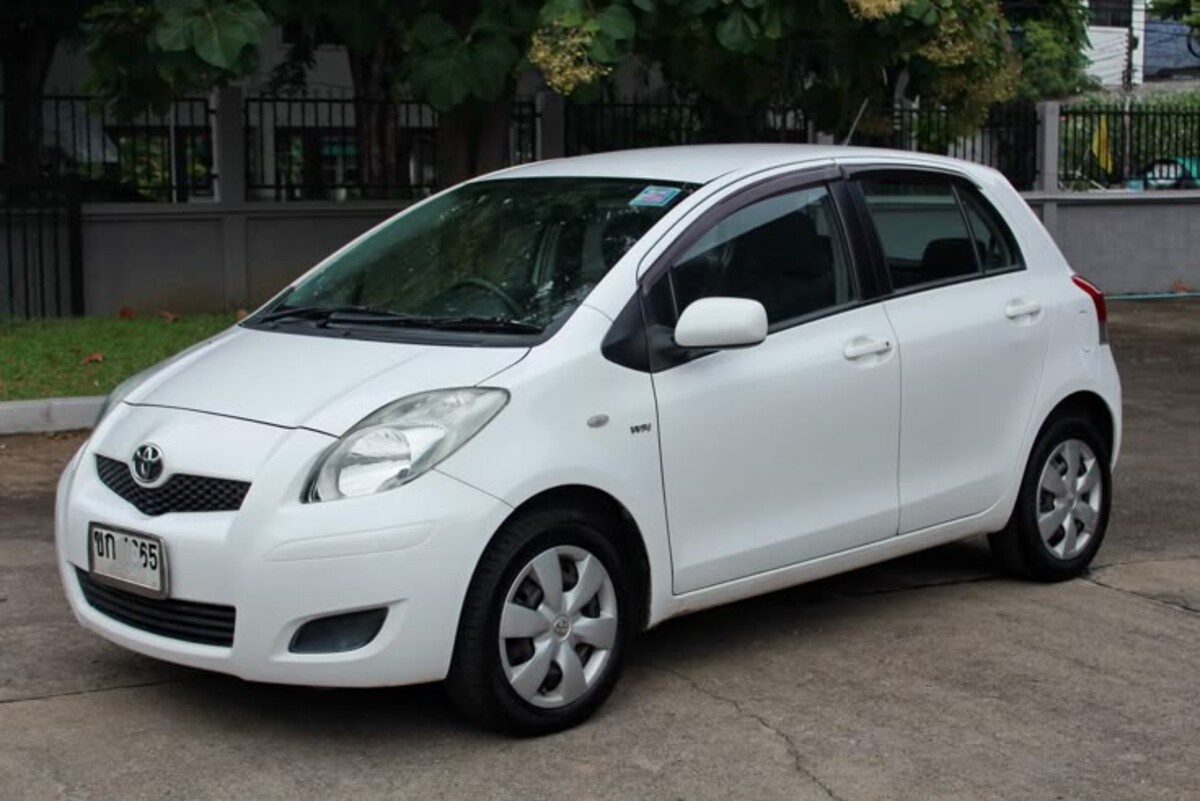
The Yaris is a tiny hatchback with a huge reputation. CarEdge puts its ten-year upkeep near $4,027. That is among the lowest totals in the entire market. It is roughly half the industry average.
The car is simple by design. It has a small engine and a basic transmission. Few things can go wrong. Fewer parts mean fewer failures. They also mean cheaper fixes.
Independent shops know the Yaris well. Parts are plentiful and inexpensive. Labor is quick. Routine service is the main expense. Oil changes, tires, and brake pads cover most of the bill.
Major repairs are rare. The engine and gearbox tend to last well past 150,000 miles. The Yaris is also light. Light cars are gentle on tires and brakes. That trims the bill further.
Toyota as a brand ranks near the top in Consumer Reports data. Its ten-year average sits around the $4,900 to $5,900 range. The Yaris beats even that.
There is a catch. The Yaris is no longer sold new in many markets. Buyers must look at used examples. A used Yaris is still a smart pick. Check the service history. Look for even tire wear.
This car rewards owners who like simplicity. It will not wow you with power. It will not drain your wallet either. For pure low cost, the Yaris sets the benchmark. Few vehicles can match its decade of calm ownership.
2. Toyota Prius
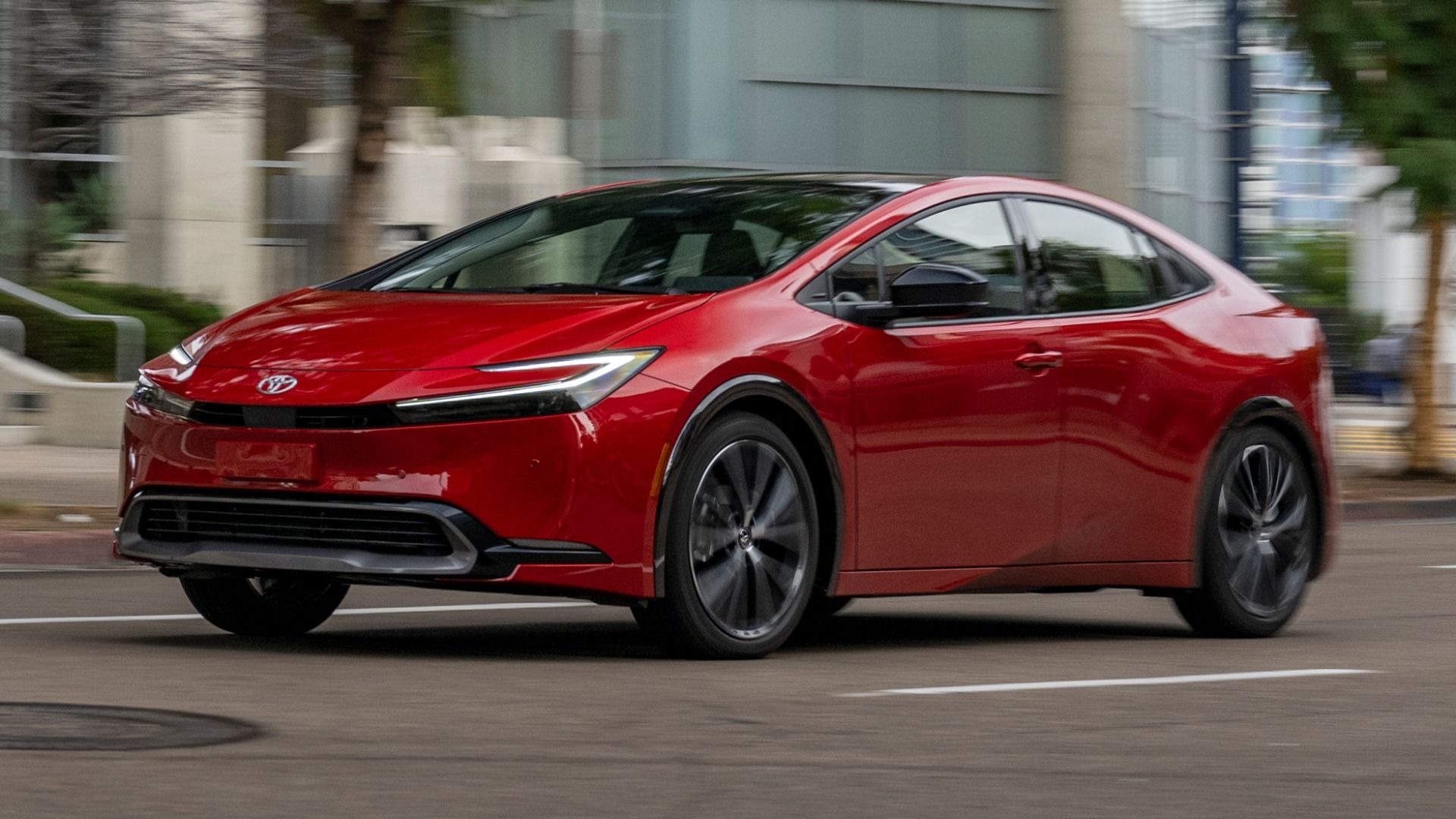
The Prius is the hybrid that proved cheap ownership is possible. CarEdge places its ten-year total at about $4,033. That is remarkable for a car with two power sources. Many expect hybrids to be fragile. The Prius proves otherwise.
Regenerative braking is the secret. The electric motor slows the car first. The brake pads barely work. Pads and rotors often last far longer than normal. That saves hundreds of dollars.
The engine also runs less often. It stops at lights and in slow traffic. Less running means less wear. The hybrid battery causes worry for some buyers. Toyota has built them to last for years. Many exceed 150,000 miles.
Toyota also backs them with long warranties. That lowers risk in the first decade. The Prius uses a simple eCVT design. It has no conventional belt or clutch. There is far less to replace.
Taxi fleets have proven this. Many Priuses rack up huge mileage with few issues. Fuel savings add to the benefit. That is not a repair cost. Still, it lowers the total cost of owning one.
Watch for older models. Their batteries may need attention. A used car with a recent battery check is ideal. For families wanting efficiency and low bills, the Prius is hard to beat. It is dependable, frugal, and proven.
3. Toyota Corolla
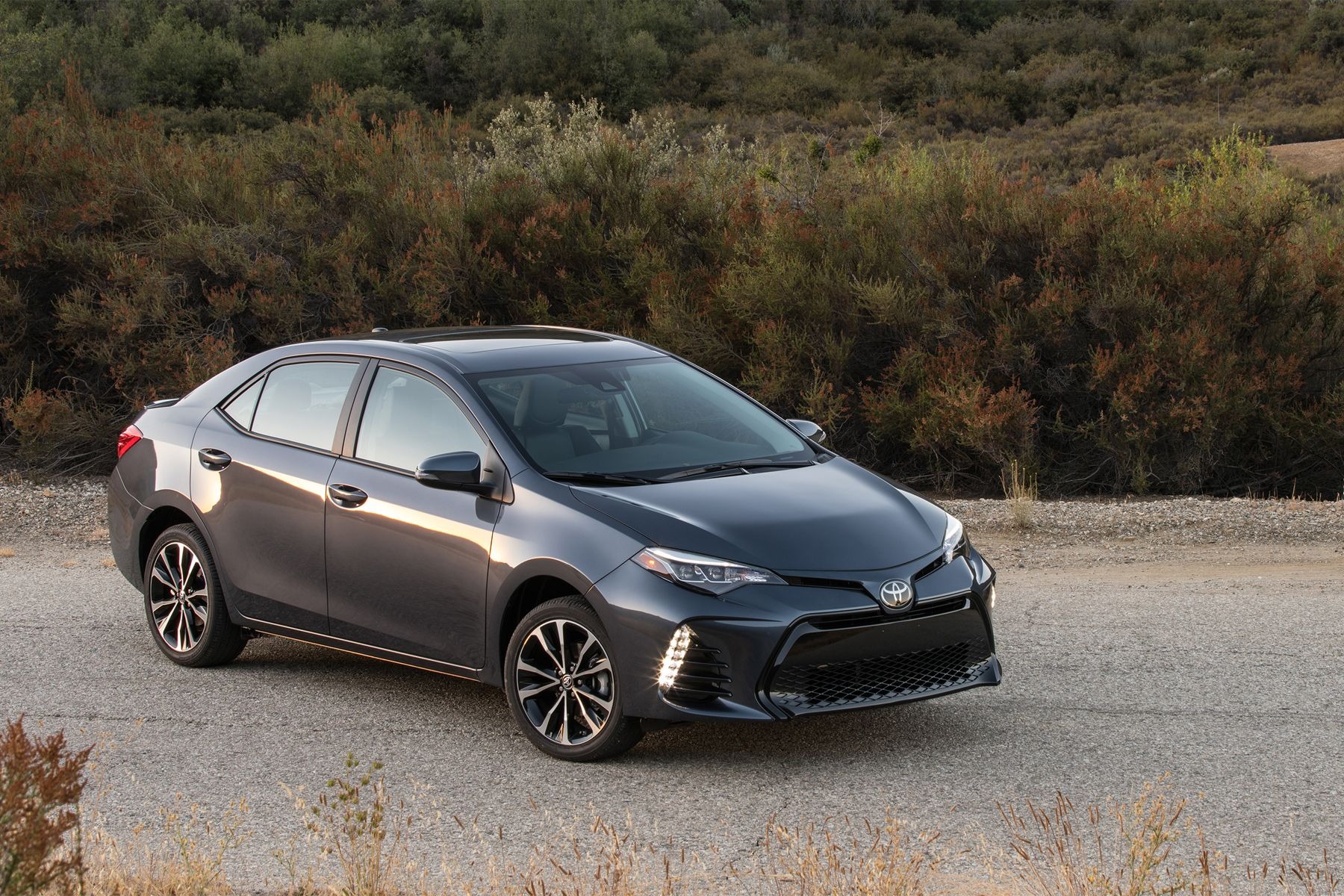
The Corolla is the world’s best-selling nameplate for good reason. CarEdge estimates ten-year upkeep near $4,083. It is the definition of dependable. Millions of owners can vouch for it.
Its engines are well understood. Mechanics have worked on them for decades. There are few surprises. Parts are cheap and everywhere. A brake job costs less than on most rivals. Even a new alternator is affordable.
Toyota keeps the design conservative. It avoids unproven technology. That choice protects owners from costly failures. Consumer Reports often rates the Corolla highly for reliability. Low repair frequency drives the low total.
The numbers show up in the major-repair odds too. The chance of needing a big fix is small. Maintenance schedules are simple. Oil, filters, tires and brakes dominate. Nothing exotic appears on the list.
Even in years eight to ten, bills stay modest. Many cars climb sharply by then. The Corolla climbs gently. Resale value is strong too. That helps cost, even if it is not a repair figure.
Hybrid versions add efficiency. They also keep repair costs low, thanks to Toyota’s long hybrid experience. If you want a car you can forget about, this is it. Change the oil, rotate the tires, and drive. The Corolla may not excite. It will quietly save you thousands.
4. Toyota Prius Prime
The Prius Prime is a plug-in hybrid. You would expect higher costs. CarEdge shows the opposite. Its ten-year total is about $4,098. That is startlingly low for a plug-in.
Year one costs roughly $164. By year ten, the annual cost reaches about $736. The chance of a major repair is about 11.2 percent. That is well below many mainstream cars.
Why so low? It shares proven hybrid hardware with the standard Prius. Toyota has refined this system for over two decades. The Prime adds a larger battery and a charging port. These add little complexity.
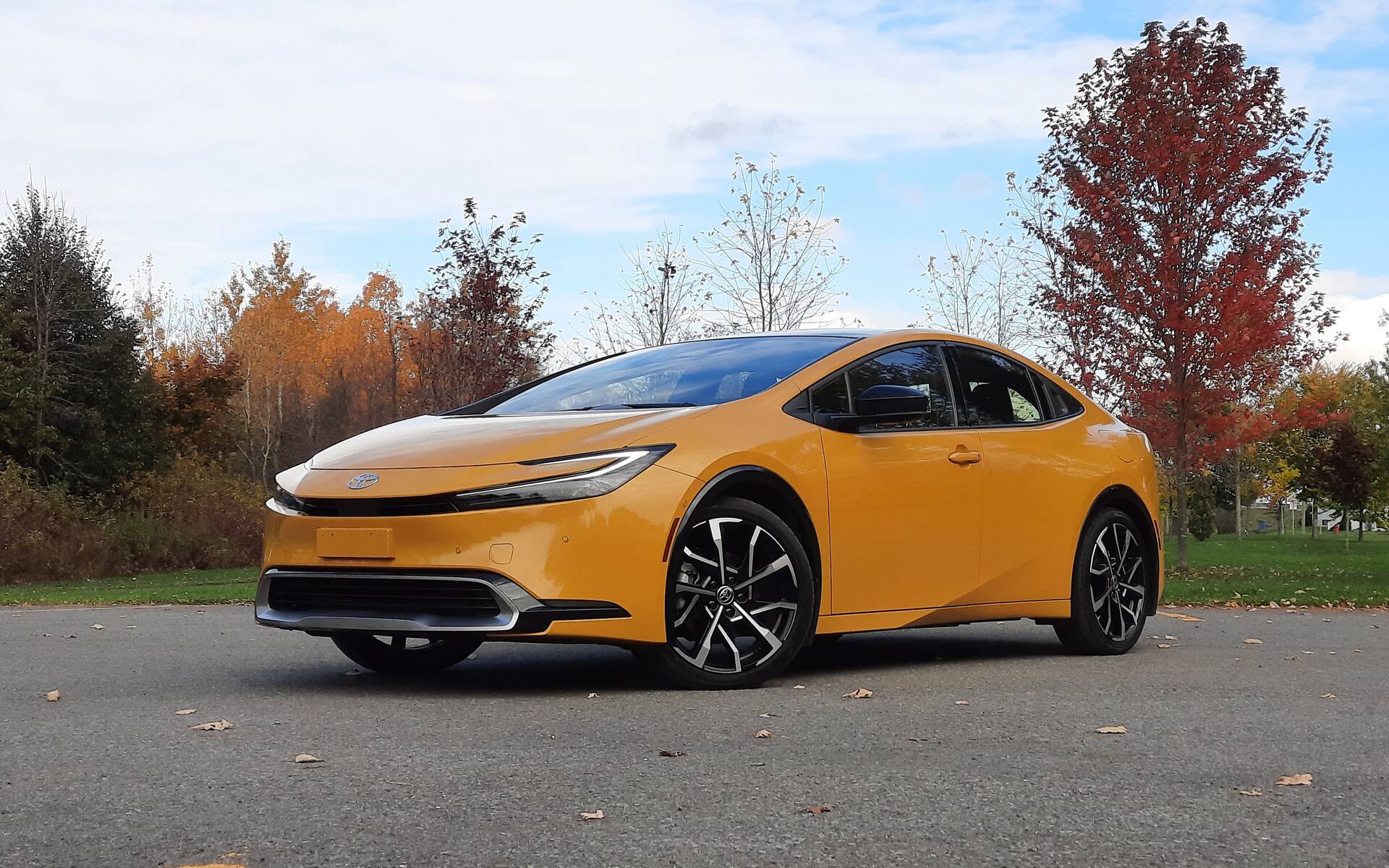
Because you can drive on electric power, the engine runs less. Less engine time means less wear. Brakes benefit, too. Regenerative braking does much of the stopping. Pads last longer.
There is less oil to change in practice. Many owners see long gaps between engine use. Toyota covers hybrid components with generous warranties. That shields owners early on.
One caution applies. Out-of-warranty battery replacement is costly. Still, failures remain uncommon. Charging equipment at home is an upfront cost. It is not a repair expense.
Keep that separate in your budget. For buyers who want electric driving without range worry, the Prime shines. It pairs low repair spending with real fuel savings.
5. Toyota Avalon
The Avalon is a large, comfortable sedan. You might expect higher bills. It delivers the opposite. CarEdge estimates ten-year upkeep near $4,409. That is exceptional for a big car.
Part of the reason is its V6 and conventional automatic. Both are mature, proven designs. Toyota built the Avalon for older, careful buyers. Many were garaged and maintained on schedule. That helps used examples.
Consumer Reports has long praised its reliability. Few owners report serious problems. Large cars usually cost more to fix. They have bigger tires and brakes. The Avalon bucks that trend.
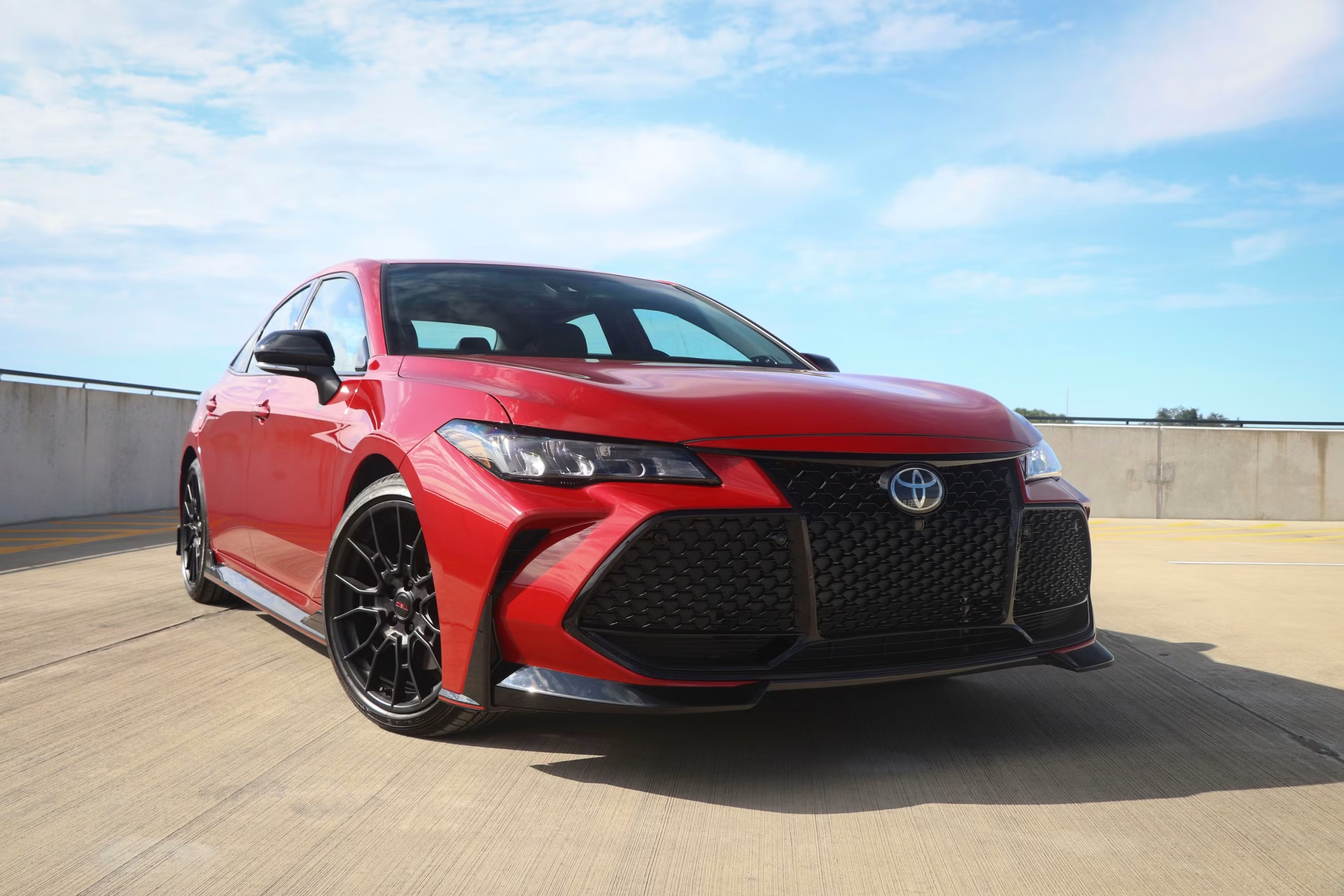
It shares many parts with the Camry. Shared parts mean lower prices and easy availability. The cabin holds up well, too. Electronics rarely misbehave. Squeaks and rattles are rare.
Maintenance is simple. Fluids, filters, tires and brakes cover most needs. Even the hybrid version holds its own. It uses Toyota’s trusted hybrid system.
The Avalon is now discontinued. That makes used shopping the only route. Look for one-owner cars with full records. Those tend to be gems. If you want space and comfort without surprise bills, this is an excellent choice. It feels like a luxury car. It costs like an economy car.
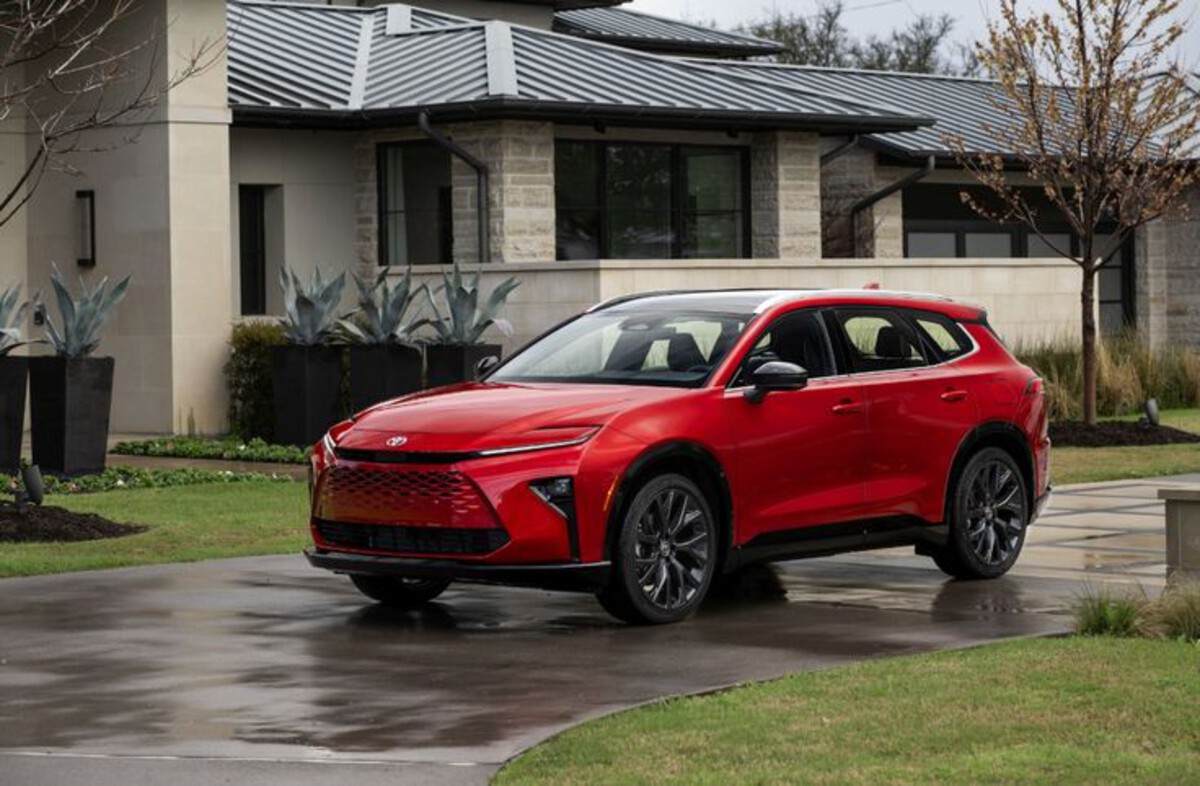
6. Toyota Crown
The Crown is a newer entry on this list. It adds a bold, modern look to Toyota’s reliable formula. CarEdge estimates ten-year upkeep at $4,895. That is about $1,110 below a RAV4. It is roughly an 18.5 percent saving.
That is impressive, given the RAV4 itself is cheap to keep. The Crown uses hybrid power. It pairs a gas engine with electric assistance. The system is familiar and proven.
The platform is shared with other Toyota models. That helps parts supply and repair knowledge. It is a newer car, so long-term data is still forming. The estimate relies on model similarity and early records.
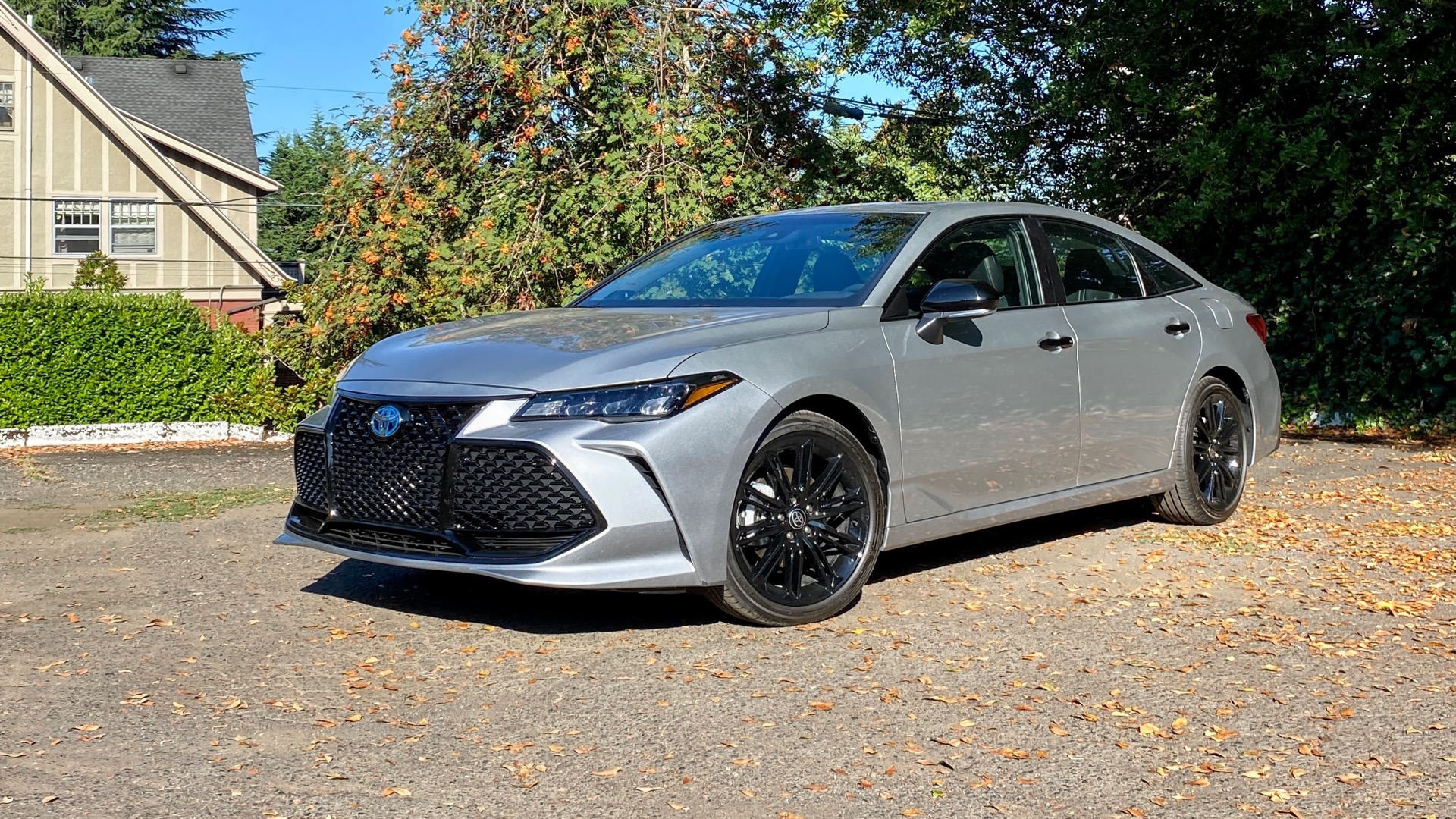
Early signs are good. Toyota’s reliability record gives confidence. Hybrid braking again helps. Pads and rotors wear slowly. The Crown sits higher than a typical sedan. It blends sedan and crossover traits. Yet it avoids the complex features that drive up repair bills.
Tires are an area to watch. Larger wheels cost more to replace. Choose sensibly when buying. Warranty coverage protects early years. Toyota’s hybrid battery cover is generous.
If you want style plus savings, the Crown makes a strong case. It looks fresh and runs on proven tech. It will cost slightly more than a Corolla. It still beats most rivals by a wide margin.
7. Honda Fit
The Fit is a small hatchback with a cult following. CarEdge pegs its ten-year upkeep near $5,062. That is a very reasonable bill. It comes from a car that is clever and simple.
Honda engineered the Fit for efficiency. Its engine is small and durable. It does not strain itself. The interior is famously roomy. The mechanics are plain and well proven.
Honda’s reliability record backs this up. Consumer Reports has rated the Fit well for years. Timing chains, not belts, are used in many versions. That avoids a costly replacement job.
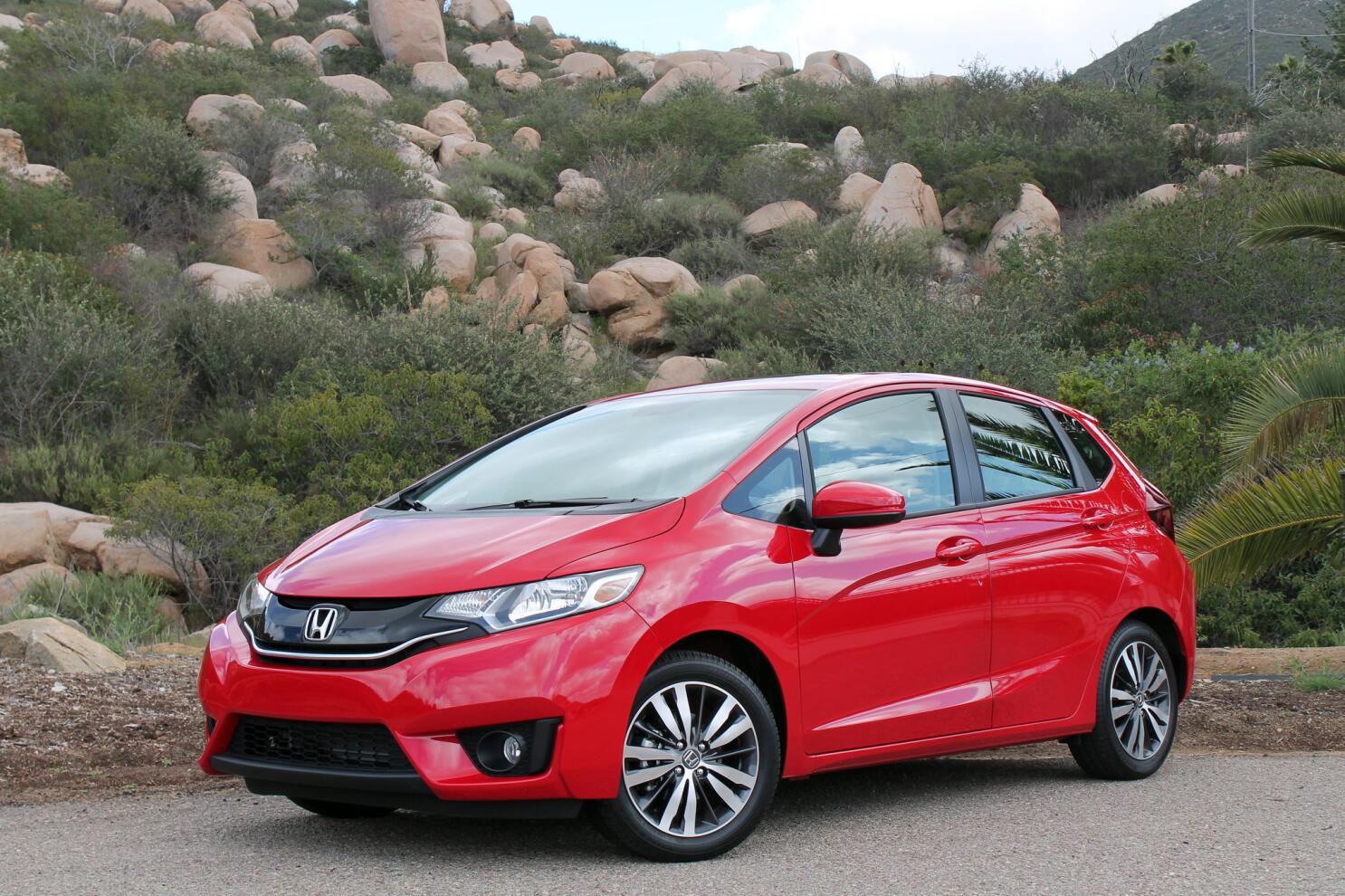
Parts are cheap. Many are shared with other Honda models. Aftermarket choices abound. Independent mechanics love the Fit. Labor costs stay low because the work is easy.
Some owners note suspension wear on rough roads. Struts and bushings may need attention. These are modest expenses. The CVT in later models is generally reliable. Regular fluid changes help it last.
Like the Yaris, the Fit has left new-car showrooms in many markets. Used buyers can still find good ones. Check the maintenance history carefully. Fit owners often drive them hard.
Even so, this car punches above its price. It is practical, thrifty and tough. Its ten-year total sits comfortably below the market average. For a small car with big utility, that is a win.
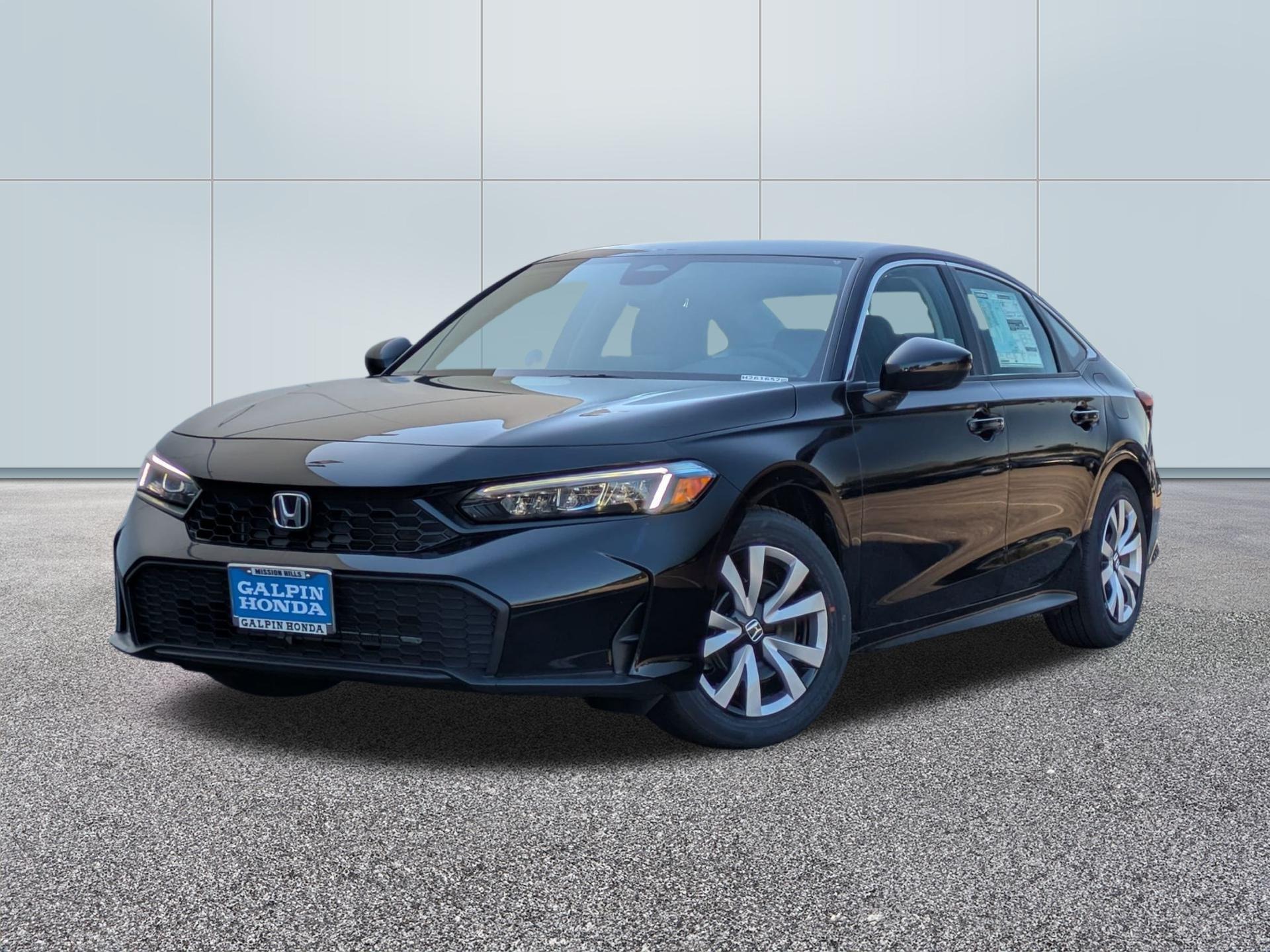
8. Honda Civic
The Civic is Honda’s best-known model. It is also a quiet champion of low repair bills. CarEdge puts its ten-year upkeep near the low $5,000s. That total beats the industry average comfortably.
The Civic offers a wide range of versions. There are sedans, hatchbacks and sporty trims. Costs vary a little among them. The core engines are durable. Honda has refined them for decades. Many reach 200,000 miles.
Consumer Reports regularly scores the Civic well for reliability. Few owners report major breakdowns. Parts are widely available. Prices are low. Competition among suppliers keeps them that way.
Maintenance is straightforward. Oil changes, brakes and tires dominate. The Civic’s popularity helps, too. Mechanics see so many that they diagnose quickly.
Some turbocharged versions need a little more care. Oil quality matters. Skipping changes can cause problems. Older Civics had occasional air conditioning or paint issues. Newer models have fewer complaints.
Honda also backs the car with solid resale value. That lowers true cost over time. Choose a car with a clear history. Avoid heavily modified examples. For a balance of fun and thrift, the Civic is hard to beat. It rewards owners with low bills and strong dependability.
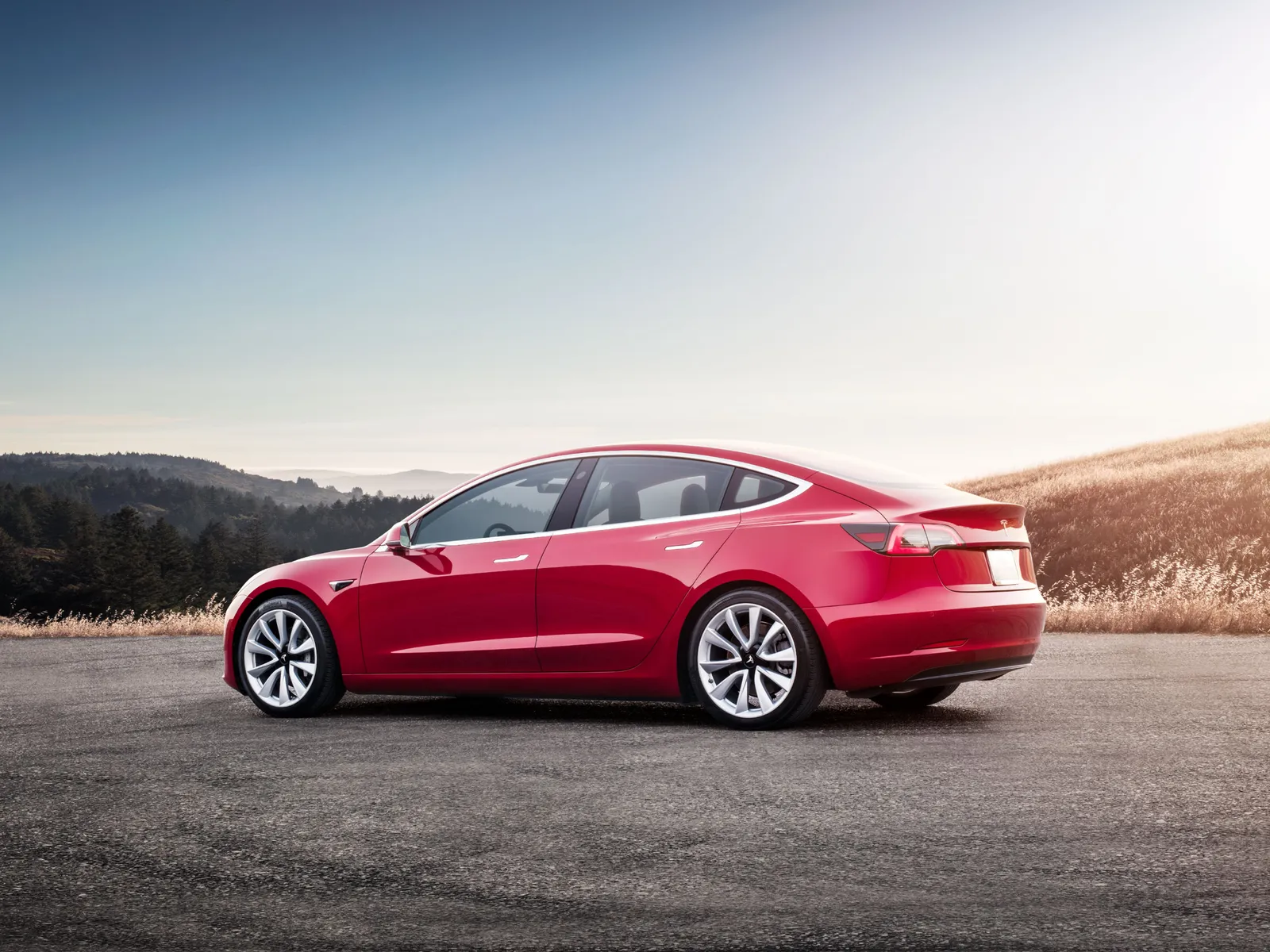
9. Tesla Model 3
Tesla leads Consumer Reports’ brand ranking for low repair and maintenance spend. Its ten-year average is about $4,035. Owners pay roughly $580 in years one to five. They pay about $3,455 in years six to ten.
The Model 3 is the brand’s volume car. It reflects this advantage clearly. Electric cars have far fewer moving parts. There is no oil, no spark plugs and no exhaust. Whole categories of service vanish.
Regenerative braking saves pads and rotors. Many owners go years without a brake job. Tires are the main regular cost. Electric cars are heavy and quick. They wear tires faster.
Software updates arrive over the air. Some fixes need no shop visit at all. Beware the other side of the ledger. Collision repair can be expensive. Body panels and sensors cost more.
Out-of-warranty battery or drive unit failures are rare but costly. Warranties help in the first eight years. Build quality has been uneven in some years. Panel gaps and trim issues appear in owner reports.
Even so, routine repair bills stay low. The survey data supports that. Over ten years, the Model 3 saves on service. It does not necessarily save on insurance. Think of it as a low-maintenance car with high-cost accident risk. For careful drivers, it can be a bargain.
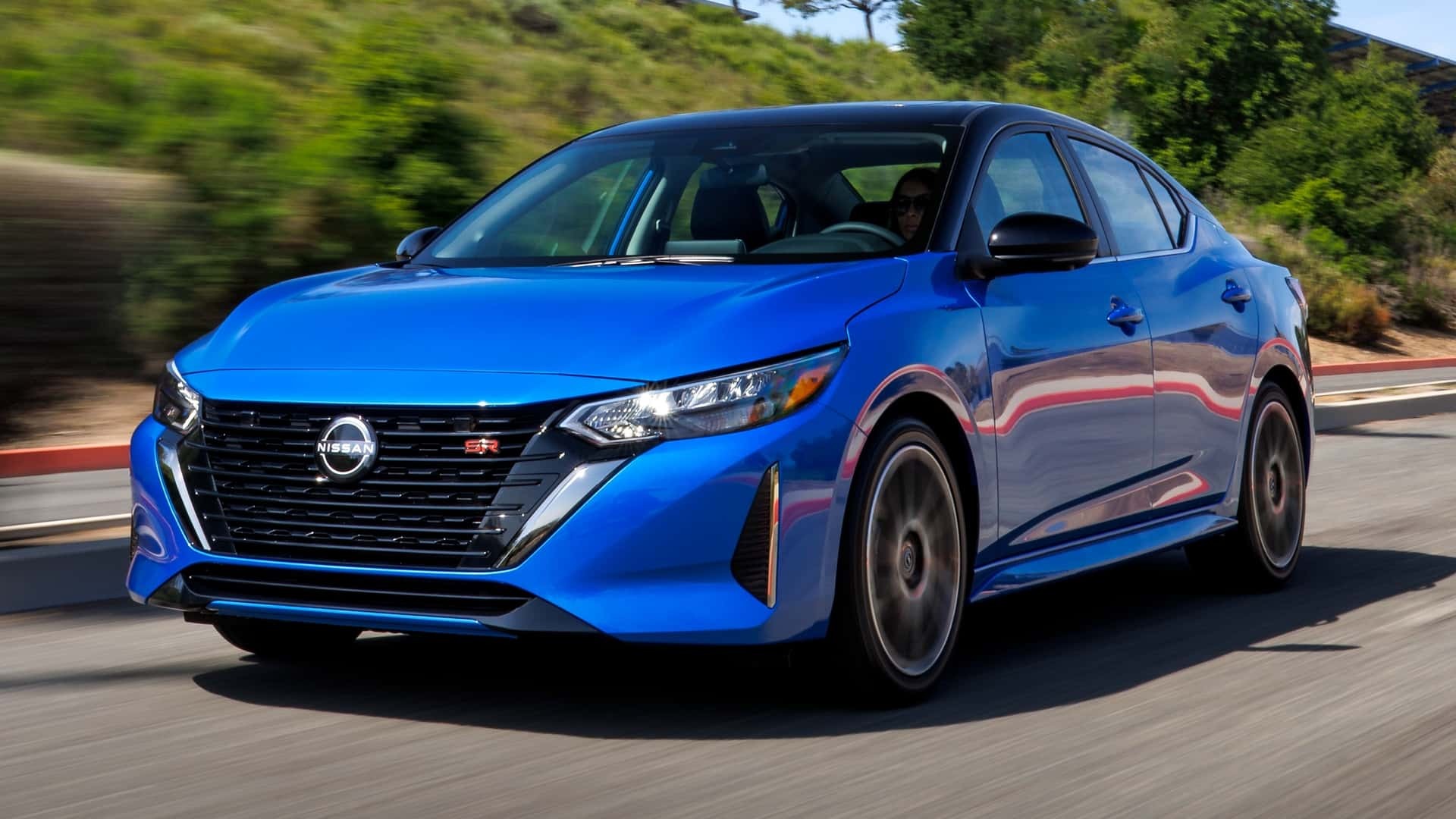
10. Nissan Sentra
The Sentra rounds out the list. It is a value compact with a cheap ten-year profile. CarEdge estimates upkeep near $5,441. Year one costs about $184. By year ten, annual costs are near $1,022.
The chance of needing a major repair is about 16.4 percent. That is lower than many peers. The Sentra’s strength is simplicity. It uses a small engine and a straightforward layout.
Parts are cheap. Nissan’s huge sales volume keeps supply strong. Independent shops can handle most jobs. That keeps labor bills reasonable. One point needs care. Many Sentras use a CVT. Early versions had a poor reputation.
Newer designs have improved. Regular fluid changes are important. Consumer Reports notes that some brands offer free maintenance early on. That can distort short-term numbers. Always read the fine print.
Tires, brakes, and fluids make up most expenses. Nothing exotic appears. Interior wear is typical for the class. Plastics are basic but hold up. Used Sentras make sense for budget buyers. Verify the transmission history before buying.
The Sentra will not match a Toyota in long-term toughness. It still beats the market on cost. For shoppers on a tight budget, it is a sensible and affordable choice.