Reliability and repair cost are not the same thing. Many shoppers assume a car that breaks often must also cost a fortune to fix. That is not always true.
Consumer Reports tracks both numbers. Its yearly survey of members measures how many problems owners report. Its cost data shows what owners actually spend on maintenance and repair.
Put the two side by side and an odd group appears. Some vehicles have weak reliability scores yet cheap repair bills. Others have mediocre scores but low long-term costs.
Several things cause this. Electric cars have fewer moving parts. Domestic brands often have cheap, widely available parts. Simple mechanical designs keep labor bills low.
Consumer Reports found that Tesla averaged about $5,050 in maintenance and repair over ten years. Lincoln came in near $5,200 and Buick near $5,300. All three have uneven reliability histories in some models.
This list is built on that gap. Each vehicle below has a weak or inconsistent reliability record. Each also tends to be affordable to keep on the road. Treat this as a cost-versus-risk guide.
The cheap bills do not erase the frustration of frequent trips to the shop. Read each entry with that trade-off in mind. Model-year details matter a great deal. Scores shift each year as new survey data arrives. Always check the exact year you plan to buy.
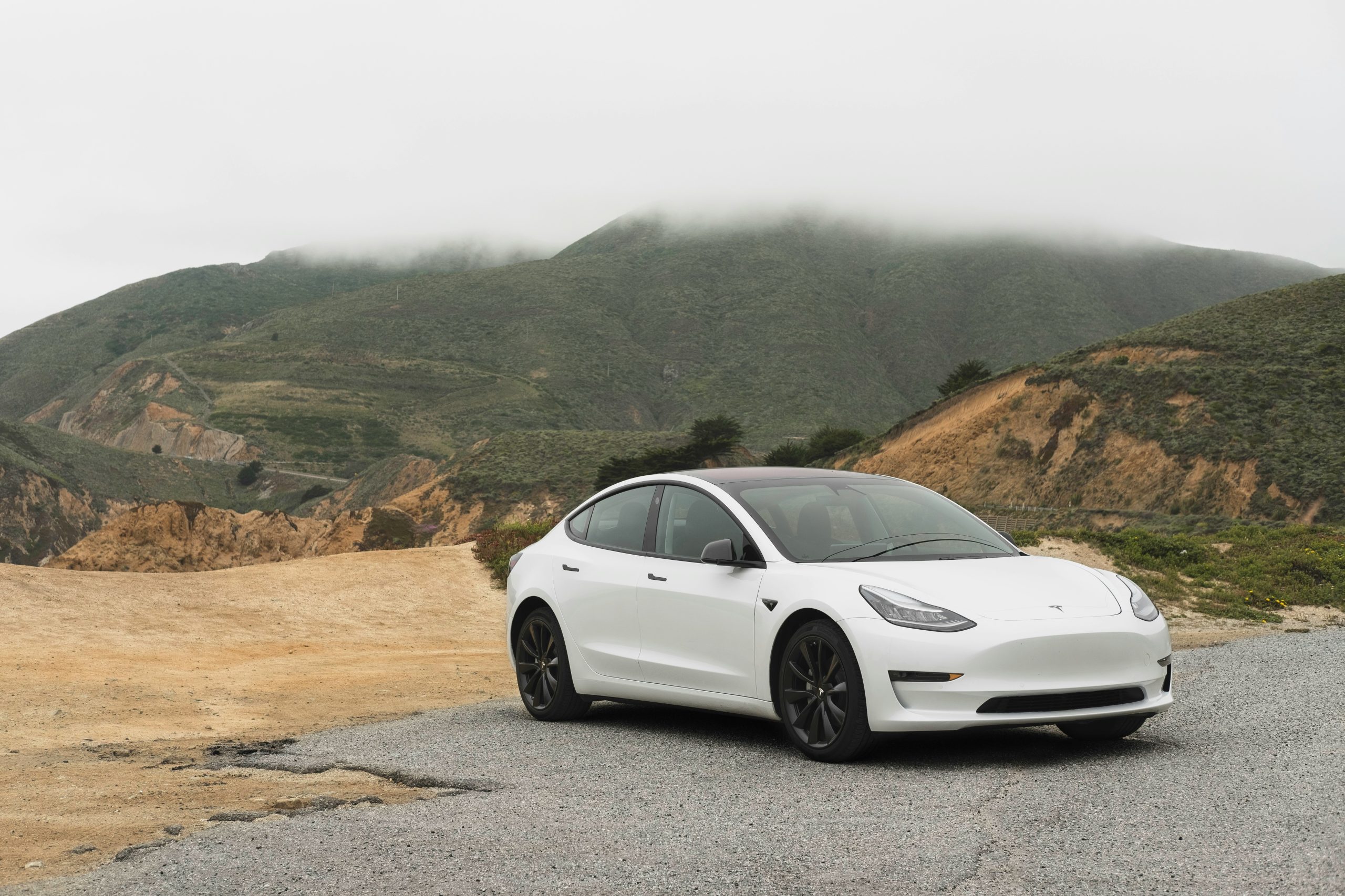
1. Tesla Model Y
The Model Y is a best-seller. It is also one of the most debated vehicles for reliability. Owners report issues with body fit, trim, and electronics. Consumer Reports has called the Model Y less reliable than the Model 3 or Model S. Panel gaps and paint flaws come up often.
Software glitches and sensor faults appear too. Yet the repair costs stay low. Tesla, as a brand, ranked first for the lowest ten-year costs. The average was about $5,050.
The first five years are especially cheap. Brand-wide, owners spent roughly $730 in that window. Costs rise later, when out-of-warranty parts start to fail.
There is no oil to change. There is no timing belt or exhaust system. Brake pads last longer thanks to regenerative braking. Tires are the main routine expense. Heavy EVs wear them faster. A set can be a real cost.
Collision repair is the hidden risk. Body parts and specialized labor can be expensive. Insurance premiums often reflect this. The low bill depends on staying within warranty. Battery and drive unit coverage runs for years. Large failures after that can be very costly.
Many problems are also fixed by software updates. That saves a shop visit. It also means some faults vanish without a bill. The Model Y suits owners who accept small annoyances. It rewards those who want low routine costs. It punishes those who expect flawless build quality.
Check the build year before buying used. Early production runs had more flaws. Later builds have generally improved. Buy a model with a clean service history. Ask about prior body work. That single step can save thousands.
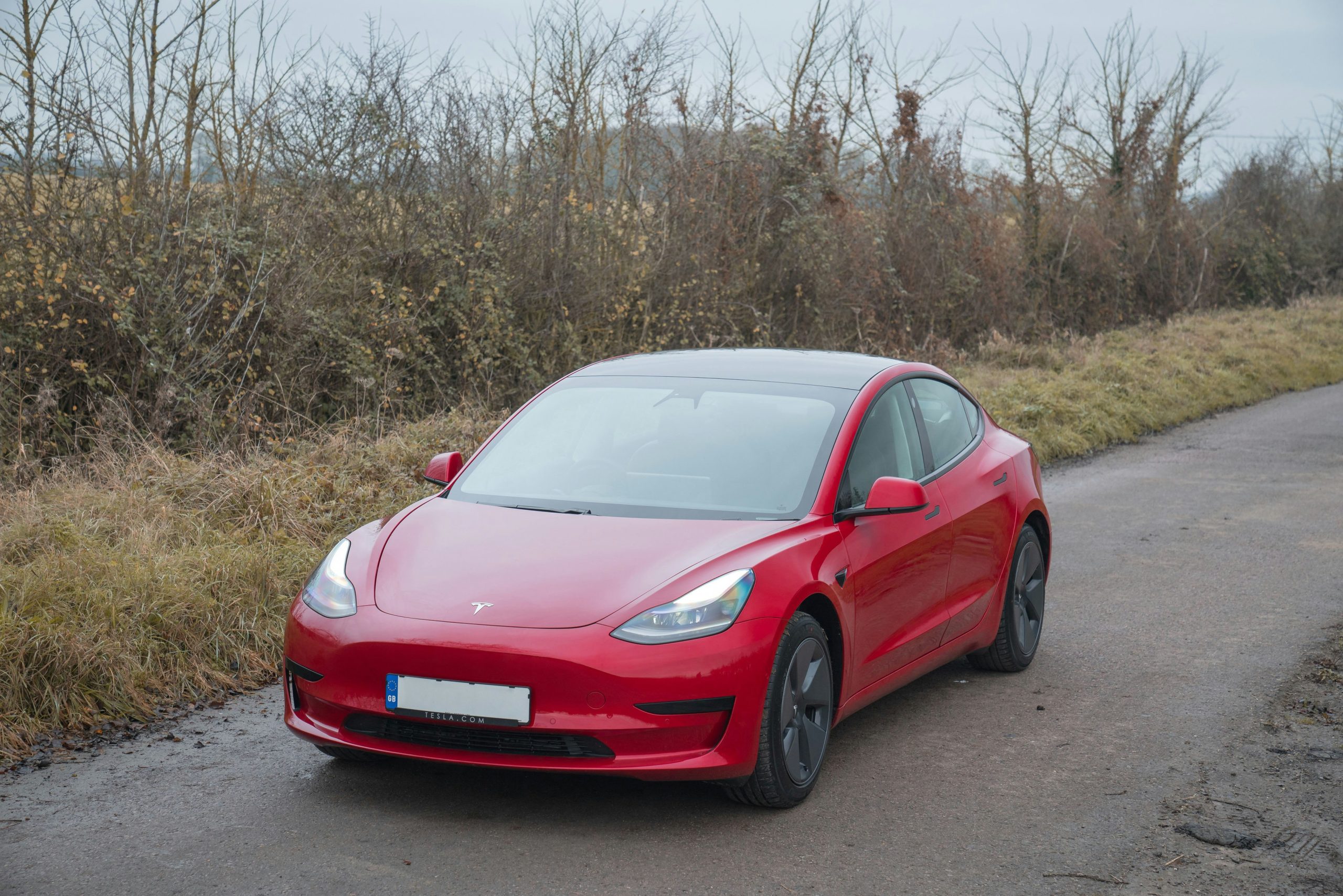
2. Tesla Model 3
The Model 3 is the older sibling of the Model Y. Its record is stronger. Consumer Reports has noted that recent Model 3 examples look solid. Still, the car does not top reliability charts. Owners report trim issues and occasional electrical faults. Some report suspension noise and tire wear.
The cost side is where it shines. Like other Teslas, it avoids most routine engine work. There are no fluids to flush in the usual sense. Annual maintenance is mostly tires, cabin filters, and wiper blades. Brake fluid needs checking now and then. The list is short.
Over ten years, the brand average sits near $5,050. A Model 3 usually tracks near that figure. That is far below many luxury sedans. Compare that with German rivals. Some luxury brands cost more than double Tesla over a decade. The gap is large.
The Model 3 is also simpler than a gas sedan. Fewer parts mean fewer things to fail. That helps the cost column even when the reliability column wobbles.
Repairs outside warranty can still sting. A failed screen or control module is pricey. Suspension arms have drawn complaints in some years. Parts availability has improved over time. Independent shops now work on these cars. That has helped bring prices down.
Insurance can offset your savings. Rates for the Model 3 often run high. Factor that into your total cost. This car fits commuters who drive a lot. High mileage shows off the low running costs.
Gas savings add to the benefit. Choose a later model year if you can. Early cars show more wear and more complaints. A certified used example offers extra protection.
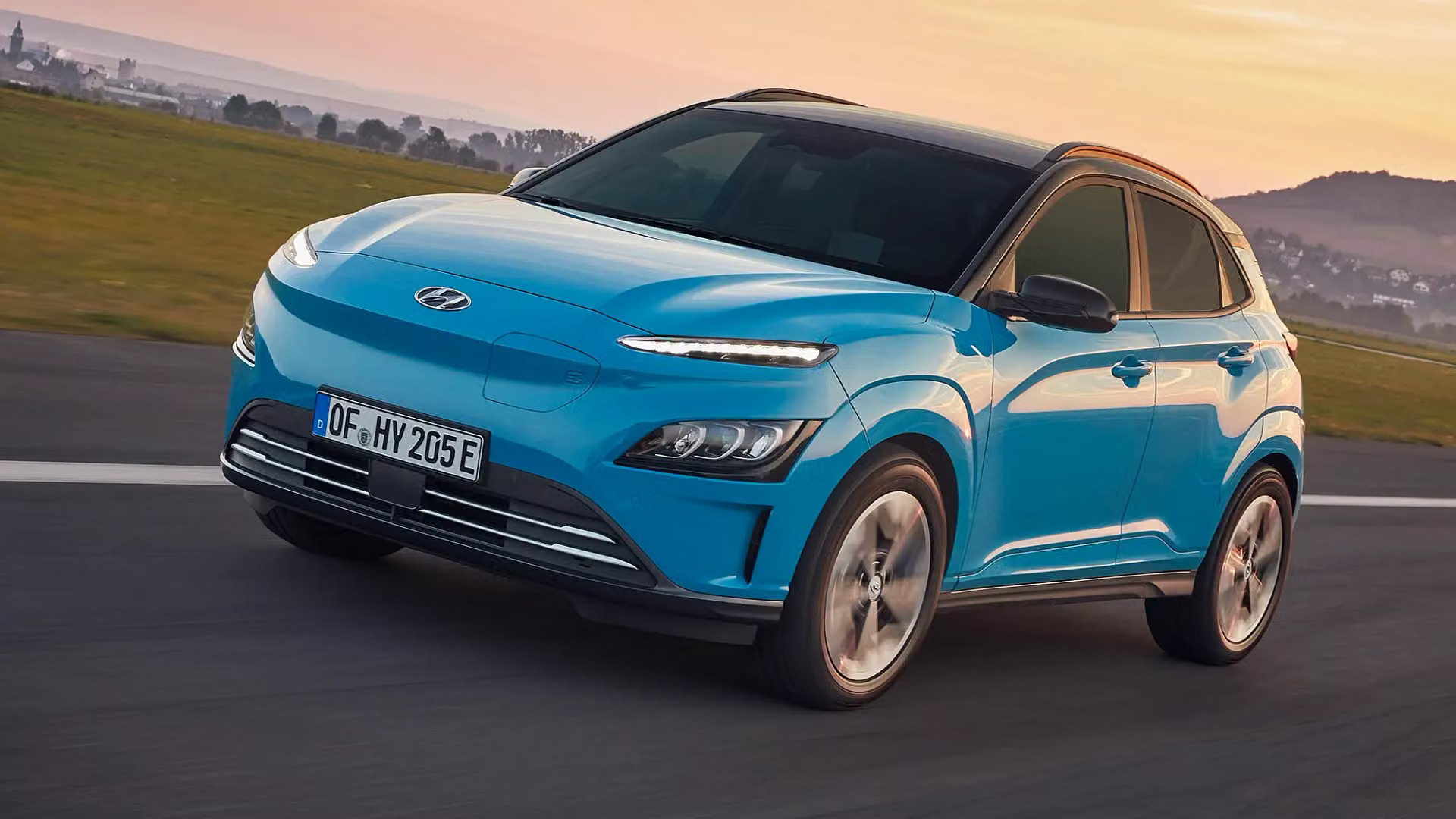
3. Hyundai Kona Electric
The Kona Electric scored poorly in a recent Consumer Reports list. It posted a reliability score of just 5 out of 100. That placed it near the bottom of all vehicles.
Owners reported problems with the electric system and charging. Some also noted issues with software and displays. The score reflects many small and large faults.
Still, this is a low-cost vehicle to own. Electric drivetrains cut routine maintenance sharply. There are no oil changes or spark plugs. Brake wear is gentle thanks to regeneration. Tires and cabin filters make up most of the bill. Annual costs can be very modest.
Hyundai also backs its EVs with long warranties. Battery coverage runs for years. That protects owners from the worst failures. A warranty changes the math. A weak reliability score hurts less if repairs are free. The risk is mostly lost time.
Charging faults are the leading annoyance. Some owners have found slow or failed charging sessions. Software updates have fixed many of these. Outside warranty, a battery replacement would be costly. That is the main long-term risk. Few owners face it within normal ownership windows.
The Kona Electric is small and efficient. It suits city driving and short commutes. It is easy to park and cheap to run. Electricity costs vary by region. Home charging cuts fuel bills deeply. Public fast charging costs more.
Ask a dealer about open recalls and updates. Confirm the charging system has been tested. A short test drive with a charge stop is wise. This is a good pick for patient owners. It offers low costs and decent range. It demands tolerance for early glitches.
4. Jeep Wrangler
The Wrangler is an icon with a rough reliability record. Consumer Reports has listed it among the least reliable vehicles. One recent list gave it a score of 24 out of 100.
An earlier list put it at 27. Either way, the number is low. Owners report issues with the body, electronics, and trim. Common complaints include water leaks and wind noise. Some report drivetrain and suspension issues. The “death wobble” is a known concern on older solid-axle setups.
Yet repair costs are often moderate to low. Parts are cheap and plentiful. The aftermarket is enormous. Almost any shop can work on a Wrangler. Many owners fix things themselves. That keeps labor bills down.
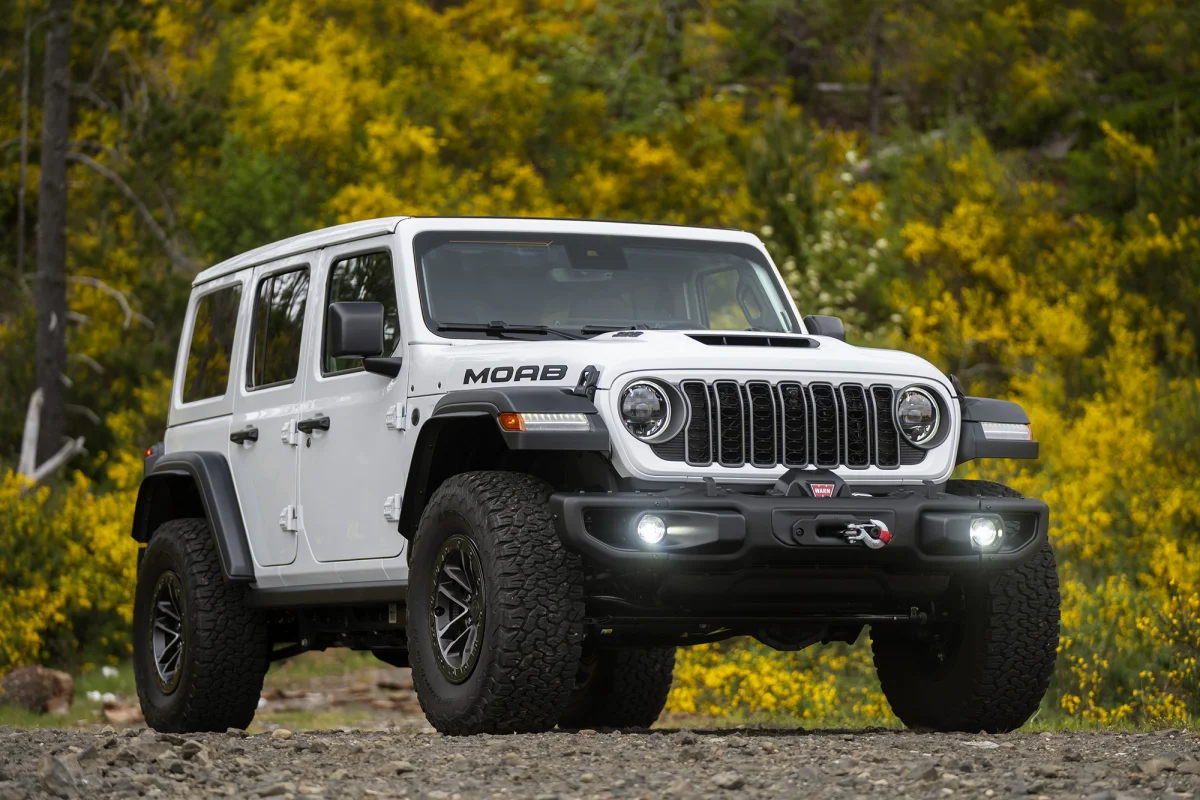
The design is also fairly simple. Removable panels and bolt-on parts make repairs easy. Body damage costs less to fix than on a unibody crossover.
Domestic brands also tend to cost less to maintain. Consumer Reports has noted this trend across ten years. Jeep benefits from that pattern. Fuel costs are the weak spot. Fuel economy is poor, especially with the V6. That is not a repair cost, but it hurts the budget.
Modifications can raise your bill. Lift kits and big tires strain parts. Many owners spend heavily on upgrades. Resale value stays strong. That offsets some ownership costs. Wranglers hold their value better than most vehicles.
The Wrangler suits people who value fun over polish. It tolerates abuse and rewards tinkering. It does not suit those who want quiet, flawless commuting. Buy a stock example with service records. Avoid heavily modified trucks. Have a mechanic check the steering and axle components.
5. Chrysler Pacifica Hybrid
The Pacifica Hybrid is a clever minivan. It can drive on electric power for short trips. But Consumer Reports has flagged it as unreliable. Owners report issues with the plug-in hybrid system. Electronics and infotainment also draw complaints. The van lands on lists of weak performers.
Chrysler as a brand has ranked at or near the bottom for predicted reliability. One recent ranking gave it a score of 18 out of 100. That is very low.
So why include it here? Because the van is a practical family hauler. And routine costs can stay reasonable. The hybrid system reduces wear on the gas engine. It also eases brake wear through regeneration. Short trips run on battery power.
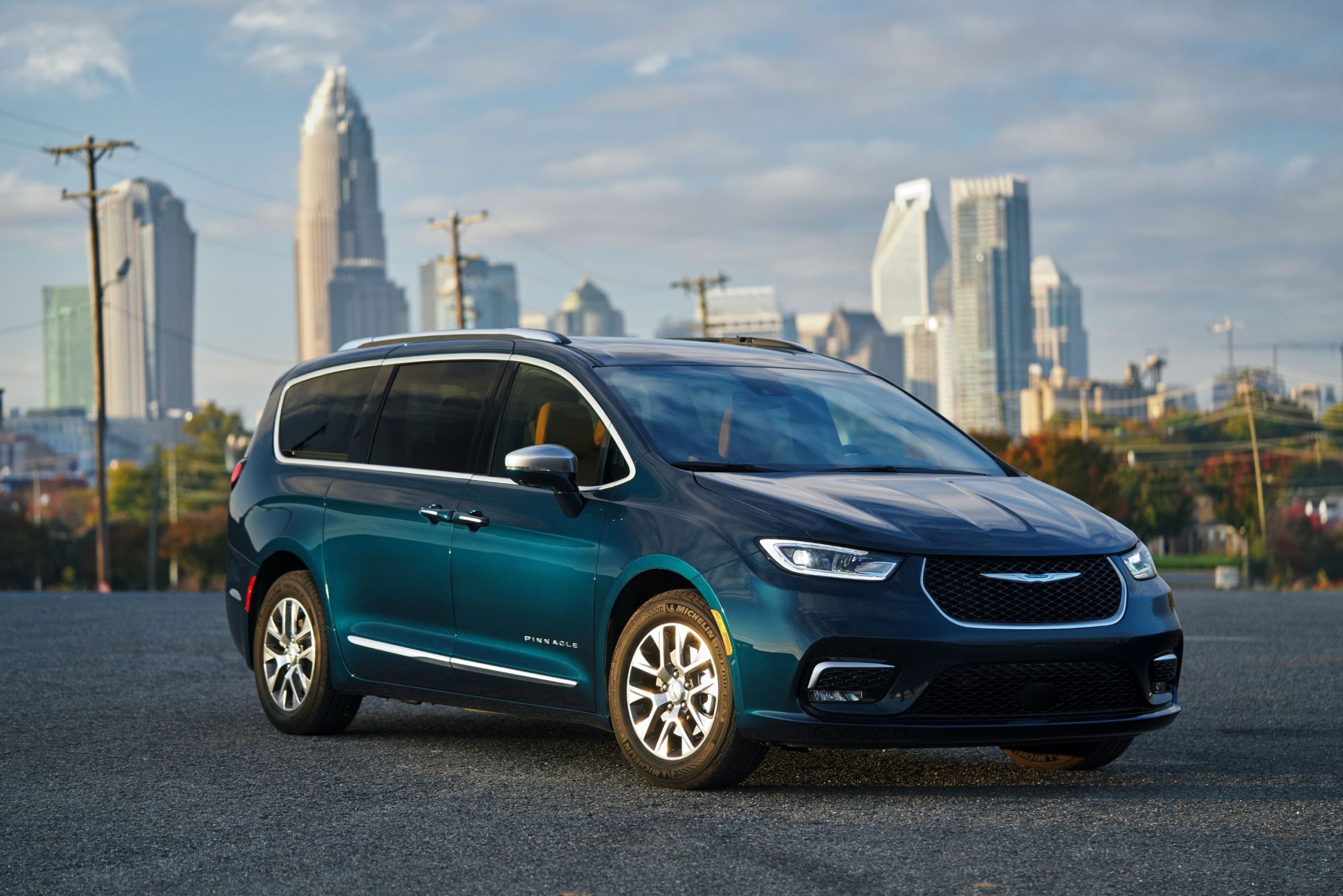
Minivans are mechanically simple in many ways. Parts for the platform are widespread. Shops know them well. Domestic parts pricing helps. Replacement parts are often cheaper than for imports. Labor rates stay in line with other family vehicles.
The risk is the hybrid hardware. A failed battery or power module is expensive. Warranty coverage matters a lot here. Stow ‘n Go seating adds complexity. Power sliding doors can fail. These are common minivan repair items.
Fuel savings are real for the right driver. A short commute can run mostly on electricity. Gas use drops sharply. Charging at home is important. Without it, the plug-in benefit fades. The van then acts as a heavy hybrid.
Shop used examples carefully. Look for open recalls and software updates. Confirm the battery has no fault codes. This van fits families who want space and savings. It asks for patience with electronic quirks. It rewards owners who plug in often.
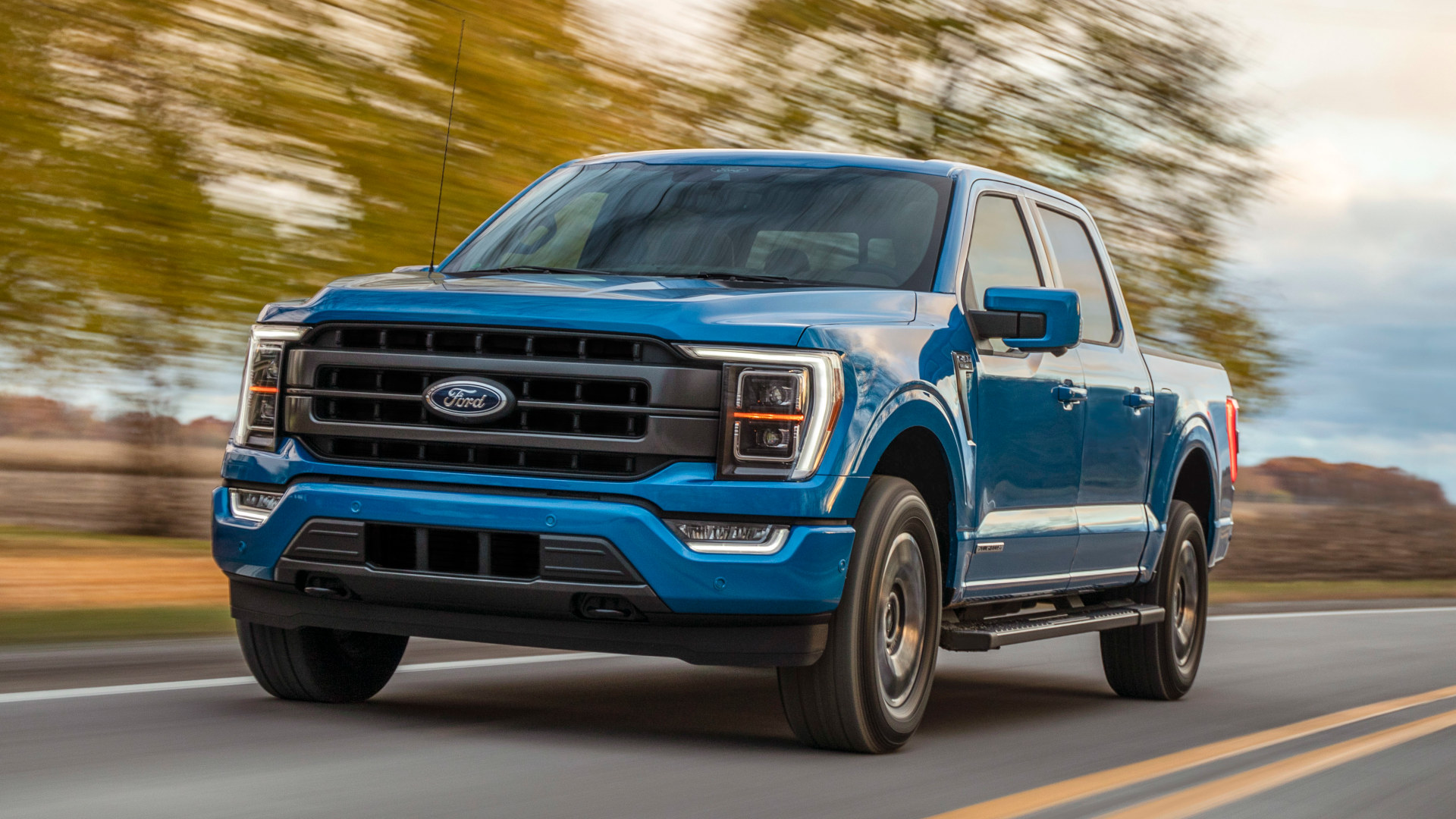
6. Ford F-150 Hybrid
The F-150 Hybrid has drawn harsh reliability scores. Consumer Reports once rated it 4 out of 100. That was the lowest on one list of least reliable vehicles.
Owners reported trouble with the hybrid powertrain. Electronics and transmission issues also appeared. The truck sits at the bottom of that ranking.
Despite that, the F-150 platform is cheap to repair. It is the most common truck in America. Parts are everywhere. Independent shops know the truck well. Labor is competitive. Salvage yards stock many parts.
Domestic brands also tend to have lower ten-year costs. Ford sits well within that group. The truck benefits from that pattern. The hybrid system adds risk, not cost, in most areas. Regular maintenance is standard truck work. Oil, filters, and brakes cost what you would expect.
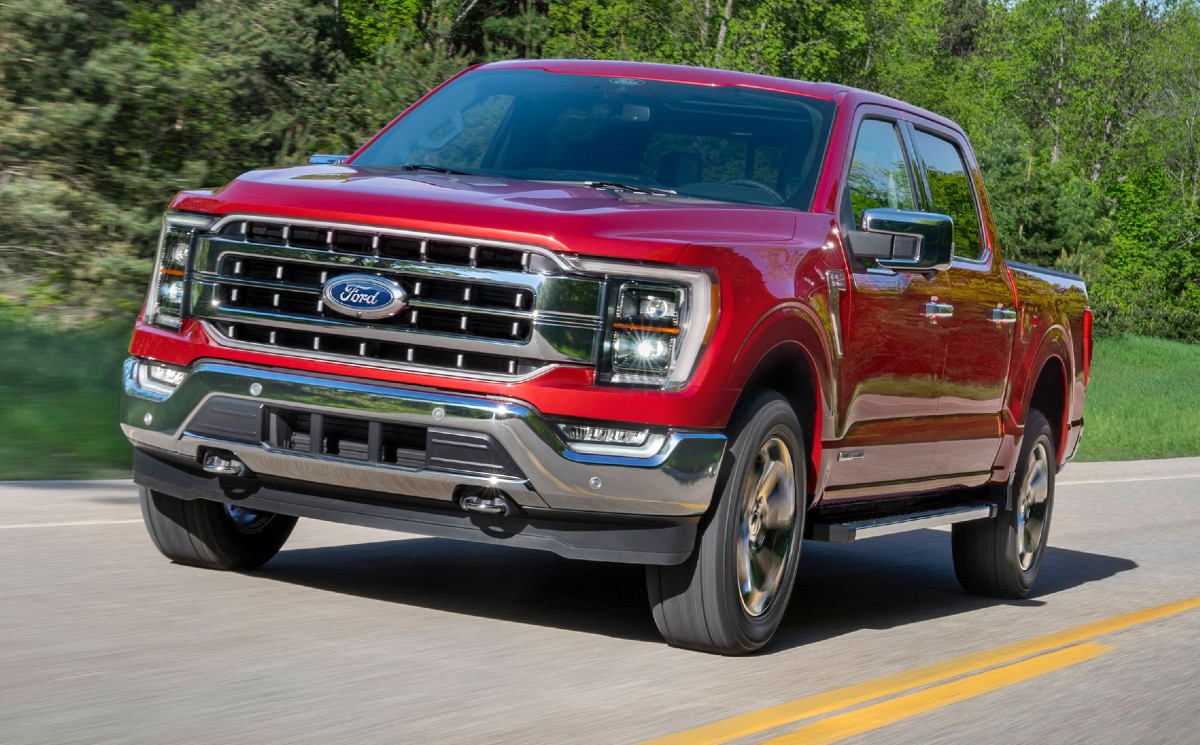
Brake wear is lower thanks to regeneration. That trims one common expense. Fuel savings also help. The big worry is out-of-warranty hybrid repair. A failed battery or control unit is costly. Dealers handle most of those jobs.
The truck also doubles as a generator. Onboard power is a selling point. That feature adds complexity of its own. Towing and hauling stress any truck. Heavy use shortens component life. Hybrid parts add more to monitor.
The conventional F-150 has a stronger record. Buyers who want low cost and fewer risks may prefer it. The hybrid adds savings at the pump but more uncertainty.
If you buy one, keep it under warranty. Ask about software updates. Keep records of every service visit. This truck suits fleet owners and work users. It rewards those who value power and utility. It frustrates those who dislike surprises.
7. Buick Enclave
The Enclave is a three-row crossover. It is comfortable and quiet. Its reliability record is middling to weak depending on the year. Owners have cited issues with the transmission and electronics. Infotainment faults also come up. Some model years score better than others.
Buick, as a brand, ranks among the cheapest to maintain. Consumer Reports put the ten-year average near $5,300. That places it third among all brands.
That is a strong result for a large vehicle. Family crossovers often cost more to keep. Buick beats many rivals. The reason is simple. General Motors parts are common and cheap. Shops across the country stock them.
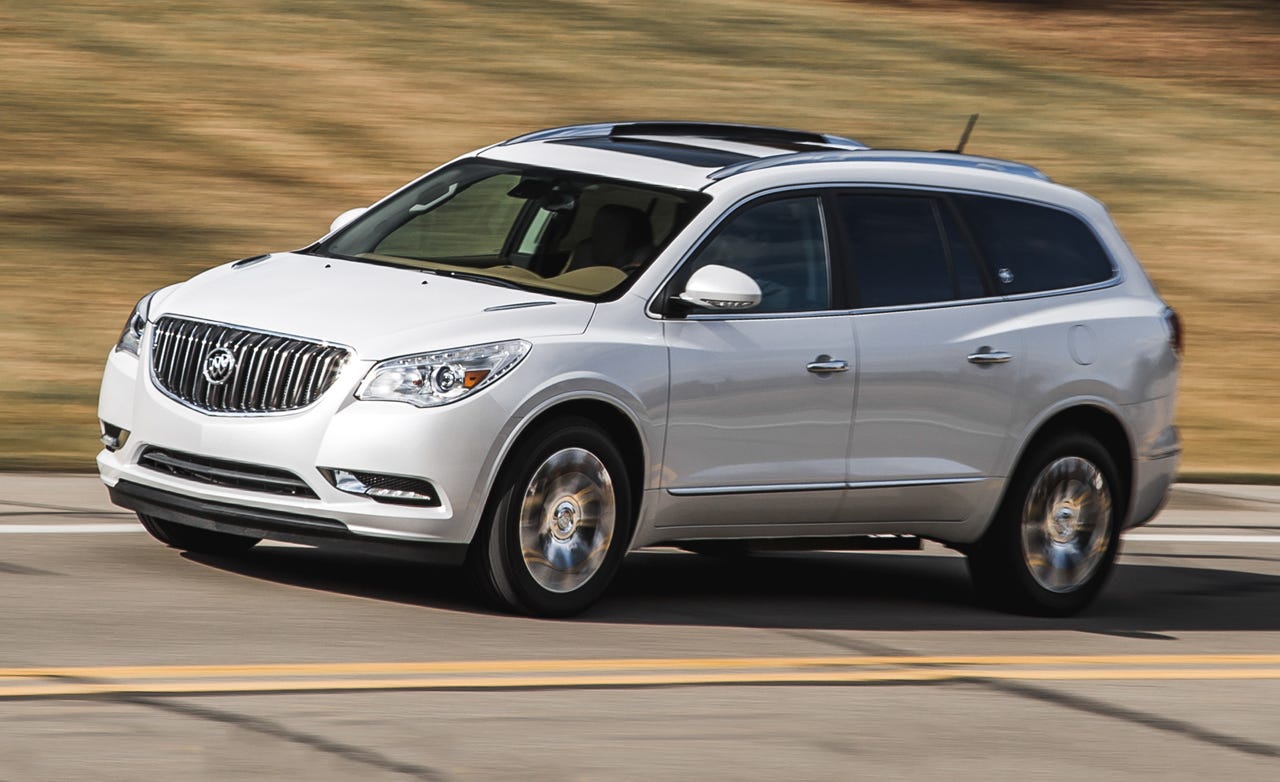
The V6 engine is proven. It has been in many vehicles for years. Technicians know its quirks. Routine service is straightforward. Oil, brakes, and tires are the main costs. Nothing unusual drives the bill up.
Luxury brands from overseas cost far more. Consumer Reports has noted that some cost more than double Lincoln or Buick. The Enclave offers a plush ride at a lower price.
The weak spot is the transmission. Some owners reported rough shifts or failures. A repair here can run into thousands. All-wheel-drive systems add cost. They have extra parts to wear out. Service is still reasonable.
Buy a later-year example if possible. Check for recall work and transmission service. A pre-purchase inspection is worth the fee. This crossover fits large families on a budget. It rewards quiet comfort and easy upkeep. It asks for care with the drivetrain.
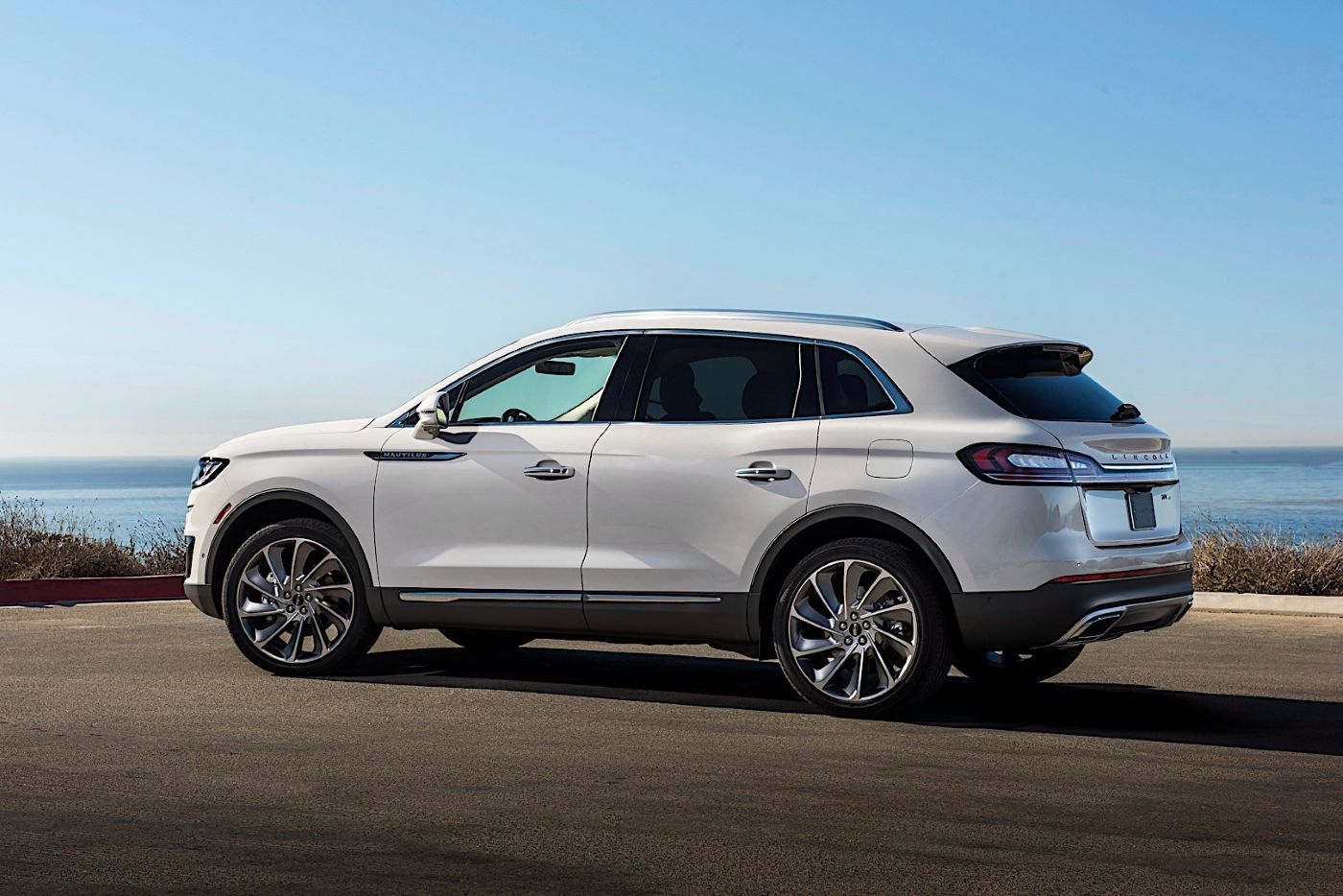
8. Lincoln Nautilus
Lincoln is a rare luxury brand with low costs. Consumer Reports put its ten-year average near $5,200. That ranked second among all brands. The Nautilus is a midsize luxury crossover. Its reliability has been uneven. Owners report infotainment and electrical issues.
Some model years score poorly on predicted reliability. Screens and driver aids cause frustration. Software problems are a repeating theme. Yet the repair bills stay low. Ford sells many vehicles using shared parts. That keeps prices down.
Lincoln owners also pay less than buyers of German luxury cars. Consumer Reports said Mercedes costs more than twice as much over ten years. That is a huge gap.
Dealer labor rates are lower for domestic brands. Independent shops can service these cars too. Competition keeps prices fair. The Nautilus offers a quiet cabin and plush seats. It feels upscale without the upscale repair bills. That is a rare combination.
Turbocharged engines add some risk. Heat and stress shorten some parts. Regular oil changes matter. Electronics are the weakest link. A failed screen or module can be pricey. Warranty coverage helps here.
Depreciation is steep. Used examples are bargains. That makes ownership cheaper. Check for open recalls and software updates. Test every feature in the cabin. Small faults can add up.
The Nautilus fits drivers who want luxury on a budget. It rewards patient owners with light bills. It frustrates those who hate tech glitches. Buy certified pre-owned if you can. Extended coverage gives peace of mind. It protects against costly surprises.
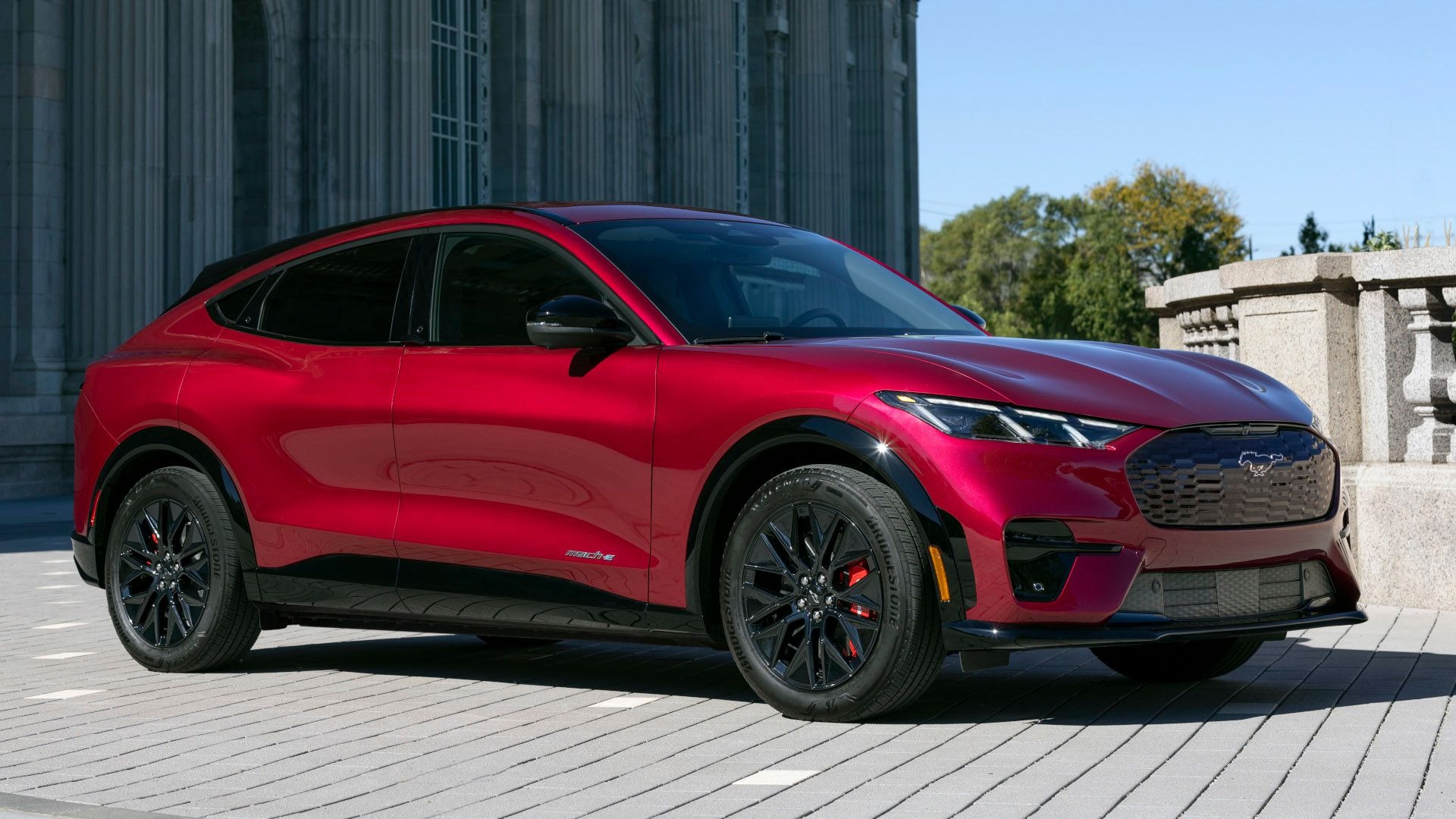
9. Ford Mustang Mach-E
The Mach-E is Ford’s electric crossover. It blends sporty looks with practical space. Its reliability scores have been below average. Owners report issues with software, charging, and body trim. Some cars needed multiple recalls. The early model years drew the most complaints.
Consumer Reports has often placed EVs low on reliability. New technology brings new faults. The Mach-E fits that pattern. Costs are another story. Electric drivetrains cut routine maintenance. There is no oil, no exhaust, and fewer fluids.
Owners mainly pay for tires, filters, and wipers. Brake wear stays low. A typical year can cost very little. Ford’s dealer network is large. Service is easy to find. Parts for shared components are cheap.
Software updates arrive over the air. Many faults get fixed without a visit. That saves time and money. Collision repair can be pricey. The battery pack sits low in the floor. Damage there can total the car.
Tire wear is heavy on a fast, heavy EV. Performance trims chew through rubber. Budget for replacements. Charging performance varies. Some owners report slow sessions. Home charging avoids most trouble.
Warranty coverage is a key safety net. Battery protection runs for years. Make sure it transfers on a used purchase. Buy a later model year for fewer issues. Early cars had more recalls.
Check that all updates are complete. The Mach-E suits drivers who like speed and tech. It offers low costs with some risk. It is best for owners who can tolerate small faults.
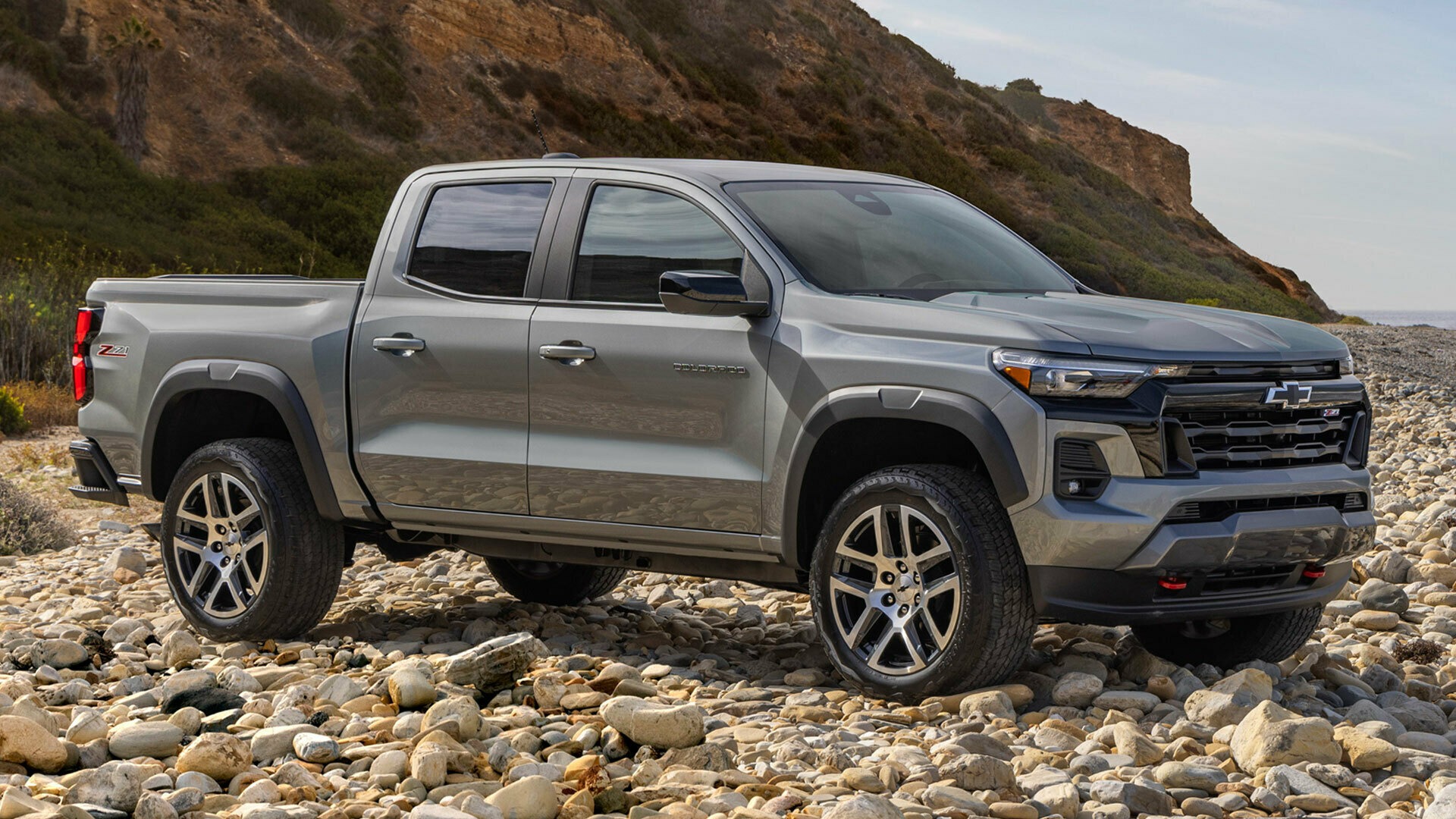
10. Chevrolet Colorado
The Colorado is a midsize pickup. It has appeared on past lists of unreliable vehicles. It was one of only two pickups on one 2021 list. Owners reported transmission and engine complaints. Some also cited electrical faults. Redesigned years often score worse at first.
A new generation arrived in recent years. Early data on redesigns tends to be weak. Consumer Reports often flags new models for that reason. Repair costs are a bright spot. Chevrolet shares parts across many trucks. That keeps prices low.
Domestic trucks are among the cheapest to fix. Shops everywhere know the platform. Parts supply is deep. Routine maintenance is basic. Oil, brakes, and tires dominate the bill. Nothing exotic drives costs up.
The truck is also simple in many trims. Base versions have fewer electronics. Fewer features mean fewer failures. Used examples are widely available. Prices are fair. Competition among sellers helps buyers.
The weak spots depend on the engine. Some older engines had timing and fuel system problems. Check which engine you are buying. Transmission service matters. Rough shifting is a warning sign. A fluid service can help older units.
Off-road trims add wear. Suspension and underbody parts take abuse. Inspect them closely. Compare with Toyota and Honda rivals. They score better on reliability but cost more upfront. Some owners prefer to save at purchase.
The Colorado suits work users and weekend haulers. It offers low repair costs and solid capability. It asks for careful shopping and regular care. Buy a version with clear service records. Avoid first-year redesigns if you can. That choice lowers your risk.