Reliability and low ownership cost do not always go together. Many owners learn this the hard way. A car may never leave you stranded. Yet one dealer visit can still drain your savings.
Reliability surveys track how often things break. They do not track what the fix costs. That gap matters. A trouble-free luxury SUV can still carry painful parts prices. Air suspension, hybrid systems, big alloy wheels, and complex electronics all add up.
Researchers who study owner surveys keep finding the same pattern. Japanese luxury brands score near the top for dependability. Yet their parts and labor rates sit well above mainstream cars. Some European performance cars show the same split.
This list cross-checks both sides. Each vehicle earns strong reliability marks from owner feedback. Each also tends to cost more when something does go wrong.
The cost figures below are broad estimates. Prices vary by region, shop, and model year. Think of this as a budgeting guide. A car that rarely breaks is a great thing. But you should still plan for the day it does.
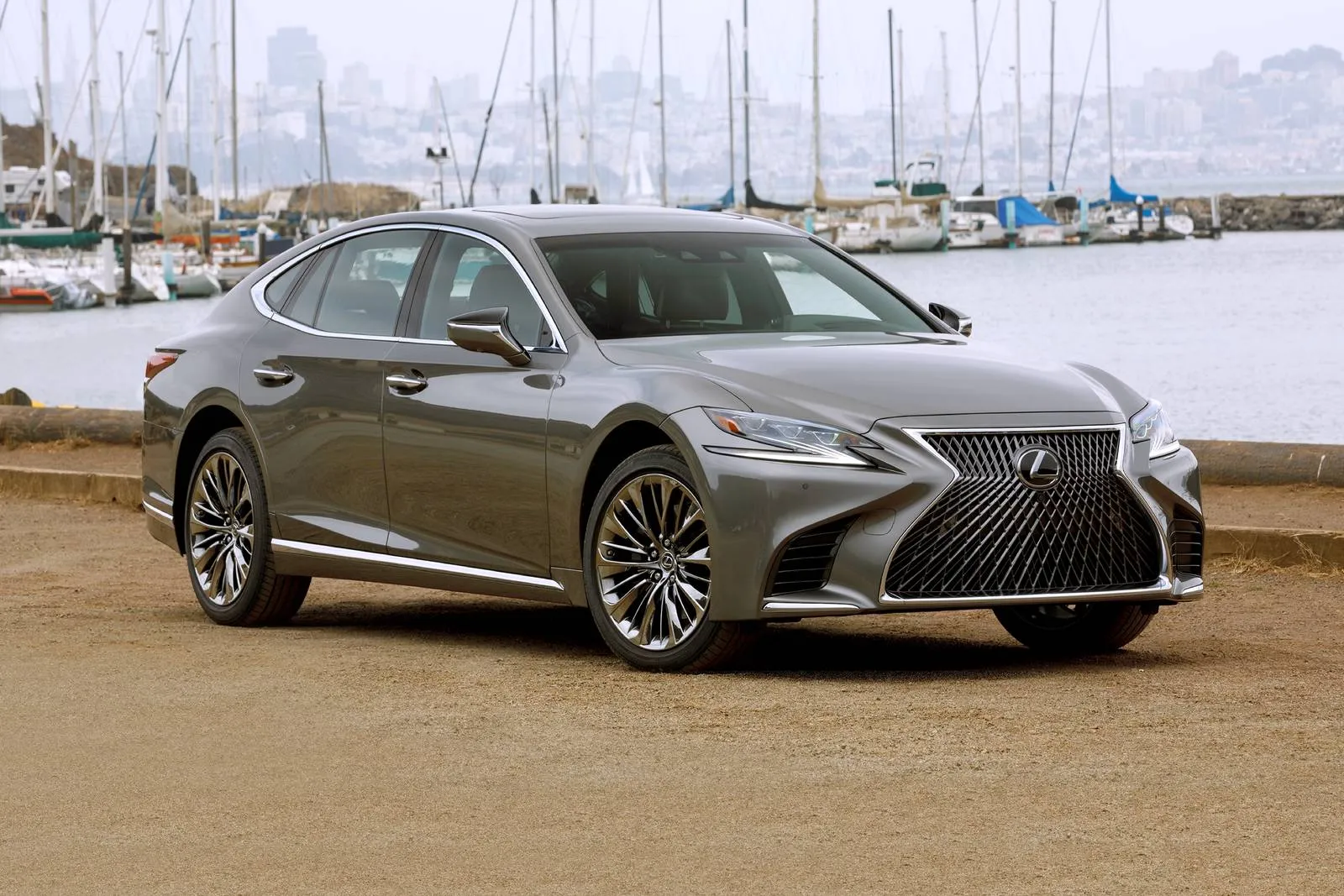
1. Lexus LS 500
The LS 500 is a flagship sedan with a 3.5-liter twin-turbo V6. It makes about 416 horsepower and 442 lb-ft of torque. Owners report few mechanical problems. The powertrain has a strong record so far.
The trouble starts with the extras. Air suspension is standard on many trims. Adaptive dampers add more complexity. A single air strut can cost well over a thousand dollars. Labor adds to that bill.
Body parts are another worry. Many panels use aluminum. Collision repair needs trained technicians. Not every body shop has the tools. Costs climb fast after even a minor crash.
The cabin is packed with technology. There are large screens, heated and ventilated seats, and a premium audio system. When one module fails, replacement is rarely cheap. Dealers often charge top rates for diagnosis alone.
Tires are also pricey. Large wheels need low-profile rubber. A full set can cost more than many used cars’ monthly payments over a year. Wheel damage from potholes is common.
The hybrid LS 500h adds a battery pack. It is built to last. But an out-of-warranty replacement would be a major expense. Buyers should keep up with scheduled service. Oil changes and fluid flushes protect the turbo engine. Skipping them invites costly trouble.
The LS 500 is a very dependable car. Just do not expect a cheap one to keep. Set aside a repair fund each year. You will likely never need all of it. If you do, you will be glad it is there.
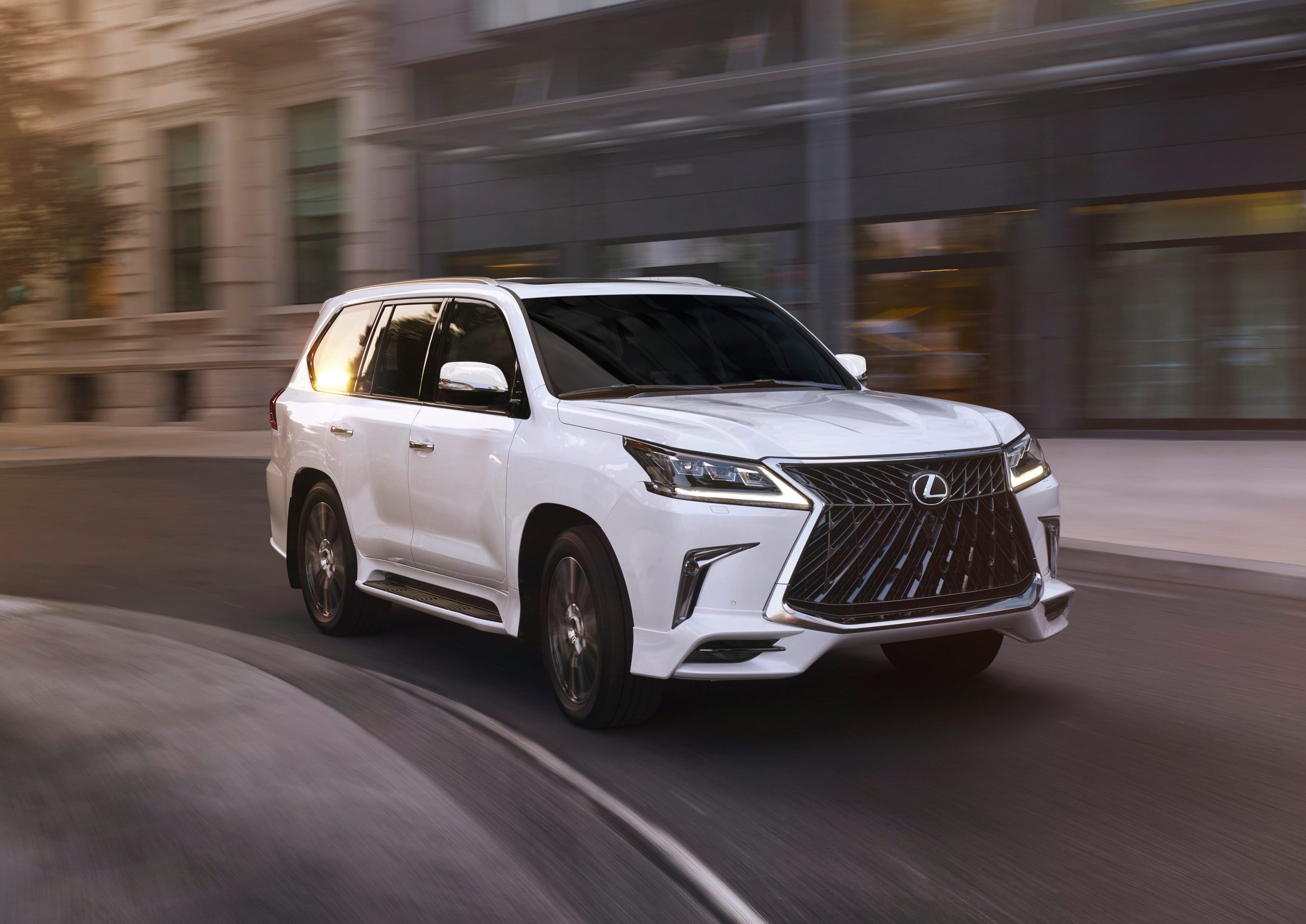
2. Lexus LX 570
The LX 570 is a full-size luxury SUV. It uses a 5.7-liter V8 with about 383 horsepower. Torque is around 403 lb-ft. It shares much of its engineering with the Toyota Land Cruiser.
Few vehicles match its record for longevity. Many examples pass 250,000 miles with only routine care. The V8 and the automatic gearbox are famously tough. Owners praise how little goes wrong.
Repair bills tell a different story. The LX 570 uses a hydraulic height-control suspension on many years. It gives a smooth ride and off-road clearance. But the pump, accumulators and lines can be expensive to fix. A leak may cost thousands.
Fuel economy is poor. Many owners see mid-teens in mixed driving. That is not a repair cost. Still, it adds to the running budget.
The brakes are heavy-duty. Rotors and pads cost more than on smaller SUVs. Large 20-inch and 21-inch wheels raise tire prices too.
Electronics can be a pain point on older models. Navigation units and screens age poorly. Replacements are costly. Used parts help, but they are not always easy to find.
Parts from the dealer carry a luxury markup. Independent shops that know Toyota trucks can save money. Look for one before you need it.
The LX 570 rewards patient owners. It rarely strands you. But when the suspension or electronics act up, expect a large invoice.
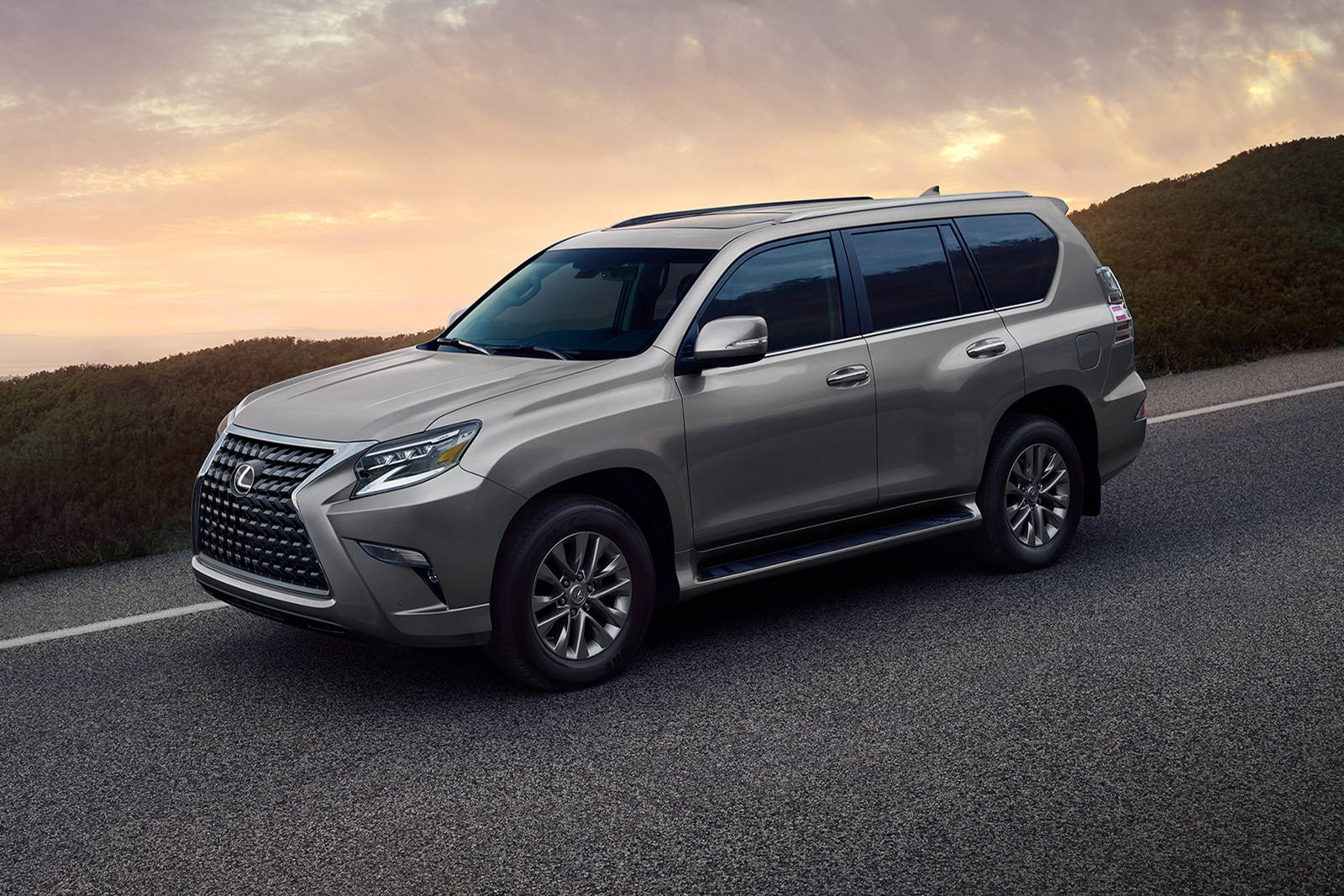
3. Lexus GX 460
The GX 460 is a rugged, body-on-frame SUV. It has a 4.6-liter V8 with about 301 horsepower. Torque is near 329 lb-ft. The design stayed largely unchanged for over a decade.
That long production run helped its reliability. Engineers had time to fix early flaws. Owners often report very few unscheduled repairs. It routinely scores well in dependability studies.
Costs show up in the specialized hardware. Many models have a kinetic dynamic suspension system. It links the front and rear stabilizer bars hydraulically. It improves off-road flex and on-road control. But it is complex.
Fluid leaks or failed accumulators can be pricey. Some repairs run well into four figures. Not every shop can service it properly. Some trims also have adaptive variable suspension. More parts mean more things to replace. Shocks on these systems cost far more than basic units.
The GX has a full-time four-wheel-drive system. Transfer case service is vital. Neglect can lead to costly failures. Differentials need fresh fluid on schedule.
Exhaust and emissions parts are another pain point. Catalytic converters are expensive on V8 engines. Theft of these parts has raised insurance and repair costs.
Tires and brakes also cost more than on a compact crossover. Heavy vehicles wear parts faster. Many owners say the GX is worth the price. It holds value well. Just keep a reserve for the rare major repair. A well-kept one can serve for decades.
4. Lexus RX 350
The RX 350 is one of the best-selling luxury crossovers. Its 3.5-liter V6 produces roughly 295 horsepower. Torque is about 267 lb-ft. Owners often call it nearly bulletproof.
Survey data backs that up. The RX regularly ranks near the top of its class. The V6 engine is smooth and long-lived. The automatic gearbox has few reported issues.
So why the high repair costs? The answer lies in the details. Premium parts carry premium prices. Even a simple headlight assembly can be costly on newer models. LED units are expensive to replace.
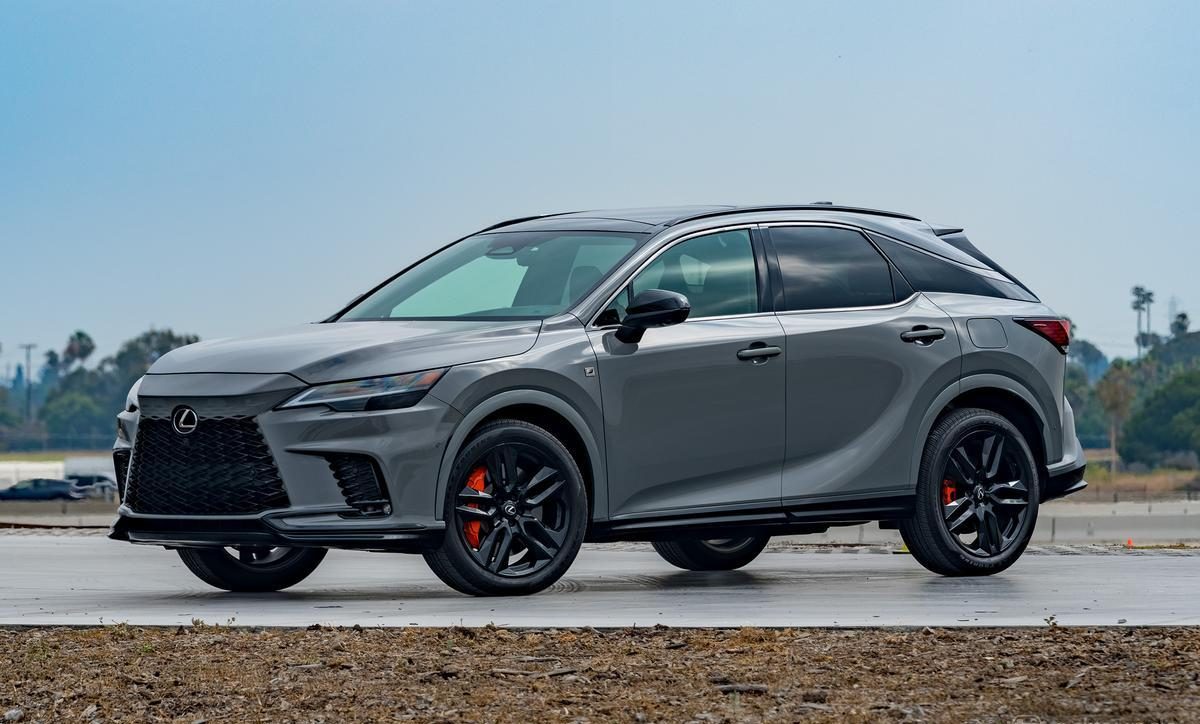
Sensors are a growing expense. Modern RX models have many driver-assist cameras and radars. A cracked windshield may require recalibration. That can add hundreds to a glass bill.
The panoramic roof is another weak spot. If a drain clogs or a motor fails, repair can be messy. Water leaks can damage trim and electronics.
Hybrid versions, like the RX 450h, add a large battery. Replacement outside warranty can be a big hit. Most batteries last many years. But the risk is real.
Brakes and suspension parts are priced higher than on mainstream rivals. Dealer labor rates also run high. A basic service can cost double what a Toyota Highlander needs.
Smart owners use independent shops with Toyota experience. Many parts are shared with Toyota models. That can cut costs. The RX 350 is a safe pick for dependable daily use. Just do not confuse low breakdown rates with low bills.
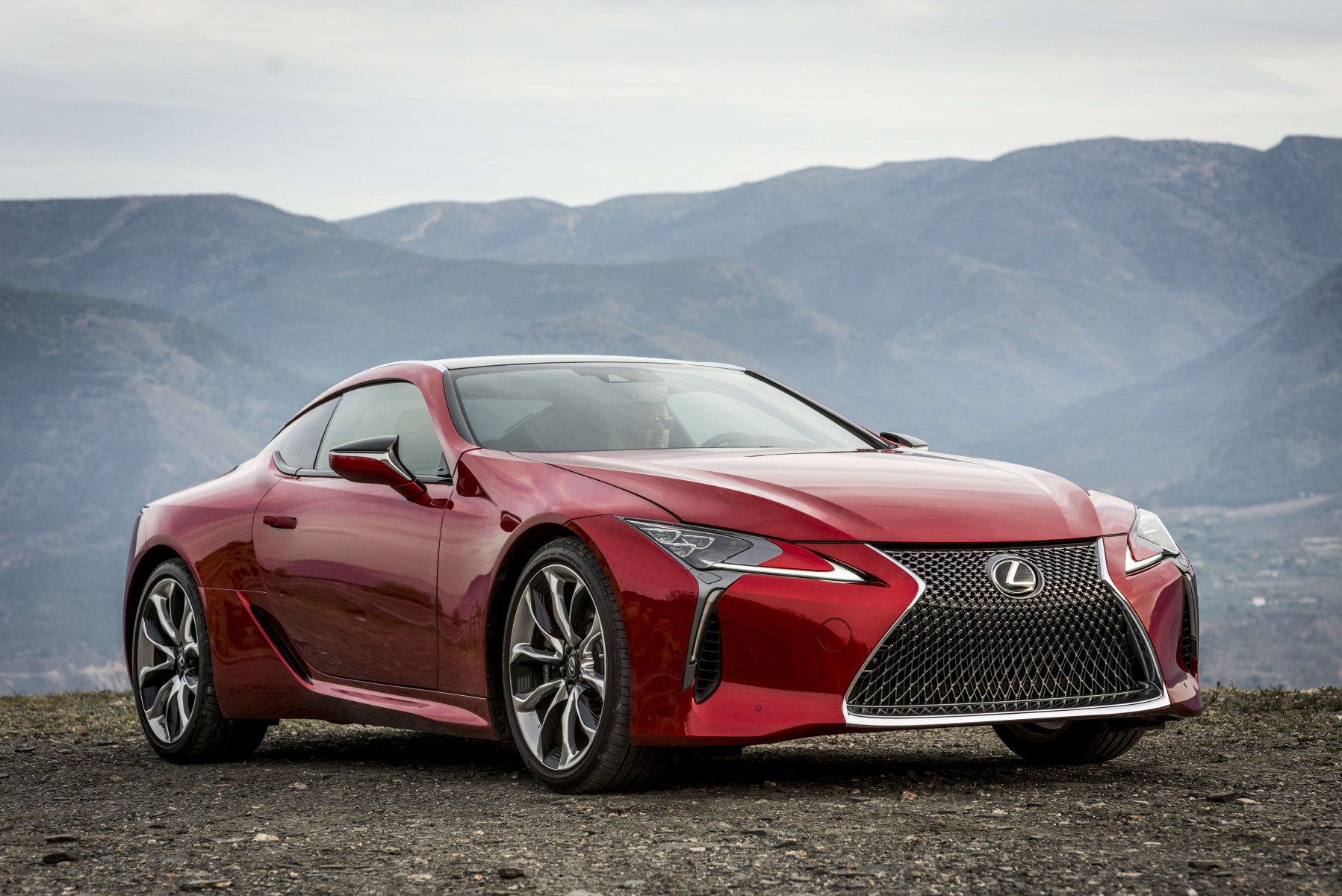
5. Lexus LC 500
The LC 500 is a stunning grand tourer. Its 5.0-liter V8 makes about 471 horsepower. Torque reaches 398 lb-ft. A 10-speed automatic handles the shifts.
Reliability has been impressive so far. Owners report few mechanical problems. The V8 is a proven, naturally aspirated design. It avoids the complexity of turbochargers.
The cost story is all about exclusivity. Low-volume cars mean higher parts prices. Body panels are unique and often made of lightweight materials. The roof can be carbon fiber on some trims. Repairing that is expensive.
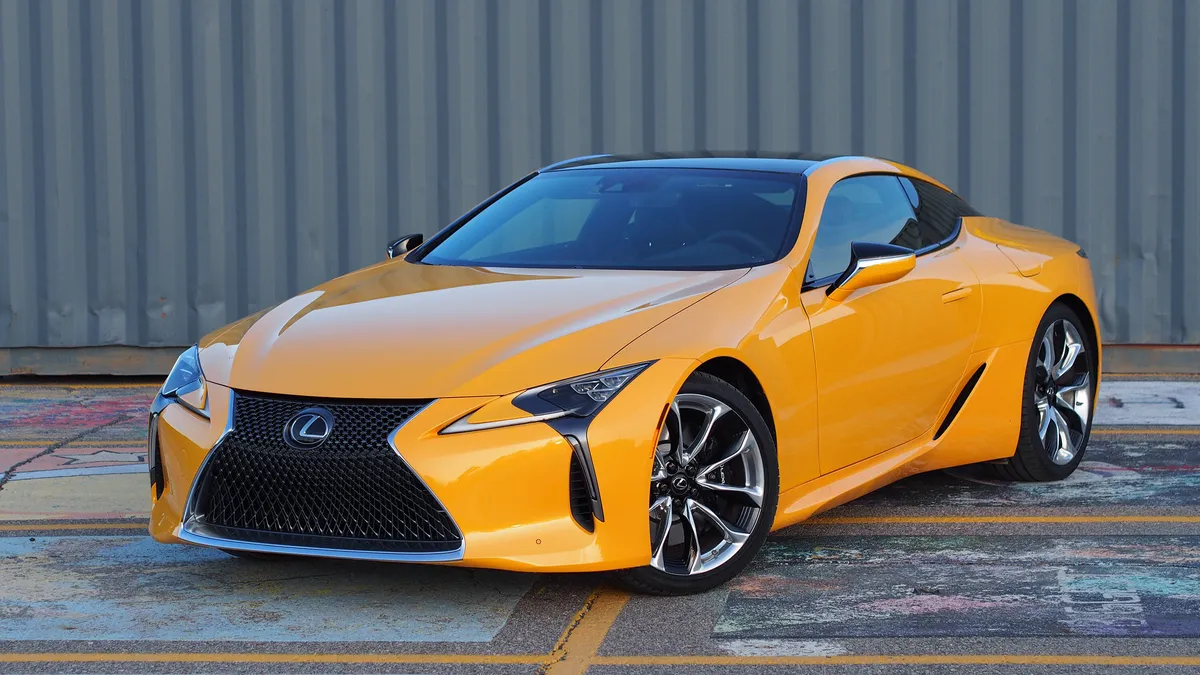
Wheels and tires are also costly. The car rides on large wheels with low-profile tires. Some come with run-flat construction. A full replacement set can cost thousands.
Brakes are large and powerful. Rotors and pads cost more than those on most sedans. Performance trims can raise the bill further. The cabin is rich in unique trim and technology. Interior pieces are hard to source. A damaged seat or trim panel can mean long waits. Insurance rates for such a car are also high.
Few independent shops know the LC well. That limits cheaper options. Most owners rely on dealers for major work. Depreciation is slower than for many rivals. That helps total ownership cost.
But repairs after an accident can be severe. Panels cost a lot, and labor is intensive. The LC 500 is a joy to own for those who can afford it. It rarely misbehaves. But treat any crash or part failure as a major event.
6. Acura MDX
The MDX is a popular three-row family SUV. Most versions use a 3.5-liter V6. Output is around 290 horsepower in many years. Newer models use a 3.5-liter V6 with about 290 to 355 horsepower, depending on trim.
Owners often praise its dependability. Mechanical failures are not common. The engine and transmission generally last a long time. Many families keep their MDX for years.
Repair costs come from advanced features. The all-wheel-drive system on some versions is complex. Service on the rear differential and clutch packs costs more than a standard setup. Fluids must be changed on time.
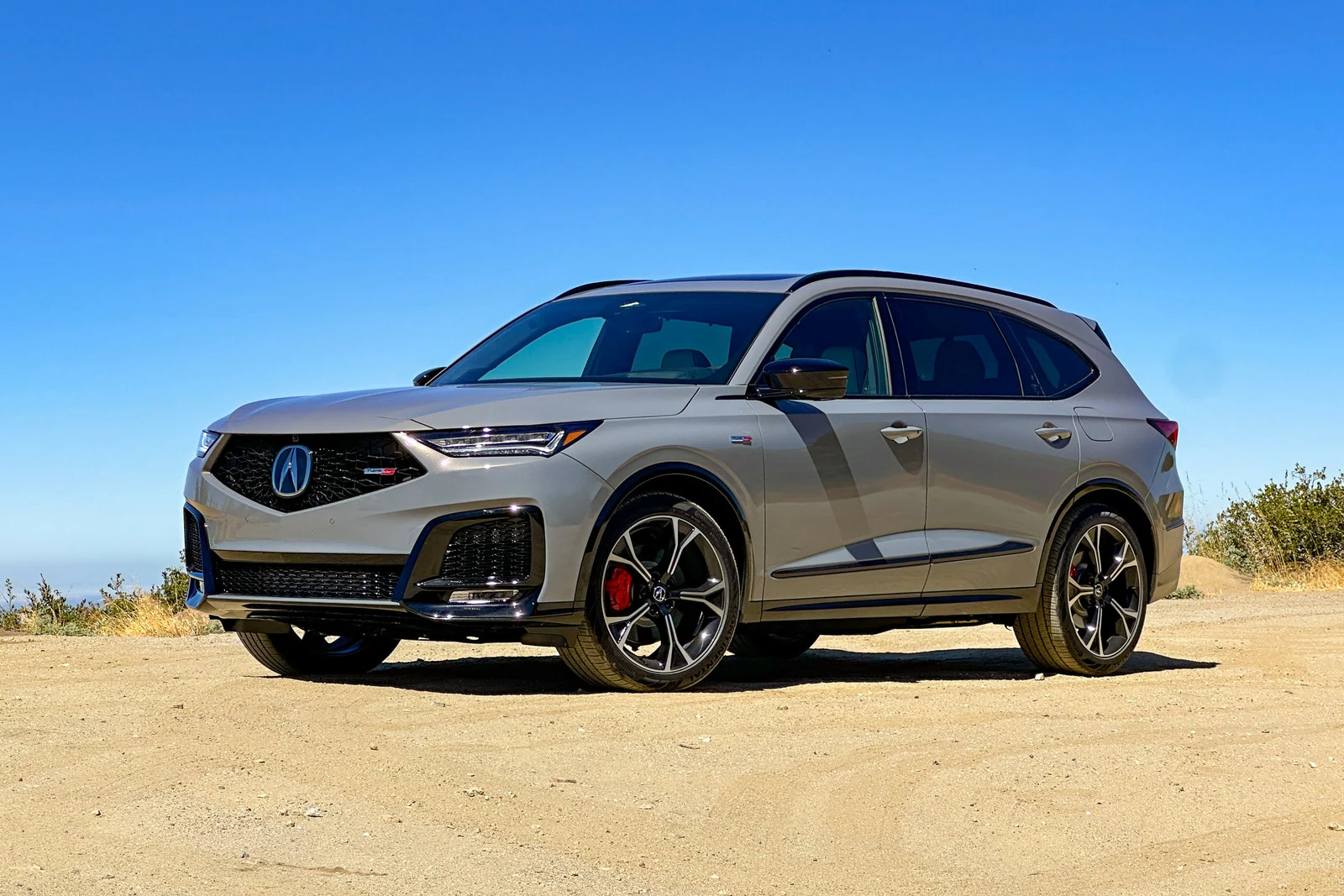
Some earlier models had transmission complaints. Newer ones, with more gears, have had mixed feedback. Replacement or repair of a modern automatic can be costly. Early service can reduce that risk.
Infotainment is another cost driver. The dual-screen systems look great. But screen or module replacement is expensive. Software bugs may also require dealer visits.
Headlights, sensors, and cameras add to the bill after minor collisions. Bumper repairs cost far more than on older cars. Calibration is often required.
Brake and tire costs are higher than for a standard family SUV. Larger wheels and heavier weight wear parts faster. Maintenance is key. The MDX’s timing system and fluids need care. Skipping service can make small issues grow.
The MDX offers good space and good dependability. It sits in the middle ground of luxury pricing. Still, expect the parts counter to ask for more than it would for a Honda Pilot.
7. Toyota Land Cruiser (200 Series)
The 200 Series Land Cruiser was sold in the United States through 2021. It uses a 5.7-liter V8 with about 381 horsepower. Torque is around 401 lb-ft. It is built to take abuse.
Its reputation is legendary. Many owners drive them past 300,000 miles. Few rivals can match its off-road toughness. The V8 and six-speed automatic are famously durable.
Yet it is not cheap to repair. Parts are big, heavy, and often specific to this vehicle. Suspension components, axles, and driveline pieces cost more than on regular SUVs.
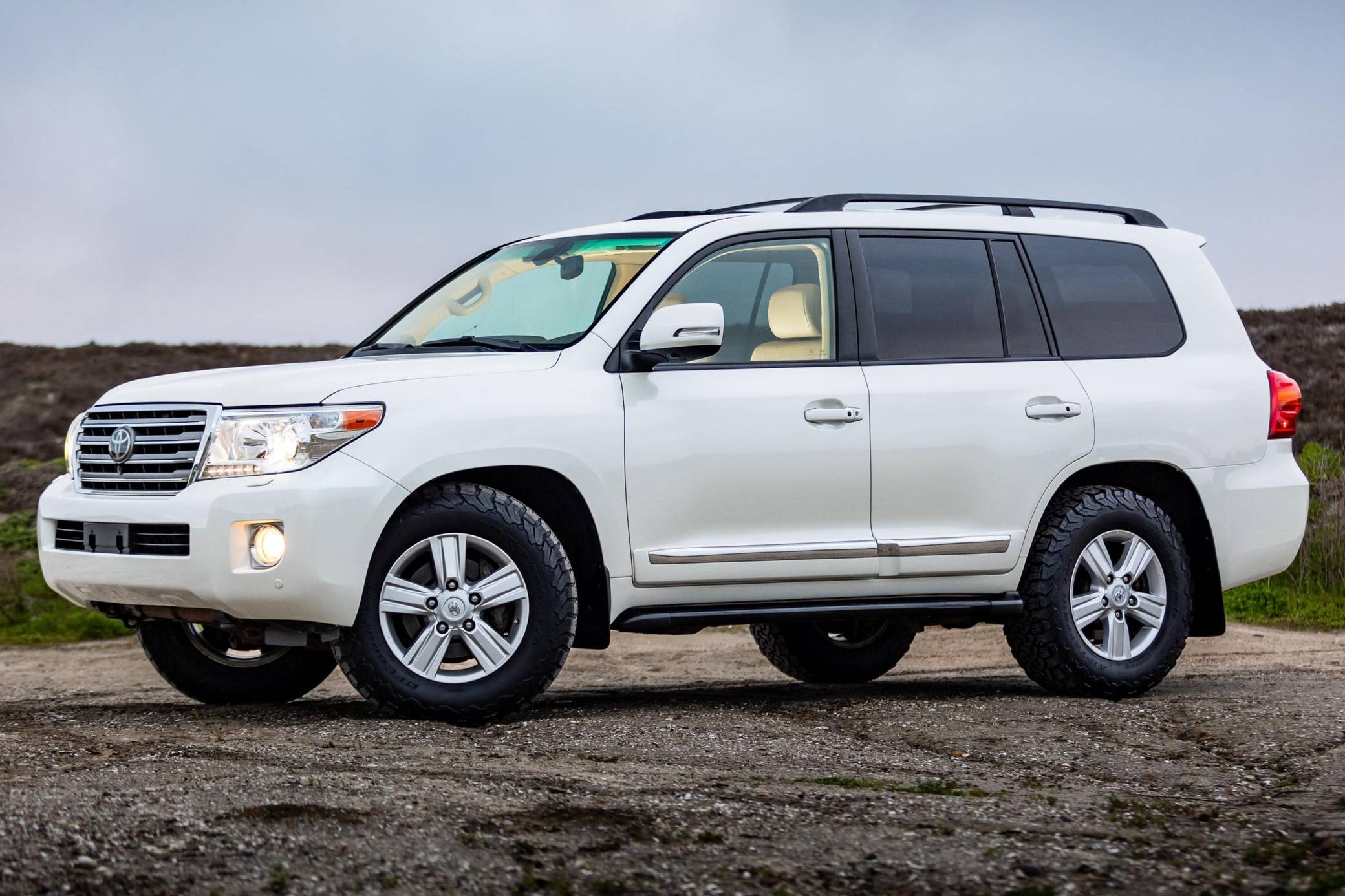
Some models use a kinetic dynamic suspension system. It is excellent in function. But it can be costly if it fails. Specialist knowledge helps. The vehicle is also heavy. That means brakes, tires and bearings wear faster. Replacement costs are high. Large 18-inch and 20-inch tires are expensive.
Fuel use is another concern. Real-world economy sits in the low to mid teens. Long trips can be pricey. This is not a repair cost, but it adds up. Resale values are very strong. That can offset some of the pain. But buyers often pay a premium to start with. Used examples can cost nearly as much as new.
Any electronics failures can be costly too. Older navigation screens and modules age with time. Replacement is rarely cheap. If you want a vehicle to last decades, this is it. Just know that a major repair can still be a large expense.
8. Toyota Sequoia (Second Generation)
The second-generation Sequoia ran from 2008 to 2022. Its 5.7-liter V8 delivers around 381 horsepower. Torque is about 401 lb-ft. It shares much with the Tundra pickup.
Reliability scores are excellent. Owners report few major repairs. Many examples pass 250,000 miles with the original engine. The platform stayed in production for a very long time.
Repair costs come from size and scale. This is a huge vehicle. Parts are large and heavy. Brakes, tires and suspension cost more than on typical family SUVs.
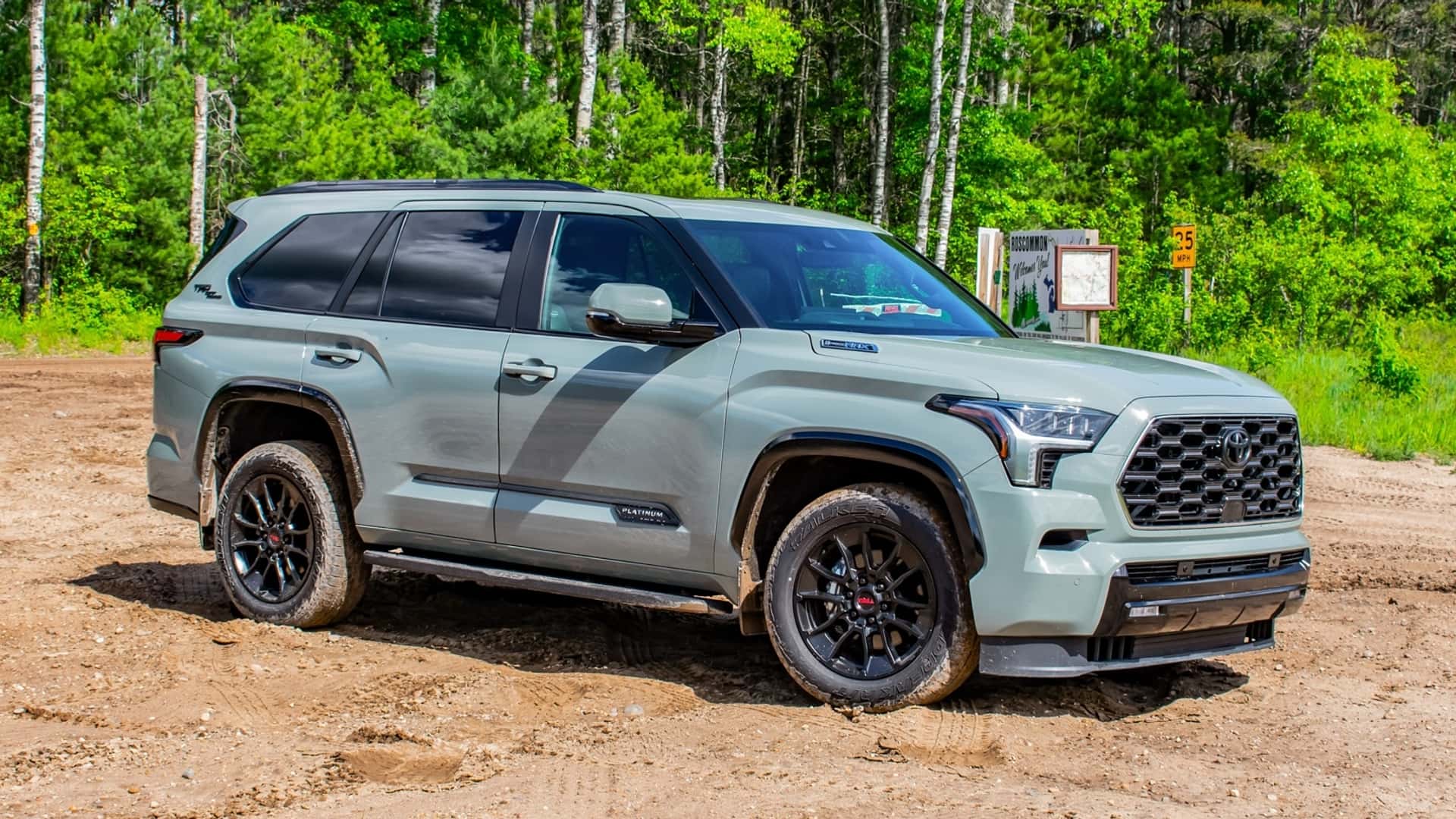
The third row and the many seats add weight. Heavy loads strain wear items. Rear suspension and air-assisted setups on some trims can be costly. Leaks and failures do occur with age.
Fuel use is heavy. Many owners see mid-teens at best. Long-term costs rise with every fill-up. Parts like the water pump and accessories can fail over time. Labor can be heavy since the engine bay is large. Replacement jobs may take many hours.
Exhaust system parts are another cost. Catalytic converters on large V8 engines are expensive. Rust in harsh climates can worsen the problem. The infotainment system on older models feels dated. Replacement units cost a lot. Aftermarket options can help, but they may affect features.
Insurance can be steep because of the high replacement value. Still, buyers love the Sequoia’s space and stamina. It is a tough, trusted family hauler. Budget for tires and brakes in particular. Those two items will cost more than most owners expect.
9. Porsche 911 (992 Generation)
The 911 may seem an odd entry here. Yet owner surveys have often placed it high among sports cars. A base Carrera uses a 3.0-liter twin-turbo flat-six. It makes about 379 horsepower. Torque is roughly 331 lb-ft.
Owners report fewer problems than Porsche’s reputation suggests. Engineering has improved a great deal. Many cars spend years without a serious fault. That is impressive for a performance machine.
But when work is needed, the bills arrive. Porsche parts and labor sit at the high end. A routine service can cost much more than on a mainstream sports coupe.
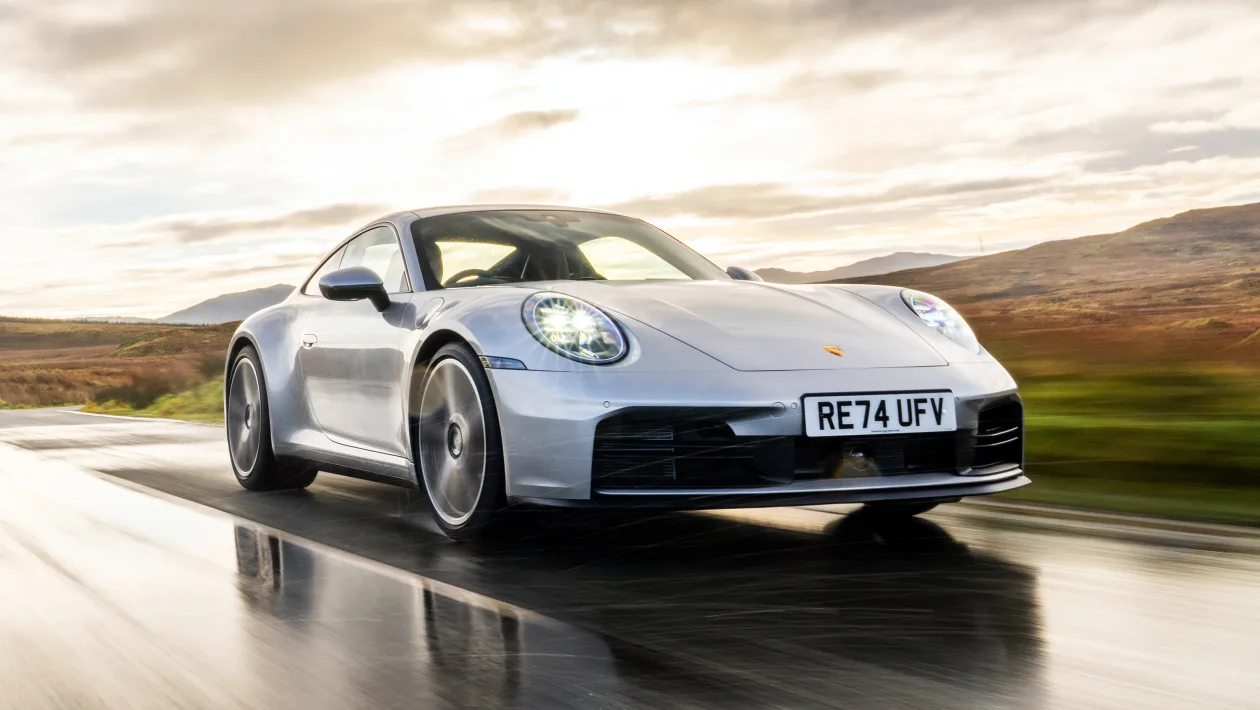
Brakes are a good example. Standard rotors are costly. Ceramic composite brakes on upper trims can cost many thousands to replace. Tires are also expensive. Staggered sizes mean the front and rear differ.
Many components are shared with hard-working cars. But low volume keeps prices up. Bumpers, lights and body panels can be very costly. Even a minor collision can mean a large bill.
Rear-engine layout adds service complexity. Some jobs need more labor time. That raises shop invoices. Electronics and sensors add to the cost. Adaptive suspension and active aerodynamics are costly to fix. A failed part may need dealer-level diagnostics.
Warranty and certified pre-owned coverage can help greatly. Many owners also buy extended plans. Do the math before buying one out of warranty. A 911 is a car you can use daily. It is more dependable than many expect. Just remember that dependable does not mean cheap to maintain.
10. Toyota Prius
The Prius may seem like a bargain. It is famous for fuel economy and durability. The latest generation uses a 2.0-liter hybrid system with up to about 196 horsepower. Earlier models used a 1.8-liter engine and a smaller output.
Reliability scores are excellent. Many Prius cars cross 200,000 miles with few problems. The hybrid system is mature and well tested. Engine wear is usually mild.
So why the high repair costs? A few big-ticket items stand out. The hybrid battery is the main one. Replacement outside warranty can cost thousands. Most last a long time, but age does take a toll.
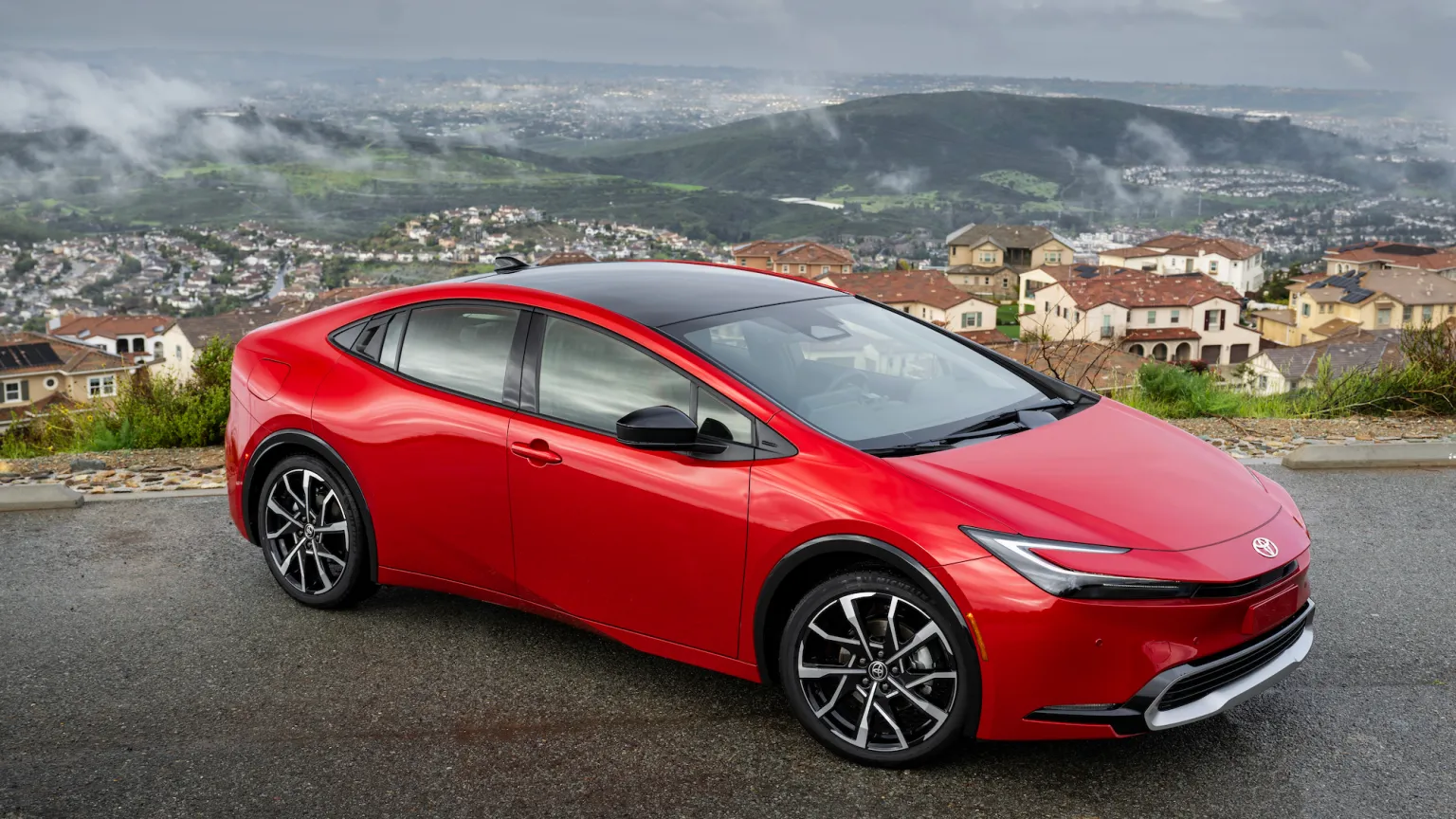
Catalytic converter theft has hit Prius owners hard. These units contain valuable metals. Replacement can be expensive, and insurance may not cover everything. This has become a major concern in many cities.
The inverter and related control units can also fail. They are complex and costly. Dealers may need to handle the repair. Not every independent shop is trained for hybrids.
Some models have had issues with head gaskets or oil consumption in certain years. Others have had braking system actuator problems. These parts can be costly to fix.
Collision repair can be costly as well. Sensors and lightweight panels add expense. Hybrid systems need special safety handling too. On the plus side, routine costs are low. Fuel savings can offset many expenses.
Tires and brakes last well because of regenerative braking. The Prius remains a smart buy for many. Just keep an eye on the rare big expenses. Planning ahead makes ownership far less stressful.