A luxury badge promises comfort, speed, and status. It rarely promises a small repair bill. Many buyers focus on the sticker price. The real cost shows up years later in the service bay.
Owner survey data from CR gives us a clear picture. The survey tracked maintenance and repair spending in years one to five, years six to ten, and the full ten years. The figures come from real owners paying real invoices.
The first five years look cheap for almost every brand. Warranties cover most big failures. Some brands even include free scheduled service. The gap opens after year six. Air suspensions leak. Sensors fail. Gearboxes and cooling systems demand attention.
This list ranks ten luxury brands from the most expensive to the cheapest. The ten-year numbers lead each section. I add what usually breaks and what you can do about it.
One thing matters before we start. These are brand averages, not promises. A careful owner with a good independent shop can beat the average. A neglected car can blow far past it. Let’s start at the top of the repair-cost pile.
1. Land Rover
Land Rover tops the list at an average of $19,250 over ten years. That is a heavy number for any car. The split is also telling. Owners paid about $4,250 in the first five years and $15,000 in years six to ten. The brand gets expensive just as the warranty fades.
Air suspension is the classic pain point. Bags and compressors wear out with age. A full replacement can run into thousands. Electronics add to the bill. Modern Range Rovers pack in screens, sensors and control modules. One faulty module can take days to trace.
Cooling and oil leaks also show up on older engines. Timing components on some V8 units need careful attention. Labor rates at specialist shops stay high.
Parts prices add another layer. Genuine components cost far more than those for mainstream SUVs. Even simple items like control arms hurt. Rust and wiring issues can appear on older examples. Underbody corrosion is a risk in wet or salted regions. Check this before buying used.
Why do owners still buy them? The cabin is superb, and the off-road capability is real. Resale on clean examples can be strong. Buying advice is simple. Choose a car with full service history. Get a pre-purchase inspection from a specialist.
Budget for repairs from year four onward. A yearly cushion of two thousand dollars is sensible. Think of it as a subscription to the badge. Extended warranties can help here.
Read the exclusions closely. Air suspension and electronics are often limited. Land Rover earns first place for the wrong reasons. It is a brand to love with a full wallet.
2. Porsche
Porsche sits second with an average ten-year cost of $14,090. That is far above most rivals. The first five years averaged $4,000, and years six to ten added $10,090. The early number is already the highest after Land Rover.
Several things explain this. Porsche cars are engineered for speed. Brakes, tires and suspension parts wear faster under that stress. Brake jobs are a good example. Large rotors and calipers cost a lot. Ceramic systems cost even more.
Tires matter too. Performance rubber is soft and wears quickly. Sets for a 911 or Cayenne can reach four figures. Service labor adds up. Many jobs need special tools and software. Dealer rates in big cities are steep.
Some older engines carried known weaknesses. Early water-cooled flat-six units had bore and bearing concerns. Later designs improved, but memory lingers in the used market.
Owners also tend to drive harder. Track days and spirited roads raise wear. The survey average blends all of that together. On the plus side, Porsches hold value well. A clean car can lose less money than a rival. That offsets some of the repair pain.
The Macan and Cayenne also raise the average. SUVs carry heavier parts and bigger bills. Air suspension appears on higher trims. Smart owners lean on independent specialists. A good shop can cut labor costs sharply. Preventive service matters more than ever.
Keep records of every fluid change. Buyers pay extra for documented care. Records also help in any warranty claim. Porsche remains a joy to drive. Just remember that joy has a running cost. Plan for it.
3. Mercedes-Benz
Mercedes-Benz lands third at $10,525 over ten years. That is more than double what a Lincoln costs. The brand averaged $2,850 in the first five years and $7,675 in years six to ten. The early figure is higher than most rivals.
Why is Mercedes so costly? Complexity is the main reason. These cars carry lots of technology. Air suspension appears on many models. The system rides beautifully when new. It can cost a fortune when it fails.
Electronics are another weak point. Control units, sensors and wiring harnesses age. Fault finding takes skilled labor. Fluids and filters also cost more. Many models need specific approved oils. Transmission services are not cheap.
Older models bring known issues. Some V6 and V8 engines have oil leaks and balance shaft concerns. Gearbox mechatronic units can also fail. Parts prices follow the badge. Even a headlight assembly can cost a lot. Collision repairs are expensive too.
The brand sells a wide range. A basic C-Class costs less to run than an S-Class. AMG models sit at the far end. Larger SUVs raise the bill further. The GLS and G-Class carry heavy components. Wear items like brakes and tires cost more.
Mercedes drivers often value comfort above all. That shows in the car’s silent cabin and soft ride. Those comforts rely on parts that wear. Used buyers should be careful. A cheap older S-Class is a trap for the unwary. Repair bills can exceed the car’s value.
Choose a newer model with warranty coverage if possible. Pick a simpler trim level. Fewer gadgets mean fewer failures. Mercedes earns its spot. It is a lovely car that asks for steady care.
4. Audi
Audi comes fourth with an average ten-year cost of $9,890. That is below Mercedes but still high. The first five years averaged $1,900, and years six to ten reached $7,990. The early cost is quite moderate.
That split matters. Audi owners often feel fine for years. The bills then arrive together. Many Audis use turbocharged engines. Turbo systems add heat and complexity. Seals, hoses and coolers wear with age.
Direct-injection engines can build up carbon on intake valves. Over time, this hurts performance. A cleaning service is then needed. Water pumps and thermostats can also fail. Some are made of plastic. Heat cycles make them brittle.
Quattro all-wheel drive is a strong feature. It also adds parts that need service. Differentials and transfer cases need fresh fluid. Dual-clutch gearboxes need careful servicing. Skipped fluid changes shorten their lives. Replacement is costly.
Electronics are a mixed story. The cabins look modern and slick. Screens and modules can cause irritating faults. Audi shares platforms with Volkswagen. That helps with parts availability. Some components cost less than rivals as a result.
Independent specialists know these cars well. Their rates are lower than dealers. That can trim the long-term bill. Audi’s electric models are a newer story. They avoid many engine costs. Long-term data is still building.
Buyers should look for full records. Ask about carbon cleaning and gearbox services. A tidy history is worth paying for. Audi sits in a middle zone. It is not the worst, but it is far from cheap.
5. BMW
BMW is fifth at $9,500 over ten years. It is thousands less than Mercedes. The first five years are very cheap, near $1,700. Part of that is free scheduled maintenance on new cars. The survey itself notes this effect.
Costs rise sharply after year five. The later years carry most of the total. This is when plastic parts and seals age. Oil leaks are a common complaint. Valve cover and oil filter housing gaskets harden. A leak can then spread to belts and hoses.
Cooling systems need attention. Many components are plastic. Water pumps, expansion tanks and hoses can fail without warning. Turbocharged engines raise the stakes. Heat is hard on seals and sensors. Regular oil changes are vital.
BMW’s handling feel is the brand’s pride. It depends on suspension bushings and control arms. These wear and must be replaced. Electronics add risk too. The iDrive system is rich in features. Sensors and modules can fail as cars age.
M models cost the most. Their brakes, tires and engines work harder. Repair bills reflect that. The large catalog also matters. A 3 Series is cheaper than an X7. Bigger cars bring bigger parts.
Independent shops are a big help. Many specialize in BMW only. They often match dealer quality for less. Good news exists too. Some engines, like the older inline-six units, have a strong record.
Careful choice of model changes the outcome. Use a trusted shop and fix small leaks early. That one habit saves a lot of money. BMW rewards owners who stay ahead of problems.
6. Volvo
Volvo ranks sixth with an average ten-year cost of $9,285. That surprises some buyers. The brand once stood for simple, durable cars. Modern Volvos are more complex. Their costs now sit with the European group.
The first five years averaged about $1,785. Years six to ten added the rest, roughly $7,500. Volvo’s engines are now mostly four-cylinder turbo units. They are compact and efficient. They are also packed tightly under the hood.
Tight packaging raises labor time. A simple job can take hours. Labor rates then drive up the invoice. Electronics are a regular source of trouble. Large touchscreens and driver aids rely on software. Updates and module failures can be costly.
Plug-in hybrids add another layer. They carry batteries, chargers and extra cooling. Repairs here need trained technicians. Safety technology is a Volvo strength. Cameras and radar sensors support it. A cracked windshield can mean costly calibration.
Older Volvos had well-known quirks. Transmissions and timing components needed care. Those memories linger. Still, Volvo owners often report good comfort and solid structure. Cabins age well. Seats stay supportive for years.
Parts supply is decent. Independent shops are growing in number. That keeps long-term costs under control. Used buyers should check software updates. Ask for a scan of fault codes. A clean report shows a healthy car. Volvo is a gentler choice than the cars above it. It remains pricier than Japanese luxury brands. The gap is real.
7. Infiniti
Infiniti comes seventh at $8,500 over ten years. That is a clear step down from the European names. The first five years averaged about $2,150. That early cost is higher than many rivals.
Years six to ten added about $6,350. The jump is gentler than for Audi or BMW. Costs rise but not dramatically. Infiniti shares much with Nissan. That helps with parts supply. Many components are less exotic than European ones.
The brand’s CVT gearboxes have drawn criticism. Some earlier units had reliability issues. Replacement can cost thousands. Newer Infiniti models use a turbocharged four-cylinder with variable compression. It is an advanced design. Long-term data is still limited.

The older V6 engines have a better name. The VQ family is known for strength. Many run past two hundred thousand miles. Interior electronics are an area of complaint. Infotainment systems feel dated. Fixes can be slow and pricey.
Infiniti’s sales are small. That means fewer specialists exist. Dealers often handle complex repairs. Depreciation is steep for the brand. Used examples are cheap to buy. Low prices can lure buyers into hidden costs.
A used G37 or Q50 can be a smart buy. Choose the V6 and a well-kept example. Avoid heavily modified cars. Maintenance schedules matter. Change transmission fluid on time. This single step helps the CVT live longer. Infiniti is a decent middle path. It offers luxury feel without full European costs. The drawbacks are weaker resale and a dated cabin.
8. Acura
Acura ranks eighth at $7,800 over ten years. That is far below the European brands. The first five years averaged $1,800, and years six to ten reached $6,000. The curve is gentle.
Acura is Honda’s luxury arm. It shares engines and parts with Honda. This keeps repair prices more reasonable. Honda reliability carries over to many Acura models. The MDX and RDX have strong records. Their V6 and four-cylinder engines are well proven.
Some issues do exist. Early VTC actuators on certain V6 engines can rattle. Transmissions in certain years had complaints. The ten-speed automatic in newer models has drawn mixed feedback. Software updates helped. Owners should check the service history.
Brakes and suspension parts are fairly priced. Honda-sourced components are cheap. Aftermarket support is wide. Labor costs are also lower. Honda-trained mechanics are easy to find. Independent shops know the platform well.
Acura’s technology is less complex than German rivals. There are fewer air suspensions and exotic systems. That means fewer expensive failures. Type S models cost more to maintain. Their brakes and turbo engines work harder. Even so, they stay modest by luxury standards.
The brand also offers good value used. A well-kept MDX can be a safe family car. Prices are friendly. The tradeoff is prestige. Acura lacks the badge power of German names.
Some buyers care about that, others do not. If you want luxury without the shock, Acura is sensible. It sits comfortably in the lower half of this list.
9. Lexus
Lexus sits ninth. It falls in the group that costs between $6,000 and $8,000 over ten years. That is a strong result for a luxury brand. Lexus has built its name on durability. Toyota engineering lies underneath. Quality control is famously tight.
Owners often keep these cars for a decade or more. Many reach very high mileage. Engines and gearboxes tend to last. Repair costs stay low because failures are rare. Parts come from the Toyota system. Many are affordable and easy to find.
Maintenance is also straightforward. Oil changes and fluid services are not complicated. Independent shops handle them easily. Hybrid models are a special strength. Lexus has built hybrids for many years. Battery packs have proven durable.
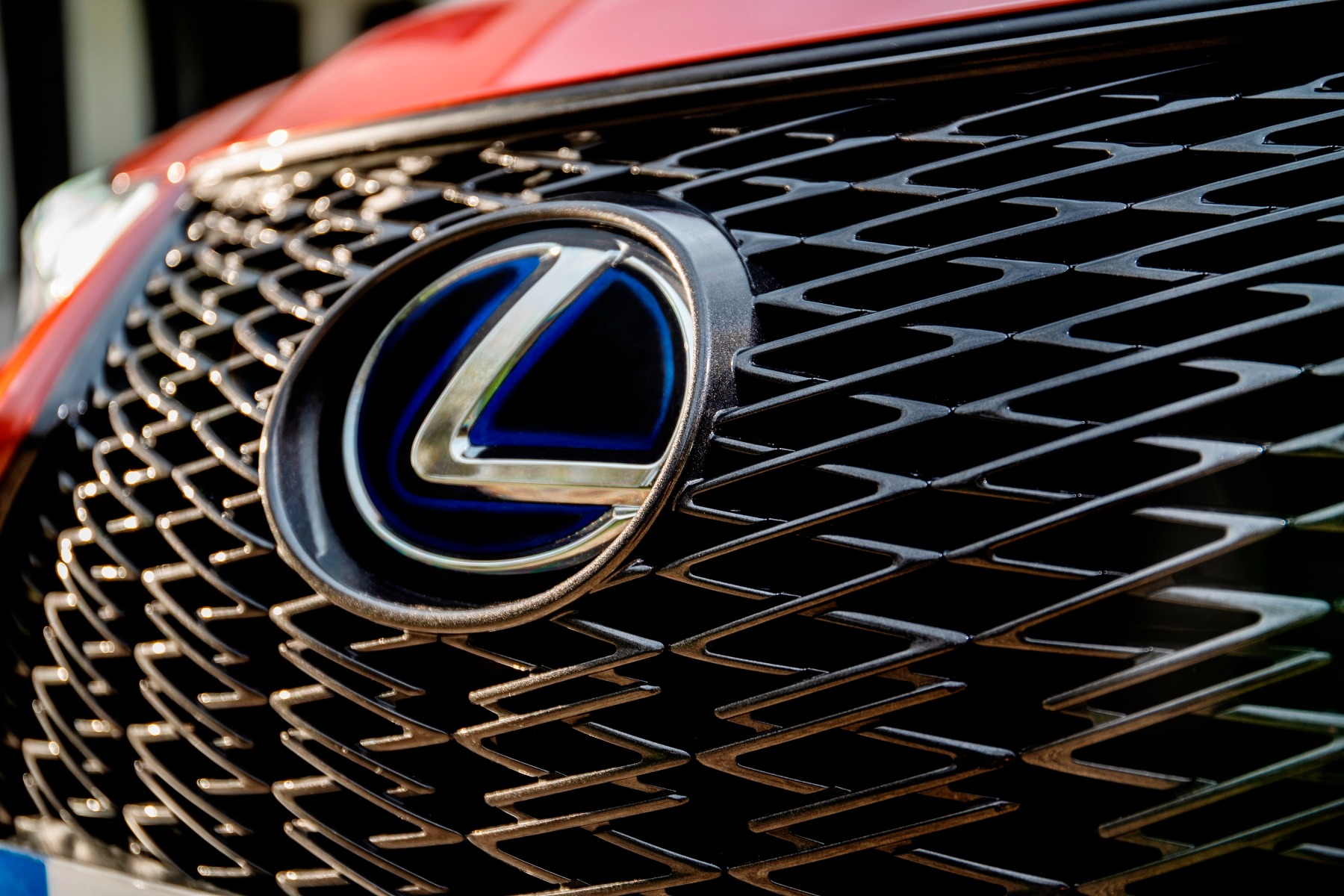
The ES, RX, and NX are popular examples. They offer comfort and low running costs. Used values stay high for the same reason. Some costs remain. Dealer labor rates are premium. Large wheels and low-profile tires raise replacement bills.
Infotainment is a minor annoyance. Older Lexus touchpads were clumsy. They rarely fail, though. F models and the LC carry higher bills. Their brakes and engines are more specialized. They are still modest next to Porsche.
Newer turbo engines are less proven. Long-term data is still limited. Check that before buying a first-year model. Lexus rewards careful buyers. Look for service records and clean history. A well-kept car can be nearly trouble-free. Lexus proves luxury does not need to be costly. It is the sensible pick among premium brands.
10. Lincoln
Lincoln ends the list as the cheapest. Its ten-year cost is about one-quarter of Land Rover’s. That puts it in the low $4,000 to $5,000 range. An expert from the survey team notes that Mercedes-Benz models cost more than double a Lincoln to maintain over ten years. That gap is striking.
Lincoln is Ford’s luxury brand. It shares platforms and parts with Ford. That keeps repair bills low. Ford parts are easy to find. Dealers and independent shops stock them. Prices are far below European equivalents.
Engines are mostly familiar designs. Ford’s EcoBoost units are widely used. Mechanics know them well. Labor is also cheaper. Ford-trained technicians are everywhere. Shop rates are lower than at German specialists.

The brand’s cars are simpler in some ways. Fewer exotic systems exist. That cuts the number of costly failures. That said, Lincoln is not perfect. Some models have had electronics complaints. Infotainment glitches have been reported.
Transmissions in certain years drew criticism. Check the model year before buying. Look at recall history. The Navigator and Aviator carry more cost. Larger SUVs have heavier brakes and tires. Even so, they stay affordable.
Resale value is a weakness. Lincolns lose value quickly. That is good for used buyers. A used Corsair or Nautilus can be a smart buy. You get luxury trim at a modest price. Running costs stay low. Lincoln may lack prestige. Its low repair bills are a real prize. For cost-conscious buyers, it is the winner.