
A great drive does not guarantee a great ownership experience. Consumer Reports tests every car it buys on a 327-acre track in Connecticut. More than 50 tests go into one road test score. Braking, handling, ride, seats, controls, and headlights all count.
Reliability comes from a different source. It is predicted from owner surveys covering about 20 trouble areas. The survey for 2026 covered roughly 380,000 vehicles. A transmission failure weighs far more than a loose trim piece.
The two scores often disagree. A vehicle can ace the track and still break often at home. Eighteen models lost their recommendation for 2026 because of this gap. Redesigned models and new powertrains suffer most.
This article ranks ten vehicles where the road test number clearly outran the reliability number. Some have exact scores. Others are described from the verdicts. The full figures sit behind a paywall. Read each entry as a trade-off. These are not bad vehicles. They are brilliant ones with a catch.
1. Kia EV6
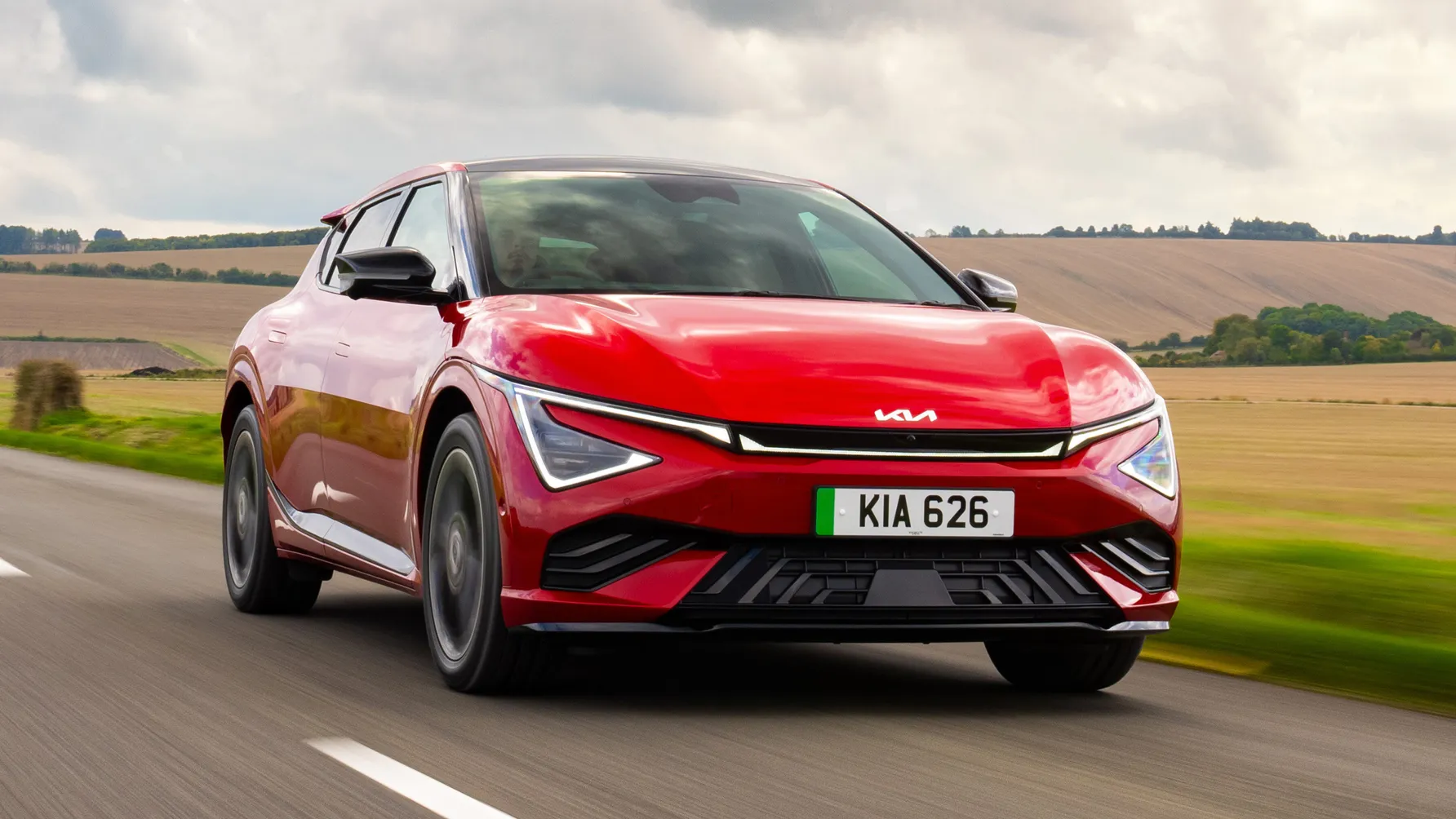
The EV6 is the cleanest example of this gap. It earned a road test score of 91 out of 100. Its predicted reliability for 2026 is only 25. Testers loved how it drives. The handling is sharp and the ride is composed. Few electric crossovers feel this good.
The trouble sits in the electrical heart of the car. Hyundai Group’s E-GMP platform has a known charging unit problem. It can cause limp mode or a dead 12-volt battery. The issue affects roughly 2 to 10 percent of owners.
That rate is enough to hurt the survey score. The EV6 ranked eighth from the bottom of the 2026 list. It also lost its recommendation in an earlier survey cycle.
Kia backs the battery and drive components for 10 years. That helps with cost. It does not help with downtime. Buy one if you can live with the risk. Check that every recall is complete.
Ask the dealer about charging unit updates. The reward is a car that feels expensive to drive. The risk is a car that may spend weeks in service. Both are true at once.
2. Chrysler Pacifica Hybrid
The Pacifica Hybrid has the best road manners among plug-in minivans. Its road test score is a strong 84. It rides well and steers well. Its predicted reliability for 2026 is only 26. The gas Pacifica does better. The hybrid does not.
The trouble has repeated for years. In 2024, it scored just 14 out of 100. That was the worst of all 197 models reviewed. The weak spots are consistent. Owners report in-car electronics faults. They also report powertrain and transmission problems. EV battery and charging issues add to the list.
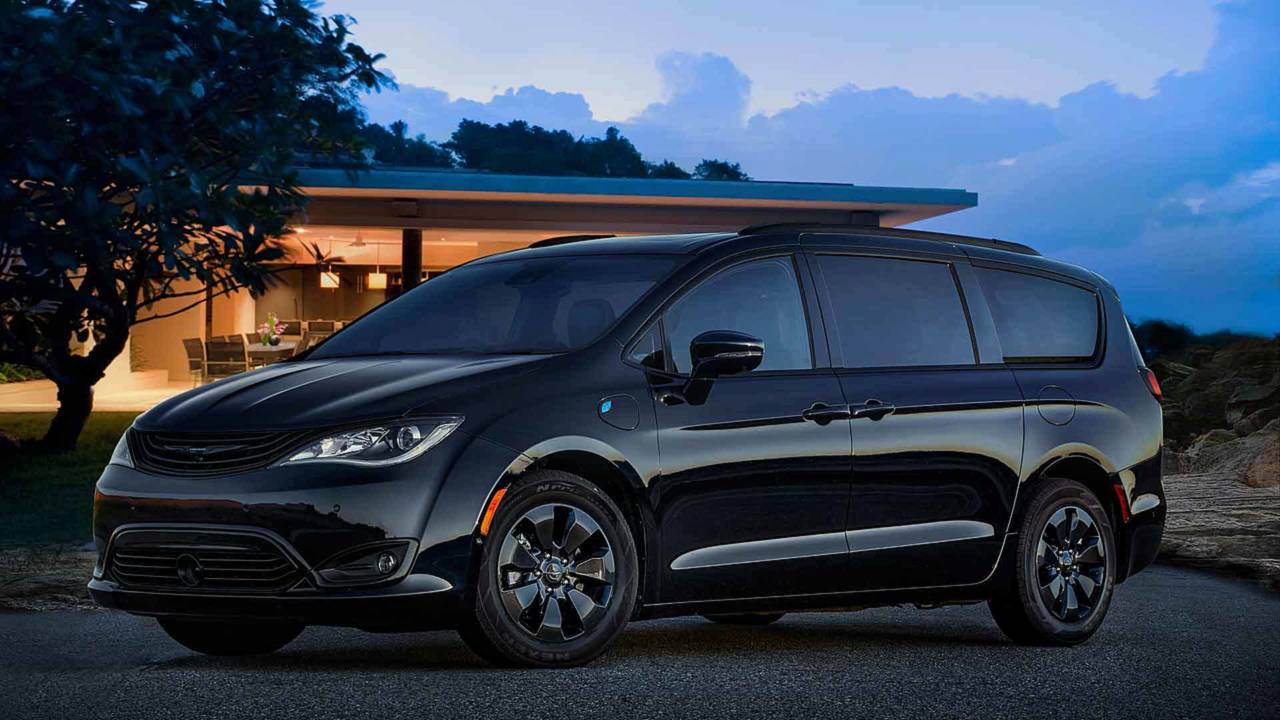
A transmission-related recall has hit the hybrid before. Software updates tried to smooth the shifting. The score stayed low. Rivals look better on paper. Reliability for the Toyota Sienna came in at 59. The Honda Odyssey landed at 43. Both beat the Chrysler.
This minivan was among the top sellers in its class. Many families chose it for the drive and the cargo flexibility. Many of them paid for it in repairs. The gas version is the safer pick from the same showroom. It keeps most of the comfort. It avoids most of the hybrid drama.
3. Rivian R1T
The R1T is a rare truck that tests well and fails the survey. It scored 84 on the road test. Testers called its abilities impressively wide. Predicted reliability for 2026 is 18 out of 100. That is the second lowest on the list. Only the GMC Acadia sits lower.
The problems spread across many systems. Owners cite electronics, climate controls, and body hardware. They also mention latches that fail to close. Loose trim and fender liners show up too.
Rivian was ranked the least reliable brand in one earlier cycle. One member said the truck was bricked three weeks after delivery. That quote stuck.
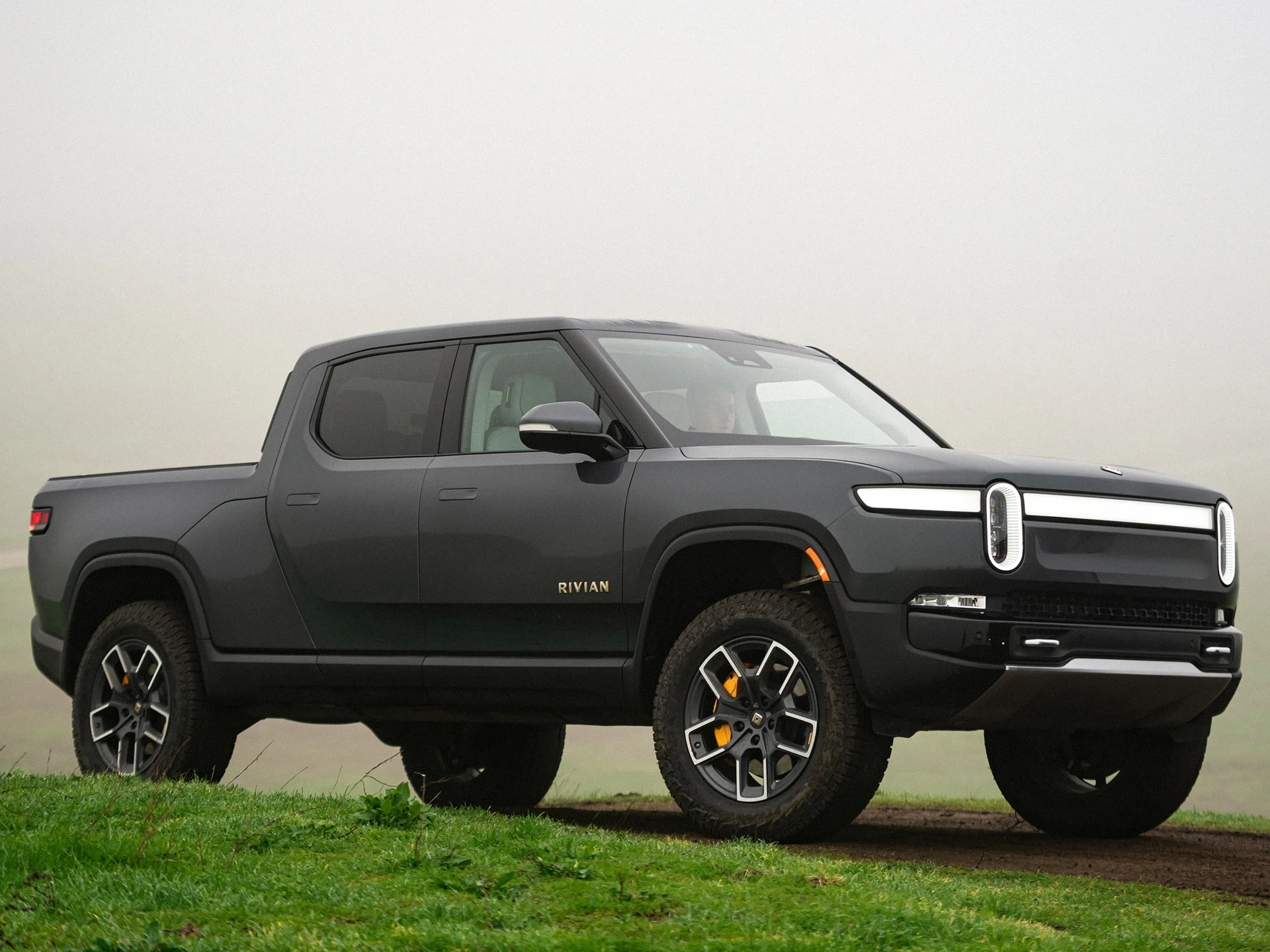
Here is the strange part. Owner satisfaction is sky-high. Rivian owners rank among the happiest in the survey. They love the truck even while it is in the shop.
That split tells a story. People forgive faults in exchange for character. Few other trucks feel this special. The core hardware has held up well. The battery and motors rarely fail.
The annoyances are mostly fixable under warranty. Service access matters more than usual. Ask how far the nearest service center is. That answer may decide your ownership experience.
4. Lucid Air
The Lucid Air is a showcase of engineering. In one earlier rating, it scored 94 on the road test. Owner satisfaction was a perfect 5 out of 5. Predicted reliability was only 2 out of 5. The score fell to 66. That is a big drop from a 94.
The cause is brand history. The Air is built by a young company with limited data. Past model years pulled the prediction down. New automakers rarely start with strong numbers.
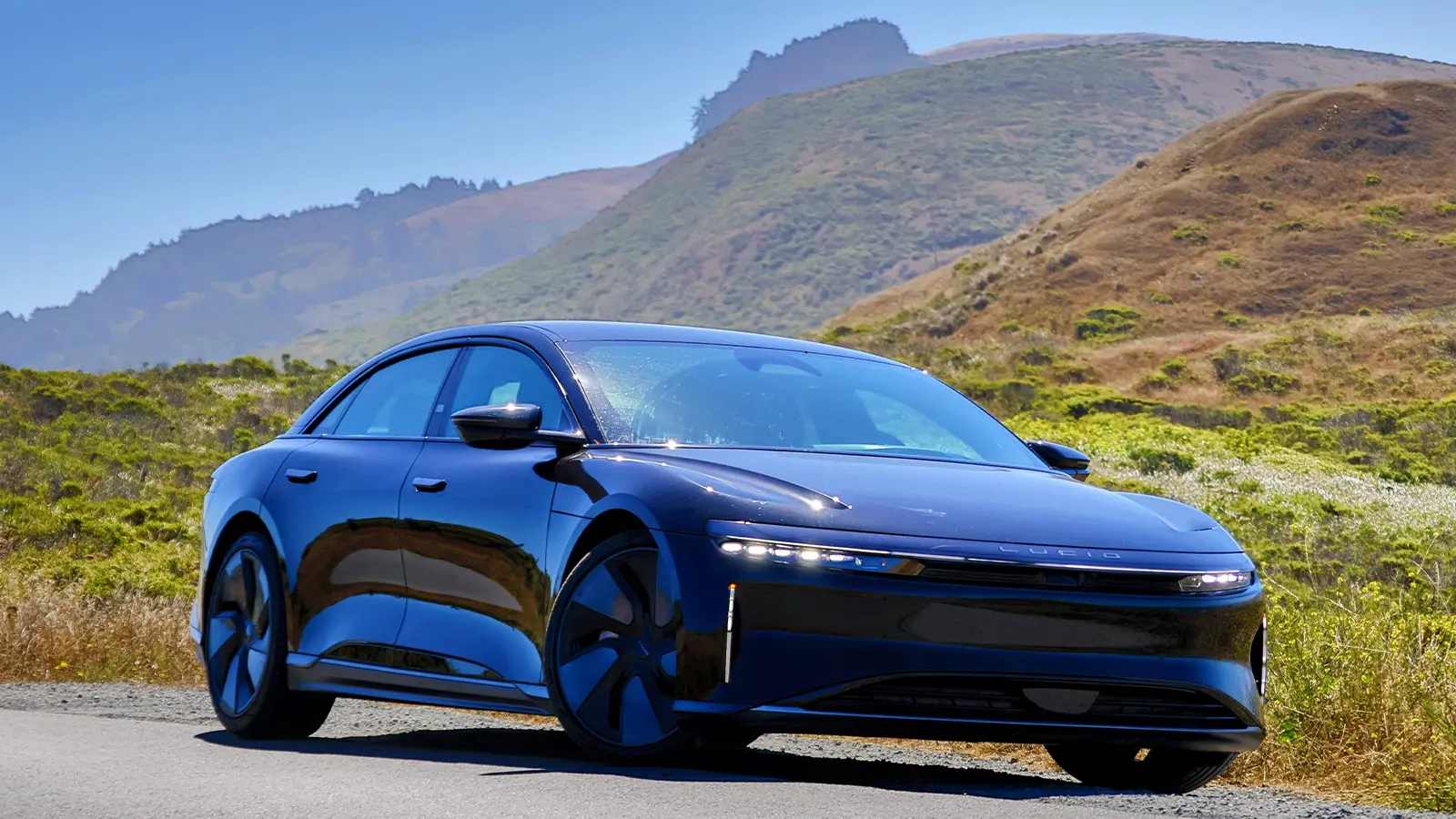
Efficiency is the headline strength. The Air stretches a battery further than almost any rival. That matters on long trips. The other strengths are speed and refinement. The ride is smooth and the cabin is quiet. The interior feels like a luxury flagship.
The risks are the usual early-brand risks. Software glitches can happen. Parts and service may take longer. Dealer networks are thin. Resale value is also a worry. Young brands can lose value quickly.
A shaky survey score does not help. Treat the Air as an enthusiast purchase. It is not a set-and-forget appliance. Buy it for the thrill and plan for a service relationship.
5. Kia EV9
The EV9 is the first mainstream three-row electric SUV. The testers who bought one called it comfortable and super roomy. The cabin feels airy, and visibility is good.
CR measured a range of 285 miles in its own tests. That is useful for a family hauler. It made the EV9 an obvious choice for big families. Predicted reliability for 2026 is 24 out of 100. It ranked seventh from the bottom. The 2024 version scored even worse at 9.
The same charging unit trouble that hits the EV6 hits this SUV. It is shared across the platform. The 2025 model improved slightly to 22 before the new rating.
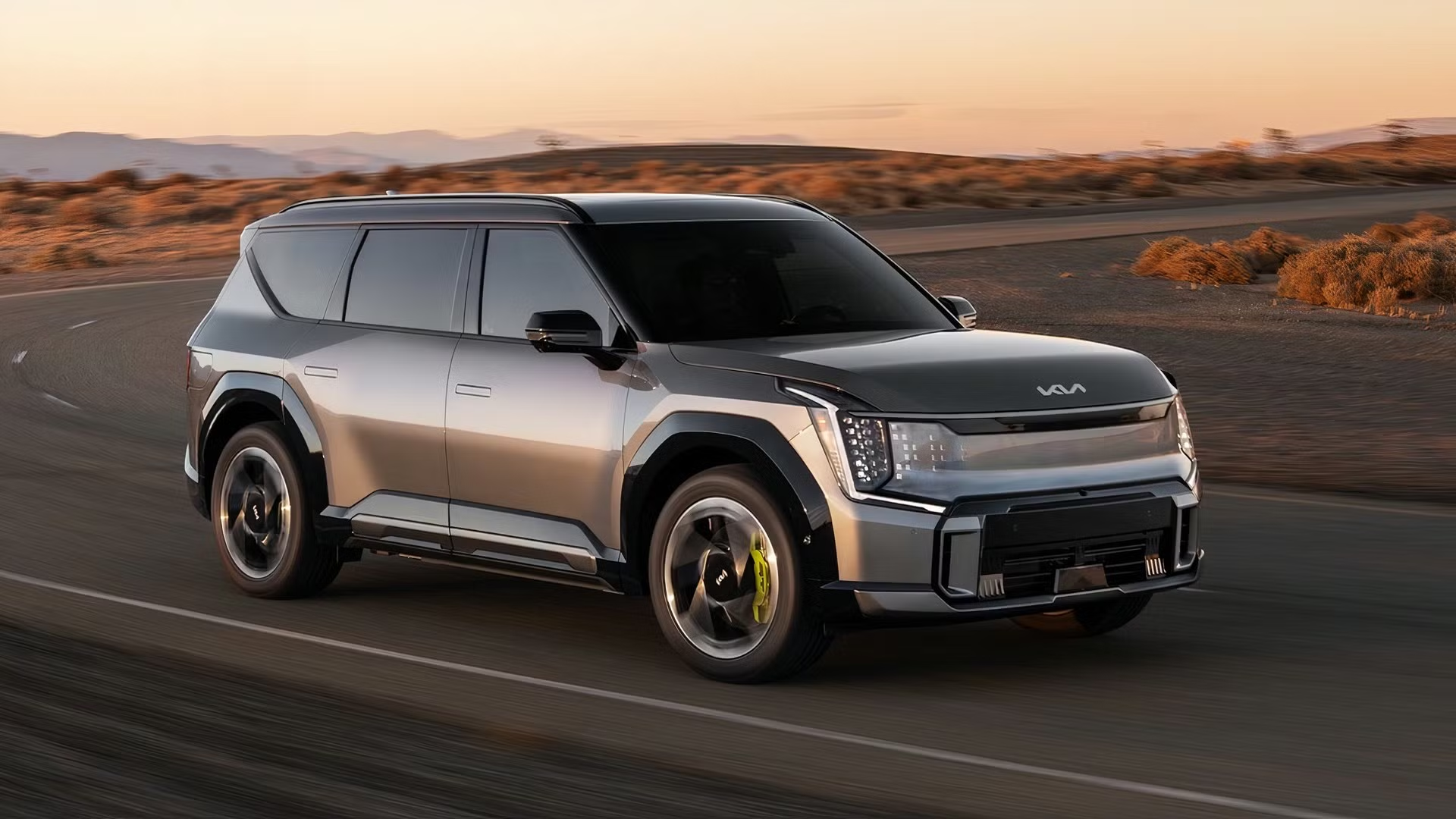
Some owners see limp mode or a dead 12-volt battery. A rear brake issue also triggered a recall. Powertrain and EV battery scores were rough in earlier data.
Testers did note a few annoyances. Handling feels a little short on agility. Some controls take getting used to. Those are minor next to the survey gap.
The EV9 still has real strengths. It is quiet and spacious. It is fast enough to be fun. The question is time. A three-row family SUV should not sit in the shop. For a car this important, that matters.
6. Genesis GV60
The GV60 is a stylish small electric crossover. Testers praised its precise handling. They also liked its smooth ride. Its predicted reliability for 2026 is only 21 out of 100. That is fifth from the bottom. The score came from earlier survey years.
The trouble spots read like a checklist. Owners report charging faults and electronics issues. Infotainment problems include full system replacement. Some trim pieces around the windshield came loose.
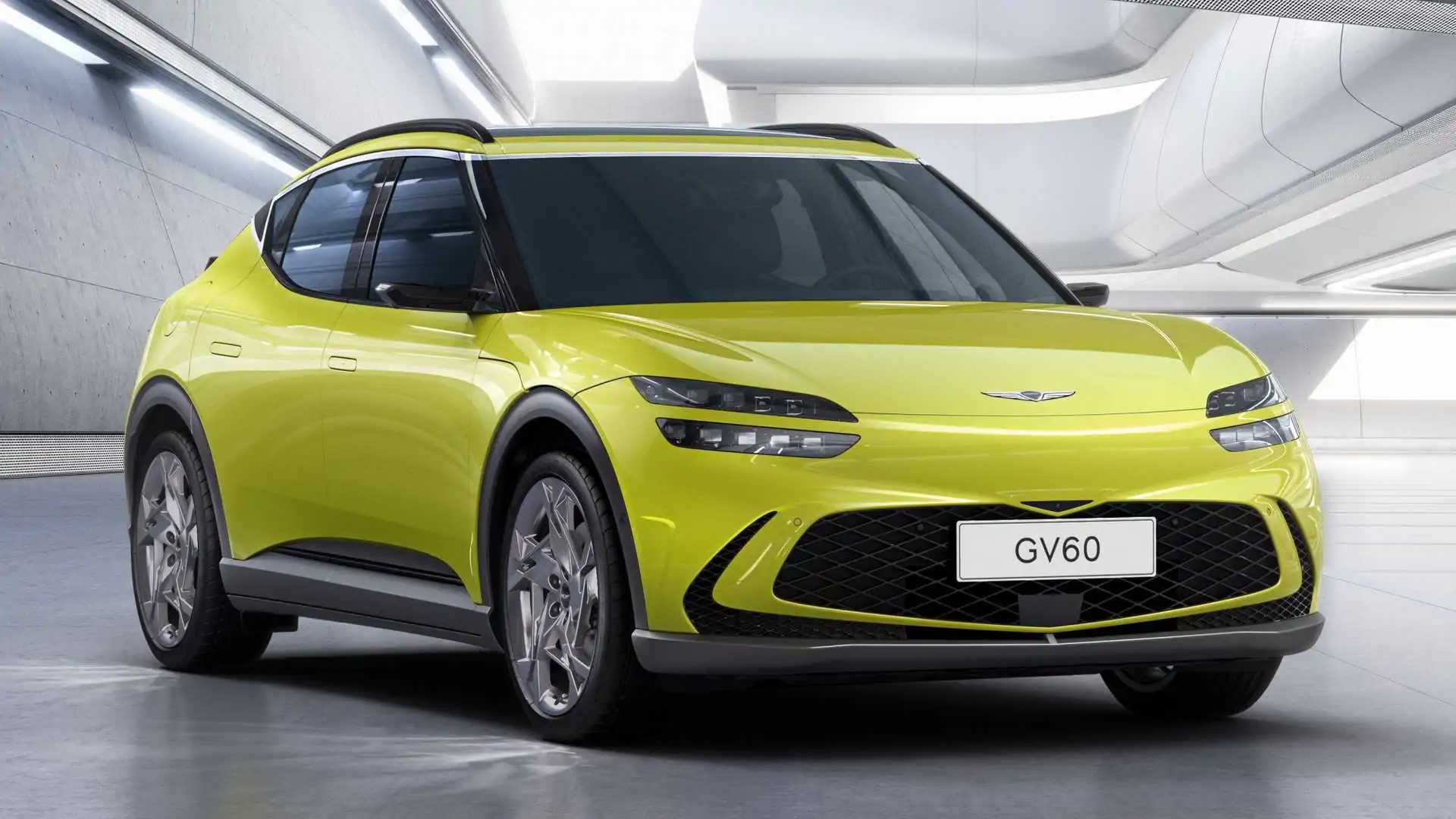
The windshield trim recall is a real safety matter. Detached molding can become a road hazard. That one earned its own recall. The GV60 shares the E-GMP platform with Kia and Hyundai. That means the charging unit risk comes with it. Several recalls hit the early model years.
Genesis, as a brand, sits below average in reliability. It finished 14th among 22 brands in one cycle. The GV60 has swung between average and poor.
It remains a lovely car. The design is bold, and the cabin is rich. The warranty is generous. Use that warranty. Choose a later model year if you can. Early cars carry the most recalls.
7. Mazda CX-90 Plug-in Hybrid
The CX-90 is Mazda’s attempt at a premium three-row SUV. Testers found the ride quality good and the cabin quiet. The interior feels plush. Predicted reliability for the plug-in hybrid is 20 out of 100. That is fourth from the bottom for 2026. Mazda lost ground in the brand rankings because of it.
This was a brand-new platform and a brand-new hybrid system. First-generation hardware often struggles. The CX-90 was no exception. A recall covered a software error. It could shut down the engine and motor unexpectedly. That would cause a loss of drive power.
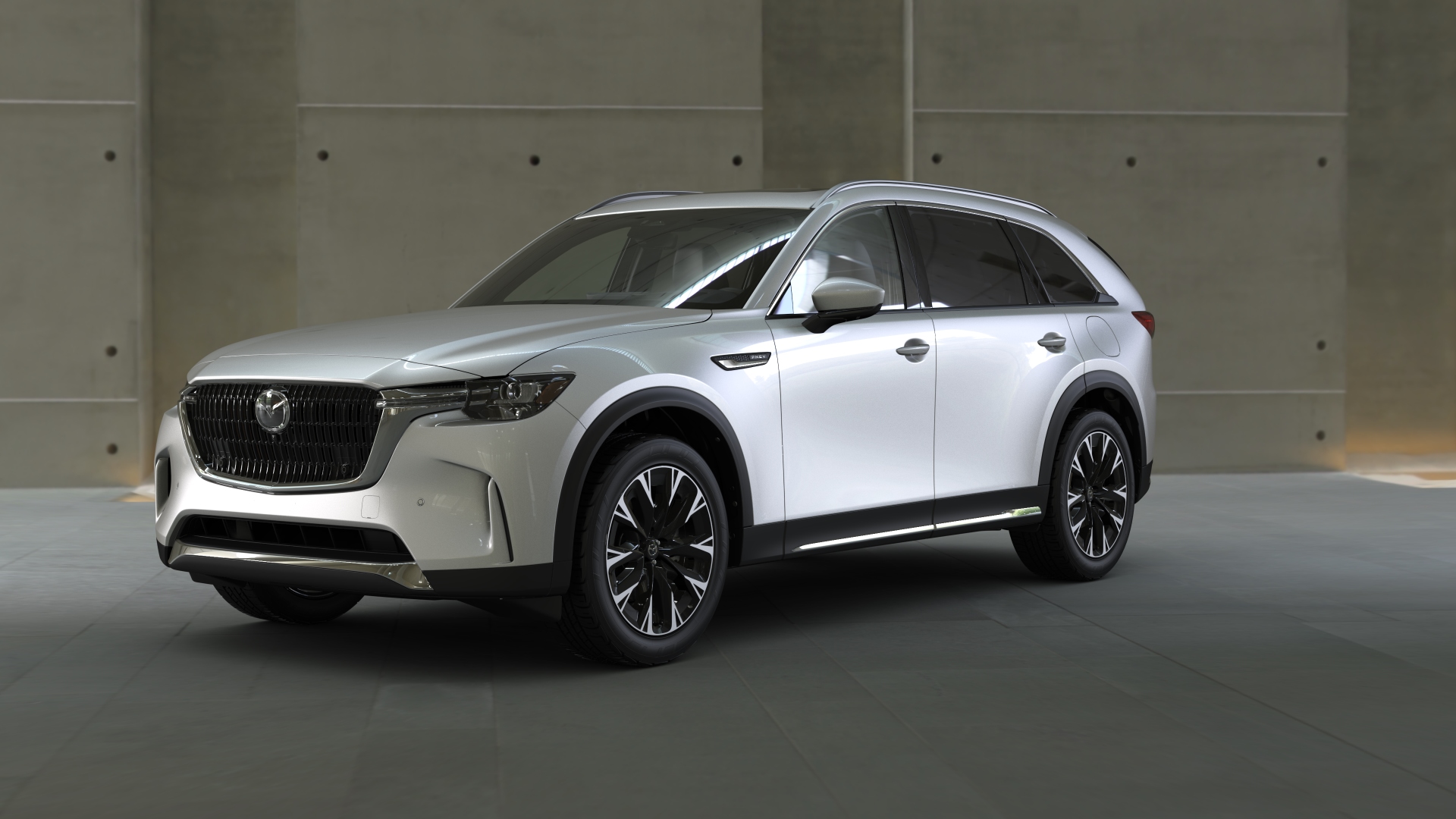
Owners also report noises, leaks, and paint trim issues. Some described repeated dealer visits. Others reported a sticky steering feel that was recalled.
Not every owner suffers. A long-term test by one magazine found little trouble. Many owners love the power and handling. Fuel economy is another weak spot. With a flat battery, the plug-in only delivered average mileage.
The electric range is about 27 miles. The standard gas version has fared better. It is the calmer choice. The plug-in is for buyers who want the hybrid tech and accept the risk.
8. BMW X5
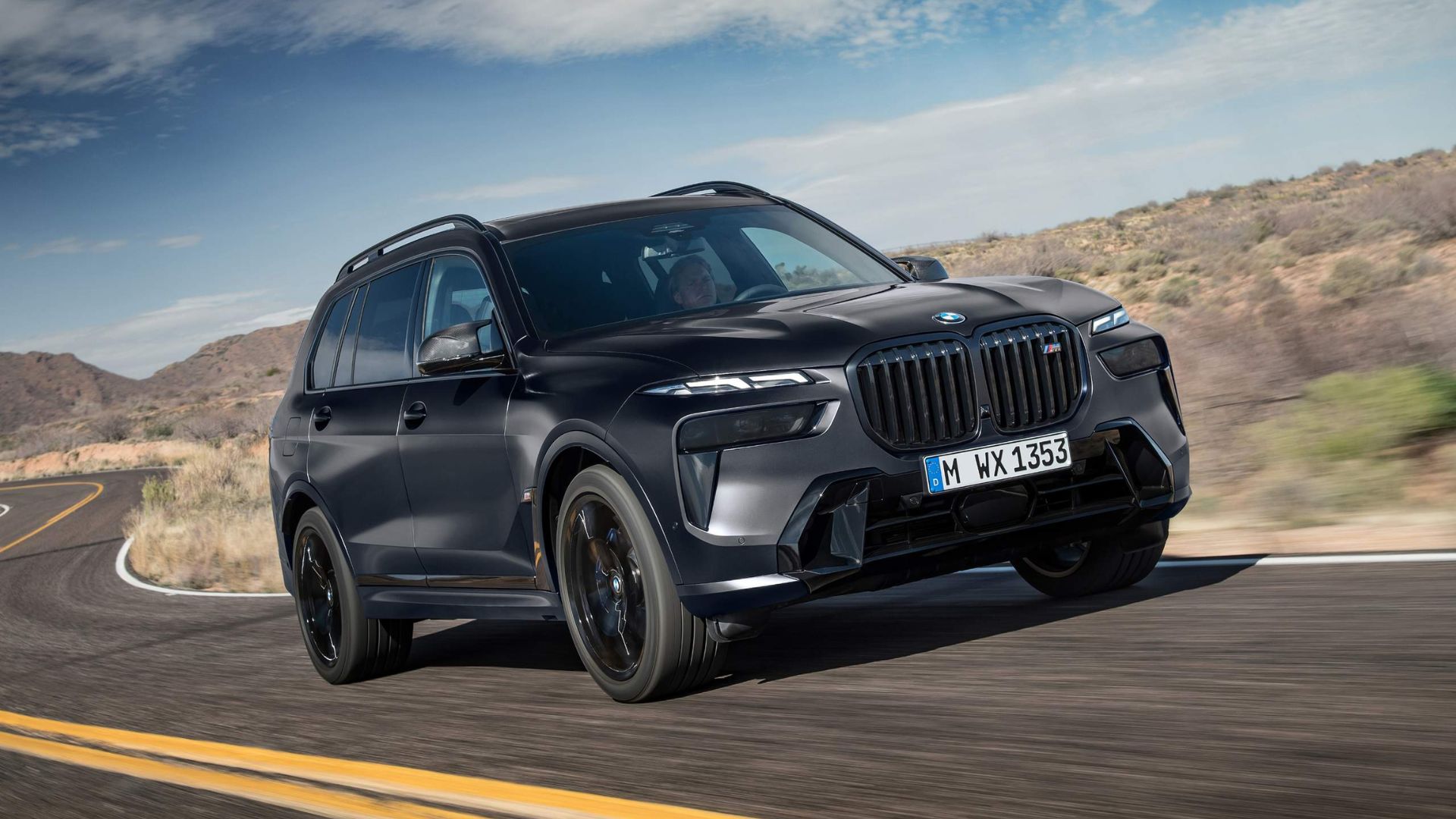
The X5 is the biggest road test hero on this list. It scored 96 out of 100. CR called it one of the best luxury SUVs it has tested. The gas X5’s score was the highest in its comparison. That includes seventeen luxury midsize rivals. It beats nearly everything on the track.
Predicted reliability is 65. That is not terrible. It is just far below the road test number. The gap is 31 points. That is the widest distance in this article between a big strength and a middling weakness. It shows up in an otherwise elite vehicle.
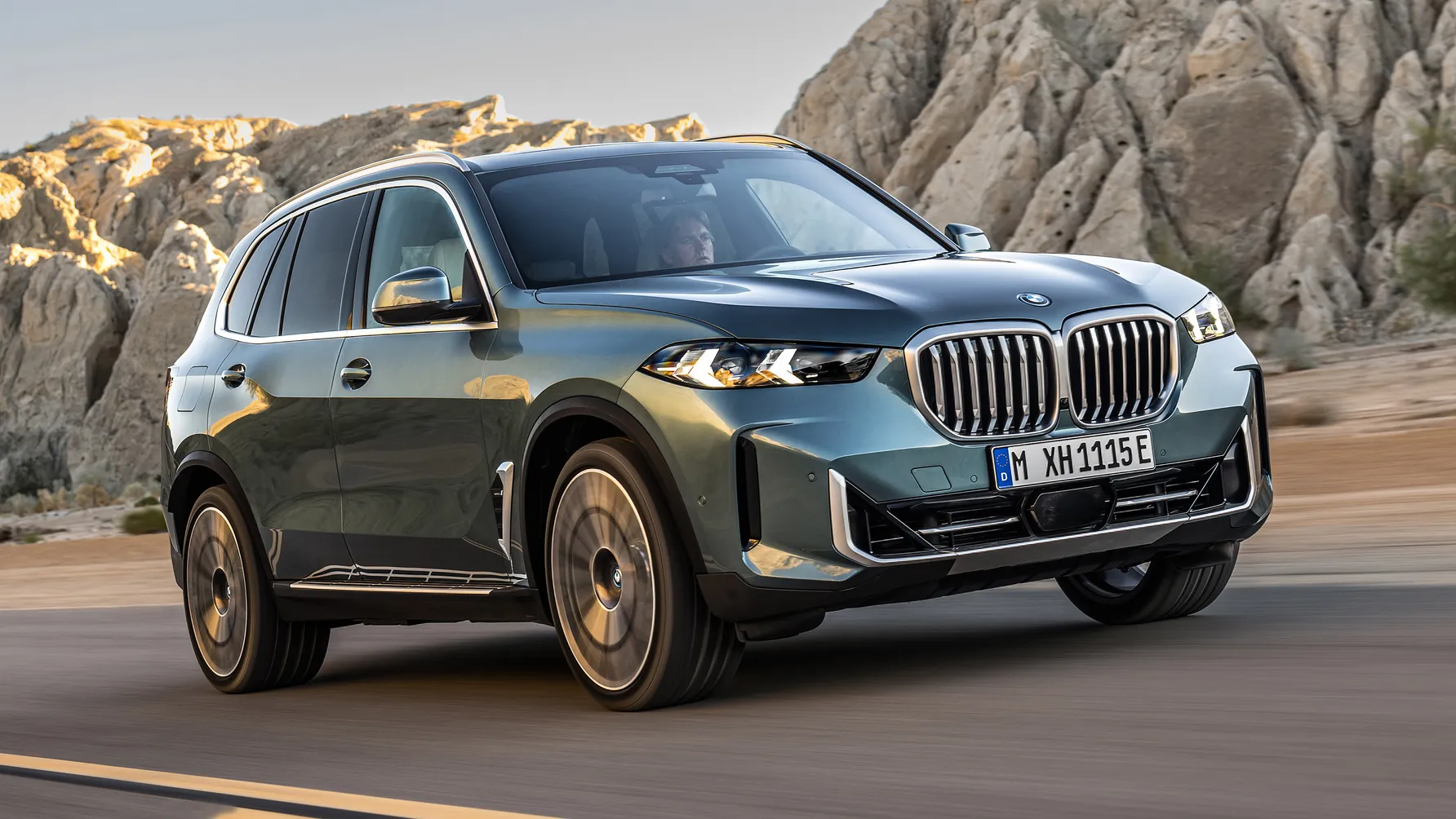
Owner satisfaction is strong at 80. People enjoy living with it. The drive, comfort, and technology win them over. Why the middling score? German luxury brands often pay for complexity. More electronics mean more things that can fail. BMW as a brand sits below the top tier.
The plug-in version comes second in the comparison. It adds more parts. That tends to add more risk. An extended warranty can make sense here. Repair bills on luxury SUVs hurt. Compare the cost against your tolerance for surprises.
9. BMW X7
The X7 is the three-row sibling of the X5. It scored 94 on the road test. It also earned strong owner satisfaction of 73. Predicted reliability is 61. That is a 33-point gap from the road test. It is slightly worse than the X5’s gap.
The X7 is huge and still drives well. That is the engineering feat. A large SUV rarely feels this composed. The cabin is luxurious for all three rows. Adults can ride in the back. Few rivals match that.
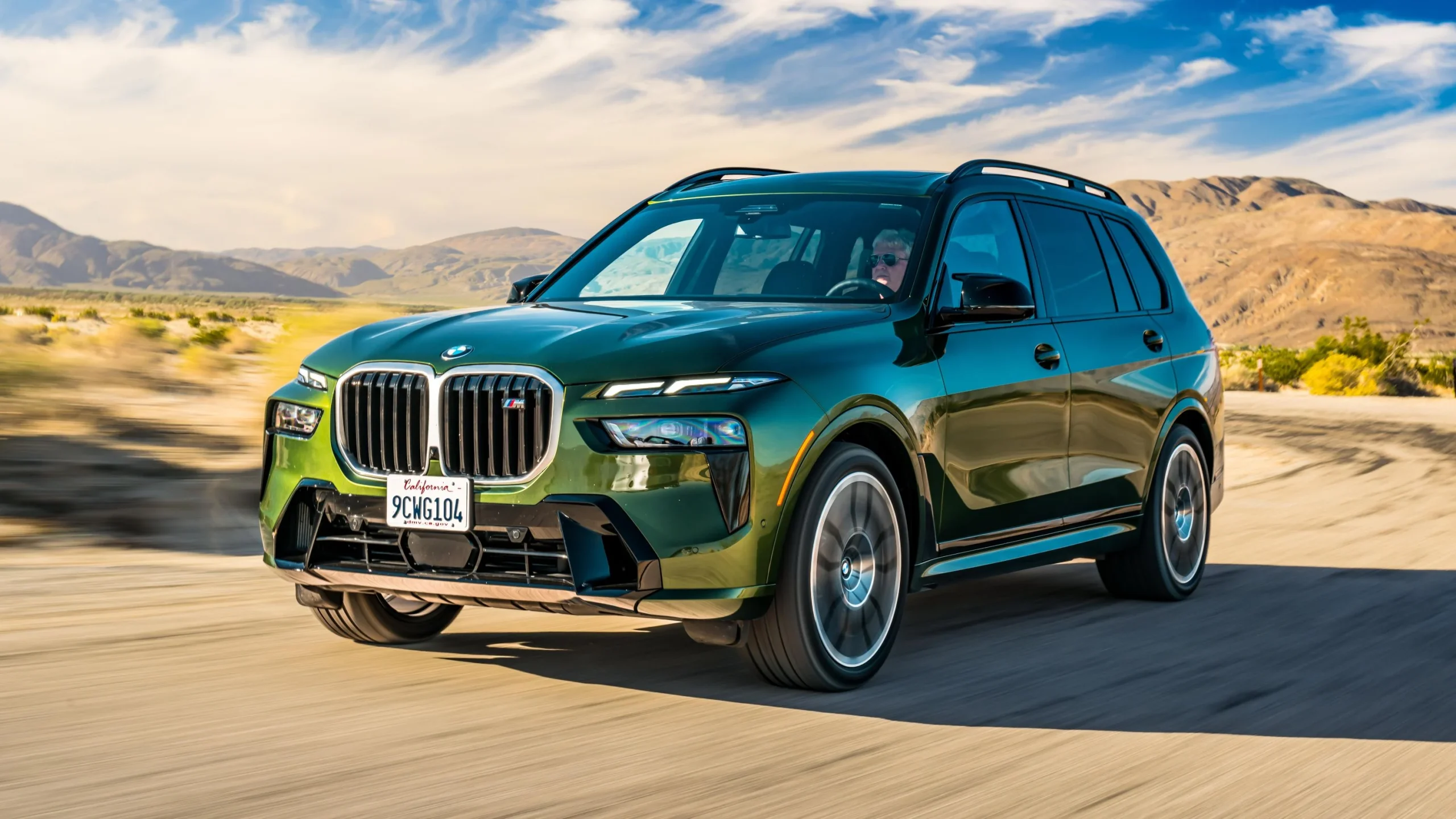
Compare it with a rival from Japan. The Lexus TX scored 80 on the road test and 65 on reliability. The gap is smaller, but so is the driving appeal. The Toyota Sequoia is worse on both counts. It scored 59 on the road test. Its reliability is only 48.
So the X7 is the best of a mixed class. It wins the drive and loses ground in dependability. That is a fair trade for many buyers. Cost matters more at this price. Base prices start around $86,700. Repairs on a large luxury SUV are expensive. Lease it if you worry about long-term bills. Then the warranty covers most of your time with it.
10. Chevrolet Blazer EV
The Blazer EV makes a fine first impression. CR liked its smooth power delivery. The cabin is roomy and the range is competitive. Predicted reliability for 2026 is 19 out of 100. That is third from the bottom. It scored a 1 out of 5 for its powertrain and battery in earlier data.
The early history was rough. The 2024 model had four recalls. Display screens froze and went blank. Noises and leaks also appeared. CR’s own test car had trouble. Other reviewers reported many problems in a couple of months. One outlet counted 23 faults in two months.
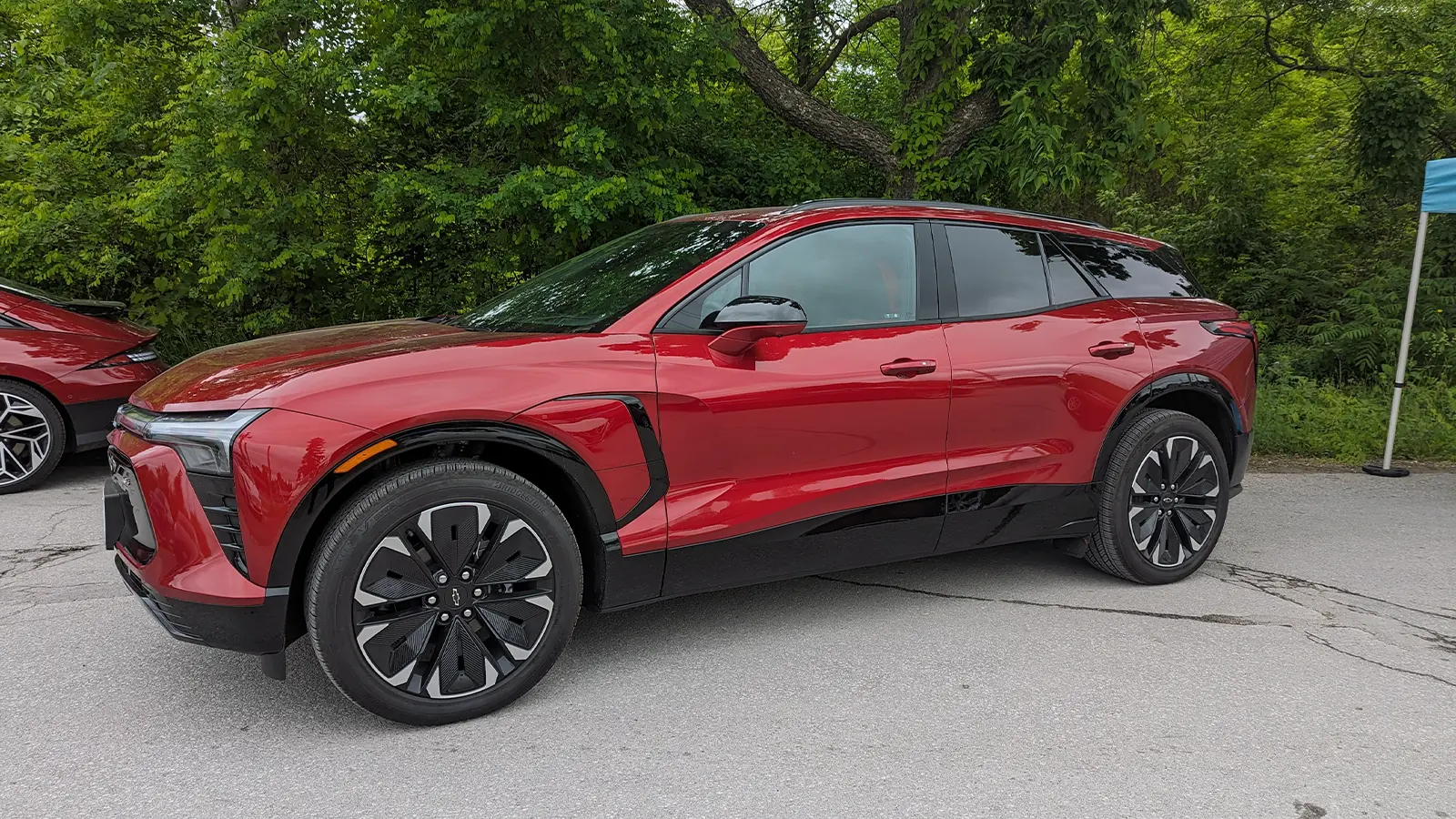
Some of the score rests on brand history. Little survey data existed at first. The rating borrowed from the maker’s score. The Cadillac Lyriq has a similar story. It tied the Blazer EV for one of the lowest scores. Both share the same GM electric underpinnings.
An older gas Blazer shows the pattern is not new. It scored 78 on the road test. Its reliability was 33, and it lost its recommendation in 2023. The lesson is simple. Wait for the second or third model year. Early GM electrics were rushed. Later ones may be better.
