
A comfortable driving position can make every journey more enjoyable, particularly for people who spend long hours behind the wheel. In the United States, vehicle ergonomics play an important role when buyers compare SUVs, sedans, and crossovers.
Consumer Reports evaluates several aspects of vehicle performance and usability during its road tests, including seating comfort, visibility, control placement, and driver convenience. These details help shoppers understand how a vehicle feels during everyday use.
This guide examines ten popular US-market vehicles with thoughtful driving-position designs, focusing on practical comfort, adjustability, cabin layout, and everyday driving experience.
The vehicles below are an ergonomics-focused selection, not a verified Consumer Reports ranking or a claim that CR awarded them specific driving-position scores. Individual CR ratings and current model-year results should be checked in its published road-test data.

1. Subaru Forester: Excellent Visibility and an Upright Driving Position
The Subaru Forester has a reputation for providing a practical cabin with an upright seating arrangement. Its relatively tall roofline and large windows help create an open environment for drivers who prefer a commanding view of the road.
The elevated seat position makes entering and leaving the vehicle convenient for many drivers. It also provides a familiar SUV driving posture without requiring occupants to sit extremely high above the road.
Seat adjustability is important when finding a comfortable position. The Forester offers adjustments that help drivers establish a suitable relationship between the seat, steering wheel, pedals, and dashboard.
Its broad windshield contributes to forward visibility. Large side windows also help drivers monitor surrounding traffic, which can be particularly useful when navigating busy American streets and parking areas.
The dashboard layout is designed around everyday usability. Frequently used controls are positioned within the driver’s reach, reducing the need to stretch across the cabin during normal operation.
The upright seating arrangement can suit drivers who experience discomfort in lower-slung sedans. However, individual comfort depends on body proportions, seat adjustment, and personal preferences.
For families, the Forester combines practical cabin space with a relatively straightforward driving environment. Its visibility and seating arrangement make it a sensible vehicle to include in an ergonomics-focused comparison.

2. Honda CR-V: Balanced Seating Comfort and Driver Accessibility
The Honda CR-V is a popular choice among American shoppers who want a comfortable family SUV. Its cabin combines an elevated seating position with a practical dashboard arrangement.
The front seats provide a supportive foundation for daily commuting. Their shape and available adjustments help drivers find a position that works for different body types.
The steering wheel offers adjustment for positioning, allowing drivers to bring the controls closer or farther away. This matters because a comfortable driving posture requires more than simply moving the seat forward.
The CR-V’s dashboard has a relatively organized appearance. Its central display and physical controls provide access to important functions without making the entire cabin feel complicated.
Forward visibility is an important part of its everyday usability. The windshield and seating height help drivers maintain a clear view of the road in typical traffic conditions.
Long-distance comfort also depends on seat support and the ability to maintain a natural posture. The CR-V’s passenger-friendly interior makes it worth considering for regular highway journeys.
For buyers comparing compact SUVs, the CR-V offers a useful combination of accessibility, practical controls, and a familiar seating arrangement. A proper test drive remains important before making a purchase.
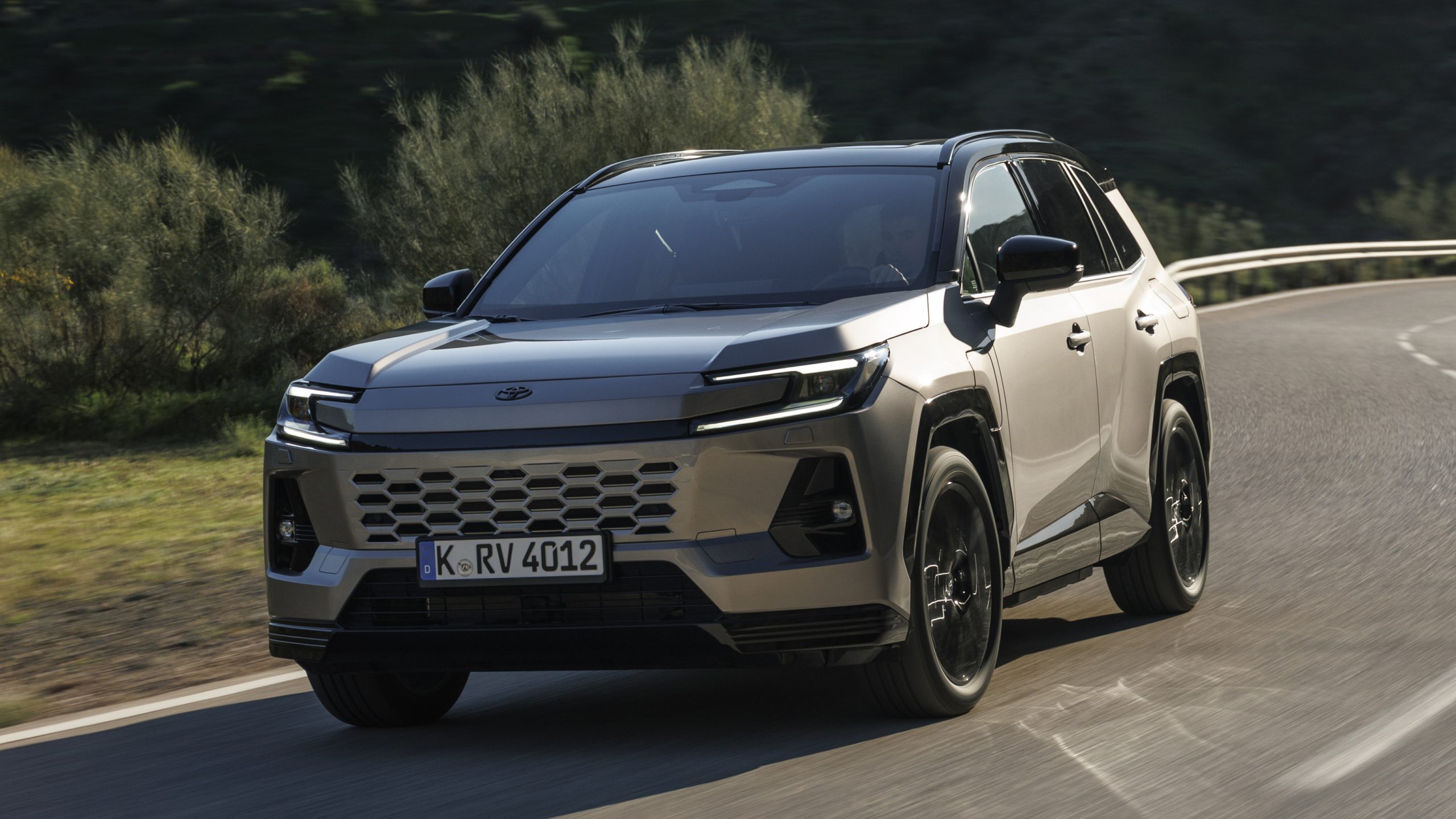
3. Toyota RAV4: Practical Ergonomics for Everyday Driving
The Toyota RAV4 is designed for drivers who want a practical vehicle for commuting, family transportation, and weekend travel. Its SUV seating position provides a higher view than many traditional passenger cars.
The driver’s seat offers a range of positioning adjustments, depending on the trim and equipment selected. These adjustments help occupants establish a suitable distance from the steering wheel and pedals.
The steering wheel’s positioning is another important consideration. Proper adjustment can reduce unnecessary shoulder movement and help drivers maintain a relaxed arm position.
Toyota’s cabin design emphasizes straightforward operation. The dashboard provides access to essential driving information, while the center console places commonly used functions near the driver.
The elevated seating arrangement can make the RAV4 feel accessible to people transitioning from a sedan. Getting into the cabin does not require the same low seating movement associated with sports cars.
Visibility varies according to the vehicle’s pillars, mirrors, window design, and driving position. Buyers should check blind spots personally instead of relying only on photographs or showroom impressions.
For American households, the RAV4 provides a practical combination of cabin usability and familiar controls. Its ergonomics make it a worthwhile candidate for shoppers prioritizing everyday driving comfort.
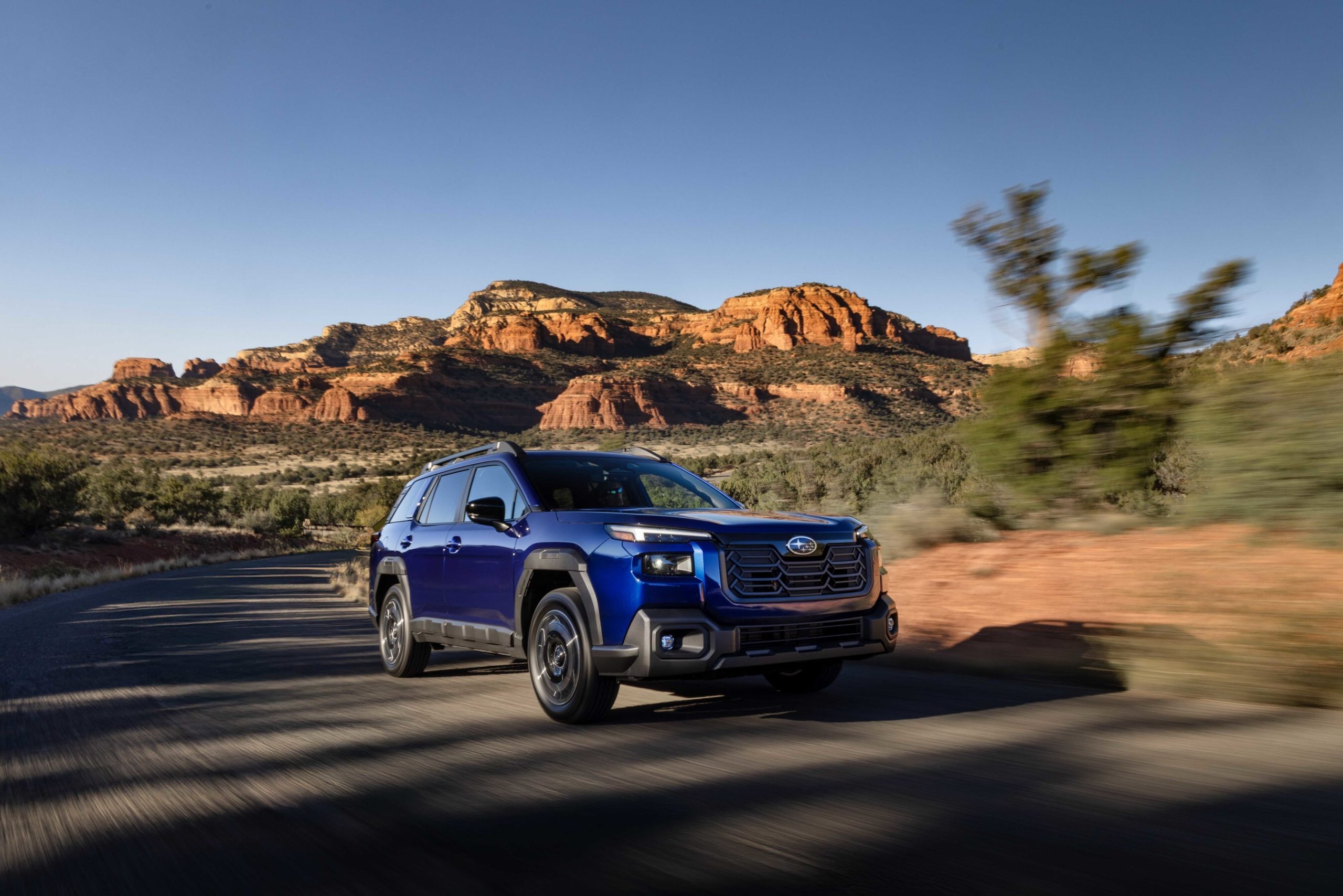
4. Subaru Outback: Comfortable Seating for Long-Distance Travel
The Subaru Outback combines the driving characteristics of a passenger car with the elevated seating arrangement of a crossover. Its cabin is designed for people who regularly travel long distances and need a comfortable environment.
The front seating position provides a useful balance between height and support. Drivers who dislike sitting close to the road may appreciate its slightly elevated posture and generous cabin proportions.
Seat adjustment plays an important role in the Outback’s comfort. Depending on the trim, available power adjustments can help drivers fine-tune their seating position for daily commuting and extended highway journeys.
The steering wheel can be adjusted to help establish a natural arm position. Ideally, drivers should be able to hold it comfortably without leaning forward or keeping their shoulders unnecessarily raised.
Its large windshield contributes to a broad forward view. The window arrangement also helps create an airy cabin atmosphere, which can make longer journeys feel less restrictive.
Subaru’s dashboard places driving information and frequently used functions within the driver’s general field of reach. Buyers should check the operation of touchscreen features and physical controls during a test drive.
The Outback deserves consideration from families, outdoor enthusiasts, and frequent highway travelers. Its comfortable seating arrangement and practical cabin design make it a strong candidate for an ergonomics-focused vehicle shortlist.
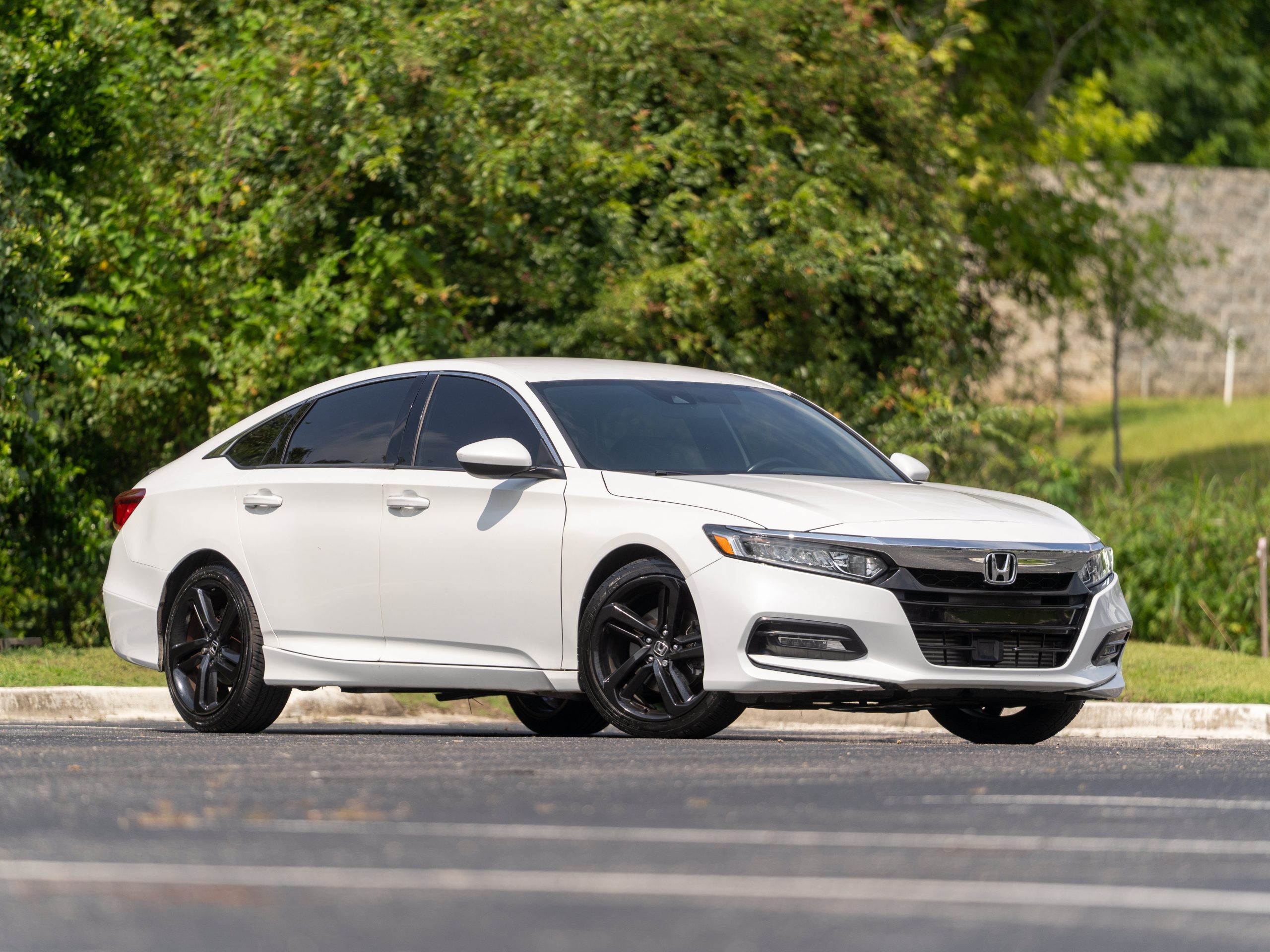
5. Honda Accord: A Natural Driving Position in a Family Sedan
The Honda Accord offers a different approach to driving comfort compared with taller SUVs. Its lower seating arrangement creates a traditional sedan experience while maintaining a spacious and practical front cabin.
The driver’s seat is designed to provide support during daily commuting. Its cushioning and available adjustments help occupants find a comfortable position without needing an unusually upright posture.
The steering wheel can be positioned to accommodate different driving preferences. A suitable setup allows the driver to maintain a comfortable distance from the wheel while keeping both hands naturally positioned.
Honda’s dashboard design emphasizes organization and accessibility. The instrument display, central infotainment system, and commonly used controls are arranged to support straightforward operation.
Forward visibility is important in a sedan because the driver’s seating height is lower than in most SUVs. The Accord’s windshield and seating arrangement should be evaluated according to the driver’s height and preferred posture.
For highway use, seat support and steering-wheel adjustment can make a meaningful difference. Drivers should spend enough time in the seat to determine whether the lumbar area and thigh support meet their needs.
The Accord is particularly suitable for shoppers who prefer a conventional passenger car. Its combination of seating comfort, familiar controls, and a well-organized cabin makes it a useful addition to this list.
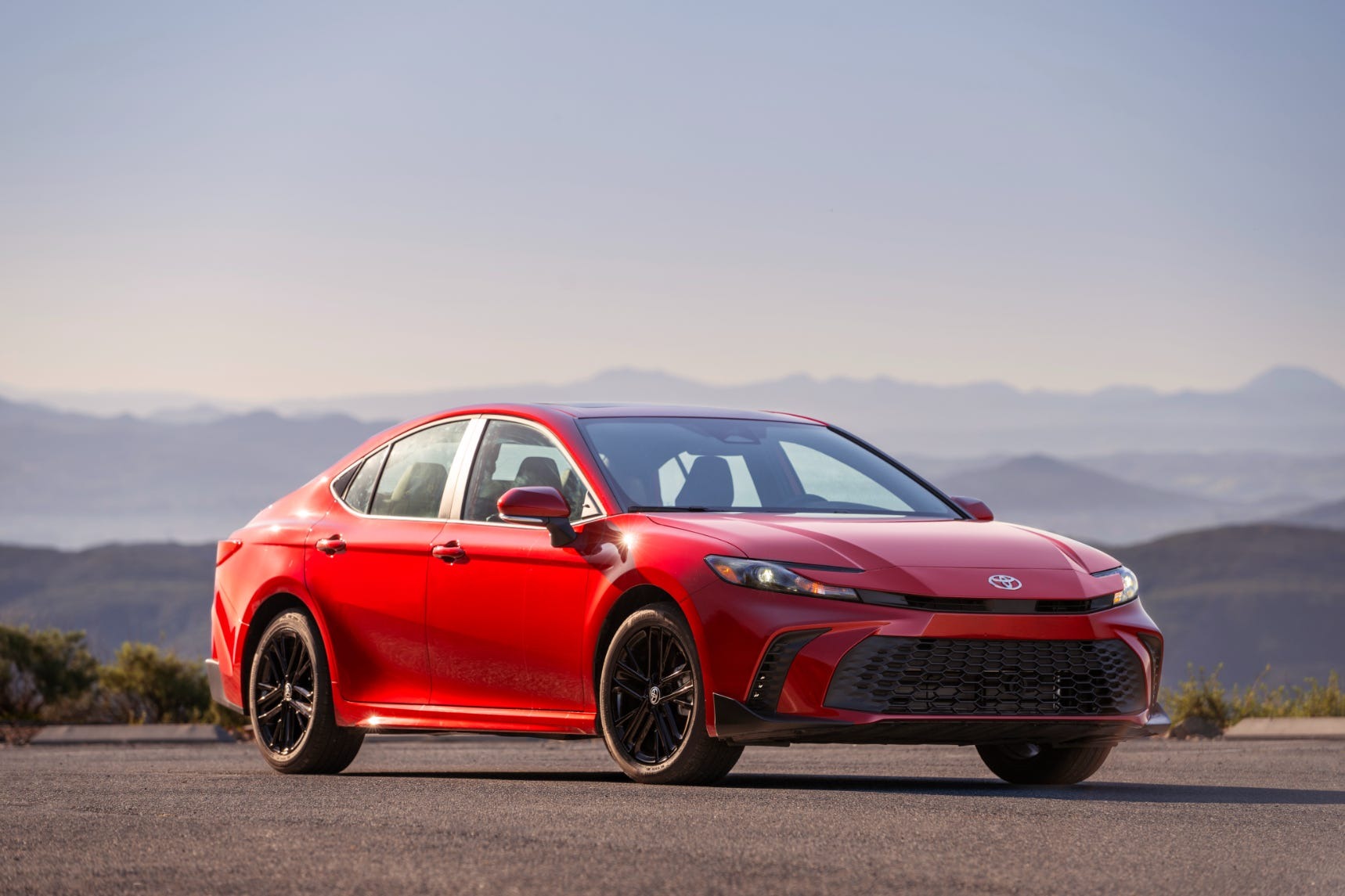
6. Toyota Camry: Ergonomic Controls and Everyday Comfort
The Toyota Camry has long been a familiar choice among American families and commuters. Its cabin focuses on everyday convenience, comfortable seating, and a driving environment suitable for regular use.
The driver’s seat provides adjustment options that help accommodate different heights and preferred seating positions. Available power-seat features vary by trim, so buyers should compare equipment before selecting a particular version.
A comfortable steering-wheel position helps maintain good driving posture. Drivers should be able to reach the wheel without stretching their arms or pressing their shoulders against the seatback.
The dashboard combines digital information with frequently accessed vehicle functions. Its layout aims to keep essential information accessible while the driver concentrates on surrounding traffic.
The Camry’s sedan proportions create a lower seating position than that of a typical compact SUV. This arrangement may appeal to people who prefer a more connected feeling with the road.
Seat comfort should be assessed during both short and extended drives. Some occupants may prefer firmer cushioning, while others may prioritize softer padding and additional lumbar support.
For buyers who want a comfortable midsize sedan, the Camry is worth considering. Its practical interior, accessible driving controls, and familiar layout support a straightforward daily driving experience.
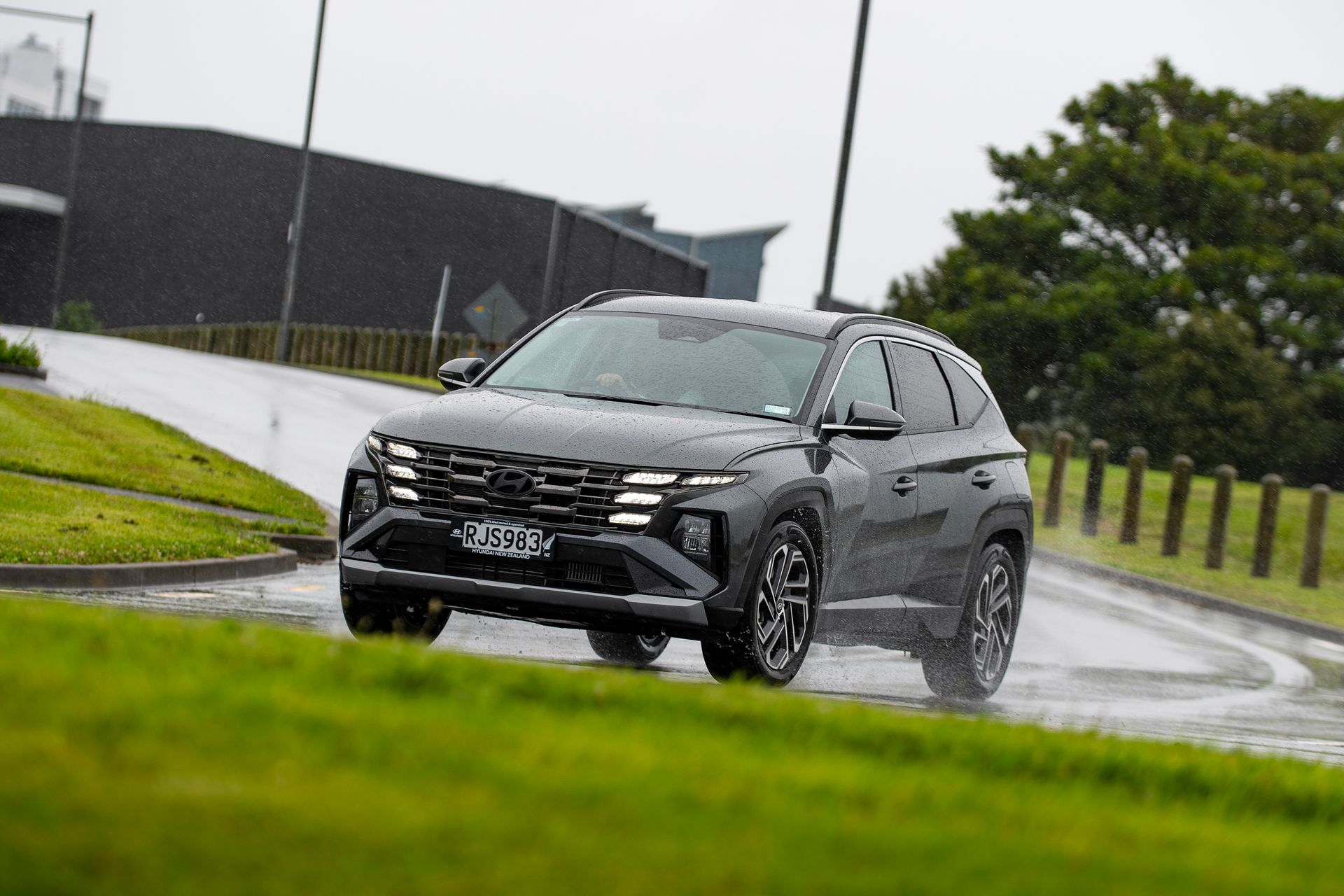
7. Hyundai Tucson: Adjustable Seating and a Modern Driver-Focused Cabin
The Hyundai Tucson offers a modern cabin with an SUV-style seating position. Its interior design focuses on passenger convenience, accessible technology, and a relatively open front seating environment.
The elevated driving position can appeal to people who prefer a higher view of the road. This arrangement also makes the Tucson a practical option for drivers moving from smaller passenger cars.
Front-seat adjustment features depend on the trim level. Higher equipment grades may provide additional electric adjustments, making it easier to fine-tune seat height, backrest angle, and distance from the pedals.
The steering wheel is an important part of the ergonomic experience. Its adjustment range should be checked to determine whether it supports a relaxed arm position for drivers with different body proportions.
Hyundai’s dashboard uses a contemporary design with digital displays and touchscreen-based functions. Drivers should spend time learning the controls before deciding whether the arrangement feels intuitive.
Window visibility, mirror positioning, and the thickness of the vehicle’s pillars deserve attention during a test drive. These factors can influence confidence when changing lanes or maneuvering through crowded parking areas.
The Tucson offers an appealing combination of cabin technology and everyday usability. Buyers who prioritize a modern interior should compare the available seat adjustments and control layouts across different trims.
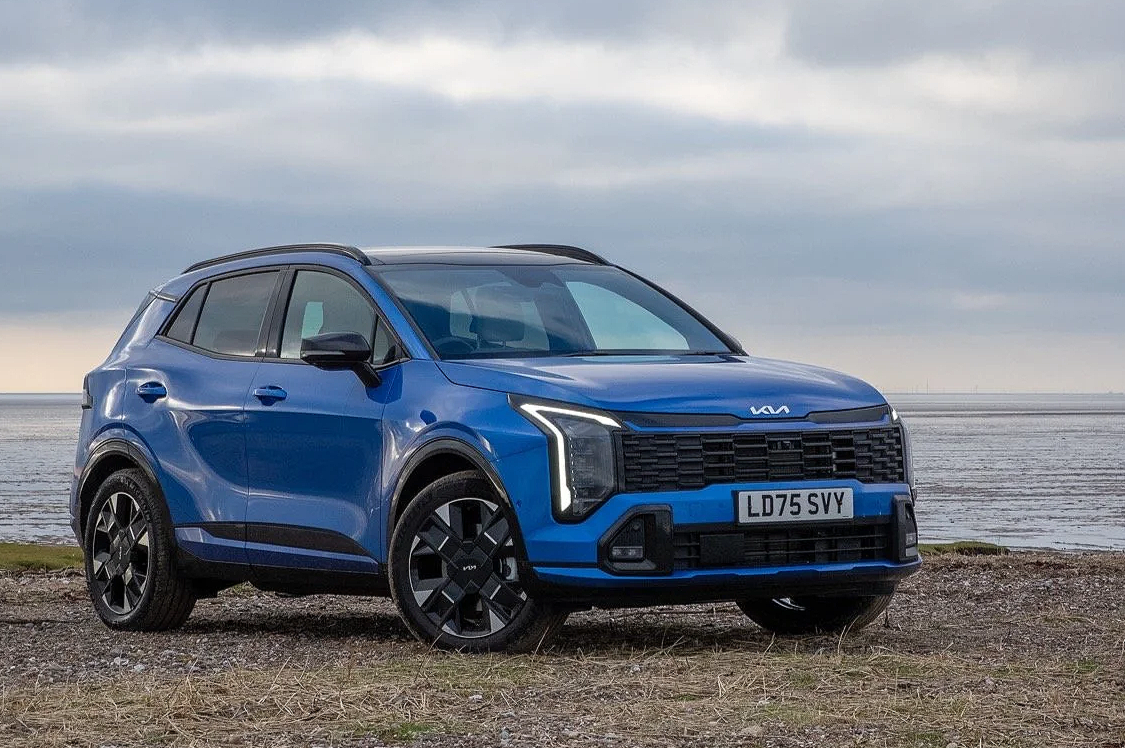
8. Kia Sportage: Spacious Cabin and Driver Comfort
The Kia Sportage is a compact SUV that places considerable emphasis on cabin space and passenger convenience. Its front seating arrangement provides an elevated posture that many SUV buyers find comfortable.
The driver’s seat is designed to accommodate everyday travel, from short urban journeys to longer highway commutes. Available seat adjustments vary across trims, making it important to compare individual configurations.
Finding the correct seat height can improve the driver’s relationship with the dashboard and windshield. A suitable setting should provide a clear view ahead without forcing the driver to sit uncomfortably upright.
The steering wheel and pedal relationship also deserves attention. Drivers should be able to operate the pedals naturally while maintaining comfortable contact with the seatback.
The Sportage features a modern dashboard with digital technology and an integrated approach to vehicle controls. The exact display and control configuration depends on the model year and selected equipment.
Its cabin layout provides a practical environment for drivers who regularly travel with passengers. The front-seat area offers useful space, while the SUV design supports a relatively open feeling.
For shoppers considering compact SUVs, the Sportage deserves a place on the comparison list. Its seating height, available adjustment features, and modern cabin make it relevant to discussions about vehicle ergonomics.
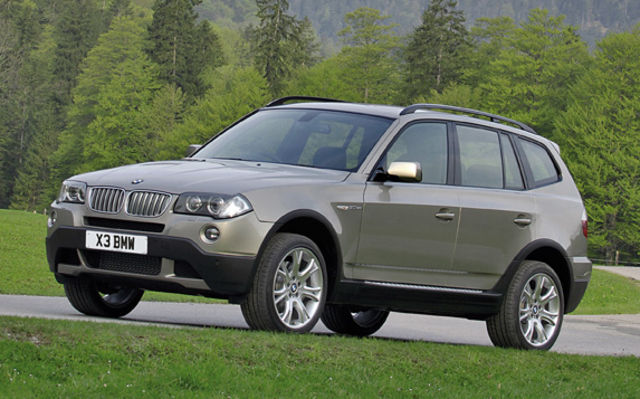
9. BMW X3: Adjustable Driving Position With a Premium Cabin
The BMW X3 offers a more premium interpretation of the compact SUV driving experience. Its cabin combines an elevated seating position with a driver-oriented cockpit and a range of comfort-focused features.
The front seats are designed to provide support during everyday driving. Depending on the trim and optional equipment, buyers may have access to additional adjustments that help personalize the seating arrangement.
Seat height, backrest angle, and lumbar support are important considerations for anyone who spends several hours driving. The X3’s available seating equipment should be compared carefully before choosing a particular configuration.
The steering wheel is positioned as part of a cockpit-focused layout. Drivers should check whether its adjustment range allows them to maintain relaxed shoulders and a natural reach to the controls.
BMW’s dashboard places driving information and infotainment functions within the front cabin. The digital interface offers considerable functionality, so buyers should evaluate how easily they can access frequently used settings.
Visibility is another important consideration in a premium SUV. Drivers should assess the windshield, side mirrors, rearward view, and blind spots to determine whether the vehicle suits their driving habits.
The X3 may appeal to buyers seeking a premium cabin with a customizable driving environment. Its seating equipment and cockpit arrangement make it an interesting choice for shoppers who place a high value on ergonomics.
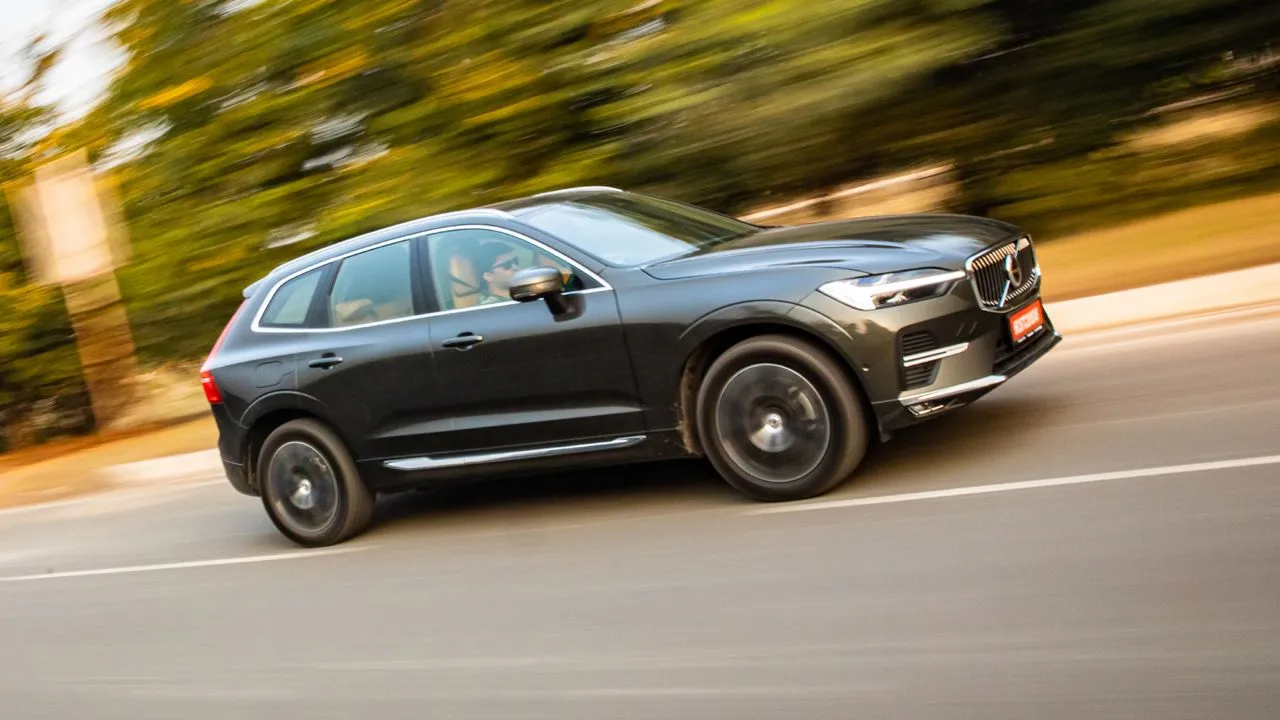
10. Volvo XC60: Supportive Seating and a Relaxed Driving Environment
The Volvo XC60 is known for its comfort-oriented interior design. Its cabin provides an elevated driving position, supportive front seating, and a layout intended to create a calm environment for everyday travel.
Volvo places considerable attention on seat design and occupant support. The available front-seat adjustments depend on the trim and selected options, so buyers should check the exact equipment of the vehicle they intend to purchase.
Lumbar support is particularly relevant for people who frequently drive long distances. Correct adjustment can help maintain a comfortable relationship between the lower back and seatback during extended journeys.
The steering wheel should be positioned to allow a natural reach without requiring the driver to lean forward. A relaxed arm position can help reduce unnecessary tension during routine driving.
The dashboard follows a clean, technology-focused design. Its central display provides access to several vehicle functions, and new owners may need time to become familiar with the interface.
The elevated seating position offers an SUV-style view of the road. However, visibility should be checked from the actual driver’s seat because individual height and seating preferences can affect the experience.
The XC60 is worth considering for shoppers who prioritize supportive seating and a premium cabin. Its comfort-focused design makes it a relevant candidate when comparing US-market vehicles for driving-position quality.