

Front seat comfort plays an important role when choosing a new vehicle, especially for drivers who spend long hours commuting, traveling, or navigating busy American roads. Consumer Reports evaluates vehicles through extensive road testing, considering factors such as seat support, driving position, visibility, ride quality, and ergonomics.
These details help buyers understand how comfortable a vehicle can feel during everyday use. From premium sedans to practical SUVs, several models stand out for their thoughtfully designed front seats.
This guide examines ten vehicles worth considering for front seat comfort, with attention to their seating features and everyday driving experience.
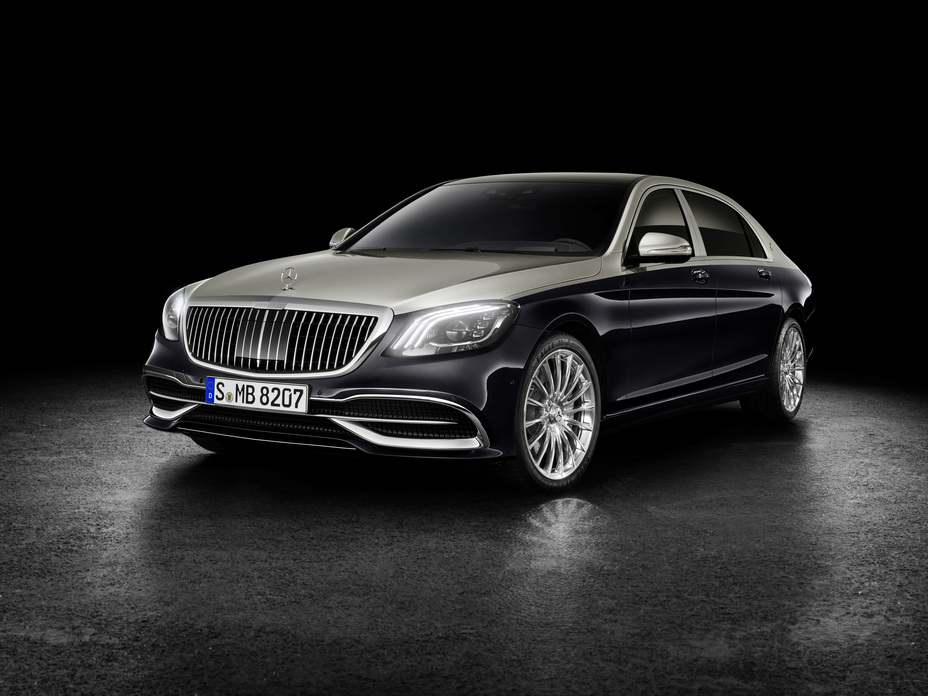
1. Mercedes-Benz S-Class: Premium Front Seat Comfort and Luxury Features
The Mercedes-Benz S-Class has a strong reputation for delivering an exceptionally comfortable driving environment. Its front seats are designed to provide generous cushioning, supportive contours, and a wide range of adjustments.
Drivers can find a suitable seating position for different body types, making this luxury sedan an appealing choice for extended journeys.
Seat adjustment flexibility is an important part of the S-Class experience. Depending on the model year and equipment package, buyers may find power adjustments, lumbar support, memory settings, and adjustable side bolsters. These features help drivers personalize the seat according to their posture and preferences.
The cushioning is designed to balance softness with structural support. Seats that feel comfortable during a short dealership visit do not always provide the same experience after several hours. The S-Class addresses this concern through carefully shaped seat surfaces and adjustable support features.
Ventilated and heated front seats are available on various configurations. Ventilation can make warm-weather driving more pleasant, while heating provides additional comfort during colder months. Some versions also offer massage functions that can help reduce the feeling of stiffness during long trips.
The driver’s seating position provides a commanding view of the road without making the cabin feel unnecessarily elevated. The steering wheel and dashboard controls are positioned to support a natural driving posture. This arrangement can reduce the need for awkward movements while operating the vehicle.
Cabin refinement also contributes to the seating experience. Low road noise, controlled suspension movement, and a quiet interior help create a relaxing environment. These characteristics are particularly valuable when traveling on highways or covering substantial distances.
For shoppers seeking a luxury sedan with extensive front seat adjustments, the Mercedes-Benz S-Class deserves consideration. However, available comfort equipment varies by trim and model year. Buyers should check the exact vehicle configuration and spend sufficient time testing the seats before making a purchase.
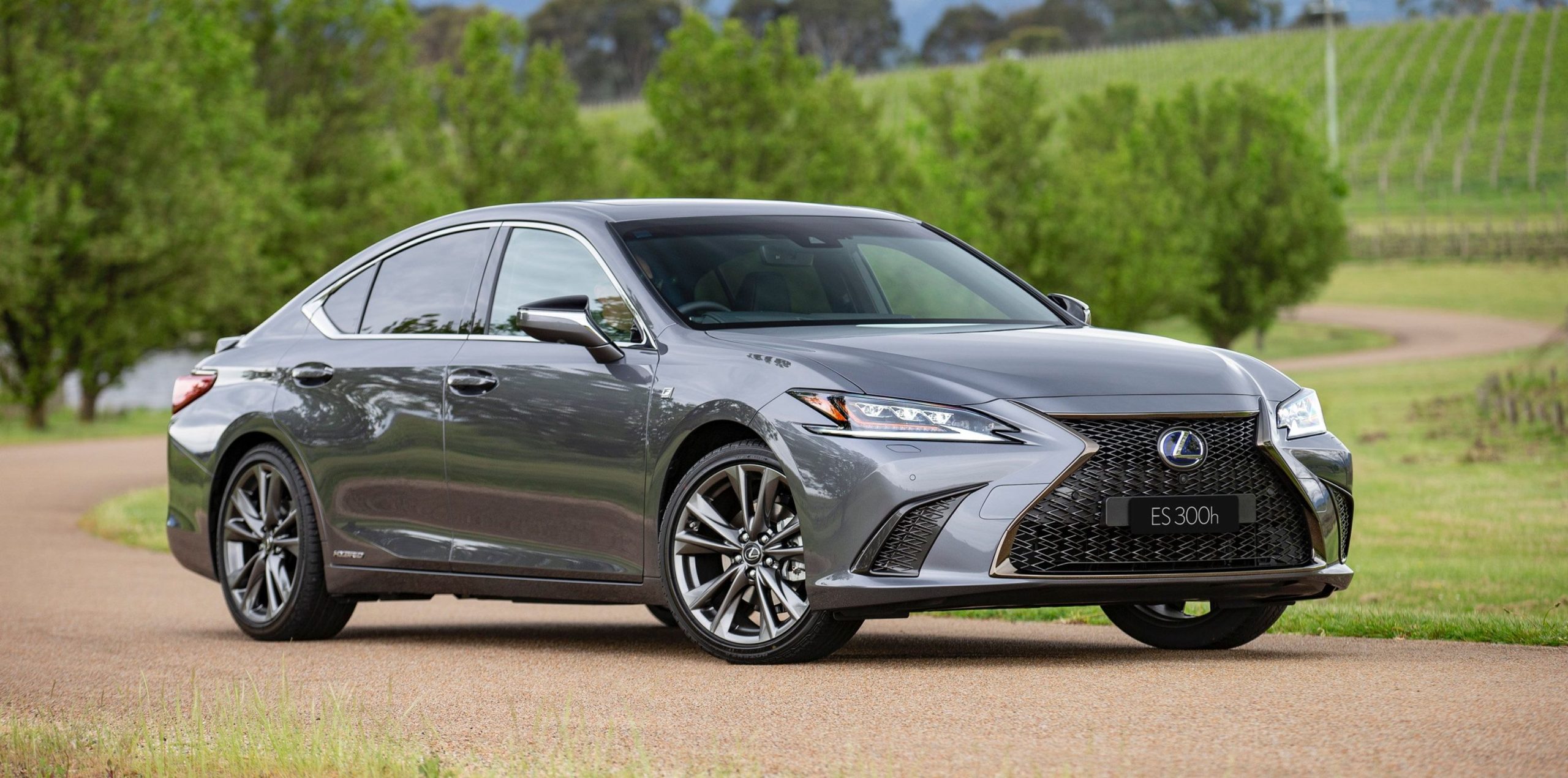
2. Lexus ES: Relaxed Seating for Everyday Driving
The Lexus ES is widely recognized for its comfortable ride and quiet cabin. Its front seats are designed around everyday usability, offering supportive cushioning and a relaxed driving position. This combination makes the sedan attractive to commuters, families, and people who regularly travel between cities.
Front seat ergonomics are important in a vehicle intended for frequent daily use. The Lexus ES provides a seating layout that generally feels accommodating without requiring drivers to make constant adjustments. The seat shape supports the body while maintaining a comfortable amount of cushioning.
Depending on the model year and trim, power-adjustable seats and lumbar support may be included. These adjustments help drivers find a suitable position based on their height and preferred posture. Memory settings on equipped versions also make it easier to restore a familiar position.
The cushioning is particularly relevant for people who spend considerable time behind the steering wheel. Seats that are excessively firm can become uncomfortable, while overly soft cushions may lack support. The ES aims to provide a practical balance for regular transportation.
Available heating and ventilation features add convenience in changing weather conditions. Heated seats can be useful during winter mornings, while ventilation can improve comfort during warmer periods. Equipment availability should be confirmed before selecting a particular trim.
The cabin’s quiet character further improves the experience. Reduced wind and road noise can make extended journeys less tiring. Combined with a smooth suspension setup, the front seating area offers an environment suited to relaxed highway travel.
The Lexus ES is a sensible option for buyers who prioritize comfort, refinement, and straightforward everyday operation. Its front seats may appeal particularly to drivers who prefer a traditional sedan seating position rather than the taller arrangement found in many SUVs.
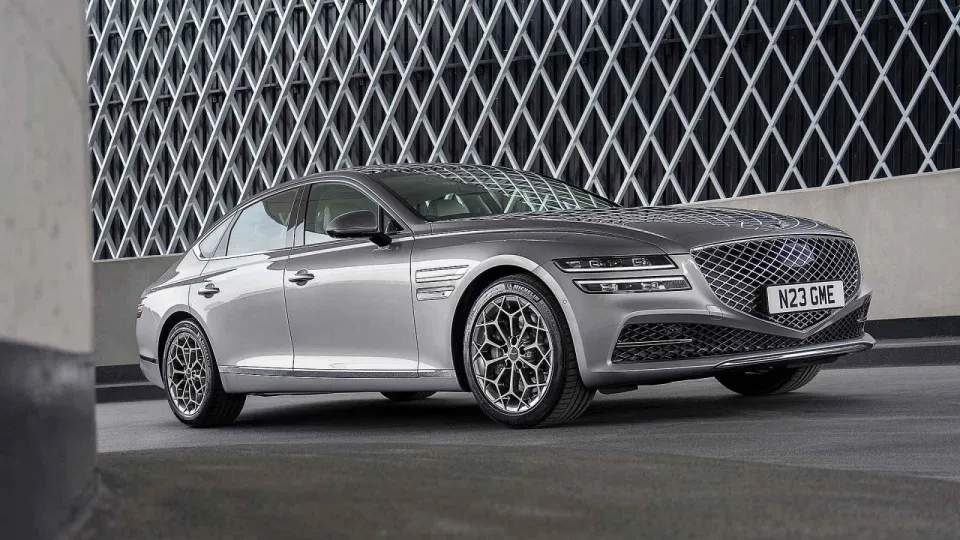
3. Genesis G80: Supportive Seats With a Modern Luxury Feel
The Genesis G80 combines an upscale interior with a strong focus on occupant comfort. Its front seats feature carefully shaped cushions and adjustable support, helping drivers establish a comfortable position for different types of journeys.
The driver’s seat is designed to accommodate a variety of preferences. Depending on the trim, power adjustment, lumbar support, and memory functions allow drivers to personalize their seating arrangement. These features are useful when multiple people regularly share the same vehicle.
Seat cushioning is an important consideration in the G80. A comfortable seat needs to support the lower back and thighs without creating excessive pressure. The G80’s premium interior design emphasizes a supportive and well-finished seating environment.
Higher equipment levels may offer additional comfort features, including heating, ventilation, and massage functions. These amenities can make a difference during long commutes, particularly for drivers who experience discomfort from remaining in one position.
The seat position works with the steering wheel and dashboard to create a conventional luxury sedan driving arrangement. Drivers can adjust the seat and steering column to achieve a posture that feels natural. A good adjustment range is particularly important for people with different body proportions.
Interior materials also influence the impression. Quality upholstery, carefully finished surfaces, and a well-organized cabin contribute to the G80’s premium character. A comfortable seating area feels more complete when the surrounding controls and materials are equally well considered.
For buyers comparing luxury sedans in the United States, the Genesis G80 deserves a place on the test-drive list. Its combination of adjustable front seats, cabin refinement, and available comfort equipment makes it a competitive option in the premium segment.
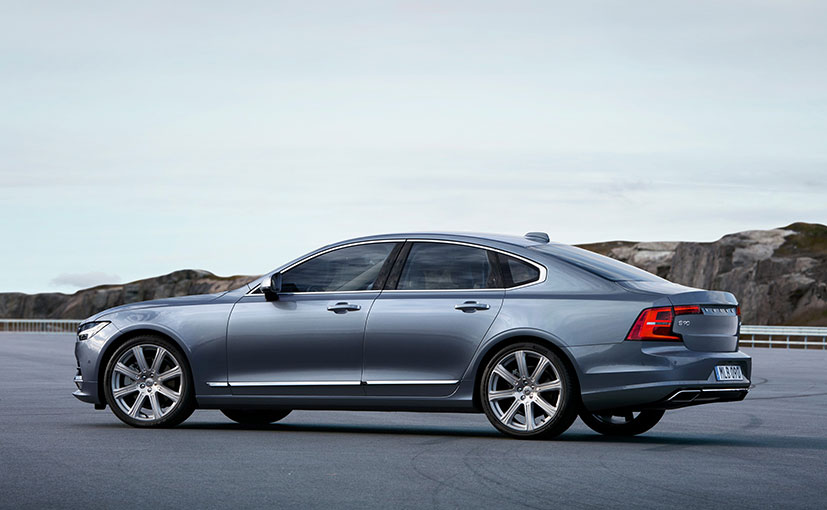
4. Volvo S90: Ergonomic Seating for Longer Journeys
Volvo has developed a reputation for prioritizing seating ergonomics and occupant well-being. The Volvo S90 reflects this approach through its carefully designed front seats, which aim to provide consistent support during everyday driving and longer highway journeys.
The front seats are shaped to support the back and thighs while allowing drivers to maintain a comfortable posture. Their design is particularly relevant for people who spend several hours driving each day and want seating that feels supportive rather than excessively soft.
Depending on the model year and configuration, power adjustment and lumbar support are available. These features help drivers adjust the seat to their individual requirements. The ability to fine-tune the seating position can make a substantial difference during extended trips.
Some versions provide heating, ventilation, and massage functions. Such features are generally associated with higher equipment levels, so buyers should review the specifications of the particular vehicle they intend to purchase.
The S90’s cabin layout contributes to a calm driving experience. Controls are arranged to provide access to essential functions, while the interior design emphasizes a clean and uncluttered appearance. This makes the driving environment feel organized.
Long-distance comfort also depends on the vehicle’s suspension and noise insulation. The S90 is designed to provide a composed ride, helping occupants remain comfortable on highways and ordinary city roads. Seat quality works together with these characteristics rather than operating independently.
Drivers who value ergonomic seat design should consider the Volvo S90. It offers an interesting alternative to conventional German luxury sedans, especially for people who prioritize supportive seating and a refined interior.
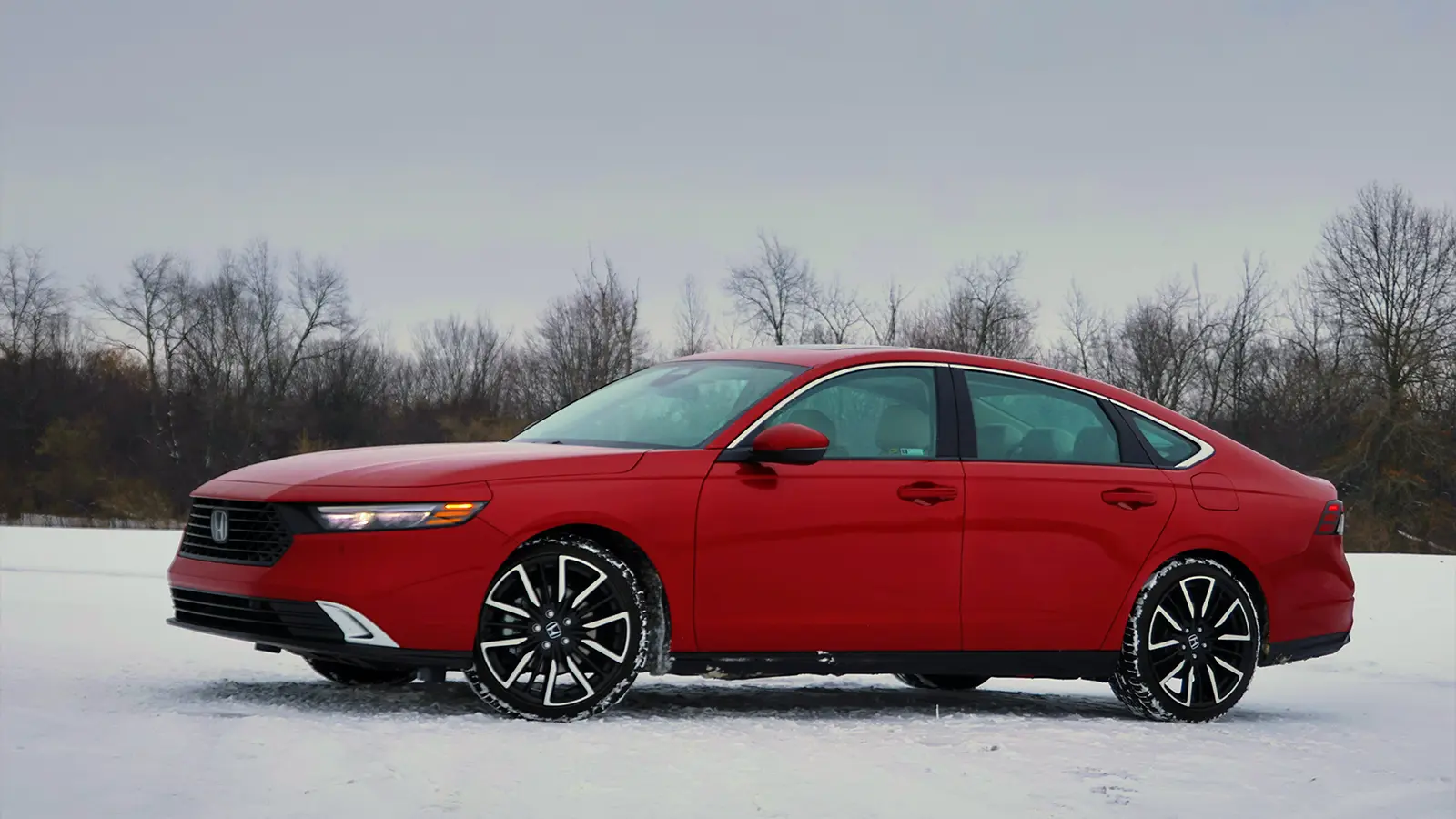
5. Honda Accord: Practical Comfort for American Commuters
The Honda Accord remains a popular midsize sedan in the United States because of its practicality, spacious cabin, and comfortable driving characteristics. Its front seats are designed to support everyday transportation without making the vehicle unnecessarily complicated.
The seating position provides a familiar sedan experience. Drivers can adjust their position to suit their height and preferred distance from the steering wheel. A well-positioned seat helps maintain a comfortable posture during daily commuting.
Front seat cushioning is designed for regular use. The seat surface provides support for the upper body and thighs, helping drivers remain comfortable during trips of varying lengths. Individual preferences differ, so a proper test drive remains important.
Depending on the model year and trim, power-adjustable driver’s seats and lumbar support are available. These adjustments are useful for drivers who want more control over their seating position. Higher trims may also include additional convenience features.
The Accord’s cabin provides useful space around the front seating area. Drivers have room to operate the pedals, reach the controls, and adjust their position without feeling unnecessarily restricted. Good cabin packaging contributes to everyday comfort.
Ride quality also plays a role in the experience. A suspension system that manages road imperfections can help prevent excessive movement from transferring to the occupants. This becomes particularly noticeable on uneven urban roads and longer highway journeys.
For buyers who want comfortable front seats without moving into the luxury market, the Honda Accord is worth considering. Its practical design, accessible controls, and accommodating cabin make it a strong candidate for everyday family and commuter use.
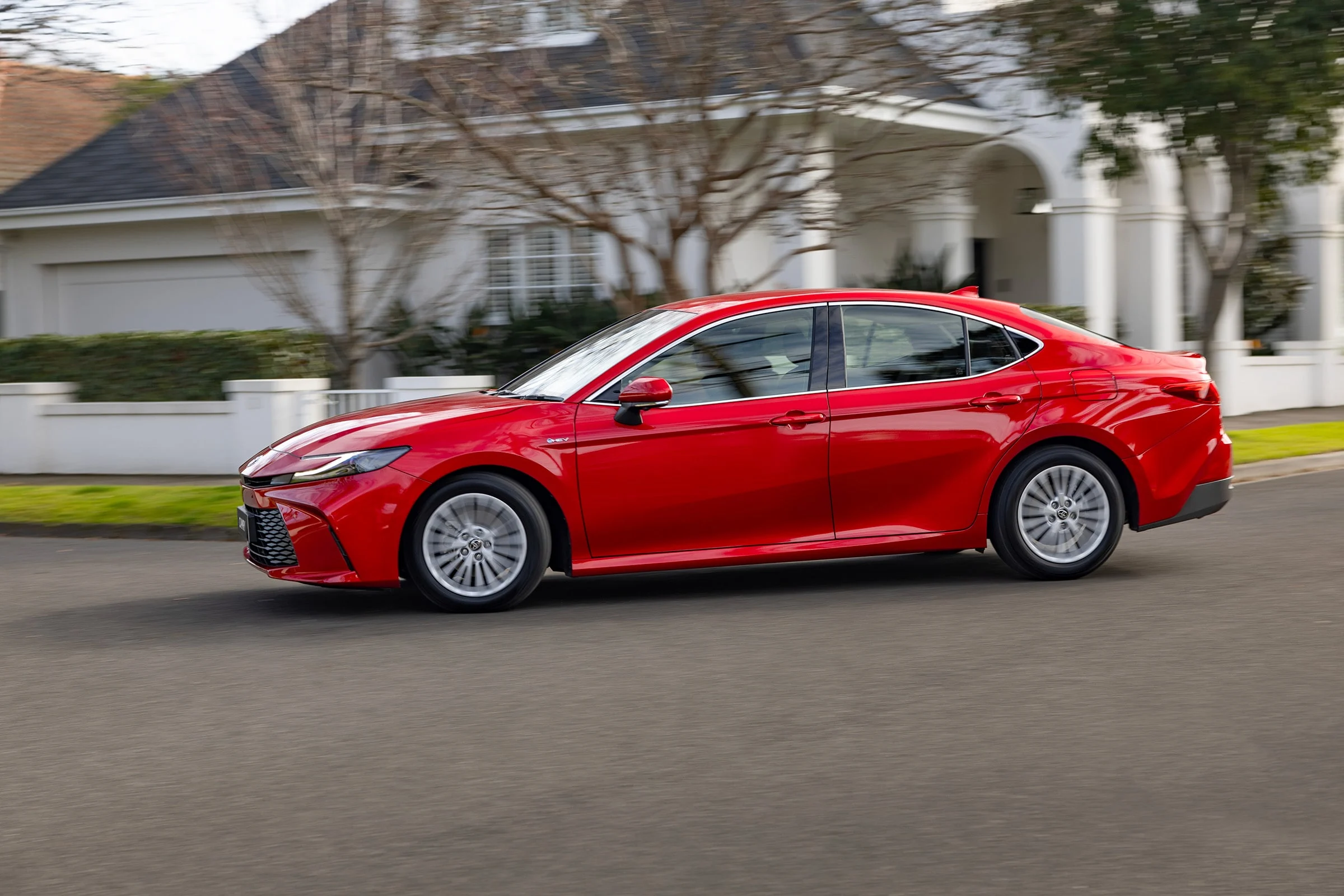
6. Toyota Camry: Comfortable Seating for Daily Travel
The Toyota Camry is a familiar choice among American sedan buyers. Its combination of practicality, reliability reputation, and everyday comfort has helped it remain a significant competitor in the midsize segment.
The front seats are designed to accommodate regular commuting and longer journeys. Their cushioning and shape aim to provide a comfortable driving environment without making the cabin feel overly complicated.
Seat adjustment options vary by model year and trim. Some configurations include power adjustment and lumbar support, allowing drivers to establish a seating position that suits their preferences. Buyers should check equipment details before comparing different versions.
The driver’s position is designed to provide convenient access to the steering wheel, pedals, and dashboard. Proper positioning helps reduce unnecessary stretching and encourages a more natural posture. These small details can influence comfort during repeated daily journeys.
Available heating and ventilation features depend on the selected configuration. These amenities can improve the front seating experience in regions with significant seasonal temperature changes.
The Camry’s ride characteristics complement its seating design. Suspension tuning helps manage common road imperfections, while cabin insulation contributes to a more relaxed environment. These factors matter when evaluating a vehicle for regular highway travel.
The Toyota Camry is a practical option for shoppers who want a comfortable sedan with manageable ownership costs. Its front seat design may not provide every premium feature found in luxury models, but its everyday usability makes it worth considering.
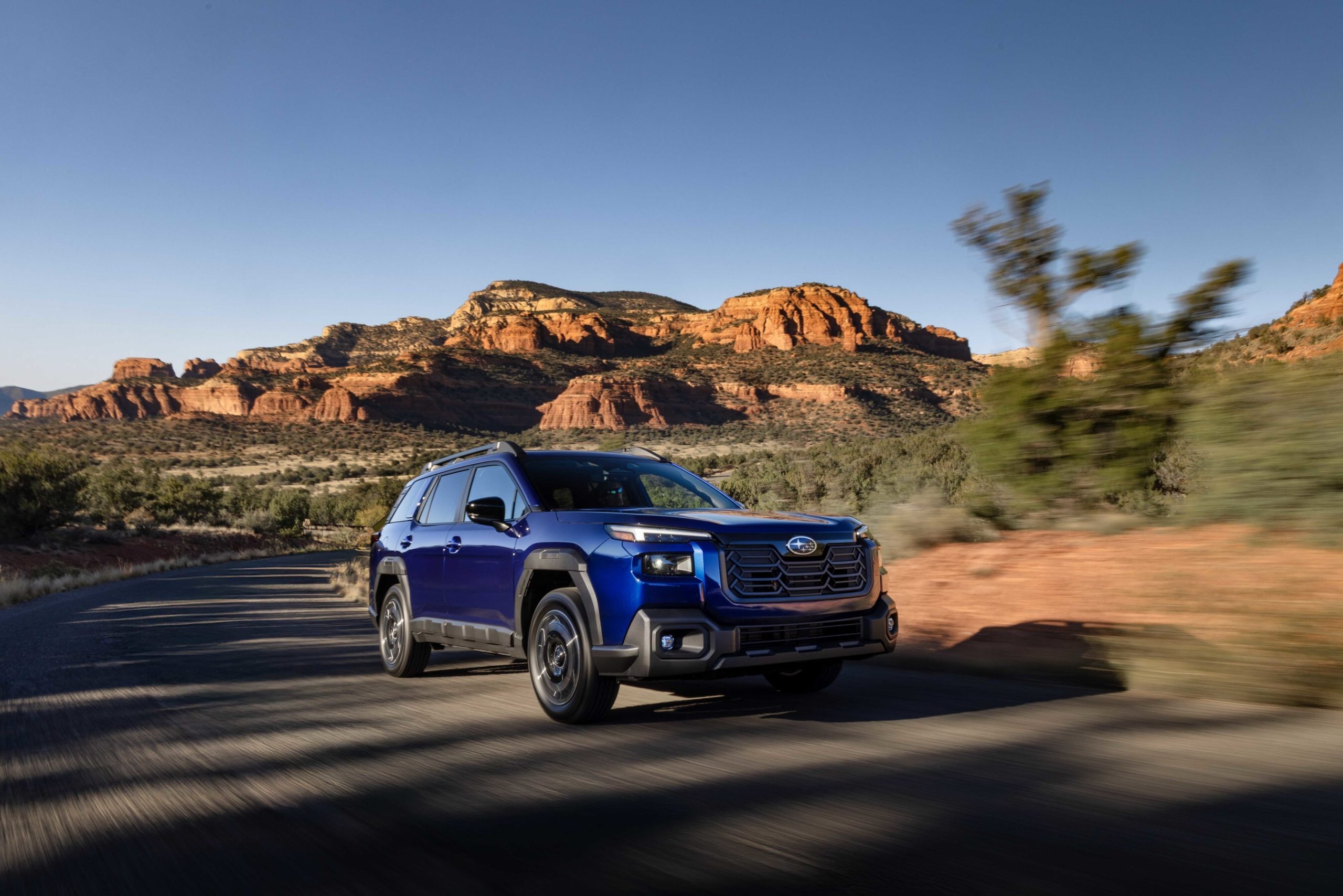
7. Subaru Outback: Supportive Front Seats for Road Trips
The Subaru Outback combines the practicality of a wagon with several SUV-inspired characteristics. Its spacious cabin and versatile layout make it appealing to American drivers who frequently travel, commute, or carry outdoor equipment.
Front seat comfort is particularly important in a vehicle designed for different types of journeys. The Outback provides a relatively upright driving position, which many drivers find convenient when entering, exiting, and navigating busy roads.
The seat cushions are intended to provide support for daily driving. Their shape and adjustment range help accommodate different driver preferences. The availability of power adjustment and lumbar support depends on the specific model year and trim.
An upright seating position can improve the feeling of visibility for some drivers. It also creates a different experience compared with a low-slung sedan. However, the ideal position depends on personal preference and body proportions.
Available heated front seats are a useful feature in colder regions of the United States. Certain configurations may also offer upgraded upholstery and additional adjustments. Buyers should compare equipment carefully rather than assuming every version includes identical features.
The Outback’s suspension is designed to handle a mixture of paved roads and less-maintained surfaces. A composed ride can help reduce fatigue when traveling over uneven roads, while supportive seats contribute to a more comfortable experience.
For people who need a practical vehicle for road trips, family transportation, and outdoor activities, the Subaru Outback deserves attention. Its combination of seating support, cabin space, and versatile driving characteristics makes it a useful alternative to traditional sedans.
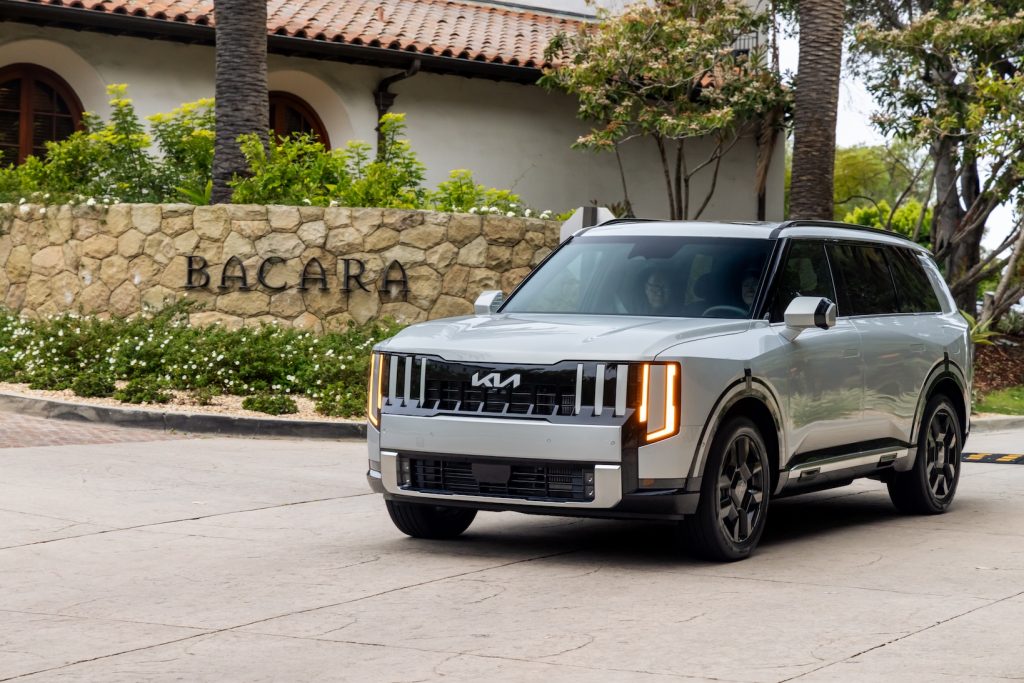
8. Kia Telluride: Spacious Front Seating in a Three-Row SUV
The Kia Telluride has become a notable competitor in the midsize three-row SUV category. Its spacious interior and family-oriented design make it attractive to buyers who need room for passengers while maintaining a comfortable front driving area.
The driver’s seat is designed to provide a relatively commanding view of the road. Its elevated position is familiar to SUV drivers and can make it easier to observe surrounding traffic in many driving situations.
Depending on trim and model year, the front seats may include power adjustment, lumbar support, heating, and ventilation. Higher configurations offer more extensive comfort equipment, allowing buyers to select features that suit their driving habits.
Seat width and cushion shape influence comfort during extended journeys. The Telluride’s front seating area is designed to provide a supportive environment for regular commuting and family travel. Drivers should pay attention to thigh support and lower-back positioning during a test drive.
The cabin’s spacious layout helps create a comfortable environment around the driver and front passenger. There is room for everyday belongings, and the dashboard layout is intended to provide convenient access to important functions.
The SUV’s suspension and interior insulation also contribute to the driving experience. Smooth suspension behavior can reduce the effects of rough surfaces, while a quieter cabin helps make highway journeys more relaxing.
The Kia Telluride is worth considering for families who prefer a three-row SUV with a well-equipped front cabin. Buyers should compare seat comfort across trims because the available adjustments and upholstery can differ considerably.
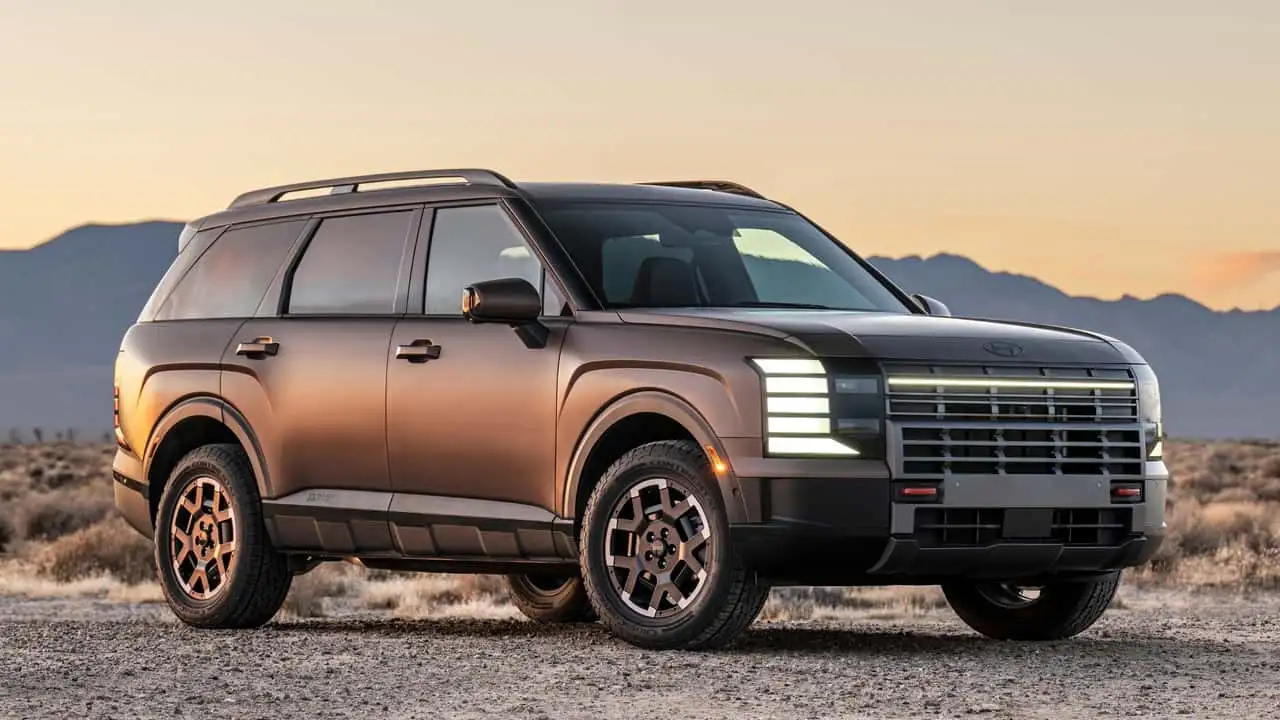
9. Hyundai Palisade: Family-Friendly Comfort and Adjustable Front Seats
The Hyundai Palisade is another three-row SUV that places considerable attention on cabin comfort. Its spacious interior, convenient seating layout, and available premium equipment make it an interesting option for American families.
The front seats provide an elevated driving position and a broad view of the surrounding road. Drivers who prefer sitting higher than they would in a sedan may appreciate this arrangement.
Depending on the model year and trim, the Palisade offers power-adjustable front seats and lumbar support. Higher configurations may include additional features such as heating, ventilation, and enhanced seat materials.
Cushion support is an important part of the experience. A properly designed front seat should support the lower back and thighs while allowing enough movement to prevent an overly restrictive feeling. Drivers should assess these characteristics during an extended test drive.
The Palisade’s cabin layout emphasizes convenience. The front passenger area provides useful space, while the dashboard and center console are arranged to make frequently used controls accessible.
Long-distance driving comfort also depends on suspension performance. The Palisade is designed to provide a comfortable, family-oriented ride, helping occupants travel across highways and ordinary urban roads with less disruption from uneven surfaces.
For buyers comparing family SUVs, the Hyundai Palisade deserves a close look. Its front seat adjustments, spacious interior, and available comfort features make it a practical choice for people who regularly travel with passengers.
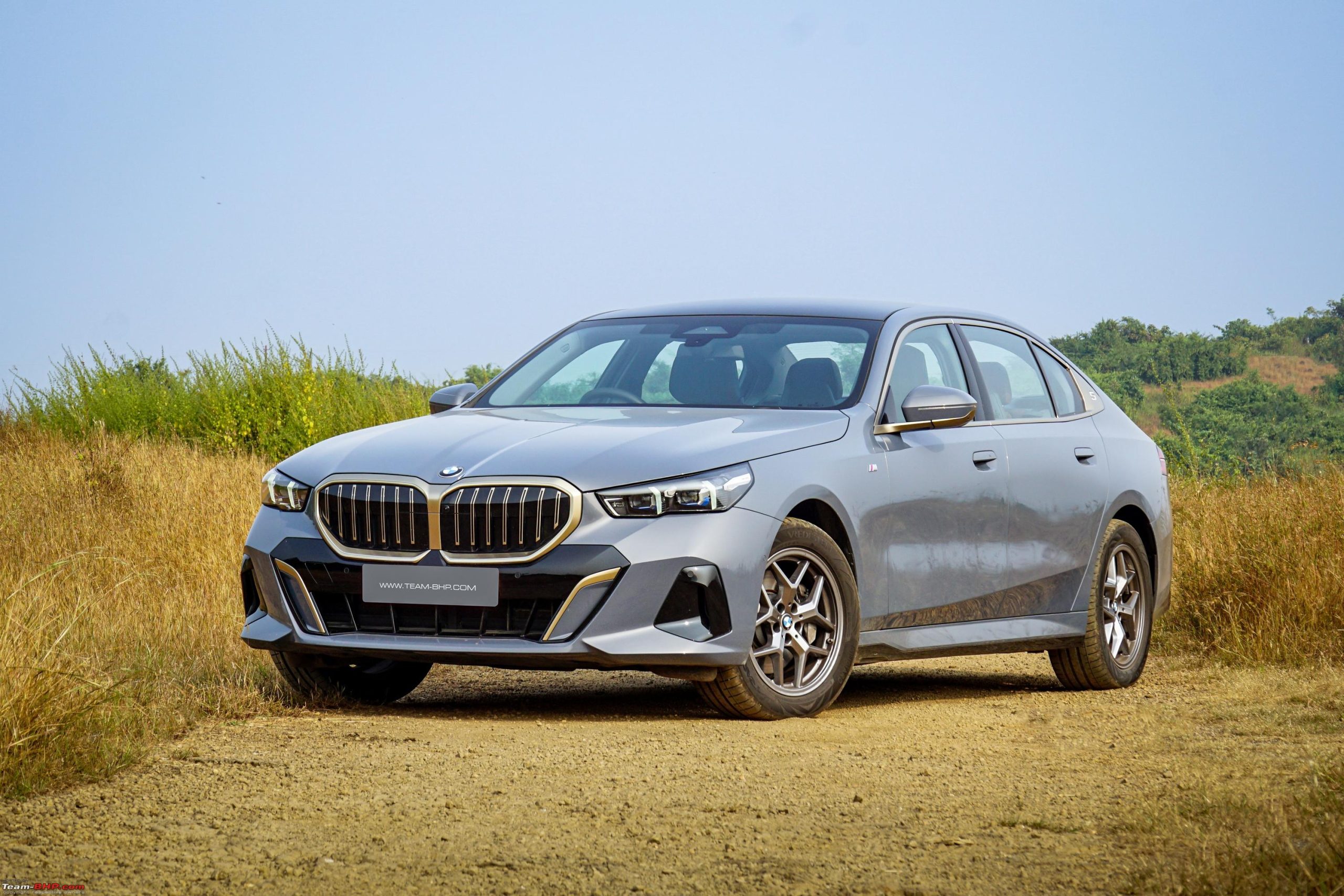
10. BMW 5 Series: Balanced Support and Driving Comfort
The BMW 5 Series offers a combination of premium cabin materials, adjustable seating, and a driving position designed around the driver. It appeals to shoppers who want a midsize luxury sedan that balances comfort with engaging road manners.
The front seats are shaped to provide support during ordinary commuting and longer journeys. Their design aims to hold the body comfortably without making the seating position feel restrictive.
Depending on the model year and package, buyers may find power adjustment, lumbar support, memory settings, and adjustable side bolsters. These features help accommodate different body types and driving preferences.
The seat’s cushioning and support structure are important when evaluating the 5 Series. Drivers should check whether the cushion provides sufficient thigh support and whether the backrest feels comfortable after sitting for an extended period.
Some versions offer heated and ventilated front seats. Available features vary according to the vehicle’s equipment package and market specification. Buyers should examine the original window sticker or vehicle specifications before purchasing.
The driving position is another important part of the experience. The relationship between the seat, steering wheel, and pedals is designed to give drivers a natural position behind the wheel. This can be particularly useful for people who enjoy driving longer distances.
The BMW 5 Series is a strong candidate for buyers who want premium front seat comfort combined with responsive driving characteristics. Its adjustable seating and refined cabin make it worth comparing with other luxury sedans in its price category.
