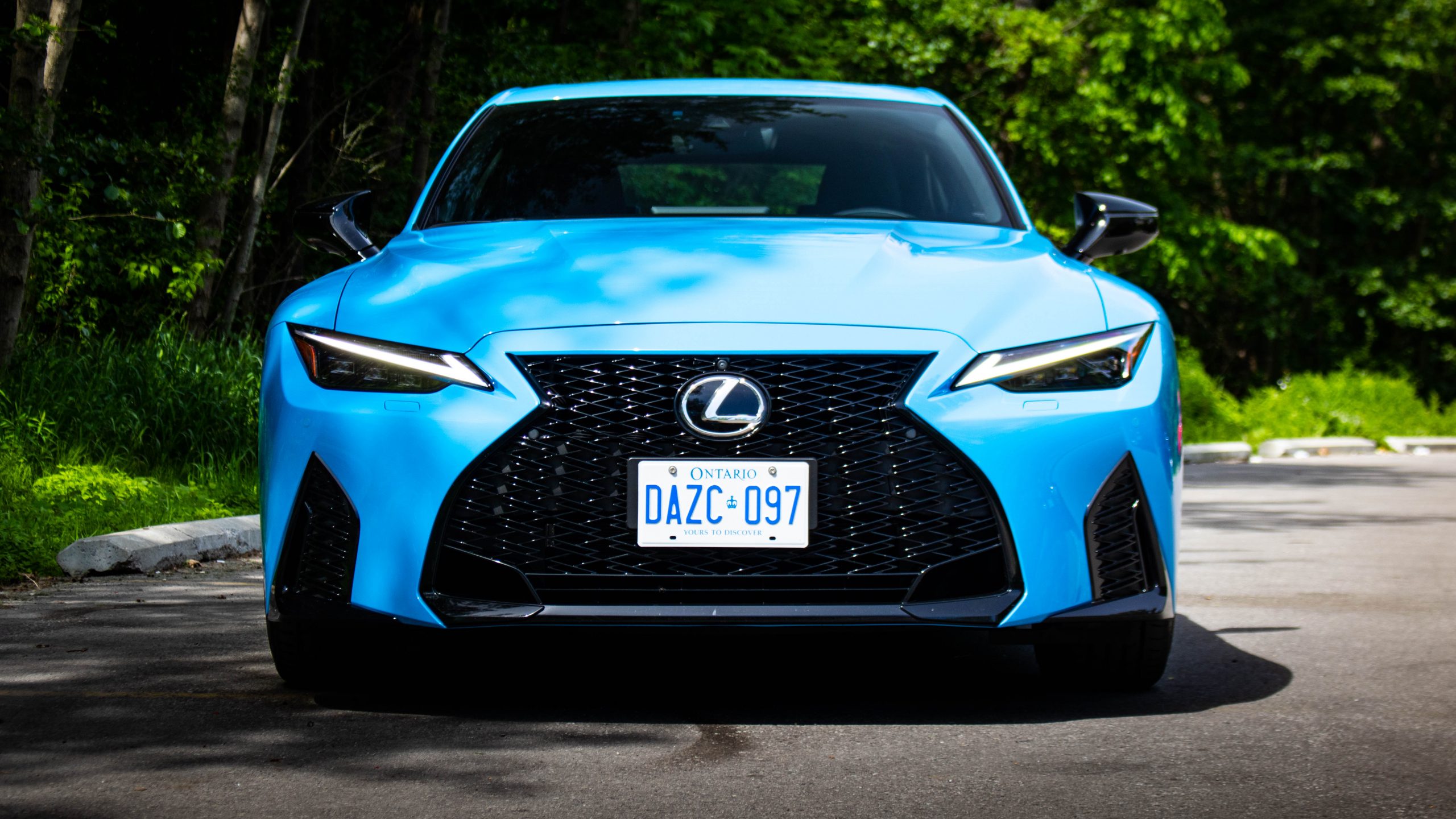
Buying a luxury vehicle does not necessarily mean accepting an unreasonable ownership bill. Some expensive cars deliver premium comfort, strong performance, and advanced technology while keeping five-year expenses relatively competitive within their respective categories.
Kelley Blue Book (KBB) evaluates depreciation, fuel, insurance, maintenance, repairs, financing, and government fees to estimate these costs. AAA provides additional perspective through its annual vehicle ownership research.
These ten American-market luxury vehicles demonstrate that a higher purchase price can sometimes come with a more manageable long-term financial commitment, particularly when buyers choose carefully and compare ownership expenses before visiting dealerships.
This article uses KBB’s published 2025 model-year five-year Cost to Own estimates. Each selected vehicle carries KBB’s “Lower Costs than Most” classification within its respective luxury category, generally placing it in the lowest 11% to 25% of ownership costs in that segment.
This means it is reasonable relative to luxury competitors, not inexpensive in absolute dollar terms.
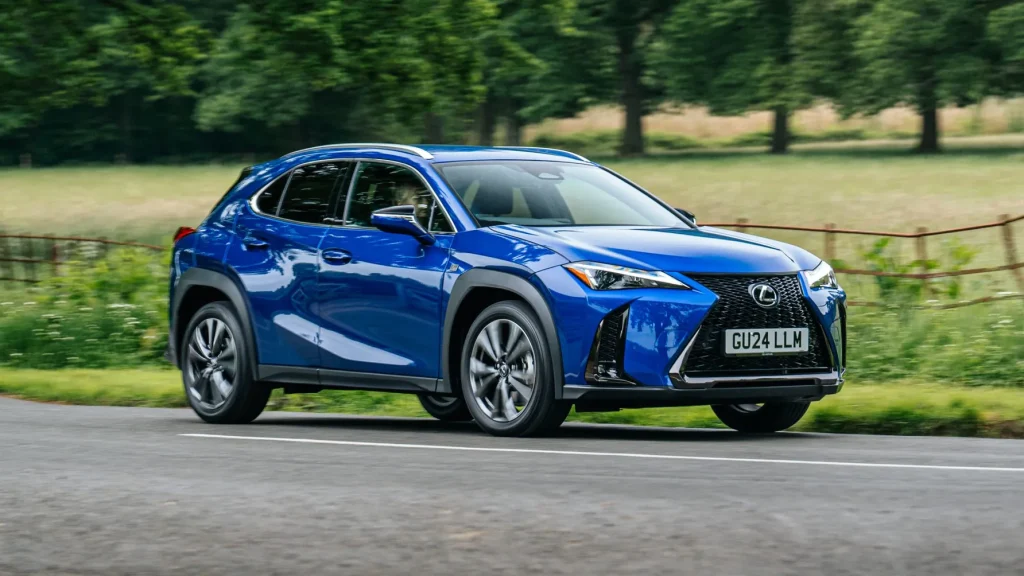
1. Lexus UX
The Lexus UX is an interesting starting point because it delivers the premium experience associated with the brand without requiring buyers to purchase a large luxury SUV.
Its compact dimensions, upscale cabin, and hybrid-focused American lineup make it particularly suitable for urban drivers who want luxury without moving into a much more expensive vehicle category.
Kelley Blue Book estimates that the 2025 UX has a five-year ownership cost of $56,336. This includes $19,812 in depreciation and $36,524 in out-of-pocket expenses. KBB places it in the lowest 11% to 25% of ownership costs among luxury subcompact SUVs and crossovers.
The depreciation figure deserves attention because losing nearly $20,000 over five years is still a substantial expense. However, its operating costs remain competitive for a luxury vehicle. Fuel, insurance, financing, maintenance, repairs, and government fees are included in the calculation.
The UX is powered by a 2.0-liter hybrid system in its 2025 U.S. configuration. Its emphasis on efficiency makes it particularly appealing to people who spend considerable time commuting through congested metropolitan areas.
AAA’s 2025 research estimated that the average new vehicle costs $11,577 annually to own and operate, based on 15,000 miles of driving per year. That is a useful national reference point, although AAA’s figure is not a model-specific estimate for the UX.
For buyers entering the luxury market, this Lexus makes a convincing case. It offers premium branding, hybrid efficiency, and a comparatively favorable five-year ownership position within its category.
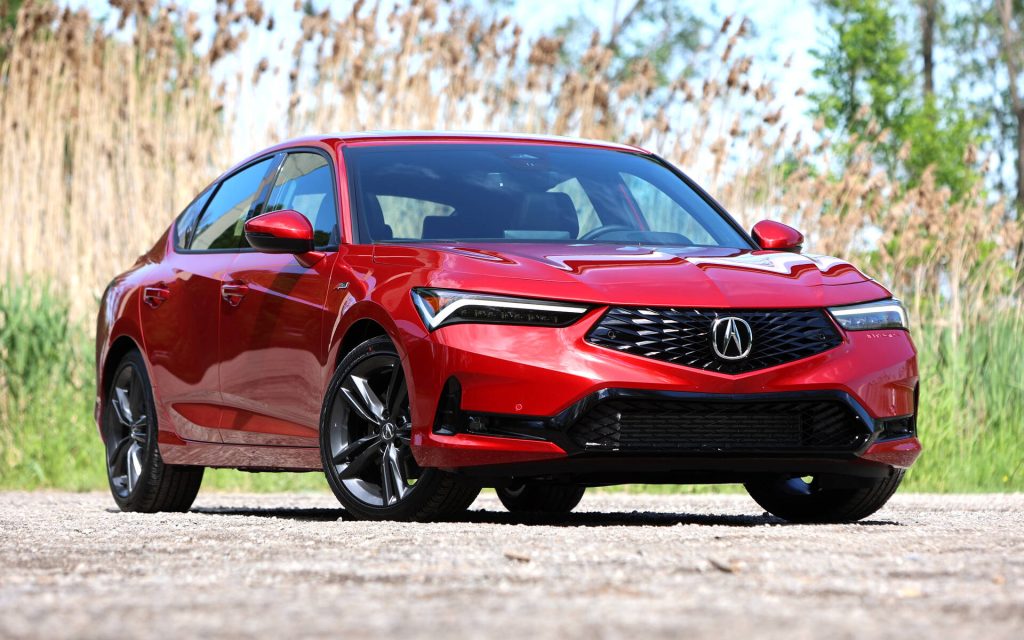
2. Acura Integra
A premium badge does not always require purchasing a large or expensive luxury sedan. The Acura Integra demonstrates this by combining a sporty design, practical hatchback body, and premium interior features in a relatively accessible package. It is particularly appealing to buyers who want something more distinctive than a conventional compact sedan.
For the 2025 Integra 1.5T A-Spec with Technology Package, KBB estimates a five-year cost to own of $64,994. The projection includes $21,306 in depreciation and $43,688 in out-of-pocket expenses. KBB places this configuration in the lowest 11% to 25% of ownership costs among entry-level luxury cars.
Its expense breakdown is worth examining. Fuel is estimated at $10,981, while insurance accounts for $15,980. Maintenance adds $5,187, and repairs are projected at $1,070. These figures demonstrate that even a relatively compact luxury vehicle requires a substantial ownership budget, but its repair estimate is comparatively modest.
The Integra uses a 1.5-liter turbocharged four-cylinder engine producing 200 horsepower. Buyers can choose a continuously variable automatic transmission or, on appropriate configurations, a six-speed manual. That combination gives the vehicle an appealing balance between everyday usability and driver involvement.
The hatchback layout also provides practical advantages. It makes carrying luggage, shopping, and larger everyday items easier than in many conventional compact sedans.
The important distinction is that the Integra’s total ownership cost is reasonable within its luxury category, not necessarily cheaper than a mainstream Honda Civic. Buyers should decide whether the premium cabin, equipment, and driving experience justify the additional expense.
For someone moving into the premium-car market for the first time, the Integra offers a relatively approachable entry point without the financial demands associated with larger luxury vehicles.
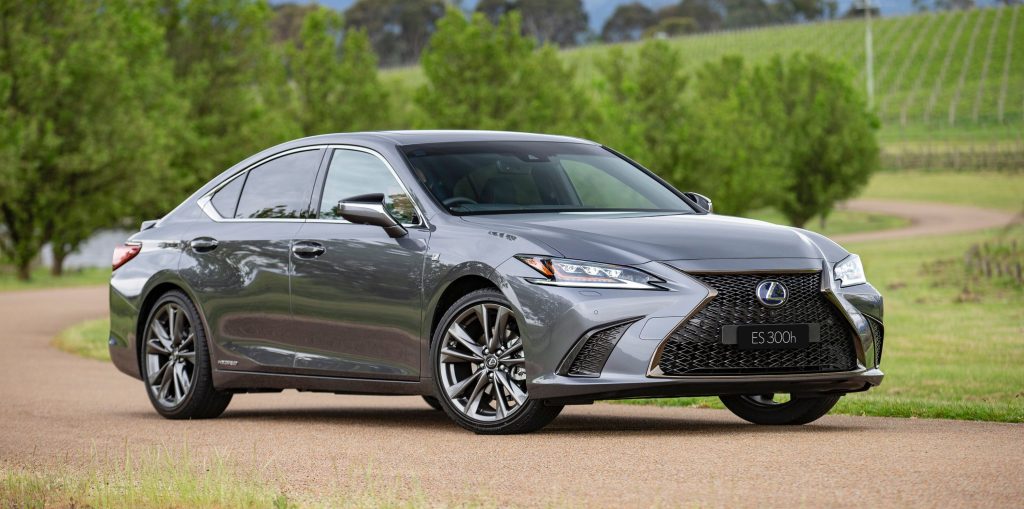
3. Lexus ES
The Lexus ES is built around a different definition of luxury. Instead of concentrating on aggressive performance or dramatic styling, it prioritizes a quiet cabin, comfortable ride, and an ownership experience suited to people who spend considerable time behind the wheel. That approach also helps explain its favorable position in KBB’s ownership-cost assessment.
For the 2025 model, KBB estimates a five-year Cost to Own of $67,395, including $26,352 in depreciation and $41,043 in out-of-pocket expenses. The ES falls within the lowest 11% to 25% of ownership costs among entry-level luxury cars.
The operating expenses are particularly interesting. KBB estimates fuel at $9,569, insurance at $12,825, and maintenance at $7,373. Repairs are projected at $1,152 over five years. Insurance is a major consideration, but the relatively modest repair estimate helps make the overall calculation competitive within its segment.
American buyers could choose between gasoline and hybrid versions for the 2025 model year. The ES 250 uses a 2.5-liter four-cylinder engine with all-wheel drive, while the ES 350 offers a 3.5-liter V6. The ES 300h combines a 2.5-liter engine with hybrid technology.
The hybrid is particularly attractive to drivers who prioritize fuel economy. Its EPA-estimated combined fuel economy is considerably higher than that of the conventional V6 version.
Another advantage is the vehicle’s established position in the luxury midsize sedan market. It offers a more relaxed driving experience than many sport-oriented European competitors.
The ES makes sense for buyers who value comfort and predictable expenses more than maximum acceleration. Its five-year projection shows that premium transportation can remain relatively manageable when compared with similarly positioned luxury sedans.
4. BMW 2 Series
BMW is commonly associated with powerful engines, premium interiors, and expensive maintenance schedules. However, its smaller luxury offerings can provide a comparatively accessible route into the brand.
The 2025 2 Series is a good example, delivering a compact performance-oriented package without the size or purchase price of a large executive sedan.
KBB’s published 2025 estimate places the BMW 2 Series at a five-year cost to own of $70,985. This includes $26,491 in depreciation and $44,494 in out-of-pocket expenses. Importantly, KBB classifies it among the lowest 11% to 25% in ownership costs for entry-level luxury cars.
The figures reveal where the money goes. Fuel accounts for $9,870, insurance contributes $19,375, and maintenance adds $4,077. Repairs are estimated at $2,012. Insurance is clearly one of the larger expenses, so obtaining a personal quotation before purchasing is essential.
The 230i configuration uses a 2.0-liter turbocharged four-cylinder engine producing 255 horsepower. Rear-wheel drive and an eight-speed automatic transmission give it the traditional BMW driving character many enthusiasts appreciate.
Its compact size also makes it more convenient for urban use than larger performance sedans. Buyers receive a premium driving experience without having to manage the dimensions of a full-size luxury vehicle.
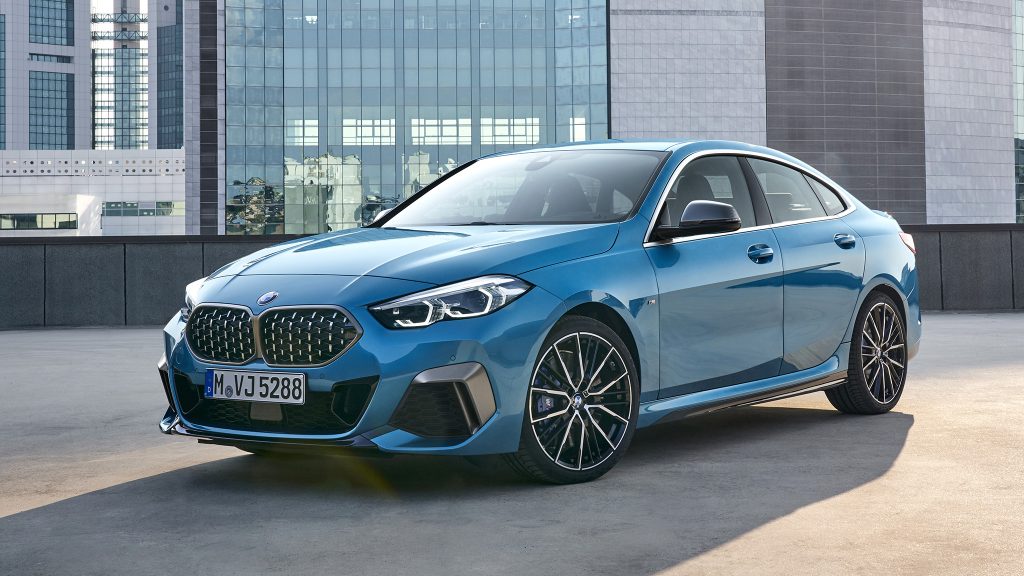
There is an important financial distinction here. A $70,985 five-year ownership estimate is not inexpensive compared with a mainstream sedan. It is favorable because KBB places the model in a relatively competitive ownership-cost position among entry-level luxury cars.
For drivers who want BMW performance and premium engineering without stepping into a substantially more expensive model, the 2 Series deserves consideration.
5. Lexus NX
The Lexus NX occupies an attractive position between compact family transportation and premium SUV ownership. It provides the higher driving position many American buyers prefer, along with a sophisticated interior and several powertrain choices.
More importantly, KBB’s five-year estimate suggests that it can remain financially competitive against other luxury compact crossovers.
The 2025 Lexus NX has a projected five-year cost to own of $66,825. KBB estimates depreciation at $23,596, with out-of-pocket expenses reaching $43,229. The model is classified within the lowest 11% to 25% of ownership costs among luxury compact SUVs.
Its operating-cost breakdown includes $9,844 for fuel, $13,935 for insurance, and $7,660 for maintenance. Repairs are estimated at $1,124. The maintenance figure is worth highlighting because premium SUVs can require more expensive scheduled servicing than ordinary compact crossovers.
American buyers could choose between different versions, including the NX 250, NX 350, and hybrid NX 350h. These configurations cater to different priorities, from conventional gasoline operation to improved fuel efficiency.
The hybrid version is especially appealing to drivers who regularly encounter traffic. Electric assistance helps reduce gasoline consumption during certain driving conditions, although actual results depend on driving style and environment.
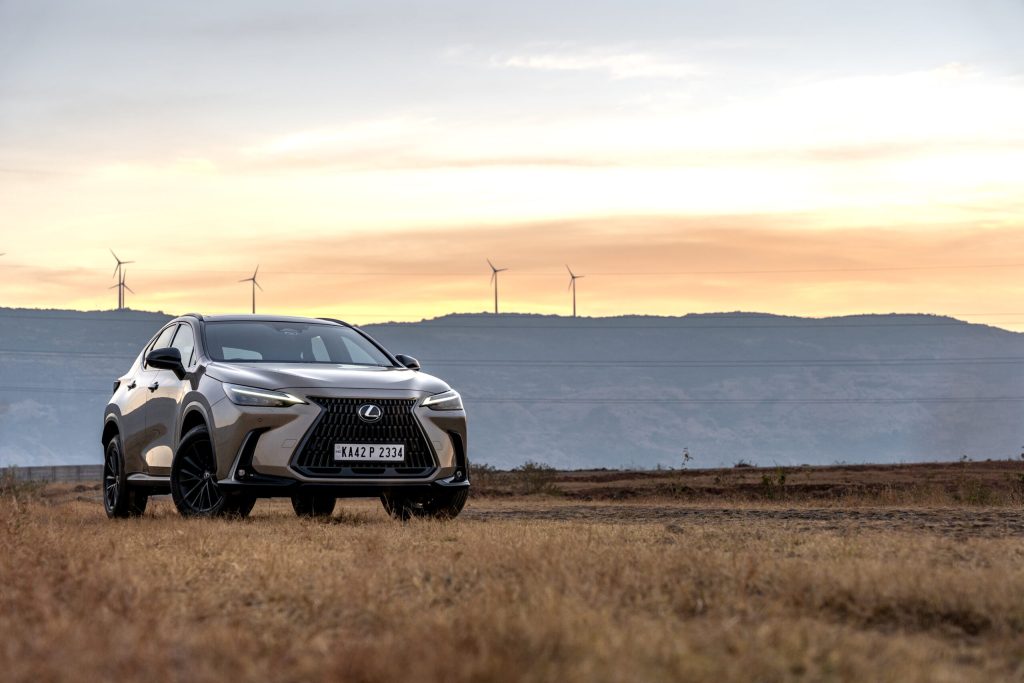
The NX also benefits from its practical proportions. It is easier to maneuver and park than a large luxury SUV while providing useful passenger and cargo space for everyday family requirements.
Its $66,825 estimate may initially seem high, but the comparison should be made against other premium compact SUVs rather than mainstream economy vehicles. Within that market, the NX presents a strong ownership-cost proposition.
For buyers seeking a premium crossover without moving into a much larger and more expensive vehicle, this Lexus is a particularly sensible candidate.
6. Volvo XC40
Volvo takes a slightly different approach to luxury, emphasizing Scandinavian design, passenger protection, and a clean, uncluttered cabin. The XC40 brings those characteristics into the subcompact SUV segment, making it an appealing choice for buyers who want premium features in a relatively manageable package.
KBB estimates that the 2025 XC40 has a five-year Cost to Own of $64,739. Its projected depreciation is $26,494, while out-of-pocket expenses total $38,245. KBB places it in the lowest 11% to 25% of ownership costs among luxury subcompact SUVs and crossovers.
One reason the estimate deserves attention is the distribution of its expenses. Insurance is projected at $13,475, fuel at $10,712, and maintenance at $3,837. Repairs contribute another $1,727. These numbers make the XC40 relatively competitive within its segment, although maintenance and repair costs remain higher than those of many mainstream small SUVs.
The 2025 American-market XC40 uses a 2.0-liter turbocharged four-cylinder engine producing 247 horsepower in its B5 configuration. All-wheel drive is standard, providing additional traction in wet conditions and on slippery roads. Its EPA-estimated combined fuel economy is 26 MPG.
The interior is another reason buyers consider this model. Its upright seating position, thoughtfully arranged controls, and practical cargo area make it suitable for daily transportation.
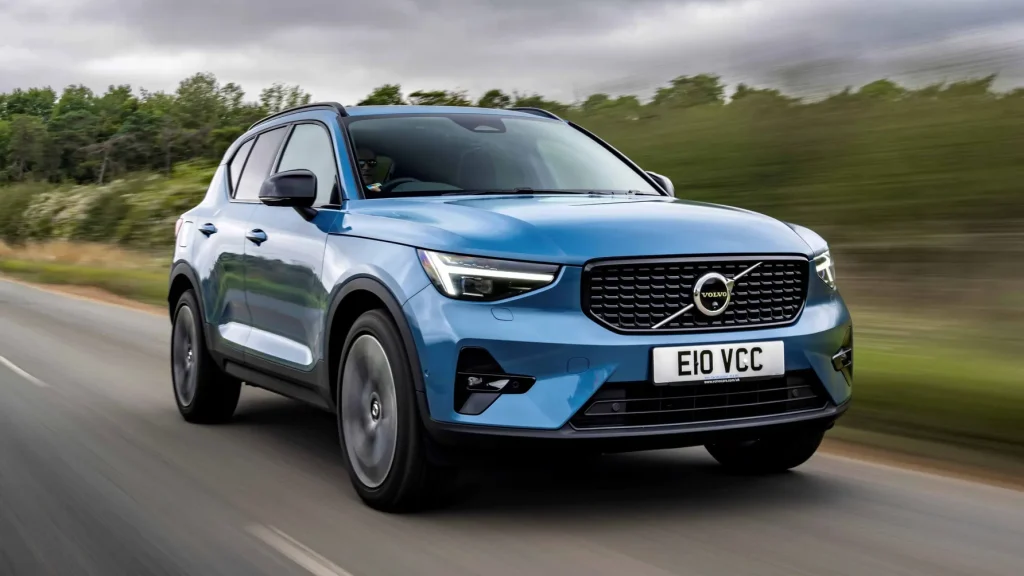
One important financial consideration is that depreciation makes up over $26,000 of the vehicle’s estimated expenses over five years. This is a high cost, despite the model’s competitive performance compared with other luxury subcompact vehicles.
The XC40 is best suited to buyers who value safety-oriented engineering, distinctive design, and premium cabin quality. Its KBB classification suggests that these features do not necessarily require the highest ownership expenditure in its category.
7. Acura RDX
The Acura RDX offers a compelling middle ground for drivers who want a premium SUV with meaningful performance but do not need the size of a three-row luxury vehicle. Its spacious cabin, standard all-wheel-drive system, and turbocharged engine make it particularly attractive to American families.
For the 2025 model, KBB estimates a five-year Cost to Own of $76,430. This includes $26,682 in depreciation and $49,748 in out-of-pocket expenses. Despite the substantial dollar figure, KBB places the RDX within the lowest 11% to 25% of ownership costs among luxury compact SUVs and crossovers.
Its operating costs are revealing. Fuel accounts for $14,958, insurance adds $15,695, and maintenance is estimated at $5,802. Repairs contribute another $1,157. Fuel and insurance together represent a substantial part of the projected ownership budget.
The RDX uses a 2.0-liter turbocharged four-cylinder engine producing 272 horsepower. It is paired with a 10-speed automatic transmission and Acura’s Super Handling All-Wheel Drive system. The combination gives the SUV strong acceleration and additional traction.
Practicality is another important advantage. The RDX provides 29.5 cubic feet of cargo capacity behind its rear seats, giving owners useful space for luggage, shopping, and everyday family equipment.
Its estimated $76,430 total cost of ownership is certainly not small. However, the comparison changes when the vehicle is measured against similarly equipped luxury compact SUVs rather than ordinary crossovers.
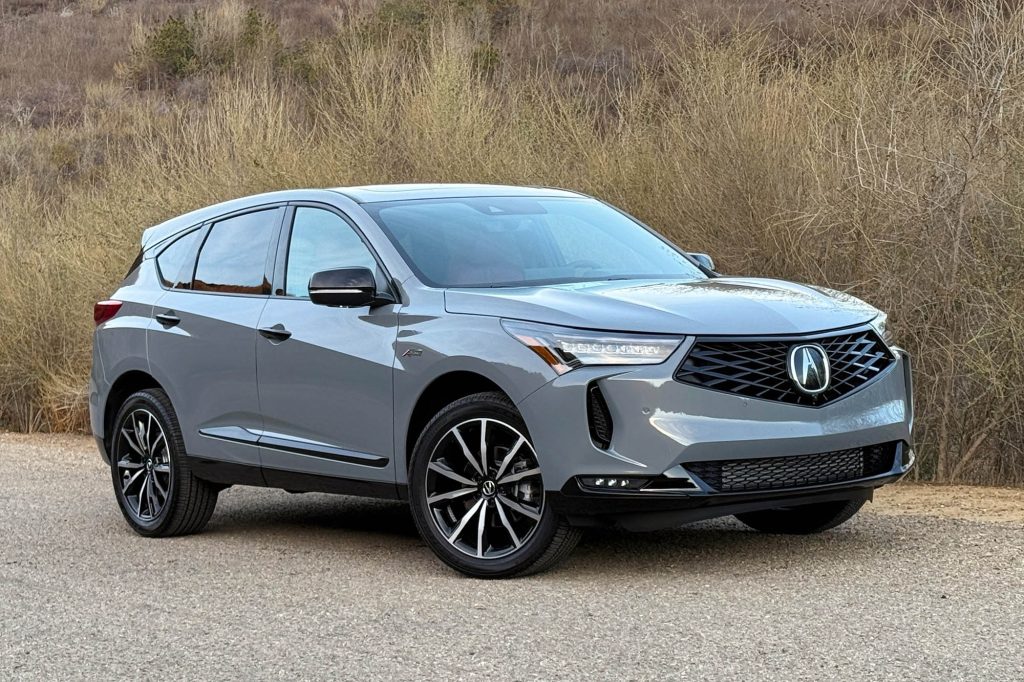
Potential owners should pay attention to tire replacement, scheduled servicing, and insurance quotations. All-wheel-drive vehicles can have additional maintenance considerations, and tire replacement costs should be included in long-term budgeting.
For buyers who want a premium SUV with substantial performance and useful everyday practicality, the RDX makes a reasonable case within its luxury category.
8. Lexus IS
A luxury sedan does not necessarily need a large engine or an expensive performance package to deliver an enjoyable ownership experience. The Lexus IS focuses on compact dimensions, rear-wheel-drive dynamics in selected versions, and a premium interior. It is also one of the more interesting examples of KBB’s lower-cost luxury vehicles.
According to KBB, the 2025 IS has a five-year Cost to Own of $64,340, including $24,679 in depreciation and $39,661 in out-of-pocket expenses. It ranks within the lowest 11% to 25% for ownership costs among entry-level luxury cars.
The expense breakdown provides a useful explanation. Fuel is estimated at $9,990, while insurance accounts for $18,780. Financing contributes $4,771, and government fees add $6,120. These are meaningful expenses, but the projected total remains competitive within the model’s luxury category.
The 2025 American-market IS lineup includes several powertrain options. Depending on the version, buyers can choose a 2.0-liter turbocharged four-cylinder engine or naturally aspirated V6 power. The more powerful IS 350 produces 311 horsepower, giving the sedan a distinctly sportier character.
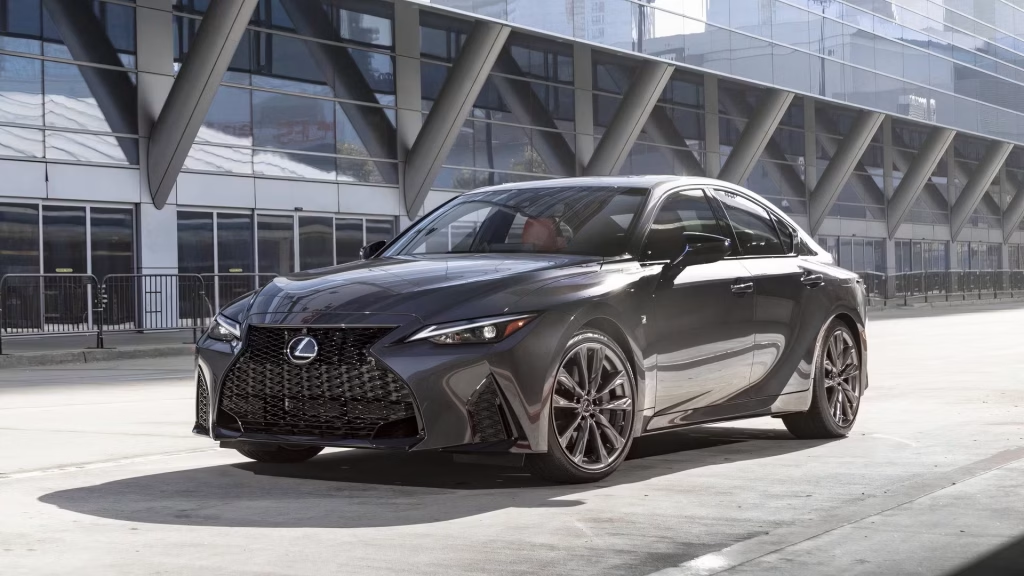
Its compact size is particularly useful for people who want a premium vehicle that remains manageable in crowded parking areas. The cabin also offers a more driver-focused atmosphere than many comfort-oriented luxury sedans.
However, buyers should not overlook insurance. KBB’s projected $18,780 expense is substantial, and an individual driver’s premium could be higher or lower depending on location, coverage, and driving record.
The IS makes sense for buyers who want a premium sports sedan without moving into the much more expensive performance-car market. Its KBB ownership classification provides additional reassurance that it remains competitive against its luxury rivals.
9. Genesis GV70
Genesis has become an increasingly serious competitor in the American luxury SUV market. The GV70 combines distinctive exterior styling, an upscale interior, and a generous equipment package. It also offers an interesting ownership-cost proposition when compared with similarly priced European luxury crossovers.
For the 2025 GV70 2.5T Standard, KBB estimates a five-year Cost to Own of $81,974. This includes $32,040 in depreciation and $49,934 in out-of-pocket expenses. KBB classifies this particular configuration within the lowest 11% to 25% of ownership costs among luxury compact SUVs.
Its estimated expenses include $11,296 for fuel, $20,085 for insurance, and $6,955 for maintenance. Repairs are projected at $695 over five years. The relatively low repair estimate is an encouraging part of the calculation, although it is a forecast rather than a guarantee of future repair bills.
The standard powertrain uses a 2.5-liter turbocharged four-cylinder engine producing 300 horsepower and 311 lb-ft of torque. All-wheel drive is standard in the American-market configuration.
Another important advantage is the manufacturer’s warranty. Genesis provides a basic warranty covering five years or 60,000 miles and a powertrain warranty covering ten years or 100,000 miles for eligible original owners. Warranty transfer conditions should be checked when purchasing a used vehicle.
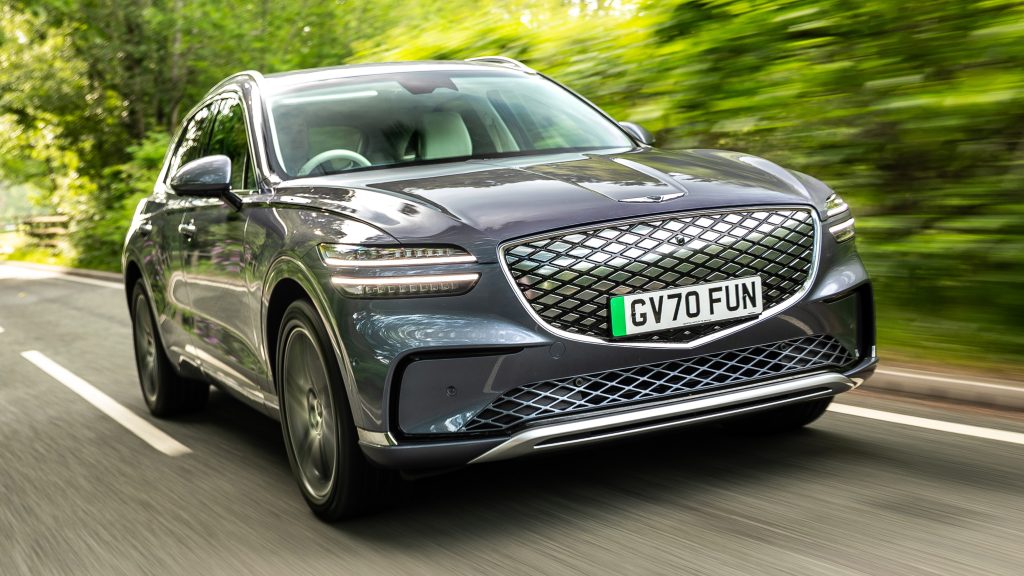
The GV70 is particularly attractive to buyers who want a premium cabin without paying the prices associated with some German luxury alternatives. Its performance and equipment levels make it feel more expensive than its entry-level positioning might suggest.
The $81,974 ownership projection is a substantial commitment, but its favorable position within the luxury compact SUV category makes it worthy of consideration for shoppers seeking premium features and a competitive ownership calculation.
10. Lexus RX
The Lexus RX is designed for buyers who want a more substantial luxury SUV without stepping into the dimensions and expenses of a full-size model. Its comfortable ride, spacious cabin, and premium equipment have helped it become an important competitor in the American luxury midsize SUV market.
KBB estimates that the 2025 RX has a five-year Cost to Own of $80,888. The calculation includes $27,815 in depreciation and $53,073 in out-of-pocket expenses. Despite the high dollar amount, KBB places it in the lowest 11% to 25% of ownership costs among luxury midsize SUVs and crossovers.
The operating expenses explain where the money goes. Fuel is estimated at $14,140, insurance at $16,340, and maintenance at $8,166. Repairs account for another $1,107. Maintenance is a significant expense, but the relatively low projected repair figure helps its financial position.
The 2025 RX 350 uses a 2.4-liter turbocharged four-cylinder engine producing 275 horsepower and 317 lb-ft of torque. Buyers seeking greater efficiency can consider the RX 350h hybrid, while the RX 500h offers a more performance-oriented hybrid configuration.
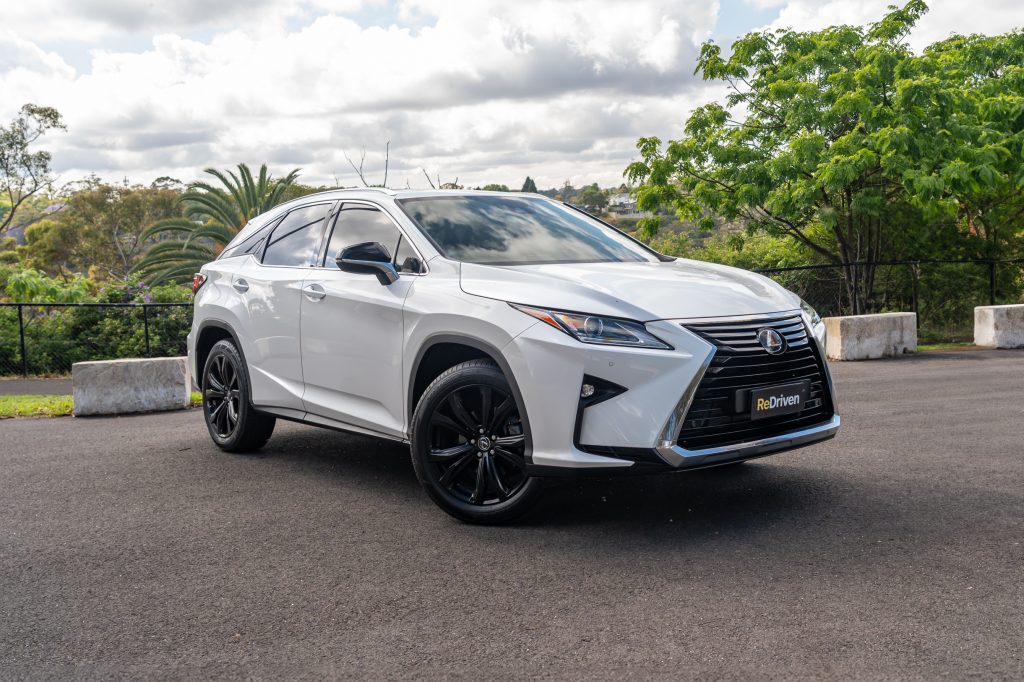
Its appeal extends beyond the powertrain. The RX provides a quiet cabin, comfortable seating, and useful passenger accommodation, making it suitable for families and long-distance highway travel.
Of course, an $80,888 five-year ownership estimate is not a small commitment. The RX makes this list because its projected expenses are relatively competitive against other luxury midsize SUVs, not because it is inexpensive to operate.
For buyers who want a premium family SUV with a strong luxury-market reputation, the RX deserves serious consideration. Comparing the gasoline and hybrid versions is particularly important because fuel expenses can differ significantly depending on the selected configuration and annual mileage.