A low sticker price can make a new car look like a financial bargain, but the purchase price tells only part of the story. Insurance premiums, fuel consumption, maintenance, repairs, financing, registration fees, and depreciation can transform an affordable vehicle into an expensive five-year commitment.
Kelley Blue Book (KBB) calculates ownership costs across these categories, while AAA provides national benchmarks for the expenses associated with driving a new vehicle.
These ten relatively affordable American-market cars demonstrate why buyers should examine the complete ownership bill before choosing a vehicle based on its showroom price.
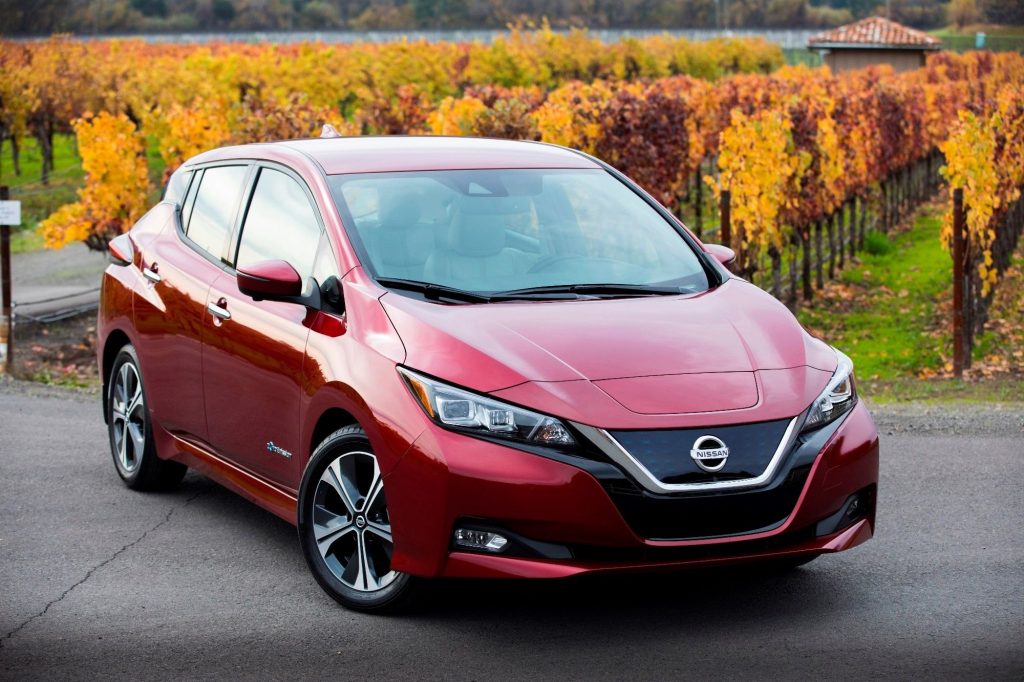
1. Nissan LEAF
The Nissan LEAF looks affordable when shoppers compare its original purchase price with conventional gasoline-powered vehicles. However, its five-year ownership calculation reveals why electric vehicles should be evaluated differently.
KBB estimates that a 2025 LEAF carries a five-year ownership cost of $51,595, including $19,612 in depreciation and $31,983 in out-of-pocket expenses. Its estimated residual value after five years is just $9,668.
The largest expense in the calculation is insurance, estimated at $16,790 over five years. That is considerably more than its projected $4,006 electricity expense. Maintenance is estimated at $3,906, while repairs account for another $1,724.
This highlights a key financial consideration. Although electric vehicles can reduce expenses on energy and routine powertrain maintenance, they are not necessarily cheaper to own. Higher insurance costs and depreciation may offset a significant portion of those savings.
AAA’s 2025 study estimated that the average new vehicle costs $11,577 annually to own and operate, based on 15,000 miles of driving per year. Its calculation includes depreciation, financing, fuel, insurance, government fees, maintenance, and repairs.
The LEAF can still be attractive to commuters who have home charging and predictable daily travel. Its ownership figures, however, demonstrate why buyers should compare electricity savings against insurance and resale losses rather than assuming that an inexpensive electric car automatically means an inexpensive five-year commitment.
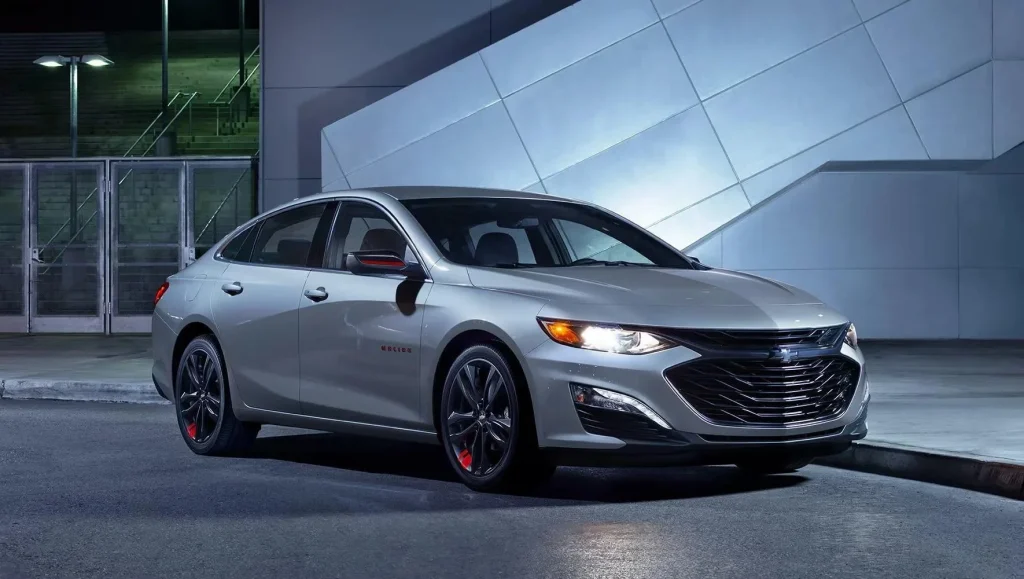
2. Chevrolet Malibu
The Chevrolet Malibu was positioned as an accessible midsize sedan, making it an appealing option for buyers who wanted more passenger space without paying luxury-car prices. Its relatively modest starting price, however, does not tell the complete financial story.
KBB estimates that a 2025 Malibu has a five-year ownership cost of $49,387, including $16,189 in depreciation and $33,198 in out-of-pocket expenses.
Insurance is the biggest contributor to its projected running expenses, accounting for $16,270 over five years. Fuel adds another $7,477, while financing contributes $3,338. KBB also estimates $1,734 in repairs during the same period.
The insurance figure deserves particular attention because it can make a relatively inexpensive sedan surprisingly costly. Premiums depend on the driver’s age, location, driving history, coverage, and insurance provider. Consequently, an individual buyer may receive a substantially different quote.
There is also the question of depreciation. The estimated $16,189 reduction in value means owners could lose a considerable portion of their original investment before considering fuel, insurance, or financing.
The Malibu’s 1.5-liter turbocharged four-cylinder engine produces 163 horsepower, and its EPA-estimated combined fuel economy is 31 MPG. These specifications make it a reasonable everyday commuter, but they cannot eliminate the financial impact of depreciation and insurance.
For shoppers considering a used Malibu, depreciation may actually create an opportunity to purchase a spacious sedan at a reduced price. New-car buyers should be more cautious and calculate insurance costs before deciding that its affordable showroom price makes it a bargain.
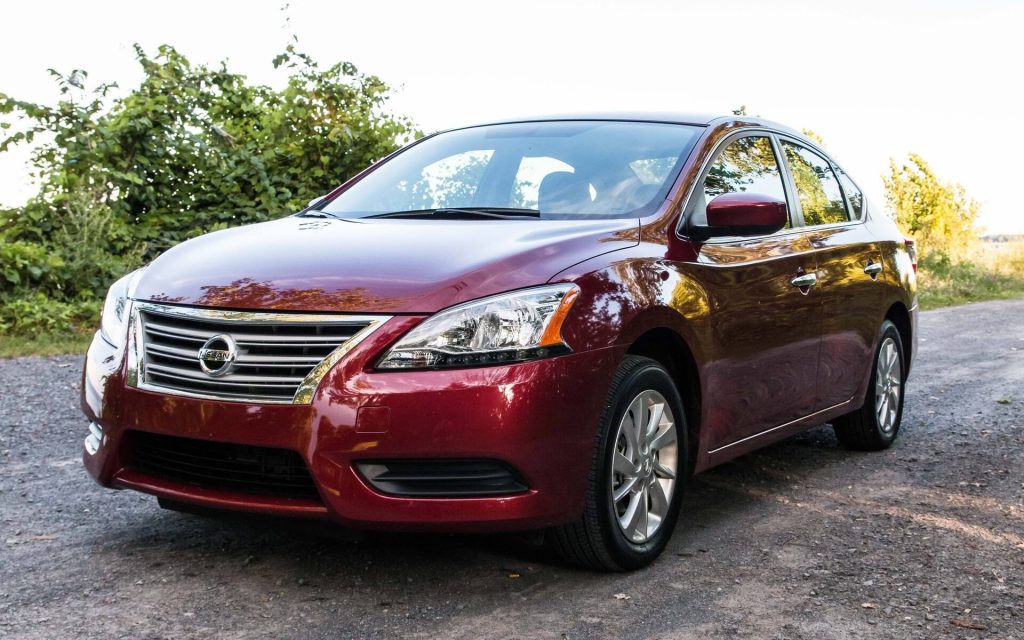
3. Nissan Sentra
Compact sedans are generally expected to provide inexpensive transportation, which makes the Nissan Sentra an interesting example of how ownership expenses can challenge that expectation.
Its purchase price places it within reach of many budget-conscious American buyers, but KBB’s estimate for the 2025 Sentra S reveals a considerably larger financial commitment.
KBB calculates its five-year cost to own at $56,472, consisting of $14,381 in depreciation and $42,091 in out-of-pocket expenses. That is a substantial amount for a compact sedan.
The biggest surprise is the out-of-pocket portion. Insurance, financing, fuel, maintenance, repairs, and state fees collectively exceed the estimated depreciation by a considerable margin. This shows why comparing vehicles using monthly loan payments alone can produce a misleading picture of affordability.
The Sentra’s conventional gasoline powertrain also means owners must budget for regular fuel purchases. Annual mileage, local gasoline prices, and driving conditions can make a meaningful difference to the final bill.
Another expense worth considering is insurance. A vehicle’s purchase price does not determine its insurance premium by itself. Repair costs, theft statistics, driver demographics, and regional accident rates can influence the amount an owner pays.
The Sentra still offers practical advantages, including a comfortable passenger cabin and manageable dimensions for city driving. Buyers looking at used examples may find attractive discounts, especially when depreciation has already occurred.
However, anyone considering a new 2025 example should examine KBB’s ownership breakdown carefully. Its $56,472 projected five-year expense demonstrates that an affordable compact sedan can demand a surprisingly large financial commitment.
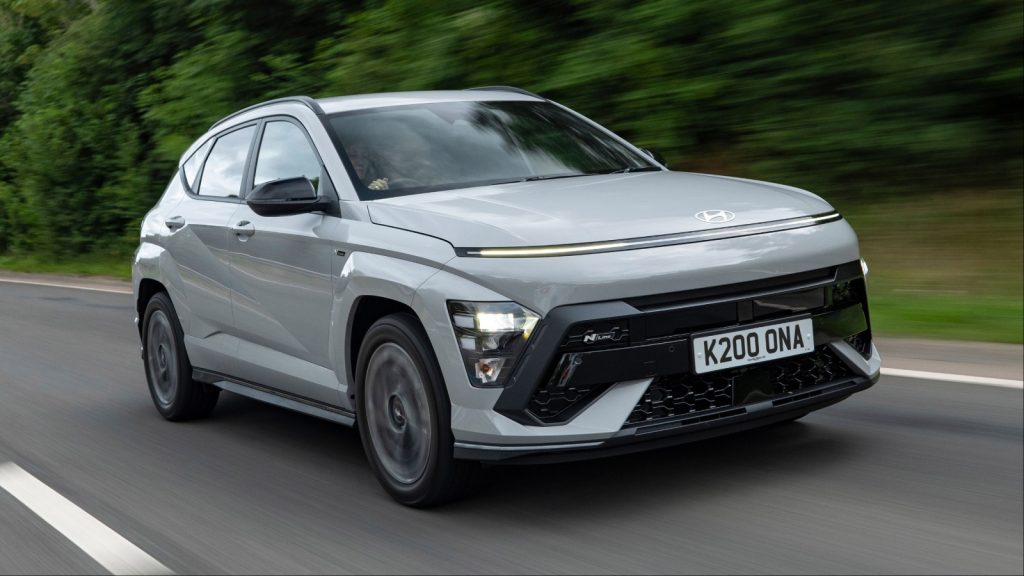
4. Hyundai Kona
Small SUVs have become popular among American buyers because they provide a higher seating position and additional practicality without the dimensions of a midsize crossover. The Hyundai Kona SE fits that description, but its ownership calculation shows how quickly expenses can accumulate.
KBB estimates a five-year ownership cost of $54,722 for the 2025 Kona SE. Of that amount, $15,566 represents depreciation, while another $39,156 comes from out-of-pocket expenses.
Fuel accounts for an estimated $11,237, while insurance contributes $14,260. Maintenance is projected at $5,559 over five years, considerably more than the $734 estimated for repairs.
These figures are particularly interesting because the Kona SE is an entry-level version rather than an expensive performance-oriented SUV. Its original price may look manageable, but the combination of insurance, fuel, maintenance, and depreciation creates a much larger ownership commitment.
The Kona’s compact dimensions make it suitable for urban driving, and its cabin provides useful everyday functionality. However, buyers should consider the complete cost of operating the vehicle rather than assuming that a smaller SUV will necessarily be cheaper than a sedan.
Insurance deserves special attention. A driver with a clean record may receive a substantially different premium from someone living in an expensive insurance market. KBB’s figure is an estimate, not an individual insurance quotation.
The Kona is still a model worth considering for buyers looking for a compact crossover, particularly when compared with other vehicles in its class. However, its five-year cost projection highlights an important distinction, choosing the least expensive trim does not necessarily mean spending less over the entire ownership period.
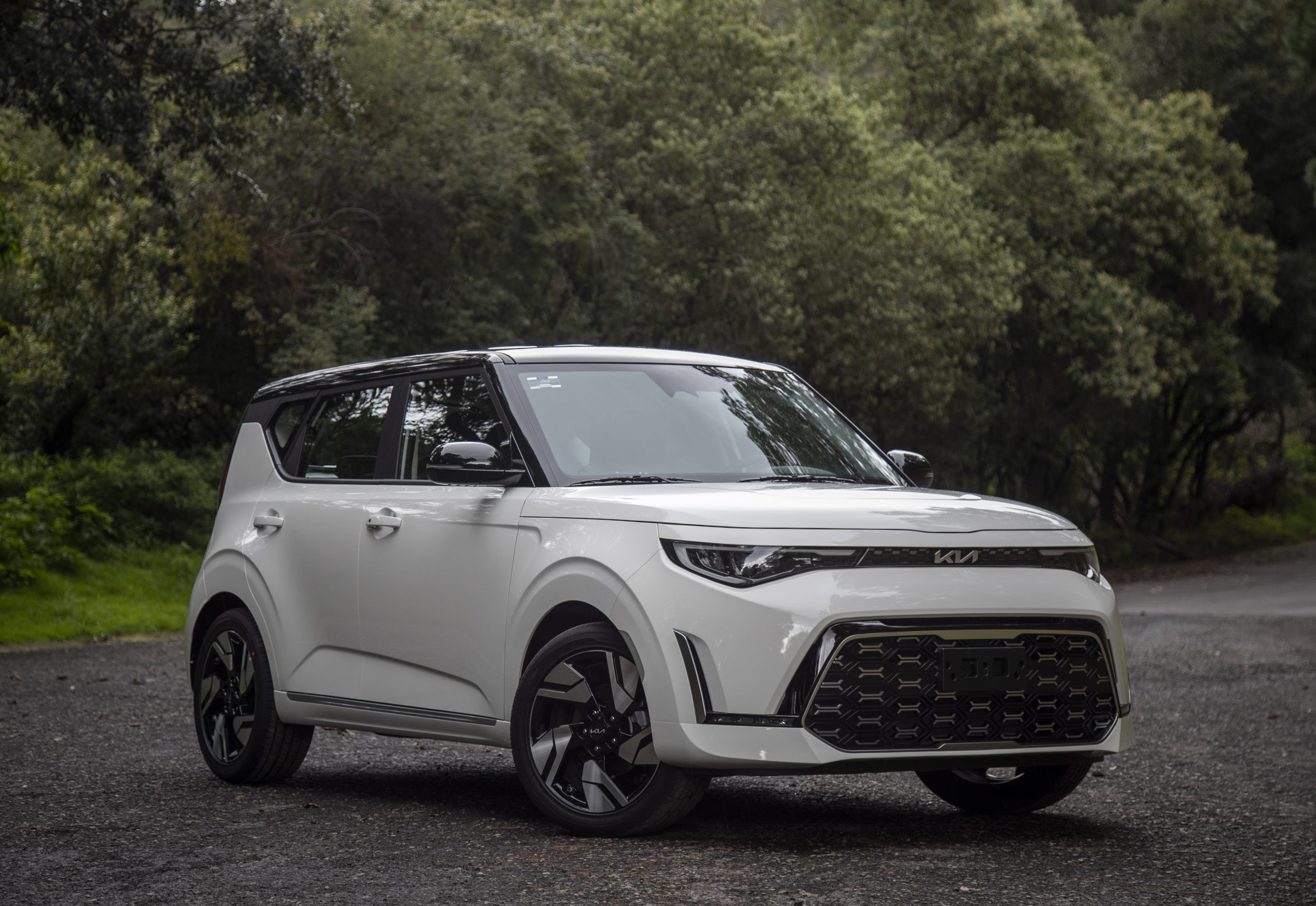
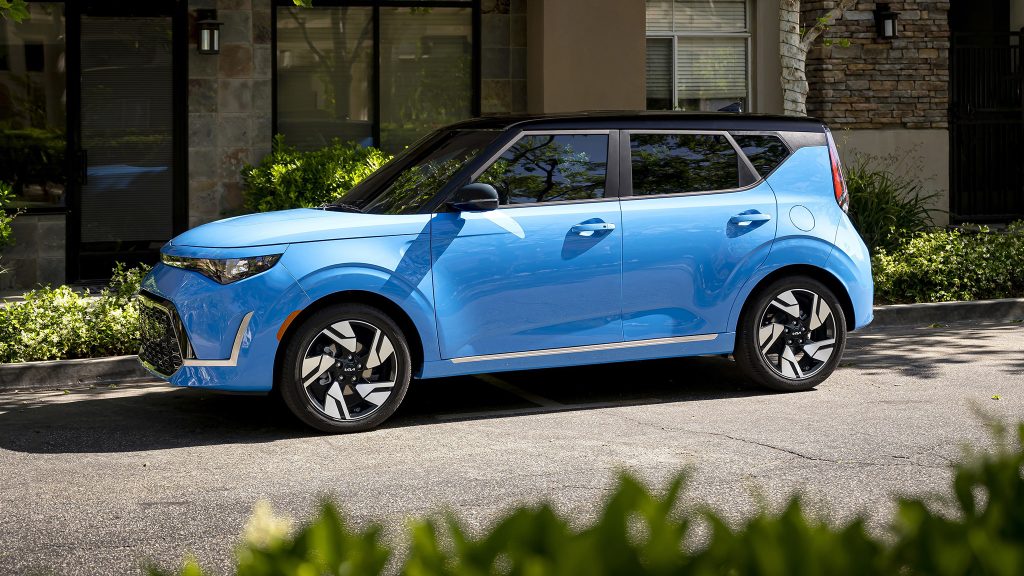
5. Kia Soul
The Kia Soul has traditionally attracted buyers looking for distinctive styling, a practical cabin, and an affordable entry into the crossover-like hatchback market. Its boxy design also provides useful interior packaging without requiring the purchase of a much larger SUV.
Yet KBB’s figures reveal that the 2025 Soul S can accumulate significant expenses. Its estimated five-year cost to own is $51,190, comprising $15,697 in depreciation and $35,493 in out-of-pocket costs.
One particularly striking figure is maintenance, which accounts for $6,628 over five years in KBB’s estimate. Fuel adds $9,134, while insurance contributes another $13,850. These expenses demonstrate that a relatively inexpensive gasoline vehicle still requires a meaningful operating budget.
The Soul uses a 2.0-liter four-cylinder engine producing 147 horsepower. Its practical layout makes it useful for commuting, shopping, and carrying passengers, but it is not designed to deliver the performance or capability of a larger SUV.
The projected depreciation of $15,697 is another factor that buyers should not ignore. Although the vehicle’s original price is considerably lower than that of many midsize SUVs, losing this amount over five years represents a substantial financial cost.
AAA’s national research also highlights how maintenance and repair expenses accumulate over time. Its 2025 study estimates an average maintenance, repair, and tire expense of 11.04 cents per mile across the vehicles included in its analysis.
The Soul remains a practical choice for buyers who appreciate its unusual shape and interior space. However, comparing its maintenance estimate against competing compact vehicles is essential before deciding that its low purchase price makes it the more economical option.
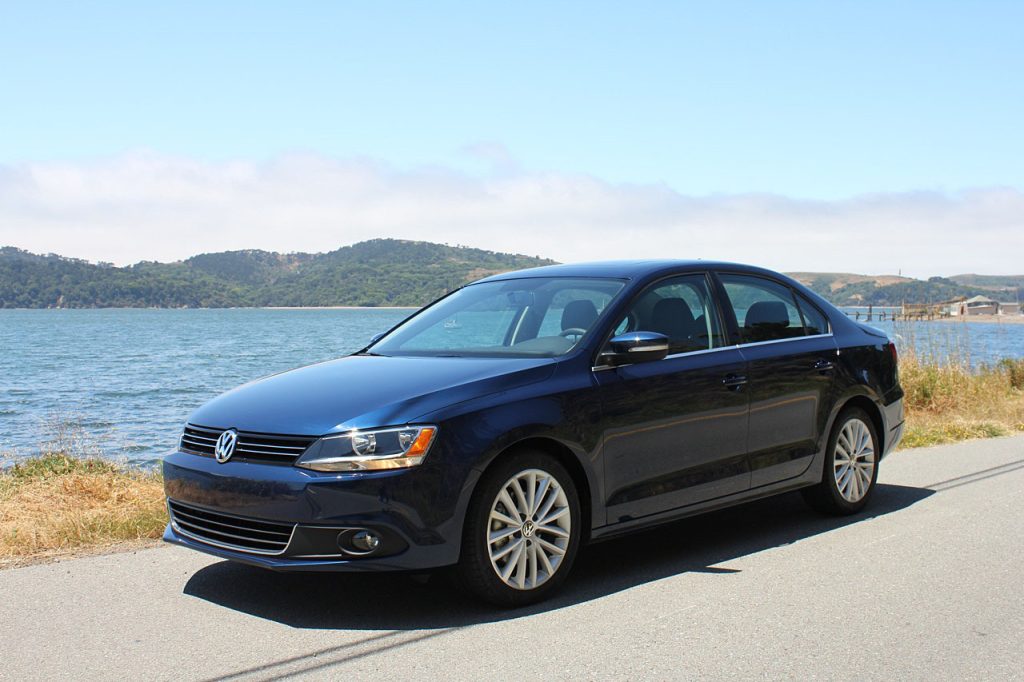
6. Volkswagen Jetta
The Volkswagen Jetta is an appealing option for buyers who want a European-style compact sedan without entering the premium-car price bracket. Its starting price makes it competitive against mainstream Japanese and Korean alternatives.
However, the 2025 model’s ownership estimate reveals that the purchase price is only one part of the financial equation.
KBB estimates that the Jetta will cost $48,505 to own over five years, including $14,861 in depreciation and $33,644 in out-of-pocket expenses.
Fuel is projected to account for $8,138, while insurance contributes $15,745. Maintenance adds another $3,612, and repairs are estimated at $1,231. These expenses can make the Jetta considerably more expensive to operate than its original sticker price suggests.
The insurance estimate is especially important. Even when two vehicles have similar purchase prices, their insurance premiums can differ because insurers consider repair costs, claims history, theft risks, and vehicle-specific factors.
The Jetta’s turbocharged engine provides responsive performance, and its relatively conventional sedan layout makes it suitable for daily commuting. Buyers also benefit from a spacious cabin and a useful trunk.
Nevertheless, the five-year financial commitment deserves attention. Spending more than $48,000 across ownership categories for a compact sedan is a substantial commitment, particularly for someone purchasing it primarily to reduce transportation expenses.
A used Jetta may become considerably more attractive after its initial depreciation. For new-car shoppers, obtaining insurance quotations and checking the maintenance schedule before visiting a dealership are sensible steps. Its affordable entry price should not distract buyers from the projected five-year bill.
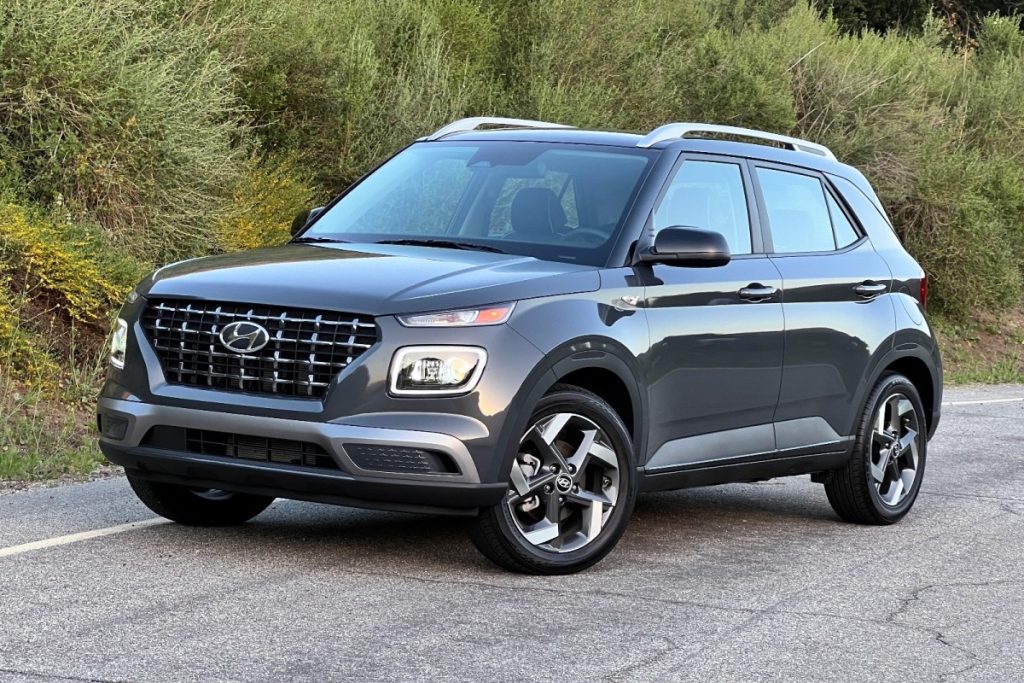
7. Hyundai Venue
The Hyundai Venue is one of the more accessible ways to enter the American subcompact SUV market. Its 2025 SE trim carries an MSRP of $21,695, making it attractive to buyers who want an SUV without paying $30,000 or more. Yet KBB’s ownership estimate shows why the purchase price should not be confused with the full financial commitment.
KBB lists a five-year cost to own of $47,606 for the 2025 Venue SE. The estimate includes $13,442 in depreciation and $34,164 in out-of-pocket expenses.
Insurance represents the largest individual expense at $20,780 over five years. Fuel adds $7,650, while maintenance is estimated at $1,117. Financing and government fees contribute further to the total.
That insurance projection is particularly striking for a vehicle with an original price below $22,000. It demonstrates how a relatively inexpensive vehicle can still generate substantial ownership expenses when insurance and other recurring costs are included.
The Venue uses a 1.6-liter four-cylinder gasoline engine producing 121 horsepower. Its compact size makes it convenient for parking and navigating busy urban roads, although its modest output means it is not intended for buyers seeking strong acceleration.
One advantage worth noting is that KBB has previously recognized the Venue for its affordable ownership costs within the subcompact SUV segment. For this reason, its estimated five-year expense of $47,606 should be viewed as a projected cost rather than evidence that it is significantly more expensive than competing models.
The lesson is to examine individual expenses rather than judge affordability from MSRP alone. Buyers should obtain insurance quotations before committing to the Venue, particularly if keeping monthly transportation costs low is their main priority.
8. Buick Envista
The Buick Envista is an interesting proposition because it offers SUV-inspired styling at a price that competes with mainstream compact and subcompact vehicles. Its 2025 lineup starts at approximately $23,600, making it look like an accessible route into a more premium-looking vehicle.
However, KBB’s published estimate puts its five-year cost to own at $48,510. This includes $13,679 in depreciation and $34,831 in out-of-pocket expenses.
Insurance is projected to account for $14,580, while fuel adds $5,892. Maintenance is estimated at $4,505, and repairs contribute another $1,947. These figures show that running expenses can represent a considerable portion of the total financial commitment.
The Envista uses a 1.2-liter turbocharged three-cylinder engine producing 137 horsepower. Its front-wheel-drive configuration and compact dimensions make it more suitable for everyday commuting than demanding off-road use.
An important factor to consider is the combined $6,452 estimate for maintenance and repairs reported by KBB. This figure is particularly relevant when evaluating the Envista against other compact crossovers, especially those with lower anticipated maintenance and repair expenses.
The vehicle’s cabin design and exterior styling help it stand apart from more conventional budget-oriented transportation. However, buyers should decide whether those design advantages justify the projected operating expenses.
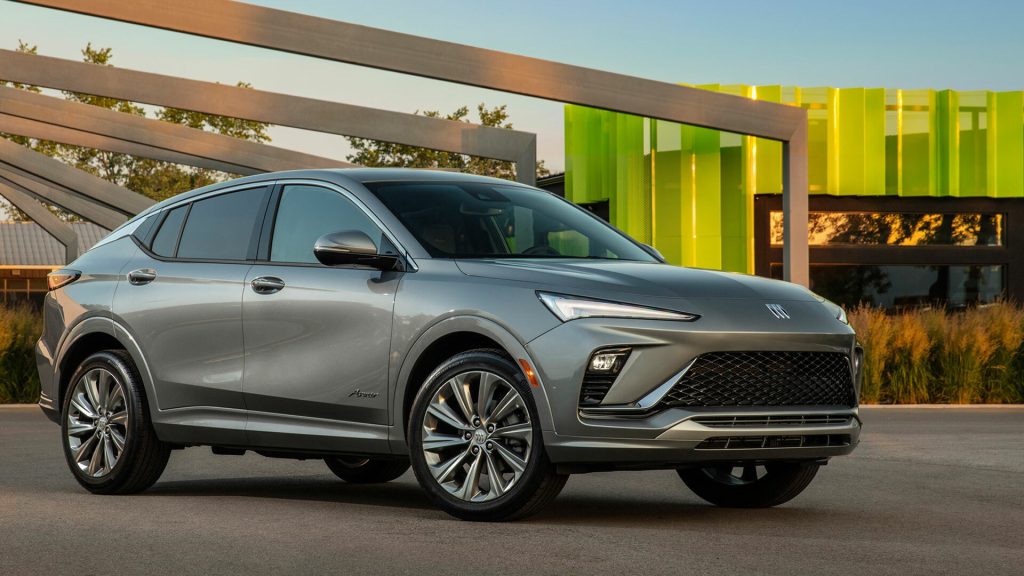
A lower transaction price can make the Envista attractive, particularly when dealership incentives are available. Nevertheless, a buyer planning to keep the vehicle for five years should calculate insurance, financing, fuel, and servicing before making a decision.
Its ownership projection is a useful reminder that an affordable-looking crossover can still require a substantial budget beyond the initial purchase.
9. Nissan Versa
The Nissan Versa has long been associated with inexpensive transportation in the United States. Its relatively low starting price makes it an obvious consideration for first-time buyers, students, and households looking for a second vehicle. However, even one of America’s most affordable new cars carries expenses that deserve careful examination.
KBB estimates that the 2025 Versa has a five-year ownership cost of $42,185. This includes $10,763 in depreciation and $31,422 in out-of-pocket expenses.
The breakdown is revealing. Insurance accounts for $13,920, while maintenance adds $5,896. Fuel is estimated at $5,948, with repairs contributing another $1,815. Financing and state fees increase the total further.
Maintenance is especially noteworthy because it represents a substantial expense relative to the Versa’s purchase price. Routine servicing, replacement components, and scheduled maintenance can accumulate over several years, even when a vehicle is relatively inexpensive.
The Versa’s appeal lies in its straightforward purpose. It offers basic passenger transportation, compact dimensions, and a gasoline engine suited to ordinary commuting. Buyers who prioritize a low purchase price over performance or luxury equipment may find it perfectly adequate.
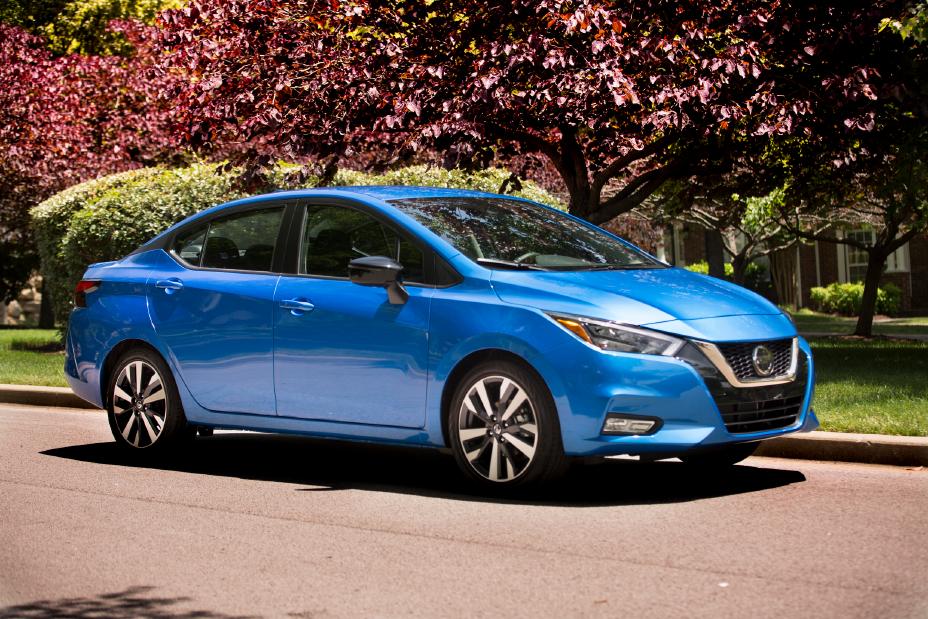
However, the $42,185 estimate demonstrates that the purchase price is far from the complete ownership bill. Insurance alone represents a significant expense, and the projected maintenance budget should not be ignored.
For budget-conscious Americans, the Versa may still be a sensible choice when compared with larger vehicles. The key is to obtain an insurance quote and consider maintenance costs before signing a financing agreement. A cheap sedan is only genuinely affordable when its running expenses also fit the household budget.
10. Volkswagen Taos
The Volkswagen Taos attracts buyers who want the higher seating position and cargo flexibility of an SUV without moving into a much more expensive vehicle category. With a 2025 starting price of approximately $23,800, it appears reasonably accessible.
Its five-year ownership estimate, however, reveals a larger financial commitment than the initial price suggests.
KBB estimates that a 2025 Taos will cost $48,320 to own over five years, including $16,330 in depreciation and $31,990 in out-of-pocket expenses.
Fuel is estimated at $10,887, making it the largest operating expense in the published breakdown. Insurance adds $12,770, while financing and state fees contribute another $5,776 combined. Maintenance is projected at $1,388, with repairs accounting for $1,169.
Depreciation deserves particular attention. Losing $16,330 in five years represents a substantial financial reduction for an SUV originally positioned as an affordable entry-level model.
The Taos uses a 1.5-liter turbocharged four-cylinder engine producing 174 horsepower. Front-wheel drive is available, while Volkswagen’s 4MOTION all-wheel-drive system provides an option for buyers who need additional traction.
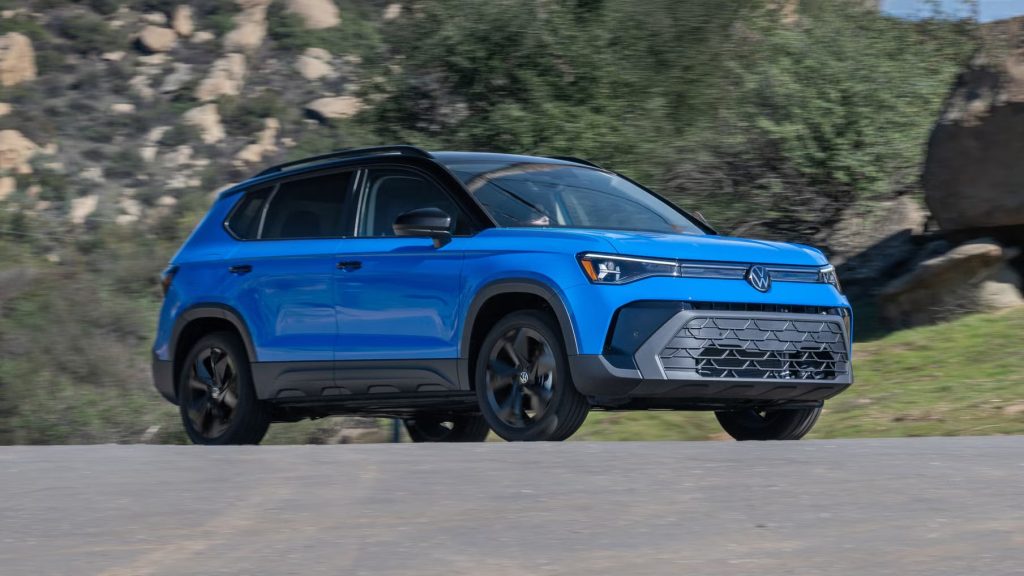
Its practical cabin and useful cargo capacity make it a reasonable choice for small families and commuters. Nevertheless, buyers should consider whether they actually need an SUV or could save money with a conventional compact sedan.
The Taos demonstrates that a relatively affordable crossover can become an expensive ownership proposition once depreciation, fuel, insurance, and financing are included.
For American shoppers, the best approach is to compare the actual five-year cost against competing vehicles rather than relying on monthly payment advertisements. A competitive dealership price can improve the financial equation, but it cannot eliminate the expenses associated with owning and operating the vehicle.