
A new vehicle can look like an excellent purchase until its value begins dropping faster than expected and unexpected mechanical problems start appearing. Depreciation can leave owners thousands of dollars out of pocket, while recurring repairs add another financial burden.
Kelley Blue Book (KBB) provides valuable benchmarks for understanding vehicle resale values, while Consumer Reports (CR) uses extensive owner surveys to identify models with below-average reliability.
The following vehicles deserve closer scrutiny because of their depreciation performance and reported reliability concerns in the American market. Their weaknesses also demonstrate why purchase price alone should never determine a vehicle’s long-term value.
1. Nissan LEAF
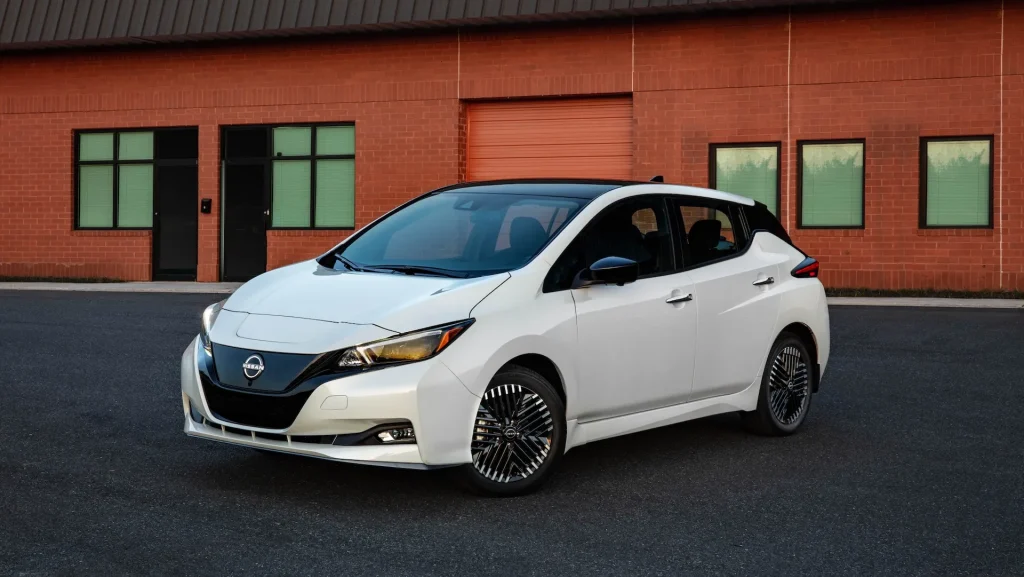
The Nissan LEAF illustrates how quickly an electric vehicle can lose its appeal in the used-car market when newer alternatives offer better technology and driving range. According to iSeeCars’ 2026 depreciation study, the LEAF records the highest five-year depreciation among the 25 worst-performing vehicles, losing 63.1% of its original value.
Its average depreciation translates to approximately $17,743 in lost value. That is considerably worse than the study’s 41.8% average across all vehicle segments.
The problem is not simply that it is electric. The used EV market has become increasingly competitive, with newer vehicles offering improved charging performance, longer driving ranges, and more advanced technology.
Buyers considering an older LEAF must evaluate battery condition carefully because usable capacity and charging performance influence its practicality.
Consumer Reports’ reliability research also highlights why electric vehicles require careful examination. Its annual surveys evaluate issues involving EV batteries, charging systems, electric motors, and associated electronics. However, the available 2026 least-reliable list does not establish that every LEAF model year has below-average reliability.
For American buyers, the LEAF may still make sense as an inexpensive used commuter, particularly when charging is available at home. The financial calculation becomes less attractive when purchasing one new with the expectation of strong resale returns.
Its depreciation record makes it a particularly important vehicle to research before signing a long-term financing agreement.
2. Volkswagen ID.4
The Volkswagen ID.4 was introduced to the U.S. electric SUV market with the goal of offering families an affordable and practical alternative to traditional gasoline-powered crossovers.
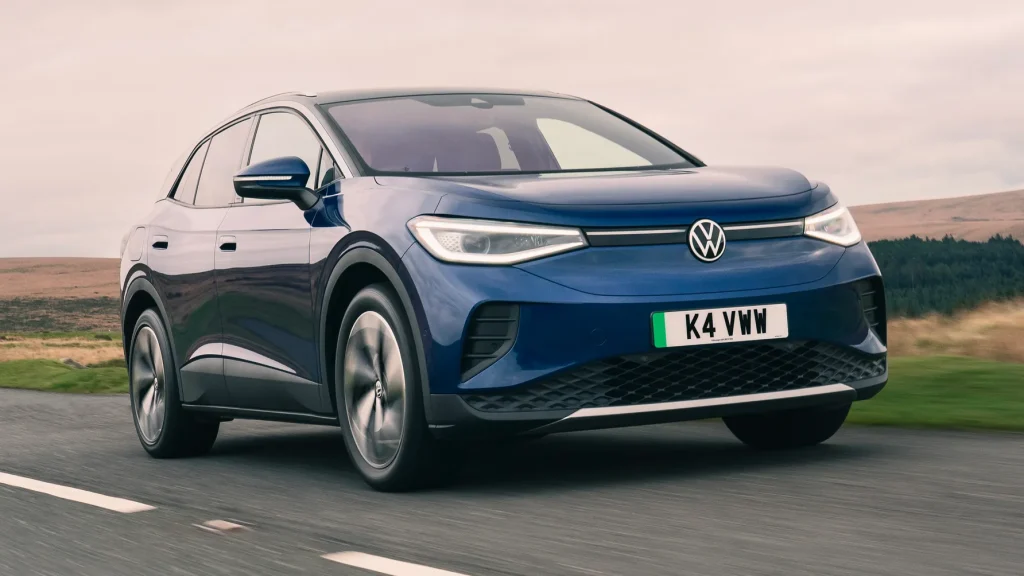
However, its depreciation performance has become a serious consideration for new-car buyers. iSeeCars’ 2026 study estimates that the ID.4 loses 62.1% of its value over five years, placing it third among the fastest-depreciating vehicles in the study. Its estimated financial loss is approximately $28,010.
The reliability picture adds another concern. Consumer Reports removed the ID.4 from its recommended-vehicle list following its 2025 Auto Survey, identifying below-average reliability. CR’s survey considers multiple trouble areas, including electric motors, batteries, charging systems, electronics, and climate-control equipment.
For an electric vehicle, these problems can have consequences beyond ordinary inconvenience. Charging interruptions, software malfunctions, and electrical faults can affect daily usability, particularly for owners who depend on their vehicles for regular commuting.
There are advantages worth acknowledging. The ID.4 offers a comfortable cabin, useful passenger space, and the convenience of home charging. It can also become an attractive used purchase because substantial depreciation reduces its second-owner price.
However, buying one new involves a different calculation. A vehicle losing more than three-fifths of its value over five years creates a considerable financial disadvantage for someone planning to trade it relatively early.
Prospective American buyers should investigate the vehicle’s battery warranty, software updates, charging history, and service records. The ID.4 demonstrates why an attractive electric SUV package does not automatically translate into strong resale performance or dependable ownership.
3. Tesla Model S
The Tesla Model S helped establish the modern luxury electric sedan segment, but its original technological advantage has become less valuable as competing manufacturers introduce newer electric platforms.
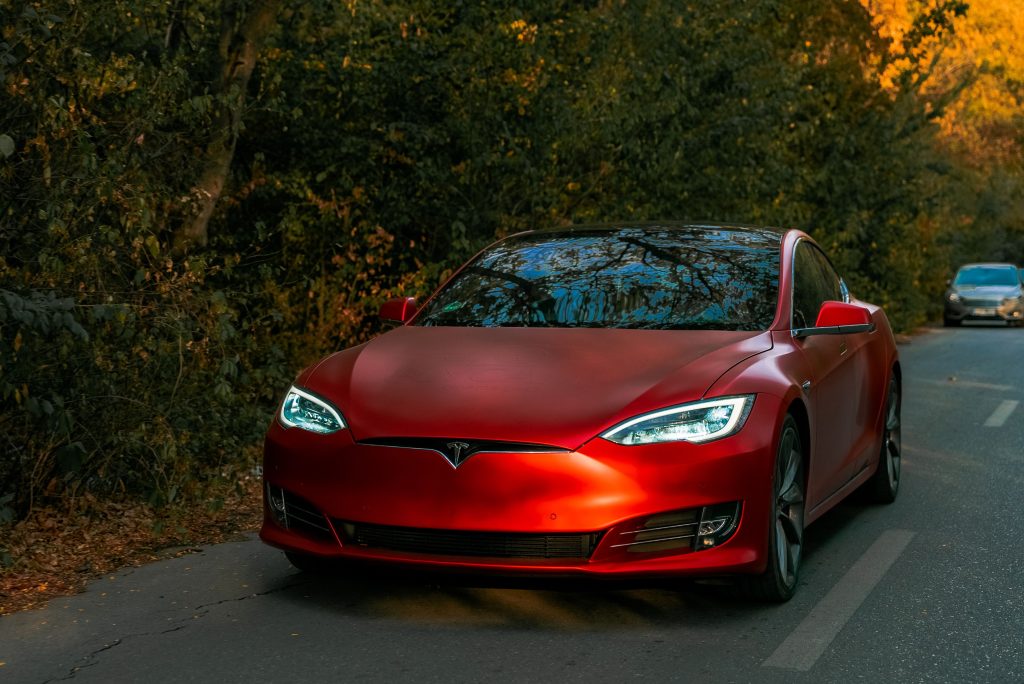
Its depreciation figures demonstrate the financial consequences. According to iSeeCars’ 2026 study, the Model S loses 62% of its value over five years, representing an estimated $58,907 reduction from its original MSRP.
That is a substantial loss, especially considering the vehicle’s premium purchase price. Luxury electric cars face a difficult resale environment because used buyers compare their technology with newer offerings rather than judging them exclusively by their original specifications.
Reliability also deserves attention. Consumer Reports evaluates Tesla vehicles across several important trouble categories, including body hardware, climate systems, electrical equipment, and electric powertrain components.
Its 2025 Auto Survey identified multiple models with below-average reliability, although the Model S should not automatically be assigned the same reliability result as every other Tesla model.
The Model S remains appealing for its acceleration, long-distance electric driving capability, and minimalist interior. Its performance credentials are particularly impressive, but those qualities do not eliminate ownership risks associated with expensive repairs or rapidly changing technology.
Another consideration is the cost of replacing components outside warranty coverage. Premium electric vehicles can involve expensive repairs, particularly when specialized electronic or battery-related components are involved.
For American buyers, a used Model S may offer considerable luxury for substantially less money than its original price.
Buying one new, however, requires accepting the possibility of significant depreciation. Anyone considering the model should compare warranty coverage, battery condition, vehicle history, and the cost of insurance before making a decision.
4. Ford Mustang Mach-E
The Ford Mustang Mach-E brought a familiar American automotive name into the electric SUV segment. Its sporty styling, practical body configuration, and available all-wheel drive helped it attract attention from buyers considering an alternative to conventional performance crossovers.
Nevertheless, its depreciation figures reveal a less appealing financial story. iSeeCars estimates that the Mach-E loses 60.8% of its value after five years, corresponding to approximately $22,976 in depreciation. That places it among the ten fastest-depreciating vehicles in the company’s 2026 research.
The used electric vehicle market is an important factor. Buyers can now choose from numerous electric SUVs with different battery capacities, charging speeds, software features, and driving ranges. As newer models become available, older vehicles can become less competitive even when their original performance remains perfectly usable.
Consumer Reports’ reliability research also makes careful inspection worthwhile. Its annual survey examines 20 potential trouble areas, including EV batteries, charging equipment, electric motors, and electrical accessories. However, the Mach-E is not among the ten models identified in the published 2026 least-reliable list, so its depreciation figures should not be confused with a specific CR worst-model ranking.
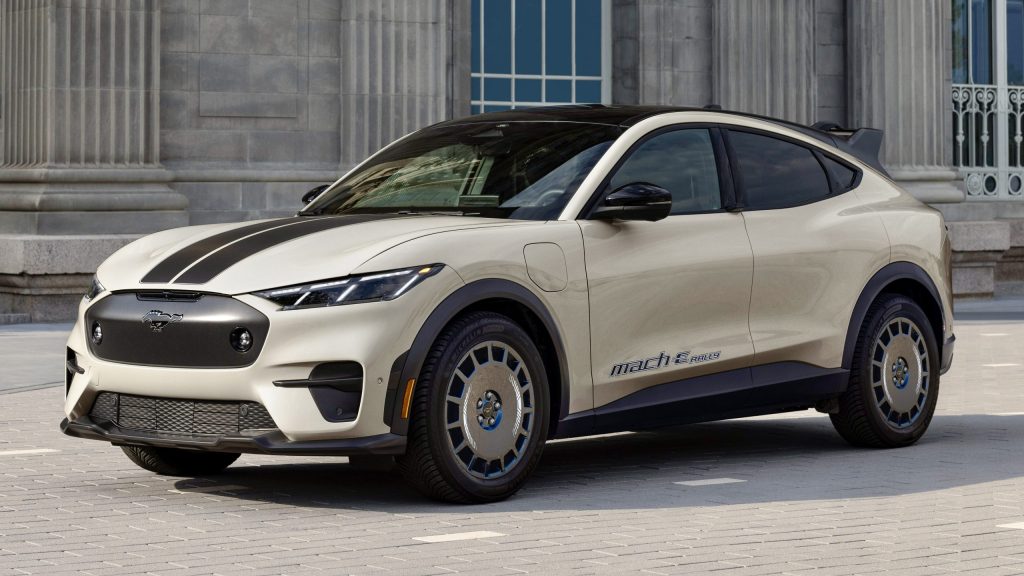
The Mach-E still has genuine strengths. It offers useful cargo space, modern driver-assistance technology, and a more engaging driving experience than many ordinary family crossovers.
The financial concern is mainly for first owners. Losing more than 60% of the original purchase value over five years can make upgrading expensive, particularly for buyers who finance a large portion of the vehicle.
Used shoppers may benefit from that same depreciation, provided they check battery health, warranty coverage, software history, and charging performance before purchasing.
5. Kia EV6
The Kia EV6 demonstrates how quickly an electric vehicle’s resale prospects can change when technology advances, and reliability concerns emerge. It arrived with an attractive combination of distinctive styling, fast-charging capability, and a spacious interior.
Yet Consumer Reports identified the EV6 among the ten least reliable vehicles in its 2026 assessment, based on its 2025 Auto Survey of more than 350,000 vehicles.
The reported trouble areas include the high-voltage battery, electric motor, and charging system. Problems involving the integrated charging control unit have also attracted attention. Climate-control equipment, brakes, and body hardware were additional areas of concern.
These are not minor inconveniences for owners who depend on an electric vehicle every day. Charging-system problems can interrupt normal travel routines, while electric motor or battery faults may require specialist diagnosis and potentially expensive repairs.
The resale environment creates another challenge. iSeeCars estimates that electric vehicles lose an average of 57.2% of their value over five years, considerably more than the 41.8% average across all vehicle categories in its 2026 research. This is an EV segment figure, not an individually verified five-year depreciation percentage for the EV6.
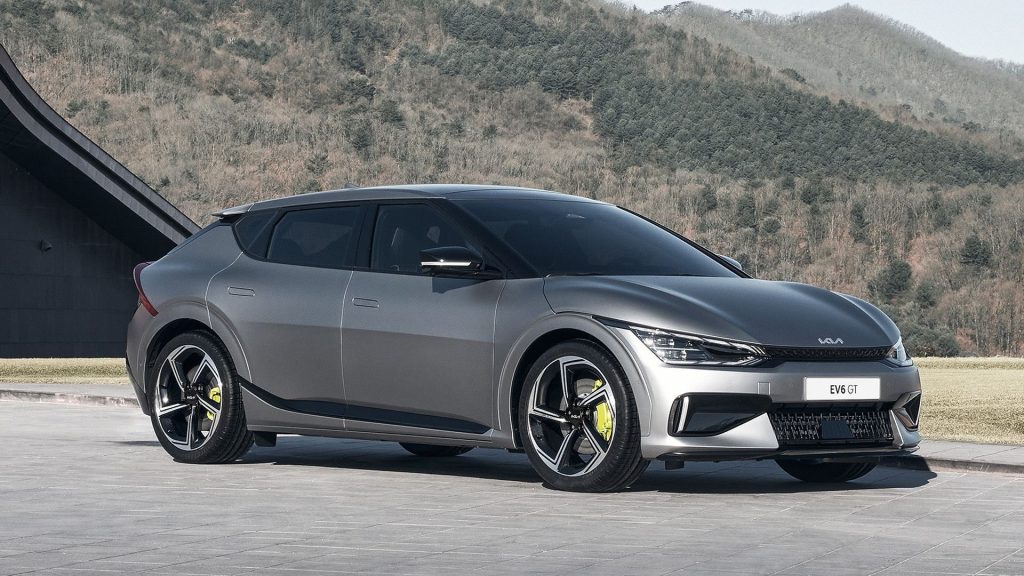
The EV6 still has several attractive qualities, including its modern cabin, strong acceleration, and competitive charging technology. Buyers who find a well-maintained used example at a substantial discount may find it appealing.
However, anyone considering a new purchase should investigate warranty coverage, charging-system service history, and battery-related repairs. The EV6 is a good example of why impressive specifications should never replace careful reliability research.
6. Kia EV9
A large electric SUV carries considerable expectations. Families purchasing a three-row vehicle generally want dependable transportation, comfortable seating, and enough range to handle longer journeys without unnecessary interruptions.
The Kia EV9 offers impressive passenger accommodation and modern electric technology, but its early reliability findings create legitimate questions.
Consumer Reports included the EV9 among the ten least reliable vehicles in its 2026 assessment. Its 2025 Auto Survey identified problems involving the high-voltage battery, charging equipment, electrical accessories, body hardware, and in-car electronics. Some reported battery concerns involved individual cells requiring replacement.
That is particularly concerning for a vehicle designed to serve as family transportation. A problem with an electronic feature might be inconvenient, but battery-related or charging-system faults can affect the vehicle’s fundamental usability.
Depreciation is another issue facing large electric vehicles. According to iSeeCars, the average electric vehicle lost 57.2% of its value over five years in its 2026 study. This category-wide figure indicates the financial pressure facing electric SUVs, although it should not be treated as an EV9-specific resale forecast.
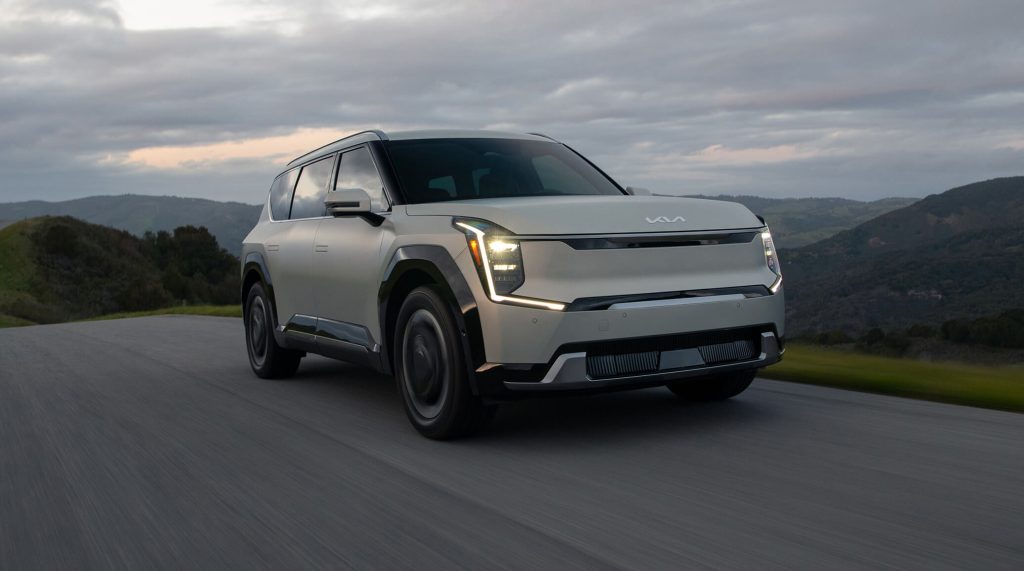
The EV9 has genuine advantages. Its three-row configuration, generous interior space, and available all-wheel drive make it an interesting alternative to traditional gasoline-powered family SUVs.
Nevertheless, early reliability findings matter when purchasing a relatively expensive vehicle. Owners may face additional inconvenience if specialist repairs require replacement parts or extended dealership visits.
For American families, the EV9 deserves a careful comparison against established hybrid and gasoline-powered alternatives. Buyers should examine warranty provisions, recall completion, battery service records, and the availability of local EV service facilities before committing.
7. Mazda CX-90
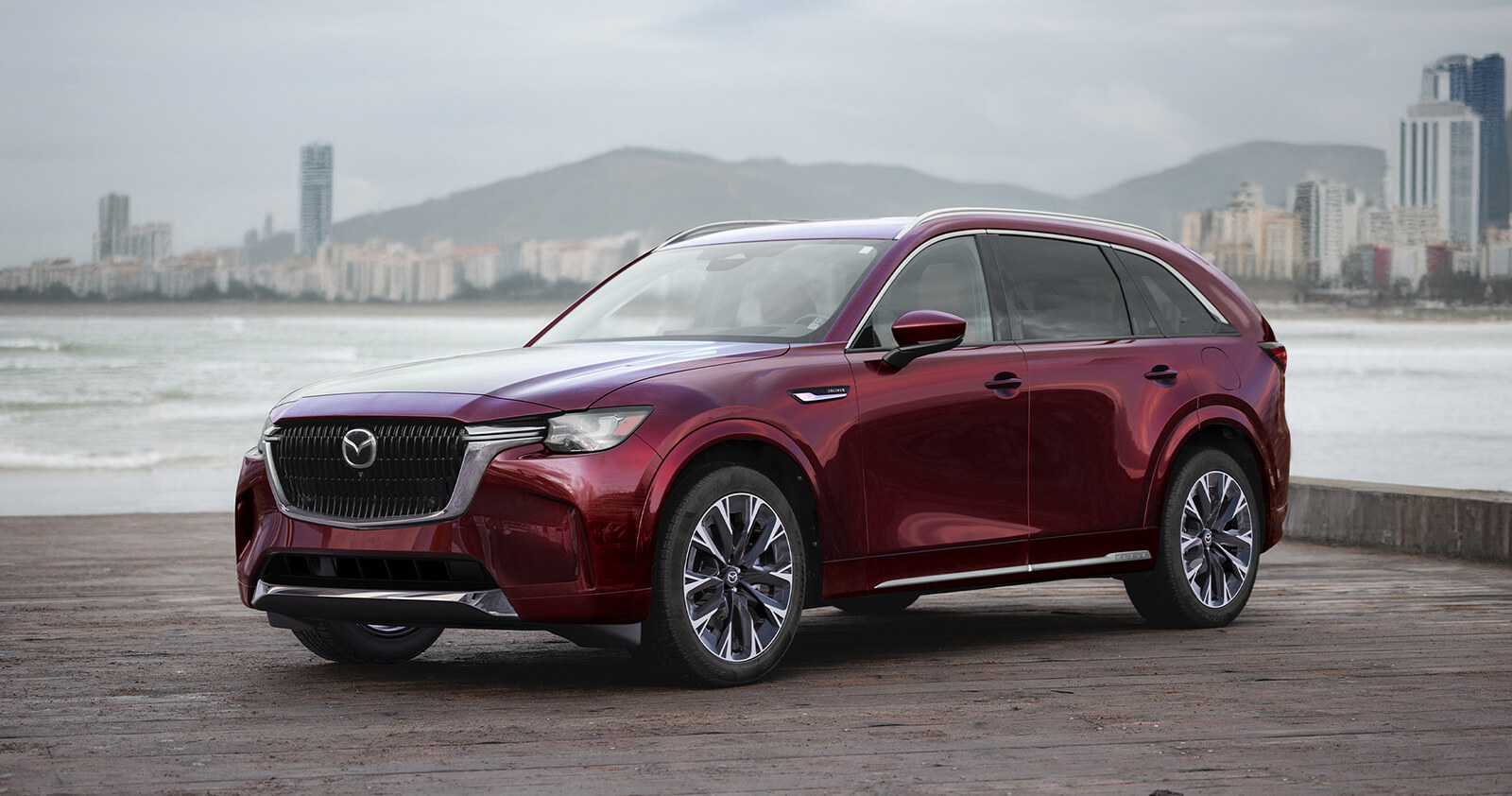
Mazda has built a reputation for producing vehicles that emphasize driving enjoyment and attractive interior design. The CX-90 represents the company’s move into the competitive three-row midsize SUV segment. Unfortunately, its reliability performance has not matched the expectations created by its premium positioning.
Consumer Reports placed the CX-90 among its ten least reliable vehicles for 2026. The organization’s survey identified trouble involving major engine components, transmission systems, steering, brakes, and electrical accessories.
These are particularly important areas because problems involving the powertrain can have substantial repair implications.
The resale question is equally important, although a model-specific five-year depreciation percentage should not be invented. The CX-90 competes in a crowded SUV market, where buyers can choose from established models with extensive ownership histories.
That competition can influence used-market demand, particularly when reliability concerns become widely known.
Mazda offers the CX-90 with a turbocharged 3.3-liter inline-six engine and a plug-in hybrid configuration. Its premium interior materials, rear-wheel-drive-based architecture, and available all-wheel drive help distinguish it from many mainstream three-row SUVs.
However, complexity can introduce additional ownership considerations. A sophisticated powertrain is valuable only when it delivers dependable performance over time. Owners experiencing repeated engine, transmission, or electrical problems may also find that maintenance interruptions undermine the vehicle’s appeal.
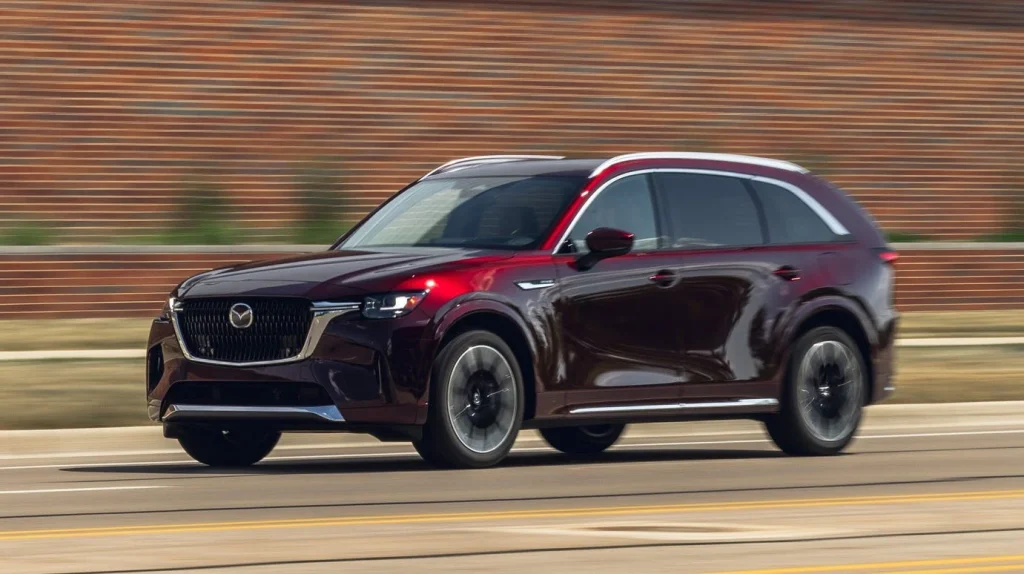
Potential buyers should not automatically reject every CX-90. Instead, they should examine the exact model year, powertrain, service records, and applicable warranty coverage.
The larger lesson is that an attractive cabin and engaging driving dynamics do not necessarily make a vehicle a safe long-term financial purchase. Reliability evidence should carry substantial weight when comparing expensive family SUVs.
8. Mazda CX-90 Plug-In Hybrid
The Mazda CX-90 Plug-In Hybrid attempts to combine the benefits of electric driving with the flexibility of a gasoline engine.
On paper, that sounds like an appealing arrangement for families who want to complete shorter journeys using electricity while retaining a gasoline engine for longer trips. Unfortunately, its early reliability results suggest that buyers should approach it cautiously.
Consumer Reports ranked the CX-90 Plug-In Hybrid among the ten least reliable vehicles in its 2026 assessment. Reported trouble areas included the EV battery, electric motor, major and minor transmission components, steering, suspension, brakes, and drive system.
The number of affected systems is particularly noteworthy. A plug-in hybrid combines conventional engine components with an electric powertrain, battery management equipment, and charging hardware. That creates additional systems that require proper integration and dependable operation.
Resale prospects also deserve consideration. iSeeCars’ 2026 research found that plug-in hybrids as a segment depreciated differently depending on the model, with an average loss of 35.4% across conventional hybrids but no equivalent figure that can safely be applied to every plug-in hybrid.
It would therefore be misleading to assign the CX-90 PHEV a specific depreciation percentage without model-level evidence.
The vehicle does offer advantages. Its three-row layout makes it useful for larger households, while electric driving capability can reduce gasoline consumption on shorter trips when the battery is charged regularly.
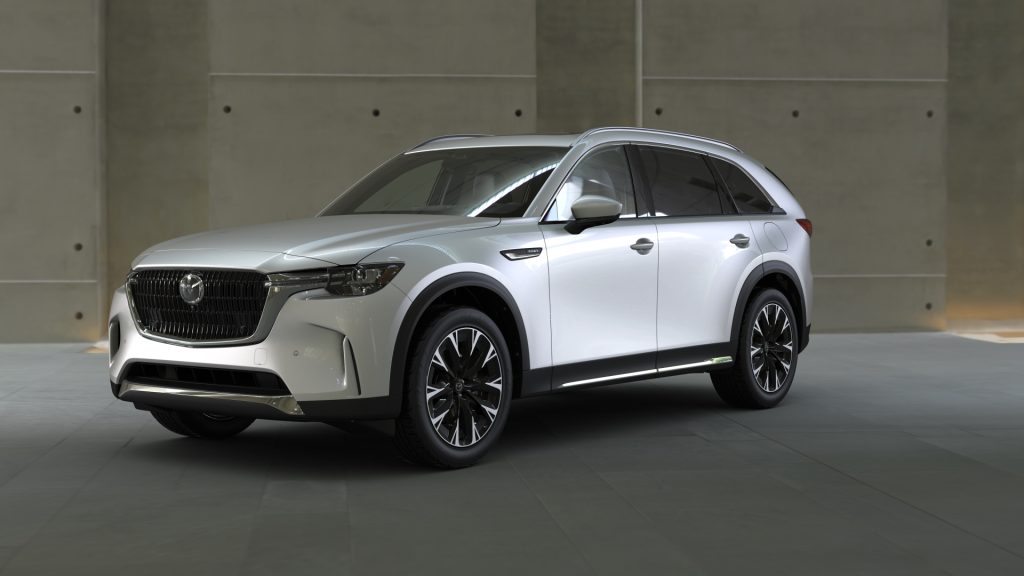
Nevertheless, buyers should consider whether the added mechanical and electrical complexity suits their ownership needs. Problems involving the charging system or transmission can make a sophisticated powertrain considerably less convenient.
Anyone shopping for this Mazda in America should review dealership repair records, software updates, recall completion, and warranty coverage. A substantial discount on a used example may be attractive, but the condition of its hybrid components should determine whether the savings justify the potential ownership risks.
9. Chevrolet Blazer EV
The Chevrolet Blazer EV was introduced as a major step in General Motors’ transition toward an electric vehicle lineup. Its modern styling, large digital displays, and available all-wheel-drive configurations helped position it as a technology-focused alternative to conventional midsize SUVs. However, reliability concerns have made its ownership story more complicated.
Consumer Reports included the Blazer EV among the ten least reliable vehicles in its 2026 analysis. The survey identified problems involving EV battery operation, battery cooling, climate-control systems, 12-volt batteries, and in-car electronics.
Reports of infotainment displays freezing or going blank also highlight the importance of dependable software integration.
These concerns matter because an electric SUV relies heavily on its electrical architecture. Battery cooling and power management are essential for normal operation, while failures involving electronic accessories can make everyday use frustrating.
Depreciation presents a separate concern. The iSeeCars 2026 study found that electric vehicles lost an average of 57.2% of their value over five years. Although that figure is not a Blazer EV-specific forecast, it demonstrates the difficult resale environment facing electric SUVs.
There are positive aspects worth acknowledging. The Blazer EV offers a spacious cabin, modern styling, and multiple powertrain configurations. Its electric platform also provides the smooth acceleration many EV buyers appreciate.
However, early reliability problems can affect confidence among used-car shoppers. When consumers compare several electric SUVs, a model associated with recurring electronic or charging concerns may face additional pressure in the resale market.
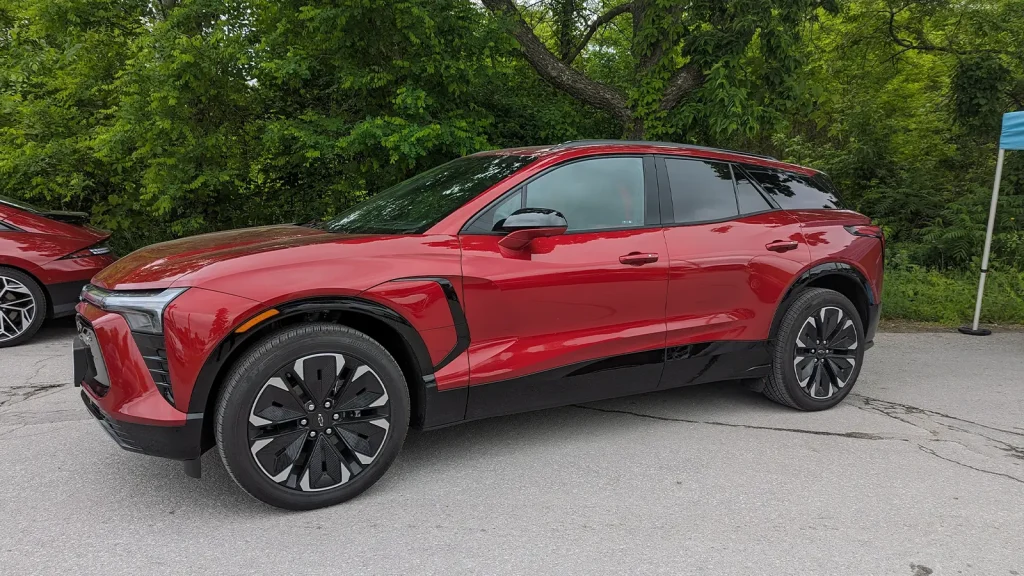
American buyers should pay particular attention to software updates, service campaigns, battery-system inspections, and warranty coverage. They should also check whether the specific vehicle has received all applicable manufacturer repairs.
The Blazer EV illustrates how important early ownership feedback can be. New technology creates opportunities, but manufacturers must demonstrate consistent reliability before buyers can confidently treat an electric SUV as a dependable long-term investment.
10. GMC Acadia
The GMC Acadia completes this selection because its reliability findings raise concerns in an important family vehicle category. Unlike some of the electric models discussed above, the Acadia is a conventional gasoline-powered SUV.
That makes its position particularly interesting because reliability problems are not exclusive to vehicles with batteries and electric motors.
Consumer Reports identified the Acadia as the least reliable vehicle in its published 2026 list of ten models. Its survey highlighted problems involving major and minor transmission components, fluid leaks, brakes, electrical accessories, and in-car electronics. Reports of serious engine trouble were also included.
The transmission findings deserve particular attention. Transmission repairs can become expensive, especially when problems involve internal components rather than routine maintenance. For families using an SUV regularly, unexpected mechanical failures can also disrupt commuting, school transportation, and holiday travel.
Its resale performance requires a separate assessment. The Acadia is not included in the 25 highest-depreciating vehicles identified by iSeeCars’ 2026 study, so assigning it a specific depreciation percentage would be inaccurate.
Nevertheless, below-average reliability can create uncertainty for used buyers, particularly when service records reveal repeated mechanical repairs.
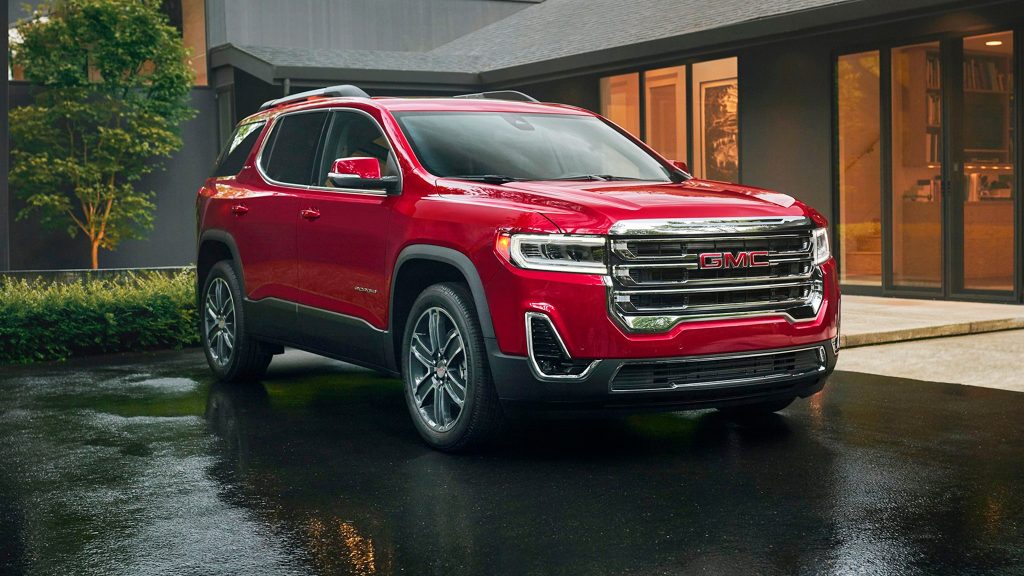
The Acadia still has practical advantages. It offers three-row seating, a useful cargo area, and the dimensions expected from a midsize family SUV. These qualities make it appealing to households that need more passenger capacity than a compact crossover provides.
However, shoppers should be particularly careful about the model year and powertrain they are considering. Reliability can change substantially between generations, and one survey result should not be treated as proof that every Acadia has identical problems.
Before purchasing, American buyers should obtain a vehicle history report, request maintenance documentation, and arrange an independent mechanical inspection. A discounted purchase price is not necessarily a bargain if major repairs follow shortly after ownership begins.
