
A vehicle that retains its value while avoiding frequent mechanical problems can save its owner thousands of dollars over several years. However, finding both qualities in one package requires looking beyond attractive pricing and manufacturer promises.
Kelley Blue Book (KBB) evaluates projected resale values using market data and depreciation models, while Consumer Reports (CR) examines reliability through surveys covering hundreds of thousands of vehicles.
Combining their findings reveals several standout choices for American buyers. From practical family vehicles to capable pickup trucks, these ten models offer compelling reasons to consider long-term ownership rather than simply chasing the latest features.
1. Toyota Tacoma
The Toyota Tacoma has established itself as a benchmark in the midsize pickup segment, and its financial performance explains much of its popularity. According to Kelley Blue Book’s 2026 Best Resale Value Awards, the Tacoma ranks first among all vehicles, with a projected five-year resale value of 63%.
That means a truck originally priced at $40,000 could theoretically retain approximately $25,200 of its original value after five years, assuming the projected percentage applies to its purchase price.
Its reliability story is equally interesting. Consumer Reports reported that the redesigned Tacoma improved from below-average predicted reliability in its previous assessment to above-average performance in its December 2025 analysis.
The improvement is particularly important because the fourth-generation truck introduced substantial engineering changes for the 2024 model year.
Under the hood, the current American-market Tacoma uses a 2.4-liter turbocharged four-cylinder engine. Buyers can also choose the available i-FORCE MAX hybrid powertrain, which combines turbocharged performance with electric assistance.
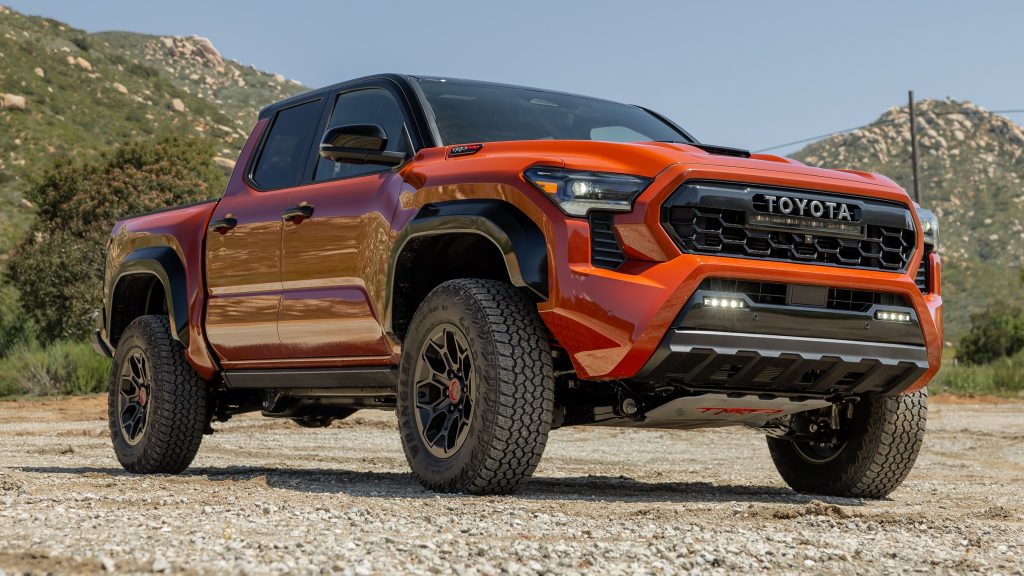
The Tacoma’s appeal extends beyond its specifications. Its relatively manageable size makes it easier to use than a full-size pickup, while available four-wheel drive and specialized off-road configurations provide additional versatility.
One factor worth considering is that the latest generation does not yet have the same decades of ownership history as previous Tacoma models. Even so, its steadily improving reliability ratings and impressive resale value forecast position it among the most dependable long-term pickup investments in the United States.
2. Toyota 4Runner
Few SUVs have developed the same reputation for toughness as the Toyota 4Runner. Its appeal comes from a combination of body-on-frame construction, genuine off-road capability, and a loyal customer base that continues to support used-market demand.
These characteristics have helped it achieve a projected 58% five-year resale value, according to KBB’s 2026 awards.
Consumer Reports provides another compelling reason to consider it. Its December 2025 reliability analysis gives the 4Runner a predicted reliability score of 95 out of 100, placing it among the strongest performers in its Toyota lineup. CR also identifies the redesigned model as having a good initial reliability showing.
The latest generation brings a major mechanical change. The traditional V6 has been replaced by a 2.4-liter turbocharged four-cylinder engine, while the available i-FORCE MAX hybrid powertrain adds electric assistance. Depending on configuration, buyers can choose rear-wheel drive or four-wheel drive, with dedicated off-road trims available.
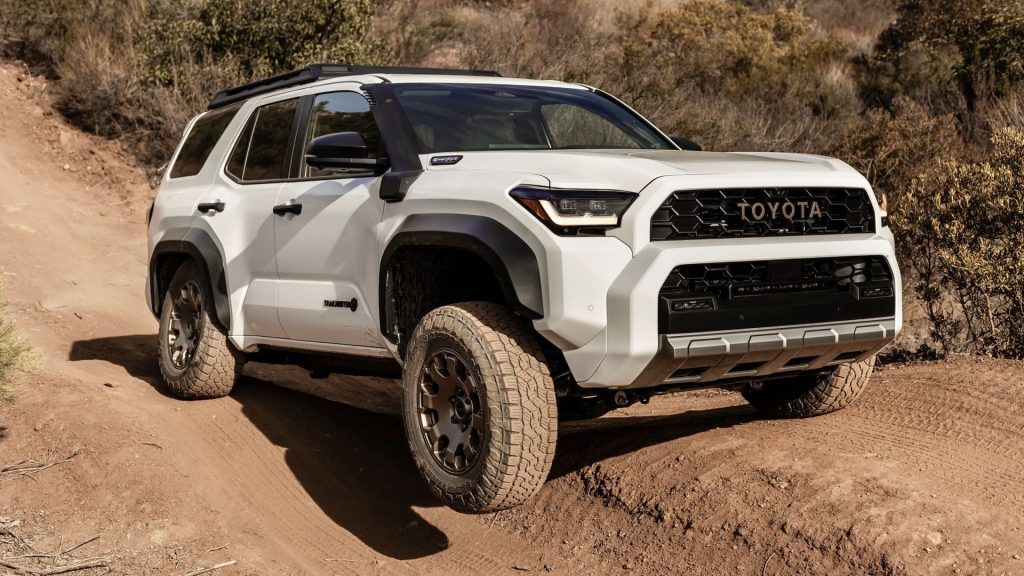
What makes the 4Runner particularly interesting is that its resale strength does not depend exclusively on being a popular family SUV. Its reputation among outdoor enthusiasts, overlanding communities, and drivers who regularly encounter difficult terrain creates a distinct market for used examples.
Nevertheless, buyers should remember that body-on-frame SUVs generally prioritize capability over fuel economy and car-like road comfort.
The 4Runner is not the cheapest vehicle to operate, but its combination of exceptional predicted reliability and strong residual value makes it an attractive choice for buyers who want an SUV built for demanding use.
3. Toyota Tundra
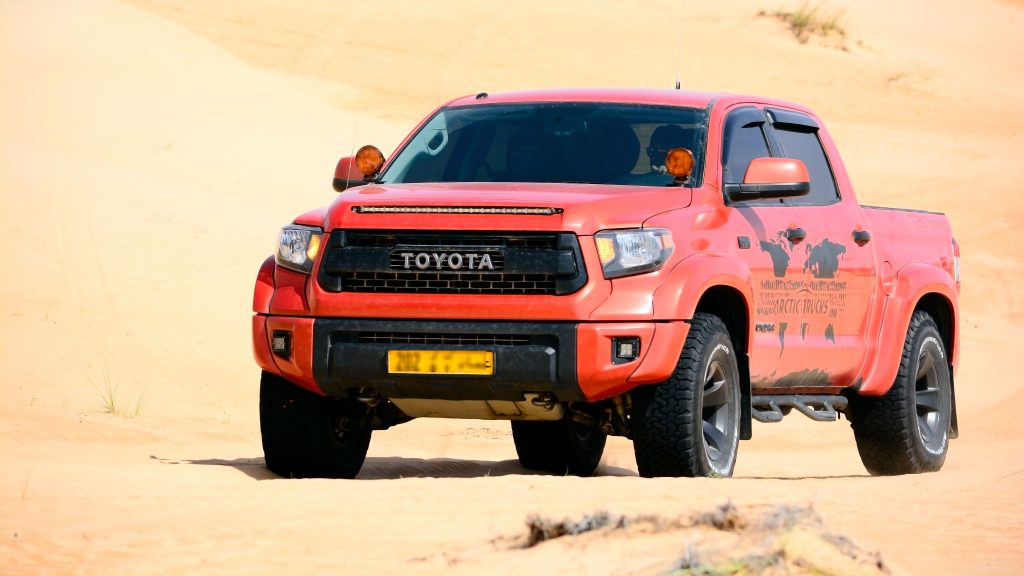
Full-size pickup buyers often prioritize towing capacity, engine performance, and durability, but depreciation deserves just as much attention. The Toyota Tundra performs particularly well in this area. KBB’s 2026 Best Resale Value Awards place it second among all vehicles, with a projected 59.9% of its original value remaining after five years.
That is an impressive result for a truck competing in a segment where buyers have several established American alternatives.
Its reliability record requires a little more explanation. Consumer Reports reported that the Tundra’s predicted reliability improved sufficiently for the 2026 model to reach an average rating. Toyota’s improvements helped strengthen its position, although the truck does not have the same exceptionally high reliability assessment as the 4Runner.
The current generation uses a 3.4-liter twin-turbocharged V6 engine, with an available i-FORCE MAX hybrid configuration. Depending on the powertrain and equipment, the Tundra can deliver substantial towing capability, making it suitable for recreational trailers, boats, and demanding work requirements.
There is also a practical financial advantage to choosing a vehicle with strong resale demand. Owners who eventually trade their trucks can potentially recover a larger portion of their original investment, although mileage, accident history, condition, and local demand remain important.
The Tundra is not necessarily the least expensive full-size pickup to purchase or maintain. However, its resale projection, improving reliability performance, and substantial capability make it a serious contender for American truck buyers planning several years of ownership.
4. Toyota Sienna
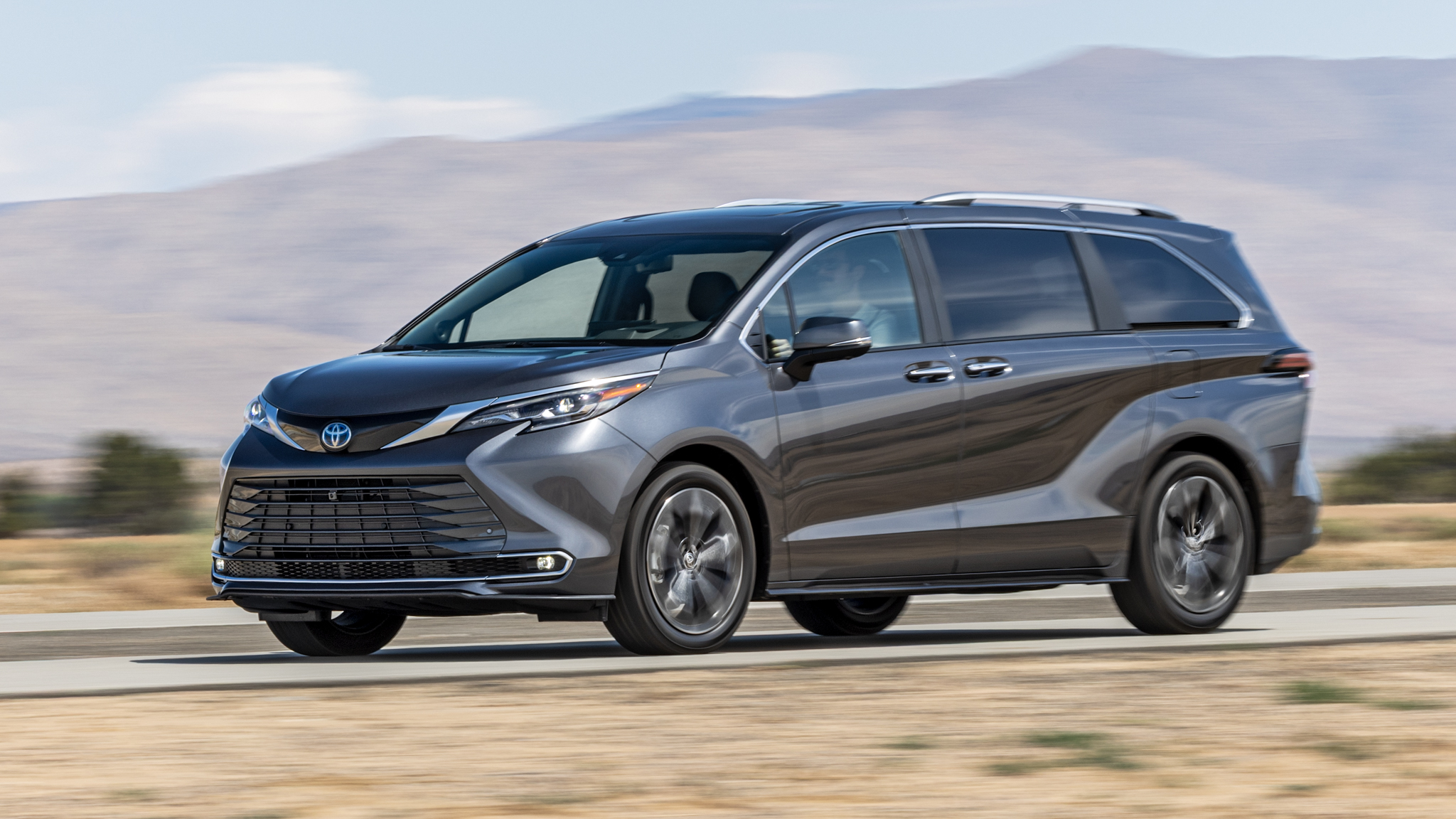
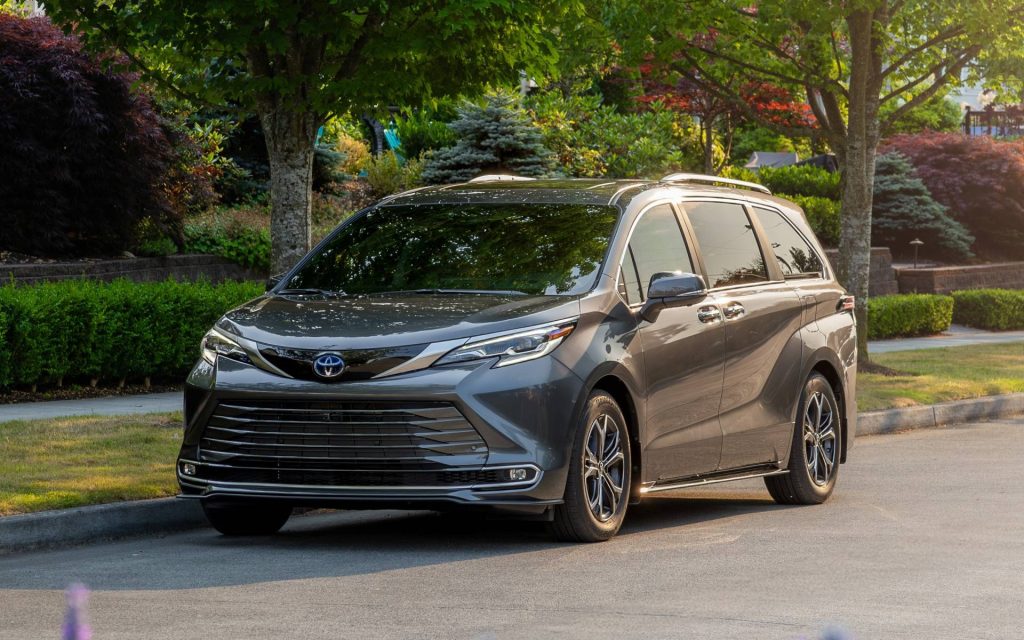
For families who need genuine passenger space, sliding doors, and practical everyday transportation, the Toyota Sienna offers something many SUVs cannot easily match. It is a hybrid-only minivan in the American market, combining family-focused practicality with an emphasis on fuel efficiency.
The 2026 Sienna also stands out for its strong resale value, with KBB estimating that it will retain 54.3% of its original price after five years.
Reliability is an important part of its appeal. Toyota ranked first in Consumer Reports’ December 2025 predicted reliability brand rankings, and the Sienna benefits from the manufacturer’s established hybrid engineering experience.
CR’s broader findings also show that conventional hybrids average approximately 15% fewer problems than traditional gasoline-powered vehicles. This is a category-wide finding, not a guarantee of identical results for every Sienna.
Every American-market 2026 Sienna uses a 2.5-liter four-cylinder hybrid system. Front-wheel drive is standard, while all-wheel drive is available. Its seating configuration accommodates up to eight passengers, depending on trim and equipment.
The Sienna’s biggest advantage becomes apparent during everyday family use. Sliding doors simplify access in crowded parking spaces, while its flexible seating arrangements make carrying children, luggage, and groceries considerably easier.
There are compromises. Buyers looking for a traditional V6-powered minivan will not find one here, and its starting price is higher than some budget-focused alternatives.
Still, the Sienna combines useful family transportation, hybrid technology, and strong projected resale performance. For households planning to keep a vehicle beyond its financing period, that combination makes considerable financial sense.
5. Ford Maverick
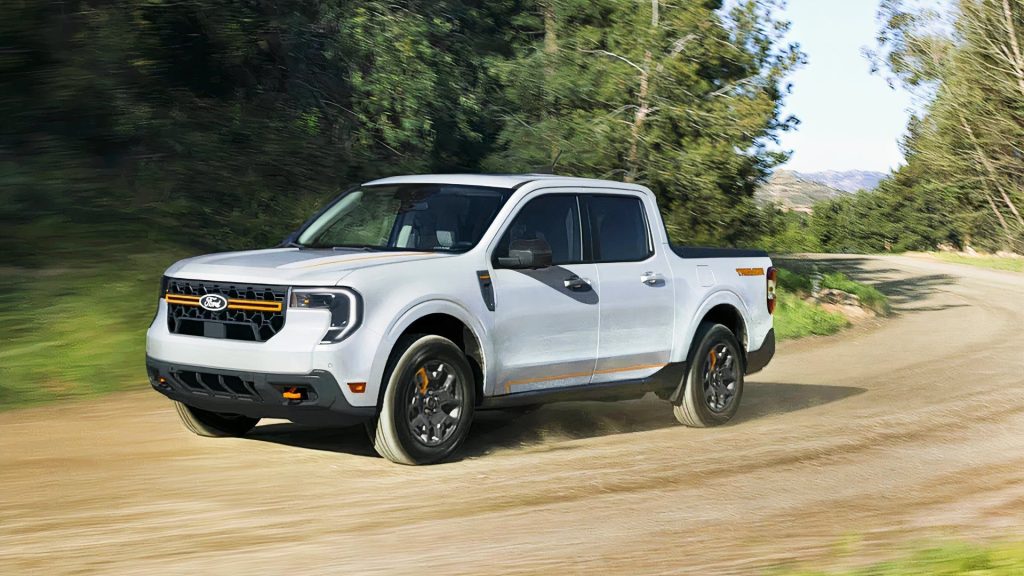
Not every buyer needs a large pickup capable of handling heavy construction equipment. The Ford Maverick targets a different audience, offering compact dimensions, a practical cargo bed, and a more approachable purchase price.
Its resale figures are surprisingly strong for an affordable pickup. KBB’s 2026 awards project a 54.1% five-year residual value, placing the Maverick among the ten best-performing vehicles in its overall resale ranking.
Consumer Reports also provides encouraging reliability information. The Maverick was identified as an above-average reliability performer in the organization’s December 2025 analysis of American-market vehicles. That is particularly noteworthy for a relatively modern pickup competing in a segment where reliability expectations can vary considerably.
Ford offers the Maverick with a 2.5-liter hybrid powertrain and a 2.0-liter EcoBoost turbocharged engine. The hybrid configuration is particularly attractive to drivers who spend substantial time commuting or navigating urban traffic. All-wheel drive is available with appropriate configurations, including the EcoBoost and newer hybrid offerings.
Its compact footprint is arguably its greatest strength. Parking in urban areas is easier than with a full-size pickup, while the open bed provides useful flexibility for carrying bicycles, home-improvement supplies, and outdoor equipment.
Of course, the Maverick is not designed to replace an F-150 or another heavy-duty work truck. Its towing and payload capabilities are more limited, and buyers should check the specific configuration before purchasing.
For someone who wants pickup practicality without the expense and dimensions of a full-size truck, the Maverick makes a convincing argument. Strong resale projections and encouraging reliability findings strengthen its position considerably.
6. Chevrolet Corvette
Sports cars are not usually the first vehicles people consider when discussing sensible long-term ownership. However, the Chevrolet Corvette challenges that assumption with impressive resale performance and encouraging reliability findings.
KBB’s 2026 Best Resale Value Awards place the Corvette among the ten strongest vehicles in the American market, projecting that it will retain 54% of its original value after five years.
Consumer Reports also identifies the Corvette as an above-average reliability performer in its latest analysis of American-market vehicles. That is a particularly interesting result because sports cars often introduce additional mechanical complexity through performance-focused components, specialized transmissions, and more demanding operating conditions.
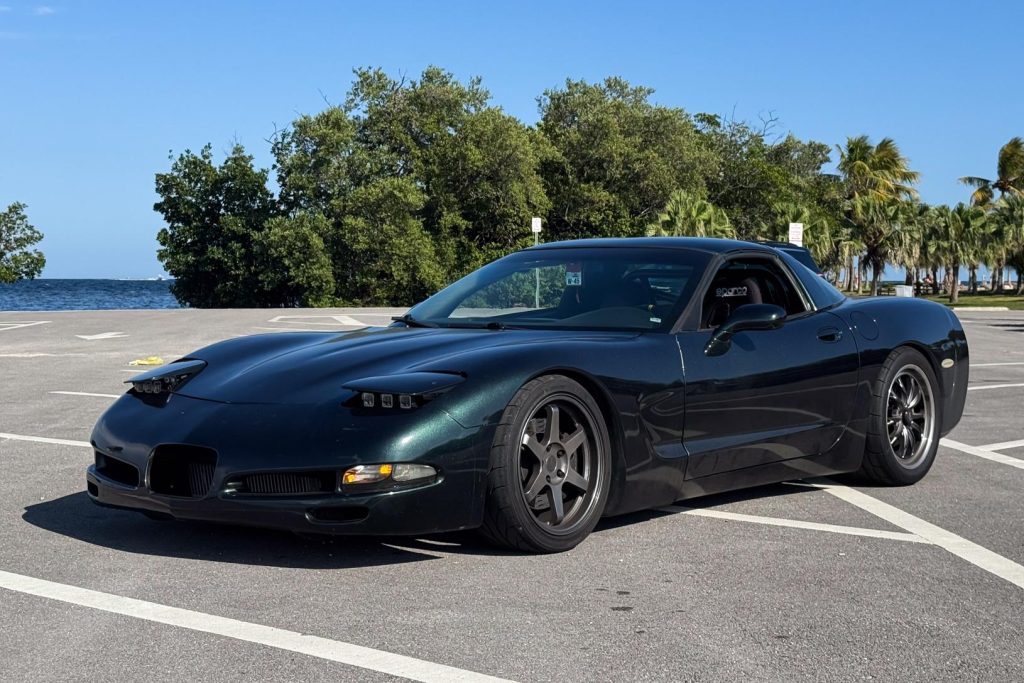
The eighth-generation Corvette, commonly known as the C8, distinguishes itself through a mid-engine layout. The standard Stingray uses a naturally aspirated 6.2-liter V8, producing 495 horsepower when equipped with the available performance exhaust.
Buyers seeking considerably more performance can consider other versions, including the Z06 and ZR1, although their purchase prices and running expenses are substantially higher.
Its mid-engine configuration gives the Corvette a driving character that differs from traditional front-engine American sports cars. It also makes the vehicle appealing to enthusiasts who want serious performance without automatically moving into the price territory of an exotic European supercar.
However, buyers should approach the Corvette’s resale figures carefully. Special editions, mileage, optional equipment, and vehicle condition can significantly influence the eventual selling price. Performance tires, insurance, and maintenance also cost more than they would for an ordinary commuter car.
For enthusiasts who want an exciting vehicle without completely ignoring financial considerations, the Corvette offers an unusual combination of driving enjoyment, above-average predicted reliability, and strong projected resale value.
7. Honda CR-V
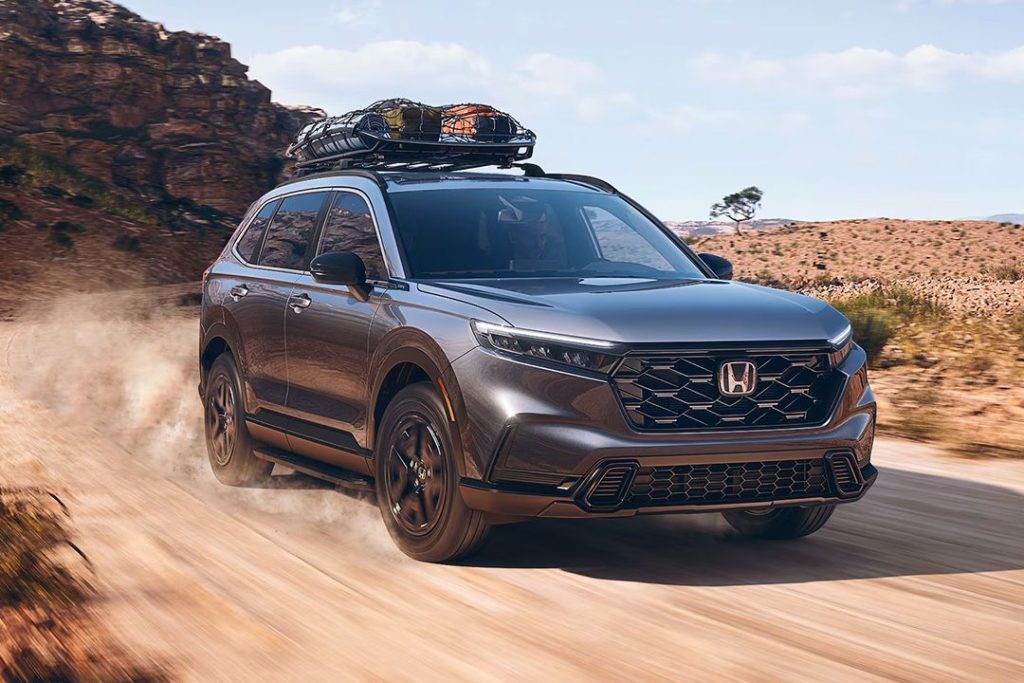
The Honda CR-V has become one of America’s most recognizable compact SUVs because it focuses on the things many households genuinely need. It provides comfortable seating, useful cargo capacity, practical dimensions, and a driving experience that does not feel unnecessarily complicated.
Its financial credentials are equally appealing. KBB projects a 53.2% five-year resale value for the 2026 CR-V, giving it one of the strongest depreciation performances in its category.
Honda’s reliability reputation provides additional reassurance. Consumer Reports placed Honda fourth in its 2026 brand reliability rankings, behind Toyota, Subaru, and Lexus. This assessment reflects owner-reported problems across the manufacturer’s lineup rather than a guarantee that every CR-V will achieve the same reliability result.
American buyers can choose between conventional turbocharged gasoline and hybrid powertrains. The standard configuration uses a 1.5-liter turbocharged four-cylinder engine, while the hybrid combines a 2.0-liter four-cylinder engine with electric motors. All-wheel drive is available on selected versions.
What makes the CR-V particularly attractive is its versatility. It can handle school transportation, grocery shopping, highway commuting, and weekend trips without requiring owners to make major compromises. The hybrid version is especially appealing to drivers who want improved fuel economy without switching to a fully electric vehicle.
The SUV market is crowded, so the CR-V faces serious competition from the Toyota RAV4, Hyundai Tucson, and Subaru Forester. Nevertheless, its established customer base and competitive resale projection give it an important advantage.
For families seeking a practical vehicle with strong brand-level reliability credentials, the CR-V is a sensible option worth considering.
8. Honda Civic
A compact sedan might not appear as exciting as a pickup truck or an off-road SUV, but the Honda Civic demonstrates why traditional passenger cars still deserve attention. Its manageable purchase price, efficient powertrains, and broad appeal have helped it maintain a strong position in the American market.
KBB’s 2026 awards project that the Civic will retain 52.5% of its original value after five years, making it one of the stronger performers in the compact-car category.
Honda’s wider reliability performance adds to the Civic’s appeal. The company ranked fourth in Consumer Reports’ 2026 brand reliability assessment, reflecting the results of its annual owner surveys. Although this is a brand-level ranking, it supports the Civic’s reputation as a product from an automaker with a relatively strong reliability record.
The American-market Civic is available as a conventional sedan and hatchback, with gasoline and hybrid configurations depending on the version. Its hybrid powertrain is particularly appealing for people who spend considerable time driving through congested metropolitan areas.
Another advantage is that the Civic does not require buyers to move into an expensive SUV to obtain modern technology and everyday comfort. Its compact dimensions make parking relatively straightforward, while its cabin offers useful space for passengers and personal belongings.
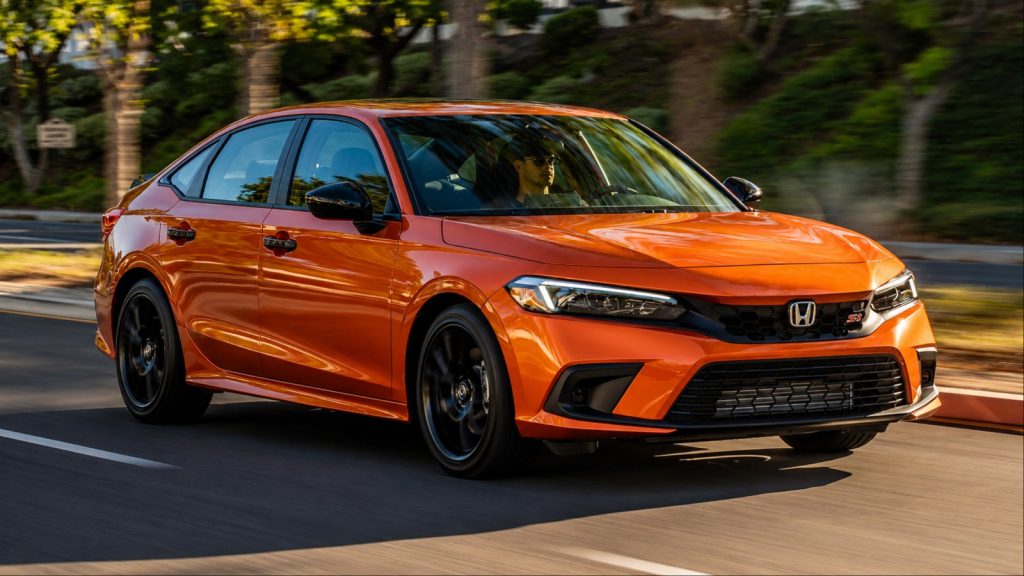
Of course, resale value depends heavily on the individual vehicle. A heavily modified Civic, one with accident damage, or an example with incomplete maintenance records may command considerably less than a well-maintained standard model.
For first-time buyers, commuters, and small families, the Civic offers a practical ownership proposition. Its competitive resale projection and Honda’s strong reliability standing make it an especially interesting alternative to larger, more expensive vehicles.
9. Toyota Camry
The Toyota Camry has spent decades building a reputation as a dependable midsize sedan, particularly among American families and commuters. Its continued popularity is not accidental. The model offers a comfortable cabin, sensible operating costs, and a reputation that makes used examples attractive to buyers.
KBB’s 2026 Best Resale Value Awards estimate that the Camry will retain 51.9% of its original value after five years, placing it among the stronger midsize passenger cars.
Toyota’s reliability credentials make the Camry even more interesting. The manufacturer ranked first in Consumer Reports’ 2026 predicted reliability rankings, with a score of 66 out of 100. CR specifically identified improvements to the Camry as one of the factors contributing to Toyota’s improved position.
The redesigned American-market Camry is offered exclusively with hybrid powertrains for the 2026 model year. Its 2.5-liter four-cylinder engine works with electric motors, providing a combination of efficiency and everyday performance. Front-wheel drive is standard, while all-wheel drive is available.
One of the Camry’s greatest strengths is its ability to serve different types of owners without demanding significant compromises. It is comfortable enough for highway journeys, economical enough for regular commuting, and spacious enough to accommodate a small family.
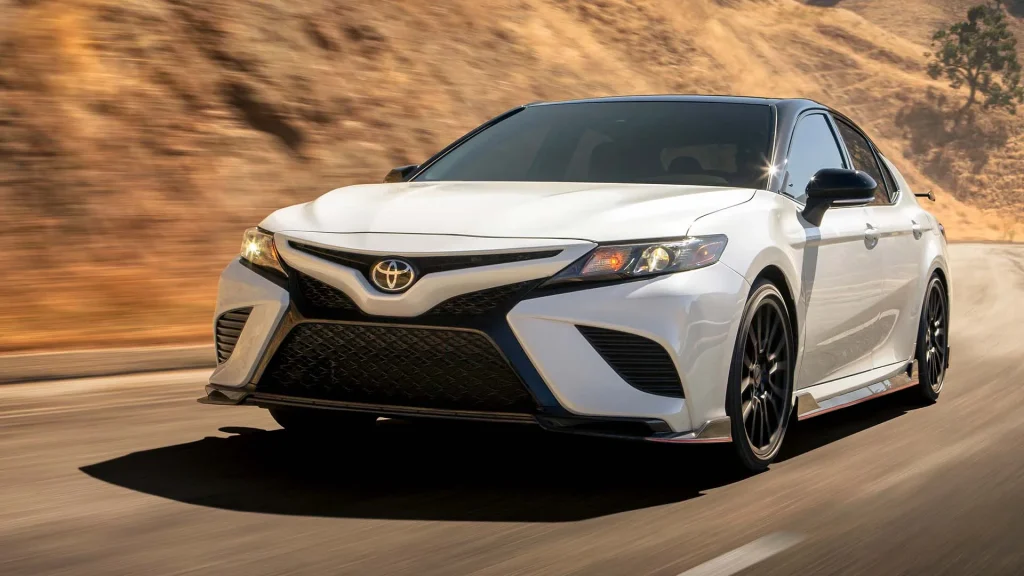
The hybrid-only approach may disappoint buyers who prefer a conventional gasoline engine, but it gives the latest model a clear efficiency advantage.
For buyers who want a straightforward sedan rather than an oversized SUV, the Camry deserves serious consideration. Its established reputation, competitive resale projection, and Toyota’s leading reliability position make it a particularly sensible choice for long-term ownership.
10. Toyota Prius
The Toyota Prius deserves a place on this list because it demonstrates how hybrid technology can contribute to an attractive ownership proposition. Once considered a niche choice for fuel-conscious drivers, the Prius has evolved into a stylish, practical passenger car with impressive efficiency.
Its resale performance is another major advantage. KBB’s 2026 awards project that the Prius will retain 53.1% of its original value after five years, an excellent result for a hybrid passenger vehicle.
Its reliability credentials are supported by Toyota’s position at the top of Consumer Reports’ 2026 predicted reliability rankings. CR also found that conventional hybrids experience approximately 15% fewer problems than gasoline-only vehicles on average.
This is an important distinction because the Prius uses a conventional hybrid system rather than requiring owners to depend entirely on charging infrastructure.
The American-market Prius uses a 2.0-liter four-cylinder hybrid powertrain. Front-wheel-drive versions produce up to 194 horsepower, while all-wheel-drive configurations increase output to 196 horsepower. Its low fuel consumption makes it particularly appealing to commuters who cover substantial distances throughout the year.
Another advantage is that the Prius does not sacrifice everyday practicality for efficiency. It offers a useful hatchback layout, allowing owners to carry groceries, luggage, and other everyday belongings without the bulk of a conventional SUV.
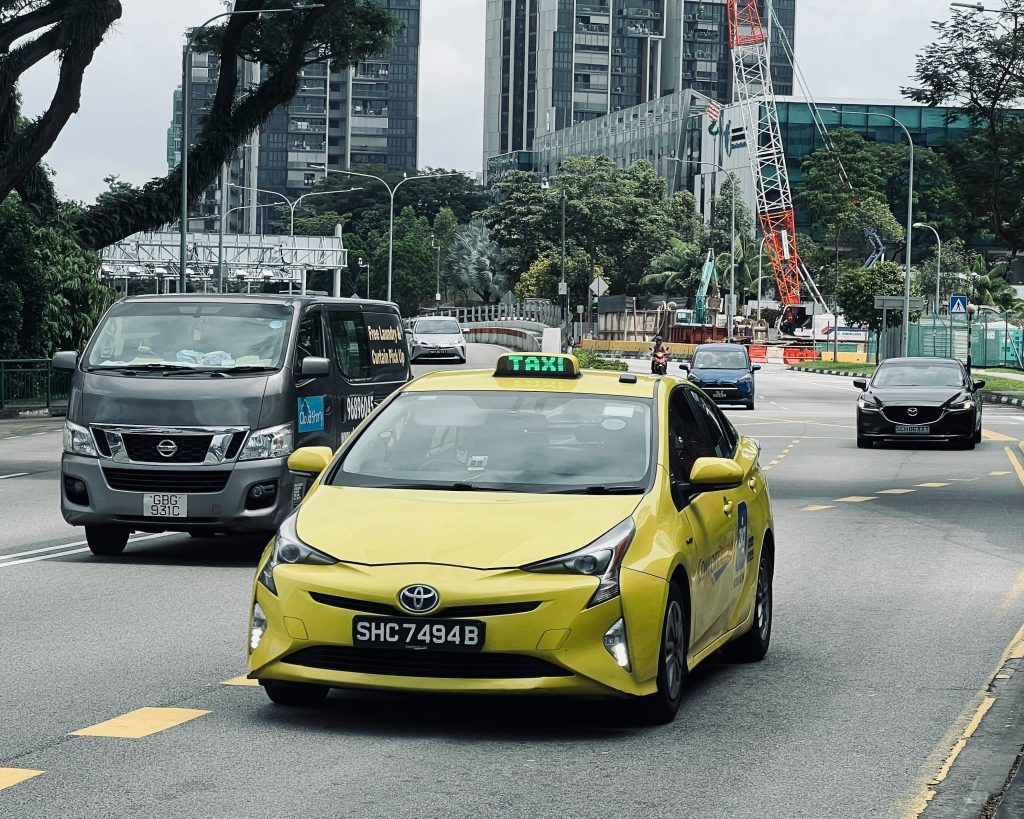
Nevertheless, buyers should consider their driving habits before choosing one. Those who regularly travel on rough roads or require substantial towing capability may find a larger vehicle more appropriate.
For people who want to reduce fuel expenses while maintaining strong resale potential, the Prius makes a convincing case. Its hybrid engineering, competitive five-year residual value, and Toyota’s reliability standing give it a valuable position among long-term ownership choices.
