
A vehicle can feel dependable on a test drive and still become frustrating after months of daily use. To identify models that deserve closer scrutiny, this list combines owner-reported reliability findings with complaints submitted to the National Highway Traffic Safety Administration (NHTSA) and documented safety recalls.
Each source provides a different perspective. Survey responses highlight common issues reported by vehicle owners, while NHTSA complaints reflect individual accounts that have not been independently verified. Additionally, complaint totals alone cannot be used to determine failure rates because they are not adjusted for the number of vehicles sold.
The examples focus on 2023 model-year vehicles, allowing roughly three years of ownership history to emerge. They are evidence-led selections, not a statistically ranked top ten for U.S. buyers.
1. Jeep Wrangler
The 2023 Wrangler stands out because several independent indicators point to recurring ownership trouble, not simply because it has a rugged design. Consumer Reports rates this model year less reliable than other 2023 vehicles.
Its owner survey identifies paint and trim, leaks and noises, brakes, and suspension or steering as areas where owners have reported problems.
Comments describe paint bubbling or peeling, water entering around a removable roof, and steering or brake concerns. These are owner-reported experiences, not proof that every Wrangler has the same defects.
NHTSA complaint records add another layer. ModelYears’ tally, based on NHTSA data and current to November 4, 2026, lists 381 complaints for the 2023 Wrangler. The most frequently described issues include loss of power or limp mode, shaking or vibration, stalling, and the violent front-end shaking commonly called “death wobble.”
Electrical-system complaints account for about 54% of the component categories named in the reports. A single complaint can mention more than one component, and NHTSA does not verify the allegations, so these figures should be read as a signal of reported concerns rather than a confirmed defect rate.
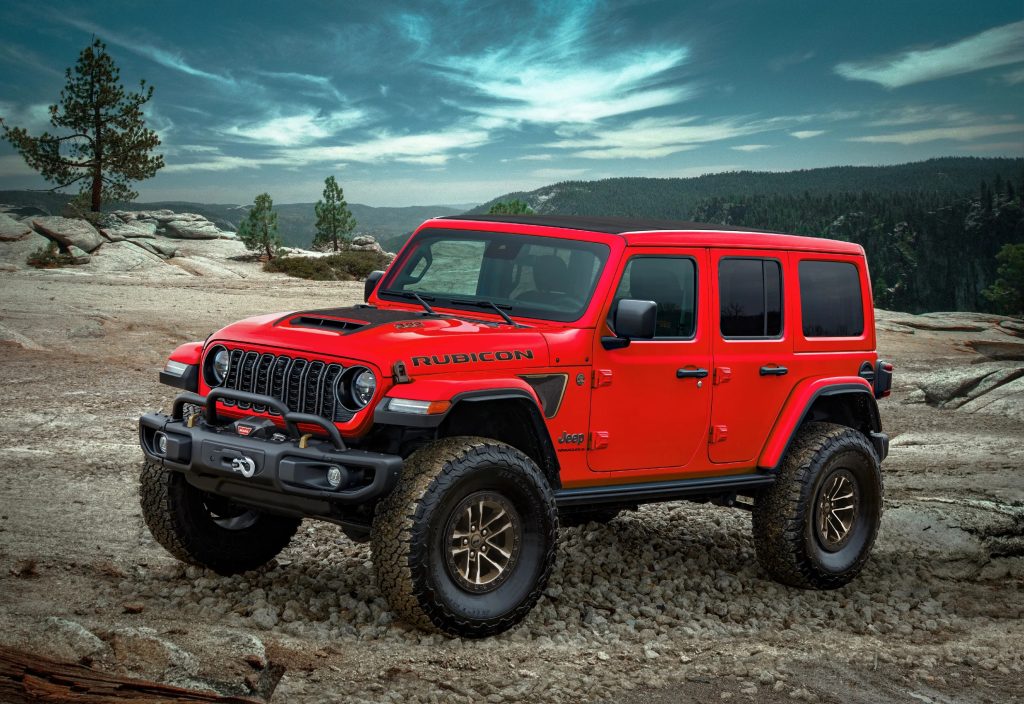
For the 2023 model year, the Wrangler is also listed under 16 NHTSA recall campaigns. Unlike owner complaints, recalls involve identified safety issues that affect specific groups of vehicles. However, this does not mean that every 2023 Wrangler on the road is affected by all of these recalls.
For a used buyer, the takeaway is to inspect the steering, suspension, brakes, roof seals, paint, and electrical functions carefully, then check the vehicle identification number for open recalls. Its off-road ability remains a major attraction, but the ownership record makes a thorough inspection especially important.
2. Ford Explorer
The 2023 Explorer has a less favorable reliability picture, with Consumer Reports rating it less reliable than other vehicles from the same model year. Its owner-survey results identify in-car electronics as a trouble area, including reports of a display screen freezing or becoming unresponsive.
Owners also describe rattles, wind noise, and other fit-and-finish annoyances. Some reports concern electrical faults that trigger dashboard warnings, including a wheel-speed sensor connection that required dealer attention.
These survey responses highlight the issues reported by some owners, but they do not indicate that every Explorer will experience the same problems or how likely those issues are to occur.
NHTSA complaint data provides a separate measure. A compilation of NHTSA records lists 115 complaints for the 2023 Explorer. Electrical systems, suspension, and steering are among the components named most often, alongside powertrain and engine concerns.
Complaint totals should not be mistaken for actual failure rates because they do not account for how many Explorers were sold, the distance they have been driven, or how frequently they are used. Furthermore, NHTSA does not independently verify every submitted complaint. These reports are best viewed as potential warning signs that deserve further investigation rather than proof of confirmed vehicle defects.
The model has also been subject to multiple recalls. One 2024 campaign, NHTSA recall 24V-091, covered a limited group of 2023 Explorers in which a right-front fastener connecting the steering knuckle and strut could be loose or missing.
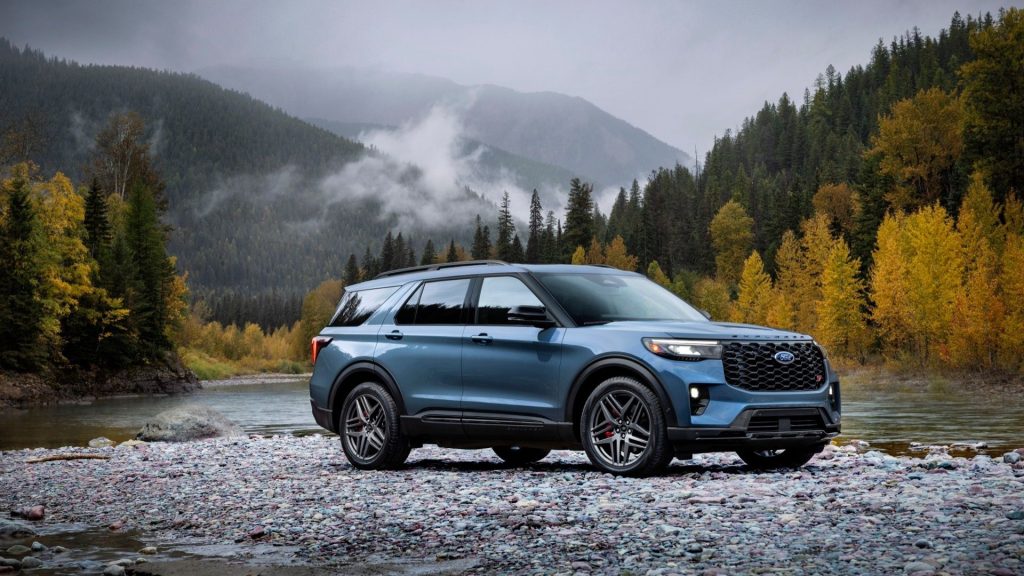
Ford warned that the condition could affect alignment and steering and potentially allow brake-hose damage. The recall population was small, so it should not be generalized to every 2023 Explorer.
Still, a used example deserves a VIN-based recall check, a careful inspection of its infotainment and electrical systems, and a road test over uneven pavement to listen for suspension or trim noises.
3. Volkswagen Tiguan
The 2023 Volkswagen Tiguan deserves attention because its owner-reported problems extend beyond minor cabin annoyances. Consumer Reports rates this model less reliable than other vehicles from the same model year.
Its subscriber survey identifies in-car electronics as a trouble area, with owners describing repeated Apple CarPlay disconnections and frozen displays and screens that go blank while driving.
Some owners said they returned to dealerships several times without receiving a lasting solution. The survey also includes reports of intermittent engine hesitation, where the vehicle allegedly failed to respond to the accelerator for several seconds.
NHTSA complaint records provide another useful perspective. ModelYears reports 72 complaints for the 2023 Tiguan, although its comparison of complaints filed during the first three years gives a figure of 47.
The distinction matters because complaints can be submitted after that initial period. Excessive oil consumption is the most frequently described issue, with 10 reports, followed by backup-camera problems with nine.
Owners also reported slow acceleration, harsh or jerky shifting, stalling, and check-engine warnings. These are unverified owner submissions, not confirmed failures affecting every vehicle.
There is also a documented safety recall. NHTSA campaign 25V082000 covers certain 2022-2024 Tiguans because a software error can prevent the rearview-camera image from appearing at startup.
Volkswagen’s remedy involves updating the camera-control-unit software at no charge. The recall affects only vehicles included in the campaign, so buyers should check the individual VIN rather than assume every Tiguan is covered.
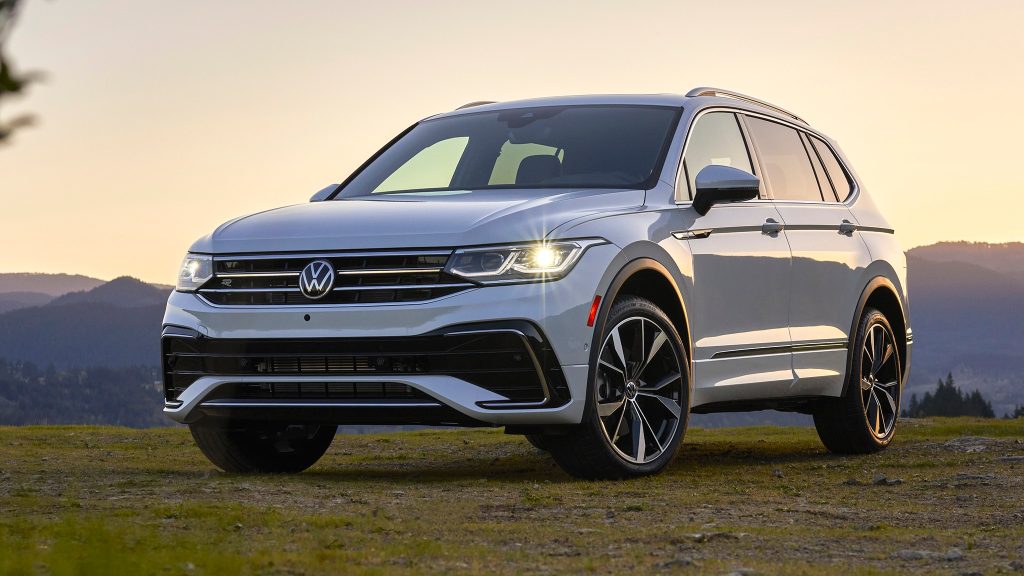
Anyone considering a used Tiguan should pay close attention to a few key areas. Test the infotainment system several times, review maintenance records for signs of excessive oil consumption or hesitation, and make sure all applicable recalls have been addressed. While the Tiguan provides a comfortable and practical interior, reports of electronic and engine-related issues are worth taking seriously before making a purchase.
4. Chevrolet Colorado
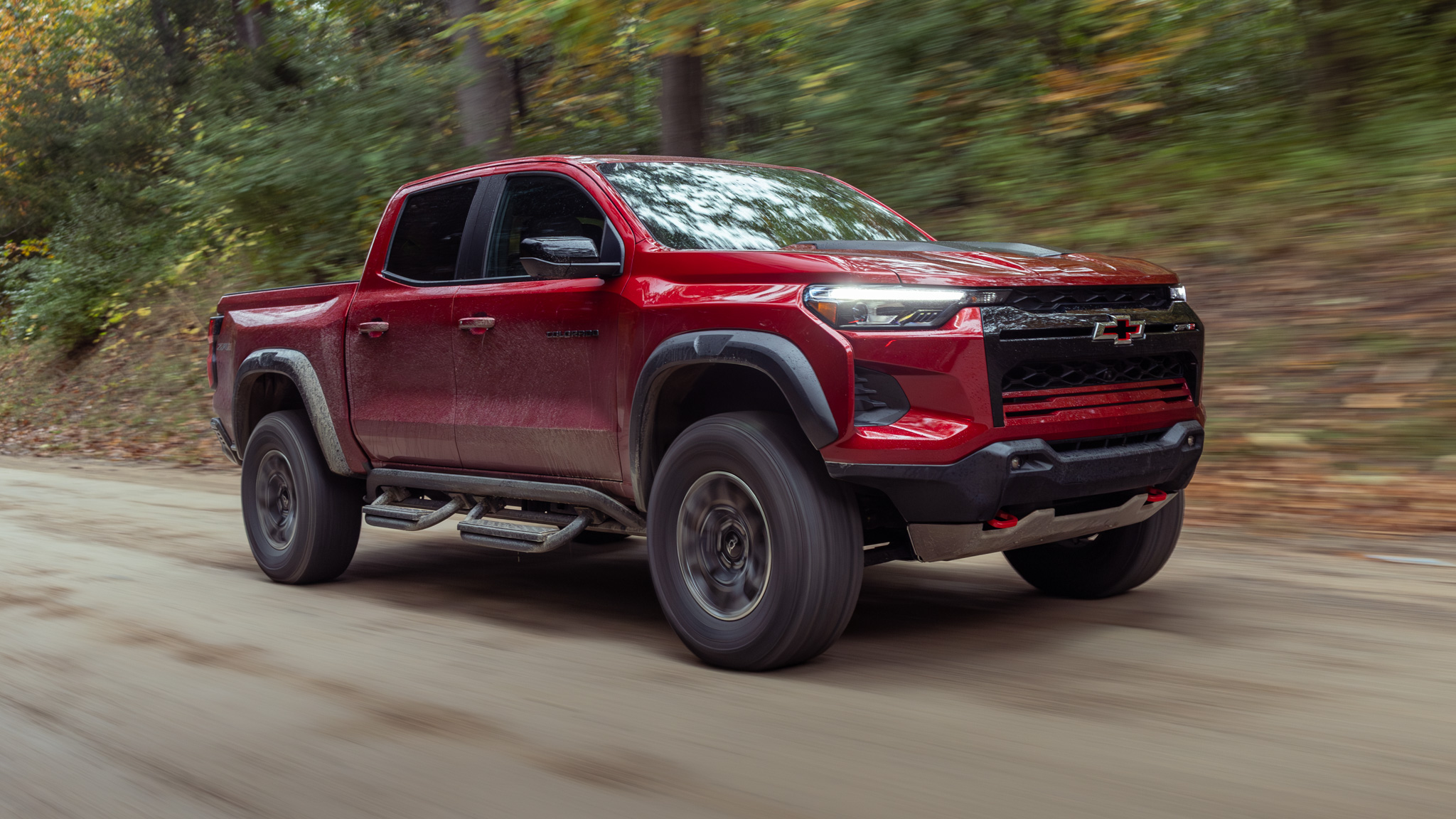
The 2023 Chevrolet Colorado is another model that warrants a careful used-car inspection. Consumer Reports rates this redesigned midsize pickup less reliable than other vehicles from the same model year.
Its owner survey identifies trouble areas that include the exhaust system, with individual reports describing a starter-related problem in which the starter drive remained engaged and produced an unusual noise against the flywheel.
A single owner account cannot establish how common that fault is, but it illustrates why checking repair history matters.
NHTSA complaint records add more substantial evidence. RoadVitals reports 138 owner complaints for 2023 Colorado, with driver-assistance systems, electrical equipment, and brakes among the most frequently named categories.
Its complaint timeline shows reports continuing into 2026, rather than being limited to the truck’s launch period. The complaints include six reported injuries and two reports identifying a crash, although those outcomes are statements submitted by complainants and are not independently verified findings.
Complaint totals also depend on how many vehicles were sold and how extensively they are driven, so 138 reports should not be interpreted as a defect rate.
The pickup has also been subject to three NHTSA recalls. One documented campaign, issued in September 2024, covered certain 2023-2024 Colorado trucks and 2023 GMC Canyon models.
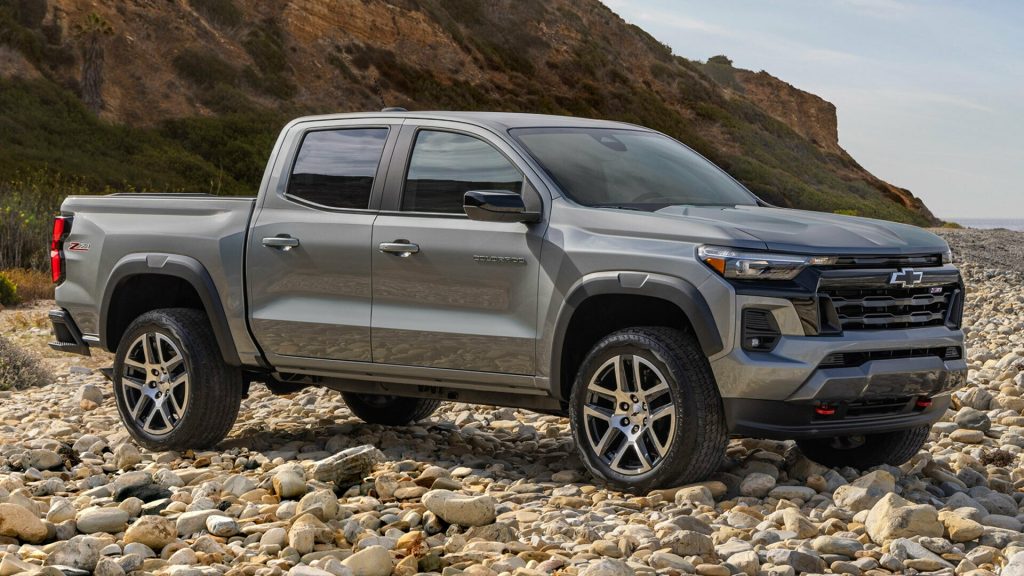
A front-seat belt buckle attachment bolt may not have been tightened properly, potentially preventing the belt from restraining an occupant correctly during a crash. The remedy is inspection and tightening or replacement where necessary, without charge to owners.
These findings do not mean every Colorado will develop electrical, braking, or seatbelt problems. They do mean buyers should check recall completion, inspect the braking system, and test driver-assistance features before purchasing. A full service history is particularly valuable on an early example of this redesigned pickup.
5. Jeep Grand Cherokee
The 2023 Jeep Grand Cherokee has a concerning combination of owner-reported reliability problems and a substantial number of federal complaint records. Consumer Reports rates this model less reliable than other vehicles from the same model year.
Its subscriber survey identifies in-car electronics as a trouble spot, with owners describing unreliable Apple CarPlay connections, frozen display screens, and problems reconnecting smartphones.
One owner reported that wired and wireless connections both failed intermittently, making a feature expected to work every day a recurring frustration. These reports are survey responses, not evidence that every Grand Cherokee has the same fault.
The NHTSA complaint picture adds further concerns. MotorCensus records 377 complaints for the 2023 model, placing it at the 93rd percentile for age-adjusted complaint counts among 2021-2025 midsize SUVs.
Electrical systems are the largest named component group, accounting for 26.9% of component entries. Engine, suspension, and driver-assistance systems also appear in the complaint data.
This percentile shows how the number of complaints compares with other vehicles in the same segment and age group. It should not be interpreted as the likelihood of mechanical failure or as a rate adjusted for vehicle sales. It is also important to note that NHTSA does not independently confirm the accuracy of every complaint submitted by vehicle owners.
Consumer Reports lists 23 NHTSA recalls for the 2023 Grand Cherokee on its model page. That figure is a useful warning to check the vehicle’s history, but recall campaigns can cover different versions, equipment, and production batches.
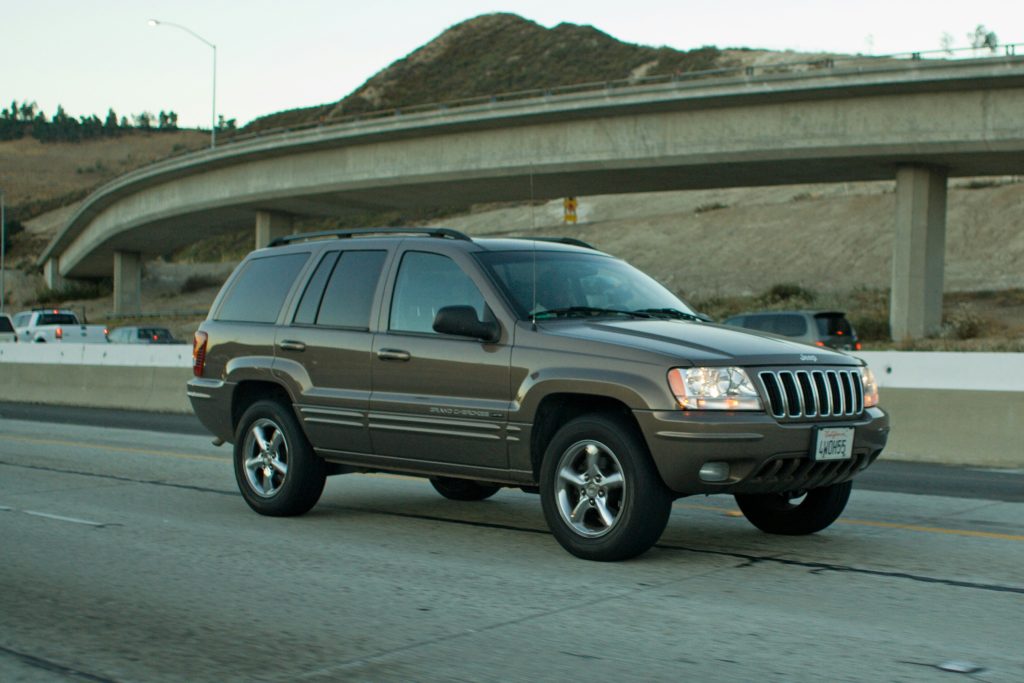
It does not mean every vehicle has 23 outstanding defects. Buyers should check the VIN for open recalls and confirm that completed repairs appear in the service history. They should also test the infotainment system, cameras, driver-assistance features and electrical accessories during an extended inspection.
The Grand Cherokee remains a capable family SUV, but its electronics and complaint record make a careful pre-purchase check essential.
6. Ford Escape
The 2023 Ford Escape has a weaker reliability record than many buyers might expect from a mainstream compact SUV. Consumer Reports rates it less reliable than other 2023 vehicles, with its subscriber survey identifying engine-related problems among the trouble spots.
Owner comments include reports of oil leaks, overheating and stalling under hard acceleration. One respondent described repeated dealership visits after an acceleration problem, followed by an oil leak and a window that stopped operating.
The vehicle reportedly spent an extended period in the workshop. This is an individual account, but it illustrates the potential disruption that recurring faults can cause.
Federal complaint records offer additional evidence. MotorCensus lists 94 NHTSA complaints for the 2023 Escape, with electrical issues, engine concerns, powertrain problems and driver-assistance systems among the categories reported.
Electrical faults account for 26.6% of component entries, while engine-related entries make up 22.4%. The site’s age-adjusted comparison places the Escape at the 26th percentile among compact SUVs from nearby model years.
This distinction is worth keeping in mind. Although the vehicle has recorded complaints, the available comparison does not rank it among the worst-performing models in its segment. These reports should also be interpreted with caution, as they are neither verified mechanical diagnoses nor an indication of what percentage of vehicles experience problems.
The Escape has also faced multiple recalls. Consumer Reports lists 13 NHTSA recalls for the 2023 model. One campaign, NHTSA recall 24S39, covered certain 2023-2024 two-wheel-drive Escapes equipped with adaptive cruise control.
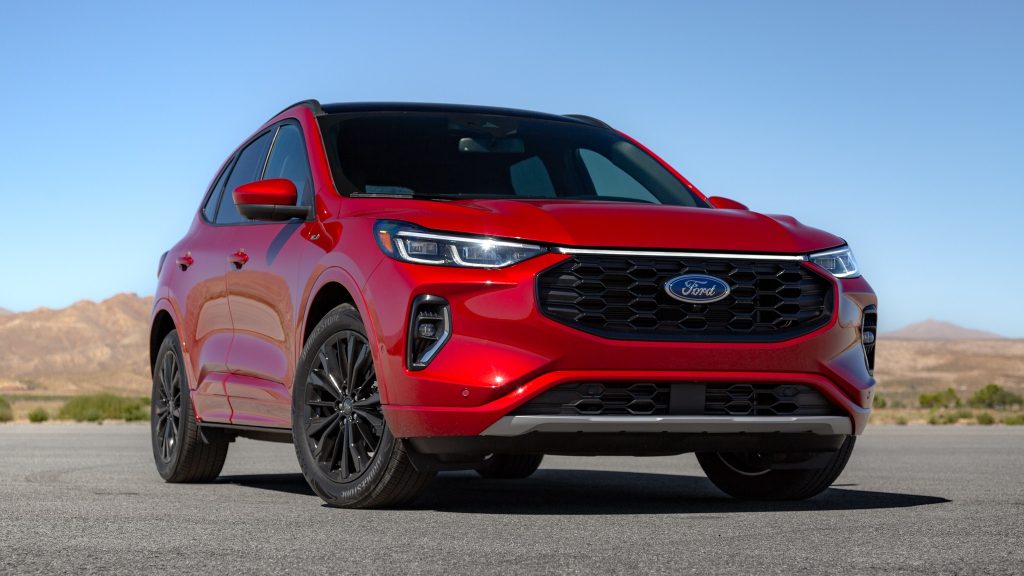
A misaligned radar module could cause the system to mistake an overhead object for something in the vehicle’s path, potentially triggering unexpected slowing or stopping. Ford’s remedy was to adjust the radar module at no charge.
A used Escape deserves checks for oil leaks, engine performance, electrical accessories and adaptive-cruise operation. Buyers should also verify recall completion by VIN. Its complaint evidence is mixed, so it belongs on a caution list, not at the top of a definitive failure-rate ranking.
7. Nissan Rogue
The 2023 Nissan Rogue has one of the more concerning complaint records among recent compact SUVs, particularly because engine problems dominate its federal reports. Consumer Reports gives the model an average reliability rating compared with other 2023 vehicles, so it would be inaccurate to describe every Rogue as unreliable.
However, its owner survey identifies fuel-system and emissions equipment, in-car electronics and transmission-related concerns.
Owners describe oxygen-sensor faults, malfunctioning emissions components, inconsistent Apple CarPlay connections and USB ports that needed replacement. Some also reported transmission cooling problems.
The NHTSA complaint record is more striking. MotorCensus counted 666 owner-submitted complaints for the 2023 Rogue through July 28, 2026, placing it at the 99th percentile for age-adjusted complaint counts among 2021-2025 compact SUVs.
Engine-related reports formed the largest component group, with 368 entries. Other recurring themes included warning indicators, engine damage and stalling or shutdown. This comparison adjusts for vehicle age, but not sales volume, and the complaints remain unverified reports rather than confirmed mechanical failures.
The most serious concern is the VC-Turbo engine recall. NHTSA campaign 26V080000, issued in February 2026, covers certain 2023-2025 Rogues with the 1.5-liter three-cylinder variable-compression turbo engine.
Increased temperatures can degrade engine oil, potentially damaging bearings and causing engine failure. The remedy includes software updates, diagnostic checks and further inspection where necessary, with engine replacement if required. Not every 2023 Rogue is covered, so buyers must check the VIN.
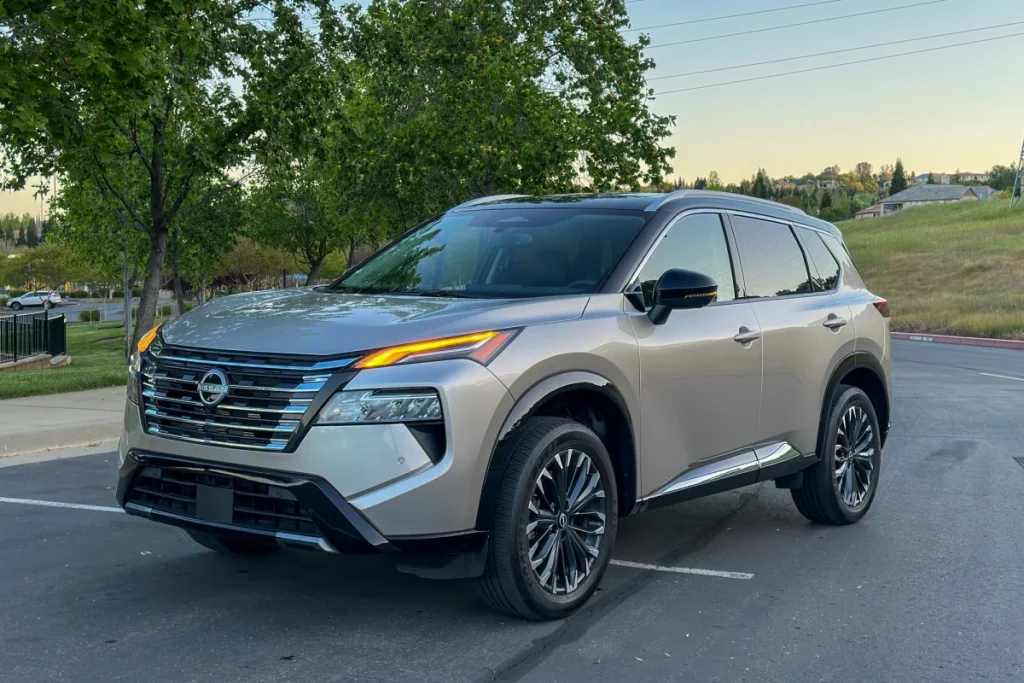
For a used example, prioritize engine service records, oil condition, warning-light history and proof of completed recall work. The Rogue’s average Consumer Reports rating is an important qualification, but its federal complaint pattern and engine campaign make a detailed inspection worthwhile.
8. Audi Q5
The 2023 Audi Q5 combines premium cabin technology with a less reassuring reliability record. Consumer Reports rates this model less reliable than other vehicles from the same model year.
Its owner survey identifies infotainment and in-car electronics as trouble areas, with reports of inconsistent Apple CarPlay and Android Auto connections, frozen displays and Bluetooth pairing problems. Some owners also describe more expensive mechanical concerns.
These include a leaking clutch line, hesitation when engaging at low speeds and a vehicle that reportedly returned to the dealership seven times before Audi agreed to buy it back. That is an individual account, not evidence that every Q5 has a defective transmission.
Other owner reports mention air-conditioning compressors that stopped cooling properly, inconsistent climate-control temperatures and driveline vibration. One respondent described a CV joint and axle problem that required warranty repair.
These examples matter because they involve systems that can affect daily usability and potentially lead to costly workshop visits once warranty coverage expires.
The model also appears in several NHTSA recall campaigns. Campaign 25V294000 covers certain 2022-2024 Q5 Quattro and Q5 Sportback Quattro vehicles because cylinder-head-cover screws may not have been tightened correctly, creating a possibility of oil leakage and fire.
Another campaign, 25V080000, concerns certain plug-in hybrid Q5 vehicles whose high-voltage batteries may overheat. That second recall applies to specified plug-in hybrid versions, not every conventional gasoline Q5.
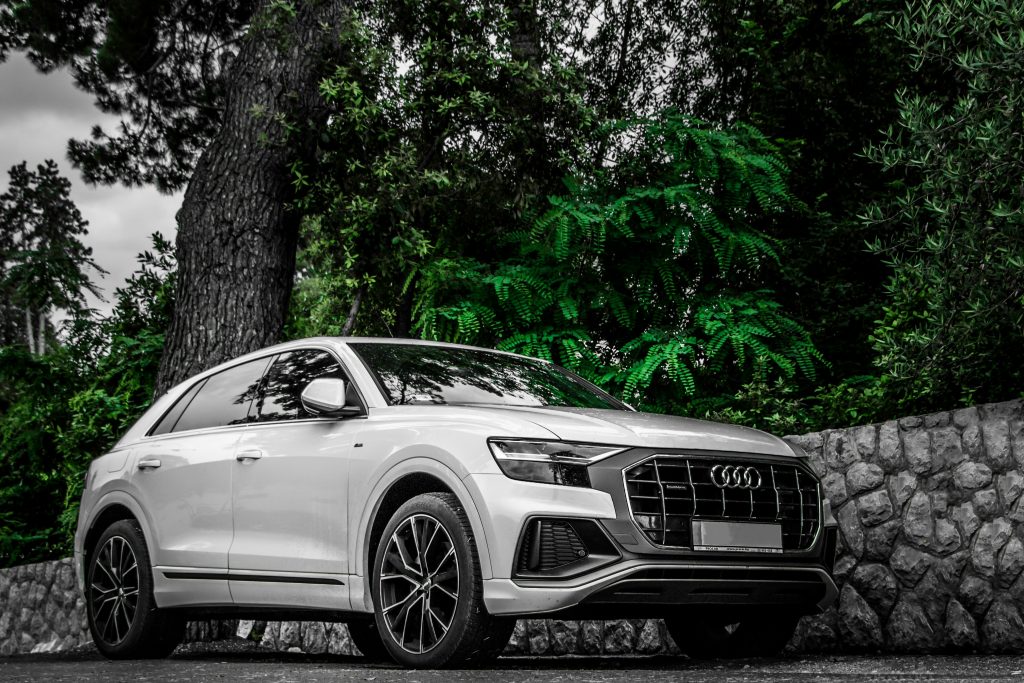
A used Q5 should receive a thorough electronic scan and inspection of its transmission behaviour, climate system, drivetrain and engine area for oil leaks.
Buyers should also confirm the exact powertrain and check all recall work by VIN. Its premium equipment is appealing, but the owner reports suggest that repair history deserves as much attention as mileage and appearance.
9. Honda Civic
The 2023 Honda Civic is an interesting case because its reputation for dependability does not completely match its federal complaint history. Consumer Reports rates this model more reliable than other 2023 vehicles, making it important not to portray the Civic as a broadly unreliable car.
However, NHTSA received a notable number of steering-related complaints, particularly involving a condition owners describe as “sticky steering.” Drivers reported that the steering wheel could become unusually difficult to turn, especially at highway speeds after extended driving.
MotorCensus records 251 federal complaints for the 2023 Civic and places it at the 95th percentile for age-adjusted complaint counts among nearby model years in the compact-sedan segment.
Steering accounts for the largest named component group, with 191 entries. That concentration makes the steering system a more meaningful concern than the raw complaint total alone. The percentile is a comparison within a defined group, not a failure probability, and the figures are not adjusted for sales volume.
The issue attracted formal attention from NHTSA. In March 2023, the agency opened preliminary evaluation PE23-005 after receiving 145 complaints involving 2022-2023 Civic models.
The investigation examined allegations of momentary increases in steering effort that could cause drivers to overcorrect. Honda subsequently identified factors within the electric power-steering assist unit that could contribute to the condition.
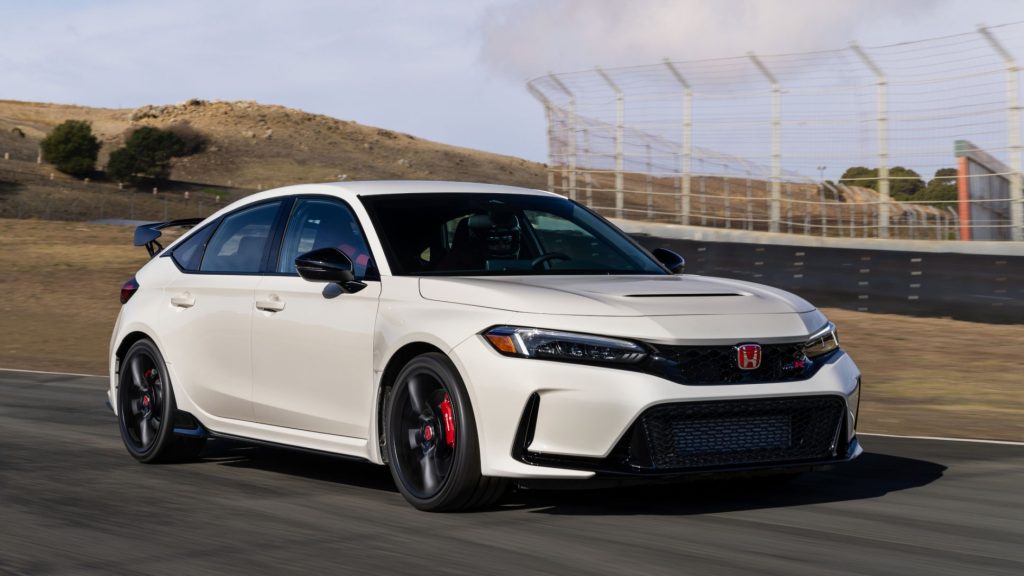
This investigation is significant because it shows the complaints prompted a federal safety review, rather than remaining isolated online reports.
The Civic is not automatically a poor used-car choice. Its positive Consumer Reports reliability assessment deserves consideration, but buyers should pay close attention to steering behaviour during a longer road test, especially at highway speeds.
They should also check the VIN for applicable recall or repair campaigns and review any previous steering-related dealership work.
10. Hyundai Tucson
The 2023 Hyundai Tucson has a mixed reliability record. Consumer Reports rates it around average compared with other vehicles from the same model year, but its owner survey identifies several recurring trouble areas. In-car electronics are a particular concern.
Owners describe Apple CarPlay failing to connect, display screens freezing or going blank, and Bluetooth connections stopping unexpectedly. Some respondents also reported premature brake wear, including brake pads and rotors requiring attention at relatively low mileage.
These experiences do not mean every Tucson will develop these problems, but they show where prospective buyers should pay attention.
Federal complaint records provide additional context. CarRecallDB lists 136 NHTSA complaints for the 2023 Tucson, including reports involving driver-assistance technology, electrical equipment and the engine.
Twenty-eight complaints identify forward-collision-avoidance systems, while 23 identify engine-related concerns. The reports also include 12 complaints mentioning crashes and one mentioning a fire. These are figures reported by vehicle owners, not verified findings that the Tucson caused those incidents.
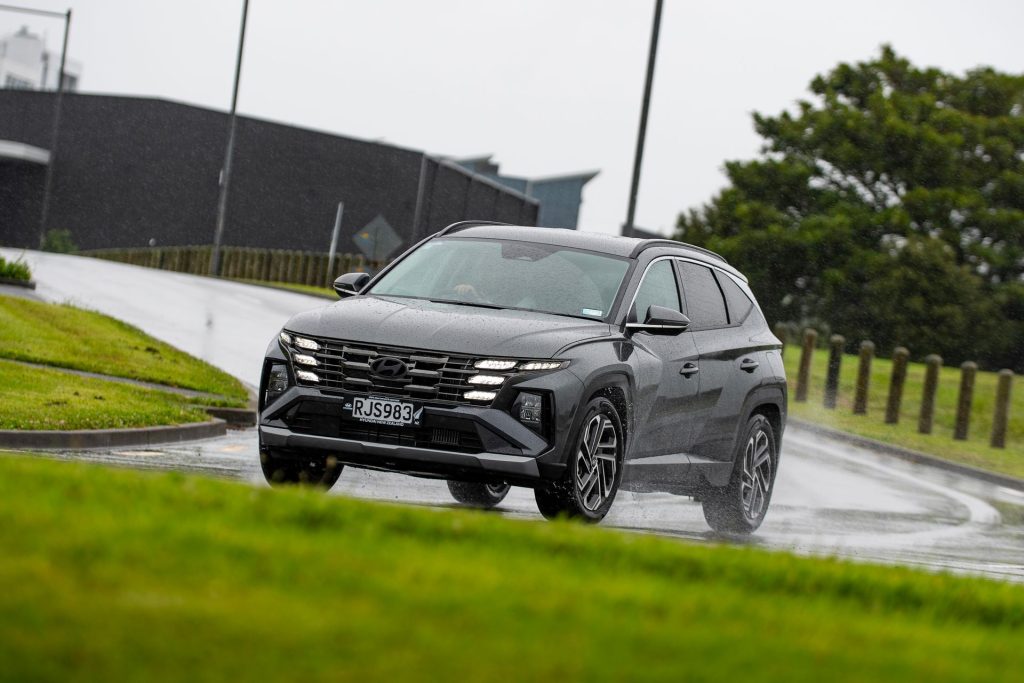
The Tucson has also been affected by two NHTSA recall campaigns. One, issued in July 2023, concerns an electric oil-pump assembly in certain vehicles with an automatic transmission. The assembly can overheat, increasing the risk of a vehicle fire.
Another campaign, issued in December 2025, concerns certain trailer-hitch wiring harnesses that may short-circuit and cause trailer lights to malfunction or create a fire risk. Applicability depends on the vehicle’s configuration and production details, so buyers should verify the VIN rather than assume every Tucson is affected.
The Tucson remains a practical compact SUV, and its average reliability assessment should not be ignored.
However, a used example deserves careful testing of its touchscreen, smartphone connectivity, braking performance and driver-assistance features. Confirming both recall completion and a documented service history is particularly important.
