
Scammers go where the money and the panic are, and few things combine both like a car. Nearly everyone owns one, most people have no idea what a fair repair costs, and plenty of us make fast decisions when something goes wrong on the road. That mix is a gift to anyone looking to cash in on confusion.
None of the schemes below are exotic. Some are old cons with a new delivery method, usually a text message or a QR code. Others work because you’re stressed, stranded, or in a hurry. All seven keep showing up in consumer warnings, police alerts, and the stories drivers swap with each other. Learn the pattern behind each one and you’ll catch most of them before any money changes hands.
1. The “Unpaid Toll” Text
The message arrives out of nowhere. It says you owe a small toll balance, maybe $6 or $12, and warns that late fees are coming unless you pay through the link. The sender looks official enough, and the deadline feels real. Most drivers have paid a toll at some point, so plenty of people tap first and think second.
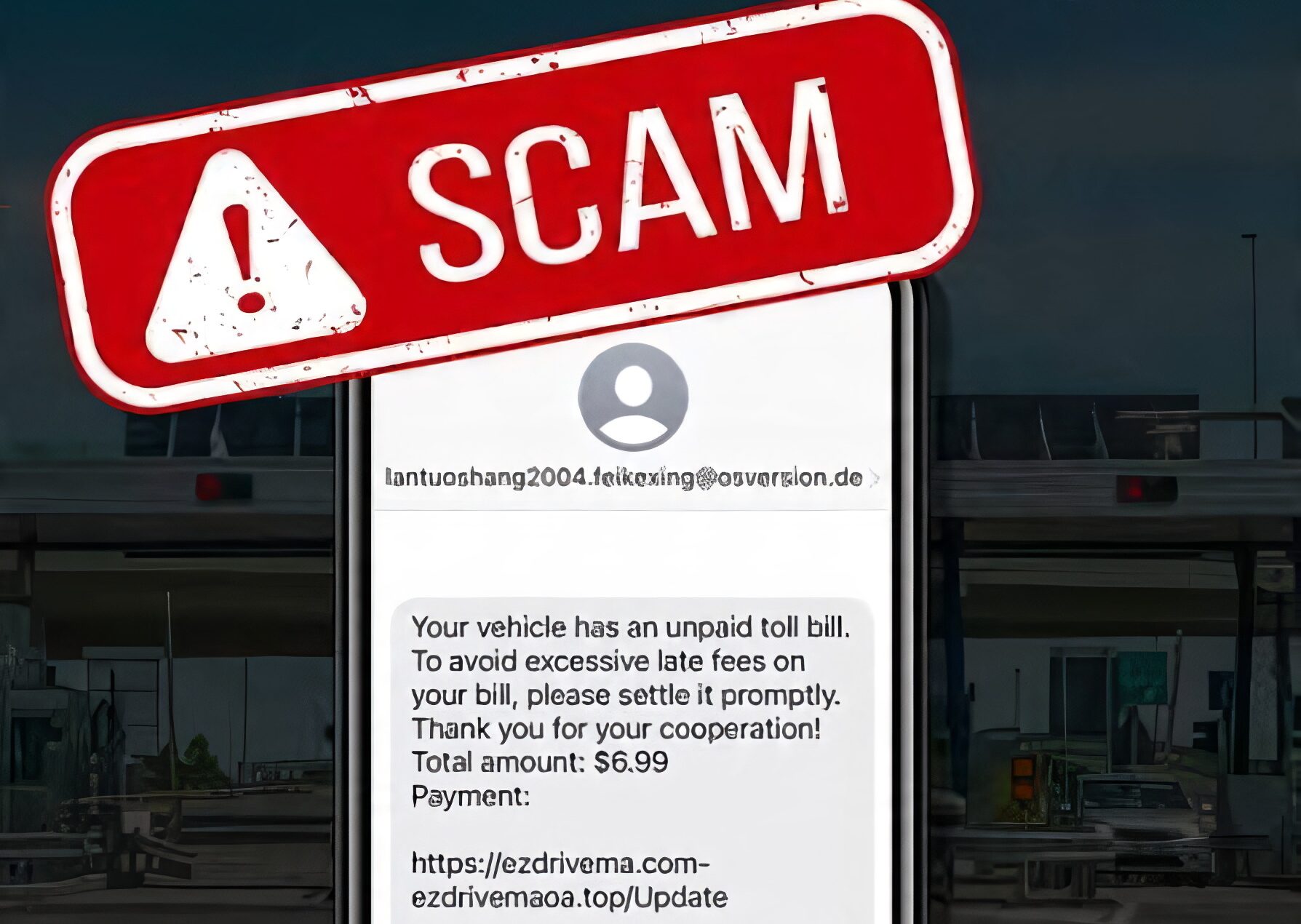
That link leads to a lookalike payment page built to collect your card number, your name, and often the verification code your bank texts you a moment later. The small amount is just bait. The real take is whatever the thieves can charge once they have your details. Toll agencies do send notices, but they typically do it by mail or through an account you already have. They don’t demand payment within hours through a link from an unknown number.
If one lands on your phone, don’t click. Type your toll provider’s real web address yourself, or open the app you already use, and check your balance there. Forward the text to 7726, the spam-reporting shortcut most US carriers support, then delete it.
If you’ve already entered card details, call your card issuer immediately, freeze the card, and file a report with the FTC and the FBI’s Internet Crime Complaint Center. Speed matters more than embarrassment here.
2. The Fake QR Code on the Parking Meter
You pull into a spot downtown, see a QR code on the meter that says “scan to pay,” and a minute later you’ve bought two hours of parking. The catch is that the city never put that sticker there.
Scammers print their own codes and stick them over the real ones on meters, pay stations, and signs. The code opens a fake payment site that takes your card details, and the parking session never gets recorded. You come back to a ticket and a compromised card.
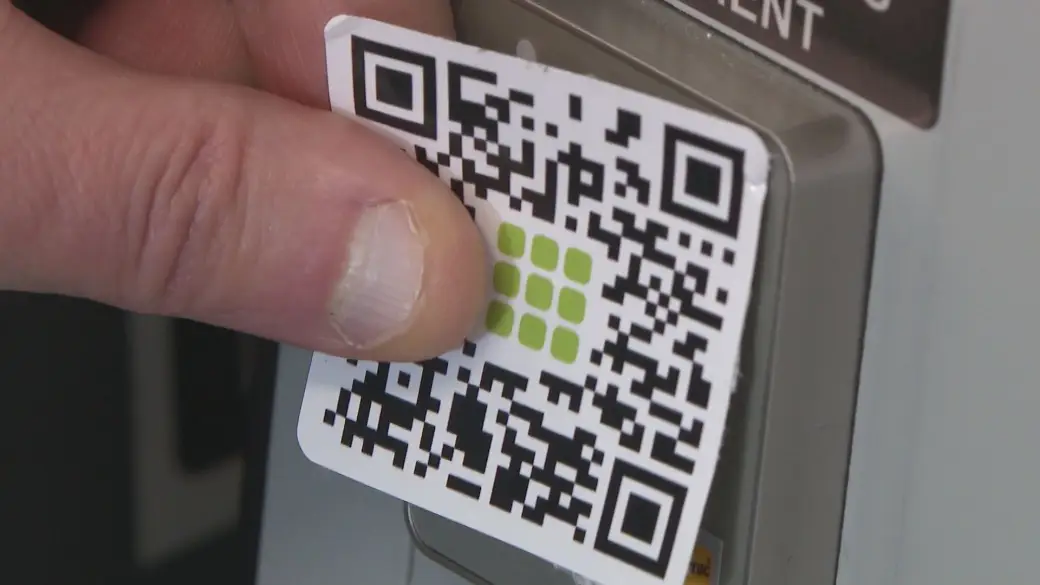
The trick works because it looks routine. Plenty of cities do use QR codes for parking, so scanning one doesn’t feel risky. Slow down for a few seconds before you do. Does the sticker look pasted on top of the meter, with peeling edges or a different finish from the surrounding surface? Is it sitting over another code?
Genuine signage tends to be part of the meter or sign itself. After you scan, read the web address before you type anything. It should match the parking operator’s actual site, and a misspelled or strangely long address is a red flag.
A safer habit is to download the city’s official parking app ahead of time, or just pay at the machine with a card. If you find a suspicious sticker, photograph it and report it to the parking authority or local police so the next driver doesn’t get caught.
3. The Staged Crash
You’re driving along when the car ahead brakes hard for no obvious reason. You can’t stop in time. The other driver steps out, rubbing their neck, and a passenger or two suddenly has injuries. Within days, a clinic or lawyer you’ve never heard of is calling about a claim. This is the staged accident, sometimes called “crash for cash,” and insurers and police have been fighting organized versions of it for decades.
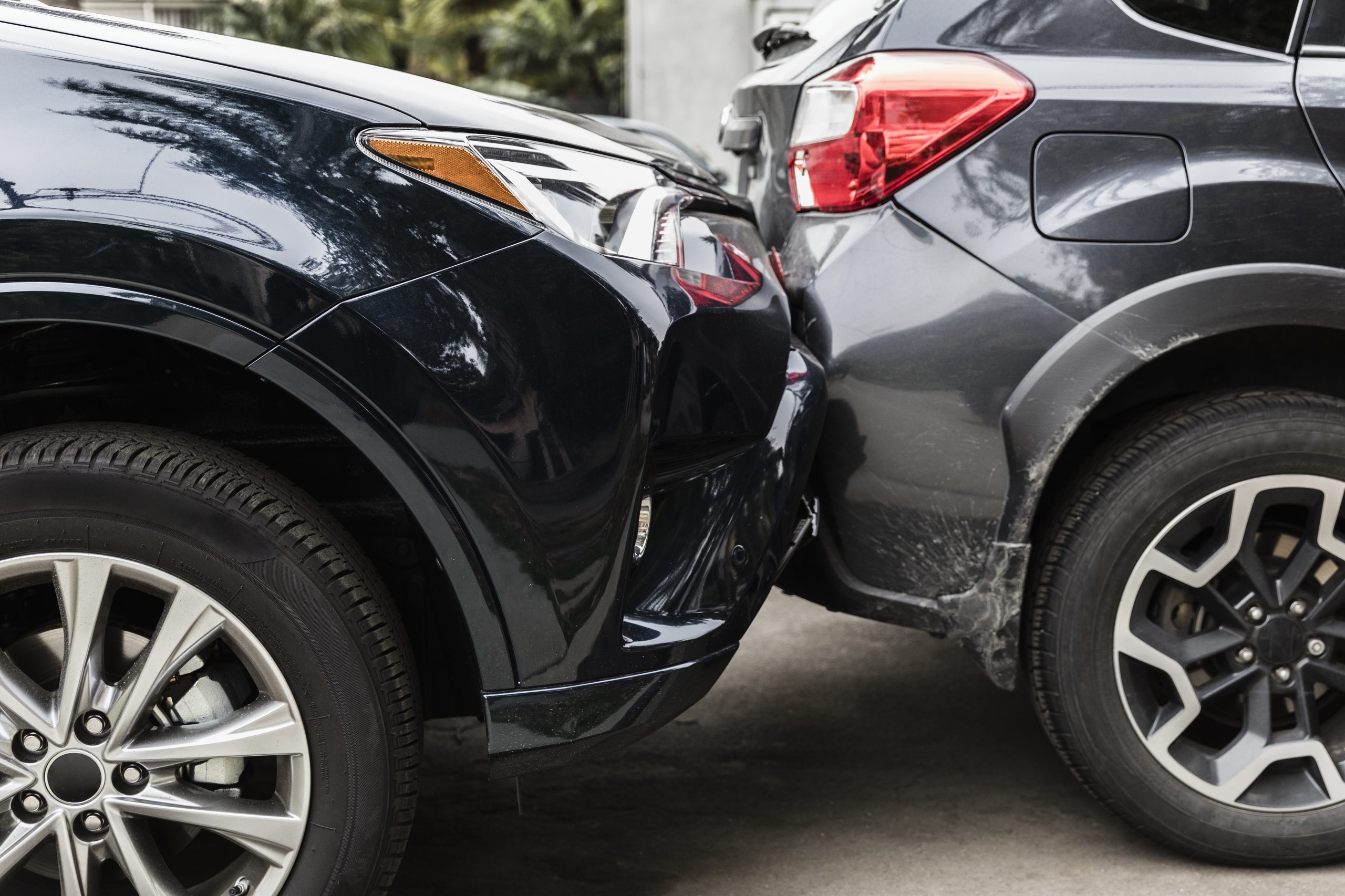
It comes in a few flavors. In the “swoop and squat,” one car cuts in front of you and a second car cuts off the first, forcing a sudden stop that makes you the rear-ender. In the “wave-through,” a driver waves you into a gap at an intersection, then hits you and swears you came out of nowhere. The people involved usually have their story ready, and their car often already has damage.
You can’t prevent every setup, but you can make yourself a harder target. Leave extra space behind anyone who brakes erratically. Put a dashcam in your car, because a few minutes of footage can end a fraud claim fast.
After any collision, call the police, photograph both vehicles, the plates, and the scene, and collect witness names. Don’t admit fault, and walk away from anyone pushing for a quick cash settlement. If something feels staged, tell your insurer. Most carriers have a dedicated fraud unit.
4. The Mechanic Who Finds Problems You Don’t Have
This one is quieter and probably costs drivers more in total than any other scam on the list. You go in for an oil change or a routine inspection, and the mechanic comes back with a long face. Your brake fluid is “black.” Your air filter is “filthy.” You need a transmission flush, a fuel system cleaning, and new wiper blades, and you need them today. The advertised $40 oil change becomes a $600 invoice.
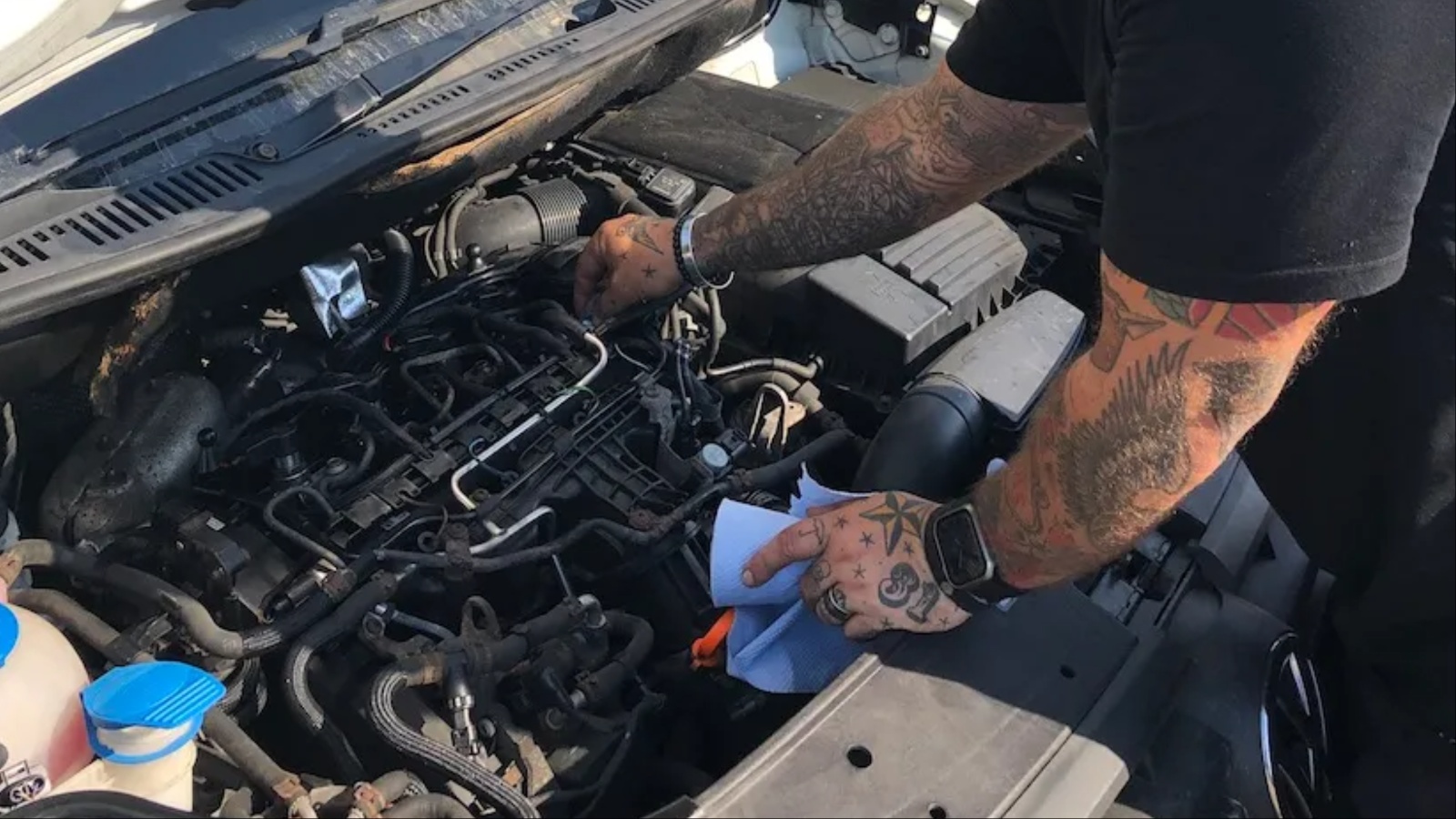
Some of those recommendations are legitimate. Plenty are not, or they’re premature. Honest shops flag real issues all the time, which is exactly why the dishonest ones can hide in the same conversation. The tell is pressure. A real safety problem comes with a clear explanation. A manufactured one comes with urgency, vague language, and a refusal to wait while you think it over.
Protect yourself with a few simple habits. Keep your owner’s manual in mind, because it lists the maintenance your car actually needs and when. Ask for a written estimate before any work starts. Ask the mechanic to show you the worn part or the dirty filter, and ask what happens if you wait. If the number is big, say you’d like to think about it and get a second opinion. A good shop will say fine. A bad one will suddenly discover the offer expires today.
5. The Tow Truck That Shows Up Before You Call
You’ve just been in a minor accident, or your car has died on a busy road, and within minutes a tow truck pulls up. The driver is friendly and ready to help. They hook up your car before you’ve had a chance to think. Only later do you learn that the tow came with a sky-high price, a yard that charges steep storage fees, and a gate that’s locked whenever you show up to collect your belongings.
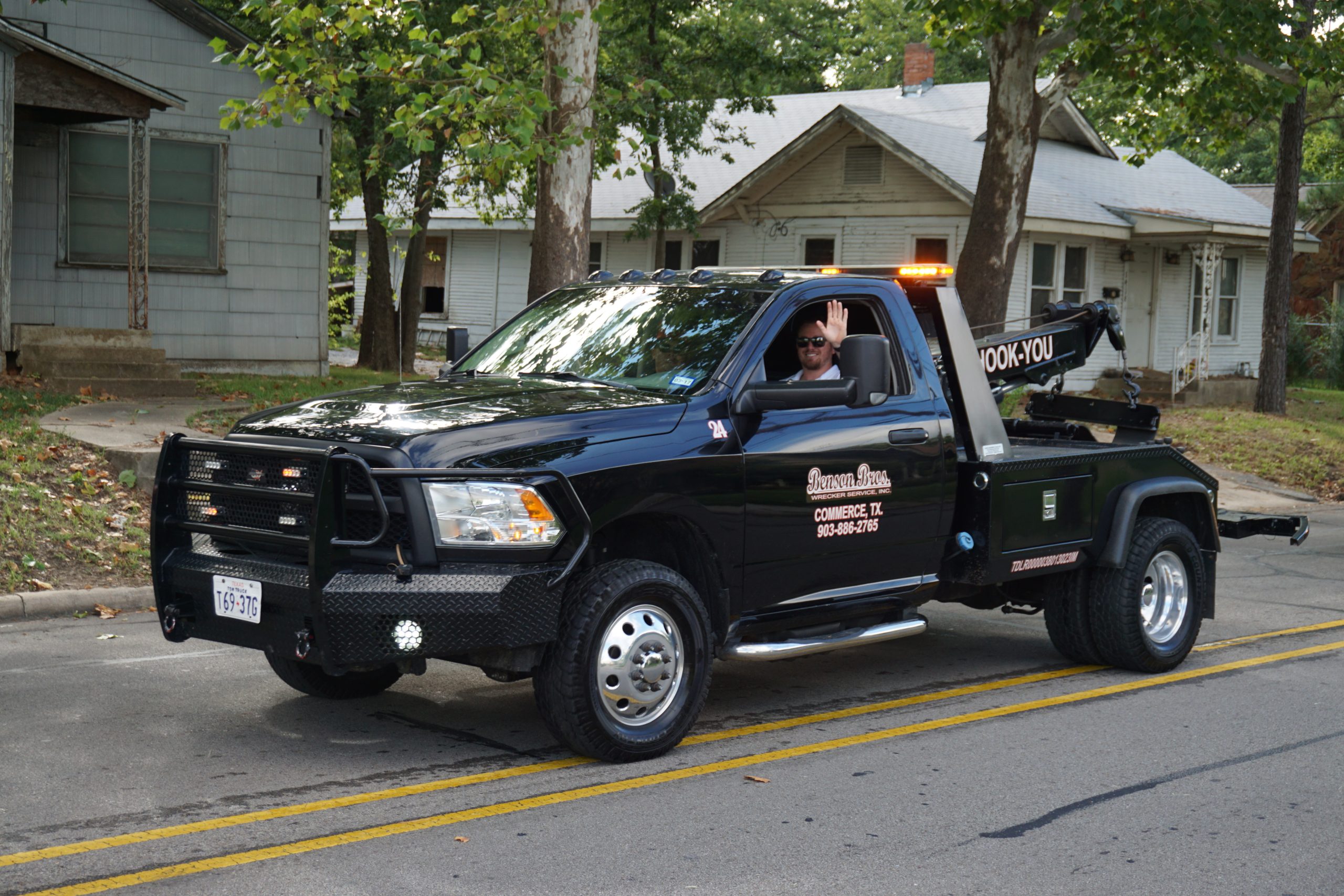
These are often called “tow chasers,” and they listen to police scanners or simply cruise busy roads looking for stranded drivers. The scam also happens in parking lots, where a private tow company grabs cars from lots with unclear signage or no real violation at all. In both cases, the money comes from the fact that you’re stressed, short on time, and unlikely to argue.
Unless you called them, don’t let a truck take your car. Politely decline and call your own roadside assistance, your insurer, or a company you’ve looked up yourself. If you do get towed, ask for the total price before the car moves, take photos of the vehicle and the scene, and write down the company name and license plate.
Rules on towing fees and notice requirements vary a lot by state and city, so look up the local ones. If a bill seems wildly off, you can often dispute it with the local consumer protection office.
6. The Too-Good-to-Be-True Online Car Listing
A used car appears on an online marketplace for thousands less than its estimated market value. The seller offers a convincing explanation, claiming to be stationed overseas, going through a divorce, or preparing for an urgent move. They insist they cannot meet in person but promise to arrange delivery once payment is made.
To make the deal seem legitimate, the seller may suggest using a trusted-looking escrow service or vehicle protection program to process the payment. But once the money has been sent, the truth comes out. The vehicle is either nonexistent or the listing uses stolen photos taken from another seller’s advertisement.
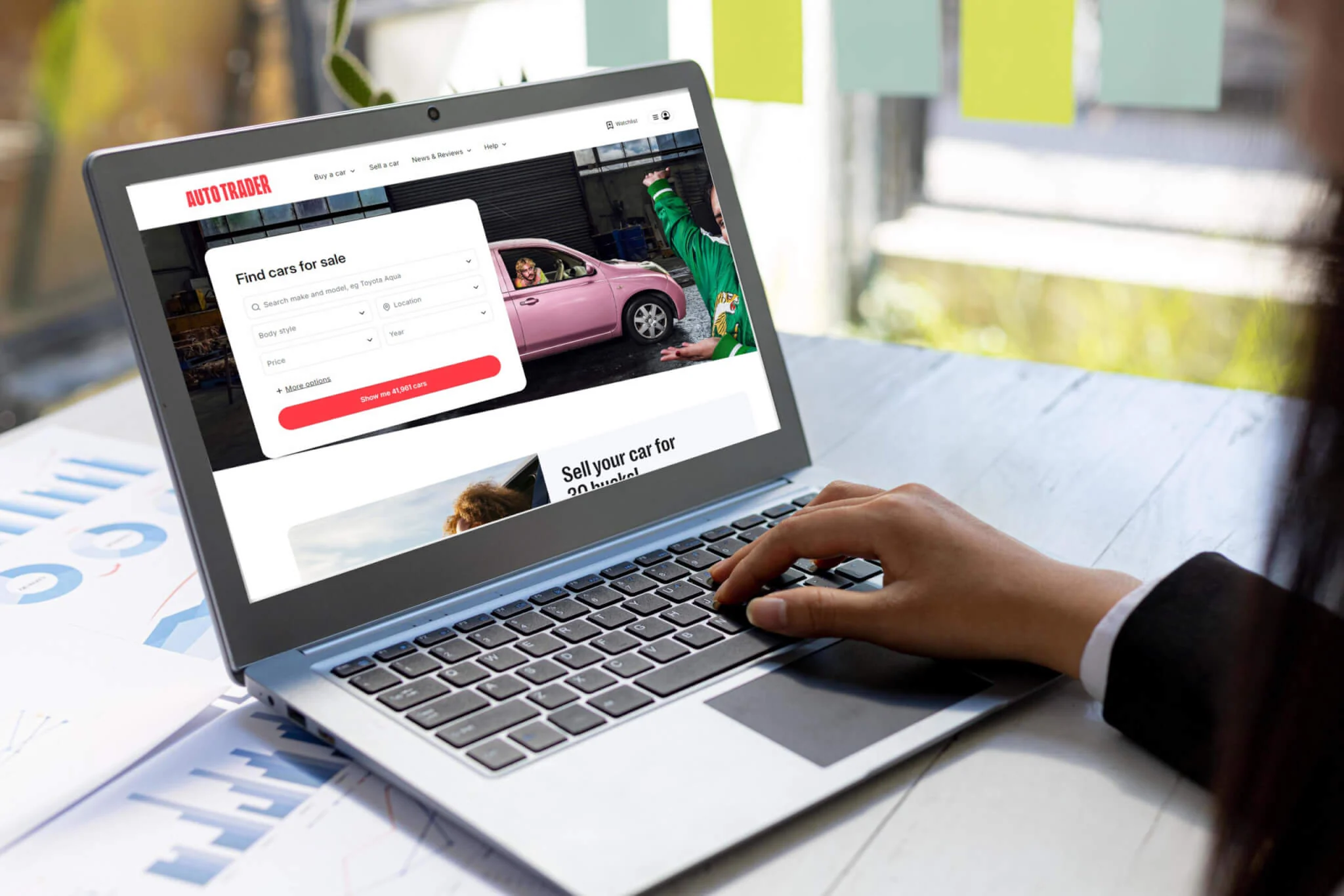
The other side of the market gets targeted too. If you’re selling, a “buyer” may send a payment confirmation that looks real, or a cashier’s check that bounces days later, after you’ve already handed over the keys. Then there’s VIN cloning, where scammers copy the identification number of a legitimate car onto a stolen or salvaged one, and curbstoning, where an unlicensed dealer poses as a private seller to offload problem vehicles.
Treat any deal that’s far below market with suspicion. Insist on seeing the car in person before sending a dollar. Run the VIN through a vehicle history report and check that it matches the title and the number on the car.
Never use an escrow or shipping service that the seller proposes. If you’re selling, verify any cashier’s check by calling the issuing bank at a number you look up yourself, and wait until funds fully clear before handing over the car. Meeting at a bank branch makes both steps easier.
7. The Extended Warranty Call
Many drivers are familiar with these calls. A recorded voice or an unusually friendly sales representative claims to have been reaching out about your vehicle’s extended warranty and warns that your current coverage is nearing its expiration date.
Although the scam has circulated for years and regulators have taken action against some major operators, it continues to resurface in different forms. Fraudsters now also use text messages, mailed notices, and emails designed to resemble official communications from vehicle manufacturers.
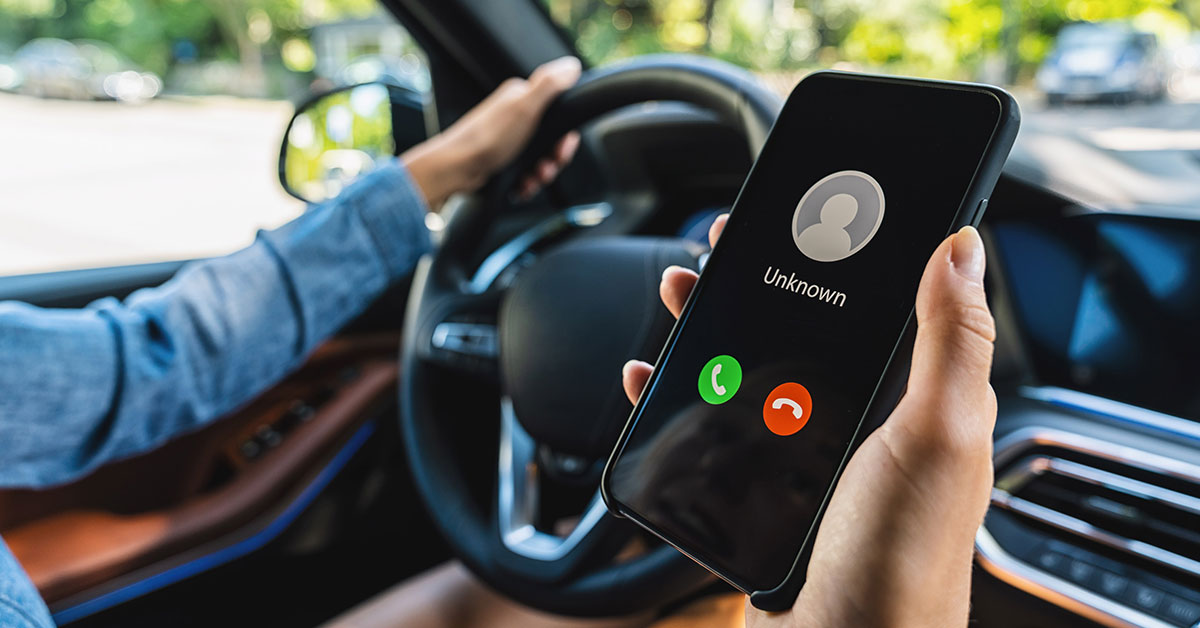
The pitch goes after a real worry, which is the fear of a huge repair bill. People who engage usually get pushed into buying a vehicle service contract that’s overpriced, full of exclusions, or sometimes entirely fake. The caller often has your name, your car’s make and year, and maybe more, pulled from public records or data leaks, which makes the call feel legitimate. It isn’t. Your manufacturer or dealer isn’t going to cold-call you with a countdown.
Don’t press a button, don’t “speak to a specialist,” and don’t give any information, even to confirm what they already seem to know. Hang up. If you’re curious about your actual coverage, contact your dealer or manufacturer directly using a number from their official site.
If you’re actually shopping for a service contract, do it on your own timeline, read the contract for what it excludes, and compare more than one provider. Report unwanted calls to the FTC and add your number to the Do Not Call registry, though be aware that scammers ignore it.
Take another look at the list, and you’ll see a clear pattern. Most of these tactics rely on creating pressure, appearing trustworthy, and pushing people toward payment methods that are difficult to reverse.
They set deadlines that are hard to verify, use identities that are difficult to confirm, and ask for money or personal information through channels you never chose. These tricks may look different on the surface, but they all follow the same basic strategy.
The best defense is boring. Slow down. Verify through a source you find yourself. Be suspicious of any pressure to decide in the next few minutes. Real toll agencies, parking authorities, mechanics, and warranty providers will wait while you check. Scammers are the only ones who can’t afford to.