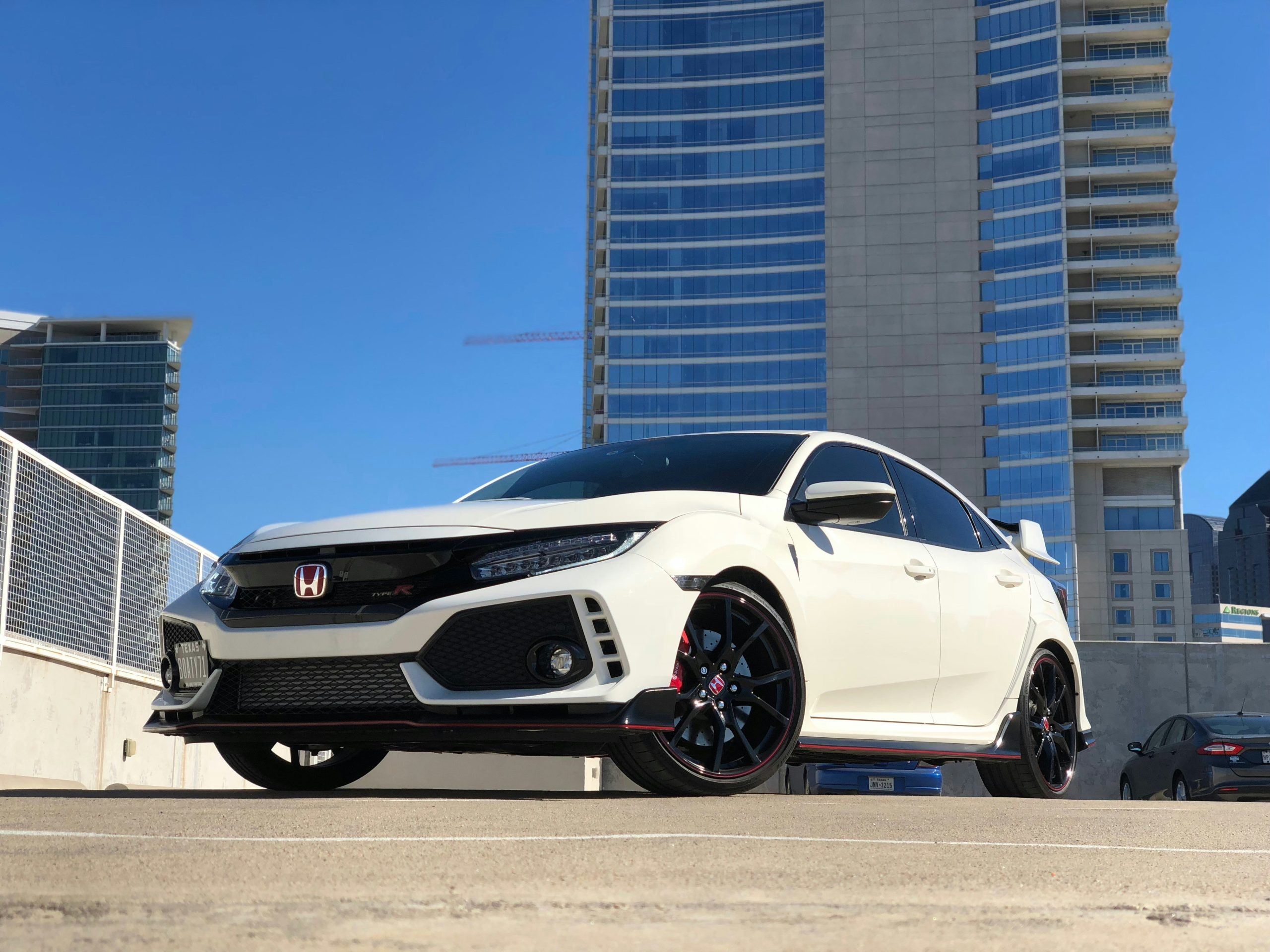
Choosing a hybrid vehicle is a practical way to reduce fuel expenses without giving up the convenience of a traditional petrol-powered car.
However, the purchase price is only part of the financial picture. Insurance, maintenance, depreciation, fuel economy, and long-term reliability all influence the total cost of ownership. Some hybrid models offer a particularly attractive balance of affordability and efficiency, making them worthwhile choices for budget-conscious drivers.
Understanding which vehicles deliver the greatest value can help buyers make informed decisions, avoid unnecessary expenses, and select a hybrid that remains economical throughout years of everyday driving.
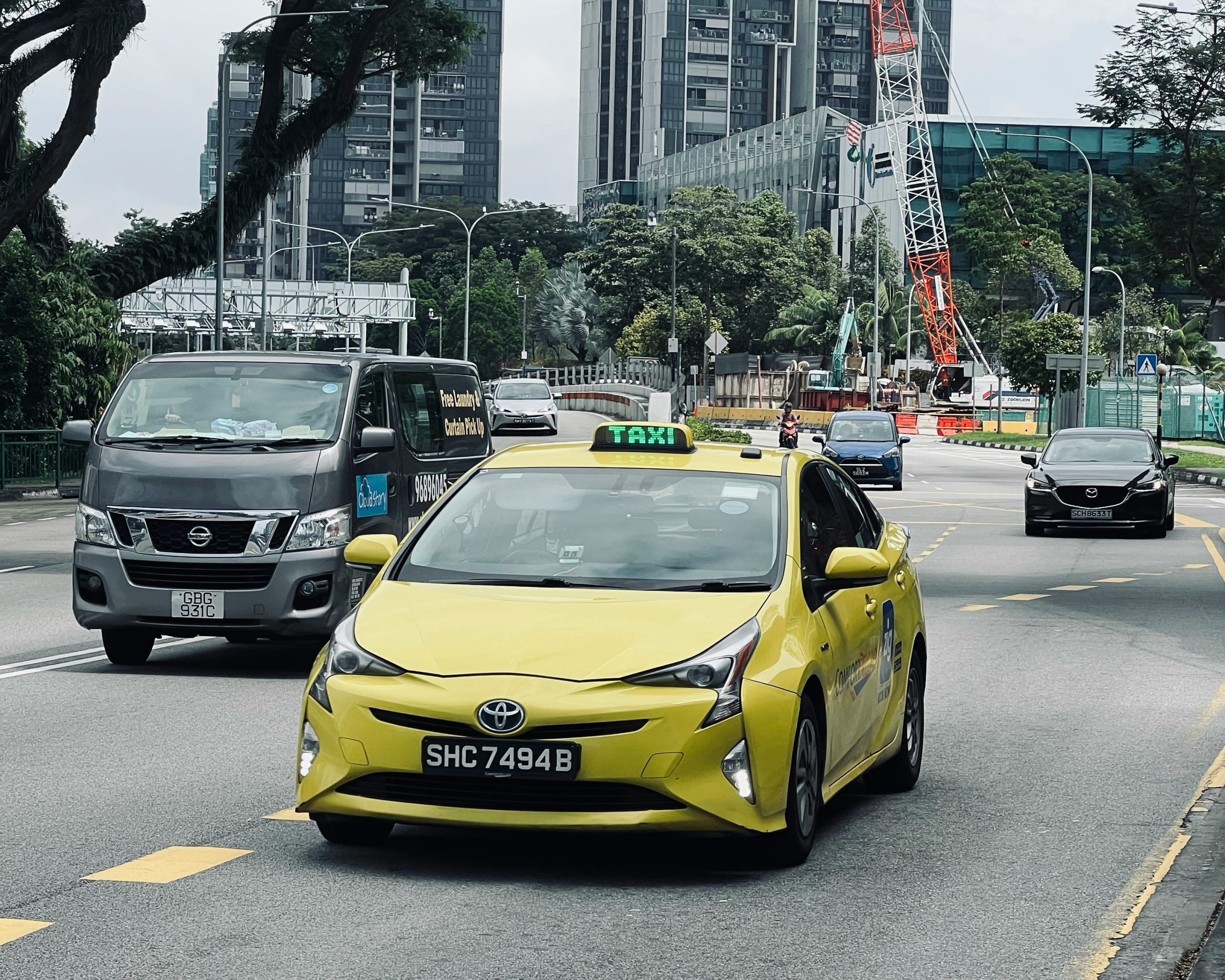
1. Toyota Prius
The Toyota Prius has earned a strong reputation for fuel efficiency, reliability, and reasonable ownership expenses.
Its hybrid powertrain combines a petrol engine with an electric motor to reduce fuel consumption during everyday driving. This makes it particularly appealing to commuters who spend considerable time travelling through cities and busy roads.
Fuel economy is a major advantage of the Prius. Depending on the model year, trim, market, and driving conditions, owners can achieve impressive mileage without needing to change their driving habits significantly.
Lower fuel consumption can translate into meaningful savings over several years, particularly for people with long daily commutes.
Maintenance expenses are another important consideration. Toyota has extensive experience producing hybrid vehicles, and the Prius benefits from a mature hybrid system. Routine servicing generally involves familiar requirements, including oil changes, tyre inspections, brake checks, and replacement of standard wear components.
The regenerative braking system helps recover energy during deceleration and can reduce the workload placed on conventional brake components. This may contribute to longer brake-pad life under suitable driving conditions. Actual savings depend on driving style, road conditions, and maintenance practices.
Reliability also contributes to the Prius’s ownership value. Toyota hybrid systems have a long history, and many examples have accumulated substantial mileage. However, buyers considering used models should inspect the hybrid battery, cooling system, service history, and general mechanical condition before purchasing.
Insurance and depreciation should also be considered. Insurance premiums vary according to location, driver history, vehicle age, and coverage.
The Prius has traditionally maintained a recognisable position in the hybrid market, which can support resale demand in markets where fuel-efficient vehicles are popular.
Interior practicality adds further value. The cabin offers useful passenger space, and the hatchback design provides flexibility for carrying groceries, luggage, and everyday belongings. Its practical layout makes it suitable for individuals, couples, and small families.
For drivers prioritising long-term fuel savings and established hybrid technology, the Toyota Prius is a strong candidate. Its combination of efficiency, practical features, and a well-developed reliability record makes it a sensible option for controlling ownership expenses.
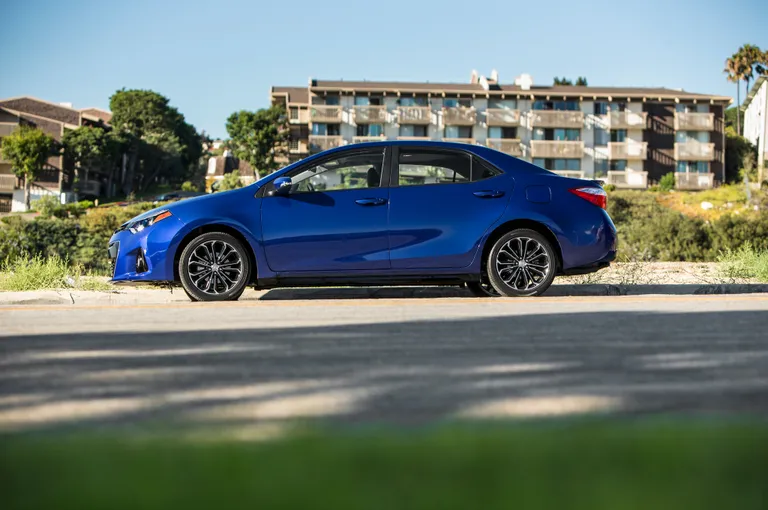
2. Toyota Corolla Hybrid
The Toyota Corolla Hybrid is an appealing choice for buyers who want hybrid efficiency in a familiar compact sedan. The Corolla name has a long history of dependable transportation, and its hybrid version combines that reputation with reduced petrol consumption.
Its hybrid powertrain is designed to work efficiently during different driving conditions. The electric motor assists the petrol engine during acceleration, while regenerative braking helps recover energy that would otherwise be lost. This arrangement supports better fuel economy, especially in urban traffic.
One major ownership advantage is the Corolla Hybrid’s accessible positioning within Toyota’s vehicle range. In many markets, it costs less than larger hybrid sedans and premium electrified vehicles. This can reduce the initial financial commitment while still providing the benefits of hybrid technology.
Routine maintenance is generally straightforward. Owners need to follow the manufacturer’s recommended service schedule, which includes checking fluids, filters, tyres, brakes, and other essential components. Hybrid-specific inspections should also be performed according to the service requirements for the particular model.
Fuel savings become more noticeable for people who drive frequently. Urban commuters, delivery professionals, and families who regularly travel short distances may benefit from the vehicle’s ability to use electric assistance efficiently. Actual mileage varies with weather, traffic, terrain, and driving behaviour.
The Corolla Hybrid also offers a comfortable and practical cabin. Its interior is designed around everyday usability rather than unnecessary complexity. Depending on the trim, buyers may receive touchscreen entertainment, smartphone connectivity, driver assistance features, and convenient storage areas.
Resale value can influence its total ownership cost. Toyota’s established reputation and the Corolla’s popularity may help support used-car demand. However, resale prices depend on local market conditions, mileage, accident history, maintenance records, and battery condition.
The Corolla Hybrid makes sense for buyers seeking a balanced combination of affordability, fuel efficiency, and dependable transportation. Its familiar design and economical operation can help keep long-term expenses manageable without requiring major lifestyle adjustments.
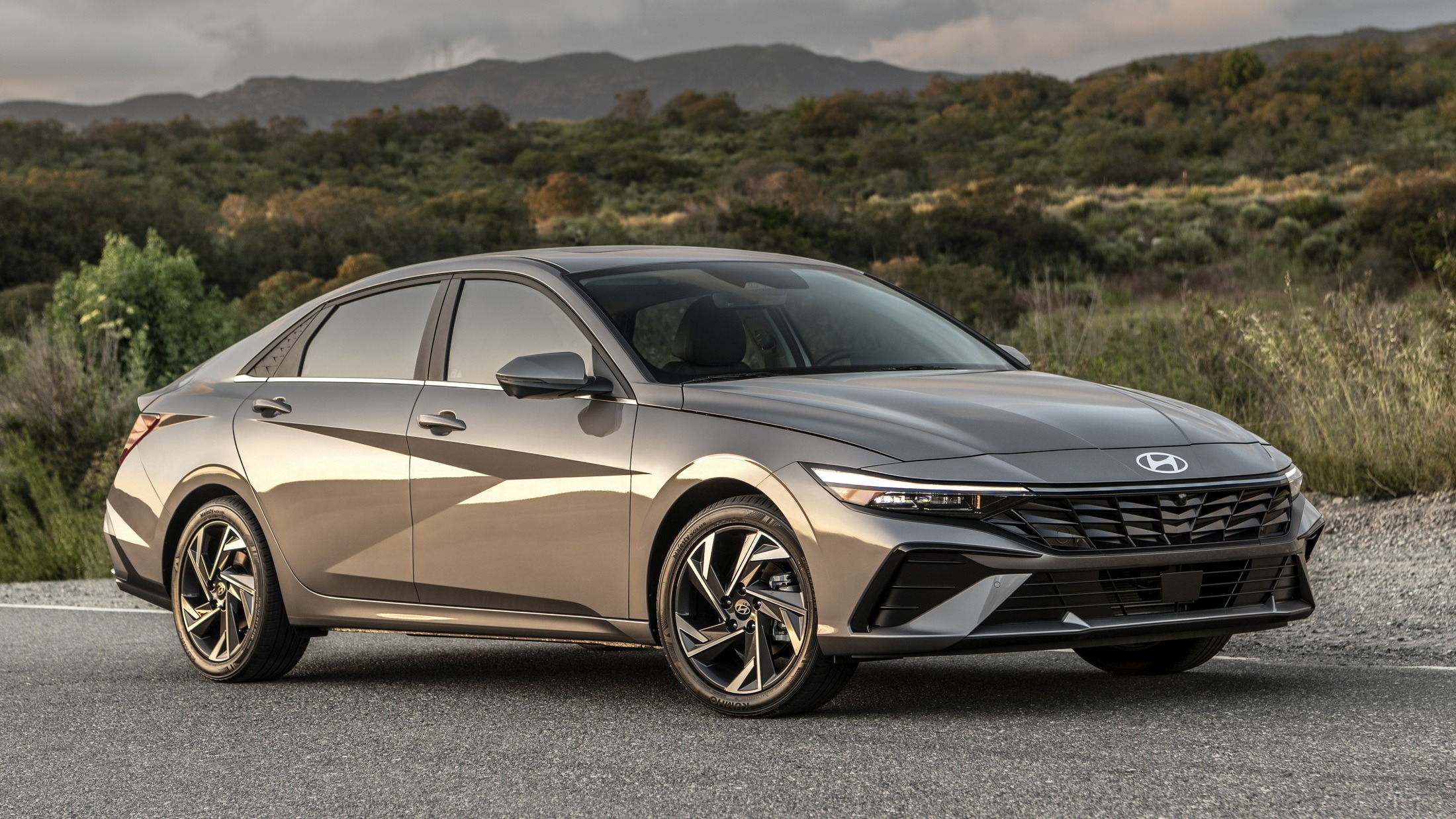
3. Hyundai Elantra Hybrid
The Hyundai Elantra Hybrid provides a combination of fuel efficiency, modern technology, and everyday comfort. It is designed for drivers who want a compact sedan with lower running expenses and a more feature-rich experience.
Fuel efficiency is a central part of its appeal. The hybrid system combines a petrol engine and electric motor to improve energy use during acceleration, cruising, and deceleration. Drivers who regularly encounter congested roads may benefit from its ability to recover braking energy and use electric assistance.
The Elantra Hybrid is also attractive because of its equipment. Depending on the trim and market, buyers can find touchscreen displays, smartphone integration, advanced driver assistance systems, and comfortable seating. These features add convenience without requiring a move into a more expensive luxury category.
Purchase price is an important part of the ownership calculation. The Elantra Hybrid may offer a competitive alternative to more expensive hybrid sedans. Buyers should compare the price difference between hybrid and petrol versions to determine how many years of fuel savings would be required to recover the additional upfront expense.
Maintenance costs are influenced by the vehicle’s service schedule and local labour rates. Regular oil changes, tyre maintenance, brake inspections, and scheduled system checks remain essential. Hybrid components should be examined by qualified technicians familiar with the manufacturer’s technology.
Warranty coverage can provide additional financial reassurance. Hyundai offers different warranty arrangements across markets, and hybrid battery coverage may have specific conditions. Buyers should check the exact terms, including mileage limits, ownership requirements, and exclusions.
The cabin offers a modern environment for daily commuting. Passenger comfort, practical storage, and a useful boot make the Elantra Hybrid suitable for people who need a vehicle for work and family responsibilities. Its sedan layout also makes it relatively easy to use in urban environments.
Depreciation remains a factor when calculating long-term expenses. Buyers should research local used-car prices and consider how demand for hybrid vehicles may affect resale value. A well-maintained vehicle with documented servicing generally provides a stronger resale proposition.
The Hyundai Elantra Hybrid is worth considering for drivers who want efficiency alongside contemporary features. Its combination of economical operation, comfortable equipment, and warranty support can make it a competitive long-term ownership option.
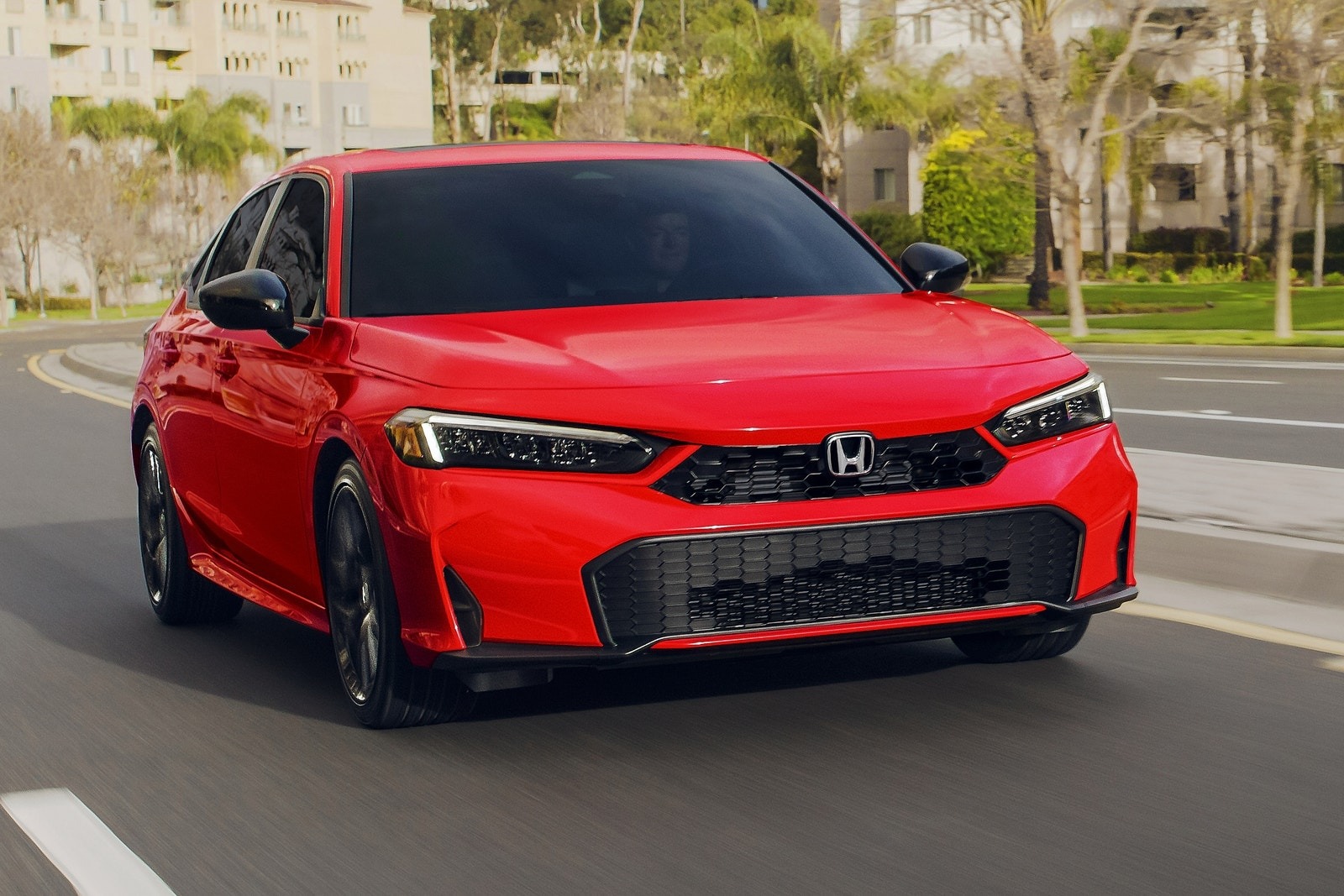
4. Honda Civic Hybrid
The Honda Civic Hybrid combines the familiar practicality of the Civic with a fuel-efficient hybrid powertrain. It is designed for buyers who want a comfortable daily driver that offers responsive performance without relying entirely on a conventional petrol engine.
The hybrid system provides electric assistance during acceleration and can operate efficiently at lower speeds. This approach helps reduce petrol consumption in many driving situations. The exact balance between electric and petrol operation depends on the vehicle’s design and driving conditions.
Fuel efficiency can make a substantial difference to ownership expenses over time. Drivers covering thousands of kilometres annually may experience meaningful savings compared with less efficient petrol-powered alternatives. However, buyers should compare official fuel economy ratings with realistic local driving expectations.
The Civic Hybrid also places emphasis on cabin comfort. Its interior typically offers a well-organised dashboard, supportive seating, modern connectivity, and practical passenger space. These qualities make it suitable for daily commuting and longer journeys.
Honda has an established reputation for engineering efficient petrol and hybrid vehicles. However, long-term reliability still depends on maintenance, driving conditions, and proper servicing. Buyers should examine the service history and ensure that hybrid-system inspections have been completed as recommended.
Warranty coverage can help reduce financial uncertainty. The specific coverage for the hybrid battery and related components varies by country and model year. Understanding these terms is important before purchasing, particularly when comparing the Civic Hybrid with competitors.
Insurance and depreciation contribute to the vehicle’s total cost. Its purchase price, trim level, location, and driver profile can influence insurance premiums. Resale values also vary depending on market demand, mileage, and the condition of the vehicle.
The Civic Hybrid is particularly suitable for buyers who want a combination of everyday practicality, refined driving characteristics, and improved fuel economy. Its ability to balance comfort with efficiency makes it a strong contender in the compact hybrid segment.
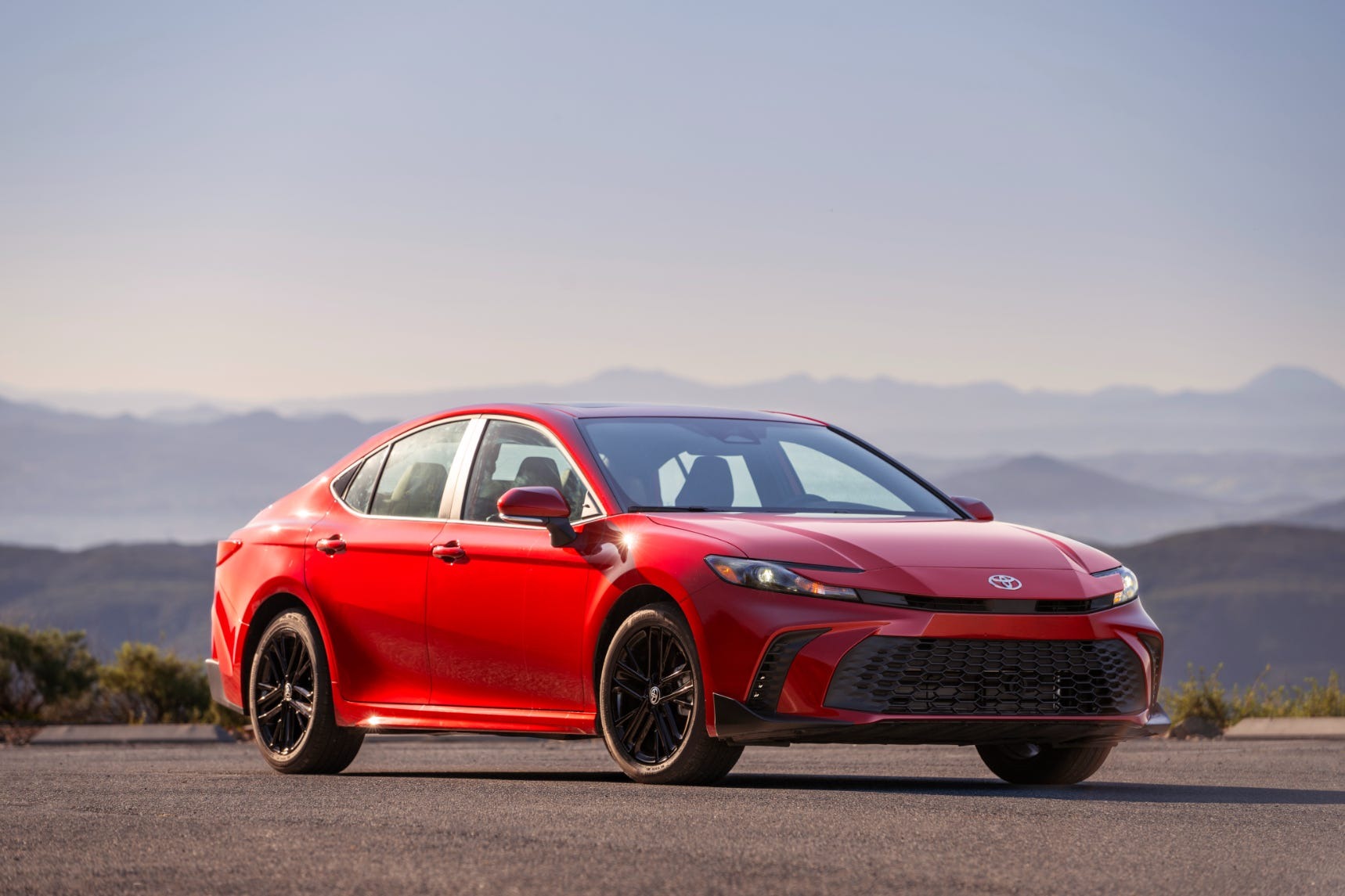
5. Toyota Camry Hybrid
The Toyota Camry Hybrid is a practical choice for drivers who need more passenger space and comfort without accepting the higher fuel expenses associated with many larger petrol sedans. It combines a spacious interior with Toyota’s established hybrid technology.
Its hybrid powertrain is designed to improve fuel efficiency during both urban and highway driving. The electric motor supports the petrol engine when additional power is required, while regenerative braking helps recover energy during deceleration. This contributes to lower fuel consumption compared with many conventional vehicles in the same category.
The Camry Hybrid is especially useful for families and frequent travellers. Its roomy cabin, comfortable seats, and generous luggage capacity make it suitable for longer journeys. These practical qualities can reduce the need to purchase a larger and more expensive vehicle.
Fuel savings are among its most significant financial benefits. A driver who travels frequently may save a considerable amount over several years, depending on petrol prices and annual mileage. The savings are especially relevant when comparing the hybrid with a similarly sized petrol sedan.
Maintenance requirements are generally manageable when the recommended schedule is followed. Regular servicing includes checking engine oil, filters, tyres, brakes, and cooling systems. The hybrid battery and associated electrical components also require attention according to manufacturer guidelines.
Toyota’s hybrid experience can provide confidence for long-term buyers. The company has produced hybrid vehicles for decades, giving it a substantial history with this technology. However, individual vehicle condition remains important, especially when buying a used Camry Hybrid with high mileage.
Depreciation and insurance can influence the total ownership calculation. A higher purchase price may increase the initial investment, while insurance costs depend on the model, location, and driver profile. Buyers should compare several years of expected expenses rather than focusing only on monthly fuel savings.
For families and professionals seeking comfort, space, and economical driving, the Camry Hybrid offers a well-rounded package. Its combination of established hybrid technology and everyday practicality makes it a valuable choice for people planning to keep their vehicle for many years.
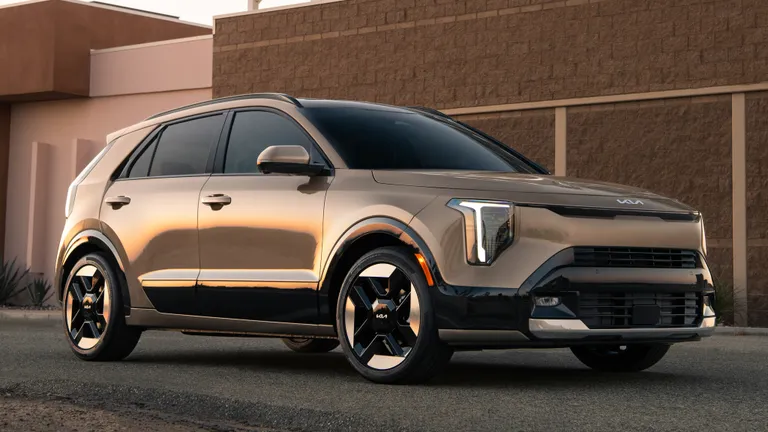
6. Kia Niro Hybrid
The Kia Niro Hybrid is designed for buyers who prefer the higher seating position and flexible interior of a compact crossover. It offers hybrid efficiency in a practical body style that works well for urban driving and family transportation.
Fuel economy is a major advantage of the Niro Hybrid. Its petrol engine and electric motor work together to reduce fuel consumption during everyday journeys. Regenerative braking captures energy during deceleration, helping improve efficiency in stop-and-go traffic.
The crossover design adds useful flexibility. Its cabin provides a practical seating arrangement, while the rear cargo area can accommodate shopping bags, travel luggage, and everyday equipment. This makes it a suitable choice for small families and drivers who need additional storage space.
The Niro Hybrid can also be attractive from a purchase-price perspective. It generally occupies a more accessible position than many larger hybrid SUVs. However, the actual financial advantage depends on local pricing, available trims, taxes, and incentives.
Maintenance costs should be assessed carefully. Routine servicing involves standard petrol-engine maintenance alongside hybrid-system inspections. Following the manufacturer’s service schedule is essential for maintaining reliability and protecting warranty coverage.
Kia’s warranty offerings can improve ownership confidence. Depending on the market, the company provides coverage for the vehicle and specific hybrid components. Buyers should verify the terms applicable to their country, including battery coverage and servicing conditions.
Insurance costs may vary according to vehicle value, repair costs, and local insurance regulations. Depreciation should also be included in any ownership estimate. A vehicle that retains a healthy resale value can reduce the financial impact of buying and eventually replacing it.
The Kia Niro Hybrid is a sensible option for people who want crossover practicality without the fuel consumption of a larger petrol SUV. Its combination of efficient operation, useful interior space, and warranty support makes it worth comparing with compact hybrid sedans.
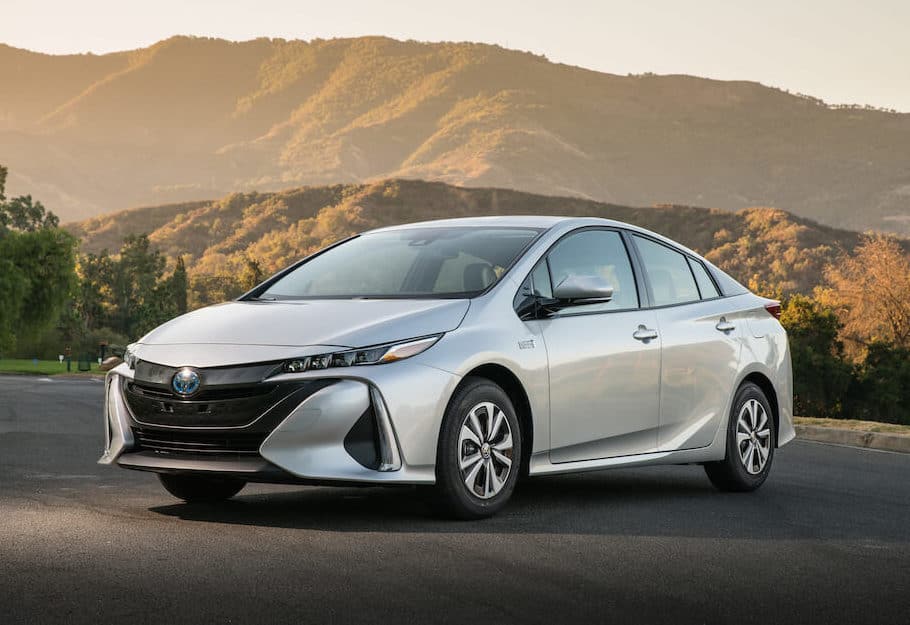
7. Toyota Prius Prime
The Toyota Prius Prime is a plug-in hybrid designed to offer both electric driving and conventional petrol-powered operation. It is particularly appealing to drivers who want the flexibility of a petrol engine while reducing fuel consumption through regular charging.
Unlike a conventional hybrid, the Prius Prime has a larger battery that can be charged using an external electricity supply. This allows it to travel a certain distance using electric power alone, depending on the model year, battery condition, and driving conditions.
Charging at home can help reduce daily transportation expenses. Owners who regularly complete short journeys within the electric driving range may use very little petrol for those trips. Electricity prices and charging efficiency determine how much money can actually be saved.
The vehicle also retains a petrol engine for longer journeys. This removes the need to depend entirely on public charging infrastructure and provides additional flexibility for people who frequently travel outside urban areas.
Purchase price is an important consideration. Plug-in hybrids can cost more than conventional hybrid models because they use larger batteries and additional charging equipment. Buyers should calculate whether their expected electric driving will generate enough savings to justify the initial investment.
Maintenance expenses include the requirements of both petrol and electric systems. Routine servicing remains necessary, even when the vehicle is driven frequently in electric mode. Owners should also follow recommended battery-care practices and use suitable charging equipment.
The Prius Prime offers practical hatchback storage and a modern cabin. Its design is intended to accommodate everyday transportation needs while providing the advantages of plug-in technology. Depending on the trim, buyers may also receive useful connectivity and safety features.
For drivers with convenient home charging and predictable daily travel distances, the Prius Prime can deliver attractive long-term value. Its financial benefits are less compelling for people who rarely charge the battery or regularly travel beyond its electric range.
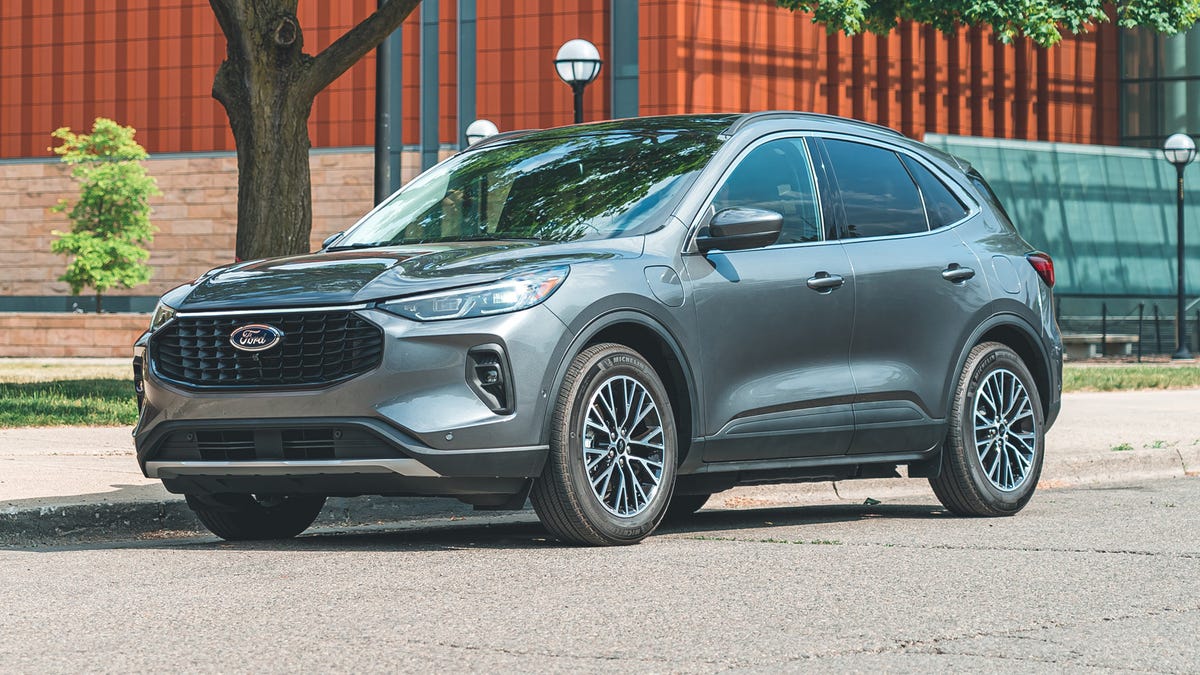
8. Ford Escape Hybrid
The Ford Escape Hybrid provides an alternative for buyers who want the practicality of an SUV with improved fuel efficiency. Its hybrid powertrain combines a petrol engine and electric motor to reduce consumption during different driving situations.
The Escape Hybrid is particularly suitable for urban families who need additional passenger and cargo space. Its elevated seating position provides a familiar SUV driving experience, while its compact dimensions make it easier to manage than many larger sport utility vehicles.
Fuel economy is an important part of its ownership appeal. Hybrid assistance can reduce petrol consumption during city journeys, where frequent braking and acceleration create opportunities for energy recovery. Highway efficiency varies according to speed, terrain, and driving conditions.
The Escape Hybrid offers useful interior flexibility. Depending on the model year and configuration, buyers may benefit from adjustable rear seating, practical storage areas, and modern infotainment equipment. These features support everyday family requirements.
Routine servicing is necessary to maintain the vehicle’s performance. Owners should follow the manufacturer’s maintenance schedule and use qualified technicians for hybrid-system inspections. Service availability and labour charges can differ significantly between regions.
Warranty coverage should be checked before making a purchase. Buyers need to understand the protection provided for the hybrid battery, electric motor, transmission, and other major components. These details are particularly important when comparing used examples.
The total ownership cost also depends on insurance and depreciation. SUVs can have different repair and replacement expenses compared with compact sedans. The vehicle’s resale value will depend on demand, condition, mileage, and local preferences.
The Ford Escape Hybrid is worth considering for households that want additional space without moving to a less efficient conventional SUV. Its practical design and hybrid powertrain can offer a useful balance between everyday convenience and fuel savings.
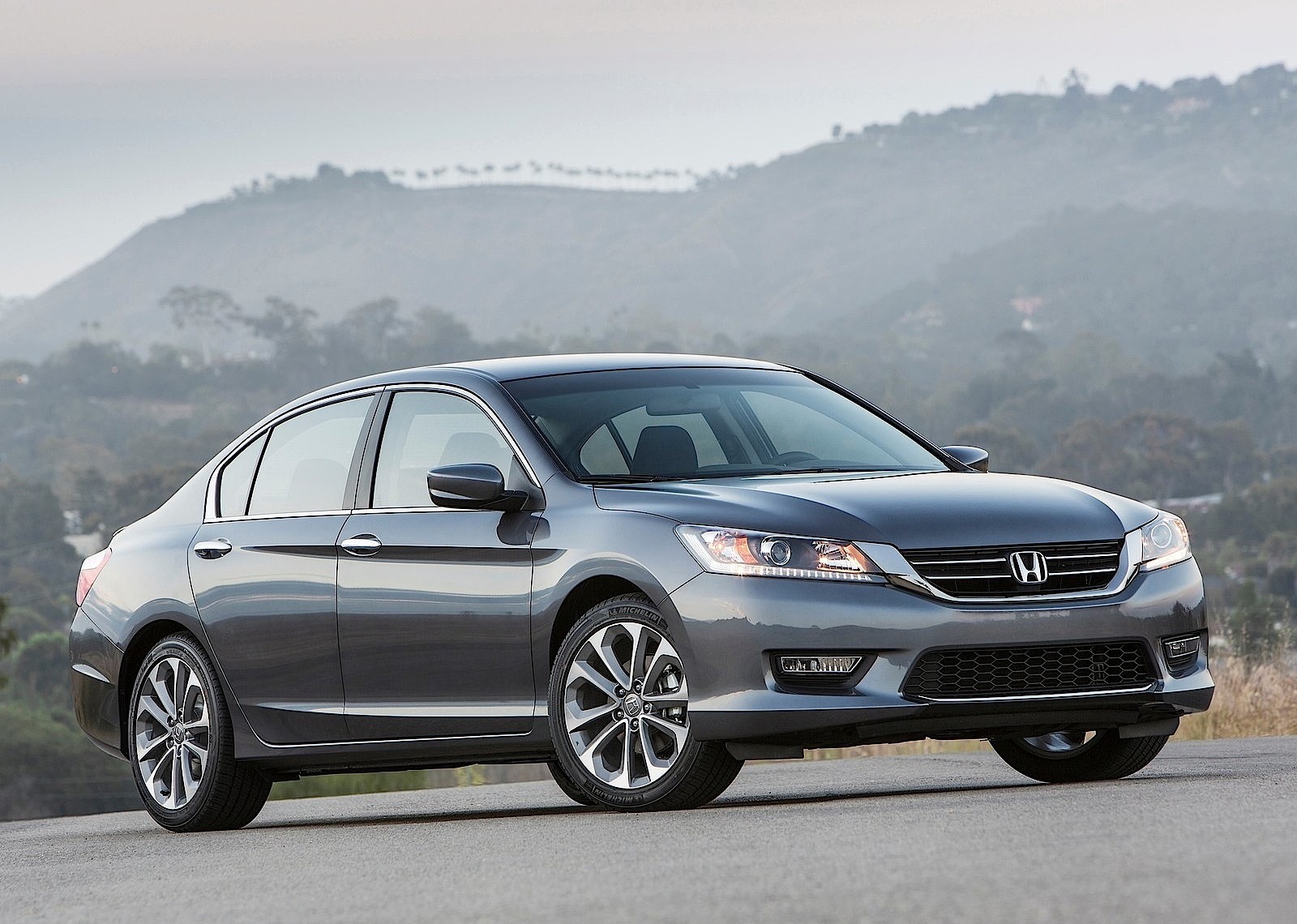
9. Honda Accord Hybrid
The Honda Accord Hybrid is a midsize sedan aimed at drivers who value comfort, space, and efficient performance. It offers a refined driving experience while using hybrid technology to reduce petrol consumption.
Its hybrid powertrain provides electric assistance during acceleration and supports efficient operation in suitable driving conditions. The system is designed to balance performance with fuel economy, making it suitable for both everyday commuting and longer journeys.
The Accord Hybrid offers a spacious cabin that accommodates passengers comfortably. Its rear seating area and luggage capacity make it a practical choice for families and professionals who frequently travel with passengers or carry additional belongings.
Fuel savings can contribute significantly to the ownership cost. Drivers covering higher annual distances may benefit from its efficient operation, particularly when petrol prices are high. Comparing the hybrid version with a similarly equipped petrol model can help establish the potential financial advantage.
Maintenance requirements are comparable to those of other modern hybrid vehicles. Routine oil changes, tyre rotations, brake inspections, and scheduled servicing remain important. Hybrid-system checks should be performed according to Honda’s recommendations.
Honda’s engineering experience and established reputation can provide confidence for long-term buyers. However, reliability depends on proper maintenance and individual vehicle condition. Used-car shoppers should inspect the hybrid battery, service records, accident history, and any previous mechanical repairs.
Insurance premiums and depreciation should be considered before purchasing. The Accord Hybrid may have a higher initial price than smaller hybrid sedans, which can influence insurance costs. Resale value depends on market demand and the vehicle’s condition.
The Accord Hybrid is a strong choice for people who want a spacious and comfortable sedan without accepting the running costs of a larger conventional petrol car. Its combination of interior quality, efficiency, and practicality makes it suitable for long-term ownership.
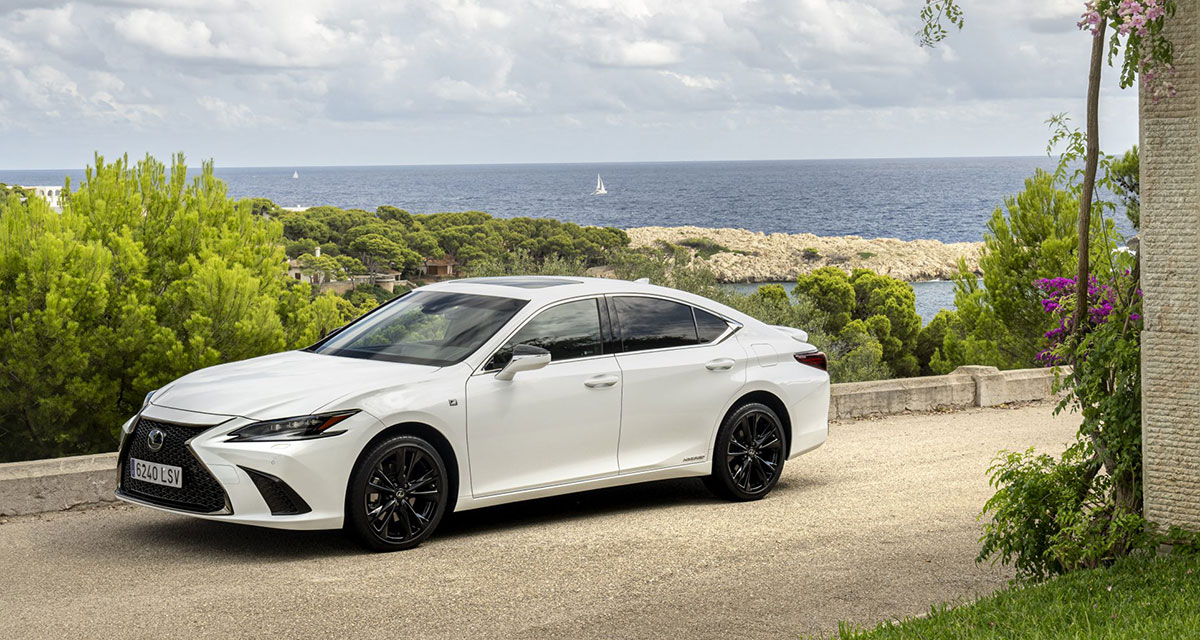
10. Lexus ES 300h
The Lexus ES 300h brings hybrid efficiency into the premium sedan category. It is designed for buyers who want a comfortable cabin, refined driving characteristics, and lower fuel consumption than many conventional luxury vehicles.
Its hybrid powertrain combines a petrol engine with electric assistance to improve efficiency. This arrangement is particularly useful in urban traffic, where regenerative braking and electric assistance can reduce fuel consumption during repeated acceleration and deceleration.
The ES 300h provides a comfortable interior with premium materials and a quiet cabin. Depending on the model year and trim, buyers may receive advanced infotainment equipment, driver assistance features, climate control, and additional comfort amenities.
Fuel economy is an advantage compared with many petrol-powered luxury sedans. Although its purchase price is higher than that of mainstream hybrid cars, reduced fuel consumption can help offset some of the additional expense over years of ownership.
Maintenance costs require careful consideration. Premium vehicles may have higher servicing and replacement-part expenses than mainstream models. Owners should account for authorised service charges, tyre costs, insurance, and the possibility of more expensive repairs.
Lexus has developed a strong reputation for hybrid technology and vehicle refinement. The ES 300h benefits from the company’s wider experience with electrified powertrains. However, buyers should still review maintenance records and obtain a professional inspection before purchasing a used example.
Depreciation is particularly important in the luxury segment. The original purchase price can be substantial, and premium vehicles may lose value more quickly in certain markets. A careful comparison of new and used prices can help buyers identify a financially sensible purchase.
The Lexus ES 300h is best suited to buyers who want premium comfort alongside hybrid efficiency. It may not have the lowest absolute ownership cost on this list, but it can provide a reasonable balance between luxury features, fuel savings, and long-term usability.