

Buying a hybrid vehicle often means paying more upfront, but the extra cost can become worthwhile when fuel savings accumulate over time. For drivers covering long distances, choosing a fuel-efficient hybrid can reduce annual gasoline expenses and make ownership more affordable.
AAA vehicle ownership cost data and EPA fuel economy ratings offer useful ways to compare these expenses. The key is finding models where the price difference between hybrid and gasoline versions is small enough to recover through lower fuel consumption.
This article examines ten hybrid vehicles, their efficiency advantages, estimated savings, and potential three-year payback periods.
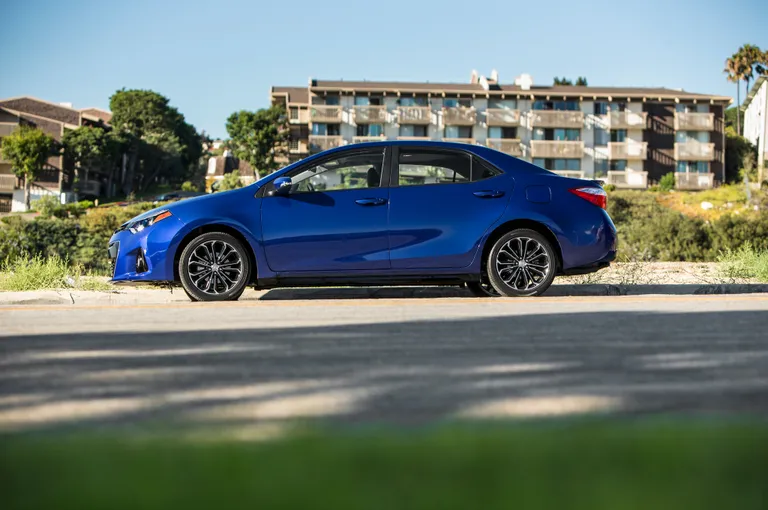
1. Toyota Corolla Hybrid
The Toyota Corolla Hybrid is a practical choice for drivers who want lower fuel expenses without moving into a larger vehicle. Its compact dimensions, efficient hybrid powertrain, and familiar sedan design make it suitable for everyday commuting. It is particularly appealing to people who spend significant time driving through urban areas.
EPA ratings for recent Corolla Hybrid configurations have reached approximately 50 MPG combined, with exact figures varying by model year, drivetrain, and trim.
This efficiency can create substantial savings compared with a conventional compact sedan that averages around 30 to 35 MPG. Buyers should compare the exact gasoline and hybrid versions before calculating the financial difference.
The Corolla Hybrid benefits from a relatively affordable starting price compared with many larger hybrid vehicles. Its lower purchase cost also means that the additional amount paid for hybrid technology may be easier to recover. A smaller premium is particularly important when evaluating a three-year ownership target.
For a driver covering 20,000 miles annually, improving fuel economy from 33 MPG to 50 MPG reduces gasoline consumption considerably. At an assumed fuel price of $3.50 per gallon, the annual fuel difference is approximately $720. Actual savings depend on driving conditions and the fuel economy achieved.
Maintenance expenses should also be considered. Toyota’s hybrid systems use regenerative braking, which can reduce friction brake wear in suitable driving conditions. However, tires, fluids, filters, and other maintenance requirements remain part of normal ownership costs.
The Corolla Hybrid is particularly suitable for commuters, small families, and drivers who prioritize predictable transportation expenses. It does not require special charging equipment because its battery receives energy through the gasoline engine and regenerative braking.
A three-year payback becomes realistic when the price premium is approximately $2,160 or less under the illustrative mileage and fuel-price assumptions above. Buyers should request comparable trim quotations and check actual EPA figures before making a final decision.
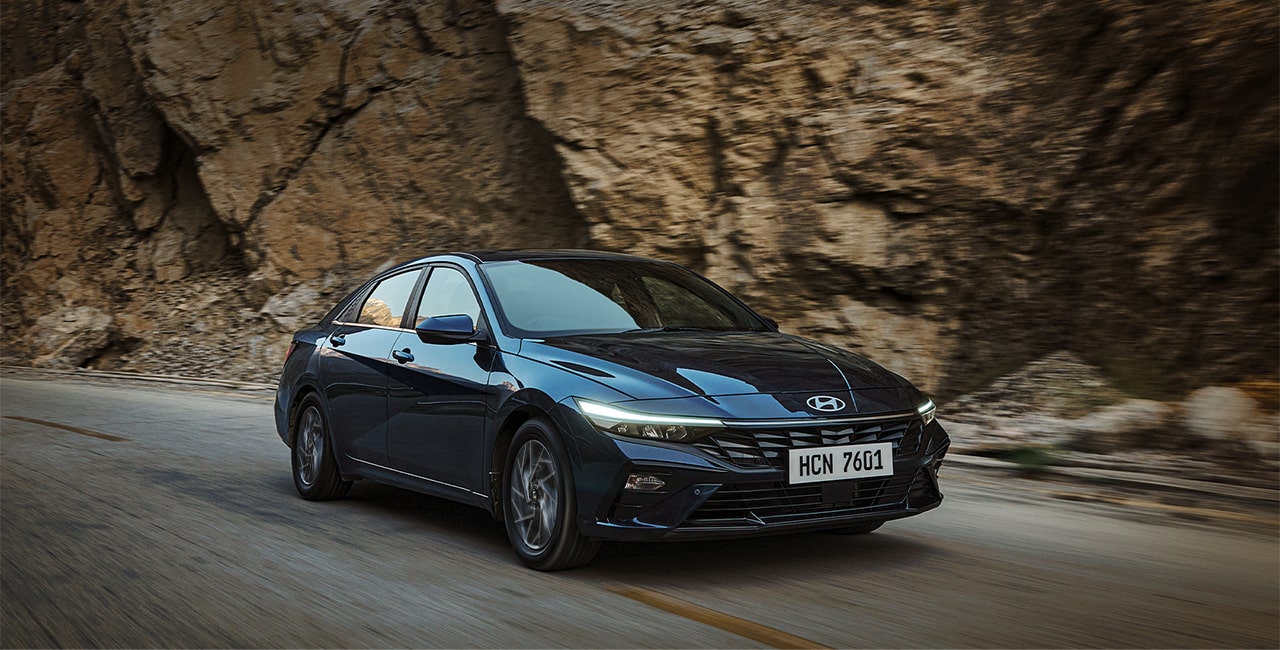
2. Hyundai Elantra Hybrid
The Hyundai Elantra Hybrid offers an attractive combination of fuel efficiency, modern equipment, and comfortable passenger accommodation. Its sedan layout provides useful everyday practicality while keeping the vehicle relatively light compared with larger crossovers.
Recent Elantra Hybrid Blue configurations have achieved EPA combined ratings around 54 MPG. Higher equipment versions can return lower figures, so buyers should avoid assuming that every trim delivers the same efficiency. The distinction between the most efficient and more heavily equipped versions can affect long-term fuel expenses.
Its efficiency makes it particularly appealing to drivers with regular commuting schedules. Stop-and-go traffic provides opportunities for the electric motor to assist the gasoline engine, while regenerative braking helps replenish the battery. These features reduce the amount of fuel required for repeated acceleration.
The Elantra Hybrid can produce meaningful savings compared with a conventional compact sedan. Using an illustrative comparison of 35 MPG against 54 MPG, a driver covering 20,000 miles annually at $3.50 per gallon could save approximately $703 each year.
The purchase-price difference remains important. A hybrid that costs $2,100 more would need to generate approximately $700 in annual fuel savings to reach a three-year payback. This makes the most efficient configuration particularly interesting for high-mileage drivers.
Hyundai’s warranty coverage can also influence the ownership decision. Buyers should review the applicable hybrid battery, powertrain, and general vehicle warranties for their location and model year. Warranty terms may differ according to market and ownership conditions.
For buyers who want a comfortable commuter sedan with strong fuel economy, the Elantra Hybrid deserves serious consideration. Its financial appeal is strongest when the hybrid premium is modest and annual mileage remains consistently high.
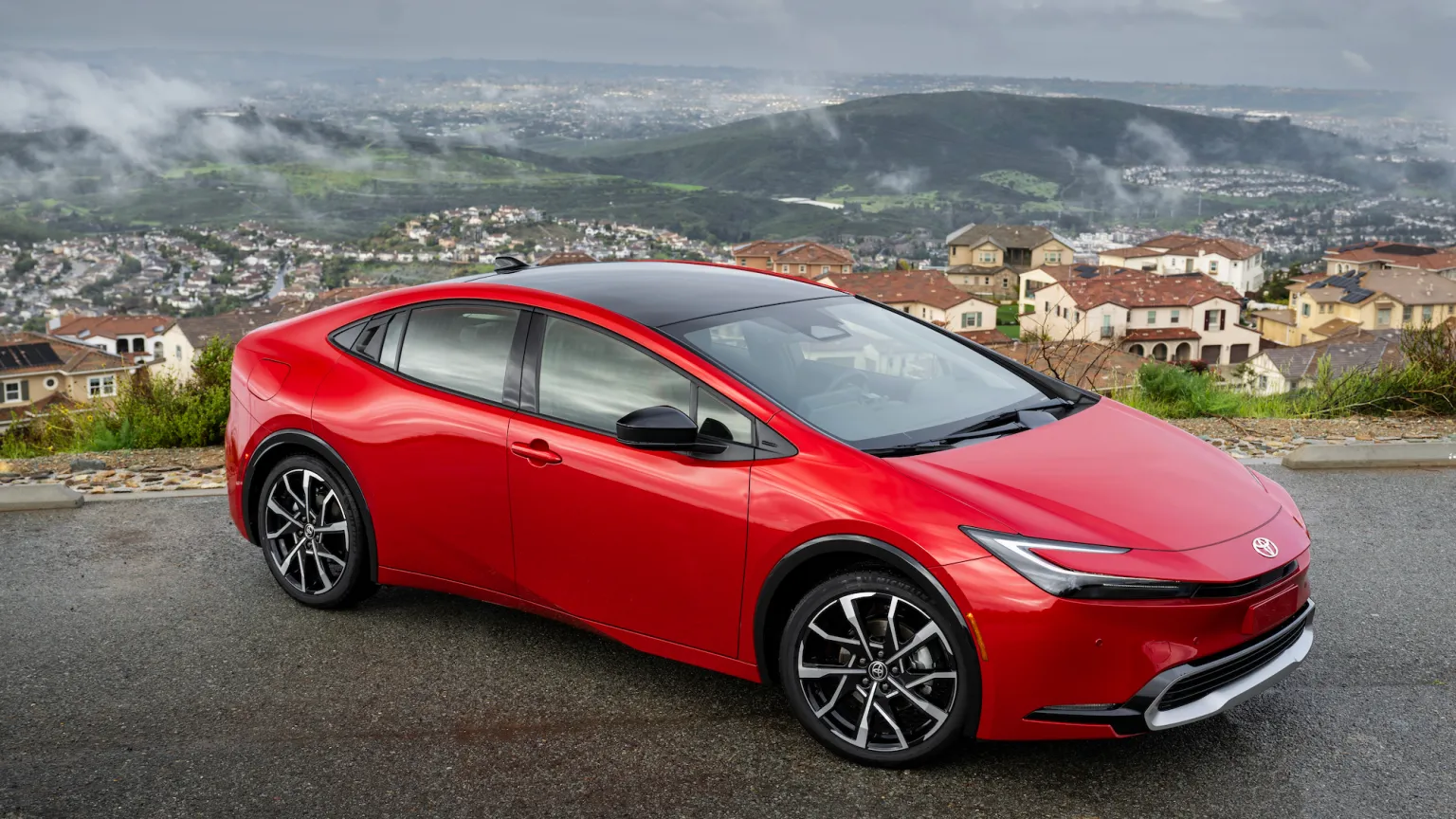
3. Toyota Prius
The Toyota Prius has a long history of demonstrating the advantages of hybrid technology. Its aerodynamic body, efficient powertrain, and practical hatchback design make it suitable for drivers who place fuel economy high on their purchasing priority list.
Recent Prius models have achieved EPA combined fuel economy ratings of approximately 49 to 57 MPG, depending on configuration. Front-wheel-drive versions with efficiency-focused equipment can achieve higher ratings than certain all-wheel-drive or performance-oriented configurations.
The Prius is particularly useful for people who combine city commuting with longer highway journeys. Its hybrid system automatically manages the gasoline engine and electric motor, requiring no external charging connection. Drivers can simply refuel at conventional gasoline stations.
Fuel savings can become substantial for high-mileage owners. Comparing a 32 MPG gasoline vehicle with a 57 MPG Prius, a driver covering 20,000 miles annually at $3.50 per gallon could save approximately $959 each year.
That amount creates room for a relatively substantial purchase premium. A $2,800 difference, for example, would take approximately 2.9 years to recover under those assumptions. A smaller mileage figure or a lower fuel price would extend the payback period.
The Prius also provides a practical cargo area through its hatchback configuration. This gives owners additional flexibility when carrying groceries, luggage, and everyday equipment. Buyers who need passenger space should still compare rear-seat dimensions with conventional sedans.
Its strongest financial advantage comes from combining excellent fuel economy with frequent use. People who drive short distances occasionally may not recover the additional purchase cost as quickly.
For drivers who regularly cover 15,000 to 20,000 miles annually, the Prius can offer a compelling ownership proposition. It deserves attention from buyers who want fuel savings without dealing with the charging requirements of a plug-in vehicle.
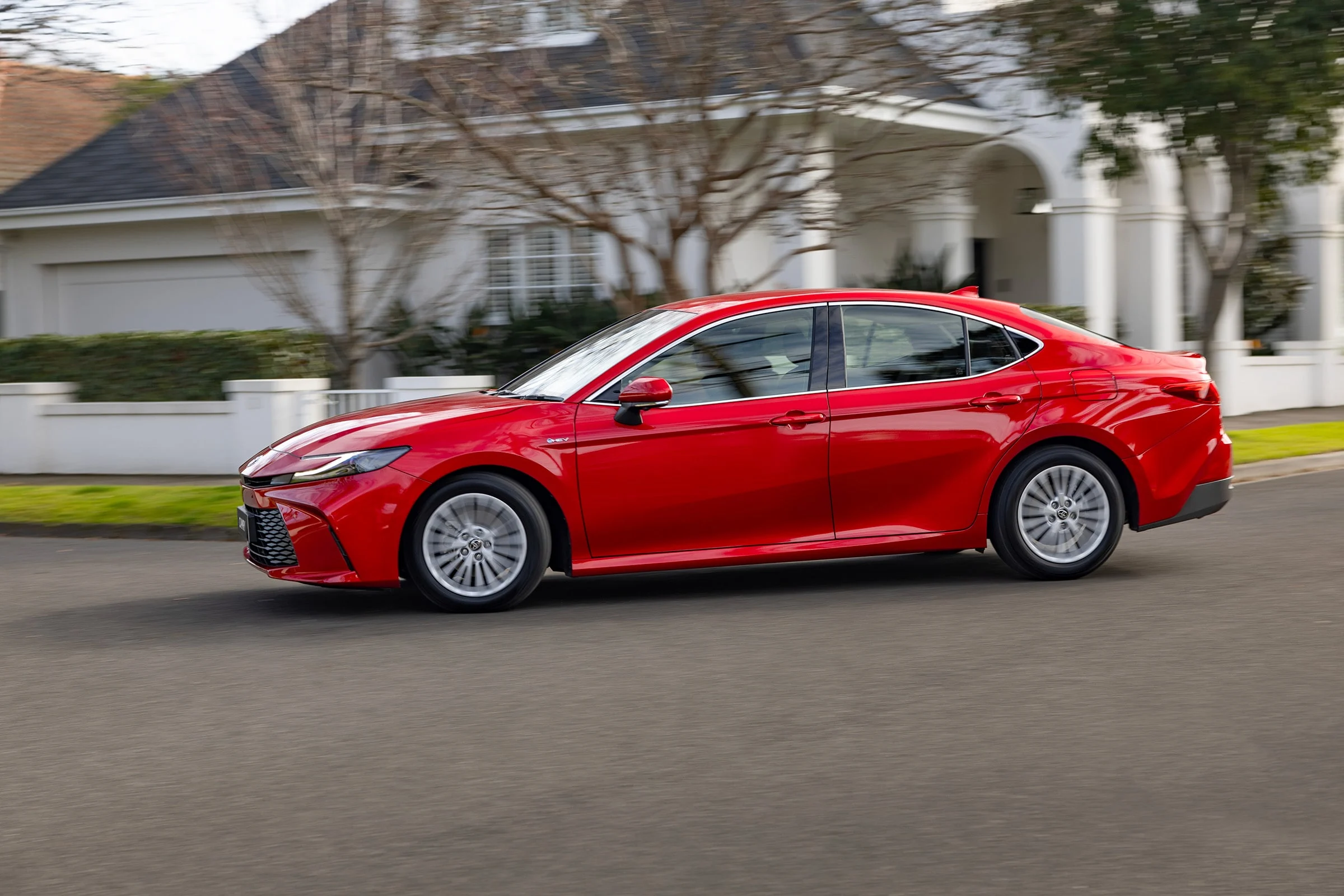
4. Toyota Camry Hybrid
The Toyota Camry Hybrid is designed for buyers who want a larger sedan with impressive fuel efficiency. It offers a more spacious cabin than compact alternatives, making it suitable for families and people who regularly travel with passengers.
Recent Camry Hybrid configurations have achieved EPA combined ratings ranging from approximately 46 to 51 MPG, depending on drivetrain and trim. Its efficiency is particularly noteworthy because midsize sedans generally require more energy than smaller vehicles.
The Camry’s hybrid powertrain uses an electric motor to assist the gasoline engine during acceleration. Regenerative braking captures energy during deceleration, helping reduce gasoline consumption in urban conditions. The system operates automatically and does not require the driver to manage charging schedules.
For a driver covering 20,000 miles annually, a 50 MPG hybrid compared with a 32 MPG gasoline reference vehicle can save approximately 394 gallons of fuel each year. At $3.50 per gallon, that represents roughly $1,379 in annual fuel savings.
However, recent Camry model years have changed the comparison considerably. The 2025 redesign made the Camry hybrid-only in the United States, removing the traditional gasoline-only equivalent from that model lineup. Buyers comparing newer Camrys must therefore consider other vehicles or older model years as their reference point.
The larger cabin and comfortable ride can make the Camry attractive to households that spend substantial time on highways. Its fuel economy helps reduce operating expenses without requiring a move into a smaller vehicle.
A three-year payback calculation is most meaningful when comparing a specific Camry Hybrid against a similarly equipped gasoline alternative. Since a directly equivalent new gasoline Camry is not available in the current-generation US lineup, buyers should not treat an estimated premium as an established figure.
The Camry Hybrid remains a strong choice for people who want midsize comfort and efficient daily transportation. Its purchase decision should account for fuel economy, vehicle size, equipment, and long-term ownership costs.
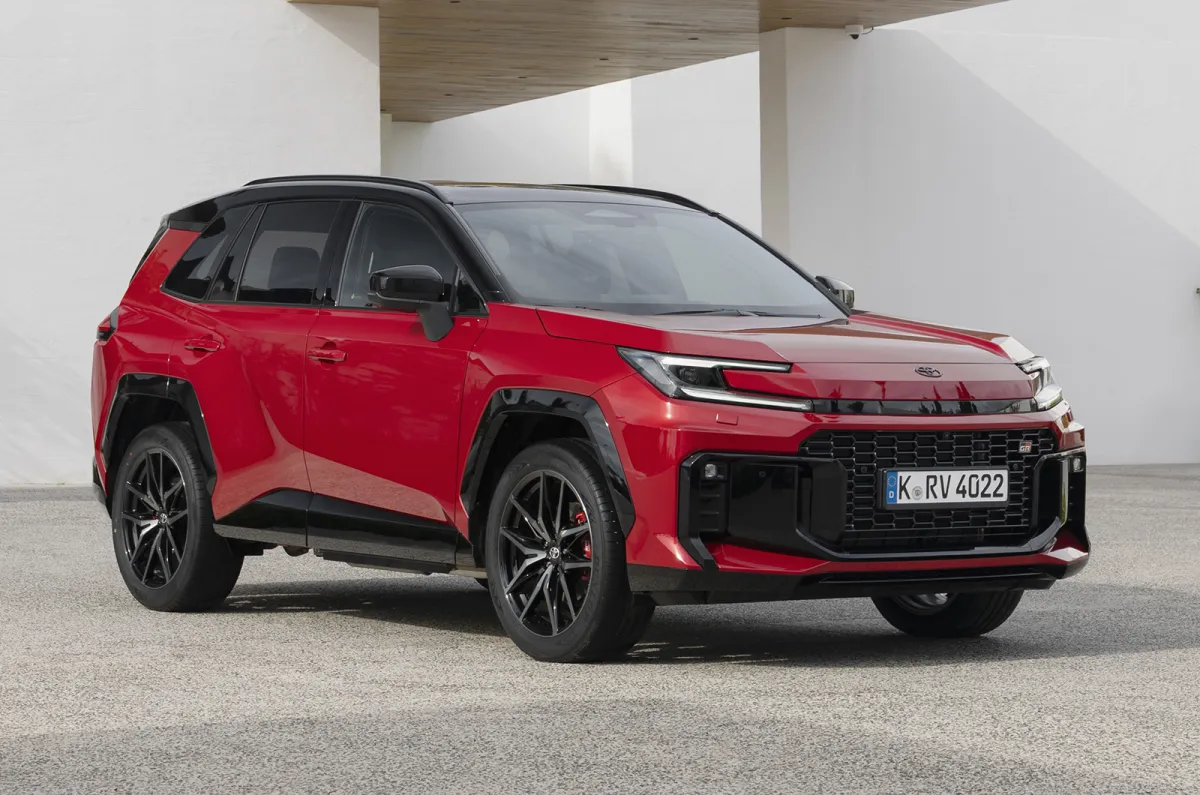
5. Toyota RAV4 Hybrid
The Toyota RAV4 Hybrid appeals to buyers who want SUV practicality without accepting the fuel consumption associated with many conventional gasoline-powered crossovers. It offers useful cargo capacity, a raised driving position, and available all-wheel drive.
Recent RAV4 Hybrid models have achieved EPA combined fuel economy ratings of approximately 39 to 40 MPG, depending on configuration and model year. This figure is competitive for a compact SUV with available all-wheel drive.
Its hybrid system combines a gasoline engine with electric motors to improve efficiency. The electric motors can provide additional assistance during acceleration, while regenerative braking helps recover energy during deceleration. These features are particularly useful in urban traffic.
Consider a gasoline SUV averaging 28 MPG and a hybrid version averaging 40 MPG. At 20,000 miles annually and $3.50 per gallon, the estimated annual fuel savings reach approximately $750.
A purchase premium of $2,250 would therefore be recovered in roughly three years under these assumptions. However, actual savings depend on the specific trims, tire sizes, drivetrain, and fuel economy achieved by the owner.
The RAV4 Hybrid also offers practical advantages beyond fuel consumption. Families can use its cargo space for luggage, shopping, sports equipment, and daily transportation needs. Available all-wheel drive can provide additional traction in suitable conditions.
Maintenance expenses should be evaluated carefully. Hybrid regenerative braking can help reduce brake wear, but SUV tires may cost more to replace than those fitted to smaller sedans. Insurance and depreciation also influence the total ownership cost.
For drivers who need an SUV and cover substantial annual mileage, the RAV4 Hybrid is a strong candidate. Its financial value improves when the hybrid version costs relatively little more than a comparable gasoline SUV.

6. Honda CR-V Hybrid
The Honda CR-V Hybrid combines family-friendly practicality with an efficient hybrid powertrain. Its spacious cabin, comfortable seating, and versatile cargo area make it suitable for households that need a multipurpose vehicle.
Recent CR-V Hybrid configurations have returned EPA combined fuel economy ratings in the region of 37 to 40 MPG. The exact result depends on drivetrain and trim. Buyers should compare the official figures for the selected version rather than relying on a single rating.
Honda’s hybrid system uses electric motors and a gasoline engine to manage power delivery efficiently. Under many driving conditions, the electric motor provides much of the propulsion, while the gasoline engine supplies energy or drives the vehicle when appropriate.
A comparison between a 29 MPG gasoline SUV and a 40 MPG hybrid illustrates the potential financial advantage. For 20,000 miles annually and gasoline costing $3.50 per gallon, the estimated annual fuel savings are approximately $664.
This figure suggests that a $1,992 hybrid premium could be recovered within three years. A higher premium would require more annual mileage, more expensive gasoline, or a greater efficiency difference to reach the same target.
The CR-V Hybrid is particularly useful for families who combine school journeys, commuting, shopping, and weekend travel. Its practical interior makes it easier to justify compared with smaller hybrid cars when passenger comfort and storage capacity are important.
Ownership expenses deserve attention beyond the fuel bill. Tire replacement, insurance, financing charges, and depreciation can change the financial outcome. A lower advertised purchase price does not automatically translate into a lower three-year ownership cost.
For households planning to keep their vehicle for several years, the CR-V Hybrid offers a combination of convenience and efficiency. Buyers should focus on comparing similarly equipped gasoline and hybrid versions to determine whether the premium is reasonable.
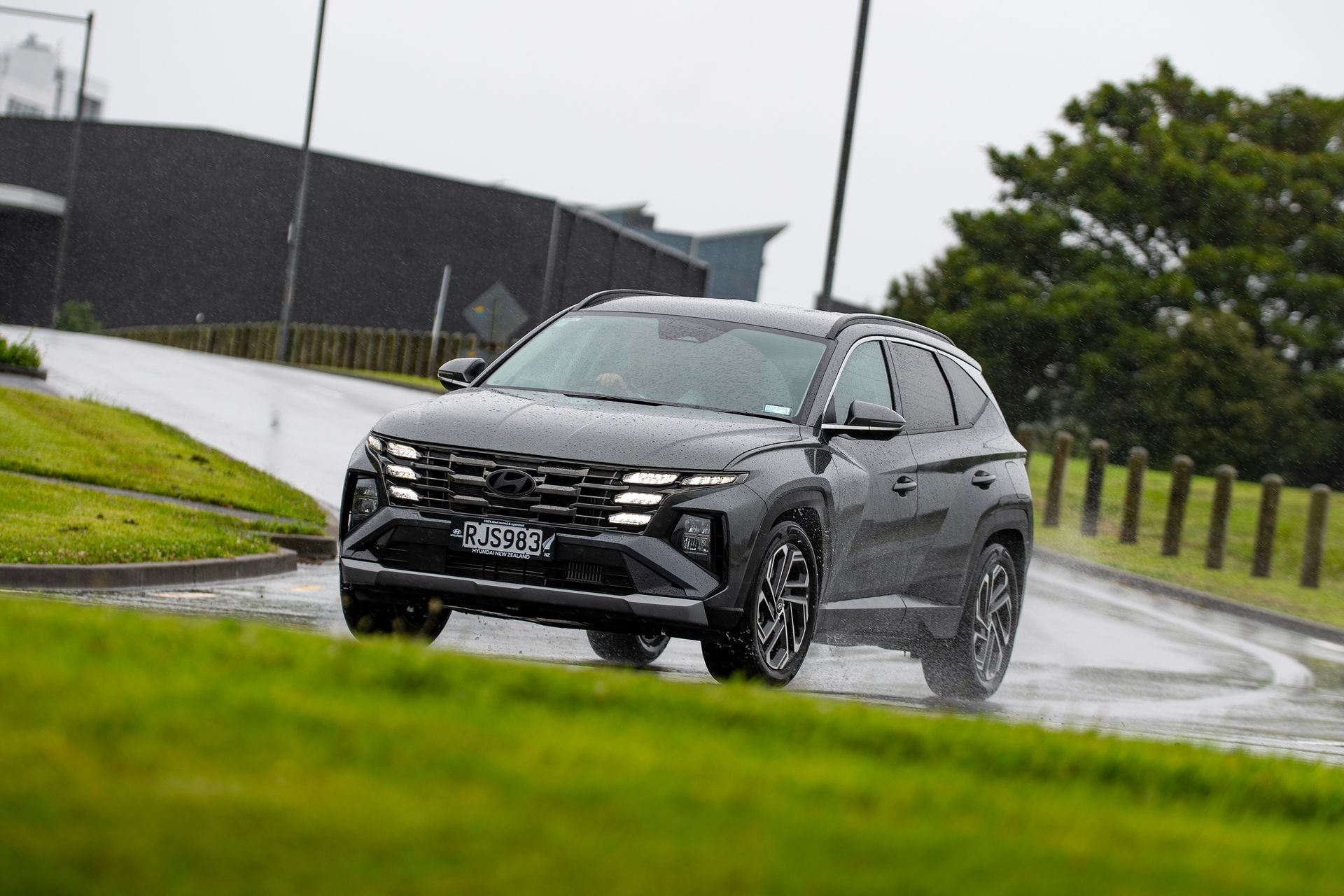
7. Hyundai Tucson Hybrid
The Hyundai Tucson Hybrid provides another option for people who want the benefits of a compact SUV with improved fuel economy. Its cabin design, technology features, and passenger space make it suitable for everyday family transportation.
Recent Tucson Hybrid models have achieved EPA combined ratings around 35 to 38 MPG, depending on model year and configuration. These figures can provide a useful improvement over conventional gasoline SUVs that return considerably lower mileage.
The vehicle combines a turbocharged gasoline engine with an electric motor. This arrangement provides additional torque and helps the engine operate efficiently during different driving conditions. The battery receives energy through regenerative braking and the hybrid system itself.
A gasoline SUV returning 28 MPG compared with a hybrid averaging 38 MPG creates a noticeable difference in fuel consumption. At 20,000 miles annually and $3.50 per gallon, the estimated savings are approximately $657 per year.
This means that a premium of roughly $1,970 could be recovered within three years under the stated assumptions. If the price difference is higher, the buyer may need to keep the vehicle longer to achieve a positive financial return.
The Tucson Hybrid also appeals to drivers who value interior technology and passenger comfort. Its modern cabin provides useful storage areas, connectivity features, and practical seating arrangements.
Buyers should compare the hybrid and gasoline versions by equipment level. A hybrid trim with additional standard features may cost more for reasons unrelated to its powertrain. Separating those differences helps produce a fairer payback calculation.
For drivers who need a family SUV and regularly cover long distances, the Tucson Hybrid deserves consideration. Its purchase value depends on the actual transaction price and the efficiency difference achieved in daily use.
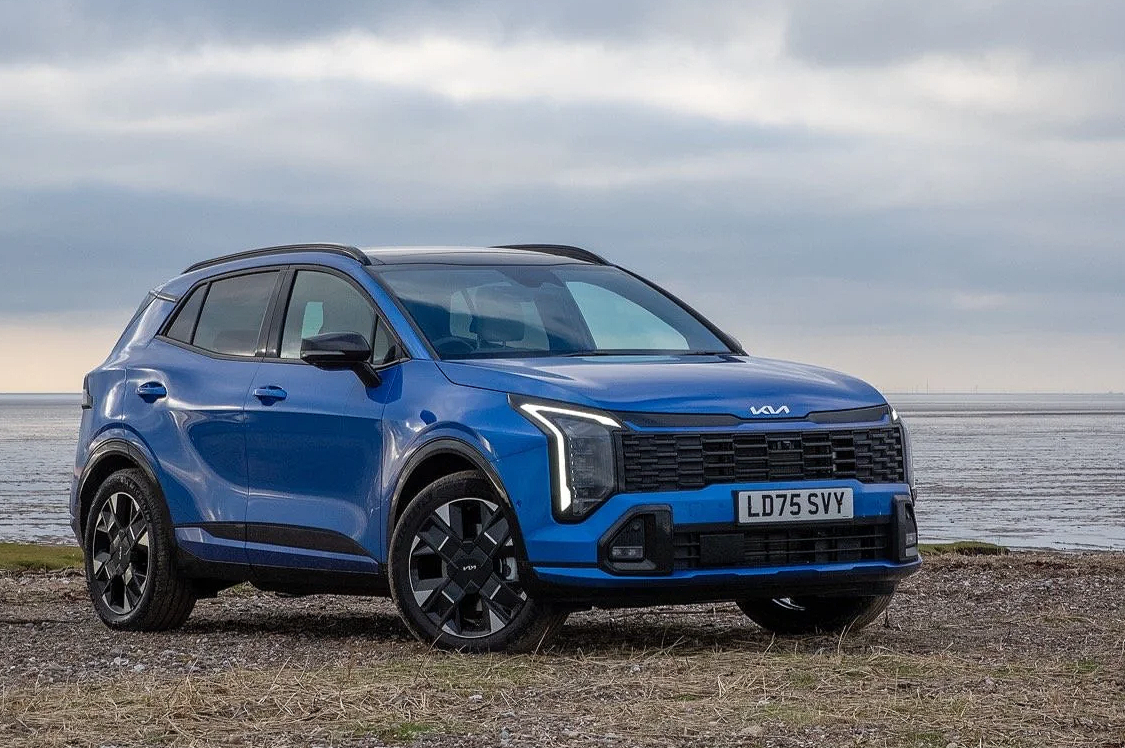
8. Kia Sportage Hybrid
The Kia Sportage Hybrid offers a practical balance between passenger comfort, technology, and fuel efficiency. Its larger cabin and flexible cargo arrangement make it suitable for families that need more space than a conventional compact sedan can provide.
Recent Sportage Hybrid versions have recorded EPA combined fuel economy ratings around 35 to 43 MPG, depending on drivetrain, trim, and model year. Front-wheel-drive configurations generally deliver better fuel economy than some all-wheel-drive versions.
Its hybrid powertrain combines a gasoline engine with an electric motor to reduce fuel consumption. Electric assistance can help during acceleration, while regenerative braking captures energy that would otherwise be lost during deceleration.
The potential savings become clearer when compared with a conventional SUV. If the gasoline version averages 28 MPG and the hybrid averages 42 MPG, a driver covering 20,000 miles annually at $3.50 per gallon could save approximately $833 each year.
A $2,500 hybrid premium would take approximately three years to recover under this comparison. The actual result depends on the specific gasoline model used as the reference and the purchase price offered by the dealership.
The Sportage Hybrid can be attractive to households that want a spacious vehicle with lower fuel consumption. Its equipment and interior layout may also influence the purchase decision, especially for buyers who value convenience and passenger comfort.
Warranty coverage is another consideration. Kia provides warranty programs that vary by market, model year, and ownership circumstances. Buyers should review the written warranty terms for the hybrid battery and related components before purchasing.
For high-mileage SUV buyers, the Sportage Hybrid can offer an appealing combination of practicality and fuel savings. Its three-year financial case is strongest when the price premium is controlled and the vehicle is used regularly.
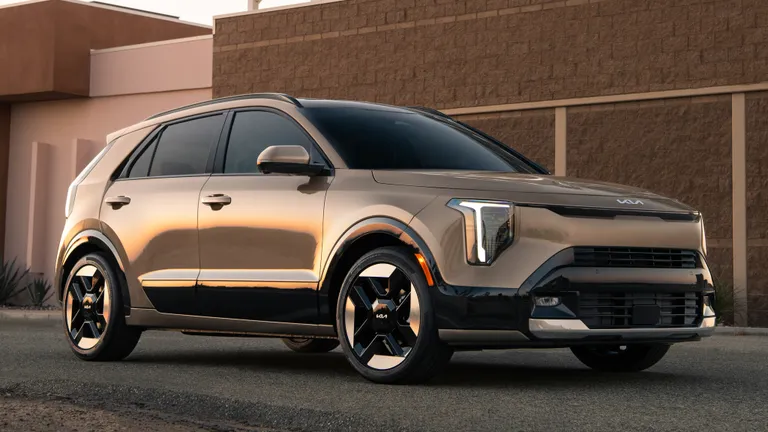
9. Kia Niro Hybrid
The Kia Niro Hybrid is a fuel-efficient crossover designed for drivers who want more flexibility than a traditional sedan. Its compact footprint makes city driving and parking easier, while its cabin provides practical space for passengers and everyday luggage.
Recent Niro Hybrid configurations have achieved EPA combined fuel economy ratings of approximately 49 to 53 MPG, depending on trim and model year. This makes it particularly competitive among conventional hybrid crossovers.
Its gasoline-electric powertrain manages energy automatically. During low-speed operation and acceleration, electric assistance can reduce the amount of work required from the gasoline engine. Regenerative braking also helps recover energy during normal driving.
A comparison between a 33 MPG gasoline vehicle and a 53 MPG Niro Hybrid shows how efficiency affects annual expenses. At 20,000 miles annually and $3.50 per gallon, estimated savings reach approximately $802.
Under these assumptions, a $2,400 purchase premium could be recovered in three years. A smaller premium would shorten the payback period, while lower annual mileage would extend it.
The Niro’s compact dimensions make it especially useful for urban commuters. Its efficient powertrain is suited to traffic conditions where repeated braking and acceleration can increase gasoline consumption in conventional vehicles.
Running costs should still be considered carefully. Insurance premiums, tires, depreciation, and financing costs can influence the actual ownership advantage. Buyers should compare the Niro with similarly sized alternatives rather than assuming every SUV comparison is appropriate.
For people seeking a compact crossover with strong fuel economy, the Niro Hybrid is worth considering. It is particularly attractive to drivers who want everyday utility while keeping gasoline expenses relatively low.
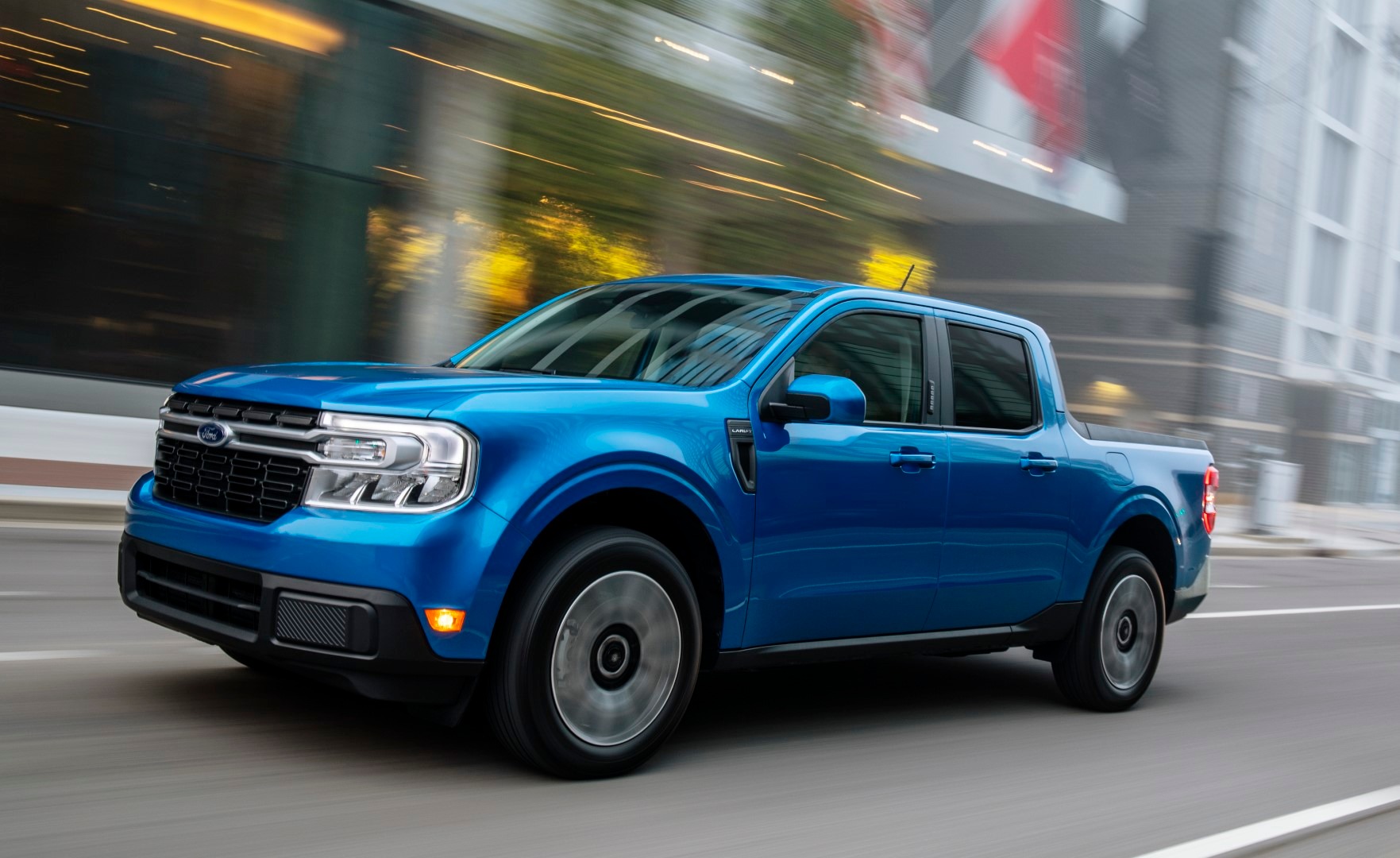
10. Ford Maverick Hybrid
The Ford Maverick Hybrid stands out because it brings hybrid technology to a practical pickup. It is designed for buyers who need an open cargo bed but do not want the fuel consumption commonly associated with larger trucks.
Recent Maverick Hybrid front-wheel-drive configurations have achieved EPA combined ratings around 37 to 38 MPG, depending on model year. This is a result for a pickup with a useful cargo bed and everyday transportation capability.
Its hybrid system combines a gasoline engine and electric motor to improve fuel economy. The arrangement works particularly well in city conditions, where regenerative braking and electric assistance can reduce gasoline consumption.
A conventional compact pickup returning 25 MPG compared with a hybrid averaging 38 MPG creates a meaningful efficiency difference. At 20,000 miles annually and $3.50 per gallon, estimated annual fuel savings are approximately $958.
A $2,875 purchase premium could therefore be recovered in three years under this illustrative comparison. Buyers should verify the actual pricing and EPA ratings for their chosen model year and equipment package.
The Maverick Hybrid offers advantages for people who occasionally transport building materials, gardening supplies, bicycles, and recreational equipment. Its smaller size can also make everyday parking and urban maneuvering easier than with a full-size truck.
Its limitations should be considered before purchasing. Towing capacity, payload, drivetrain availability, and equipment can differ from those of larger pickup trucks. Drivers who regularly tow heavy loads may need to evaluate a different powertrain.
For buyers who need a pickup mainly for everyday transportation and light-duty tasks, the Maverick Hybrid offers an interesting efficiency advantage. High annual mileage and a modest purchase premium improve its potential financial return.
