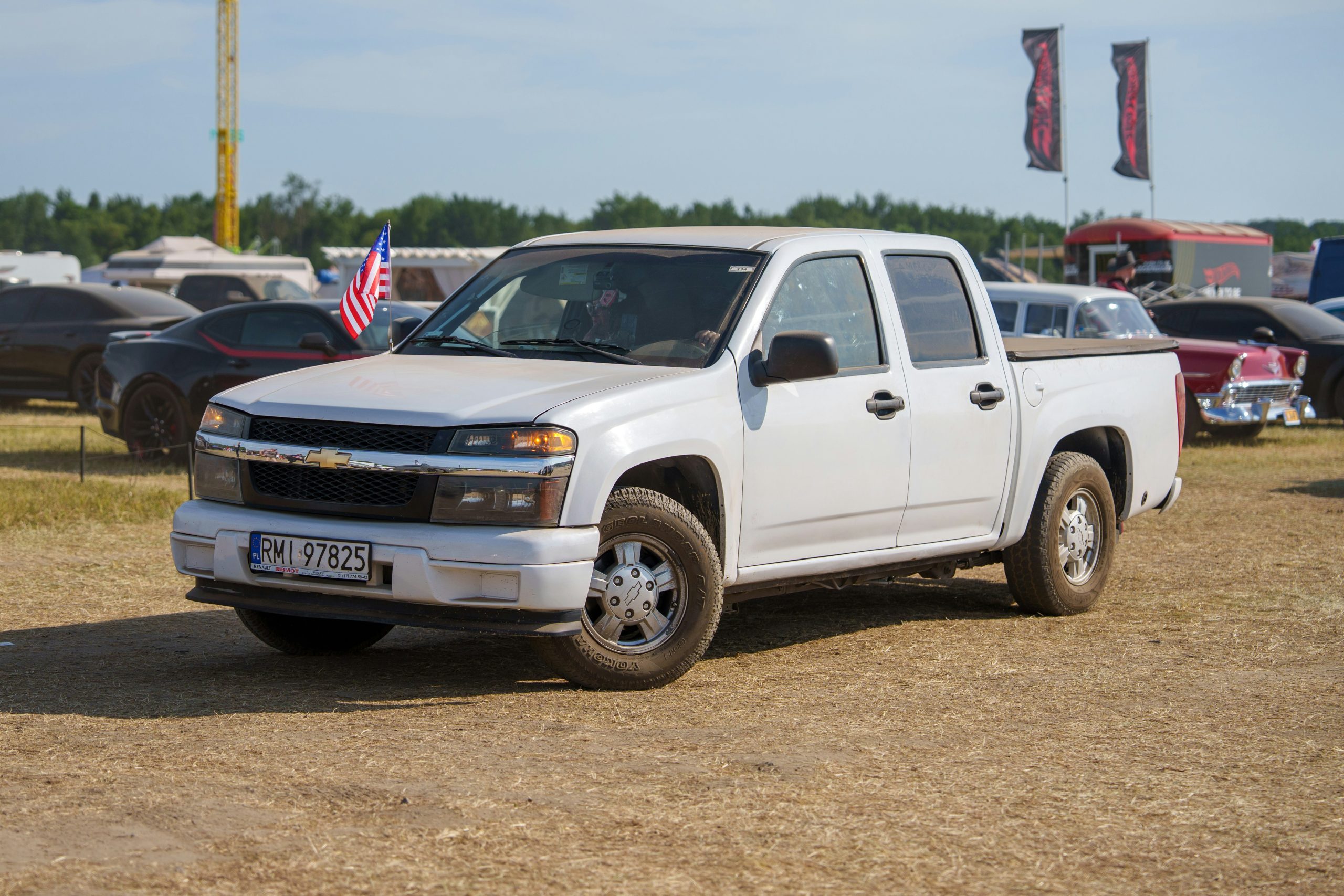
Pickup trucks remain a popular choice among American drivers because they combine everyday transportation with hauling, towing, and work capabilities. However, their purchase prices represent only part of the ownership expense.
Fuel, insurance, depreciation, maintenance, repairs, registration, and taxes all contribute to the total cost per mile. Understanding these expenses can help buyers choose a truck that fits their budget and driving needs.
This guide ranks ten popular American-market pickup trucks by estimated ownership cost, using AAA’s vehicle cost methodology as a reference rather than presenting an unofficial ranking as certified AAA data.
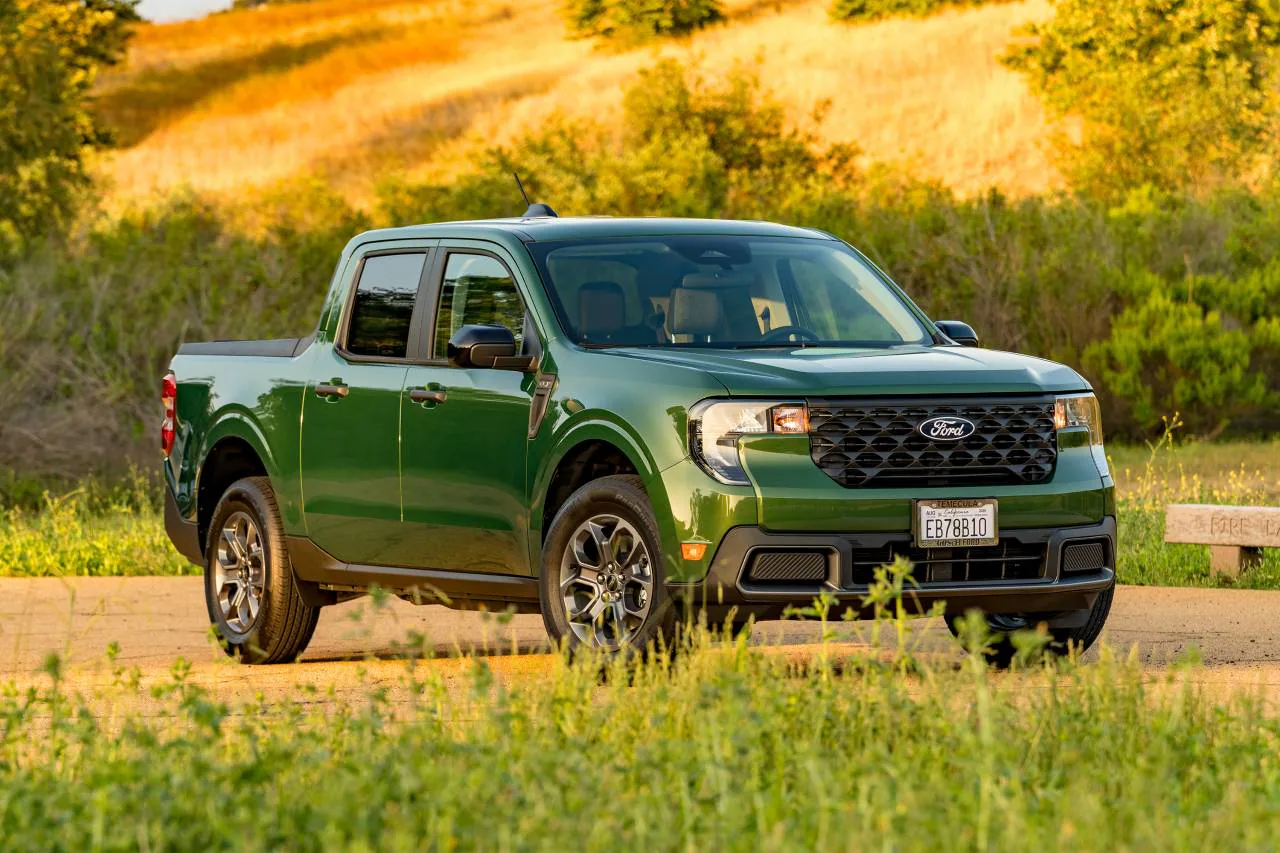
1. Ford Maverick Hybrid
The Ford Maverick Hybrid takes the first position because its compact dimensions and fuel-efficient hybrid powertrain help control everyday ownership expenses.
It is designed for drivers who need pickup functionality without the fuel consumption associated with larger trucks. Its smaller footprint also makes it easier to operate in urban areas.
The hybrid powertrain combines a gasoline engine with electric assistance. This arrangement reduces fuel consumption during many driving situations, particularly in stop-and-go traffic. For commuters who regularly travel through congested American cities, the fuel savings can contribute meaningfully to a lower cost per mile.
Purchase price is another advantage. The Maverick generally costs less than full-size pickups, reducing the initial financial commitment. A lower purchase price can also limit the amount of depreciation exposure, depending on the vehicle’s resale value and market demand.
Maintenance expenses should still be considered. Hybrid components require appropriate servicing, and replacement parts can sometimes cost more than conventional components. However, the vehicle’s efficient operation can help offset some routine ownership expenses.
The Maverick’s compact bed is suitable for household projects, gardening equipment, recreational supplies, and smaller loads. It does not offer the same towing or payload capacity as larger pickups, so buyers must assess their actual requirements.
Insurance costs depend on the driver and location, but the Maverick’s relatively accessible price can make it attractive to budget-conscious buyers. Repair costs, coverage options, and local insurance rates should be included in individual calculations.
For drivers prioritizing fuel efficiency, manageable purchase costs, and practical everyday transportation, the Ford Maverick Hybrid is a strong starting point. Its combination of efficiency and pickup utility makes it a leading candidate for low total cost per mile.
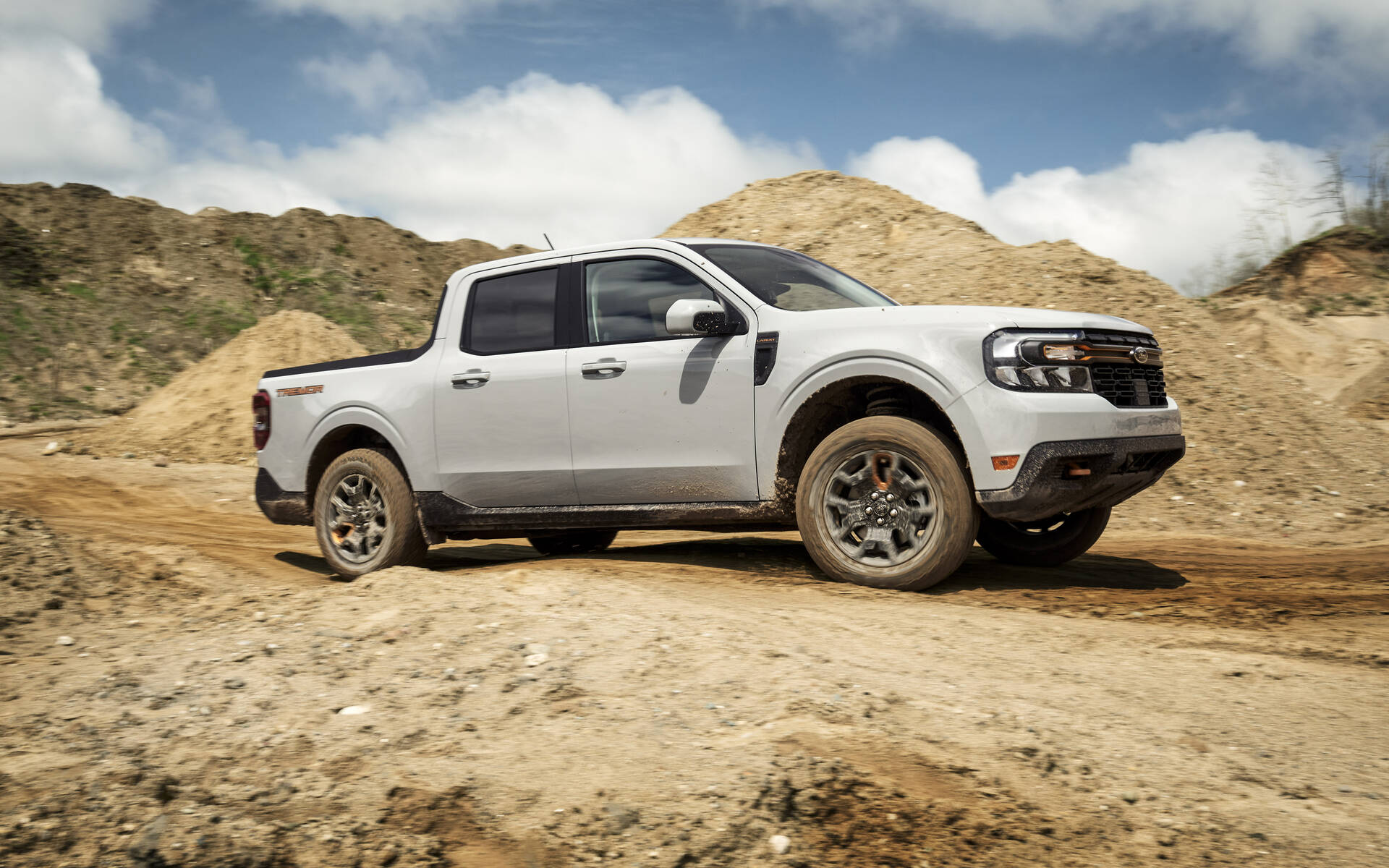
2. Ford Maverick EcoBoost
The gasoline-powered Ford Maverick EcoBoost ranks second because it offers a comparatively affordable entry into pickup ownership. Its turbocharged engine provides useful performance while maintaining a smaller vehicle footprint than traditional midsize and full-size trucks.
Compared with the hybrid version, the EcoBoost model generally consumes more fuel. However, its conventional powertrain may appeal to buyers who prefer a familiar gasoline setup or need the additional performance characteristics associated with the available engine configuration.
The purchase price can be attractive when compared with larger pickups. Buyers who select a practical trim without expensive optional equipment can keep the initial investment under control.
Fuel costs depend on the selected drivetrain, engine configuration, driving conditions, and fuel prices. Highway travel, city traffic, towing, and frequent acceleration can all influence actual consumption.
Routine maintenance is relatively straightforward compared with more complex powertrain configurations. Owners still need to budget for oil changes, filters, tires, brakes, and scheduled inspections.
Depreciation depends on vehicle condition, mileage, equipment, and used-market demand. Keeping the truck well maintained and avoiding excessive mileage can help preserve its resale appeal.
The Maverick EcoBoost suits buyers who need a practical compact pickup but do not require the fuel savings of a hybrid. Its manageable size and purchase price make it a competitive option for controlling ownership expenses.
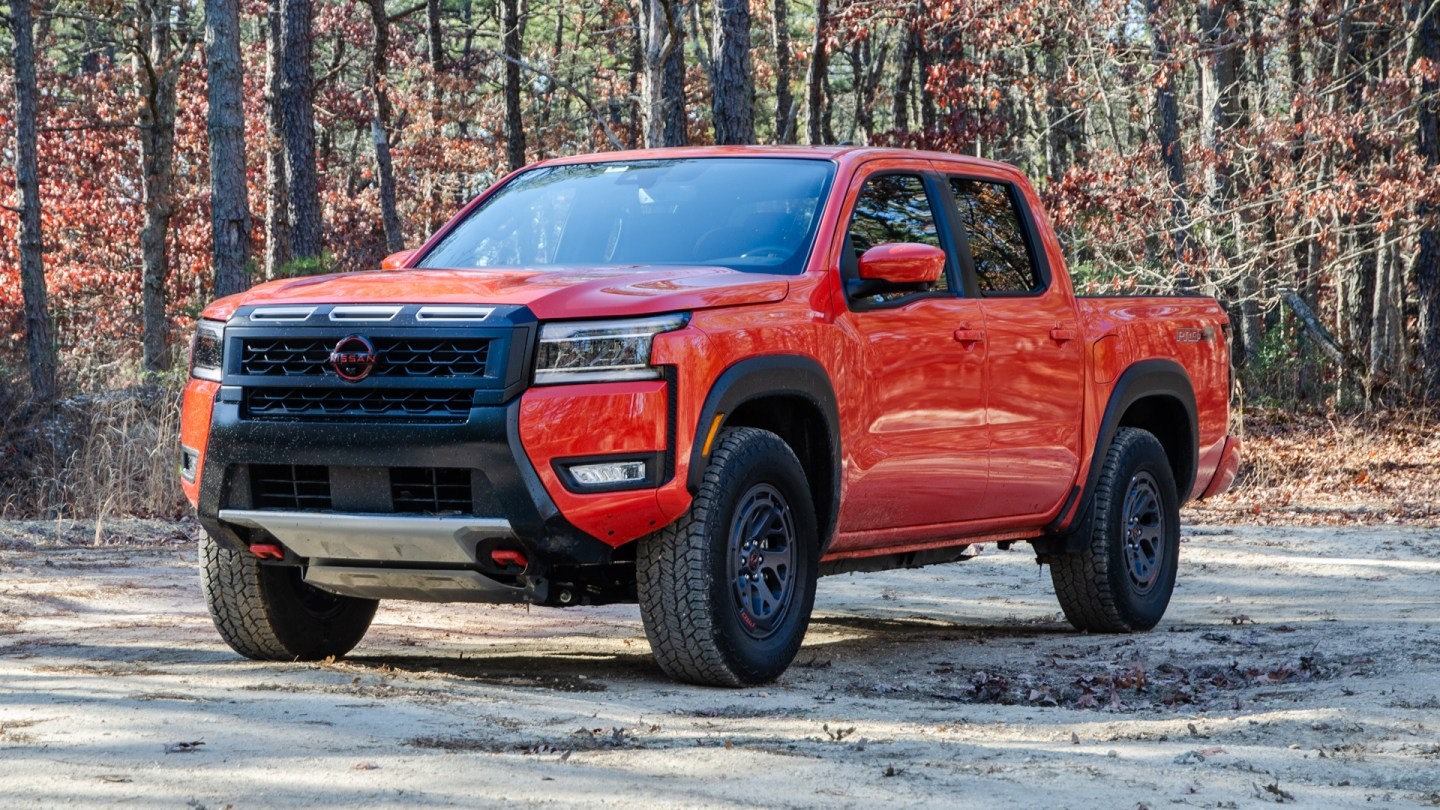
3. Nissan Frontier
The Nissan Frontier ranks third because it offers traditional midsize pickup capability without entering the price range of many full-size trucks. Its conventional V6 engine provides useful power for everyday driving, recreational use, and moderate towing requirements.
The Frontier’s purchase price can be competitive within the midsize pickup segment. Buyers seeking a straightforward truck without premium luxury equipment may find its lower trim levels financially appealing.
Fuel consumption is higher than that of the Maverick Hybrid. The Frontier’s larger engine and heavier construction increase operating requirements, particularly for drivers who spend substantial time in urban traffic or tow regularly.
Maintenance costs depend on mileage, servicing history, replacement parts, and driving conditions. Following the manufacturer’s maintenance schedule can help prevent avoidable mechanical problems and protect long-term reliability.
Depreciation is another consideration. The Frontier competes in a segment with established demand for midsize pickups, which can support resale interest. Actual resale values depend on regional demand, vehicle condition, and market conditions.
Insurance expenses may be higher than those of a compact pickup because the Frontier is a larger and more expensive vehicle. Buyers should compare coverage quotes before choosing a particular trim.
For people who need a traditional pickup with useful capability and a relatively accessible purchase price, the Nissan Frontier deserves consideration. It provides a practical balance between truck functionality and ownership expenses.
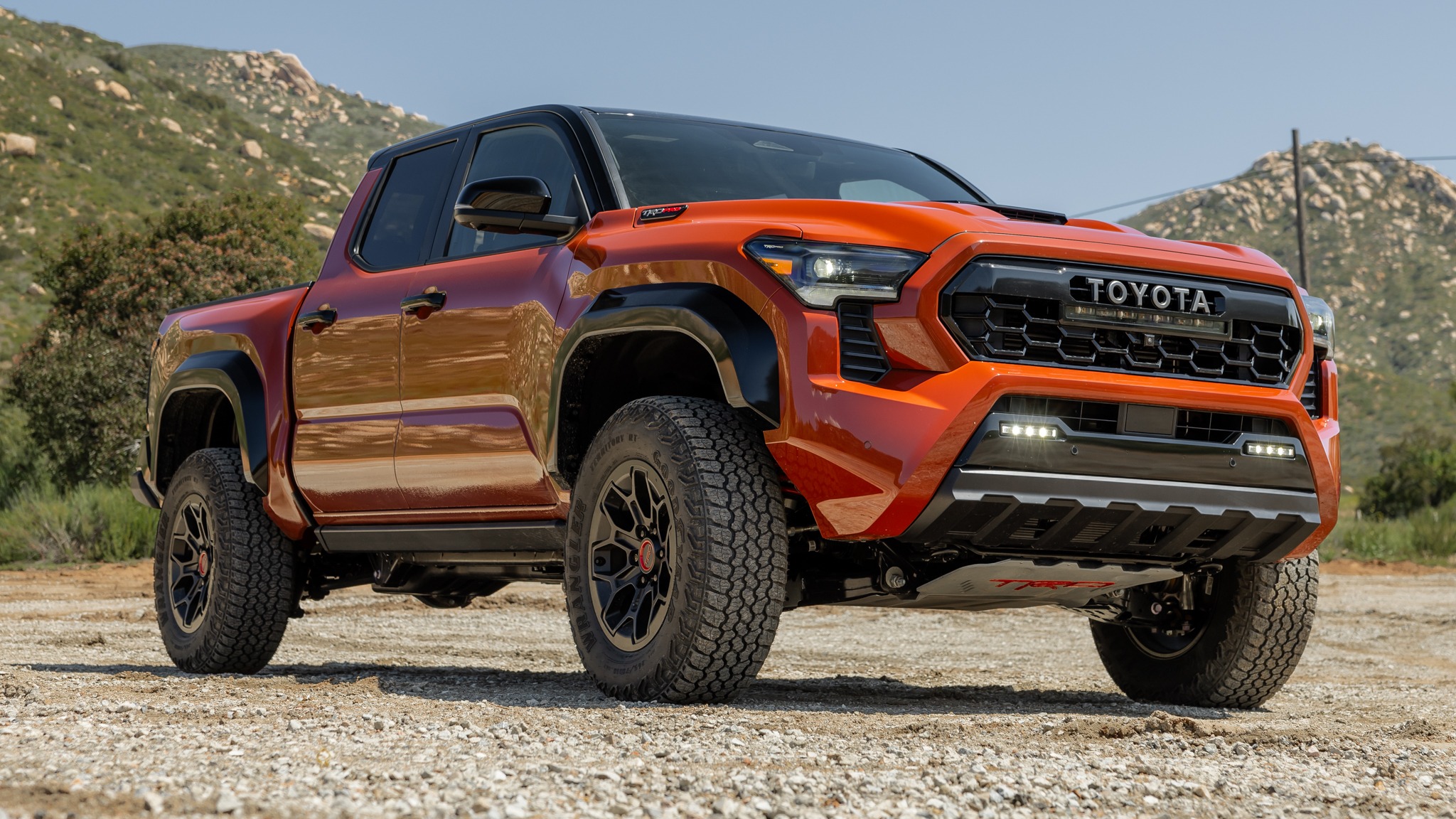
4. Toyota Tacoma
The Toyota Tacoma ranks fourth because of its established reputation, strong resale demand, and broad appeal among American pickup buyers. It offers several configurations, including different powertrain and equipment options, giving buyers flexibility when choosing a vehicle.
Its purchase price can be higher than that of some competing midsize trucks. Premium trims, four-wheel drive, off-road packages, and optional equipment can increase the initial investment considerably.
Resale value is an important financial advantage to consider. Tacoma models have historically attracted strong interest in the used-truck market. Better resale value can reduce depreciation expenses over the ownership period.
Fuel costs vary by engine, drivetrain, transmission, and driving habits. The newer turbocharged powertrain and available hybrid configuration have different operating characteristics, so buyers should compare the exact versions they are considering.
Maintenance expenses include regular servicing, tires, brakes, fluids, and inspections. Off-road driving can increase wear on suspension components, tires, and underbody equipment.
Insurance premiums can vary significantly according to trim level, replacement value, driver profile, and location. A high-value off-road model may carry different coverage costs from a basic rear-wheel-drive configuration.
The Tacoma is suitable for buyers who prioritize midsize capability, resale demand, and recreational versatility. Its purchase price may be higher, but strong resale performance can help balance long-term ownership costs.
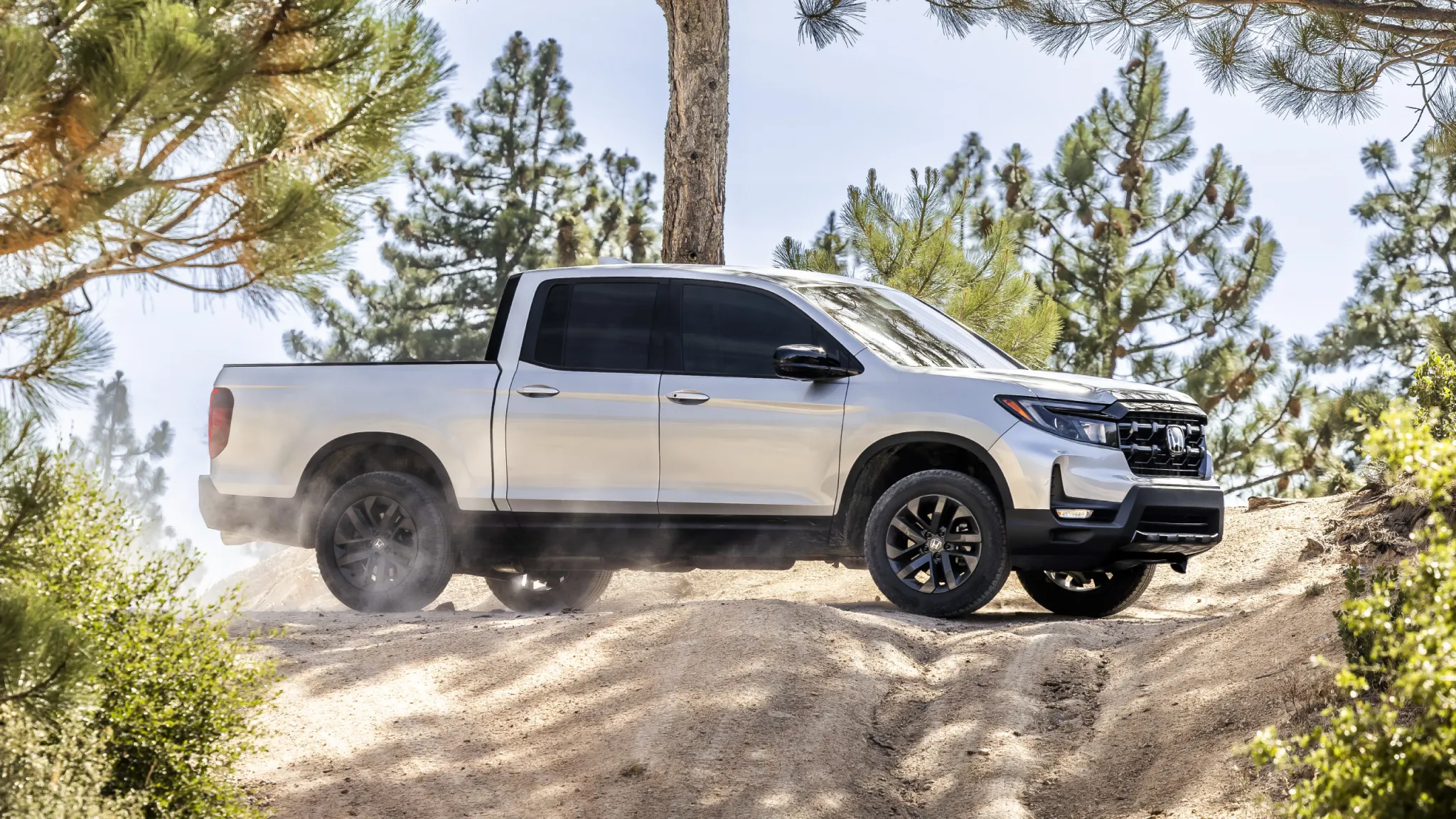
5. Honda Ridgeline
The Honda Ridgeline occupies fifth place because it offers a comfortable driving experience and practical everyday functionality. Its unibody construction distinguishes it from traditional body-on-frame pickups, making it particularly appealing to people who use their trucks primarily for daily transportation.
The Ridgeline is equipped with a V6 gasoline engine and an all-wheel-drive system. These features contribute to useful road performance, but fuel consumption is generally higher than that of smaller compact pickups.
Its purchase price places it toward the higher end of the practical midsize pickup market. Buyers receive a range of comfort and convenience features, but those features contribute to the initial ownership investment.
Maintenance costs include routine engine servicing, transmission inspections, tires, brakes, and other scheduled work. Honda’s established service network makes maintenance relatively accessible across many American markets.
Depreciation should be evaluated carefully. The Ridgeline has a distinct position in the pickup segment, attracting buyers who value comfort and practical storage more than traditional heavy-duty capabilities.
Insurance costs are affected by vehicle value, repair expenses, local rates, and driver history. Comparing quotes for different trims can help buyers identify a suitable configuration.
The Ridgeline is a reasonable choice for people who want pickup utility alongside comfortable daily driving. Its operating expenses may be higher than those of compact trucks, but its road manners and practical design offer meaningful benefits.
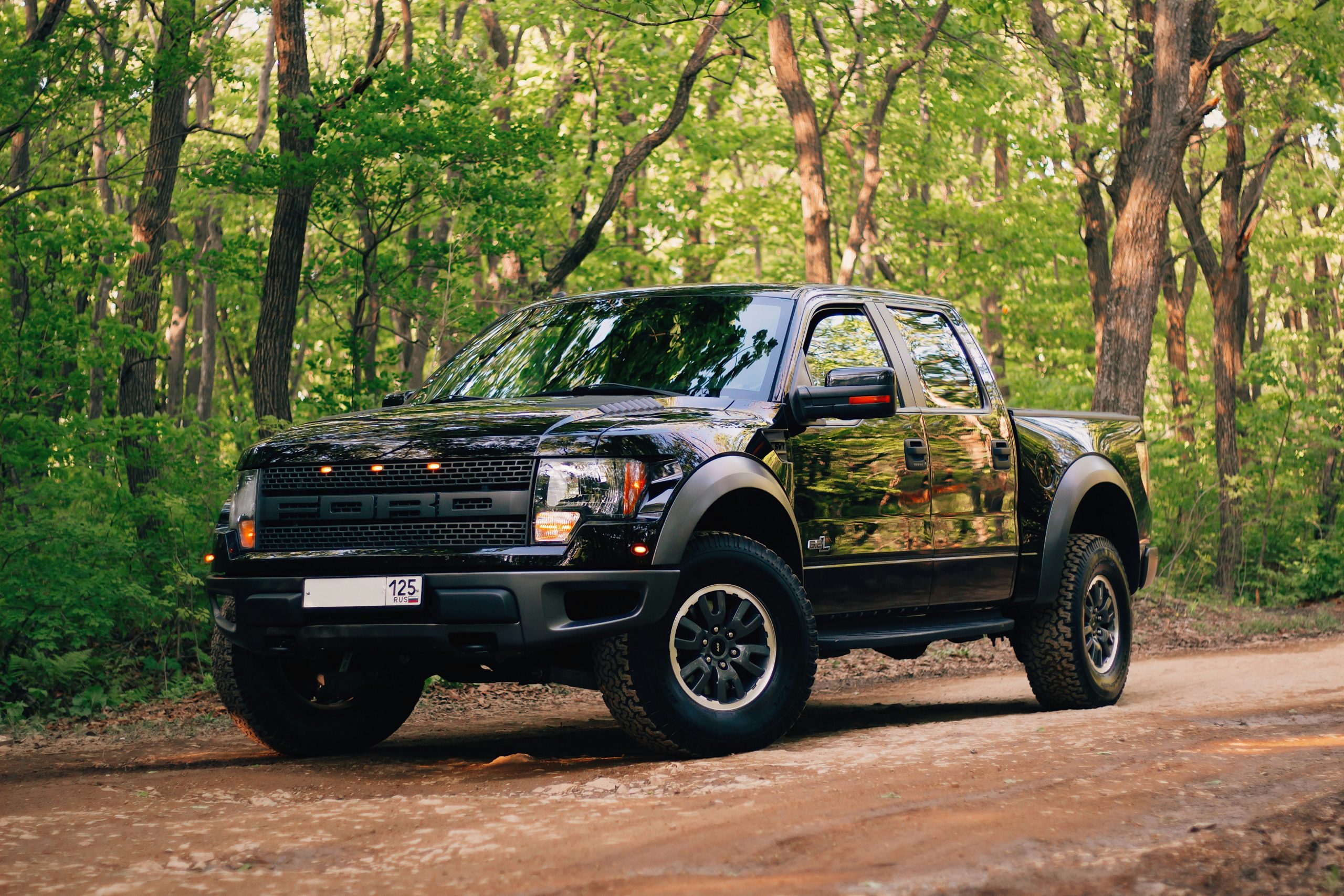
6. Ford Ranger
The Ford Ranger ranks sixth as a midsize pickup offering stronger traditional truck capability than compact alternatives. It is designed for buyers who need a useful combination of towing performance, hauling capacity, and everyday usability.
The Ranger’s turbocharged engine provides substantial performance for its vehicle class. However, its fuel requirements are generally greater than those of the Maverick, particularly when driving under heavy loads.
Purchase prices vary according to trim, drivetrain, and optional packages. Buyers choosing higher equipment levels or four-wheel drive should expect a larger initial investment.
Depreciation is influenced by brand demand, vehicle condition, mileage, and the availability of newer models. Popular configurations may attract more used-market interest than less common combinations.
Maintenance costs include engine servicing, brake replacement, tires, transmission maintenance, and scheduled inspections. Frequent towing and demanding work conditions can increase wear.
Insurance costs should be compared across different configurations. More expensive trims and vehicles with higher replacement values can produce higher premiums, depending on the insurer and driver’s circumstances.
The Ranger is best suited to people who require more capability than a compact pickup provides. Its total cost per mile can be reasonable when the truck’s working capacity is regularly used.
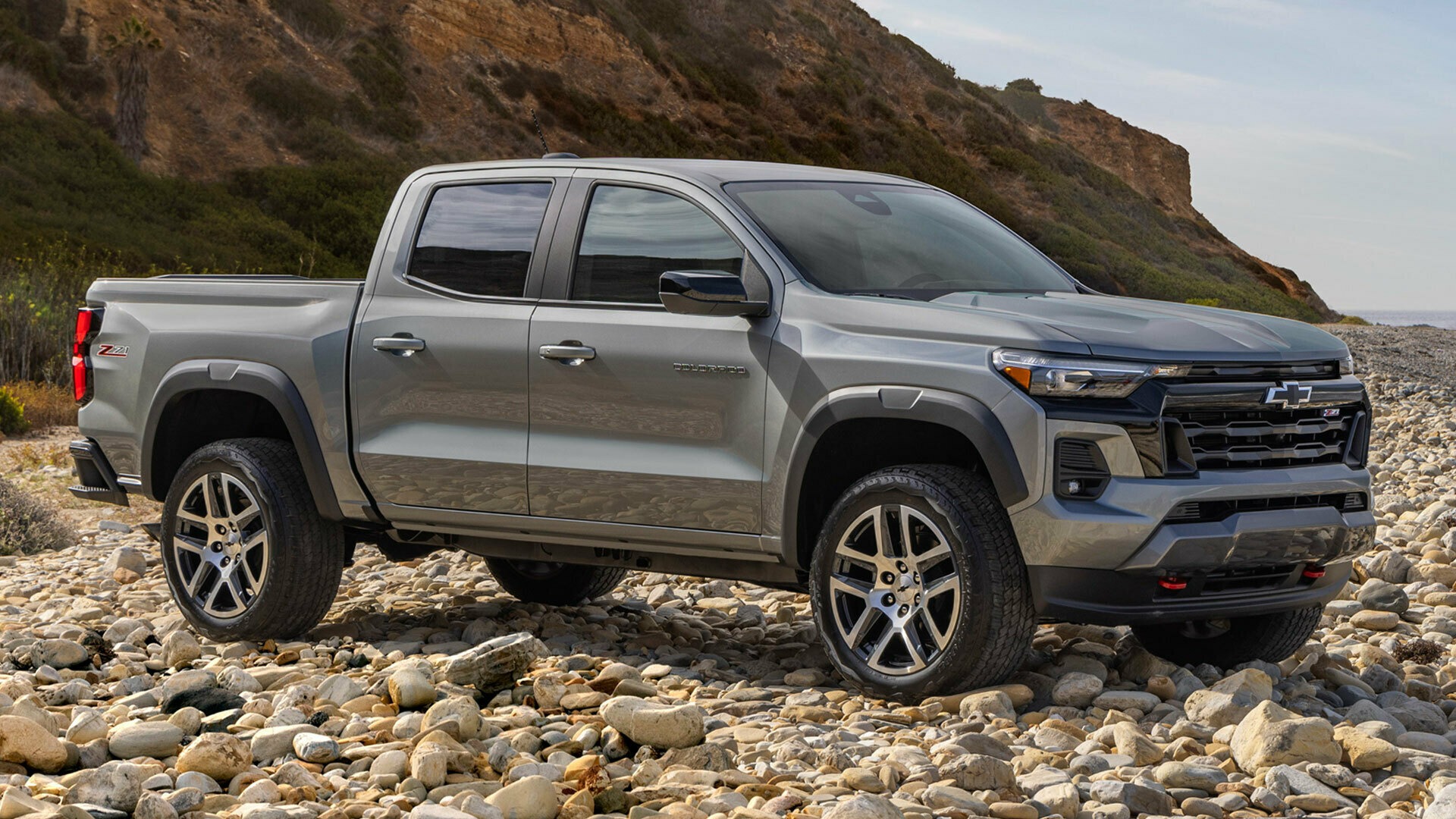
7. Chevrolet Colorado
The Chevrolet Colorado takes seventh place because it offers several configurations for drivers who need a capable midsize truck. Its design supports commuting, recreational activities, equipment transportation, and selected towing requirements.
The Colorado’s turbocharged engine delivers useful performance. Fuel consumption depends on the driving environment, load, drivetrain, and selected equipment. Heavy towing and frequent short journeys can increase gasoline expenses.
Purchase prices vary between basic and premium trims. Off-road equipment and additional technology features can make higher configurations considerably more expensive.
Depreciation depends on market demand and the condition of the vehicle. Maintaining service records and avoiding excessive wear can help support future resale value.
Routine maintenance includes oil and filter changes, tire rotation, brake inspections, and scheduled mechanical servicing. Drivers who regularly operate the Colorado in demanding conditions should account for additional maintenance needs.
Insurance premiums depend on vehicle value, local repair expenses, coverage selections, and personal driving records. Obtaining multiple quotes is particularly useful when comparing similar trucks.
The Colorado offers a useful middle ground between compact and full-size pickups. Buyers who need midsize capability should compare its purchase price, fuel economy, and expected resale value before making a decision.
8. GMC Canyon
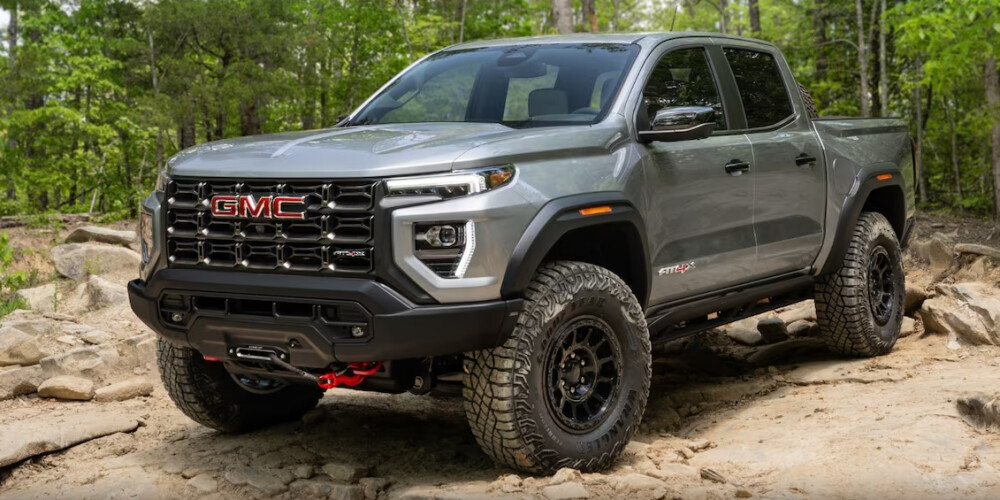
The GMC Canyon ranks eighth because it combines midsize pickup functionality with a more premium equipment and styling approach. It shares its general platform family with the Chevrolet Colorado but targets buyers seeking additional refinement in selected configurations.
The Canyon’s purchase price can be higher than that of more basic midsize competitors. Higher trims include additional convenience, technology, and appearance features that increase the initial financial commitment.
Its turbocharged engine provides useful acceleration and towing performance. Fuel consumption varies with driving conditions, load, drivetrain, and equipment, making real-world mileage an important consideration.
Depreciation is influenced by the purchase price and future resale demand. Higher-priced configurations may lose more money in absolute terms if their resale values do not maintain the same proportion of the original investment.
Maintenance expenses include scheduled servicing, tires, brakes, and replacement components. Premium equipment and specialized parts can affect repair bills.
Insurance costs should be considered before purchasing a high-trim model. Vehicle replacement value, repair expenses, and location can all influence the final premium.
The Canyon is suitable for buyers who want midsize truck capability with a more upscale presentation. However, people focused strictly on minimizing cost per mile may prefer a less expensive configuration.
9. Ford F-150
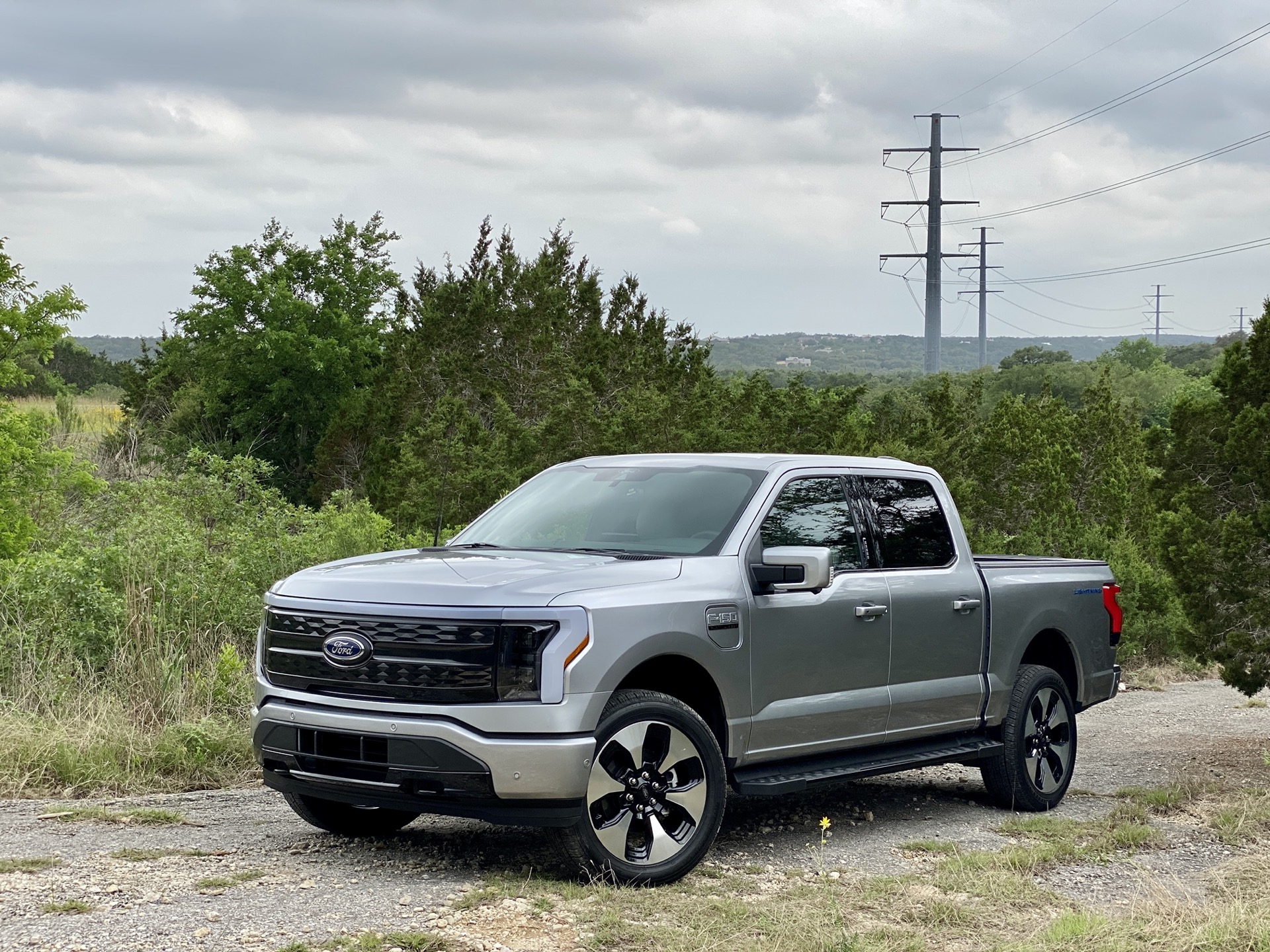
The Ford F-150 ranks ninth because full-size pickup ownership generally involves higher financial commitments than compact and midsize alternatives. It remains a major choice among American consumers because of its broad range of configurations, engine options, and work capabilities.
The F-150 is available with several powertrain choices, including conventional gasoline engines and hybrid technology in selected configurations. The selected engine has a substantial effect on fuel expenses and total operating costs.
Purchase prices vary widely. Basic work-oriented versions can be more accessible, while luxury trims and specialized packages can increase the investment significantly.
Fuel costs are particularly important for full-size pickup owners. Drivers who tow trailers, carry heavy equipment, or frequently travel through congested areas may experience higher consumption than drivers using the truck primarily for highway commuting.
Maintenance costs include larger tires, brakes, fluids, and scheduled servicing. Depending on the configuration, certain replacement components may also cost more than those used in smaller pickups.
Depreciation varies by trim, engine, mileage, and resale demand. Well-equipped trucks can retain considerable used-market interest, but their higher original purchase prices can still create substantial depreciation expenses.
The F-150 makes financial sense when its hauling, towing, and passenger capacity are genuinely needed. For buyers who rarely use its full capabilities, a smaller truck may provide lower total ownership expenses.
10. Chevrolet Silverado 1500
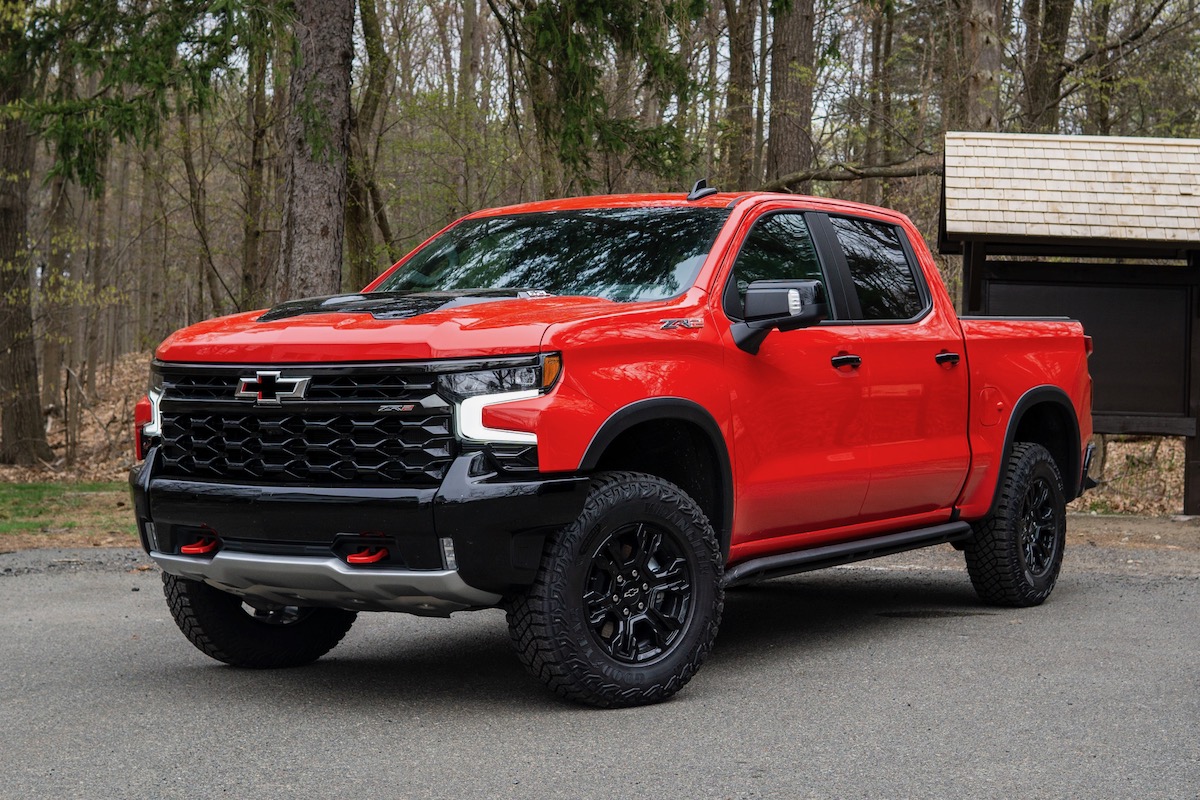
The Chevrolet Silverado 1500 occupies the tenth position because it represents a substantial full-size pickup investment. It offers a broad selection of engines, cab styles, bed lengths, and equipment levels, making it suitable for both personal and professional use.
Purchase prices depend heavily on the configuration. Work-focused models can cost considerably less than premium trims featuring additional technology, luxury materials, and specialized equipment.
Fuel expenses vary according to the engine and drivetrain. Gasoline V8 configurations, turbocharged engines, and available diesel options have different consumption and servicing requirements.
The Silverado’s larger dimensions and weight contribute to operating expenses. Replacement tires, brake components, and certain maintenance items may cost more than equivalent items for compact pickups.
Depreciation depends on the original transaction price, market demand, vehicle condition, and mileage. Popular work-oriented configurations may appeal to used buyers, while expensive optional equipment does not always translate into equivalent resale value.
Insurance costs can be substantial for higher-value configurations. Buyers should consider comprehensive coverage, collision protection, deductibles, and regional insurance pricing when calculating ownership expenses.
The Silverado 1500 is a capable option for drivers who need full-size hauling and towing performance. However, its purchase price and running expenses make it less suitable for people whose main objective is achieving the lowest possible cost per mile.