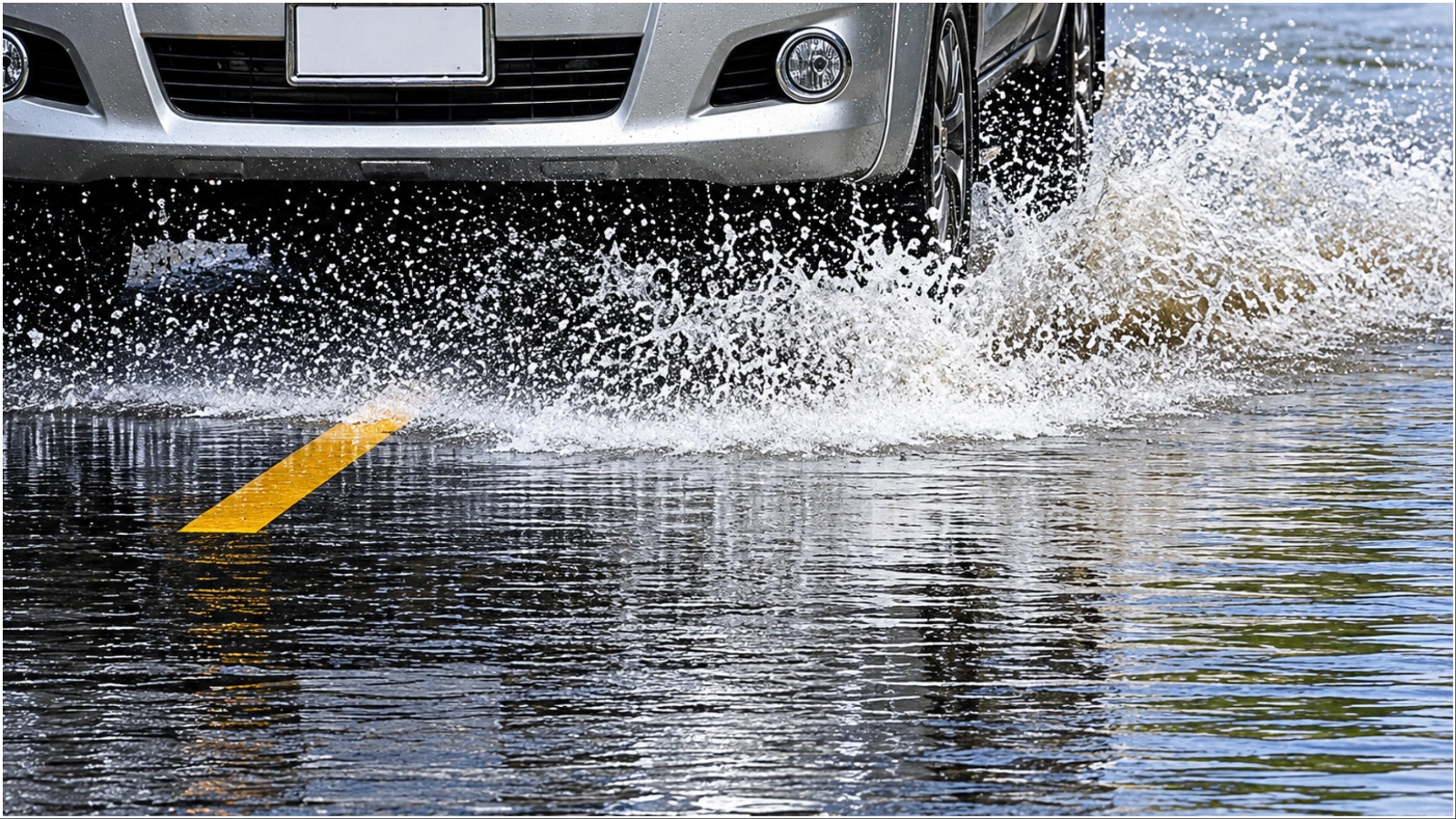
Flood-damaged cars are a persistent problem in the used-car market. After major storms and hurricanes, hundreds of thousands of vehicles can be submerged, and some are cleaned up and resold to buyers who never learn what happened. Water damage is not always visible, and it can compromise a vehicle’s electrical, mechanical, and safety systems long after the flood has receded.
Spotting a flooded car takes a methodical inspection, not a glance at the paint. Below are seven warning signs that inspectors, insurers, and consumer agencies commonly cite. No single sign proves flood damage, but several together are a strong reason to walk away or to pay for a professional pre-purchase inspection.
1. A Musty or Mildew Odor Inside the Cabin
Smell is often the first indicator. Floodwater soaks into carpet, padding, seat foam, and headliners, and these materials stay damp for a long time. Mold and mildew then grow, producing a distinct musty smell much like a damp basement.
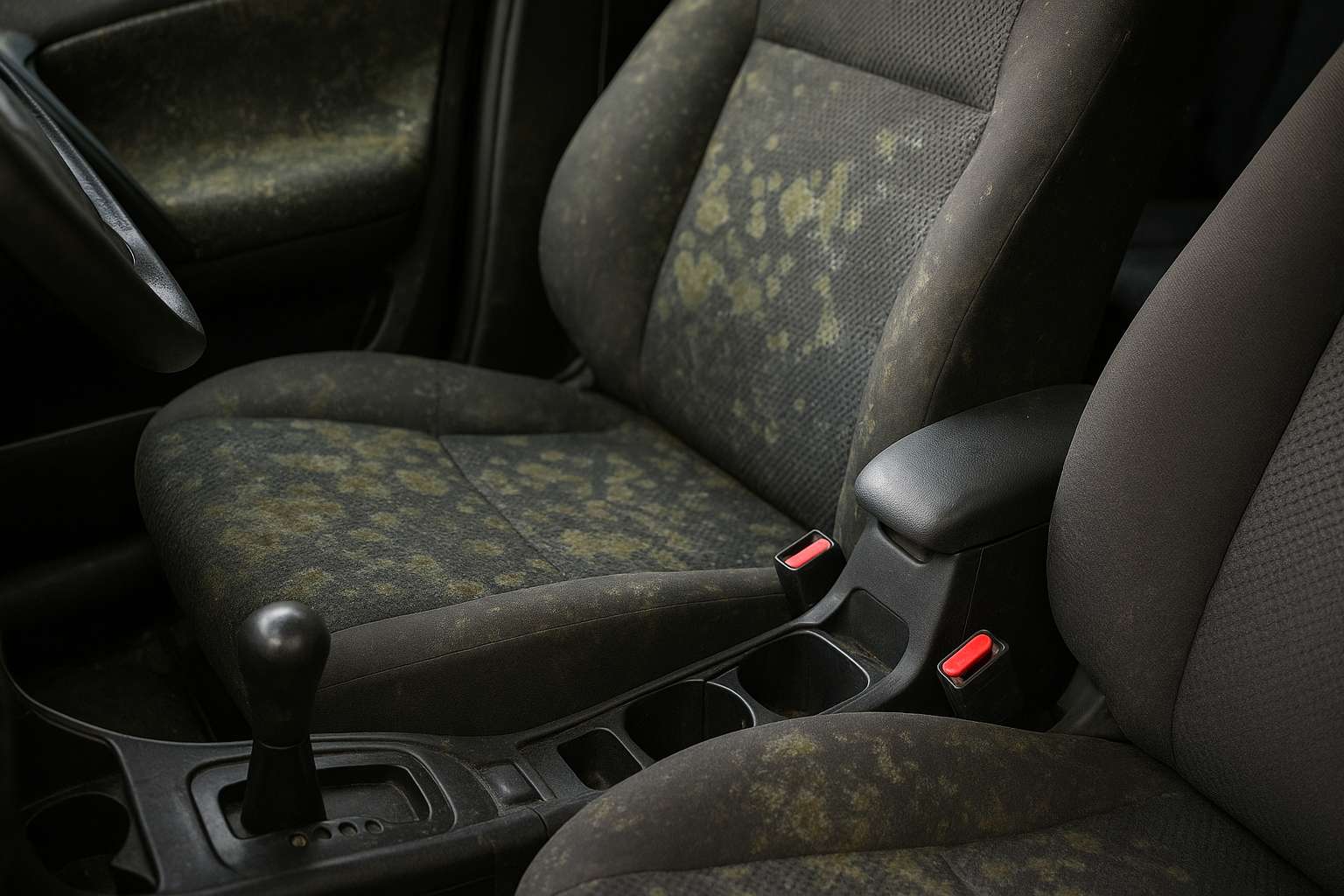
Be wary if the odor is masked by heavy air fresheners, fragrance sprays, or an unusually strong “new car” or cleaning-product scent. Sellers sometimes use these to cover the smell. Check for the odor with the doors and windows closed, then turn the heating and air conditioning on high. Moisture trapped in the ventilation system and ductwork can release the smell when air starts moving.
Odor alone does not prove a flood. A spilled drink, a leaking window seal, or a clogged sunroof drain can also cause dampness and mold. But a persistent mildew smell is a reason to look much more closely at the rest of the vehicle. Mold can also be a health concern for people with allergies or respiratory conditions.
2. Silt, Mud, Sand, or Debris in Unusual Places
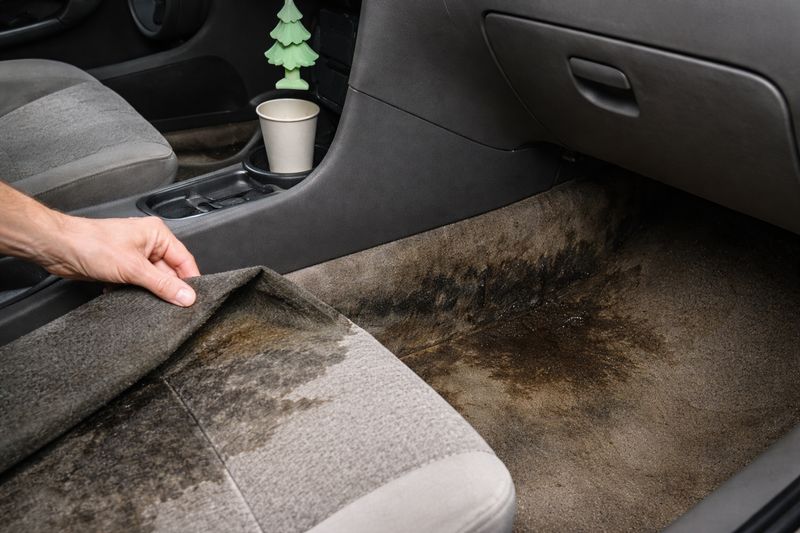
Floodwater carries fine sediment, and it settles wherever the water reaches. Even after a thorough cleaning, residue often remains in places that are difficult to reach. Look for dried mud, silt, sand, grass, leaves, or other debris in these areas:
- Under the seats and along the seat tracks
- Inside the glove compartment
- In the spare tire well and the trunk floor
- Under the dashboard and around wiring harnesses
- Inside door panels, door pockets, and speaker grilles
- In the crevices of the engine bay and around the engine mounts
Use a flashlight and look closely. A fine, gritty layer or a dried, cracked film of dirt in a car that otherwise looks clean is a red flag. A waterline, meaning a visible stain or tide mark left where the water stopped rising, can show up on door panels, upholstery, or the inside of the trunk. The height of that line indicates how deep the water was, and the deeper it went, the more systems were likely affected.
Salt water is especially destructive. Coastal flooding and storm surge expose a vehicle to salt, which accelerates corrosion on metal parts and electrical connections.
3. New, Mismatched, or Damp Carpet and Upholstery
Carpet is expensive to dry and clean properly, so some sellers replace it. Brand-new carpet in an older car is a warning sign, particularly if the rest of the interior shows normal wear. Look for these inconsistencies:
- Carpet that does not match the color or texture of the rest of the interior
- Carpet that is loose, wrinkled, or poorly fitted
- Upholstery that appears new on one seat but worn on the others
- Door panels or trim with fresh stains, discoloration, or water marks
- Fabric that feels stiff, rough, or faded in blotchy patterns, which can occur after drying
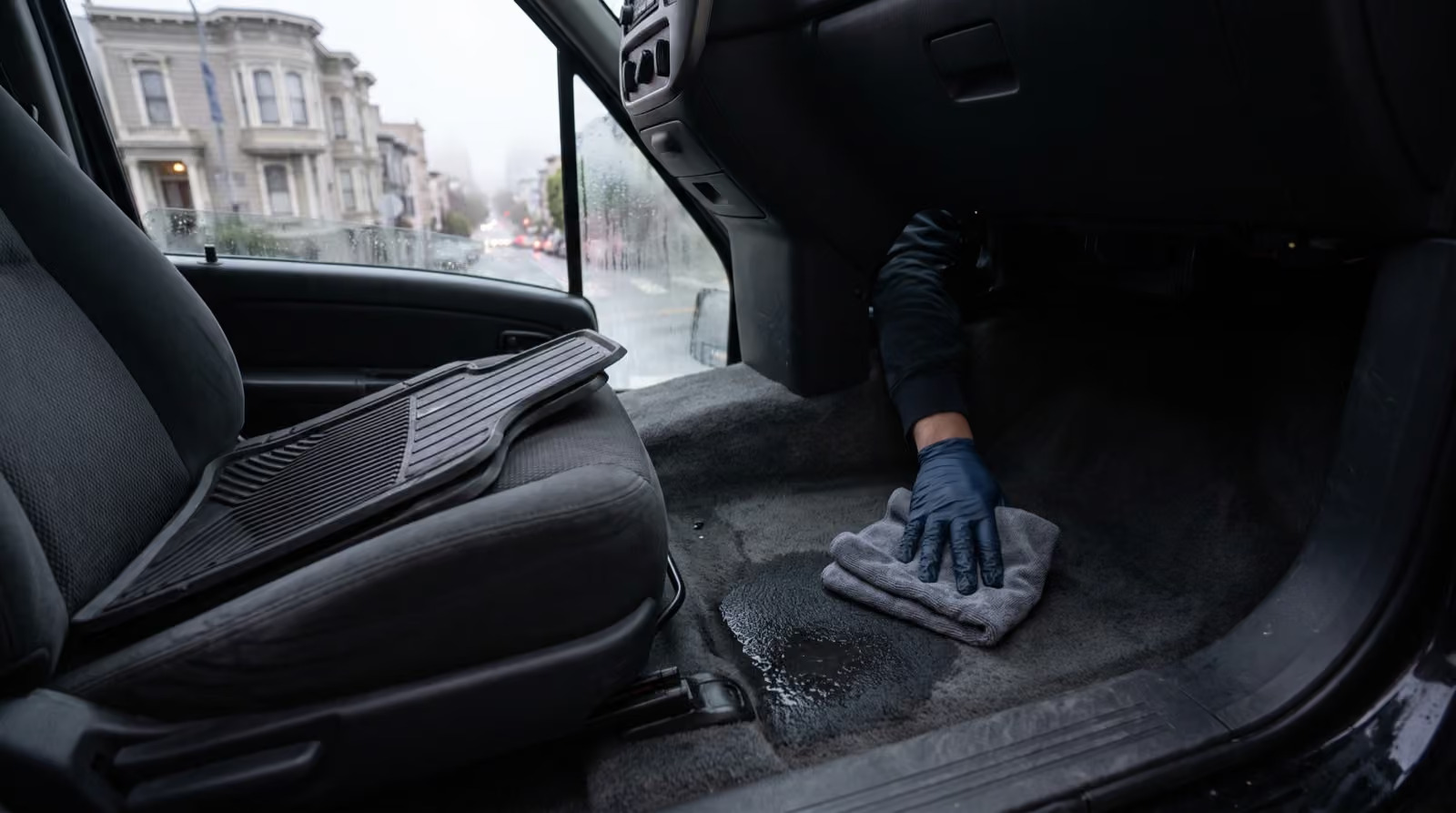
Press your hand firmly on the carpet, especially in the footwells and under the floor mats. Dampness can persist in the padding underneath for weeks. Lift the carpet edges where possible and check the underside and the floor pan for rust, water stains, or sediment.
Do not rely on the seller’s explanation alone. Replacement carpet may have a legitimate cause, such as a previous leak or a cosmetic refresh, but it should be explained and documented.
4. Moisture, Fogging, or Water Lines in Lights and Instruments
Headlights, taillights, and the instrument cluster are sealed units under normal conditions. When a car has been submerged, water can enter through seals, vents, and small gaps. It then evaporates and condenses on the inside of the lens.
Look for these signs:
- Fogging, condensation, or visible water droplets inside headlight or taillight housings
- A line or stain inside a light housing that shows where water once sat
- Moisture or fogging behind the glass of the speedometer, tachometer, and other gauges
- Discoloration or residue on the inside of lenses
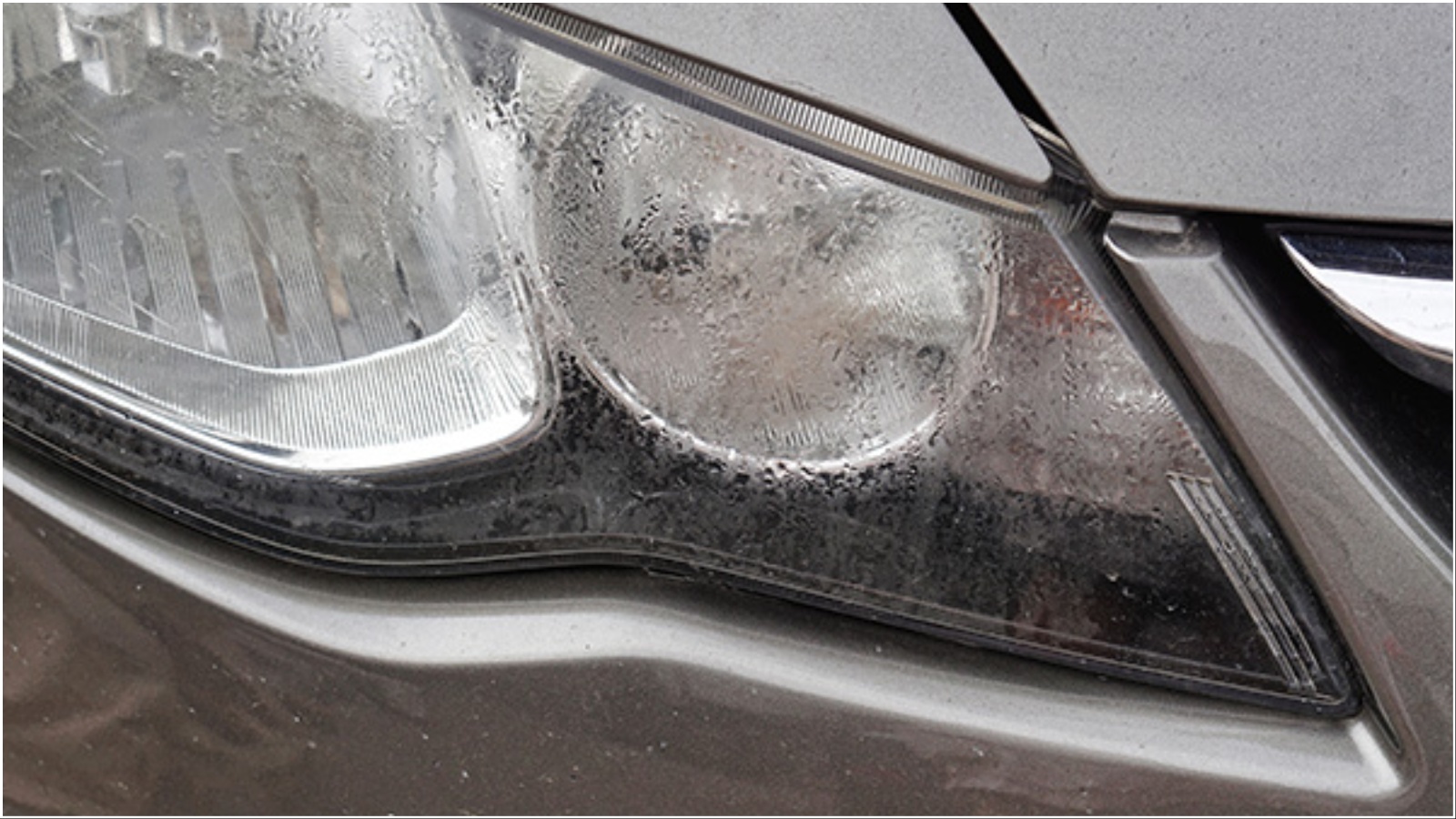
A foggy headlight can occasionally result from a cracked housing or a failed seal on a car that was never flooded. But when fogging appears in several lights at once, or in combination with other signs on this list, flood damage becomes much more likely. Also examine the interior lights, the infotainment screen, and the trunk light for the same type of moisture.
5. Rust and Corrosion in Places Where It Doesn’t Belong
Rust forms on exposed iron and steel parts within days to weeks of water exposure, and corrosion appears on electrical terminals and aluminum components. The key is the location. Rust on a car’s underbody or exhaust is common in older vehicles, especially in regions that use road salt. Rust in the passenger compartment is not normal for a vehicle that has been kept dry.
Inspect these areas for rust, corrosion, or discoloration:
- Seat mounting rails and the bolts that secure the seats
- Pedal assemblies and the pedal pivots
- Screws and fasteners under the dashboard and on the door panels
- Door hinges, latches, and the inside of the door sills
- The trunk floor, the spare tire well, and the underside of the trunk carpet
- The hood latch and the engine bay, including unpainted metal surfaces
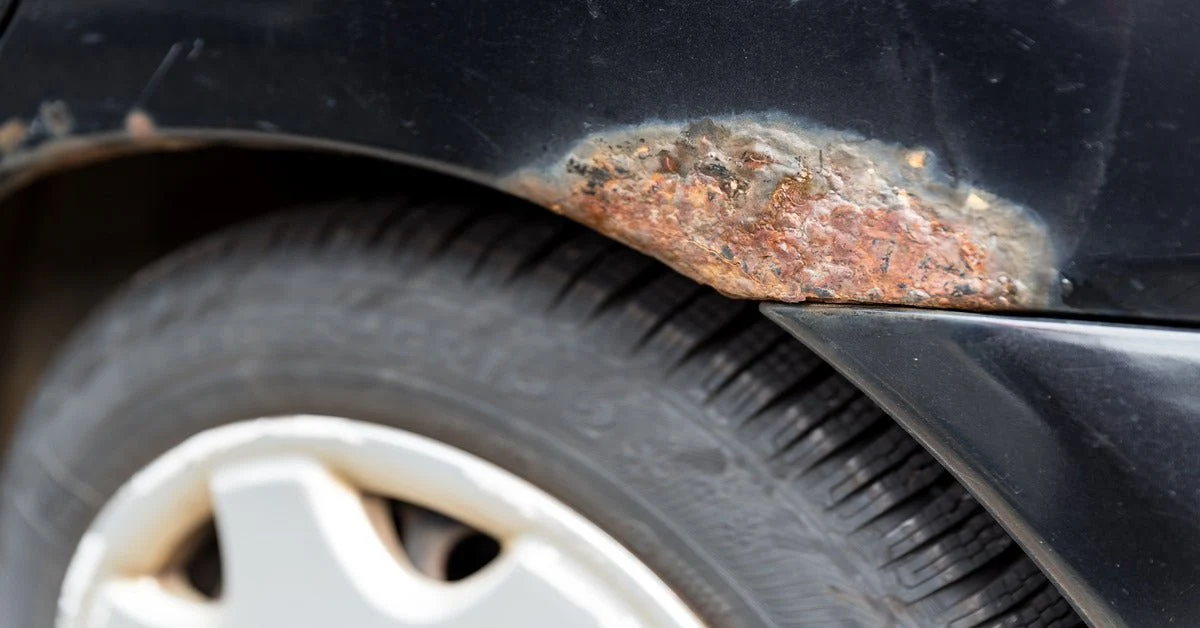
Look for fasteners that appear newer than the surrounding parts, or screws with scratched heads that suggest panels were removed. Sellers who dried and cleaned a vehicle often disassemble parts of the interior. White or greenish crust on battery terminals and electrical connectors is another sign of corrosion, though it can also come from normal battery aging.
6. Electrical Problems and Contaminated Fluids
Modern vehicles contain miles of wiring, along with dozens of electronic control modules. Water and electronics are a poor combination, and even small amounts of moisture can cause corrosion in connectors and circuit boards. The damage often appears gradually, so a flooded car may seem to work normally at first and develop problems weeks or months later.
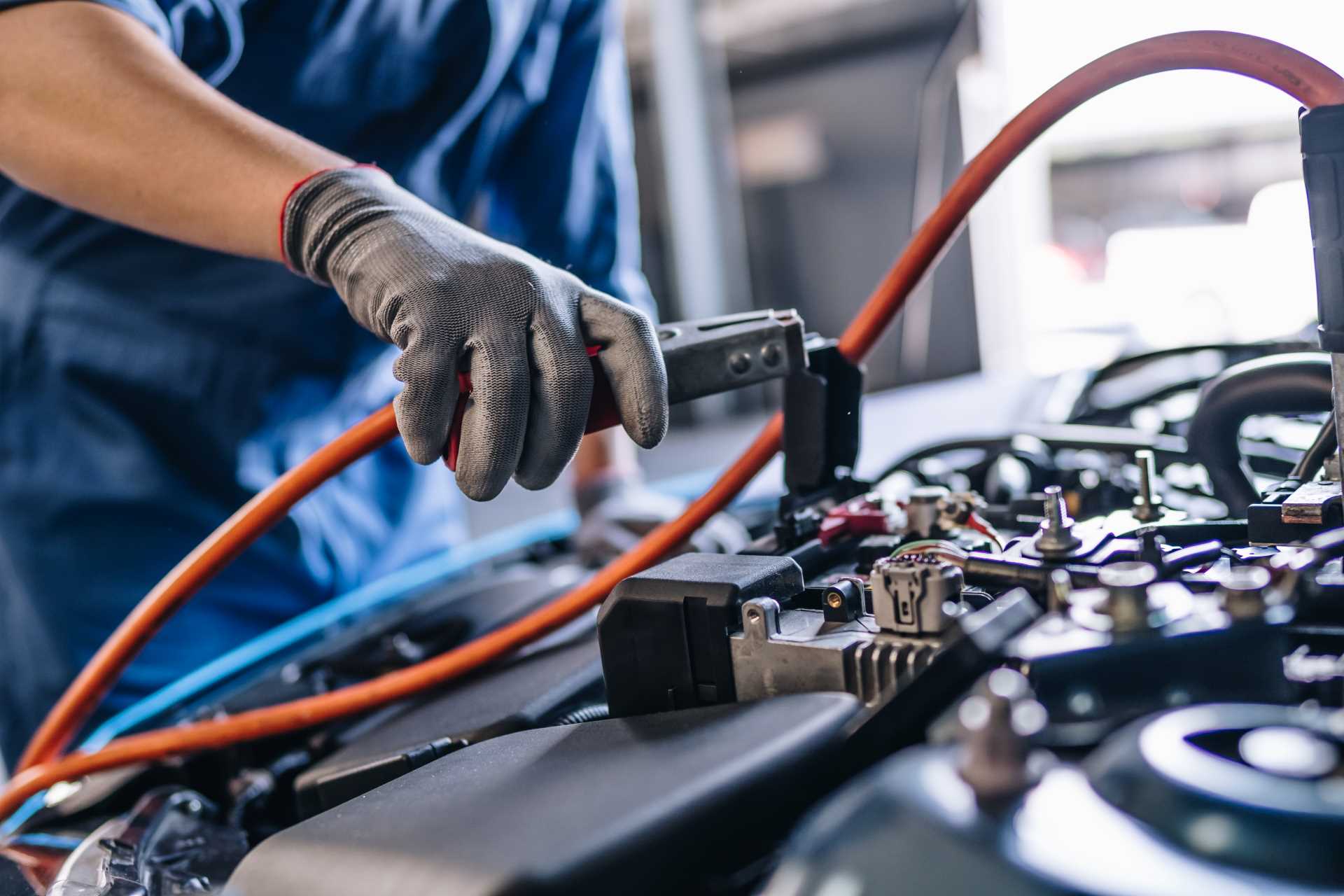
During a test drive and a stationary inspection, check that every electrical component works correctly:
- Power windows, door locks, and seat controls
- Headlights, brake lights, turn signals, and hazard lights
- Windshield wipers, the horn, and the radio or infotainment system
- Air conditioning and heating, including every fan speed
- Dashboard warning lights, including the airbag, ABS, and check engine lights
- Sensors, such as parking sensors and cruise control
Flickering lights, erratic gauges, intermittent failures, or warning lights that stay on or come on at random can all indicate water intrusion. Pay particular attention to the airbag system. Its control module and wiring are often located low in the vehicle, and water damage can prevent airbags from deploying correctly.
Also check the fluids. Pull the engine oil dipstick and look at the oil. Milky, frothy, or light brown oil may indicate water contamination, though it can also be caused by other problems, such as a failed head gasket. Inspect the transmission fluid, brake fluid, power steering fluid, and differential fluid for signs of water, a milky appearance, or an unusual smell. A professional mechanic can test fluids and inspect the engine, transmission, and electrical systems far more thoroughly than a buyer can.
7. A Suspicious Title, Vehicle History, or Seller Story
The paper trail can reveal what a physical inspection cannot. Insurance companies typically declare a vehicle a total loss when repair costs exceed a set percentage of its value, and the threshold varies by state and country. Once that happens, many jurisdictions require the title to carry a brand, such as “salvage,” “flood,” or “water damage.”

Some sellers try to avoid this through title washing, which involves retitling a vehicle in a state with different rules so the brand disappears. Others sell cars that were never insured, so no insurer ever recorded the damage. For this reason, a clean title is not definitive proof that a car was never flooded.
Take these steps before buying:
- Obtain a vehicle history report using the VIN, from a commercial provider or through the National Motor Vehicle Title Information System (NMVTIS) in the United States
- Check the VIN against the National Insurance Crime Bureau’s free VINCheck tool, which can show whether a vehicle has been reported as a total loss
- Compare the title history across states and look for recent retitling
- Ask the seller direct questions about the vehicle’s history, and document the answers
- Be cautious of sellers who refuse to allow an independent inspection
Other red flags include a price well below market value, a seller who cannot produce service records, and a vehicle sold shortly after a major flood event in the region. Buyers should be especially careful with vehicles from areas recently affected by hurricanes or heavy flooding, since affected cars may be transported and sold far from where the damage occurred.
No single warning sign settles the question. A musty smell, fresh carpet, or a foggy light each has other possible explanations. What matters is the pattern. When several of these signs appear together, the likelihood of flood damage rises sharply.
Before purchasing any used car, especially one with a questionable history, arrange an independent inspection by a qualified mechanic who is not connected to the seller. Ask them to check the electrical system, the fluids, and the underside of the vehicle. Combine that inspection with a vehicle history report, and compare the findings against your own observations.
Flood-damaged cars can be unsafe and expensive to maintain. Corrosion and electrical faults can appear long after a sale, and repair costs often exceed the savings from a low purchase price. If the evidence points to flood damage, walking away is usually the safest and most economical choice.