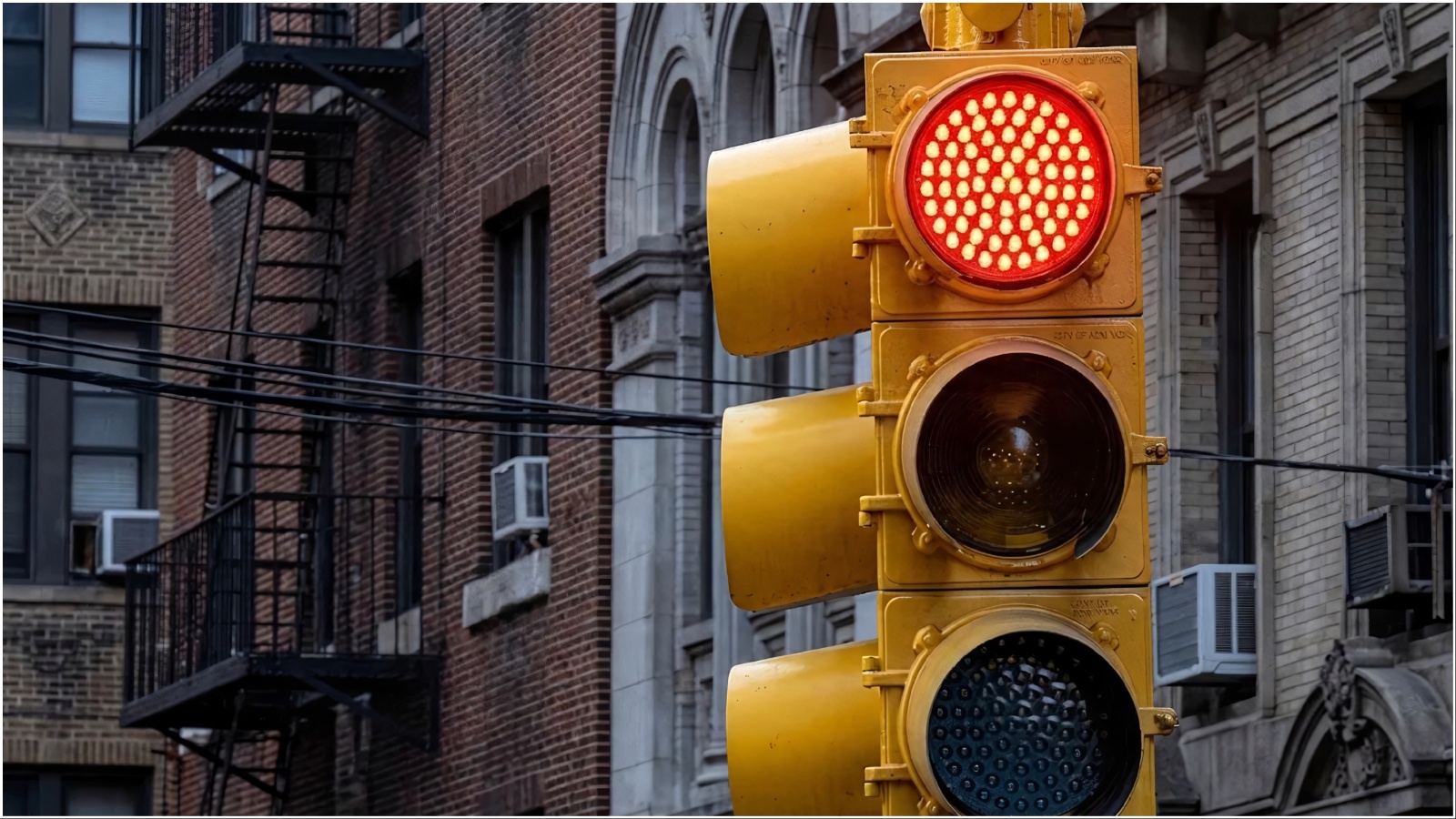
Most drivers consider themselves careful. They stop at red lights, wear seat belts, and keep an eye on the speedometer. Yet traffic citations are issued by the millions every year, and many involve habits so common that drivers no longer see them as violations. Rolling through a stop sign, skipping a turn signal, or following the car ahead a little too closely can feel harmless because nothing bad happens most of the time.
The eight laws below are among the rules drivers most often break without realizing it. Specific statutes, fines, and definitions differ from state to state and from country to country, so each section describes the general legal principle and notes where requirements commonly vary. Checking your local motor vehicle code or driver’s manual is the reliable way to confirm the exact wording that applies where you drive.
1. Rolling Through Stop Signs
A stop sign requires a complete stop, meaning the vehicle’s wheels stop turning. Slowing to a crawl and continuing, often called a “rolling stop” or “California stop,” is a violation in virtually every U.S. state. Police and traffic cameras commonly cite it, and it is one of the most frequently issued moving violations.
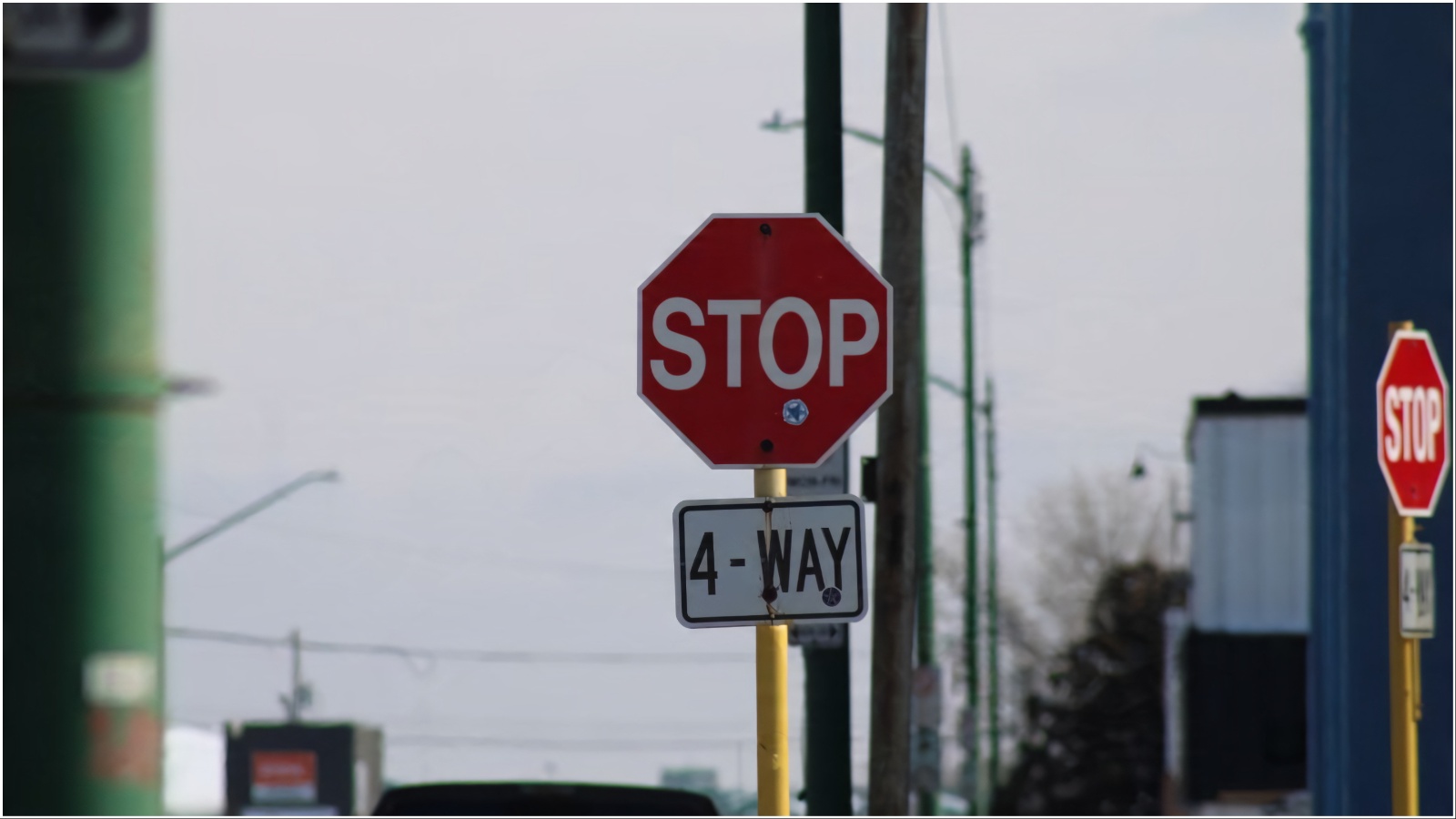
The law also specifies where to stop. Most states require drivers to stop at the marked stop line or crosswalk. If neither exists, the driver must stop at the point nearest the intersection that gives a clear view of cross traffic. Many drivers stop beyond the line, with the front of the car in the crosswalk, which can force pedestrians to walk around the vehicle and is itself a violation in many places.
Coming to a complete stop is essential because stop signs are typically placed at intersections where limited visibility or traffic conditions increase the risk of accidents. They also help determine right of way. At a four-way stop, the vehicle that arrives and stops first generally has priority. If two vehicles reach the intersection at the same time, the driver on the right usually has the right of way.
A few jurisdictions have adjusted these rules for cyclists, allowing them to treat stop signs as yield signs. That exception applies to bicycles in specific places, not to motor vehicles.
2. Failing to Use Turn Signals
Turn signals are required by law, not offered as a courtesy. Most states require drivers to signal before turning or changing lanes, and many specify a minimum distance. A common requirement is signaling continuously for at least 100 feet before a turn, with some states requiring more when speeds are higher.

The law covers more than turns at intersections. Lane changes, merging onto a highway, pulling away from a curb, and entering a roundabout exit can all require a signal. Failing to signal is a routine reason for traffic stops, and officers often cite it because it is easy to observe.
Two habits cause trouble. The first is signaling too late, such as turning the indicator on after already beginning the maneuver. The second is leaving a signal running after the turn is complete, which can mislead other drivers about your intentions.
Signals matter because they are the only way other road users can anticipate your movement. Cyclists and motorcyclists are especially vulnerable to sudden, unsignaled lane changes. In several states, hand signals are a legal alternative if a vehicle’s lights are not working, but they must be given in the form the local code specifies.
3. Using a Handheld Phone While Driving
Distracted driving is a leading safety concern in the United States. The National Highway Traffic Safety Administration reports that thousands of people die each year in crashes involving distracted drivers, and phone use is a major contributor.
Laws on phones vary widely. More than half of U.S. states, along with the District of Columbia, prohibit holding a phone while driving. Texting while driving is banned in nearly every state. Many states also restrict any phone use, including hands-free, for novice drivers and school bus drivers.
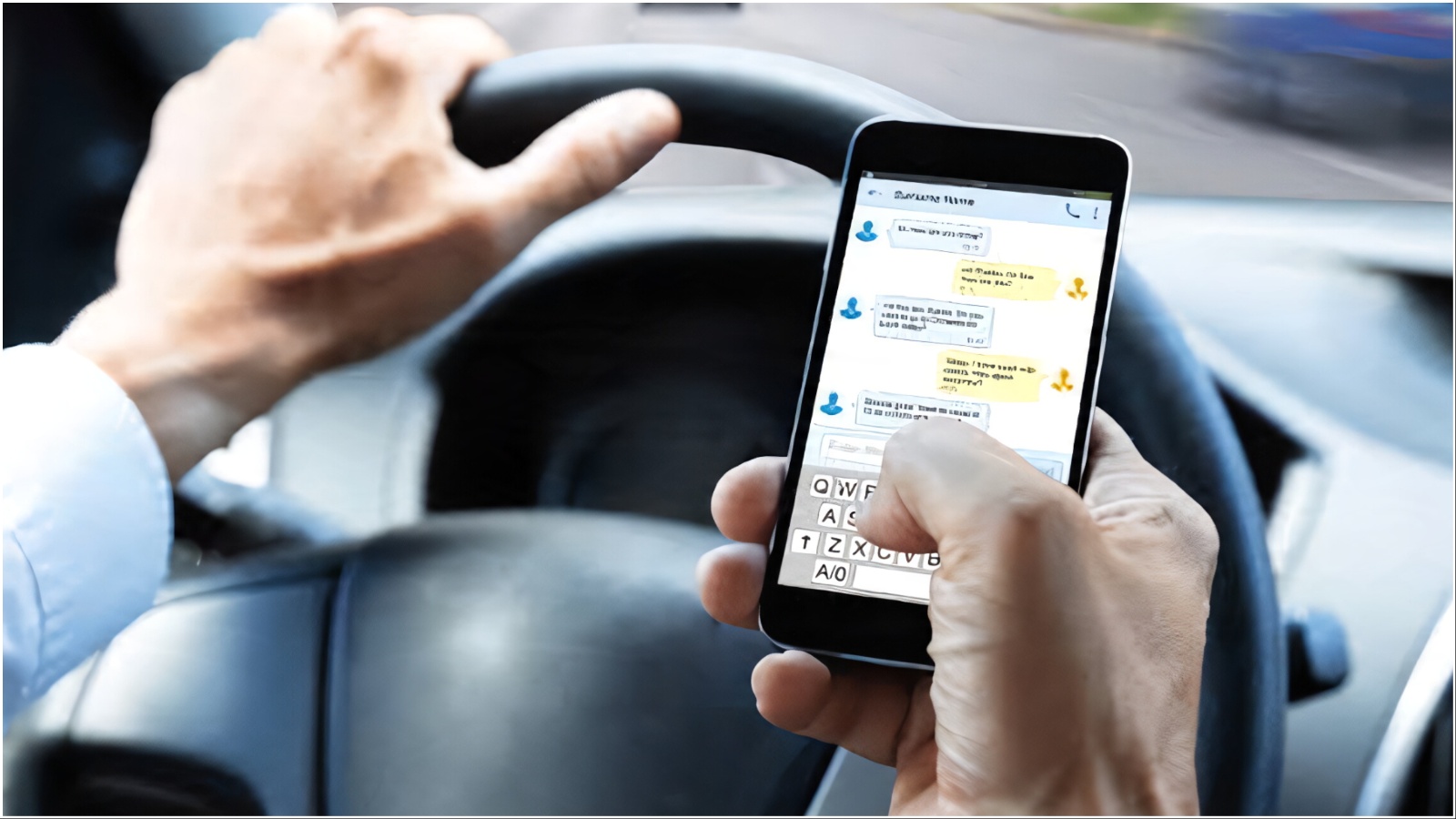
The most common misunderstanding concerns what counts as “use.” In states with hands-free laws, the following can all result in a citation:
- Holding the phone to make or receive a call
- Scrolling through a map, playlist, or messages
- Resting the phone on a leg or the steering wheel while operating it
- Typing at a red light, since being stopped in traffic usually does not exempt a driver
Hands-free calling through a Bluetooth system or voice commands is generally permitted for adult drivers in these states. Dash or vent mounts are often allowed, but some states restrict where on the windshield a device can be placed. Penalties range from modest fines to license points and higher fines for repeat offenses.
4. Speeding “Just a Little”
Many drivers believe a few miles per hour over the limit is acceptable. Legally, a posted speed limit is the maximum permitted speed under ideal conditions, and driving above it is a violation regardless of how small the margin is. Whether an officer chooses to issue a citation is a matter of discretion, not a legal allowance.

A second rule applies even when you are under the limit. Most states have a “basic speed law,” which requires drivers to travel at a speed that is reasonable and prudent for current conditions. Rain, fog, heavy traffic, construction, and poor visibility can all make the posted limit too fast, and a driver can be cited for speeding while technically below it.
The safety stakes are well documented. NHTSA reports that speeding was a factor in roughly 29 percent of U.S. traffic fatalities in 2022. Higher speeds also lengthen stopping distance and increase the force of impact in a crash.
Fines often rise with the size of the violation. Many jurisdictions apply higher penalties in school zones and work zones, and some double fines when workers are present. Exceeding the limit by a large margin may be classed as reckless driving, which carries much harsher consequences than an ordinary speeding ticket.
5. Following Too Closely
Tailgating is both common and illegal. Nearly every state has a law requiring drivers to leave enough space to stop safely if the vehicle ahead brakes suddenly. Most statutes use the phrase “reasonable and prudent” instead of naming a fixed distance, which means an officer can cite a driver based on speed, traffic, and road conditions.
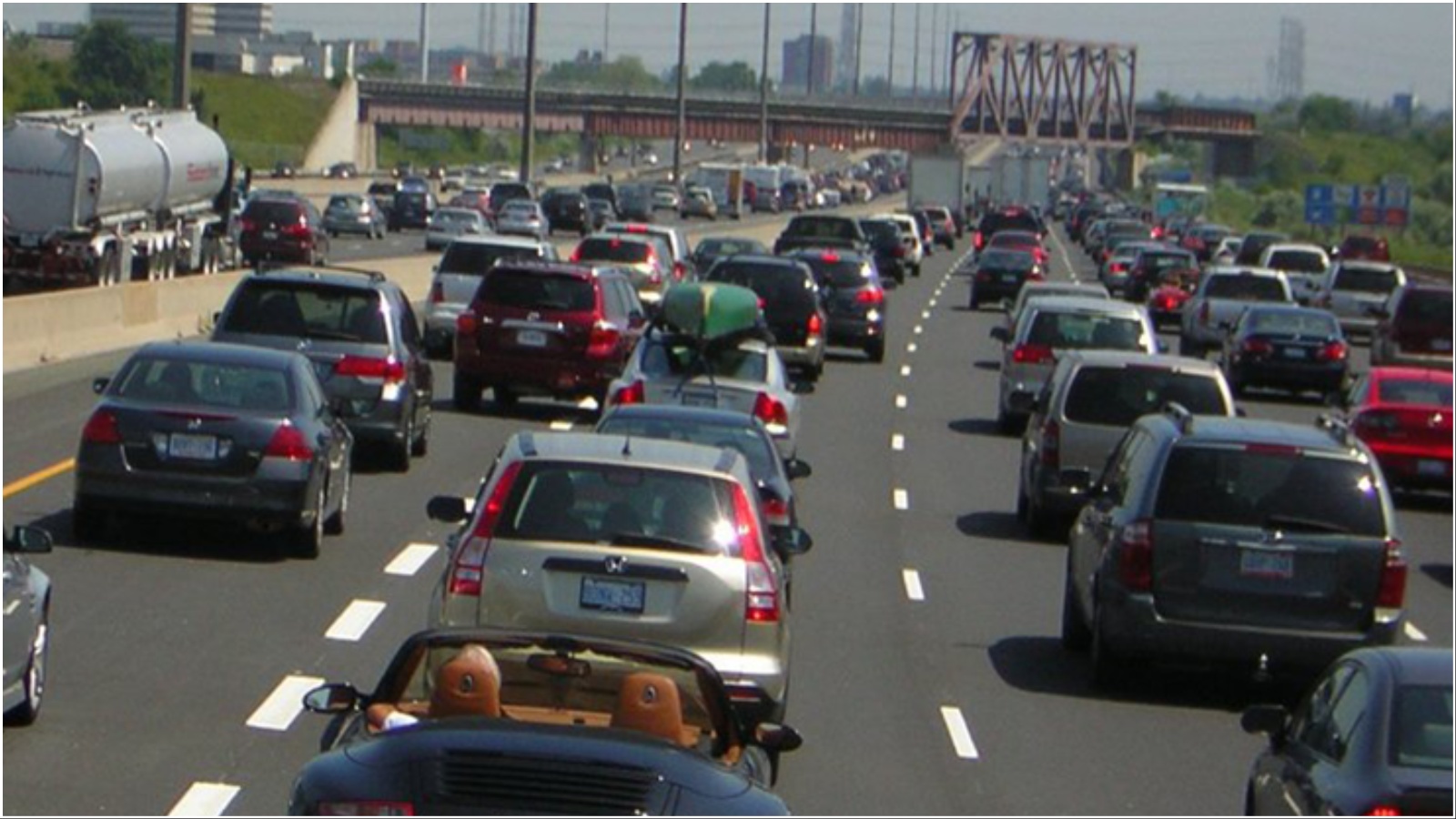
Driving safety organizations and many state driver manuals recommend a following interval of at least three seconds in normal conditions. To measure it, pick a fixed object the car ahead passes, such as a sign, and count the seconds until you reach the same point. The interval should increase in rain, snow, or darkness, and when following large trucks or motorcycles.
A few states set numeric requirements for specific situations. Some require trucks to maintain a set distance behind other vehicles, and some require extra space when drivers are towing a trailer.
Rear-end collisions are among the most common types of crashes, and in most cases the following driver is found at fault. Drivers who are tailgated should not brake suddenly to “teach a lesson,” since that can cause a collision and may expose the lead driver to legal liability. Changing lanes or slowing gradually to let the vehicle pass is the safer response.
6. Failing to Yield to Pedestrians
Pedestrian right of way is one of the most misunderstood areas of traffic law. In most states, drivers must yield to pedestrians in marked crosswalks. Many also treat unmarked crosswalks as legal crosswalks. An unmarked crosswalk typically exists at an intersection where sidewalks meet, even if no painted lines are present.
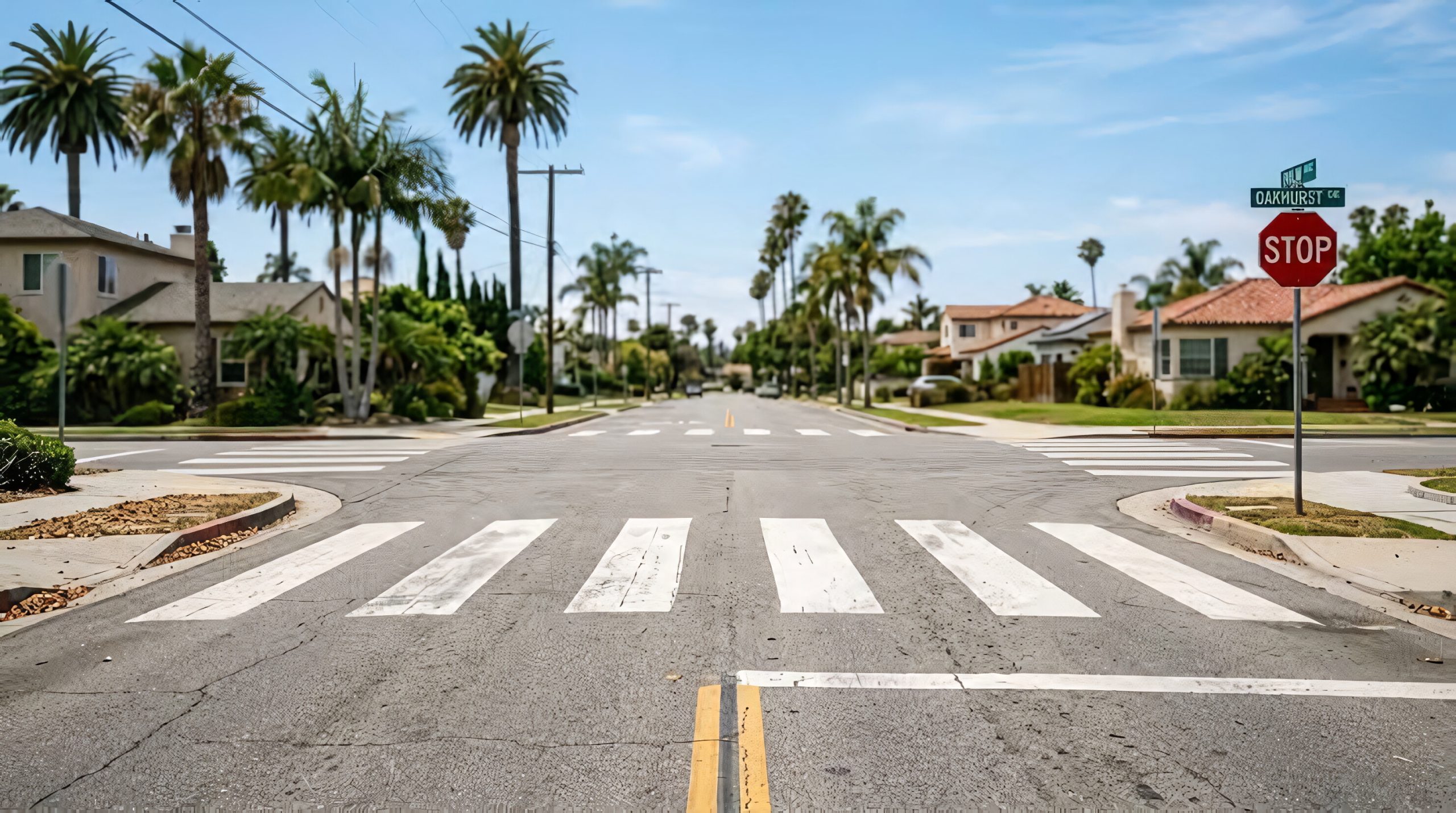
Rules differ on the details. Some states require drivers to stop for any pedestrian in the crosswalk, while others require stopping when a pedestrian is in the driver’s half of the roadway or approaching closely enough to be in danger. Drivers on multi-lane roads must also watch for pedestrians crossing in front of stopped vehicles, and passing a car that has stopped for a pedestrian is prohibited in most places.
Turning vehicles are a frequent source of violations. Drivers turning right on red or left on green must yield to pedestrians crossing the street they are entering. Signal indications give pedestrians the right of way even when the driver has a green light.
Pedestrian deaths in the United States have risen over the past decade, according to national safety data. Failure to yield is a contributing factor in many of those crashes, and penalties can include fines, license points, and, in cases involving injury, criminal charges.
7. Lingering in the Left Lane
On multi-lane highways, the left lane is designated for passing. A majority of U.S. states have laws that require slower traffic to keep right, and many limit the left lane to passing or turning left. Drivers who cruise in the left lane at or below the speed of surrounding traffic may be cited even if they are driving at the speed limit.
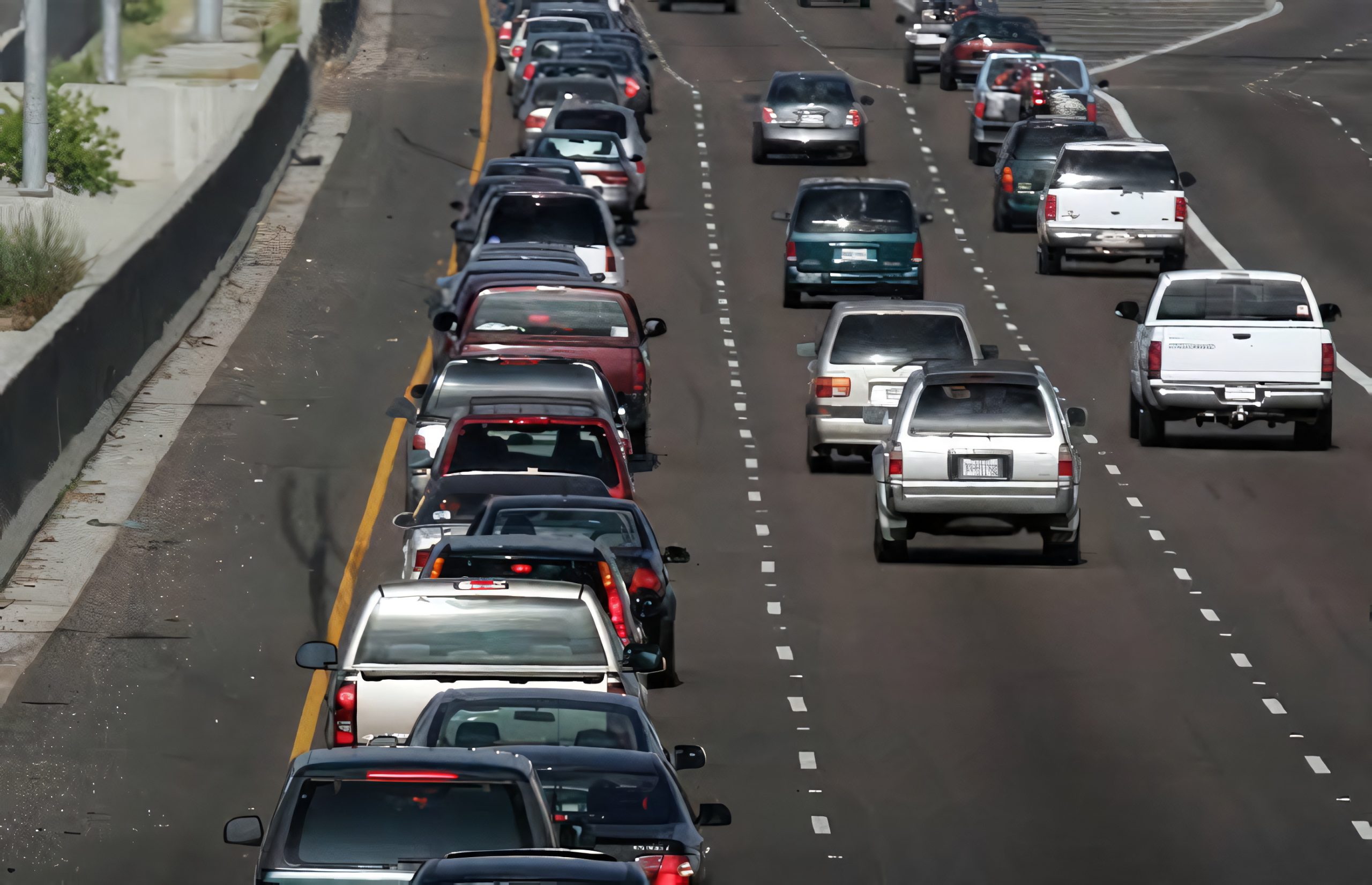
Wording differs by state. Some laws apply only on roads with posted limits above a certain speed, and others apply whenever a vehicle is being overtaken. A few states use cameras or targeted enforcement campaigns to address the issue. Passing on the right is generally restricted, although many states allow it in heavy traffic or on roads with multiple lanes moving in the same direction.
The reasoning behind these laws is traffic flow and safety. Slower vehicles in the passing lane force faster drivers to weave around them, which increases lane changes and the chance of collisions. Researchers and transportation agencies have linked uneven speeds and frequent lane changes to congestion and crash risk.
Drivers who find themselves in the left lane while being approached from behind should move to the right when it is safe to do so. Moving over is not an admission of fault, and it is what the statute in most states requires.
8. Ignoring Move Over Laws
All 50 U.S. states have a law requiring drivers to take extra care when approaching emergency vehicles stopped on the roadside. The requirements are commonly called “move over” or “slow down, move over” laws, and they were created after officers, tow operators, and other responders were struck while working along roadways.
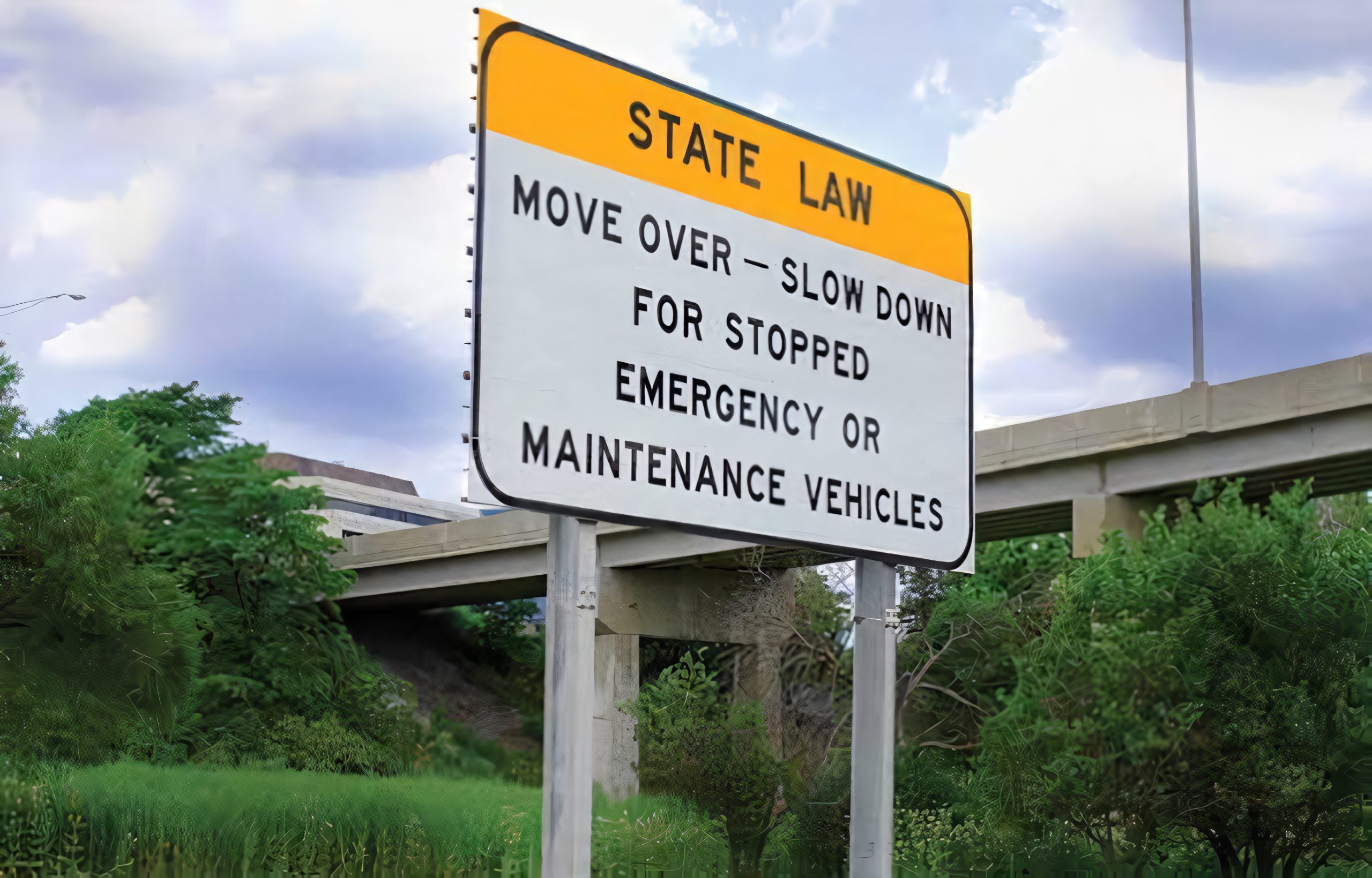
The typical rule has two parts. On a road with two or more lanes in the direction of travel, drivers must move into a lane away from the stopped vehicle if it is safe. If a lane change is not possible because of traffic or road design, drivers must slow down, often to a speed below the posted limit.
Coverage has expanded over time. Many states now apply the rule not only to police cars, ambulances, and fire trucks, but also to tow trucks, utility vehicles, and highway maintenance vehicles with flashing lights. Some include any stopped vehicle displaying hazard lights.
Violations can bring fines, license points, and increased penalties if an incident causes injury or death. Because the rules differ in which vehicles are protected and how far drivers must slow, reviewing your state’s version is worthwhile. Responders working near fast-moving traffic face serious risk, and this law remains one of the most direct protections available to them.