
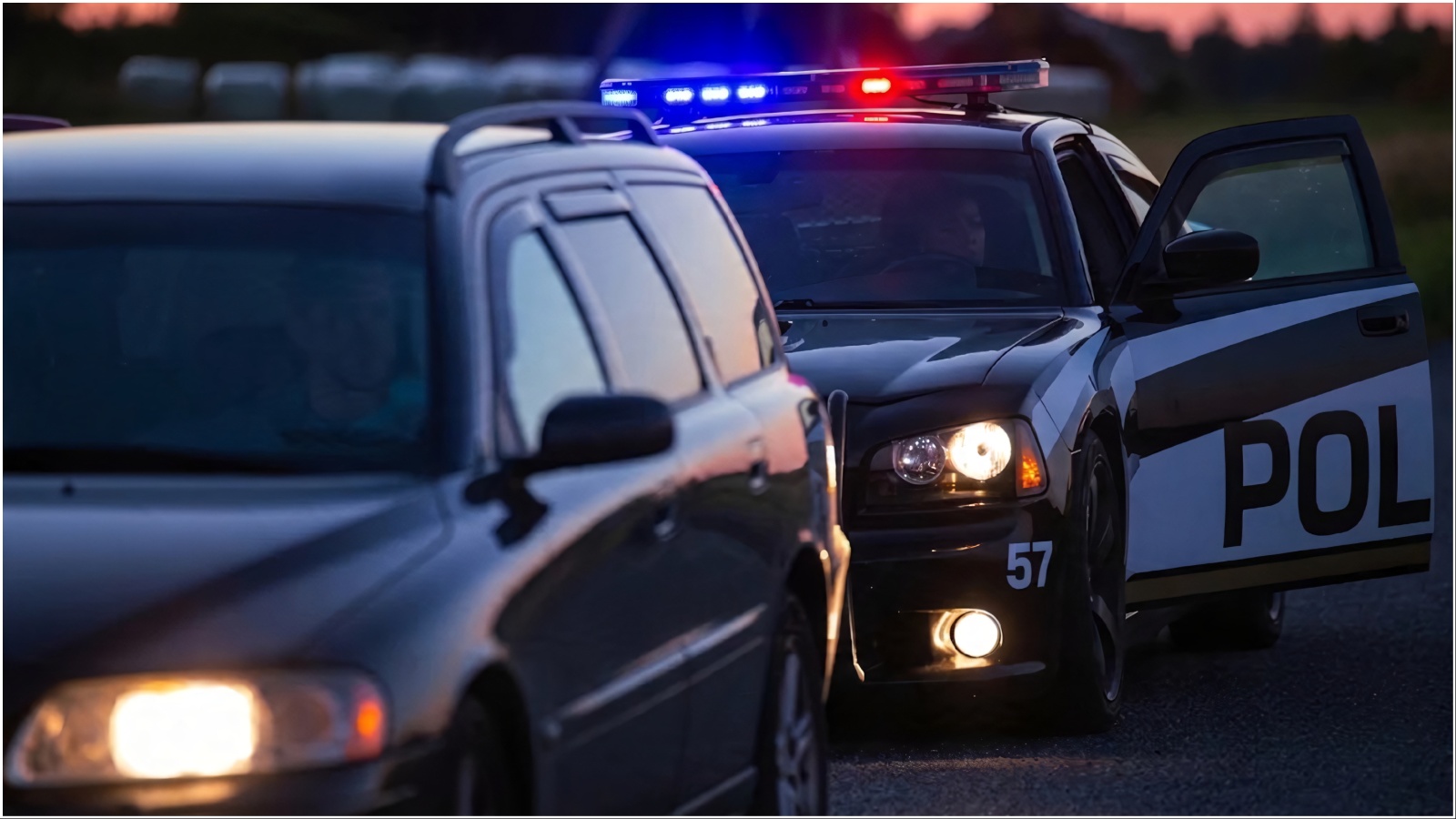
Traffic stops are among the most common interactions between the public and law enforcement. According to surveys by the Bureau of Justice Statistics, more than 20 million U.S. drivers are pulled over in a typical year. Yet many motorists remain uncertain about what police officers are legally allowed to request, require, or search during these encounters.
This confusion is understandable, as the rules are shaped by several legal sources, including the Fourth, Fifth, and Fourteenth Amendments, decades of Supreme Court rulings, and state-specific vehicle laws that vary across the country.
This article lists seven things police can do during a traffic stop and seven things they cannot, based mainly on U.S. constitutional law. It describes general rules, not legal advice, and state law can add requirements or protections beyond the federal minimum. Where a rule varies by state, the text says so. Knowing the difference helps drivers stay calm, respond appropriately, and recognize when an officer may be exceeding legal limits.
7 Things Police Can Do
1. Stop a Vehicle on Reasonable Suspicion
Police may stop a vehicle when they have reasonable suspicion that a traffic violation or crime has occurred or is occurring. Speeding, running a red light, a broken taillight, an expired registration, and failing to signal all qualify.
In Whren v. United States (1996), the Supreme Court held that a stop backed by a genuine traffic violation is lawful even if the officer’s real motive is to investigate something else. In Heien v. North Carolina (2014), it added that a stop can remain valid when an officer makes a reasonable mistake about what the law requires.
The standard is lower than probable cause but higher than a hunch. Random stops with no suspicion at all are generally unconstitutional under Delaware v. Prouse (1979). Fixed sobriety checkpoints that follow neutral, predetermined criteria were upheld in Michigan Department of State Police v. Sitz (1990).
A stop is a seizure under the Fourth Amendment, and it covers everyone in the vehicle. In Brendlin v. California (2007), the Court ruled that passengers are seized too and may challenge the legality of the stop.
2. Order the Driver and Passengers Out of the Car
Once a vehicle is lawfully stopped, an officer may order the driver to step out. The Supreme Court allowed this in Pennsylvania v. Mimms (1977), reasoning that the added intrusion is minor compared with the risk to officer safety, since roadside encounters can be dangerous. In Maryland v. Wilson (1997), the Court extended the same authority to passengers. The officer does not need any suspicion that the person is armed or dangerous.
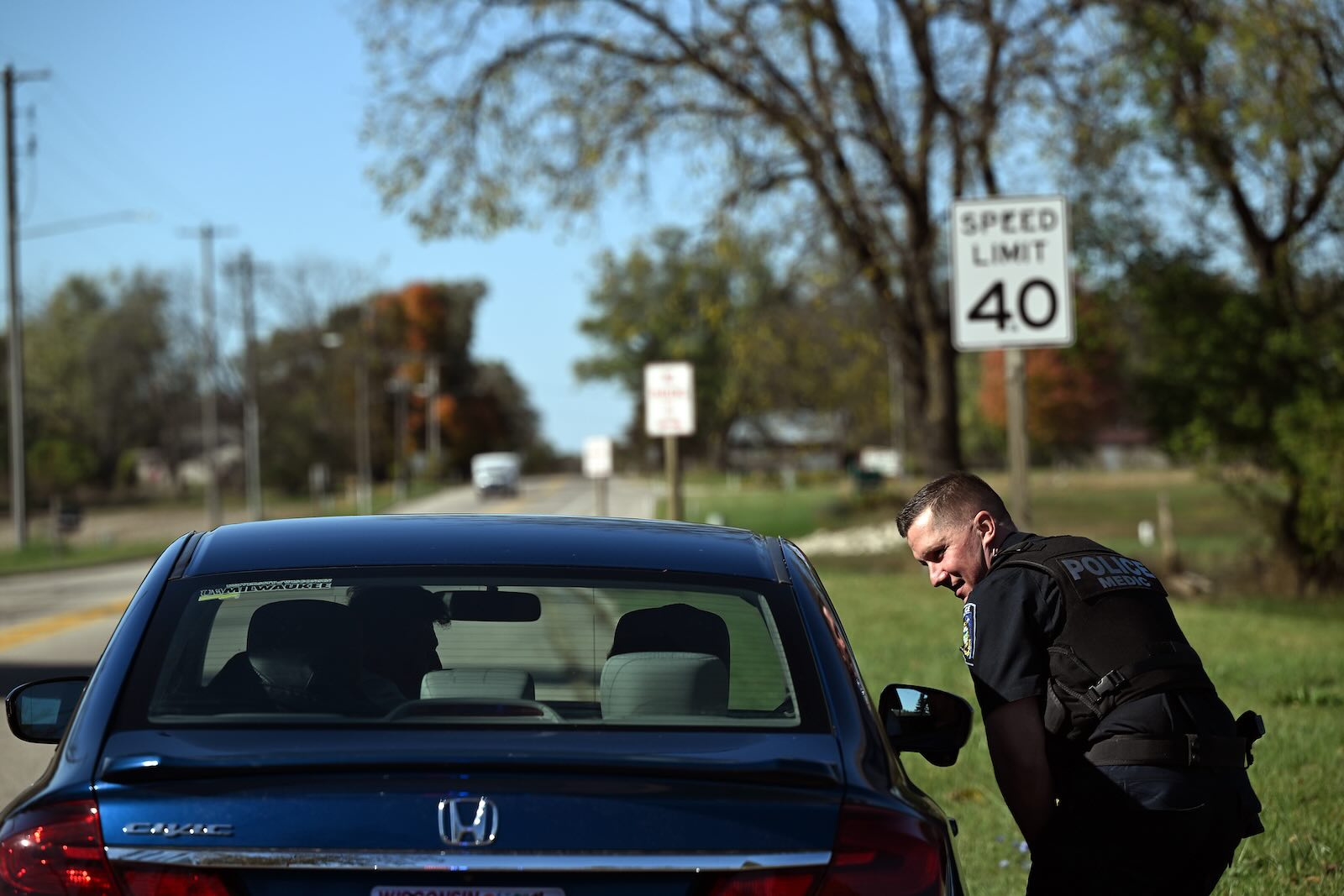
Ordering someone out of a car is not an arrest, and it does not by itself authorize a search of the person or the vehicle. Officers may also direct where occupants stand, for example, beside the vehicle or away from moving traffic.
Officers commonly give related instructions, such as turning off the engine, keeping hands visible, or staying inside the vehicle until told otherwise. Courts treat these as reasonable safety measures during a lawful stop. Refusing a lawful order can lead to additional charges such as obstruction or resisting. A driver who disagrees with an order can comply and raise the objection later through an attorney or in court.
3. Require a License, Registration, and Proof of Insurance
Every state requires drivers to carry a valid license and show it to an officer on request. Most states also require registration and proof of insurance to be available in the vehicle, and a growing number accept electronic proof of insurance.
Officers may use the information to check for suspended licenses, outstanding warrants, and stolen-vehicle reports. In Rodriguez v. United States (2015), the Court identified these checks as part of the legitimate purpose of a traffic stop, as long as the officer performs them diligently.
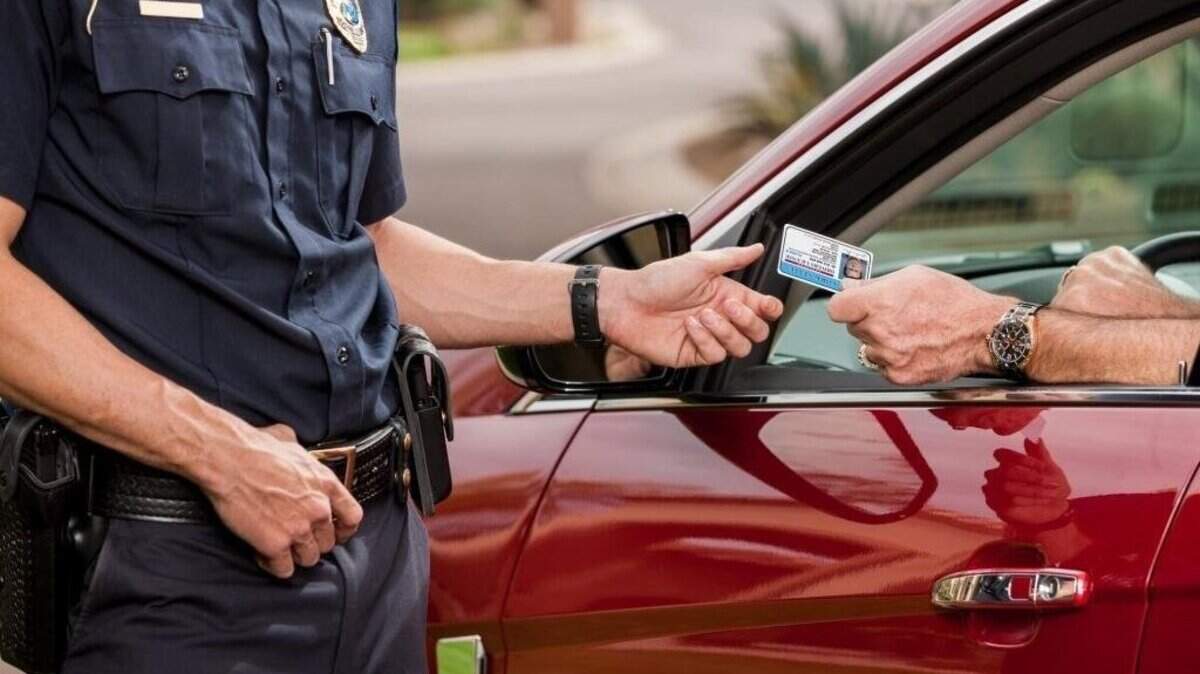
Identification rules go further in some states. In Hiibel v. Sixth Judicial District Court of Nevada (2004), the Court upheld a state law requiring a person detained on reasonable suspicion to give their name. Roughly half of the states have some form of “stop and identify” statute, and the details differ.
Failure to produce a license while driving is often an offense on its own, which may be dismissed if the driver later shows a valid license. Rules for passengers vary by state, so a passenger’s duty to identify themselves is less uniform than a driver’s.
4. Ask Questions, Including Ones Unrelated to the Stop
Officers may ask drivers and passengers questions during a stop, including questions that have nothing to do with the original violation, such as where they are traveling from or whether there is anything illegal in the car. In Arizona v. Johnson (2009), the Court held that unrelated inquiries do not violate the Fourth Amendment as long as they do not measurably extend the length of the stop.
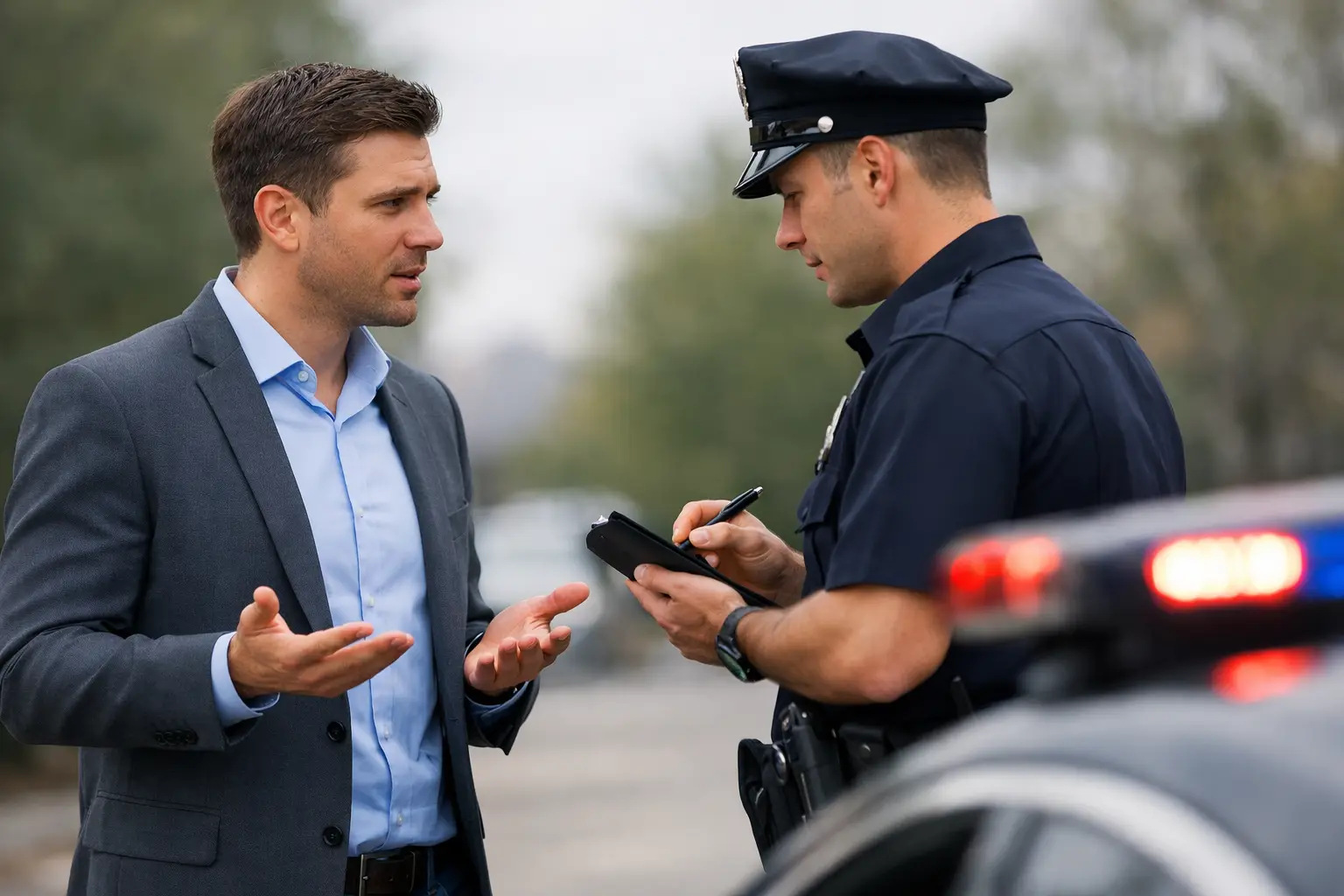
An ordinary traffic stop is generally not treated as custody, so officers do not have to give Miranda warnings before asking these questions. The Court reached that conclusion in Berkemer v. McCarty (1984). The consequence is that answers given at a roadside can be used as evidence.
Officers may also act on what they observe, such as the odor of alcohol, slurred speech, or open containers in plain view, and these observations can support further investigation. Officers may ask a driver to perform roadside field sobriety tests. In most states, those tests are voluntary, though an officer can rely on other evidence of impairment if the driver declines.
5. Frisk for Weapons
An officer may pat down the outer clothing of a driver or passenger when the officer has reasonable suspicion that the person is armed and dangerous. The rule comes from Terry v. Ohio (1968), and Arizona v. Johnson (2009) confirmed that it applies to passengers during a traffic stop.
The suspicion must rest on specific facts, such as a visible bulge, furtive movements toward a hidden area, or a known history of weapons offenses. The stop alone is not enough.
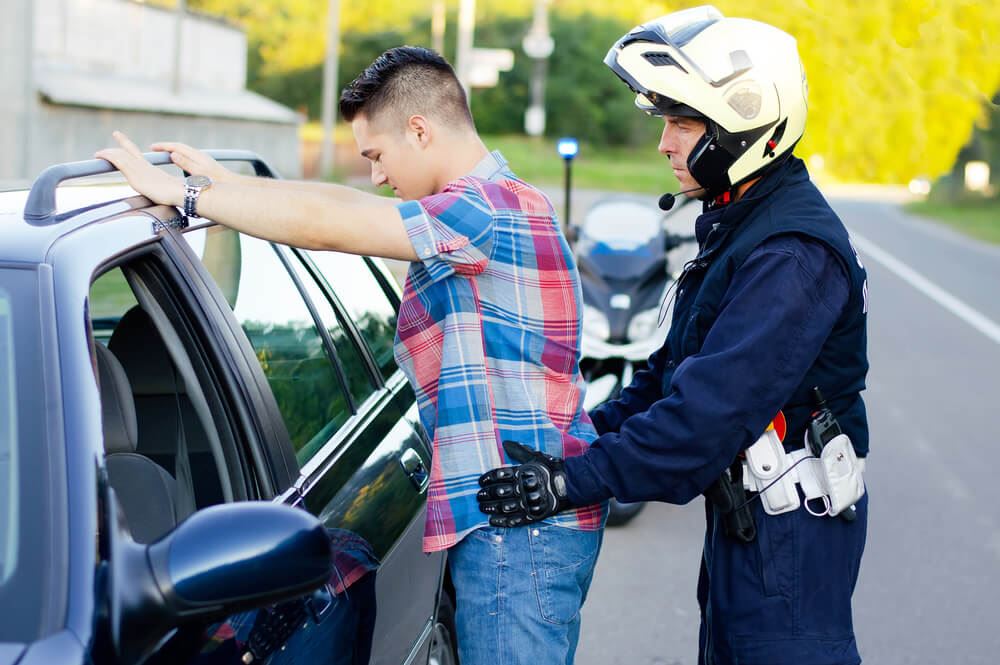
In Michigan v. Long (1983), the Court allowed a limited protective search of the passenger compartment, confined to areas where a weapon could be hidden and the person could reach it. The purpose of a frisk is to find weapons, not evidence.
Under Minnesota v. Dickerson (1993), an officer may seize an item felt during a frisk only if its illegal nature is immediately apparent through touch, without squeezing or manipulating it. A frisk that turns into a general search for drugs or other evidence goes beyond the legal limit, and courts may suppress what it uncovers.
6. Search the Vehicle Without a Warrant in Certain Circumstances
The Fourth Amendment normally requires a warrant to search, but several exceptions apply to vehicles. Under the automobile exception, rooted in Carroll v. United States (1925), officers who have probable cause to believe a vehicle contains evidence or contraband may search it without a warrant, including containers inside that could hold the item.
Officers may also seize items in plain view and may search with voluntary consent. In Schneckloth v. Bustamonte (1973), the Court held that officers need not tell a person they have the right to refuse.
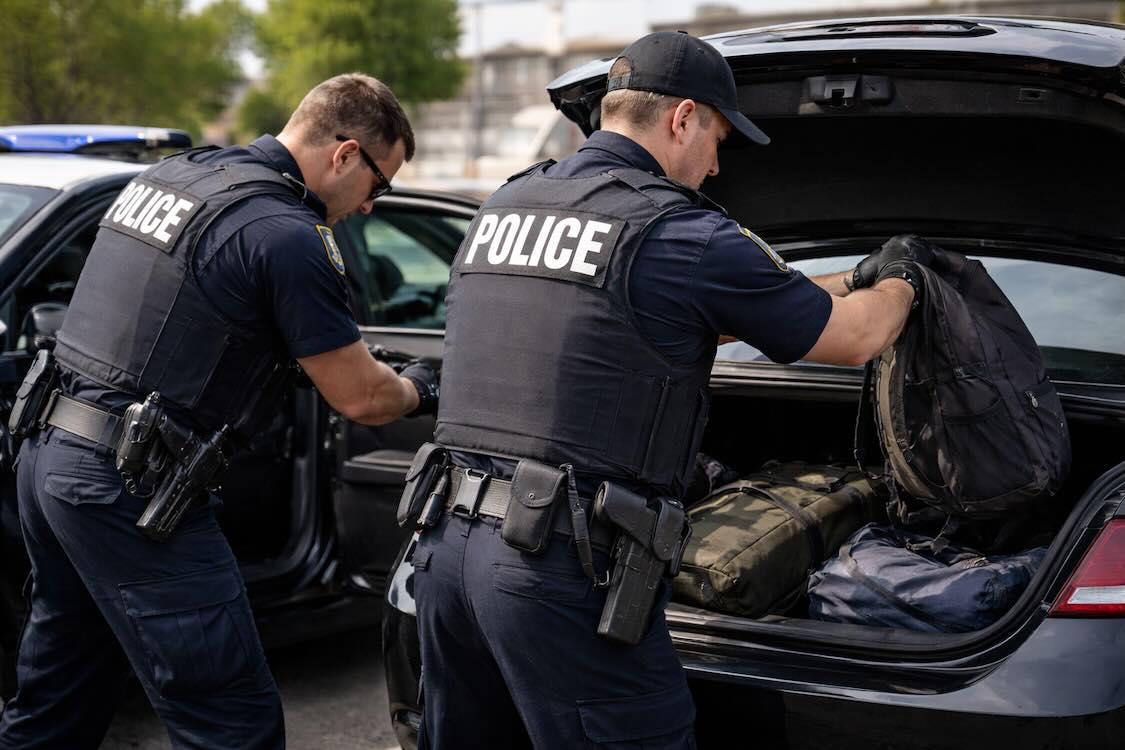
Other exceptions include inventory searches before a vehicle is impounded under standardized policy (South Dakota v. Opperman, 1976) and searches after an arrest. Under Arizona v. Gant (2009), a search after an arrest is allowed only if the arrestee could still reach the passenger compartment or if it is reasonable to believe evidence of the offense of arrest is inside.
A trained dog may also sniff the exterior of a car. Illinois v. Caballes (2005) held that this is not a search, and Florida v. Harris (2013) held that a reliable dog’s alert can supply probable cause.
7. Arrest for Any Offense Committed in Their Presence
Police can make a full custodial arrest for a minor offense. In Atwater v. City of Lago Vista (2001), the Court upheld the arrest of a driver for a seat belt violation punishable only by a fine.
The Court held that if an officer has probable cause to believe a person committed even a minor criminal offense in the officer’s presence, the Fourth Amendment does not forbid a custodial arrest. Many states restrict this power by statute and direct officers to issue citations for most minor offenses, so practice differs widely.
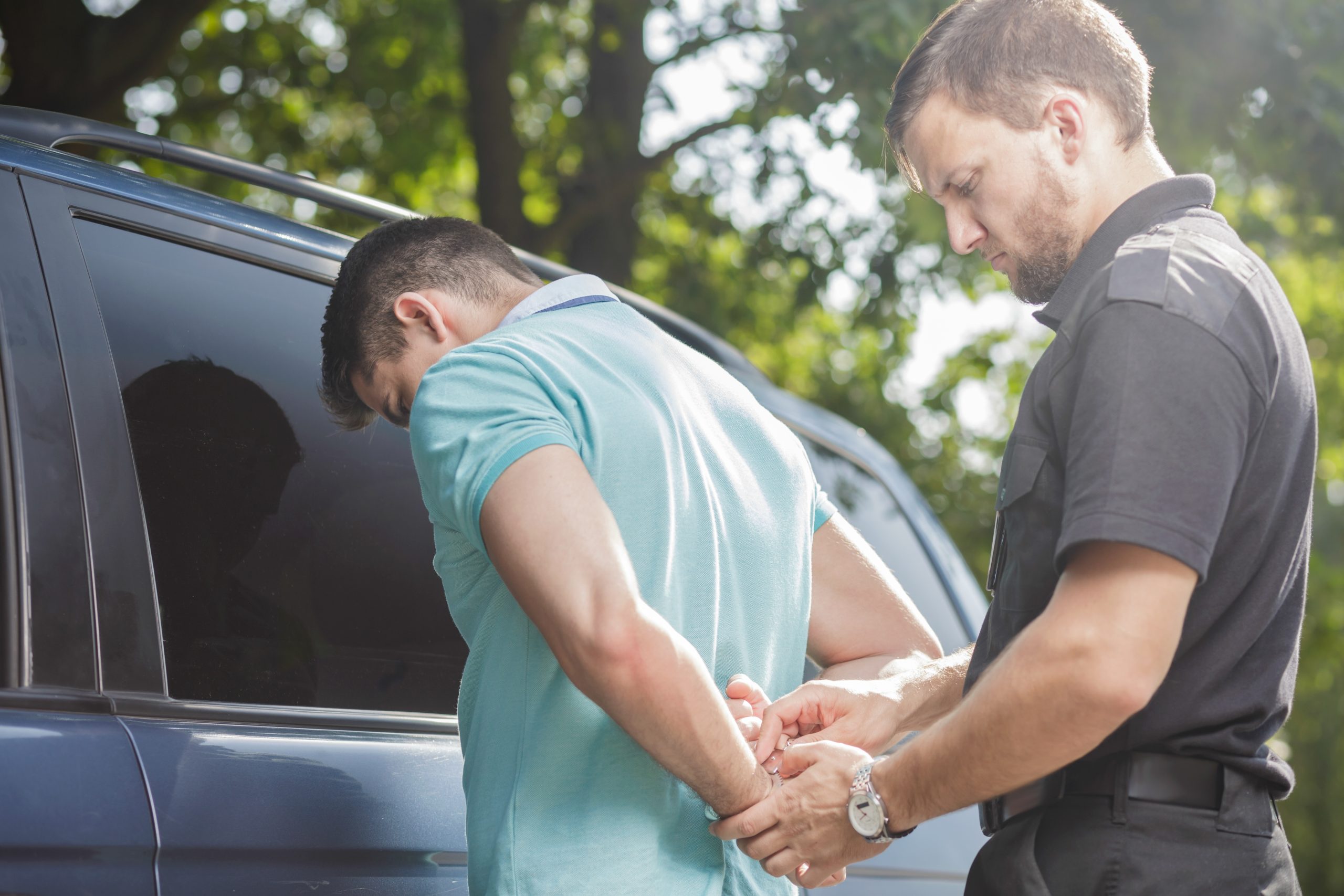
An arrest changes what police may do. Under United States v. Robinson (1973), officers may search the arrested person without a warrant. The vehicle may be impounded and inventoried, and the Gant rules govern any search of the passenger compartment.
After an arrest for drunk driving, officers may require a breath test without a warrant, according to Birchfield v. North Dakota (2016). A warrantless blood test generally requires consent or a warrant. Refusal can trigger separate license penalties under state implied consent laws.
7 Things Police Can’t Do
1. Prolong the Stop Beyond Its Purpose
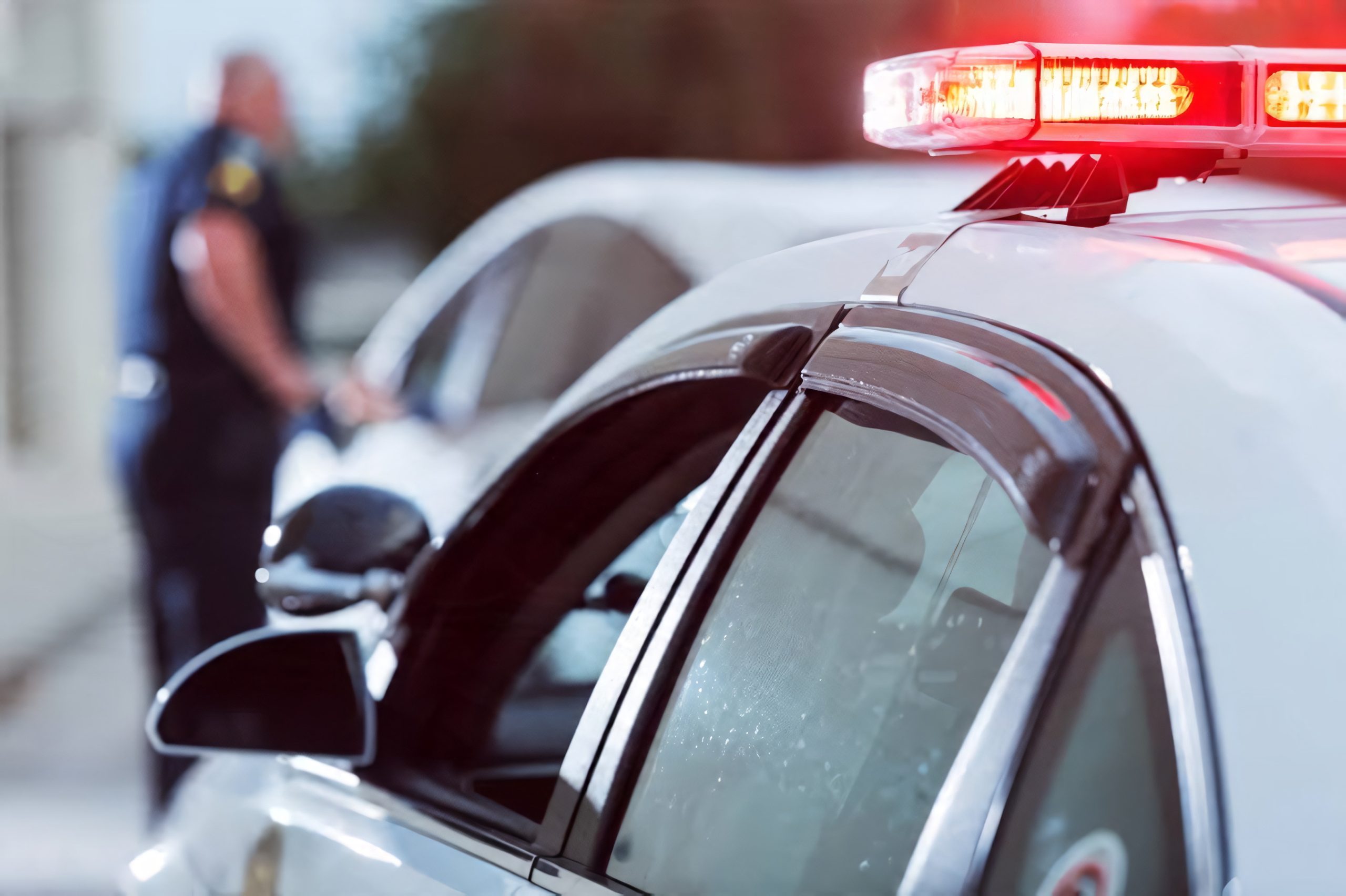
A stop may last only as long as it takes to handle the reason for it. In Rodriguez v. United States (2015), an officer finished a warning and then held the driver for about eight minutes until a second officer arrived with a drug-sniffing dog.
The Supreme Court ruled that police cannot extend a completed traffic stop to conduct an unrelated investigation without reasonable suspicion. Authority for the stop ends once the tasks tied to the traffic violation are, or reasonably should have been, completed. Those tasks include checking the license, running warrants, verifying insurance, and writing the citation.
There are exceptions. An officer who develops reasonable suspicion of another crime during the stop, for example by noticing signs of impairment or contraband, may extend it to investigate.
A driver may also consent to further questioning or a search. When neither applies, a driver can ask whether they are free to leave. Evidence gathered during an unlawfully extended stop can be excluded from a criminal case under the exclusionary rule, which the Court applied to the states in Mapp v. Ohio (1961).
2. Search Without a Warrant, Consent, or a Recognized Exception
An officer cannot search a car or its contents on a hunch, and a stop for a traffic violation does not by itself justify a search. Unless one of the exceptions described earlier applies, such as probable cause, a valid arrest, plain view, or an inventory, police need a warrant. A driver’s refusal to consent cannot serve as the probable cause for a search. Declining a request is a legal exercise of Fourth Amendment rights.
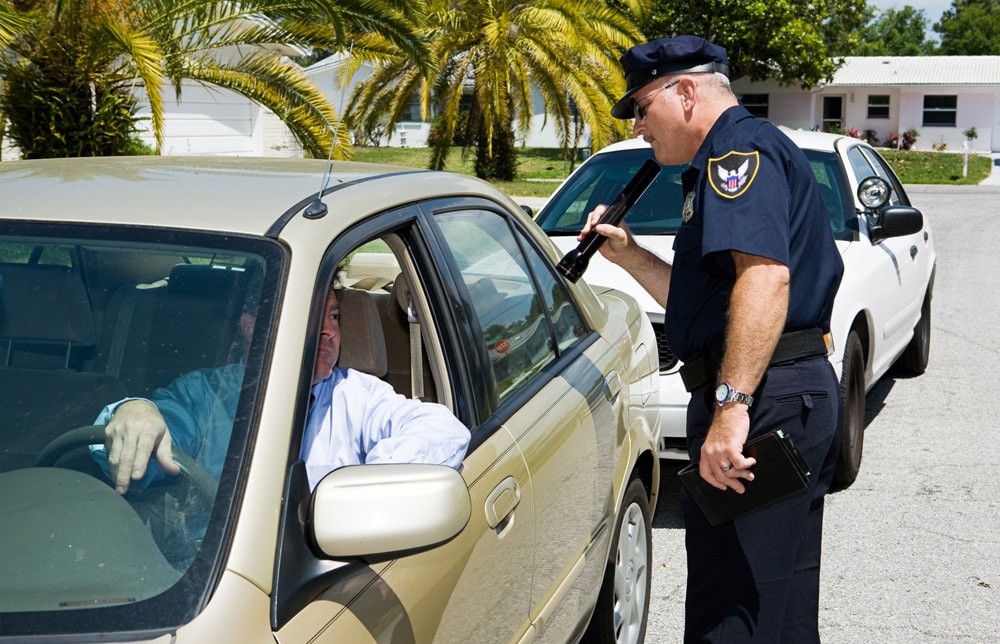
Consent must also be voluntary. A search justified by consent that was obtained through threats or a claim that the officer has a warrant when none exists is open to challenge. Searches of the body receive stronger protection than searches of vehicles.
In Missouri v. McNeely (2013), the Court held that the natural dissipation of alcohol in the blood does not automatically justify a warrantless blood draw in every drunk driving case. Drivers who do not want a search can state clearly that they do not consent. They should not physically resist, because the legality of a search is decided later in court.
3. Force You to Answer Questions or Incriminate Yourself
The Fifth Amendment protects people from being compelled to be witnesses against themselves. A driver can decline to answer questions about where they have been, where they are going, whether they have been drinking, or what is in the car.
Officers cannot lawfully punish a person for declining such questions, though they may treat an evasive answer as one factor among others when deciding whether reasonable suspicion exists. The duty to provide a license, registration, proof of insurance, and, in many states, a name is separate from the right to remain silent about everything else.
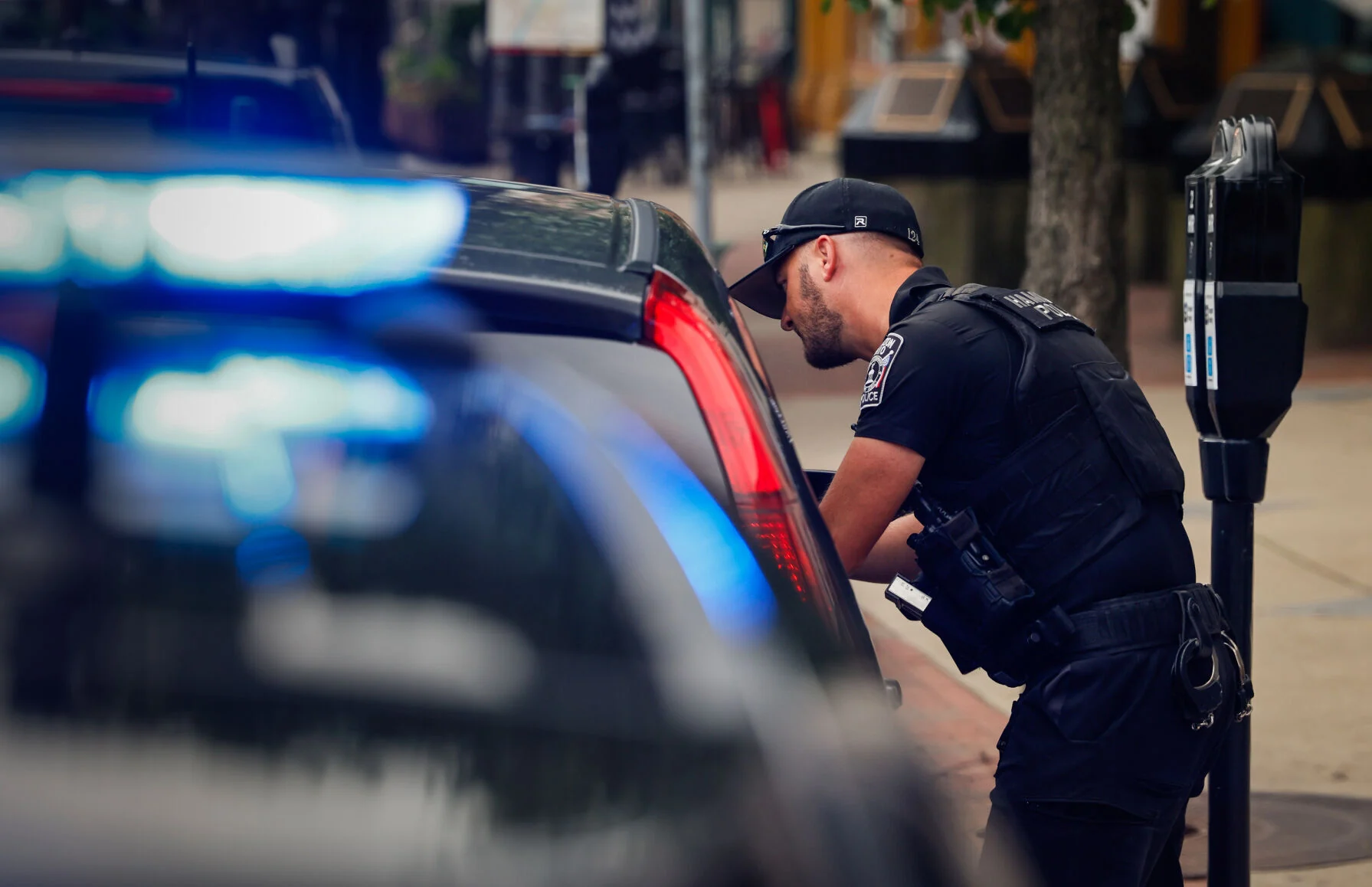
Once a person is in custody and the police begin interrogating them, Miranda v. Arizona (1966) requires warnings before questioning. The exact moment a stop becomes custody depends on the circumstances, such as handcuffing or an arrest.
In Salinas v. Texas (2013), a plurality of the Court held that a person who stays silent in a voluntary, non-custodial interview without expressly invoking the privilege can have that silence used against them. For that reason, a driver who wishes to stop answering questions should say so explicitly.
4. Search Your Phone Without a Warrant
Police generally cannot search the contents of a cell phone without a warrant, even after arresting the person who carries it. In Riley v. California (2014), the case began with a traffic stop for expired registration, and the Supreme Court ruled unanimously that officers must get a warrant before searching a phone seized during an arrest.
The Court explained that modern phones hold vast amounts of private information, including messages, photos, location history, and financial records, which makes them different from physical objects found on a person.

Officers may still secure a phone while they apply for a warrant, and a search may be lawful with the owner’s consent or in a true emergency, such as an imminent threat to someone’s safety.
Consent is a voluntary choice, and a driver may refuse. Courts have divided over whether police can compel a person to unlock a phone with a passcode, fingerprint, or face scan, because the answer turns on Fifth Amendment arguments that the Supreme Court has not resolved. Drivers should check how their own state’s courts have ruled.
5. Stop You Because of Your Race or Ethnicity
The Equal Protection Clause of the Fourteenth Amendment prohibits selective enforcement of traffic laws based on race or ethnicity. In Whren, the Court noted that the constitutional basis for challenging intentionally discriminatory enforcement is the Equal Protection Clause, not the Fourth Amendment.
In United States v. Brignoni-Ponce (1975), the Court held that apparent Mexican ancestry alone is not enough to justify a stop. Many states have also banned racial profiling by statute, and a number require agencies to collect and report data on the race of stopped drivers.
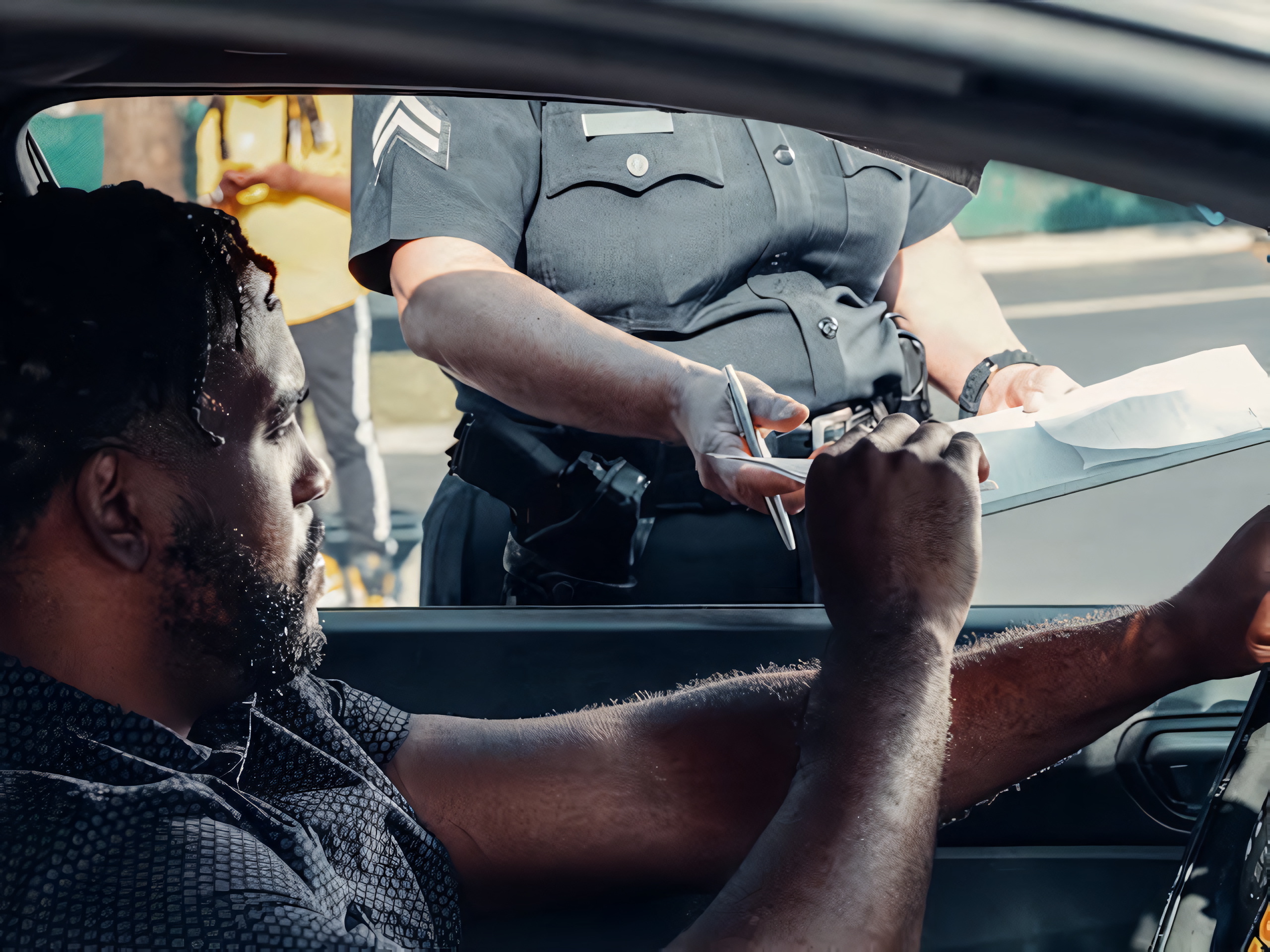
Proving a violation can be difficult, because courts usually require evidence of discriminatory intent and officers can point to a legal reason for the stop. Remedies include civil suits under 42 U.S.C. § 1983 and federal investigations of police departments for patterns of unconstitutional conduct.
Researchers analyzing roughly 100 million stops in the Stanford Open Policing Project, in a study published in Nature Human Behaviour in 2020, found that Black drivers were stopped more often than white drivers relative to their share of the local population, and were searched more often once stopped.
6. Use Excessive Force
Officers may use reasonable force during a stop, such as handcuffing a person who is being arrested, but the Fourth Amendment forbids excessive force. In Graham v. Connor (1989), the Supreme Court set an “objective reasonableness” standard.
Courts weigh the severity of the suspected crime, whether the person poses an immediate threat to officers or others, and whether the person is actively resisting or trying to flee. The assessment is made from the perspective of a reasonable officer on the scene, not with hindsight.
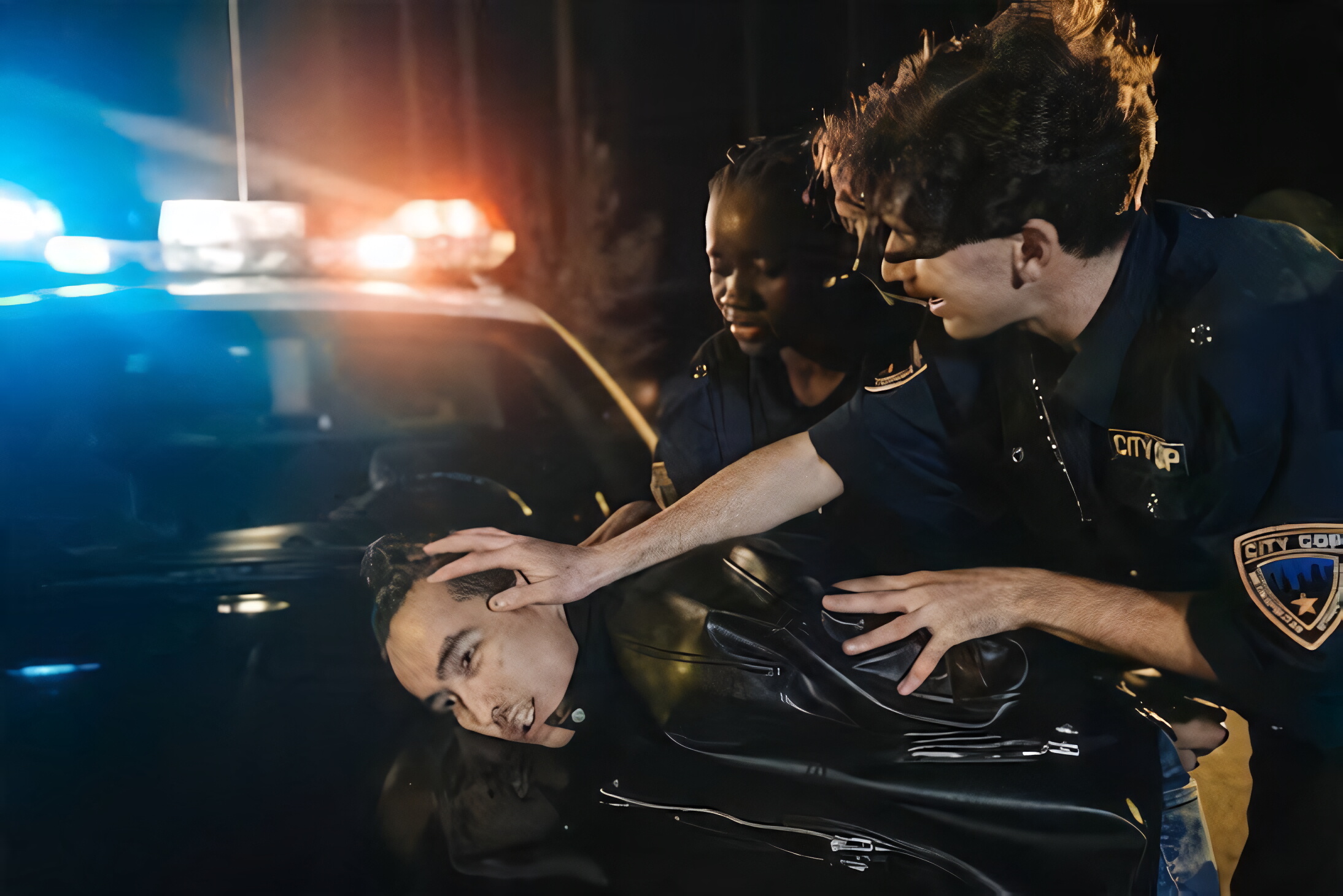
Deadly force faces tighter limits. In Tennessee v. Garner (1985), the Court held that police may not use deadly force to stop a fleeing suspect unless they have probable cause to believe the person poses a significant threat of death or serious physical injury to the officer or others.
Force against a person who is compliant, restrained, and not a threat is generally unlawful. Remedies include internal discipline, criminal prosecution in rare cases, and civil lawsuits, although the doctrine of qualified immunity often shields individual officers from liability unless the right was clearly established.
7. Order You to Stop Recording Them
Federal appeals courts have widely recognized a First Amendment right to record police officers performing their duties in public. The First Circuit decided Glik v. Cunniffe in 2011, and the Third Circuit followed in Fields v. City of Philadelphia (2017).
The Fifth Circuit reached a similar conclusion in Turner v. Driver (2017), and other circuits have ruled the same way. A passenger or a bystander may generally record a traffic stop from a safe position, and a driver may generally record from inside the car, provided the recording does not interfere with the officer.
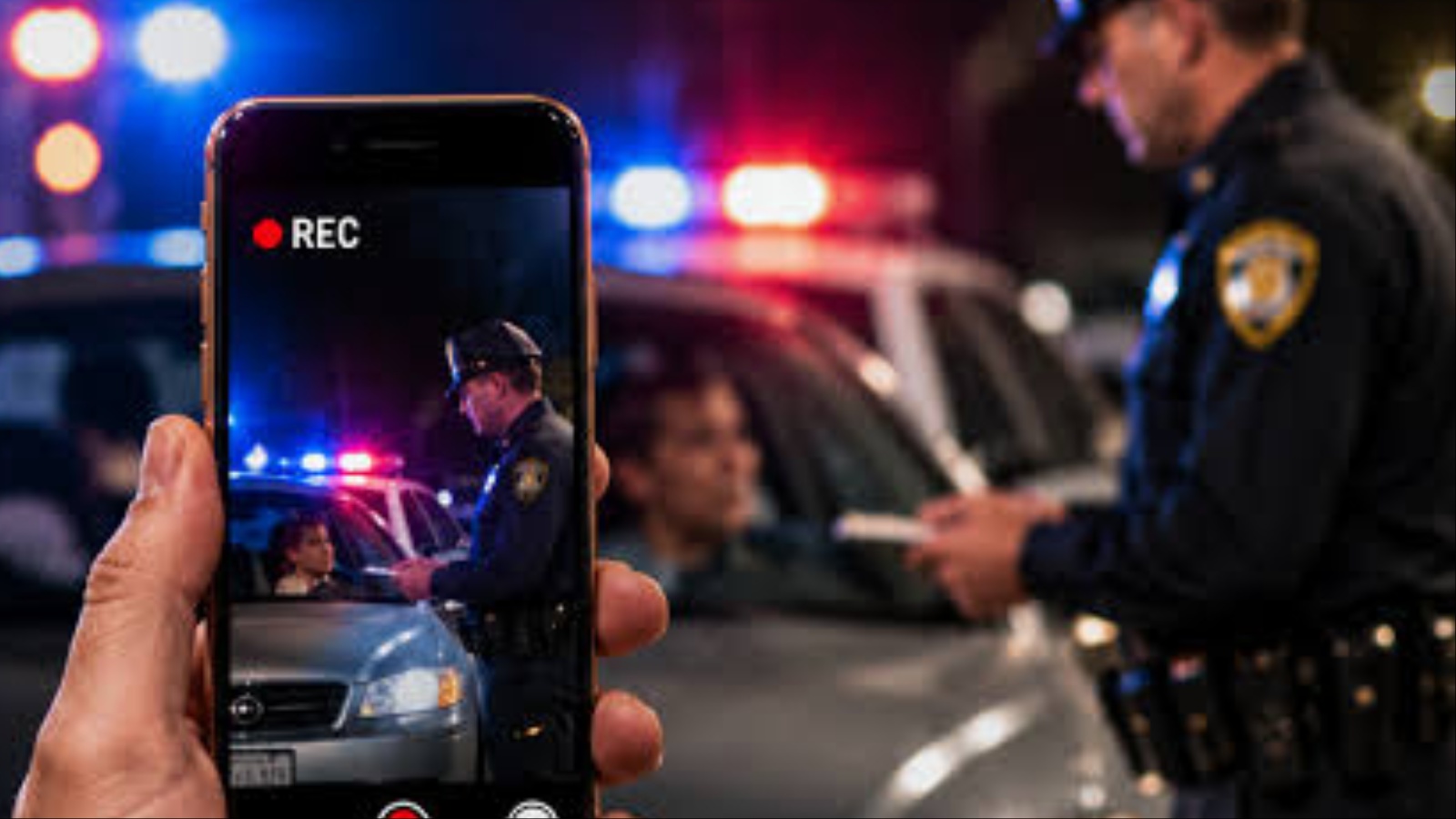
The right is not unlimited. Officers may impose reasonable restrictions on time, place, and manner, such as telling a bystander to stand back from the scene for safety, and a person who physically interferes can be charged with obstruction.
Officers cannot lawfully delete recordings. Under Riley, they also cannot seize and search a phone for footage without a warrant, consent, or a genuine emergency. Some states have all-party consent recording laws, but courts have often held that those laws do not apply to recording on-duty officers in public.
