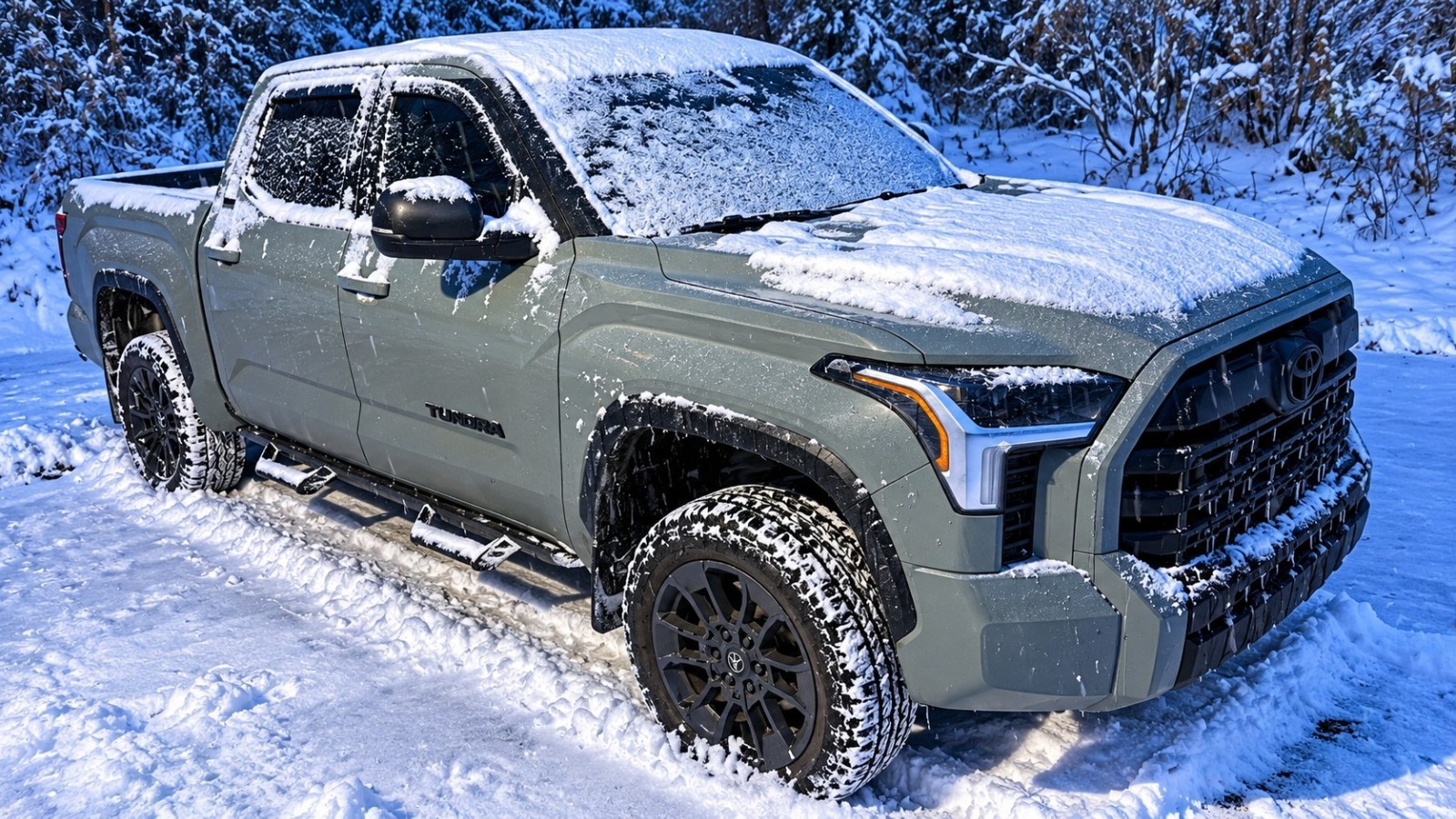
Alaska’s winter driving conditions demand more from a pickup truck than ordinary road performance. Heavy snowfall, icy highways, subzero temperatures, and remote stretches with limited roadside assistance make vehicle selection an important consideration for residents, workers, and anyone travelling across the state.
The best trucks for Alaska winters need a combination of dependable four-wheel drive, sufficient ground clearance, reliable cold-weather starting capability and practical features that make driving in freezing conditions more manageable.
Not every truck that performs well in ordinary snowy conditions is necessarily suitable for Alaska’s harsher winter environment. Engine block heaters, battery performance, winter-rated tyres, heating systems and drivetrain configurations can make a significant difference when temperatures fall well below freezing.
From full-size workhorses to more manoeuvrable midsize pickups, several models offer features worth considering. Here are 12 of the best trucks for Alaska winters, with a closer look at their capabilities, strengths and limitations.
We selected these trucks for their four-wheel-drive availability, winter-oriented equipment, ground clearance, off-road capability, and usefulness in demanding conditions. This is a practical shortlist, not a definitive performance ranking: the right choice depends on the roads, temperatures, workload, and budget.
1. Ford F-150
The Ford F-150 is a strong all-round option for Alaska winters, particularly for drivers who need a pickup for commuting, hauling equipment, and travelling between communities. Its available four-wheel-drive configurations, multiple engine choices and range of trim levels make it adaptable to different requirements. The Tremor trim is particularly relevant for drivers who regularly encounter unpaved roads, deep snow and uneven terrain.
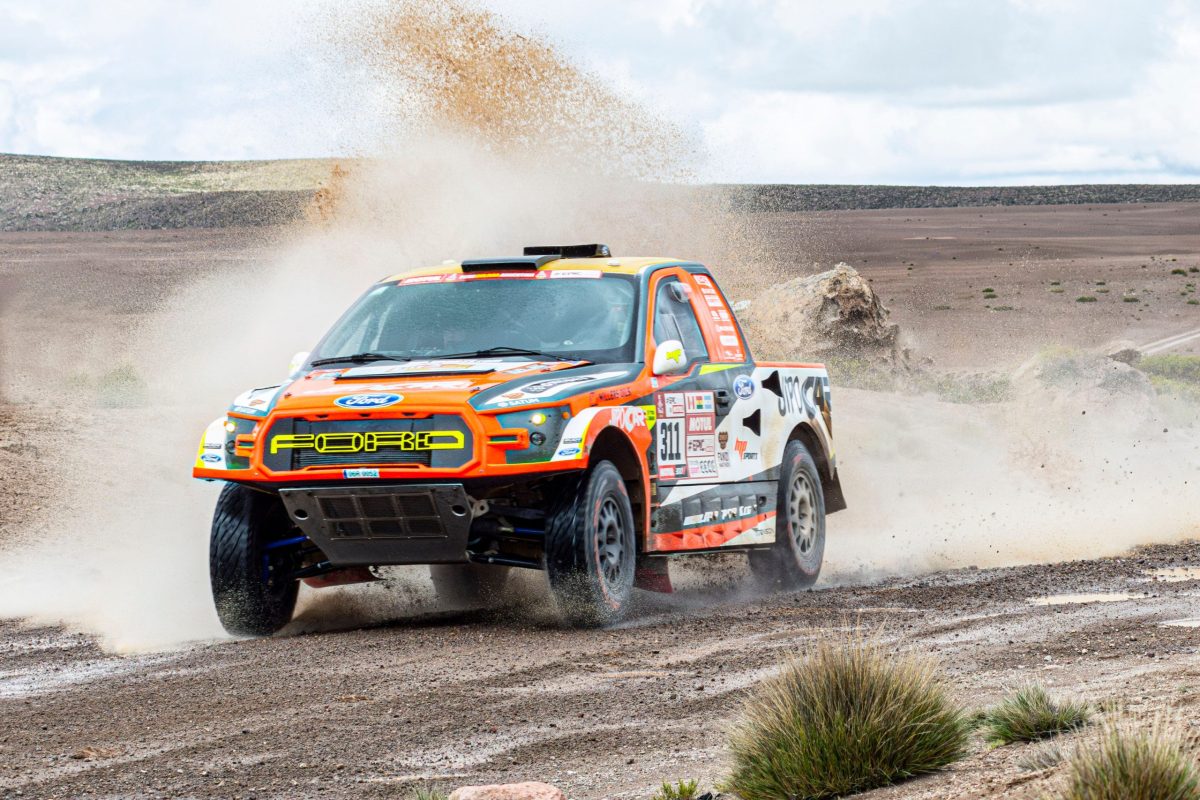
Ford offers several engine options, including a 2.7-litre EcoBoost V6, a 5.0-litre V8 and a 3.5-litre EcoBoost V6. Depending on configuration, buyers can also choose the PowerBoost hybrid powertrain. The truck’s available off-road equipment and selectable drive modes provide additional flexibility when road conditions change.
Ground clearance deserves attention when choosing an F-150. The manufacturer lists different minimum running clearance figures across configurations, so buyers should not assume that every trim offers the same capability. The Tremor and Raptor are more suitable starting points for those prioritising off-road performance, although their specialised equipment may be unnecessary for ordinary highway commuting.
For extreme cold, an engine block heater should be considered when selecting the vehicle and checking its equipment. Ford’s owner guidance explains that the heater warms engine coolant and is particularly effective below 0°F (-18°C).
The F-150 makes sense for drivers who want one truck to handle everyday transport, work duties and occasional challenging winter routes without moving into a heavy-duty pickup.
2. Chevrolet Silverado 1500
The Chevrolet Silverado 1500 is another practical choice for Alaska, particularly for owners who need towing capacity, cargo space and a capable four-wheel-drive platform. Its different configurations allow buyers to select a truck for ordinary road use, demanding work environments, or more adventurous off-road driving.
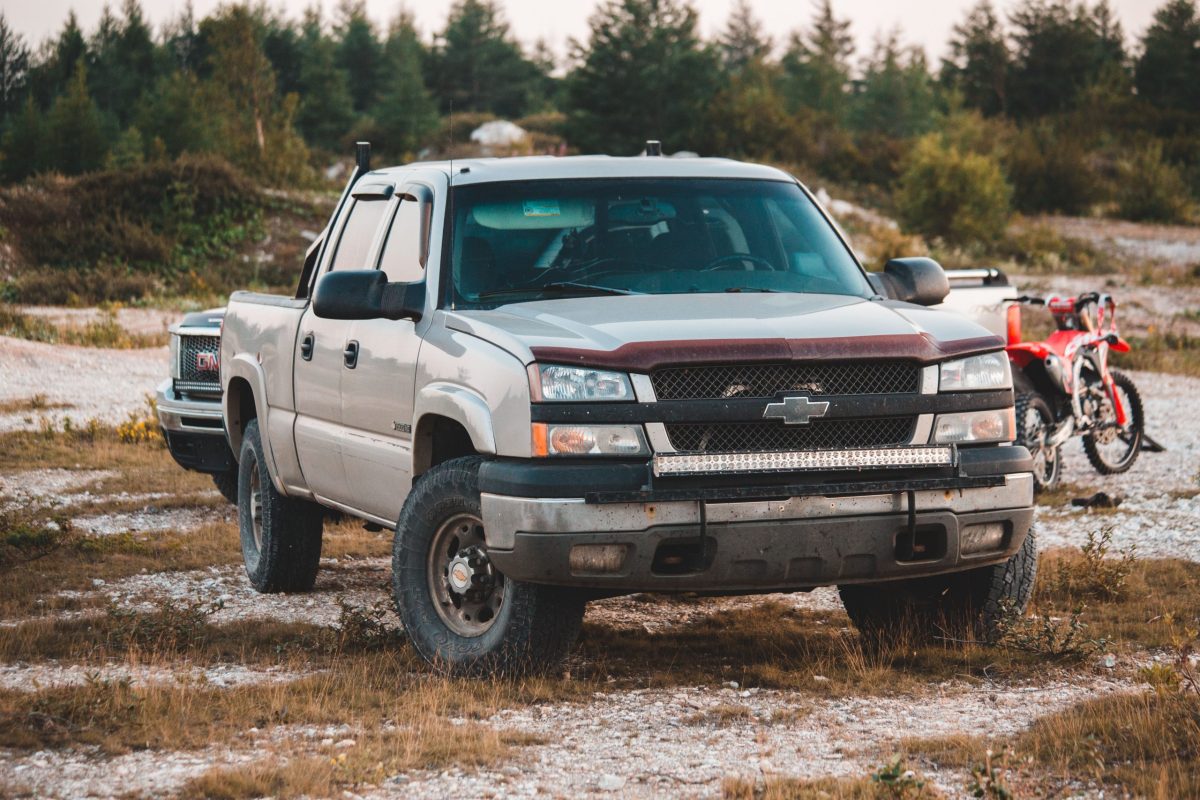
The Silverado ZR2 deserves particular consideration. Chevrolet equips this version with a factory-installed suspension lift, Multimatic DSSV dampers and 33-inch Goodyear Wrangler Territory mud-terrain tyres.
These components are designed to improve performance over rough surfaces and challenging terrain. They can also be useful when travelling along poorly maintained access roads, although mud-terrain tyres are not automatically the best choice for icy pavement.
The truck’s full-size dimensions offer practical benefits for carrying winter equipment, recovery tools, work supplies and recreational gear. Buyers can also compare different powertrain and cab configurations to find a suitable balance between daily usability and heavy-duty requirements.
One important consideration is the distinction between off-road capability and winter-road safety. A lifted Silverado with aggressive tyres may travel through certain snow-covered surfaces effectively, but stopping on ice still depends heavily on tyre compound, tread condition and driving technique.
For Alaska residents who regularly transport equipment or tow trailers, the Silverado 1500 offers a useful combination of working capability and off-road hardware.
3. GMC Sierra 1500 AT4
The GMC Sierra 1500 AT4 is worth considering for drivers who want a full-size pickup with factory-equipped off-road features and a more comfort-oriented interior. Its four-wheel-drive configuration, suspension setup and available powertrain options make it suitable for a range of working and recreational applications.
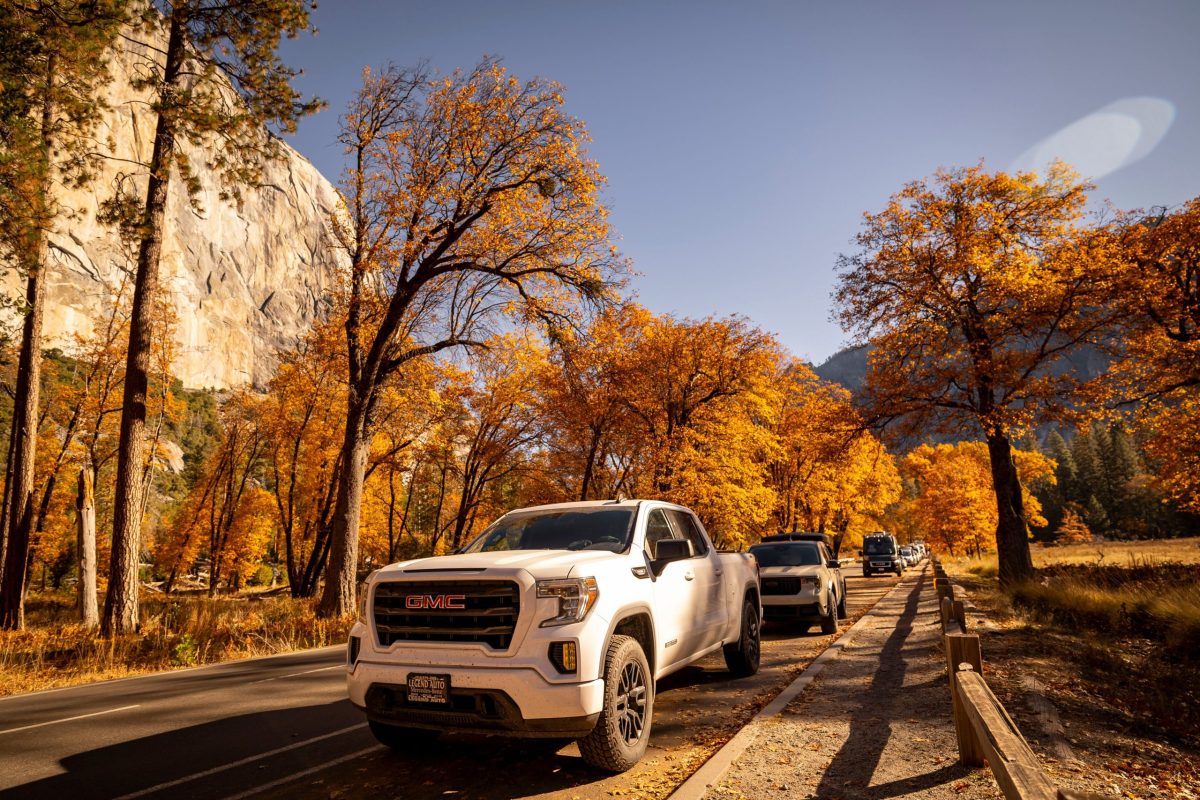
The 2026 Sierra 1500 AT4 Crew Cab is offered exclusively with four-wheel drive. GMC lists up to 420 horsepower, 495 lb-ft of standard torque and ground clearance of 11.1 inches with the short box or 11.0 inches with the standard box. These specifications provide useful context when assessing its ability to negotiate uneven, snow-covered surfaces.
The AT4X takes the off-road approach further, with up to 11.5 inches of ground clearance and additional specialised equipment. This makes it an interesting option for drivers who regularly encounter rough access roads, deep snow accumulation and challenging terrain outside maintained communities.
The Sierra’s larger cabin and available comfort features can also be valuable during long winter journeys. However, its size may become less convenient on narrow residential streets or in confined parking areas. Buyers should also compare the cost of specialised off-road trims against the equipment they will realistically use.
For Alaska drivers who need a capable work truck without sacrificing everyday comfort, the Sierra AT4 provides a balanced package.
4. Toyota Tundra
The Toyota Tundra is a full-size pickup worth considering for Alaska’s demanding driving environment. Its available four-wheel-drive configurations, substantial towing capability and powerful engine options make it suitable for drivers who regularly carry equipment, travel long distances, or operate in rural locations.
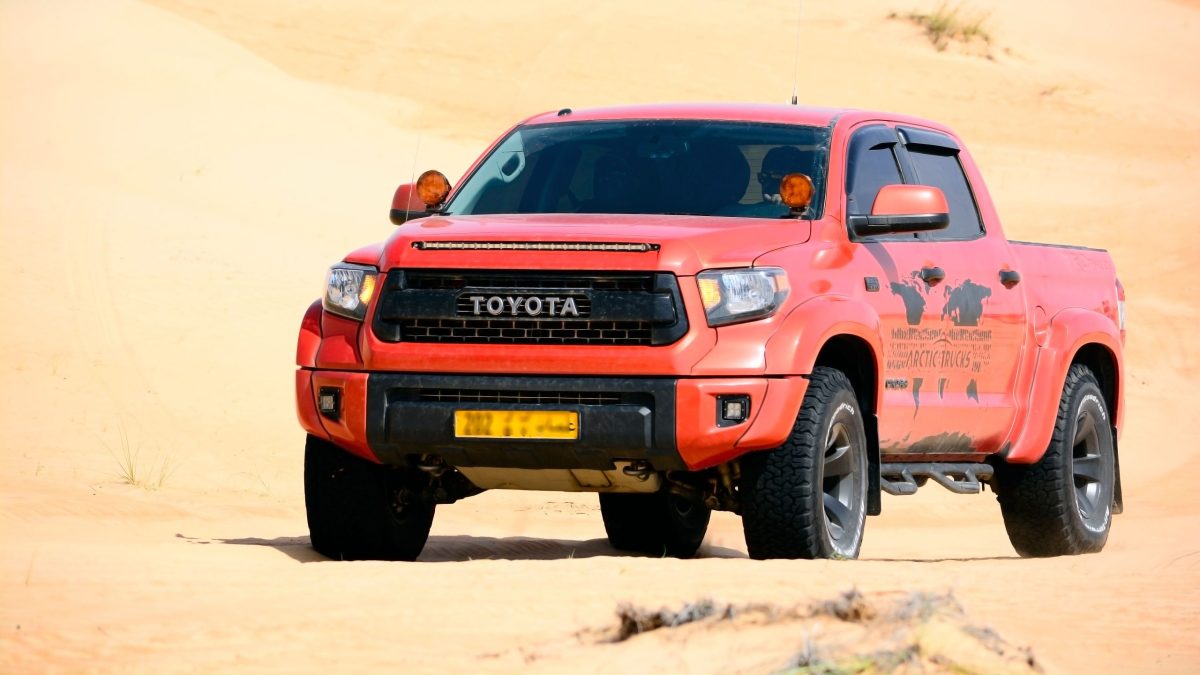
The Tundra’s i-FORCE twin-turbocharged V6 and available i-FORCE MAX hybrid powertrain offer different approaches to performance. The hybrid configuration combines a twin-turbocharged engine with an electric motor, delivering additional torque for acceleration and demanding driving situations.
Buyers should compare the powertrain options carefully, particularly if their primary requirements involve frequent towing or operating in very low temperatures.
The TRD Pro is the most relevant version for drivers who prioritise off-road capability. Its specialised suspension and terrain-focused equipment make it better suited to uneven surfaces than standard road-oriented configurations. However, the off-road package does not replace the need for proper winter tyres.
Another consideration is cold-weather preparation. Buyers should confirm whether the selected Tundra configuration includes an engine block heater or whether one can be installed through an authorised dealer. They should also assess battery condition, heating performance and manufacturer-recommended maintenance requirements.
The Tundra is particularly appealing to drivers who want a full-size pickup with a combination of performance, passenger space and off-road capability.
5. Ram 1500
The Ram 1500 is a practical option for people who want a full-size truck that combines work capability with a comfortable driving experience. Its available four-wheel-drive configurations and different trim levels make it suitable for both everyday transport and more demanding winter applications.
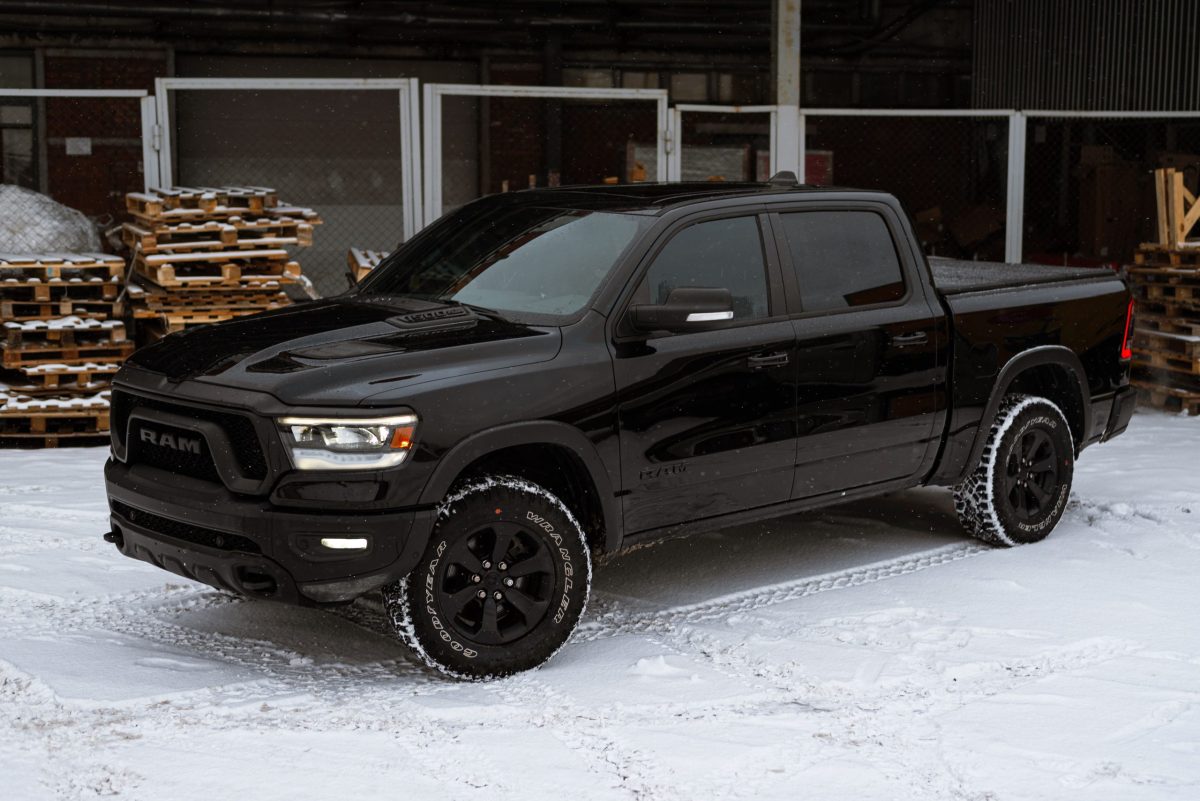
The Ram 1500 Rebel is particularly relevant to Alaska buyers. It is designed with off-road use in mind and offers equipment intended to handle uneven terrain. This can be useful when driving through unplowed access roads, navigating rural properties or transporting supplies in areas where road conditions are less predictable.
Comfort is another consideration. Long journeys in Alaska can involve extended periods behind the wheel, making seating, cabin heating, visibility and driver-assistance equipment important purchasing factors. The Ram 1500’s more comfort-oriented configurations may appeal to drivers who use their pickups as everyday vehicles throughout the year.
For extremely cold conditions, prospective owners should investigate the availability of an engine block heater and confirm the requirements for the specific engine and model year. A heater can assist with cold starts, but it does not eliminate the need for a properly maintained battery, suitable engine oil and appropriate coolant.
The Ram 1500 is a sensible choice for drivers who want a versatile pickup rather than a specialised off-road or heavy-duty work vehicle.
6. Ford F-250 Super Duty
For drivers who regularly transport heavy equipment, tow substantial trailers or work in remote areas, the Ford F-250 Super Duty offers capabilities that conventional half-ton pickups may not provide. Its available four-wheel-drive system, heavy-duty chassis and engine choices make it especially relevant for commercial and agricultural applications.
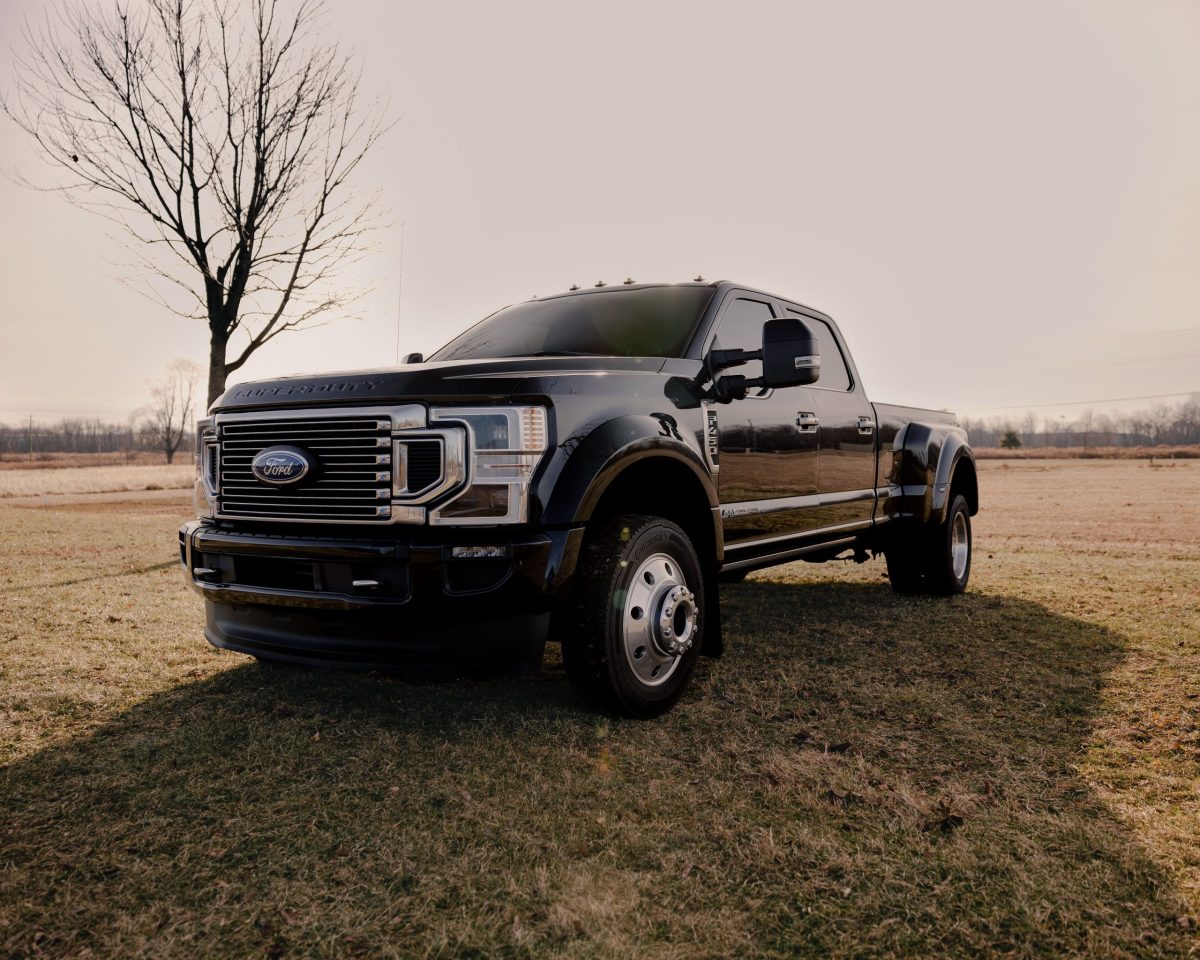
The 2026 F-250 offers a standard 6.8-litre gas V8, with available 7.3-litre gas and 6.7-litre Power Stroke diesel engines, including a high-output diesel option. Ford also offers selectable drive modes, including Slippery, which is designed to assist when traction is limited.
An important advantage for Alaska buyers is the availability of an optional engine block heater. Ford’s owner documentation explains that the heater warms engine coolant to improve cold-start performance, particularly at temperatures below 0°F (-18°C). The truck can also be configured with a dual-battery setup in certain engine configurations, which is worth investigating for demanding cold-weather applications.
However, the F-250 is considerably larger and heavier than a midsize pickup. Its size can make urban manoeuvring, parking and everyday commuting less convenient. Operating costs, fuel consumption and tyre replacement expenses should also factor into the purchase decision.
For people whose winter driving involves heavy towing, snow-management equipment or demanding work duties, the F-250 is one of the more capable options in this selection.
7. Toyota Tacoma
The Toyota Tacoma is a useful alternative for drivers who do not need the dimensions or towing capabilities of a full-size truck. Its midsize proportions can make it easier to manoeuvre through residential streets, narrower roads and confined work areas, while available four-wheel-drive configurations provide additional traction when travelling over snow-covered surfaces.
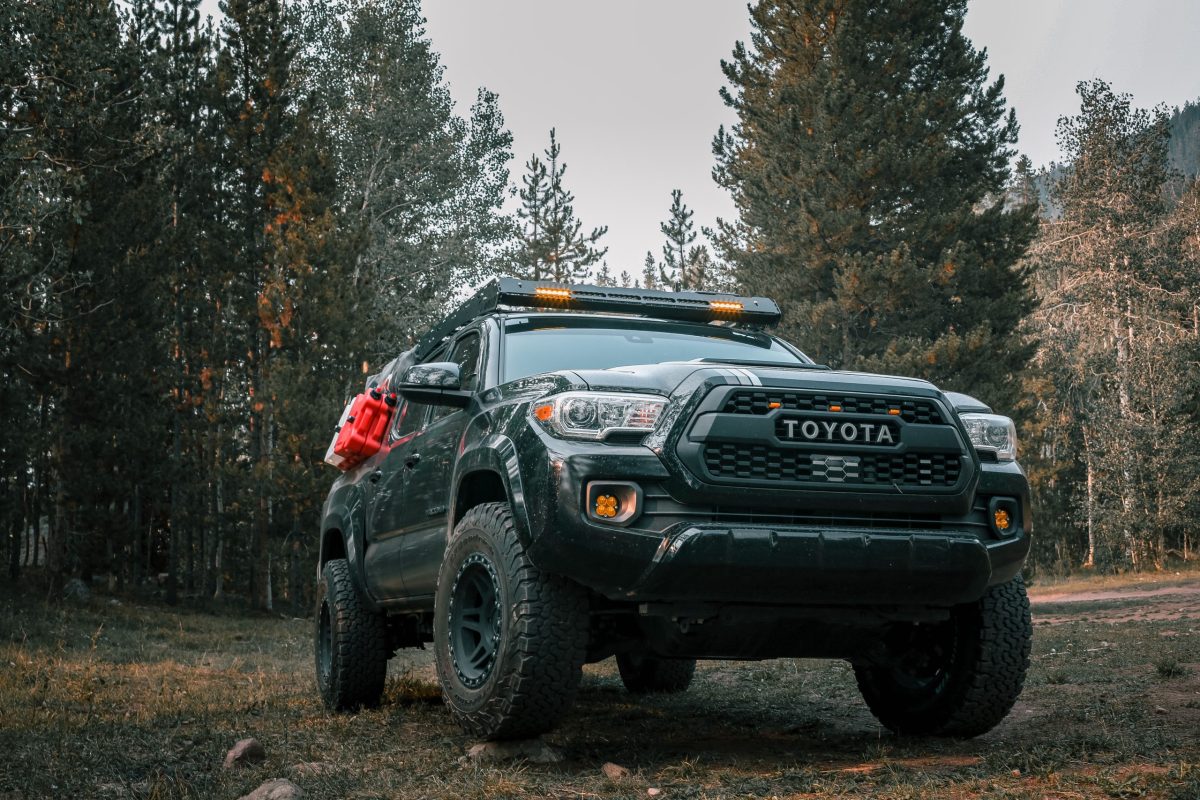
The TRD Off-Road and Trailhunter versions deserve attention from buyers who frequently drive beyond maintained roads. Toyota offers features such as Multi-Terrain Select, Crawl Control and an electronically controlled locking rear differential on applicable configurations. These systems are designed to help the vehicle maintain progress over challenging terrain by adjusting power delivery and wheel behaviour.
The Tacoma also benefits from a range of underbody protection features, which can be useful when driving over uneven surfaces or through areas with hidden obstacles beneath accumulated snow. However, its actual ground clearance and available equipment vary by trim, so buyers should compare the specific configuration rather than relying on the Tacoma nameplate alone.
Its smaller footprint makes it an appealing choice for people who need a truck for everyday transport, outdoor activities and moderate winter work. Those regularly towing heavy trailers or carrying substantial loads may find a full-size pickup more suitable.
For drivers who prioritise manoeuvrability and off-road flexibility, the Tacoma offers a compelling middle ground.
8. Ford Ranger
The Ford Ranger offers a combination of manageable dimensions, available four-wheel drive and useful hauling capability. It can be a practical choice for Alaska residents who need a pickup for daily commuting, recreational activities and occasional travel along rougher winter roads.
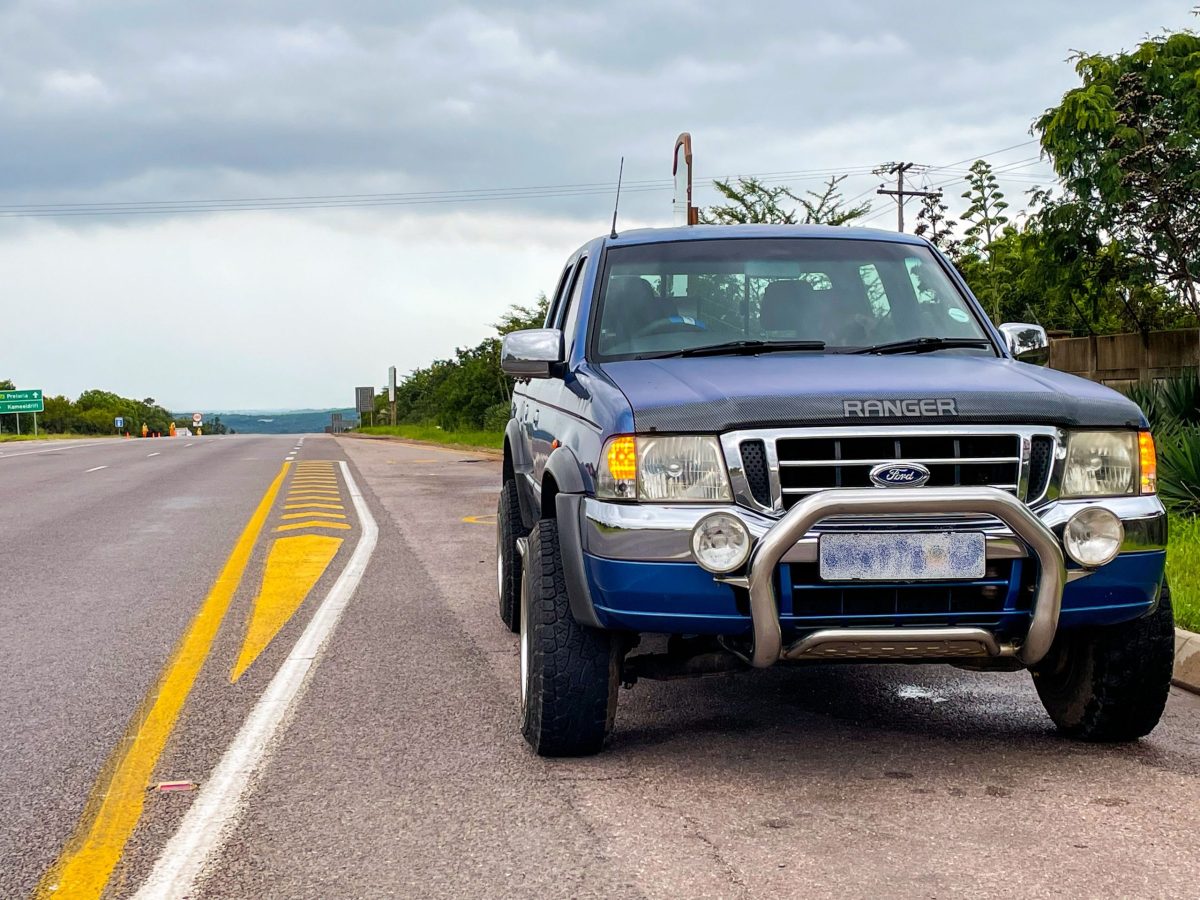
Ford offers the 2026 Ranger with a 2.3-litre EcoBoost engine, while certain configurations provide an available 2.7-litre EcoBoost V6. The Ranger Raptor uses a 3.0-litre EcoBoost V6 and comes with four-wheel drive. Ford lists a maximum available towing capacity of 7,500 pounds for qualifying configurations, although the Raptor has a lower maximum rating.
The Raptor is particularly interesting for drivers who prioritise suspension performance and off-road handling. Its specialised setup provides additional capability over rough terrain, although its performance-focused equipment may be unnecessary for people who mainly drive on maintained highways.
The Ranger’s smaller size compared with the F-150 can make it easier to handle in towns and residential areas. Nevertheless, buyers should carefully assess cabin space, payload requirements and the equipment included in their chosen trim.
For Alaska drivers who want a relatively compact pickup without giving up the advantages of four-wheel drive, the Ranger deserves consideration.
9. Chevrolet Colorado ZR2
The Chevrolet Colorado ZR2 is designed for drivers who frequently encounter challenging terrain. Its specialised suspension, off-road tyres and four-wheel-drive capability make it an interesting option for people who travel along uneven rural roads or need a vehicle for outdoor and recreational activities.
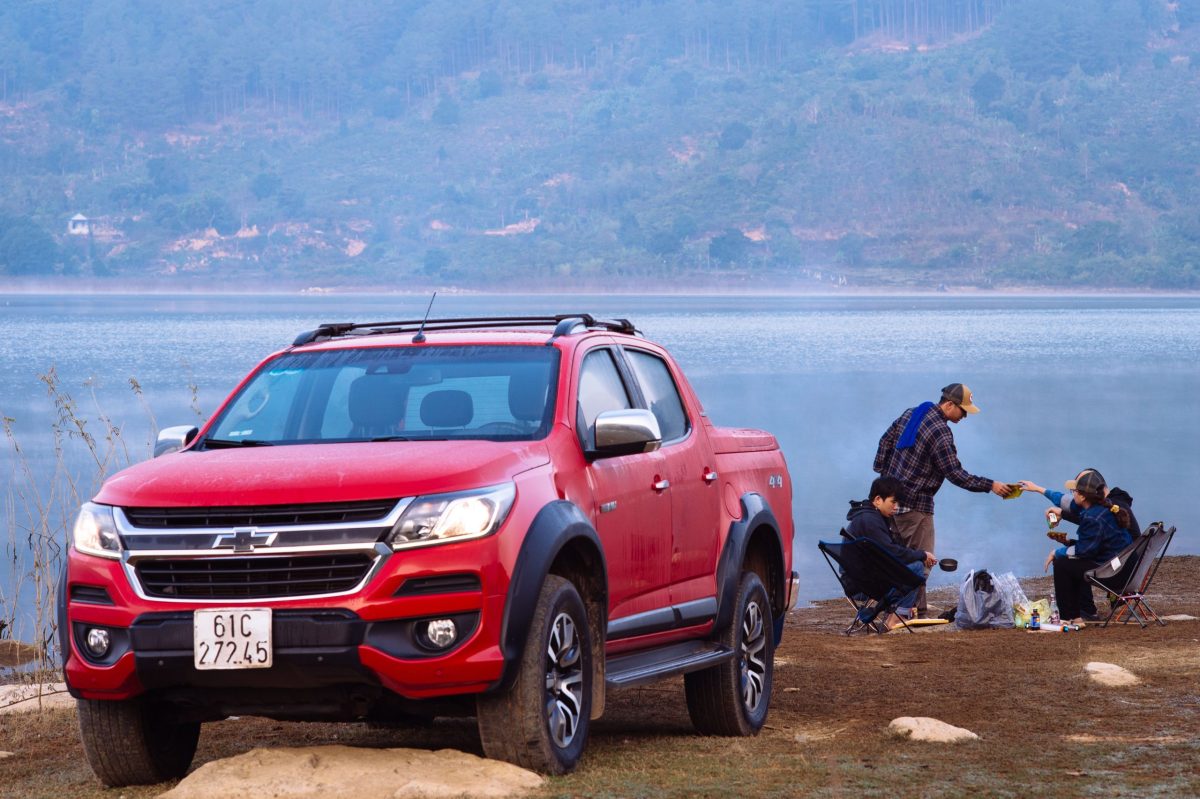
Chevrolet’s 2026 Colorado ZR2 features Multimatic DSSV dampers, 33-inch mud-terrain tyres and a factory-installed three-inch lift. The ZR2 Bison adds further off-road equipment, including 35-inch mud-terrain tyres and five boron-steel skid plates. Chevrolet lists 12.2 inches of ground clearance for the Bison configuration.
That additional clearance can be beneficial when negotiating deep snow or uneven surfaces, particularly when the vehicle is travelling away from regularly ploughed roads. Its protective equipment also provides an advantage when the terrain contains hidden rocks or other obstacles.
However, the ZR2’s aggressive tyres deserve careful consideration. Mud-terrain designs are developed primarily for loose surfaces and off-road traction; they are not necessarily the best option for braking and cornering on polished ice. A suitable winter tyre setup is therefore an important part of preparing the truck for Alaska.
The Colorado ZR2 is best suited to buyers who value off-road equipment and midsize proportions more than maximum towing or heavy-duty hauling capacity.
10. GMC Canyon AT4
The GMC Canyon AT4 offers a more compact alternative to full-size trucks while retaining a useful selection of off-road equipment. Its size makes it appealing for drivers who need a pickup for everyday use but occasionally encounter challenging access roads, snow-covered trails and uneven rural terrain.
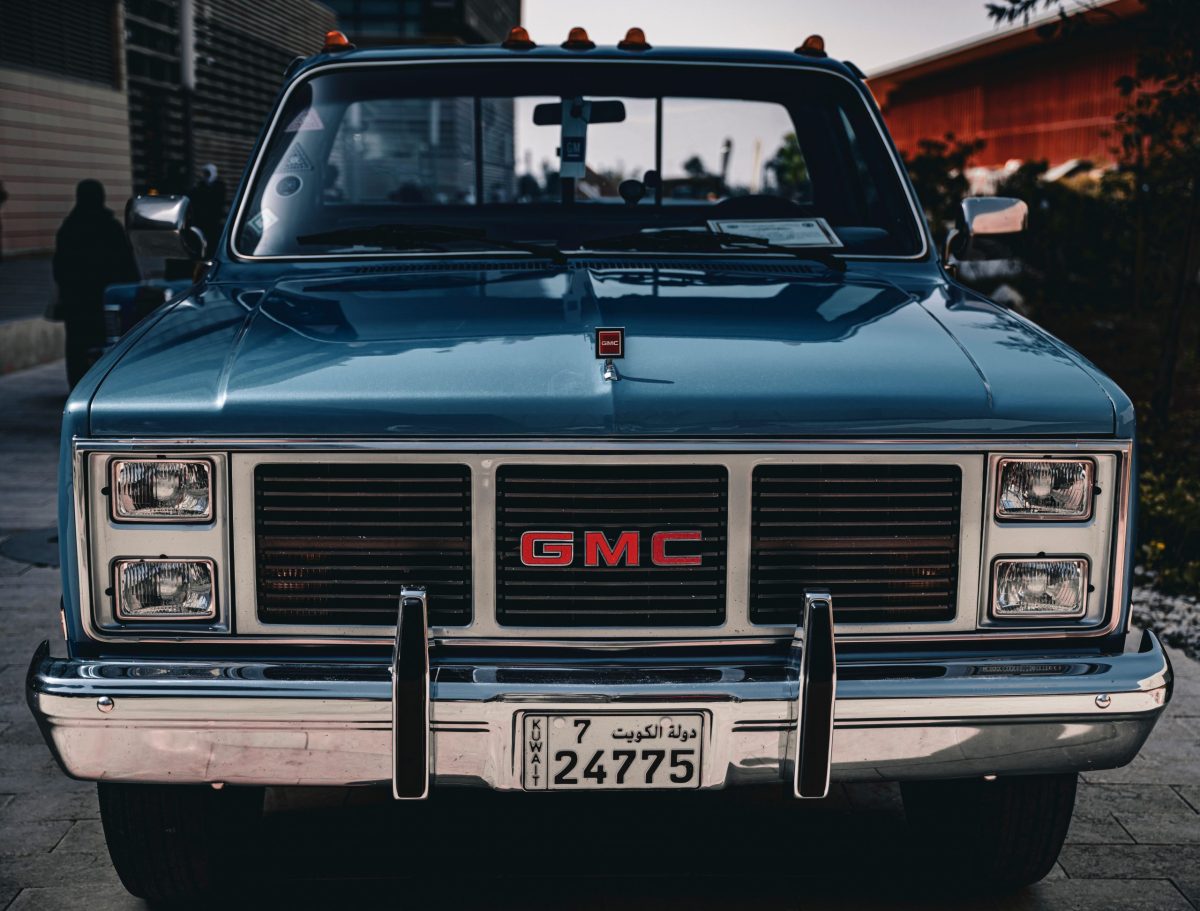
The 2026 Canyon AT4 comes with a 310-horsepower TurboMax engine producing 430 lb-ft of torque. GMC also lists a factory-installed two-inch suspension lift, 9.6 inches of ground clearance and a maximum towing capacity of 7,700 pounds for the AT4.
The AT4X provides a more specialised off-road configuration, with a three-inch factory suspension lift and available front and rear electronic locking differentials. These features can help when navigating uneven terrain where maintaining traction across multiple wheels becomes difficult.
For winter driving, the Canyon’s available four-wheel-drive system and raised suspension are useful starting points. However, its actual performance on ice will depend on tyres, speed and road conditions. Buyers should also consider whether the midsize cabin and cargo capacity meet their requirements for carrying winter supplies and work equipment.
The Canyon AT4 is a reasonable choice for drivers who want a combination of everyday practicality, moderate towing capability and additional ground clearance without purchasing a larger heavy-duty pickup.
11. Jeep Gladiator Rubicon
Stands out because its design places considerable emphasis on off-road performance. For Alaska drivers who regularly travel along remote access roads, uneven trails and areas with limited winter maintenance, the Gladiator Rubicon offers a specialised approach to four-wheel-drive capability.
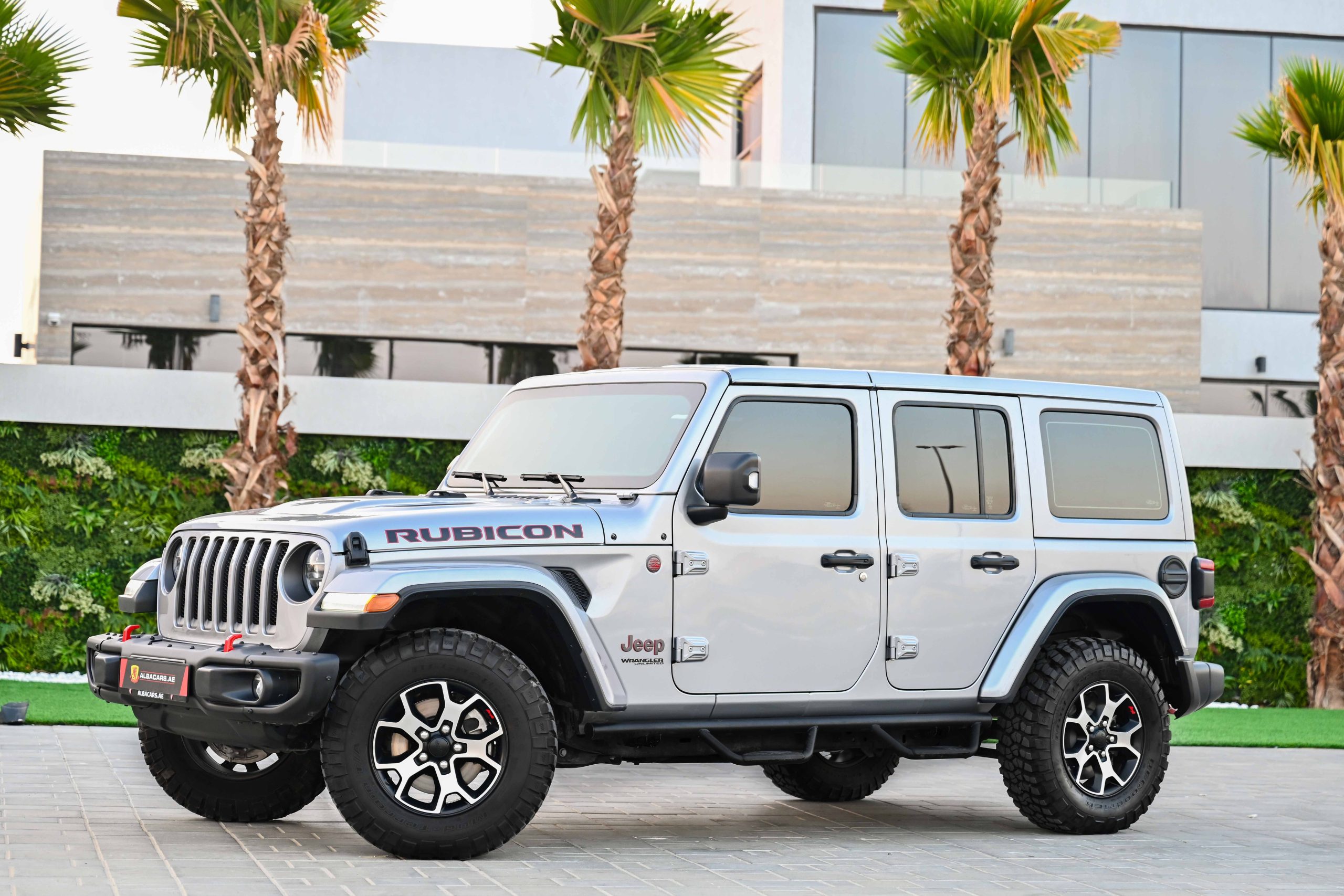
The 2026 Gladiator uses a 3.6-litre Pentastar V6 producing 285 horsepower and 260 lb-ft of torque. Jeep lists four-wheel drive as standard on the model. The Rubicon configuration is particularly relevant because of its Rock-Trac four-wheel-drive system, steel skid plates and other terrain-focused equipment.
Ground clearance is another advantage. The Gladiator Mojave offers up to 11.6 inches of ground clearance, although that figure should not be confused with the Rubicon’s specification. Buyers should compare the exact trim and its intended use before choosing between them.
Its off-road-focused design makes the Gladiator attractive for outdoor enthusiasts, particularly those who need a pickup bed alongside the traditional Jeep driving experience. However, the vehicle’s removable roof and doors, road manners and cabin insulation may not appeal to everyone facing prolonged periods of extreme cold.
For drivers who prioritise trail capability and ground clearance, the Gladiator is an interesting alternative to conventional midsize pickups.
12. Nissan Frontier PRO-4X
The Nissan Frontier PRO-4X rounds out the list as a midsize option for drivers who want four-wheel-drive capability without moving into a larger pickup. Its combination of an available off-road-oriented configuration, practical cargo space and conventional petrol powertrain makes it worth considering for everyday winter use.
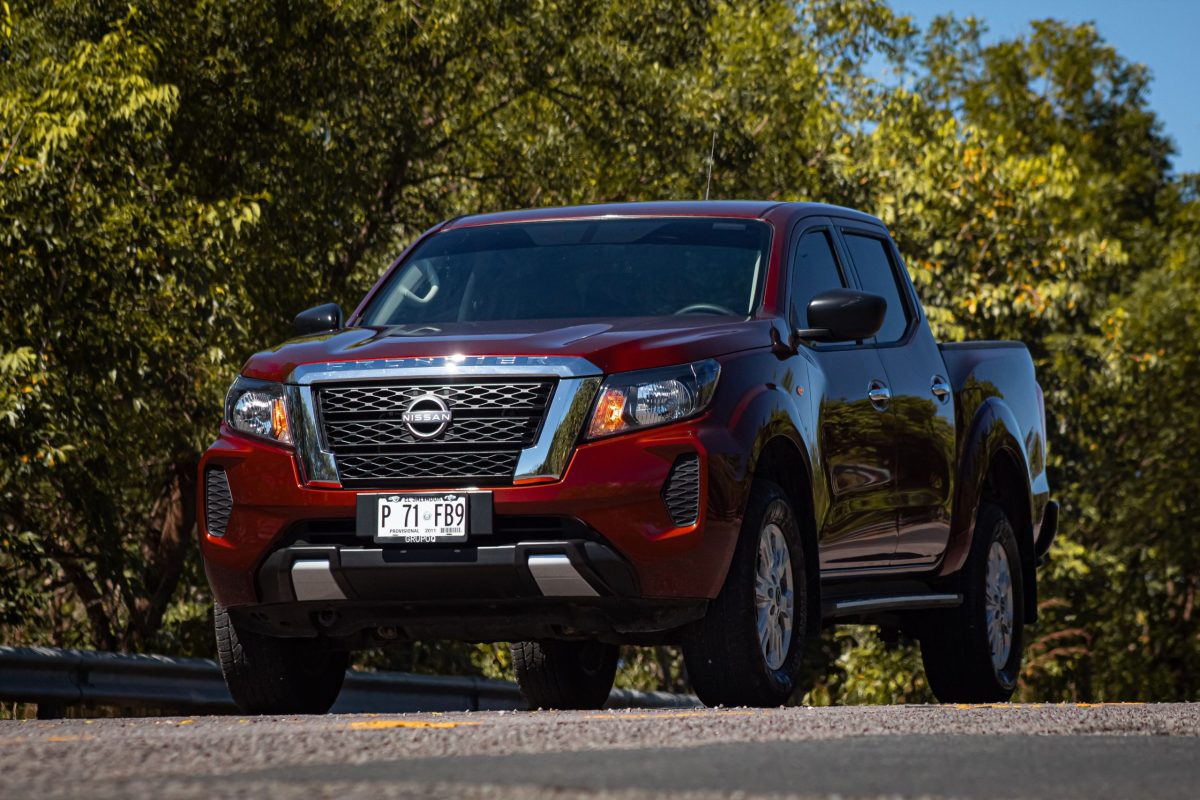
The 2026 Frontier PRO-4X is available with four-wheel drive and comes equipped with 17-inch PRO alloy wheels and all-terrain tyres. Nissan lists a ground clearance of 8.6 inches for the Crew Cab PRO-4X 4×4 Long Bed configuration. Its maximum towing capacity is listed at 6,310 pounds for that particular configuration.
One useful consideration for Alaska buyers is the engine block heater. Nissan’s 2026 Frontier owner’s manual explains that the heater assists with cold-temperature starting and recommends its use at outdoor temperatures of 20°F (-7°C) or lower when equipped. The manual also specifies that the heater should be connected for approximately two to four hours, depending on outside temperatures.
The Frontier is not as heavily specialised for extreme off-road use as some of its competitors, but its PRO-4X configuration provides a useful balance of everyday usability and additional traction capability.
For drivers who need a manageable pickup for commuting, hauling and occasional rural travel, the Frontier deserves a place on the shortlist.