
Selling a used car looks simple: post a listing, meet a buyer, hand over the keys. In practice, a sale involves pricing, legal paperwork, disclosure rules, payment risks, and liability that can outlast the transaction. Small errors at any stage can cost a seller hundreds or thousands of dollars, delay the sale for weeks, or leave the seller responsible for a vehicle they no longer own.
The seven mistakes below are among the most common, based on guidance from state motor vehicle agencies, consumer protection regulators, and industry pricing guides. Each section explains the error, why it costs money or creates risk, and what the correct step looks like.
Rules on titles, disclosures, bills of sale, and liability release differ by state and country, so confirm requirements with your local motor vehicle agency before completing a sale. This article describes general practice, not legal advice.
1. Setting the Price Without Researching the Market
Pricing is the most common error, and it runs in both directions. An asking price that is too high produces few inquiries, and a listing that sits for weeks often attracts lowball offers. A price that is too low leaves money behind and can make buyers suspect a hidden problem.
A realistic price starts with data. Valuation guides such as Kelley Blue Book, Edmunds, and NADA Guides estimate value from make, model, year, mileage, trim, options, condition, and region. Most offer separate figures for private-party sales, trade-ins, and dealer retail, and the gap between them is significant.

Private-party values generally sit above trade-in values, and below what a dealer charges after reconditioning. A seller who uses the retail figure as an asking price for a private sale is pricing as though the car had been inspected, repaired, and warrantied by a dealer.
Check current local listings for the same model, year, and similar mileage. Listings show what competing sellers are asking, but asking prices are not sale prices, so look at how long comparable cars have been listed. Cars that sit for a month at a given price are probably overpriced.
Condition ratings need honesty. Many valuation tools let the seller choose a condition category, and sellers commonly rate their own cars one level higher than a buyer or inspector would. Choosing the realistic category produces a figure that survives a buyer’s inspection.
Leave room to negotiate. Most private buyers expect to haggle, so an asking price slightly above the lowest acceptable figure gives the seller space to settle without feeling forced.
2. Not Preparing the Title, Loan Payoff, and Records
A buyer cannot register a car without proof of ownership, and a seller who has not prepared the paperwork can lose a sale at the last step. Locate the title early. If it is lost, most states allow the owner to apply for a duplicate through the motor vehicle agency, a process that can take days or weeks depending on the state.

Check whether a loan is attached. When a lender has financed the car, the lender typically holds the title, or is listed as the lienholder on it, until the balance is paid. The seller cannot hand over a clear title without paying off the loan. Request a payoff statement from the lender, which shows the exact amount owed, including interest accrued through a given date. If the sale price exceeds the payoff, the seller keeps the difference. If the payoff exceeds the sale price, the seller must cover the shortfall from other funds, a situation commonly called being underwater or having negative equity.
The simplest way to handle a loan payoff in a private sale is to complete the transaction at the lender’s branch, where the buyer’s payment can go directly to the lender and the lender can begin the lien release. Policies and timelines for releasing the title vary by lender and state, so ask the lender how the process works before listing the car.
Gather the supporting records as well: maintenance receipts, repair invoices, the owner’s manual, spare keys, and any warranty paperwork. Documented service history gives buyers a reason to trust the mileage and care of the vehicle, and it supports the asking price. A seller who cannot produce any records gives buyers nothing to verify.
3. Skipping Cleaning, Photos, and a Complete Listing
Buyers form an opinion from the listing before they see the car. Poor photos, vague descriptions, and a dirty vehicle all lower the perceived value, regardless of the car’s mechanical condition.
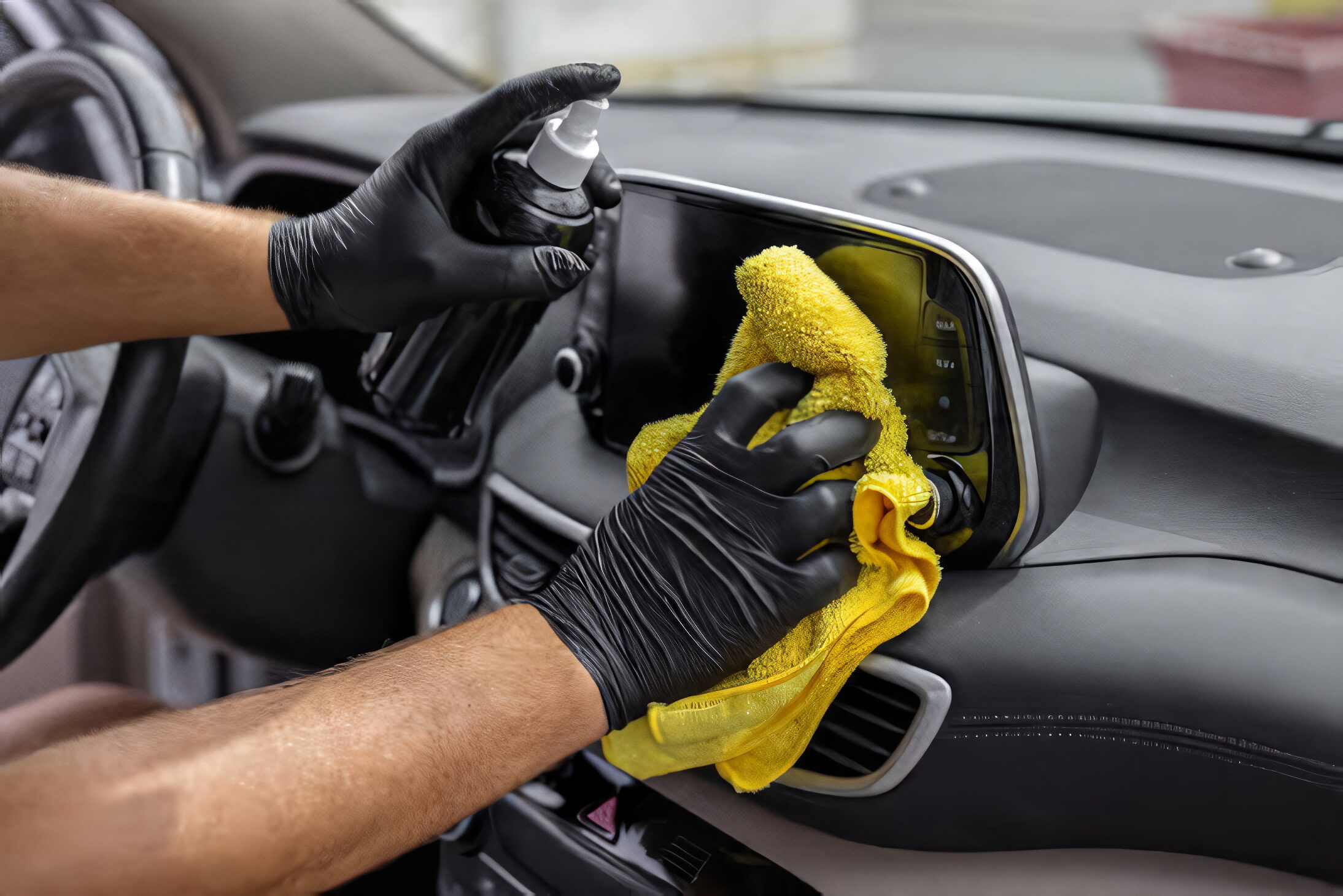
A thorough cleaning inside and out is inexpensive compared with the effect it has on perceived value. Vacuum the carpets and seats, clear out personal items, clean the windows, and wash and dry the exterior. Odors matter: smoke, pets, and mildew are frequent reasons buyers walk away. A professional detail costs money, but many sellers find that it pays for itself in the sale price or the speed of the sale.
Photograph the car in daylight, in an uncluttered location, with the vehicle clean. A complete set of photos typically includes all four corners of the exterior, the interior front and rear, the dashboard with the odometer showing, the engine bay, the trunk, the tires, and close-ups of any damage. Showing flaws in photos builds credibility and saves time, because it filters out buyers who would object when they arrive.
The written listing should include the year, make, model, trim, mileage, engine and transmission, title status, number of owners, recent maintenance, known problems, and the reason for selling.
Leaving out the mileage or the title status raises suspicion and generates unnecessary questions. Many listing sites also allow the seller to include the VIN, which lets serious buyers pull a vehicle history report before calling. Providing it signals that the seller has nothing to hide.
4. Spending Money on the Wrong Repairs
Sellers often assume that fixing everything will raise the price by the same amount. It usually does not. Repair costs at a shop are higher than the added value a buyer assigns in a private sale, so major mechanical work seldom pays for itself in the sale price.
The key is to distinguish between minor, affordable repairs and major expenses. Small fixes that noticeably improve a vehicle’s appearance and condition are usually worth addressing before a sale.

These include replacing faulty bulbs, repairing a cracked windshield that obstructs the driver’s view, replenishing essential fluids, installing new wiper blades, and resolving dashboard warning lights caused by minor issues. Leaving a warning light illuminated can raise concerns for potential buyers, who may assume it signals a more serious mechanical problem.
Large repairs, such as transmission work, engine rebuilds, and bodywork on older cars, are rarely recovered in full. In those cases, the seller can obtain a written repair estimate and either lower the asking price by that amount or disclose the issue and sell the car as is. A written estimate gives the buyer a factual basis for the discount, which makes negotiation easier.
Do not clear fault codes or reset the onboard computer immediately before showing the car to hide a problem. Some vehicles take a number of drive cycles before their readiness monitors complete again, and a prospective buyer or inspector using a scan tool can see that the codes were recently cleared. That pattern raises suspicion and can be treated as concealment if the seller later denies knowing about the fault.
5. Hiding Known Problems or Misunderstanding “As Is”
Many sellers believe that writing “as is” on a bill of sale protects them from any later complaint. It does not cover everything. In most states, an “as is” private sale means there is no warranty from the seller about the car’s condition, which limits the buyer’s recourse for mechanical problems that appear after the sale.
It does not, however, protect a seller who lies or knowingly conceals a defect. Misrepresentation and fraud claims can proceed even when a car was sold as is.

Disclose known problems honestly, including prior accidents, flood or water damage, frame damage, and title brands such as salvage or rebuilt. A branded title reduces a car’s value and must be revealed in most jurisdictions. Concealing a brand can lead to civil liability and, in some cases, criminal charges.
Odometer rules are federal and strict. Federal law requires the seller to state the vehicle’s mileage on the title or a separate disclosure form when ownership transfers, for most vehicles, with exemptions based on vehicle age that have changed over time. Reporting false mileage, or knowingly altering an odometer, is a federal offense. If the odometer has been replaced or has rolled over, the seller must say so on the form.
Sellers should also answer buyers’ questions truthfully. A statement such as “it has never been in an accident” can be treated as a factual representation, and a buyer who later discovers otherwise may have a legal claim. Documenting what was disclosed, by putting known issues in the listing and on the bill of sale, protects the seller if a dispute arises later.
6. Accepting Unsafe Payment or Falling for Scams
How the buyer pays matters as much as how much. Checks, cashier’s checks, and money orders can be forged, and a bank may reverse a deposit days or weeks after it appears to have cleared.
The Federal Trade Commission and state attorneys general have repeatedly warned about overpayment scams, in which a “buyer” sends a check for more than the asking price and asks the seller to wire back the difference. The check later proves to be counterfeit, and the seller loses the wired money.

Safer methods are available. Cash is the simplest, but handling large amounts carries its own risk, so completing the exchange at the buyer’s bank or the seller’s bank allows the teller to verify the bills.
For a cashier’s check, do not rely on the paper alone. Meet at the issuing bank, or call the bank using a phone number found independently, not one printed on the check, to confirm that the check is genuine and that the funds are available. Do not release the car or the title until the payment is verified.
Be skeptical of the common scam patterns: a buyer who offers to purchase the car sight unseen, a buyer who asks to send a courier or shipping agent, requests to pay through an unfamiliar escrow website, or anyone who offers more than the asking price. Genuine buyers want to see and test-drive the car.
Protect personal safety during showings. Meet in a public, well-lit place during daytime, and consider bringing a friend. Ask to see the buyer’s driver’s license before a test drive and take a photo of it, or note the name. Go along on the test drive and keep the keys and title out of the buyer’s reach.
7. Failing to Finish the Transfer and Release Liability
The sale is not finished when the money changes hands. Until the vehicle is properly transferred, the seller may remain the legal owner on record, and that creates exposure to parking tickets, toll charges, and even liability if the new owner is involved in a crash.
Sign the title in the places the state requires, and fill in the buyer’s name, the sale date, the sale price, and the odometer reading. Do not sign a blank title, because a signed title with no buyer’s name lets anyone claim ownership, and the seller cannot control what happens next.

Complete a bill of sale that lists both parties, the vehicle’s year, make, model, and VIN, the price, the date, and the “as is” statement if applicable. Each party should keep a signed copy. Some states require a bill of sale or a notarized signature, so check local requirements.
File a release of liability, notice of transfer, or equivalent form with the motor vehicle agency as soon as possible. Many states provide the form online and set a deadline, often within days of the sale. Filing records the date and time of the sale and the buyer’s information, which helps protect the seller if the buyer incurs violations or has an accident before registering the car.
Handle license plates according to local rules. In some states, plates stay with the vehicle and the new owner registers the car with them. In others, the plates belong to the seller and must be removed and returned or transferred to another vehicle. Removing the registration sticker and toll transponder is also a sensible step.
Notify the insurer after the sale and cancel or adjust the policy only after the transfer is complete. Cancelling coverage before the sale is finalized leaves the seller uninsured during a test drive. Ask the insurer about any refund of unused premium, and keep copies of every document for several years.