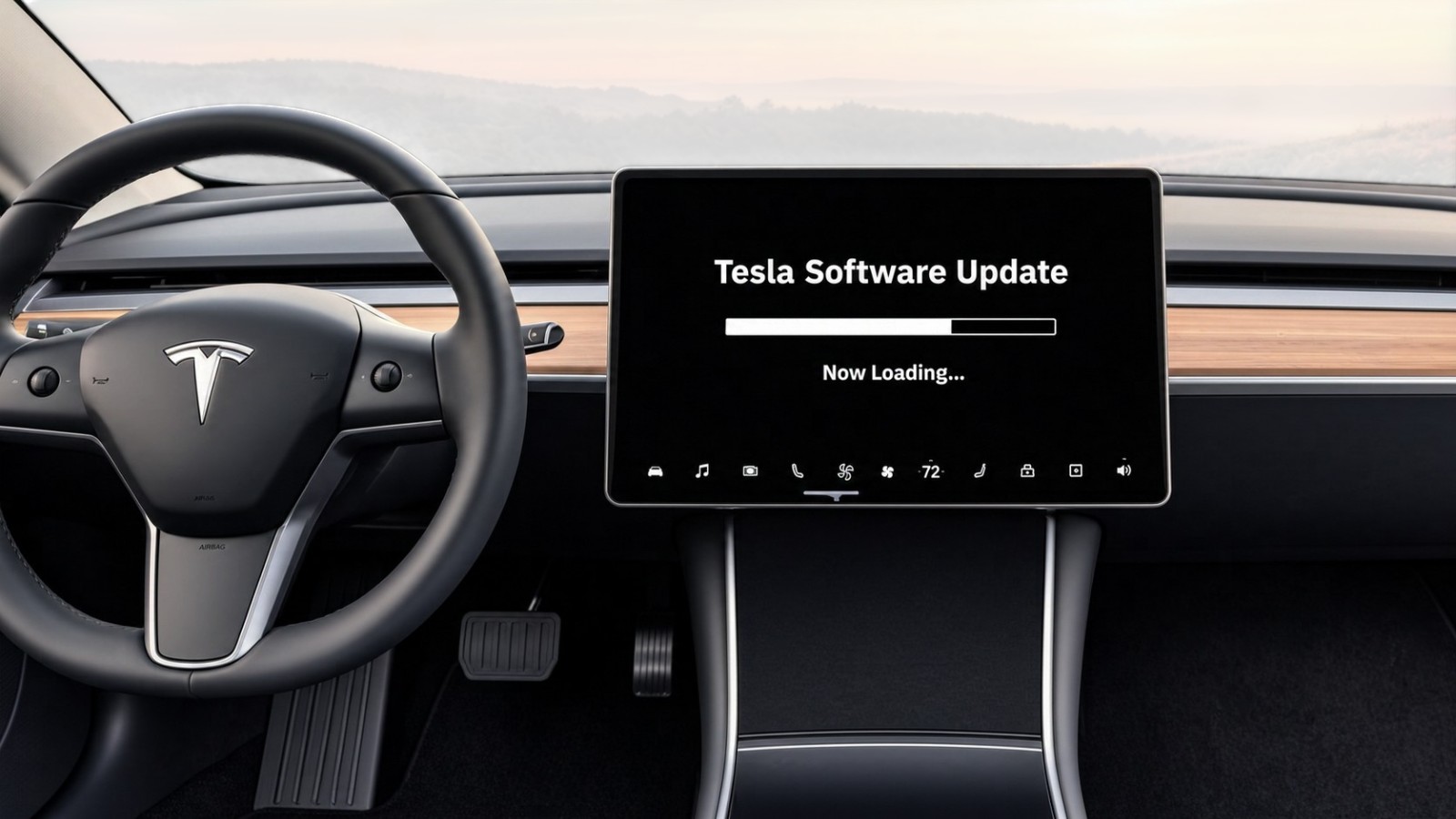
Over-the-air (OTA) updates are transforming the automotive industry by allowing manufacturers to improve vehicle software, introduce new capabilities, and fix technical issues without requiring dealership visits. However, automakers are increasingly taking different approaches to monetising these digital technologies.
While certain car manufacturers offer free software updates for as long as customers own their vehicles, others require additional payments for access to premium features, performance enhancements, connected services, and advanced driver-assistance technologies.
This approach has introduced a new factor for potential buyers to consider, as owning a vehicle does not always mean having full access to all its capabilities. Although regular software improvements may be provided at no extra cost, some features still require a subscription or a separate payment before they can be used.
Understanding these differences is becoming increasingly important as software-defined vehicles gain popularity. Here are five car brands offering free over-the-air updates and five that charge customers for selected digital features, highlighting how their software strategies influence the modern ownership experience.
5 Car Brands Offering Free Over-the-Air Updates
Over-the-air updates have become an important part of modern vehicle ownership, allowing manufacturers to improve software without requiring physical servicing.
These five brands provide complimentary updates for eligible vehicles, although connectivity requirements, model compatibility, and the availability of individual features can vary. Their approaches demonstrate how software improvements can remain part of the ownership experience without a separate update fee.
1. Tesla
Tesla has established one of the automotive industry’s most recognisable over-the-air software update systems. Its vehicles regularly receive wireless updates that can improve infotainment functions, navigation, vehicle controls, charging behaviour, and selected driver-assistance capabilities.
Owners can download available updates through the vehicle’s internet connection, preferably using Wi-Fi, and install them through the touchscreen or schedule installation for a later time.
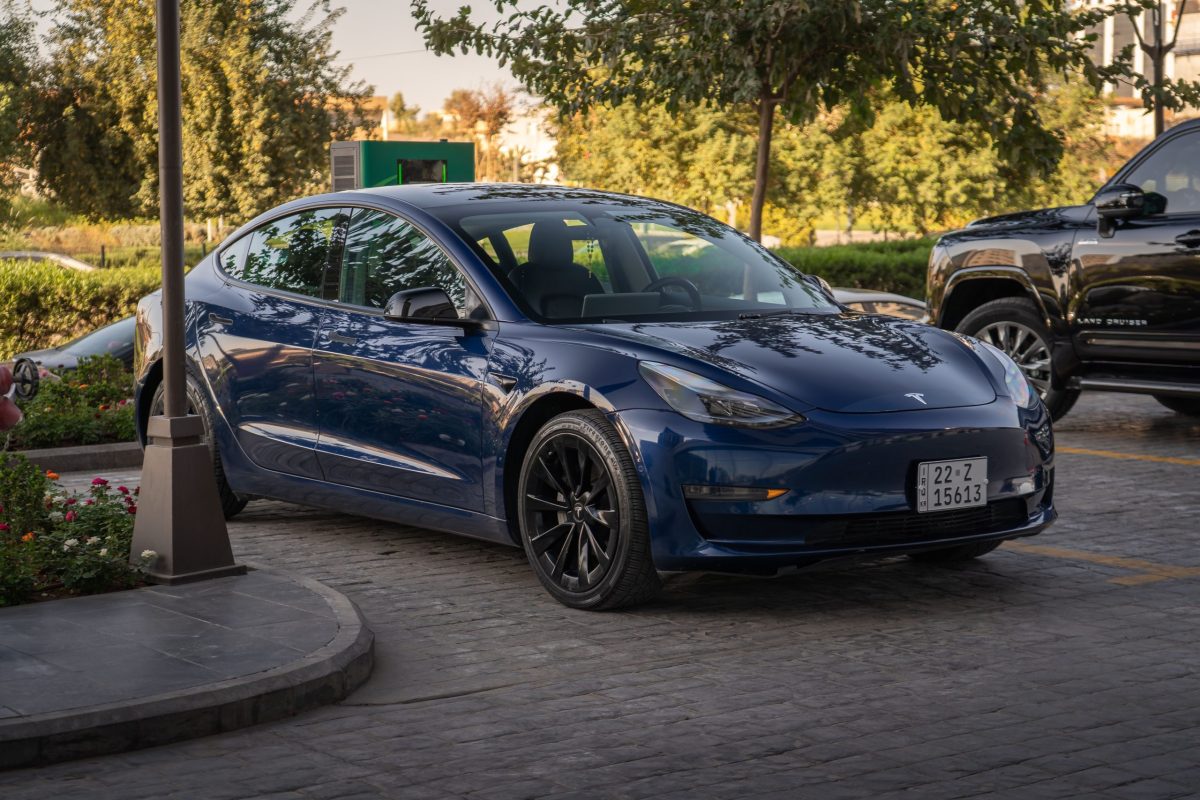
One of Tesla’s biggest advantages is that software improvements are not generally tied to a recurring payment. Owners can receive compatible updates without purchasing a separate software-update package.
Depending on the vehicle, these releases can introduce interface refinements, entertainment features, energy-management improvements, and additional functionality. The actual update content varies according to model, hardware configuration, and market.
However, free software updates do not mean every Tesla feature is included without additional payment. Full Self-Driving (Supervised), for example, is a separate paid offering. In the United States, Tesla lists the service at $99 per month for eligible vehicles, with hardware and regional availability restrictions. This distinction allows the company to distribute ordinary software improvements while monetising advanced driving capabilities.
Tesla’s approach illustrates how manufacturers can separate ongoing vehicle maintenance from premium functionality. Buyers benefit from continuing software development, but accessing every available capability can still increase ownership expenses over time.
2. Rivian
Rivian has built its vehicle experience around software integration, making wireless updates an important part of its ownership proposition. Its R1T pickup and R1S SUV receive regular over-the-air software releases that can improve vehicle systems, refine existing functions, and introduce additional capabilities without requiring owners to visit a service centre for every software change.

Rivian includes regular OTA software updates among the standard connectivity features available with its vehicles. Owners can receive update notifications through the vehicle’s central display and mobile application.
Installation can be initiated from either interface, provided the vehicle meets the necessary conditions, including being parked and having sufficient battery charge. The process allows Rivian to distribute software improvements across compatible vehicles after delivery.
The company does, however, operate paid digital services alongside its complimentary update programme. Its Connect+ subscription provides additional connectivity and entertainment-related functions.
Rivian’s published subscription terms list Connect+ at $14.99 per month or $149.99 annually. The separate Autonomy+ offering provides access to eligible advanced driving features for a listed $49.99 monthly subscription, subject to vehicle compatibility and availability.
This arrangement demonstrates that free OTA updates and paid software features can coexist. Owners continue receiving ordinary software improvements, while additional connected services and advanced capabilities remain commercial products. For buyers, the important consideration is identifying which functions are included with the vehicle and which require ongoing payments.
3. Kia
Kia has expanded its wireless software-update capabilities across several models, although the precise coverage depends on vehicle generation, equipment, and market. Its OTA technology allows compatible vehicle systems to receive software improvements without requiring a conventional dealership update appointment.
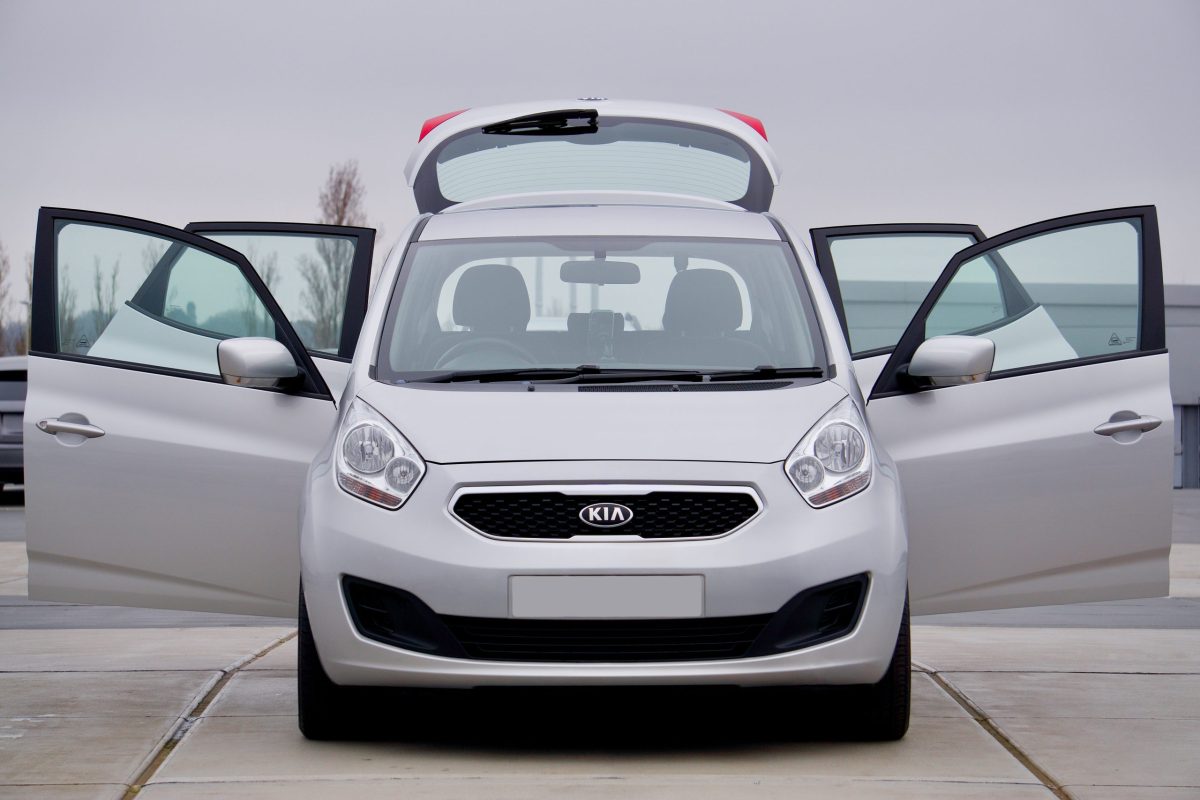
Depending on the model, supported systems can include infotainment, navigation, powertrain controllers, electric motor systems, battery management, advanced driver-assistance systems, and lighting. This makes the technology more significant than simply updating navigation maps. Software changes can also address operational issues and improve the functionality of selected electronic systems.
Kia states that its OTA software updates are provided at no additional charge. However, owners must activate Kia Connect and enrol in an applicable connectivity plan. Depending on the vehicle and market, this could involve a complimentary period, a free plan, or a paid subscription. The update itself is not charged separately, but the connectivity requirements should not be overlooked when evaluating long-term ownership costs.
Kia’s Indian lineup also illustrates why checking individual model eligibility is important. Its published information identifies the EV9 and newer Carnival among vehicles receiving navigation map and controller updates, while selected Seltos, Sonet, Carens, and EV6 versions support different forms of OTA functionality.
Kia provides customers with a fairly simple approach, offering free software updates for compatible vehicles. However, the availability of these updates and features depends on the technology installed in the vehicle and the terms of its connected services.
4. Hyundai
Hyundai has incorporated over-the-air technology into its newer vehicles, particularly models equipped with its Bluelink connected-services platform. The system allows compatible vehicles to download software improvements wirelessly, reducing the need for owners to visit a dealership for routine updates.
The company’s OTA system can deliver improvements to vehicle software, infotainment functions, and selected connected technologies. Updates are downloaded through the vehicle’s connectivity system and can generally be installed after the driver parks and switches off the vehicle. The infotainment display provides installation instructions, while the Bluelink application can notify owners when new software becomes available.

However, Hyundai’s complimentary update policy comes with specific eligibility conditions. In the United States, the manufacturer identifies new 2023 IONIQ 6 and eligible 2024 Bluelink-equipped models as receiving complimentary OTA software updates.
Map and multimedia updates are included for an initial three-year period, after which a subscription fee applies. Newer eligible models have their own applicable terms, and an active Bluelink agreement may be required.
This distinction is important because not every type of software update follows the same payment arrangement. Certain safety, security, and vehicle-system updates continue to be provided without charge, while connected navigation and multimedia services can become subscription-dependent.
Hyundai therefore offers a mixed ownership model. Buyers receive meaningful wireless software support, but should check the duration of complimentary connectivity and the conditions attached to specific services before purchasing.
5. BMW
BMW provides another example of an automaker separating software maintenance from paid digital functionality. Its Remote Software Upgrade system allows compatible vehicles to receive updates through the My BMW application or directly through the vehicle. Depending on the release, these upgrades can improve the operating system, navigation, infotainment, and selected vehicle functions.

BMW confirms that eligible vehicles with the required factory-installed hardware receive Remote Software Upgrades at no additional charge. The availability of particular updates depends on the model, equipment, market, and software version. Owners can review release notes to understand which changes apply to their vehicles before installation.
The system is particularly useful because it allows manufacturers to improve certain functions after a vehicle has entered service. A compatible update may introduce interface changes, refine existing systems, or add supported digital capabilities. Installation generally requires the vehicle to remain stationary, and the time involved varies with the size of the update.
BMW also operates ConnectedDrive services and digital upgrade options that may involve separate payments. Some functions require an active subscription, while others are available as factory-fitted equipment or one-time purchases. Availability differs across models and markets.
The company’s approach is therefore not entirely free of software-related charges. Rather, BMW provides eligible owners with complimentary remote software maintenance while retaining the ability to sell additional digital services. Buyers should distinguish between receiving an operating-system update and purchasing access to an optional feature.
5 Car Brands Charging for Additional Features
While complimentary software updates help maintain and improve vehicles, accessing additional digital capabilities can involve separate expenses. Several manufacturers have introduced subscriptions, one-time purchases, and paid feature activations for functions beyond standard vehicle operations.
These five brands demonstrate how automakers are turning connectivity, performance enhancements, and advanced driver assistance into additional revenue streams.
1. BMW 5 Series
Although BMW provides complimentary Remote Software Upgrades for eligible vehicles, its ConnectedDrive ecosystem demonstrates how manufacturers can monetise functionality beyond basic software maintenance. The company offers digital services through its vehicle interface and mobile application, with access depending on the model, operating system, equipment, and subscription status.

Some ConnectedDrive functions require an active subscription or a separate purchase. Examples include selected connected charging services, entertainment packages, digital applications, and certain personalisation features. BMW’s newer Operating System 9 vehicles also offer services through its Digital Premium package, which can include additional applications and enhanced digital experiences.
The company’s approach is different from simply charging drivers to install software updates. A vehicle may receive an update without payment, but the additional service introduced or supported by that software may still require a commercial subscription. Consequently, owners should not assume that every function appearing in the vehicle’s digital marketplace is permanently included in the original purchase price.
This arrangement offers flexibility to drivers who want additional functionality without committing to every available package. However, it also creates a recurring-cost consideration for owners who become dependent on connected navigation, entertainment, or other optional services.
BMW’s business strategy reflects a growing shift in the automotive industry, where digital technology has become an increasingly important part of the vehicle ownership experience. This means buyers must look beyond software maintenance and consider the additional costs of accessing specific features and services.
2. Mercedes-Benz
Mercedes-Benz has introduced a controversial approach to automotive software subscriptions by allowing customers to pay for increased vehicle performance through features that are already built into the car. Its Acceleration Increase upgrade, available for selected EQE and EQS models, shows how software restrictions can limit a vehicle’s performance and require additional payments to unlock its full potential.

Introduced in North America in 2023, the upgrade was offered for selected EQE 350 4MATIC and EQS 450 4MATIC configurations. Depending on the model, activating the feature could increase output by as much as 80 horsepower and improve claimed zero-to-60-mph acceleration by up to one second. The additional performance was delivered through an over-the-air software change rather than a conventional engine or motor replacement.
Customers could choose between a one-time purchase and recurring payment arrangements. At launch, the reported options included monthly subscriptions of $60 for the EQE and $90 for the EQS, with annual and lifetime-of-vehicle purchase alternatives also available. These historical launch prices should not be treated as guaranteed current offers.
Mercedes-Benz also provides ordinary OTA software updates without charging customers for the update process. The distinction is that an update can be complimentary while a particular performance enhancement remains a paid upgrade.
This approach gives drivers the option of accessing additional capability without replacing their vehicles. However, it raises questions about paying repeatedly for performance potential that is already physically present in the car.
3. Tesla Model S
Tesla’s software strategy combines complimentary vehicle updates with premium driver-assistance functionality that requires additional payment. Its Full Self-Driving (Supervised) package is one of the clearest examples of an automaker treating advanced software as a separate product rather than including every capability in the vehicle’s purchase price.
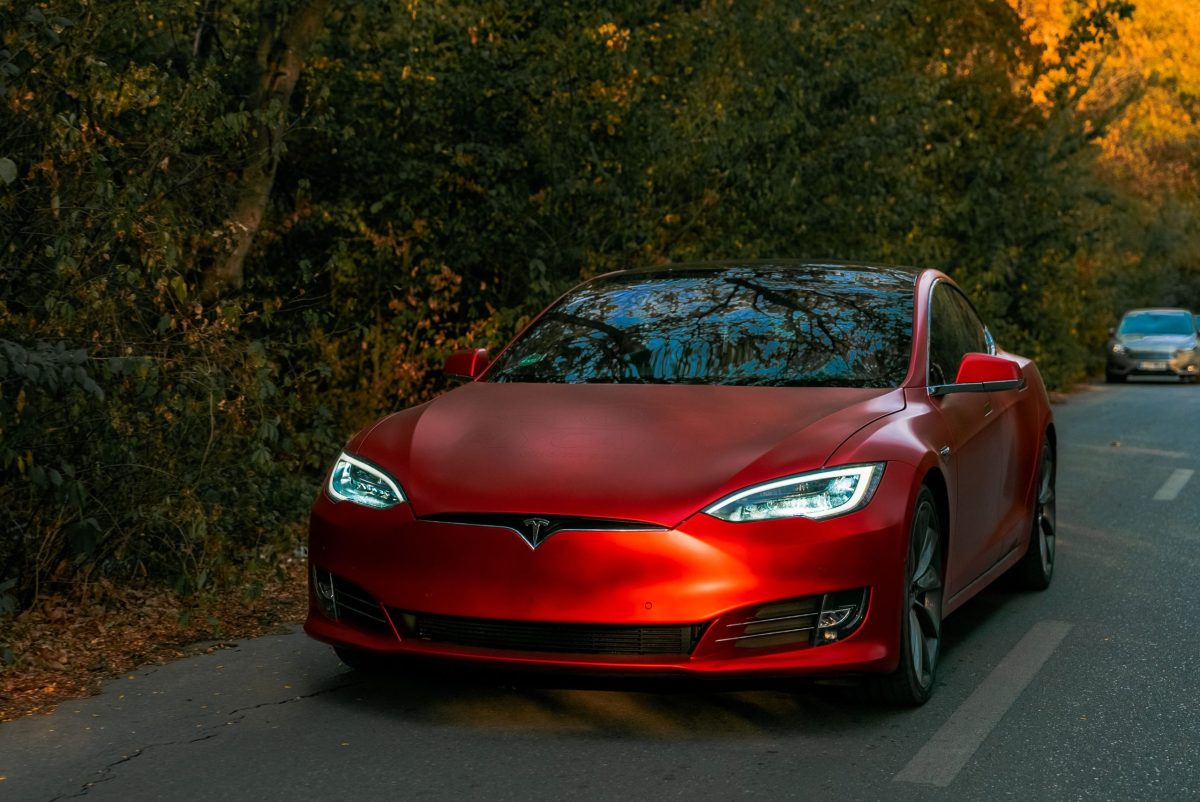
The system is designed to provide more active driving assistance, including navigation-related guidance and automated driving functions under the driver’s continuous supervision. Despite its name, it does not make the vehicle autonomous, and the driver remains responsible for monitoring the road, responding to hazards, and maintaining control when necessary.
Tesla currently lists Full Self-Driving (Supervised) at $99 per month in the United States for eligible vehicles. Customers can subscribe through the Tesla application or the vehicle’s touchscreen, subject to hardware, regional, and software compatibility requirements. The subscription can also be cancelled, although access continues only for the remainder of the paid billing period.
The distinction between the subscription and ordinary OTA updates is particularly important. Tesla owners can continue receiving regular software releases without subscribing to Full Self-Driving. The paid package provides access to a specific set of additional capabilities, with software updates required to install or improve those functions.
For customers, the subscription model reduces the need to commit to a large upfront purchase. However, drivers who maintain the service for several years can accumulate substantial payments, making the long-term cost worth considering.
4. Toyota
Toyota has developed a connected-services ecosystem that places several smartphone-controlled and cloud-based functions behind subscription plans. These services are designed to make everyday vehicle ownership more convenient, but access can depend on a complimentary trial period followed by recurring payments.
One prominent example is Remote Connect, which allows compatible owners to use a smartphone or supported smartwatch to perform functions such as remotely starting the vehicle, locking and unlocking doors, checking vehicle status, and locating the car. Toyota lists the service at $8 per month in the United States for eligible vehicles, although availability and trial conditions vary by model and equipment.

The manufacturer also offers Drive Connect, which provides features such as cloud-based navigation, live-agent destination assistance, and an integrated voice assistant. Its published plans include packages priced at $15 per month, while broader Premium packages and optional connectivity services can cost more.
These subscriptions are separate from conventional vehicle software updates. Toyota’s connected services depend on cellular connectivity, compatible hardware, and access to the manufacturer’s digital infrastructure. Owners who allow their trial periods to expire without selecting a paid plan can lose access to the associated services.
The arrangement provides convenience for drivers who regularly use remote controls or cloud navigation. However, buyers should calculate whether the functions justify recurring payments, particularly when some basic vehicle operations remain accessible through conventional keys and onboard controls.
5. General Motors
General Motors has positioned Super Cruise as one of its important advanced driver-assistance technologies. Available on selected vehicles across its brands, the system enables hands-free driving on compatible roads while using cameras, sensors, and driver-monitoring technology to ensure that the driver remains attentive.

Super Cruise is not a fully autonomous driving system. It operates within designated road networks that have been mapped and validated for compatibility. Depending on the vehicle and system configuration, available functions can include hands-free highway driving, automatic lane changes, and other assisted-driving capabilities.
The subscription arrangement becomes relevant after the initial connectivity period. General Motors includes three years of connectivity with the purchase of a new vehicle equipped with Super Cruise, although the applicable period can vary. Once that period expires, owners must purchase an eligible OnStar Super Cruise plan to continue accessing the service.
The published US subscription price is $39.99 per month. This means an owner who continues using the technology for several years must account for the additional cost beyond the original vehicle purchase. The subscription also depends on compatible hardware, service availability, and supported road coverage.
Super Cruise demonstrates why software-related ownership expenses extend beyond entertainment and smartphone connectivity. Advanced driving assistance can offer practical convenience, but maintaining access requires a continuing financial commitment. Buyers should evaluate how frequently they use the system before deciding whether its subscription represents worthwhile value.