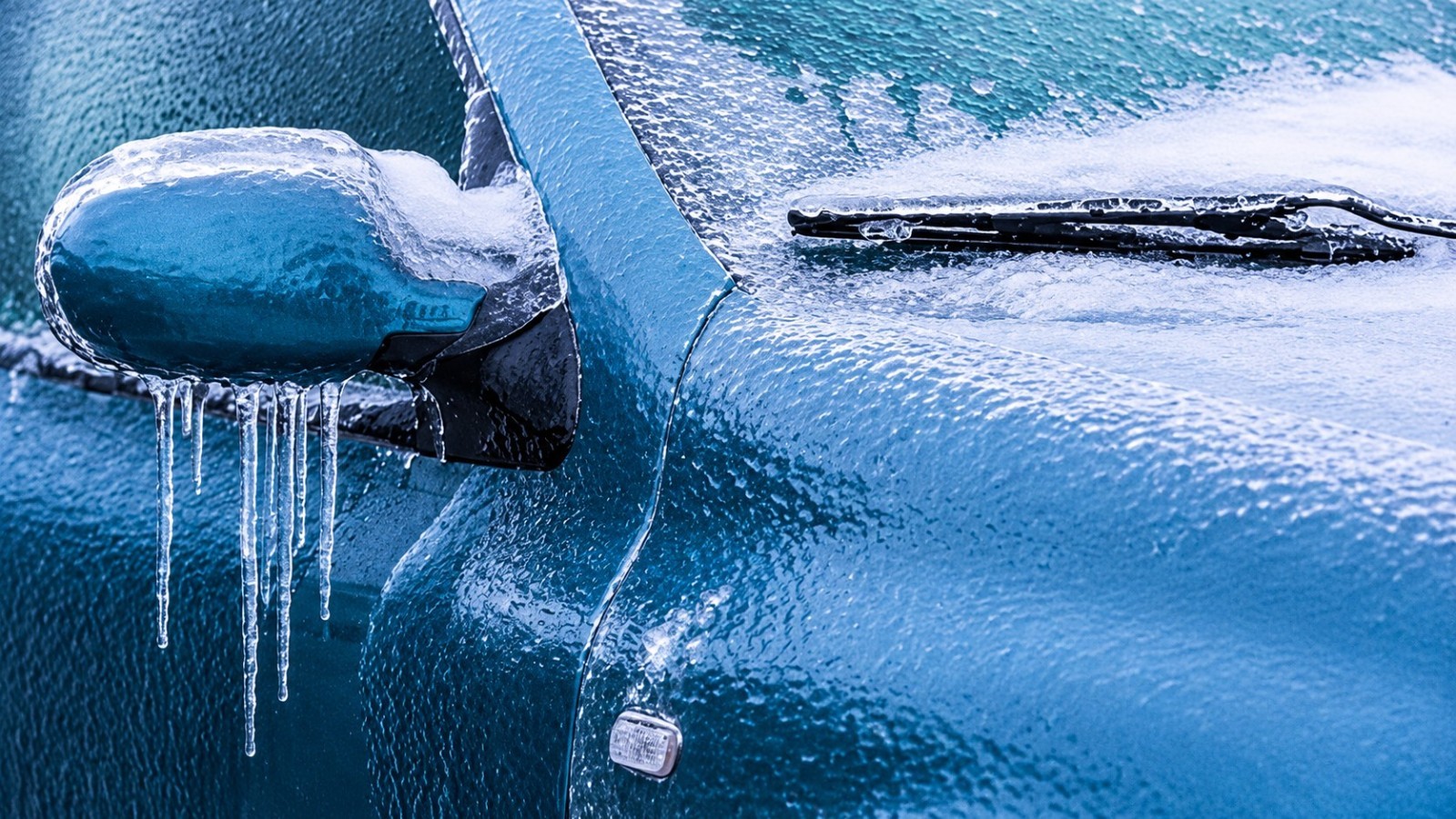
Heated exterior mirrors can make a noticeable difference when driving through snow, freezing rain, and icy conditions. By warming the mirror glass, the feature helps clear frost, condensation, and accumulated ice that can obstruct a driver’s view of surrounding traffic.
However, not every vehicle sold in colder parts of the United States includes heated mirrors as standard equipment. Some manufacturers reserve them for higher trim levels, while others offer them through optional winter or convenience packages.
This creates differences between vehicles that may otherwise appear similarly equipped. For buyers in states such as Minnesota, Michigan, Wisconsin, New York, and Colorado, checking mirror specifications before purchasing can prevent an inconvenient omission. Here are five cars that include standard heated exterior mirrors and five that omit the feature from specific entry-level configurations, highlighting what buyers should know before choosing a vehicle for winter driving.
5 Cars With Standard Heated Mirrors in Snow States
Some automakers recognise the importance of winter visibility and include heated exterior mirrors even on relatively accessible vehicle configurations. Others provide the feature across multiple trim levels, reducing the need for additional equipment packages. These five examples demonstrate how manufacturers equip selected vehicles to handle frost, freezing rain, and cold-weather driving more conveniently.
1. Subaru Outback
The Subaru Outback is particularly well suited to drivers who regularly encounter snow, freezing rain, and low temperatures. Subaru includes heated exterior mirrors and a windshield wiper de-icer as standard equipment across the six trim configurations listed for the 2026 US-market model. This gives buyers access to an important winter-visibility feature without requiring an upgrade to a more expensive version.
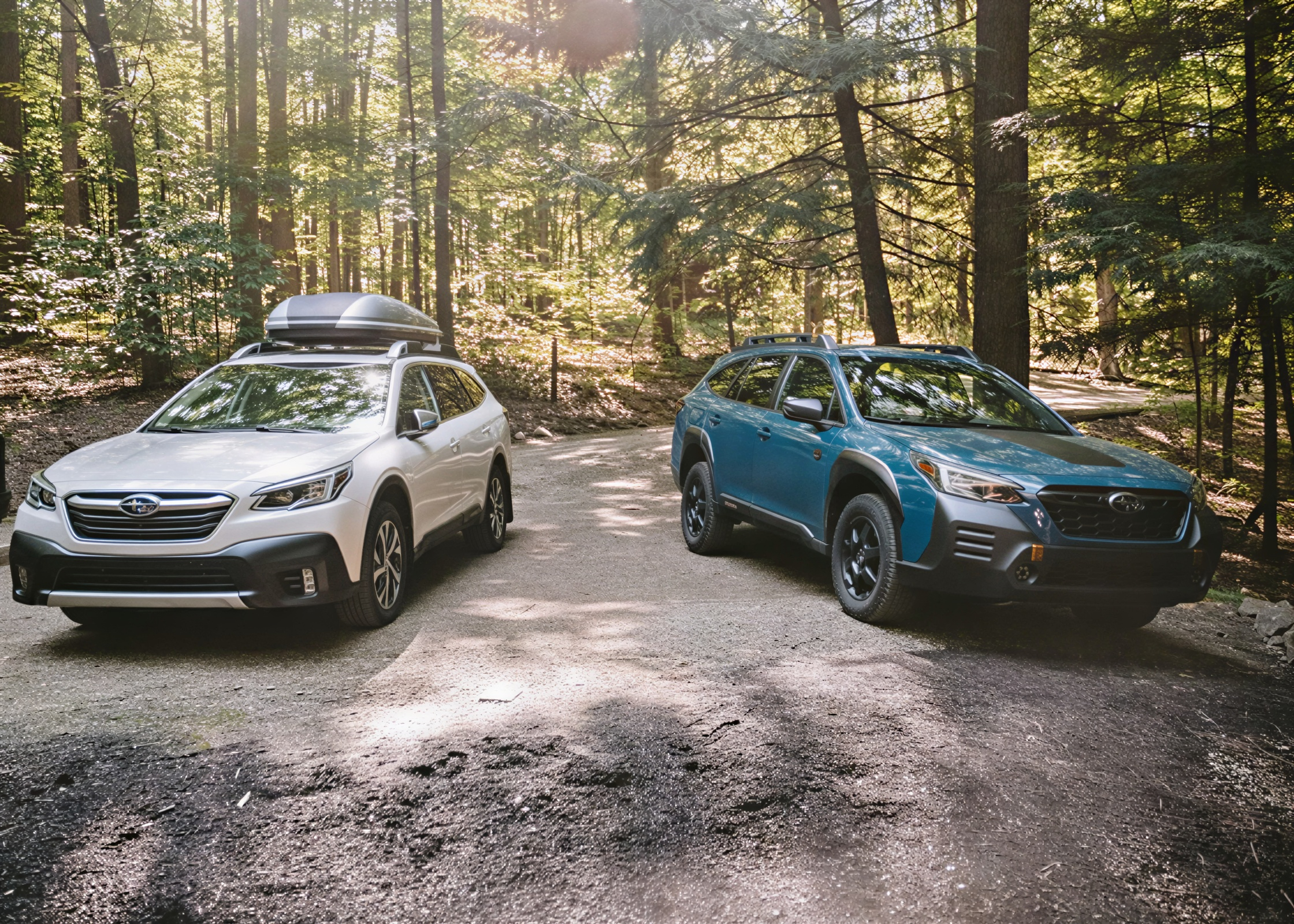
The heated mirrors help loosen frost and thin layers of ice that can accumulate overnight or during freezing precipitation. Their operation is integrated into the vehicle’s defrosting controls, allowing drivers to clear the exterior mirror surfaces alongside other heated glass areas. The windshield wiper de-icer also helps prevent ice from building up around the wiper resting area, which can be particularly useful during prolonged winter storms.
Subaru’s decision to include these features across the range makes the Outback appealing to customers who prioritise practical cold-weather equipment. Its standard all-wheel-drive system adds another advantage when travelling across snow-covered roads, although appropriate winter tyres remain important for traction and braking.
The availability of heated mirrors does not eliminate the need for manual snow removal or proper visibility checks. Nevertheless, buyers do not have to move into a premium trim simply to obtain this particular convenience.
2. Toyota Prius
The Toyota Prius demonstrates that winter-friendly equipment is not limited to SUVs and expensive vehicles. For the 2026 US-market model, Toyota lists heated power outside mirrors as standard equipment across the Prius lineup, including the entry-level LE. This gives buyers a useful visibility feature without requiring them to purchase a higher specification.
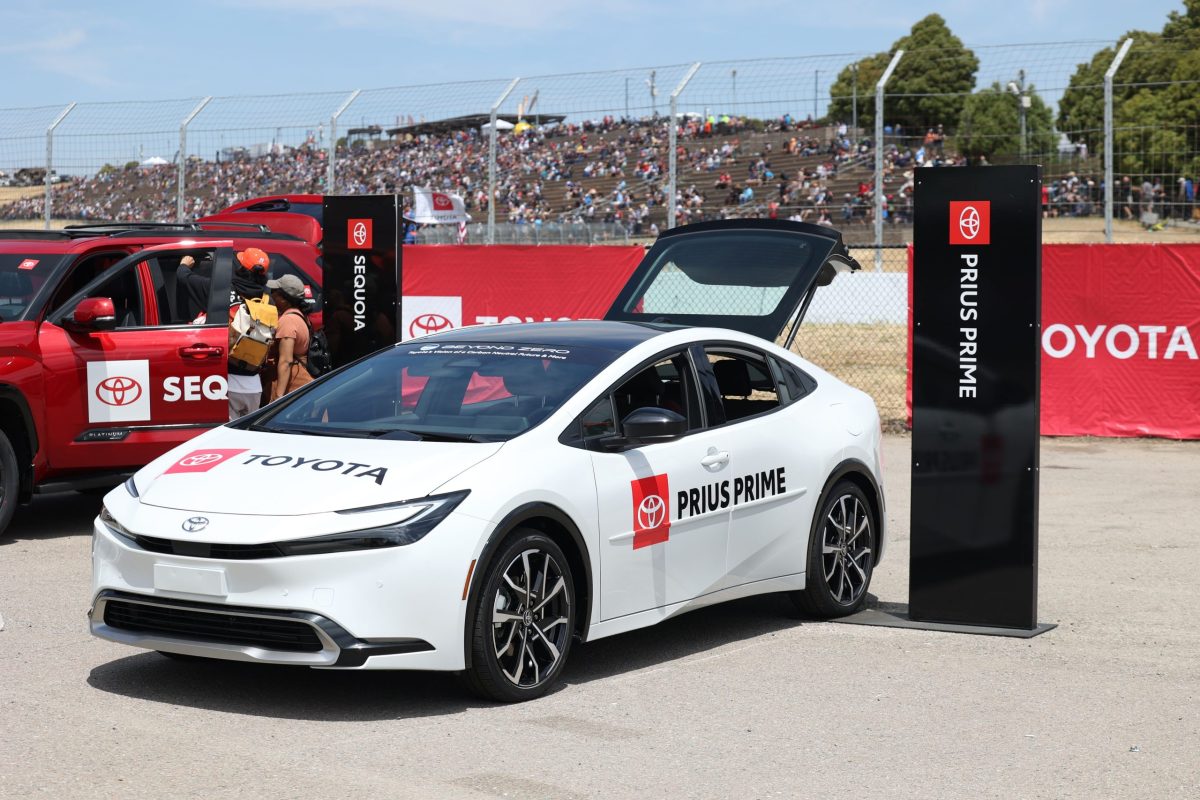
The system warms the exterior mirror surfaces to help remove frost, condensation, and light ice accumulation. The mirrors also feature a folding function, providing additional convenience when parking in confined spaces. These details are relevant for drivers who leave their vehicles outdoors overnight, particularly in regions where temperatures frequently fall below freezing.
The Prius offers a different ownership proposition from conventional winter-oriented crossovers. Its hybrid powertrain focuses on fuel efficiency, while its relatively low-slung design and front-wheel-drive configuration on selected versions mean that drivers must consider tyre choice and road conditions carefully. All-wheel-drive variants are also available for buyers seeking additional traction.
Including heated mirrors throughout the range is a practical equipment decision because drivers do not need to pay extra for an important winter convenience. It also makes the Prius an interesting option for commuters in colder metropolitan areas who want efficiency without sacrificing basic cold-weather visibility equipment.
3. Honda Civic Sport
The Honda Civic Sport offers heated exterior mirrors as standard equipment in the 2026 US-market sedan lineup. The feature is included on the Sport, Sport Hybrid, and Sport Touring Hybrid configurations, providing a meaningful equipment difference compared with the entry-level LX. Buyers who frequently experience frost and freezing rain may find this upgrade particularly useful.
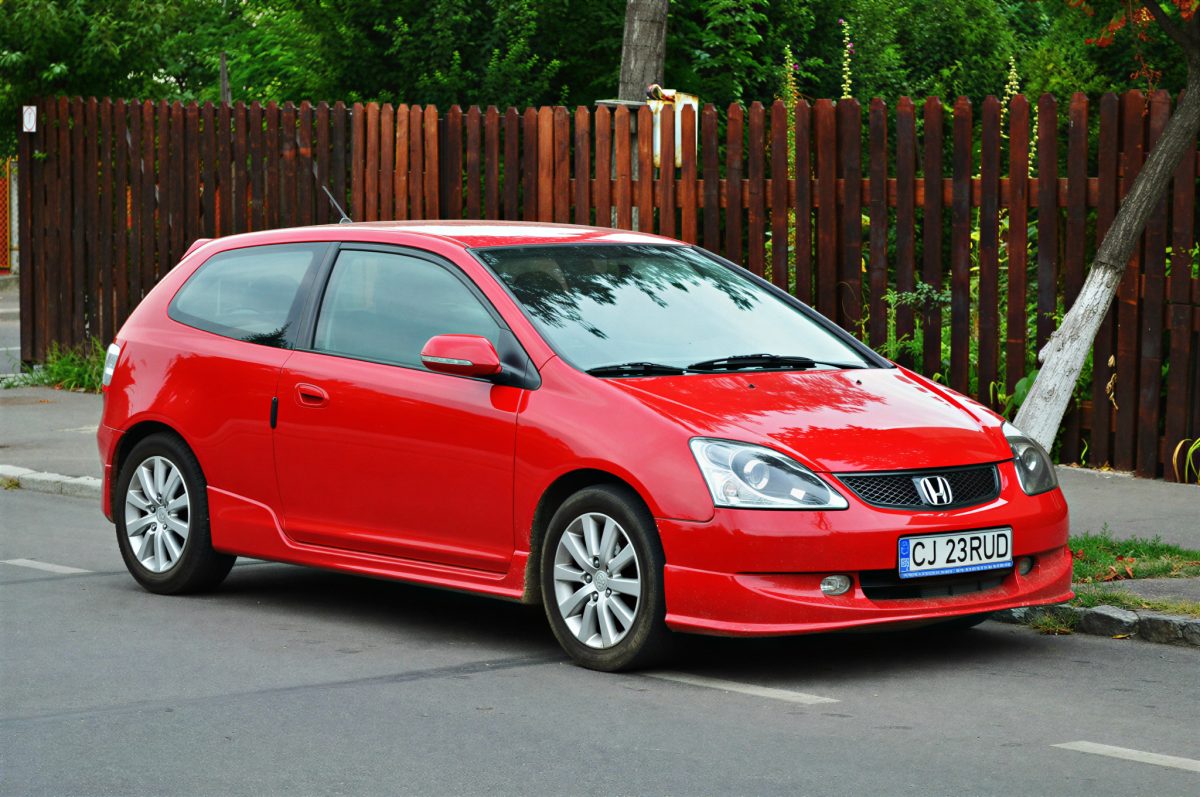
Honda equips these versions with heated, gloss-black power side mirrors. The heating function helps clear moisture and ice from the mirror glass, improving visibility when temperatures drop. Since the mirrors are electrically adjustable, drivers can also position them from inside the cabin rather than manually adjusting the glass from outside.
The Civic’s compact dimensions and available hybrid powertrain make it a practical choice for urban commuting. Its heated mirrors add a useful cold-weather convenience without requiring customers to purchase a separate winter equipment package. However, buyers should remember that the feature is trim-dependent rather than standard across every Civic configuration.
The distinction matters because the LX may appear similar to the Sport from a basic equipment perspective but does not include heated side mirrors. Drivers who regularly park outdoors in northern states may therefore consider the Sport’s additional equipment worthwhile. The feature will not replace proper defrosting or careful cleaning, but it can reduce the time spent preparing the car before departure.
4. Hyundai Tucson SEL
The Hyundai Tucson offers heated exterior mirrors on its 2025 SEL configuration and higher eligible trims in the US market. This is a useful addition for drivers who want an everyday family SUV with cold-weather convenience but do not necessarily need the equipment and technology associated with the Limited specification.
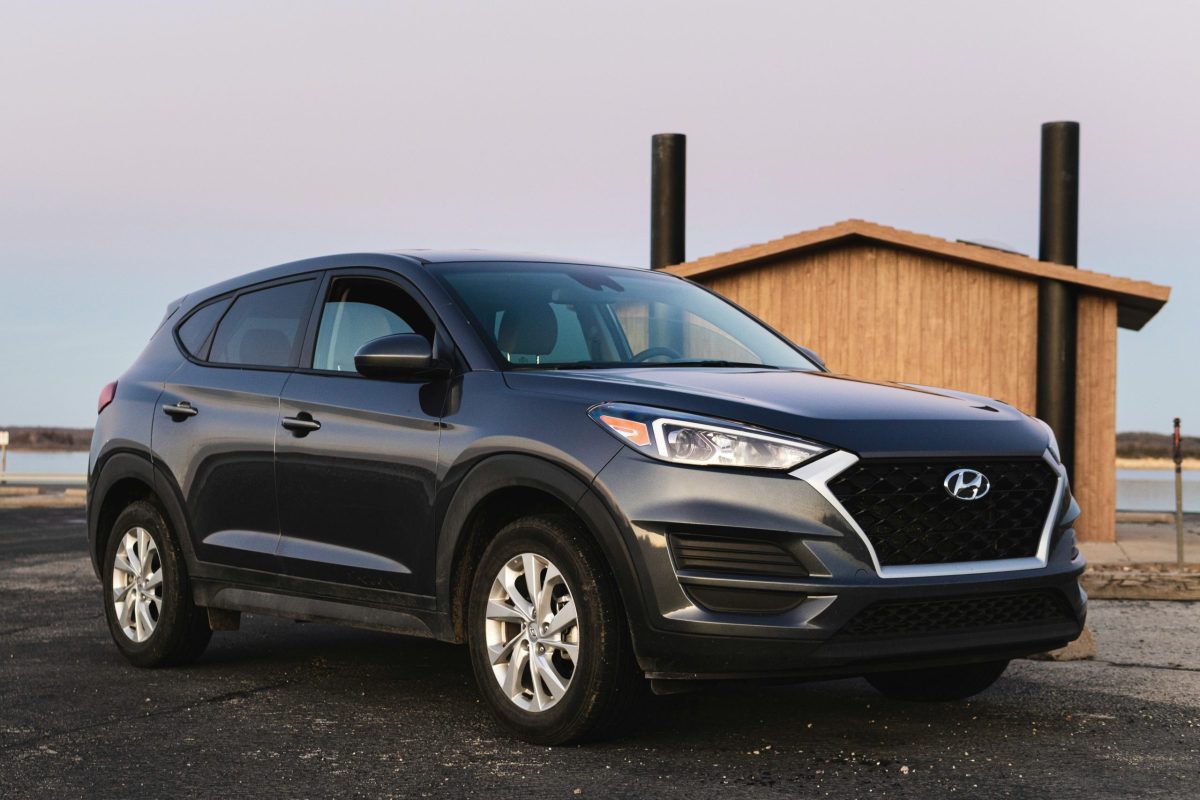
Heated mirrors help remove frost and condensation from the glass, reducing the need to scrape or wipe the surfaces manually before driving. Their value becomes particularly apparent when vehicles remain parked outdoors overnight or encounter freezing rain during morning commutes. The feature is especially relevant in areas where temperatures fluctuate around the freezing point.
The Tucson also offers other equipment that can improve winter comfort, depending on the selected trim. Higher configurations add features such as heated front seats, while the SUV’s available HTRAC all-wheel-drive system can help manage acceleration on slippery surfaces. However, all-wheel drive does not shorten braking distances on ice, making suitable tyres and cautious driving essential.
Hyundai’s trim structure makes the SEL an important middle-ground option. Buyers receive heated mirrors without having to select the most expensive version, although the base SE does not include them. Checking the exact vehicle specification remains important because dealer-installed packages and regional equipment can differ.
5. Nissan Sentra SR
The Nissan Sentra SR includes heated outside mirrors with integrated turn-signal indicators in the 2026 US-market lineup. This makes the SR a relevant choice for buyers who want a compact sedan with additional winter convenience without moving into a larger vehicle.
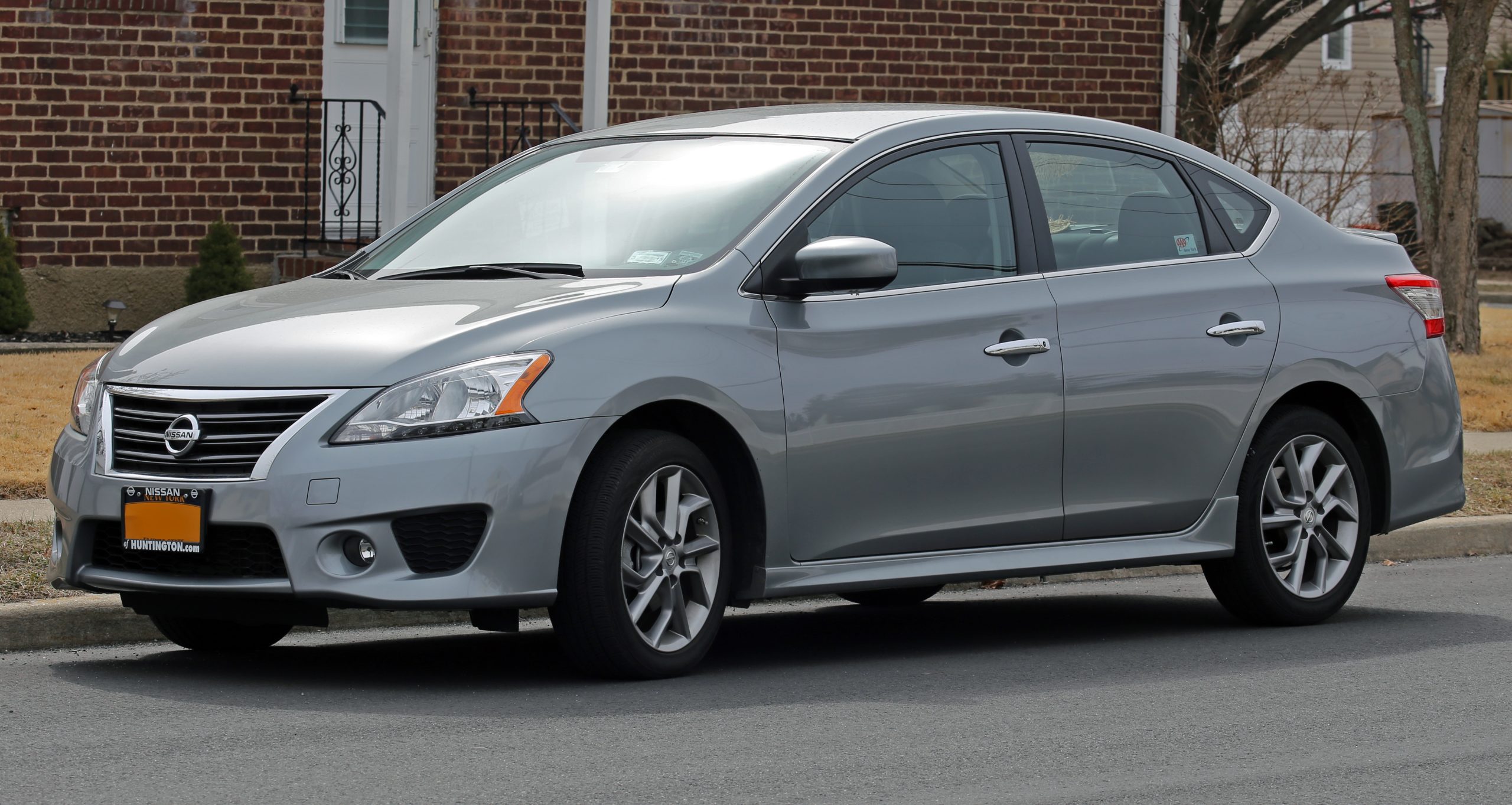
The heating function helps clear frost, condensation, and light ice from the mirror surfaces. This can improve visibility during cold morning starts, particularly when the vehicle has been parked outside overnight. Integrated turn signals provide another practical benefit by making the driver’s intentions more visible to surrounding traffic.
Nissan’s equipment structure also highlights the importance of comparing trims carefully. The heated mirrors are standard on the SR and SL, while they are optional on the SV. The entry-level S does not include them as standard equipment. Consequently, two Sentra models that share the same basic body structure can offer noticeably different winter equipment.
The SR also receives sportier exterior styling and larger wheels than the entry-level configuration. However, buyers should not assume that a higher-performance appearance automatically means superior snow capability. The Sentra remains a front-wheel-drive sedan, and its ability to handle winter conditions depends heavily on tyre selection, road maintenance, and driving behaviour.
For customers who want heated mirrors as part of the factory specification, the SR provides a clear step up from the base model.
5 Cars Without Standard Heated Mirrors in Snow States
Not every vehicle designed for everyday commuting includes heated exterior mirrors as standard equipment. Some manufacturers reserve the feature for higher trims, while others make it available through optional packages. The following examples focus on specific US-market entry-level configurations, not every version of each vehicle. Buyers should check the exact model year and factory equipment before ordering.
1. Honda Civic LX
The Honda Civic LX is an example of a popular compact sedan that does not include heated exterior mirrors in its 2026 US-market base configuration. Although the vehicle provides power-adjustable side mirrors, the heating function is reserved for higher versions of the lineup.
Honda’s specifications identify heated mirrors on the Sport, Sport Hybrid, and Sport Touring Hybrid trims, but not on the LX. This distinction is relevant for buyers in colder states because frost and condensation can accumulate on exposed mirror glass during overnight parking. Without an integrated heating element, drivers must rely on manual cleaning and the surrounding vehicle’s defrosting capabilities.
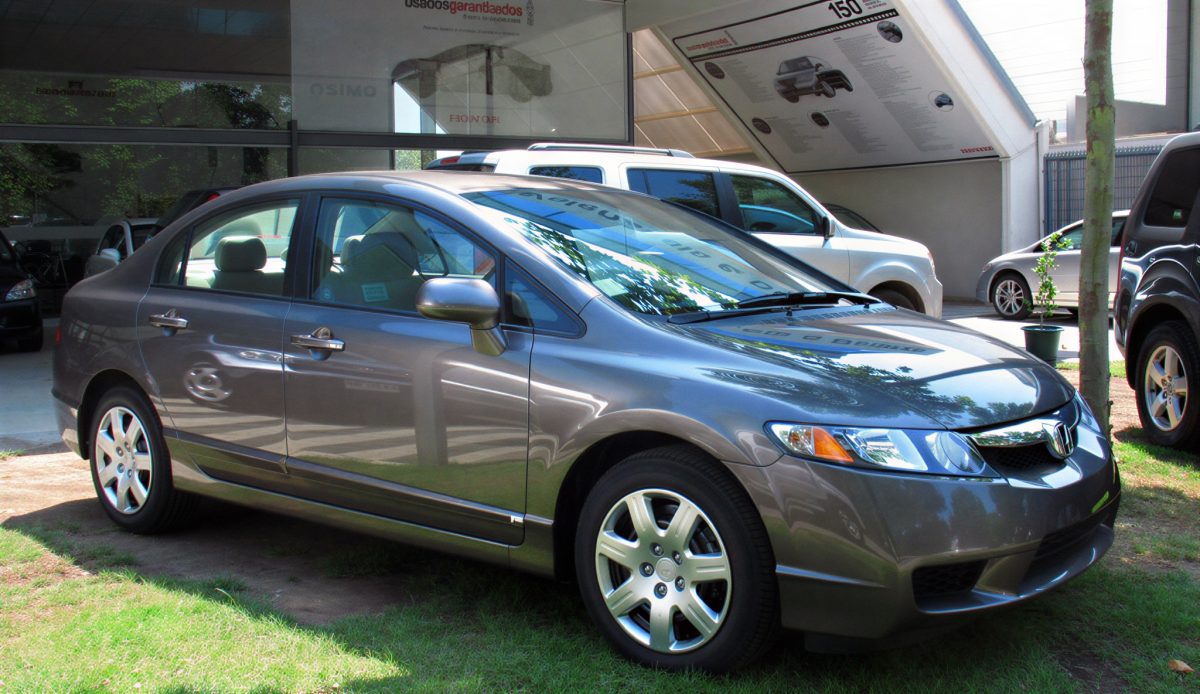
The LX still provides the core equipment expected from a modern compact sedan, including power mirrors and standard driver-assistance technology. However, those features do not automatically provide the same winter convenience as heated glass. Drivers may need to spend additional time clearing the mirrors before setting off, particularly after freezing rain.
Moving to the Sport adds heated mirrors alongside other equipment upgrades, including different exterior styling and additional convenience features. Buyers should therefore consider the difference in specification rather than assuming every Civic receives the same cold-weather equipment. For someone living in a region with frequent frost, this small feature could influence which trim represents better long-term value.
2. Hyundai Elantra SE
The Hyundai Elantra SE does not include heated side mirrors as standard equipment in the 2026 US-market lineup. While the car offers power-adjustable exterior mirrors, buyers must move to a higher configuration to obtain the additional heating function.
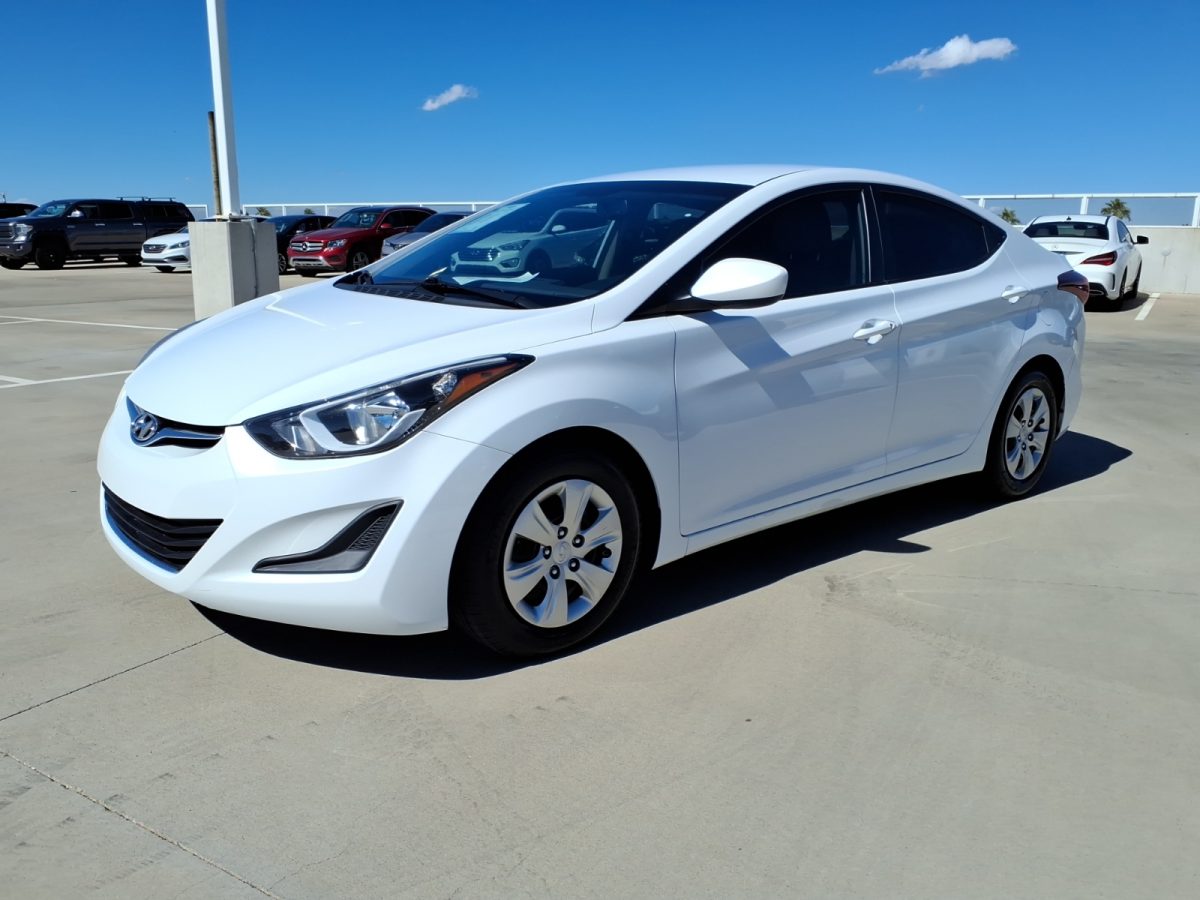
Hyundai’s published trim specifications show that heated mirrors are unavailable on the SE and several other lower configurations, while selected upper trims include them as standard equipment.
This creates a noticeable difference for drivers who regularly deal with frozen mirror surfaces during winter mornings. A vehicle can have modern infotainment, safety assistance, and power-adjustable mirrors without necessarily offering this particular cold-weather feature.
The Elantra remains an economical compact sedan intended for everyday commuting. Its relatively accessible positioning makes it attractive to buyers who prioritise affordability and fuel economy over premium convenience equipment. However, those savings can involve compromises in winter-specific features.
For customers in states such as Wisconsin, Michigan, and Minnesota, the absence of standard heated mirrors may mean spending additional time clearing ice manually. It is worth checking whether a higher trim provides the feature before finalising a purchase. Heated mirrors do not make a vehicle winter-proof, but they can improve visibility and reduce preparation time when the weather becomes difficult.
3. Nissan Sentra S
The Nissan Sentra S represents the entry-level end of Nissan’s 2026 Sentra range. Although the car receives power outside mirrors as standard equipment, its factory specification does not include heated mirror glass. The feature is reserved for selected higher trims or optional equipment packages, depending on the configuration.
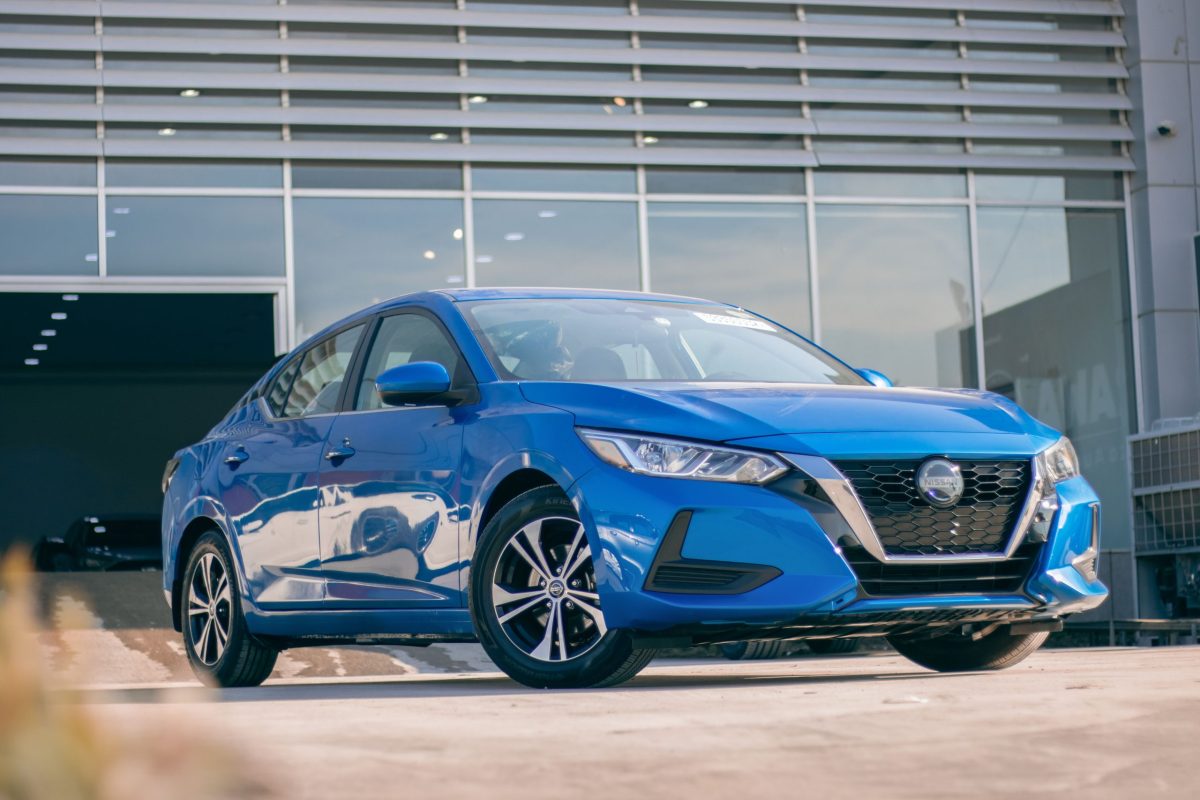
Nissan’s equipment breakdown identifies heated outside mirrors as unavailable on the S, optional on the SV, and standard on the SR and SL. This means that buyers selecting the least expensive Sentra configuration should not assume that the vehicle is equipped for every winter-related visibility challenge.
The distinction is particularly relevant in snow states where vehicles are regularly exposed to freezing temperatures. Frost can form on mirror surfaces overnight, while freezing rain can leave a thin layer of ice that makes it difficult to see approaching traffic. Without heating elements, drivers must clear the glass manually before driving.
The Sentra S still provides practical transportation with essential power-mirror adjustment and standard safety technology. However, customers who regularly encounter severe winter conditions may find the SR or SL more convenient because of their factory-fitted heated mirrors.
The SV also deserves consideration, although buyers should confirm that the relevant optional package has actually been installed on the vehicle they intend to purchase.
4. Toyota Corolla LE
The Toyota Corolla LE is another example of a compact car that does not include heated exterior mirrors as standard equipment in its 2025 US-market gasoline configuration. Toyota provides conventional color-keyed power outside mirrors on the LE, while heated mirrors are available through additional equipment packages. This makes the distinction important for buyers shopping for an affordable sedan in colder regions.
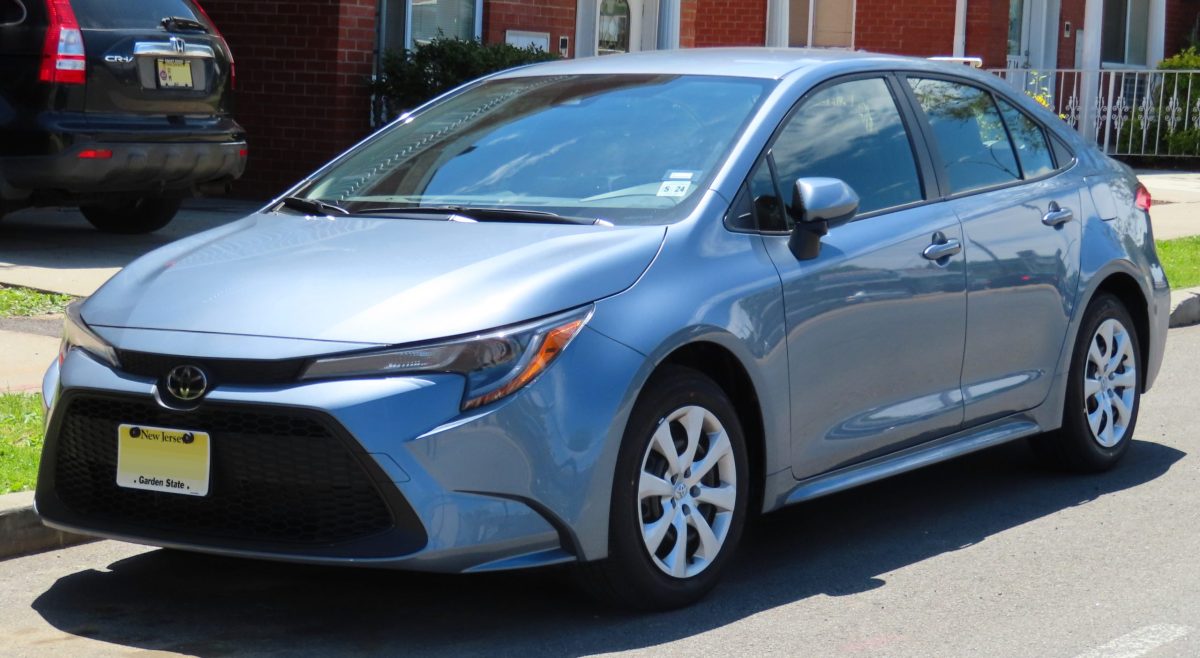
The LE Premium and Convenience packages offer additional features, including heated, power-adjustable exterior mirrors with color-matched finishes. Depending on the selected package, buyers may also gain access to blind-spot monitoring, rear cross-traffic alert, and upgraded wheels. While these upgrades enhance the LE’s comfort, safety, and appearance, they also come at an additional cost.
For someone living in a snow-prone state, the omission may become noticeable during winter mornings. Frost and moisture can accumulate on the mirror glass, restricting visibility until the driver clears the surfaces manually. Unlike a factory-equipped heated mirror system, conventional power adjustment only changes the mirror’s position and does not generate heat.
The Corolla remains a practical choice because of its compact dimensions, fuel efficiency, and established reputation for everyday usability. However, customers should carefully inspect the factory equipment list before purchasing. A vehicle advertised with a convenience package may have heated mirrors, while an otherwise similar LE without that package may not.
5. Hyundai Tucson SE
The Hyundai Tucson SE demonstrates that even a relatively large family SUV may omit heated exterior mirrors from its entry-level equipment. In the 2025 US-market lineup, Hyundai lists heated side mirrors as unavailable on the SE, while the SEL and higher eligible configurations receive the feature as standard equipment.
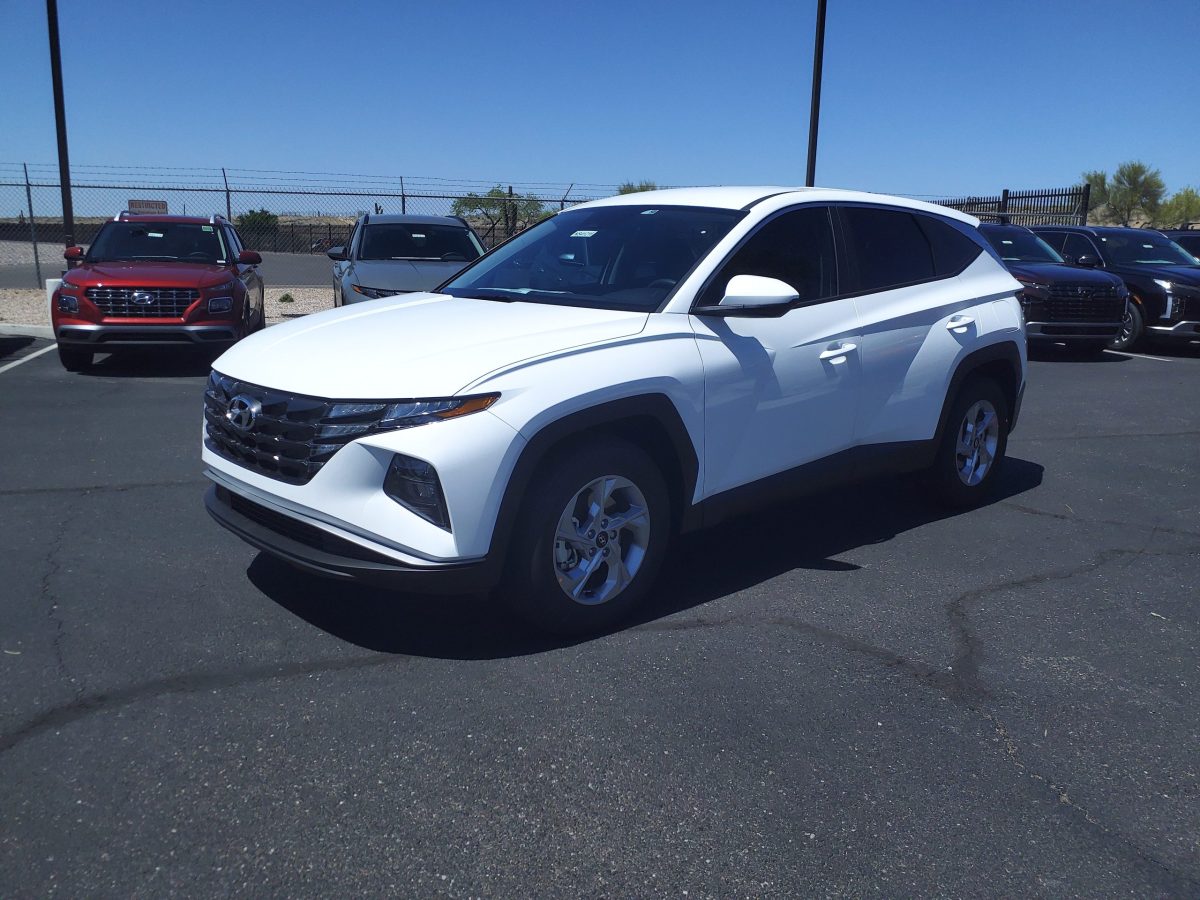
This difference matters because SUVs are frequently purchased for their versatility and ability to accommodate family travel. However, a larger body and higher seating position do not automatically provide better visibility when frost or ice covers the exterior mirrors. Drivers still depend on clear reflective surfaces to monitor adjacent traffic and perform safe lane changes.
The Tucson SE provides essential everyday equipment, including power-adjustable mirrors, modern safety technology, and a practical cabin. However, buyers who regularly drive in freezing conditions may find the SEL a more suitable configuration. Its heated mirrors provide an additional convenience without requiring customers to purchase the most expensive Limited version.
Hyundai’s approach reflects a common industry practice of using trim differentiation to separate basic transportation equipment from additional comfort features. For buyers in northern states, comparing the SE and SEL specifications is worthwhile before committing to a purchase. The price difference may be easier to justify when the additional winter equipment is something the driver will use regularly.