Finding a used car that fits your budget and feels right can be exciting. But that excitement can quickly turn into disappointment when the lender rejects your application. This situation is more common than many buyers realize.
The reason is that banks and credit unions look beyond your credit score when reviewing an auto loan. They also evaluate the vehicle itself because it serves as collateral and helps protect the lender’s investment if you fail to repay the loan.
If the vehicle might break down, lose its value overnight, or carry a murky history, many lenders simply walk away from the deal. The good news is that knowing which cars land on that list can save you time, stress, and a lot of wasted applications. Let’s go through eight used cars that lenders routinely refuse to finance, and why.
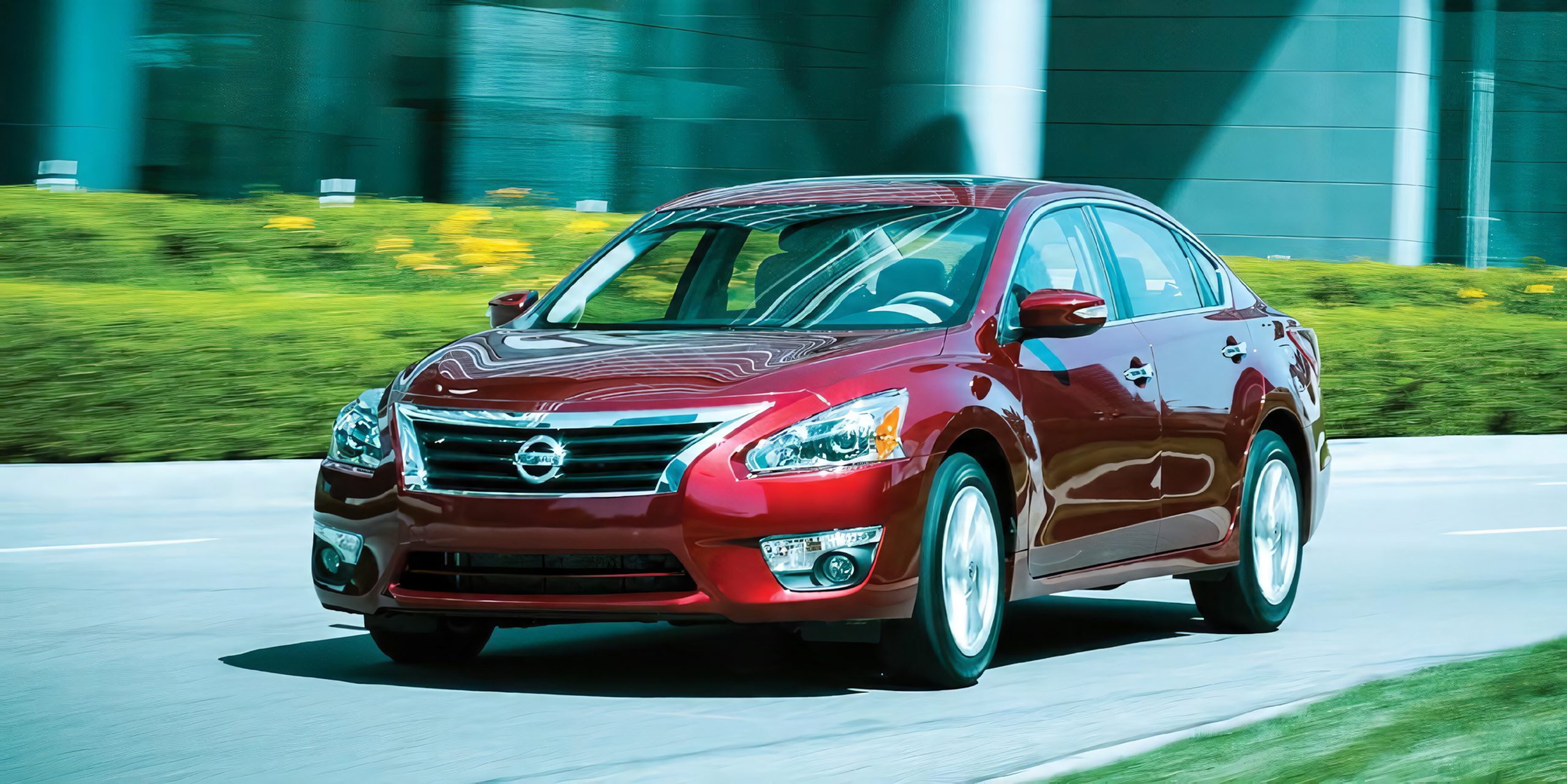
1. High-Mileage Nissan Altima & Sentras (with CVTs)
A used Nissan Altima or Sentra may look like an affordable choice, but certain older models come with a transmission concern that can make lenders hesitant. The issue involves the continuously variable transmission (CVT), particularly in some earlier model years.
Unlike a traditional automatic transmission, a CVT uses a different mechanism to deliver power from the engine to the wheels. Although the design can support smooth acceleration and fuel efficiency, some older Nissan CVTs developed a reputation for premature failure. Replacing one can cost approximately $4,000 to $5,000, depending on the vehicle and repair facility.
Consider what happens when a car worth only a few thousand dollars suddenly needs a transmission replacement. The owner may struggle to afford the repair while still making monthly loan payments.
That possibility creates a financial concern for lenders. A vehicle with expensive mechanical problems and declining resale value offers less reliable collateral.
Some lenders may impose strict mileage limits on older Altimas and Sentras, particularly once they approach or exceed 80,000 miles.
This does not mean every Nissan with a CVT will be rejected, but buyers should check the specific model year, transmission history, and lender requirements before applying.
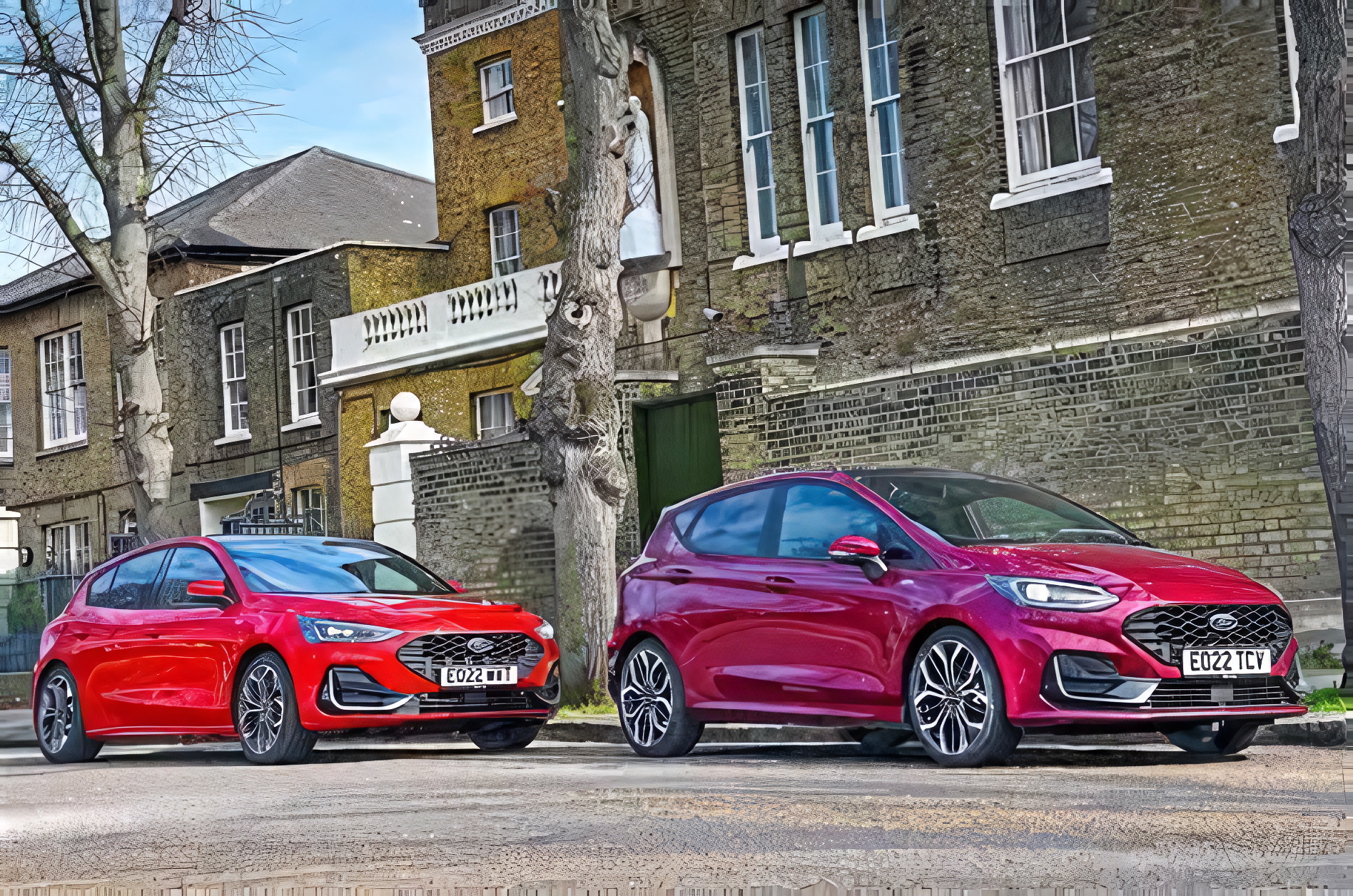
2. Ford Focus and Fiesta (with PowerShift Transmissions)
Ford Focus and Fiesta models from the 2011-2016 period can create financing difficulties when equipped with the PowerShift dual-clutch transmission.
These vehicles were designed to offer fuel efficiency and responsive gear changes, yet their transmission systems developed a reputation for troublesome operation.
Owners reported problems such as shuddering, hesitation, slipping, rough acceleration, and unexpected transmission behavior.
Some vehicles required repeated repairs, leaving owners frustrated with expensive service visits and questions about long-term reliability.
The problems also attracted legal attention, including class-action litigation and buyback arrangements involving affected vehicles. For lenders, this history raises concerns about the possibility of costly repairs shortly after a borrower purchases the car.
A vehicle that spends more time in a repair shop than on the road is not attractive collateral. If the owner cannot afford repairs, missed loan payments may follow.
This does not mean every Focus or Fiesta from these years is automatically unfinanceable. Transmission type, maintenance records, mileage, and the lender’s vehicle eligibility rules all matter.
Buyers should verify the transmission fitted to the exact vehicle rather than relying on the model name alone.

3. Discontinued Budget Brands (e.g., Suzuki, Daewoo, Isuzu)
Why would a bank care whether a car manufacturer still produces vehicles? The answer comes down to resale value and the lender’s ability to recover its money if a borrower stops making payments.
When an auto loan goes unpaid, the lender may repossess the vehicle and sell it at auction. However, selling an older car from a discontinued brand can be difficult, especially when potential buyers have concerns about parts availability, maintenance, and long-term reliability.
Brands such as Suzuki and Daewoo have discontinued passenger-car operations in several markets, while Isuzu has withdrawn from certain passenger-car segments.
Although some models still have loyal owners and access to independent repair services, finding replacement components can become more challenging as vehicles age. Some parts may require special orders, and certain repairs may take longer or cost more than expected.
For lenders, these concerns create an uncomfortable financial situation. A vehicle that attracts few auction bidders may sell for far less than its estimated market value. Even a clean, low-mileage example may face financing restrictions because the brand’s resale demand is limited.
Buyers interested in these vehicles may need to consider cash purchases, personal loans, or smaller lenders familiar with the local used-car market.
Before committing, check parts availability, repair costs, and insurance requirements. A low purchase price is attractive, but owning a discontinued model requires careful financial planning.

4. Cars Over 10-12 Years Old
Imagine finding a 2012 luxury sedan with spotless leather seats, fresh tires, a clean exterior, and a complete service history. Everything looks promising, and the asking price fits your budget.
You submit an auto loan application, expecting approval, only to discover that the lender will not finance the vehicle. The problem may have nothing to do with its condition. Its age alone could make it ineligible.
Many traditional banks and auto finance companies have restrictions on how old a vehicle can be when financing begins. Some accept cars up to 10 model years old, while others extend their limits to 12 years.
These policies vary, but they can eliminate many older vehicles from consideration. Lenders establish these limits because older cars generally carry greater repair risks and less predictable resale values.
A vehicle that is already 12 years old could experience expensive mechanical problems during a three-to-five-year repayment period. By the time the borrower makes the final payment, the car may have considerably less market value.
Another concern is the loan’s security. If the borrower defaults, the lender wants to recover as much of the outstanding balance as possible through repossession and resale. An aging vehicle may not provide enough financial protection.
Fortunately, buyers still have alternatives. Some credit unions, specialist auto lenders, and personal loan providers consider older vehicles. Paying cash is another option. Before choosing a car, ask about age restrictions to avoid wasting time on an application that cannot qualify.
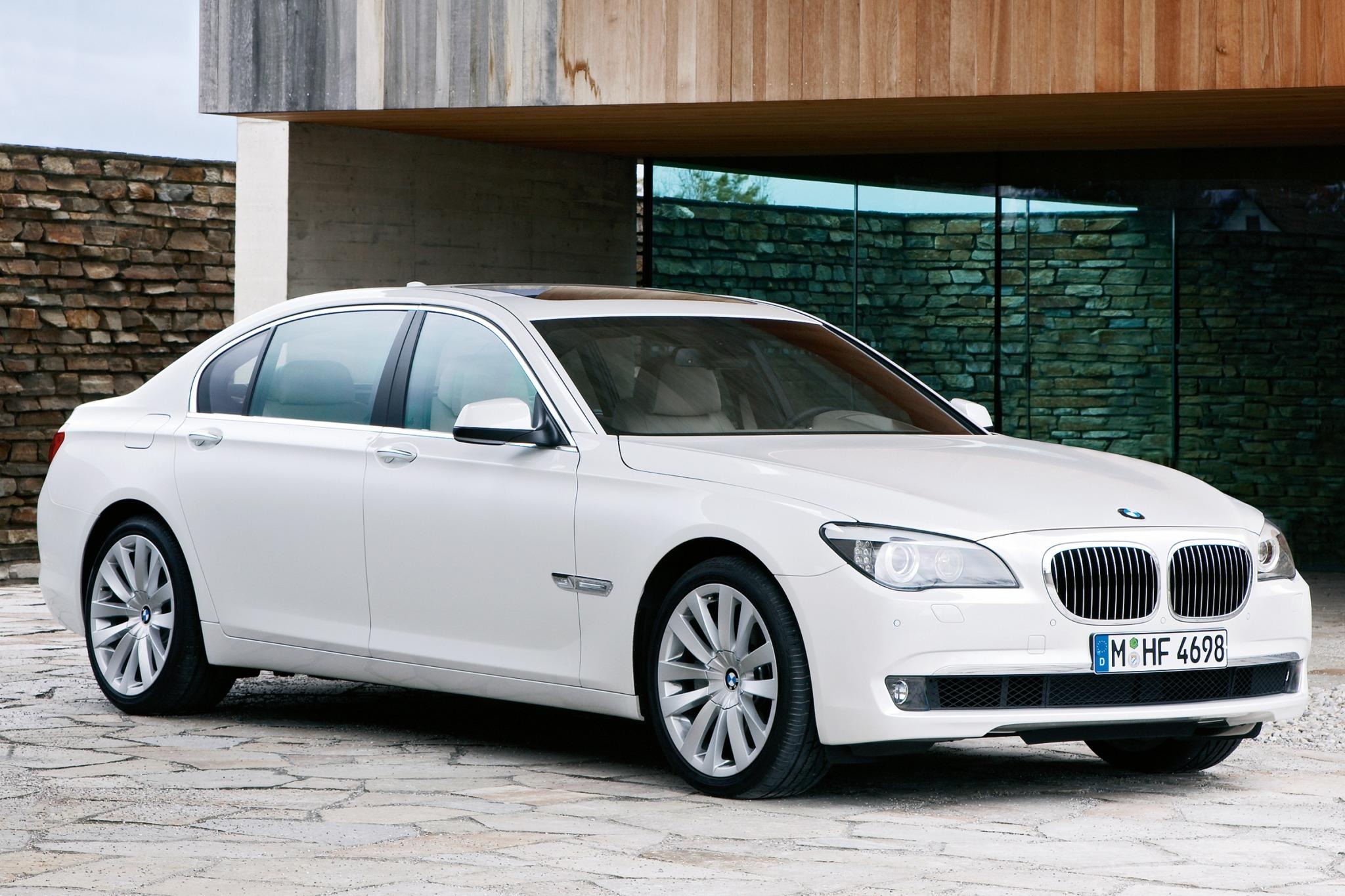
5. High-Mileage European V8 Luxury Cars (e.g., BMW 7-Series, Porsche Panamera V8)
Nothing sounds quite as appealing as owning a powerful European luxury car for the price of an ordinary used hatchback. An older BMW 7-Series or first-generation Porsche Panamera V8 may offer premium materials, impressive performance, advanced technology, and an expensive-looking badge without the original showroom price.
However, that attractive purchase price can hide maintenance expenses that make lenders think twice. The problem is not necessarily the engine’s performance or the vehicle’s appearance. It is the cost of keeping an aging luxury car in good working condition.
Major engine repairs, transmission problems, electronic faults, and suspension replacements can produce bills running into thousands of dollars. Depending on the vehicle and the damage, a major engine rebuild or suspension overhaul could cost between $10,000 and $25,000.
Consider a car selling for $12,000 that suddenly requires $15,000 in repairs. Many owners would struggle to justify spending more on repairs than the vehicle is worth, especially while making monthly loan payments. Some may abandon the car or stop paying their loans.
This possibility makes high-mileage European V8 models less attractive as loan collateral. Lenders may impose stricter requirements or refuse financing altogether.
Anyone considering one should arrange an independent inspection from a specialist familiar with the brand. Check maintenance records, investigate common mechanical problems, and keep a separate repair fund.
The purchase price may be affordable, but long-term ownership requires a much larger financial commitment.

6. Branded, Salvage, or Rebuilt Title Cars
A used car with a salvage or rebuilt title can attract attention because its asking price is often much lower than that of a similar vehicle with a clean title. Unfortunately, that discount can come with financing restrictions.
A salvage title generally indicates that an insurance company previously declared a vehicle a total loss. This can happen after a serious collision, flood, fire, or another incident that causes extensive damage.
A rebuilt title is usually issued after a previously salvaged vehicle has undergone repairs and met the applicable inspection or certification requirements. Although the car may be legally permitted back on the road, its history remains an important consideration.
For lenders, the main concern is uncertainty. They may not know the full extent of the original damage, the quality of the repairs, or whether hidden structural and electrical problems remain.
Flood-damaged vehicles are particularly concerning because corrosion and electrical faults can appear long after the initial repairs.
Resale value presents another problem. Salvage and rebuilt vehicles often sell for considerably less than comparable clean-title cars. If a lender repossesses one, recovering the outstanding loan balance may prove difficult.
Many mainstream banks and credit unions refuse to finance these vehicles altogether. Some specialist lenders may consider them, but their requirements can be strict.
Before purchasing one, buyers should obtain a vehicle history report, arrange an independent inspection, and confirm financing eligibility.
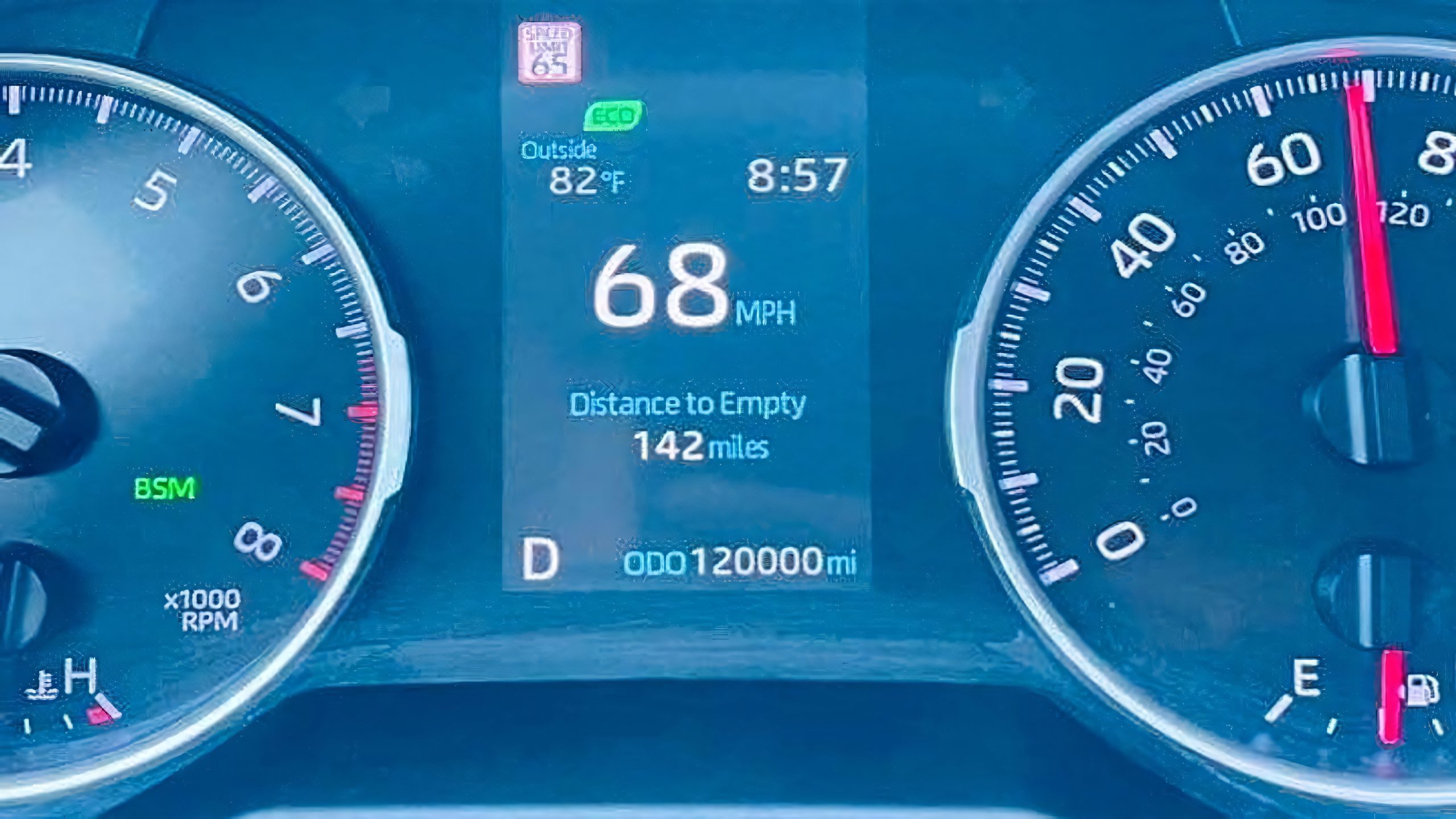
7. Vehicles with Over 100,000 to 150,000 Miles
A vehicle with 120,000 miles on the odometer is not necessarily a bad purchase. Plenty of well-maintained cars, SUVs, and trucks continue running reliably beyond 150,000 miles.
The problem is that lenders often view high mileage as a warning sign when deciding whether to approve financing.
Many traditional auto lenders prefer vehicles with fewer than 100,000 miles. Some may consider cars with higher mileage, while certain dependable trucks and SUVs can qualify for financing beyond 150,000 miles. However, these allowances depend heavily on the lender’s policies.
Mileage matters because a vehicle accumulates wear as it is driven. The engine, transmission, suspension, brakes, cooling system, and other mechanical components may need attention as the odometer climbs.
Even when a vehicle has been serviced regularly, there is no guarantee that expensive repairs will not become necessary during the loan period.
Imagine financing a car with 145,000 miles and discovering that it needs a major engine repair six months later. You could end up paying monthly installments on a vehicle that is no longer affordable to maintain.
Lenders want collateral that can retain enough value to cover their financial exposure. High-mileage vehicles make that calculation less predictable.
Buyers should check the lender’s mileage restrictions before choosing a vehicle. A detailed maintenance history and independent mechanical inspection can also help establish whether a high-mileage car deserves consideration.
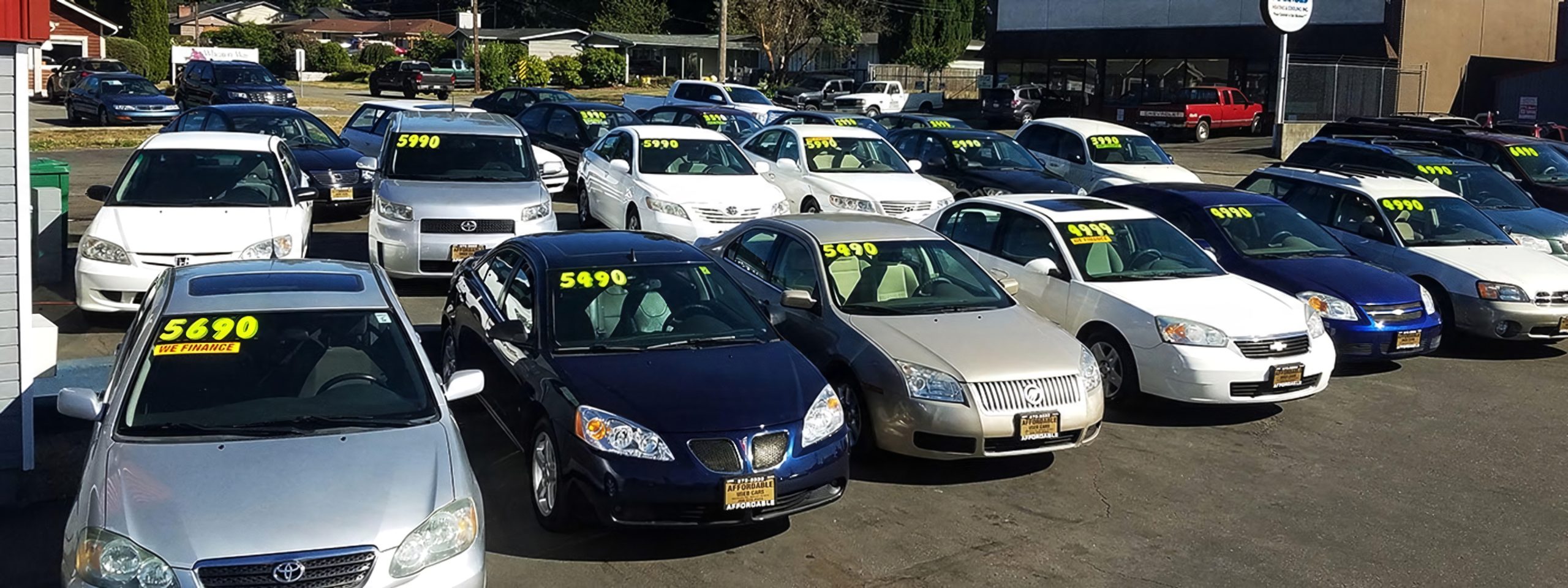
8. Sub-$5,000 “Dirt Cheap” Vehicles
One surprising aspect of used-car financing is that a vehicle priced below $5,000 can be more difficult to finance than one selling for $20,000. This situation is sometimes referred to as the auto loan paradox. The difficulty is not necessarily related to the vehicle’s quality or whether it is a worthwhile purchase, but rather to how lenders evaluate and structure their financing options.
The issue often comes down to loan profitability.
When a bank processes an auto loan, it incurs administrative and operational expenses. These include reviewing applications, checking vehicle details, preparing loan documents, managing payments, and handling the account throughout the repayment period.
Those expenses do not necessarily decrease just because the borrower wants a smaller loan.
For example, a lender may have a minimum auto loan requirement of $5,000 to $7,500. If someone wants to borrow just $3,500 to purchase an older used car, the lender may decide that the interest earned will not justify the cost of processing and servicing the loan.
The vehicle itself can create another obstacle. Cars in this price range are often older, have higher mileage, or carry limited resale value. That makes them less attractive as collateral.
This leaves buyers with fewer conventional financing options, even when they have good credit and steady income.
A personal loan, credit union loan, or cash purchase may provide an alternative, depending on individual circumstances. Before applying, check the lender’s minimum borrowing amount and whether it accepts older, inexpensive vehicles.
A cheap car can still be a sensible purchase, but securing traditional auto financing for it may prove difficult.