Most of us think about the driver first when we talk about safety. We check the driver airbag, the driver seat, the driver’s view of the road. But the person riding shotgun might be your child, your spouse, or your best friend, and their protection matters just as much.
Independent crash tests from the Insurance Institute for Highway Safety and other safety groups have shown that some vehicles leave front-seat passengers more exposed than shoppers realize.
The results can be surprising, and a few popular models appear on the list. You don’t need an engineering degree to understand what these tests mean. Here are ten vehicles that earned poor marks for passenger-side or impact safety, along with what each result tells you.
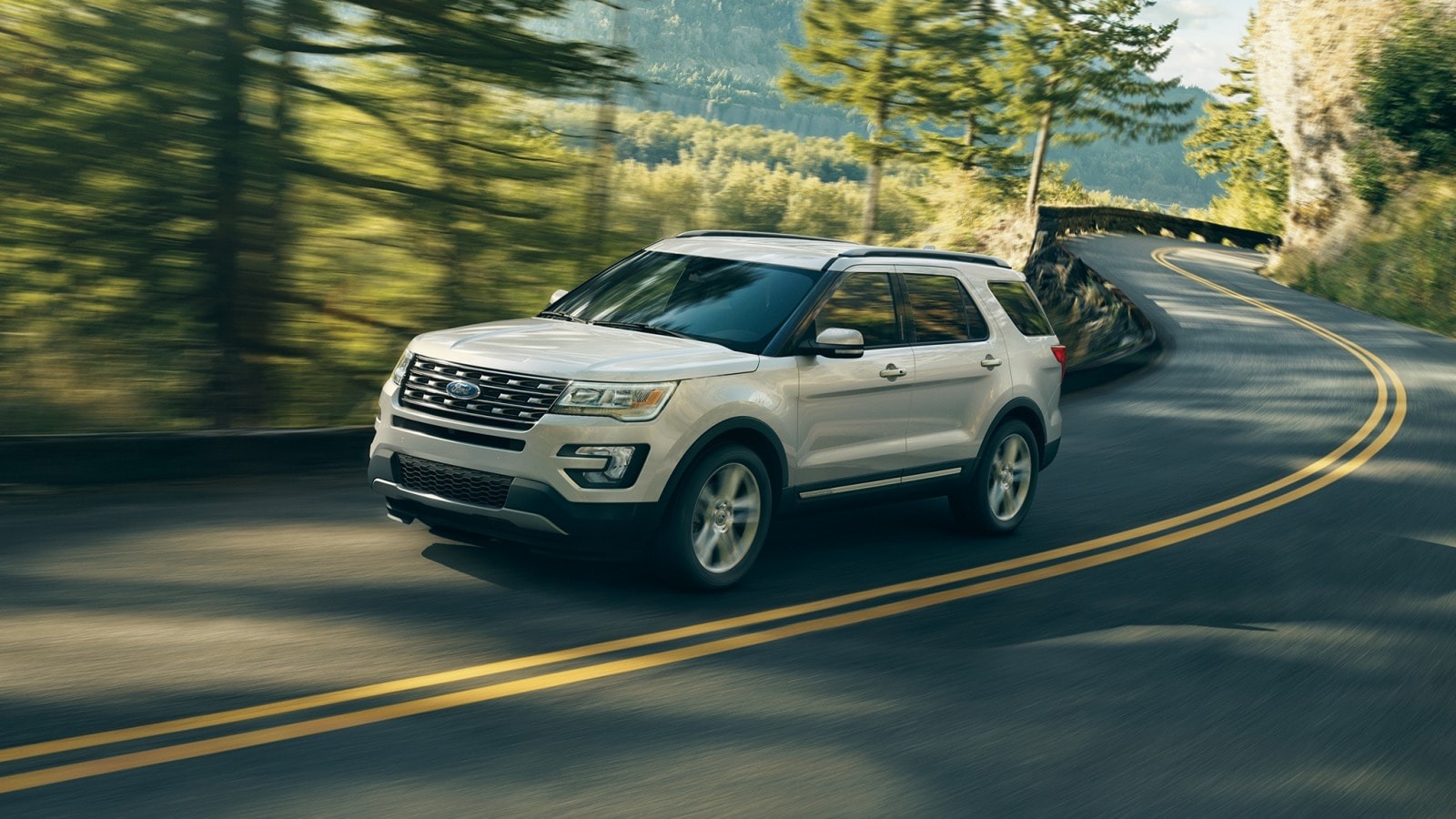
1. 2018 Ford Explorer
The 2018 Ford Explorer has faced criticism for its performance in passenger-side small-overlap frontal crash testing. These evaluations examine what happens when the front corner of a vehicle strikes an object, such as a tree or utility pole, rather than hitting it directly in the center.
This type of collision can place considerable pressure on the passenger compartment. The Explorer received a Poor rating in the IIHS passenger-side small-overlap test.
The evaluation identified substantial structural intrusion, with approximately 15 inches of intrusion reported. Such movement raises concerns about how much space remains available to protect an occupant during a severe collision.
The passenger-side footwell and surrounding structure are particularly important in this type of assessment. When these areas collapse inward, passengers may face a greater risk of lower-body injuries, including damage to the hips and legs.
The test also raised concerns about the vehicle’s ability to maintain a protective space around the passenger. Anyone considering a used 2018 Explorer should review its crash-test history rather than relying solely on its size or appearance.
A larger SUV does not automatically provide better protection in every type of accident. Check the vehicle’s safety equipment, recall history, and maintenance records before making a decision.
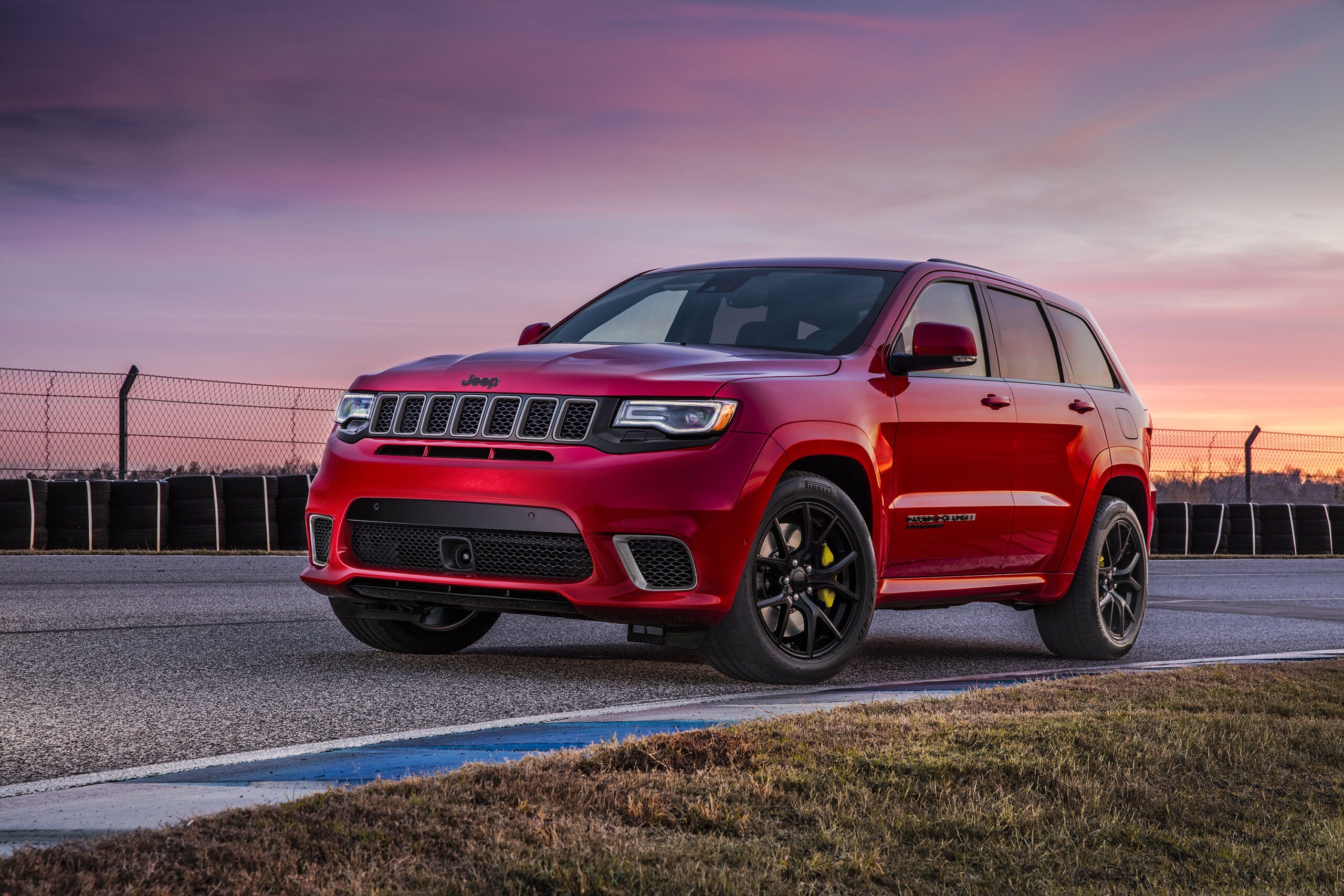
2. 2018 Jeep Grand Cherokee
The 2018 Jeep Grand Cherokee is another vehicle that deserves attention when examining passenger-side crash protection.
Although the SUV offers a substantial body structure and several safety features, its performance in passenger-side small-overlap testing revealed weaknesses that potential owners should understand.
The IIHS assigned the vehicle a Poor rating in this particular evaluation. During the crash test, the passenger dummy’s head moved forward and contacted the dashboard.
The assessment also identified concerns involving the side airbags, which did not deploy as expected during the test. These findings raised questions about how effectively the restraint system could protect an occupant in a similar collision.
Lower-leg protection was another area of concern. When a vehicle’s front structure moves inward during an impact, the passenger’s feet and legs may be exposed to dangerous forces.
Even when seat belts and airbags are present, their effectiveness depends partly on how well the surrounding structure maintains its shape.
This does not mean every 2018 Grand Cherokee will perform poorly in every accident. Crash outcomes depend on several factors, including impact speed, collision angle, seat position, and restraint use.
However, the passenger-side test results provide useful information for anyone considering this model. Before purchasing a used example, review its exact safety equipment and consult current IIHS records to understand its performance in other crash evaluations.
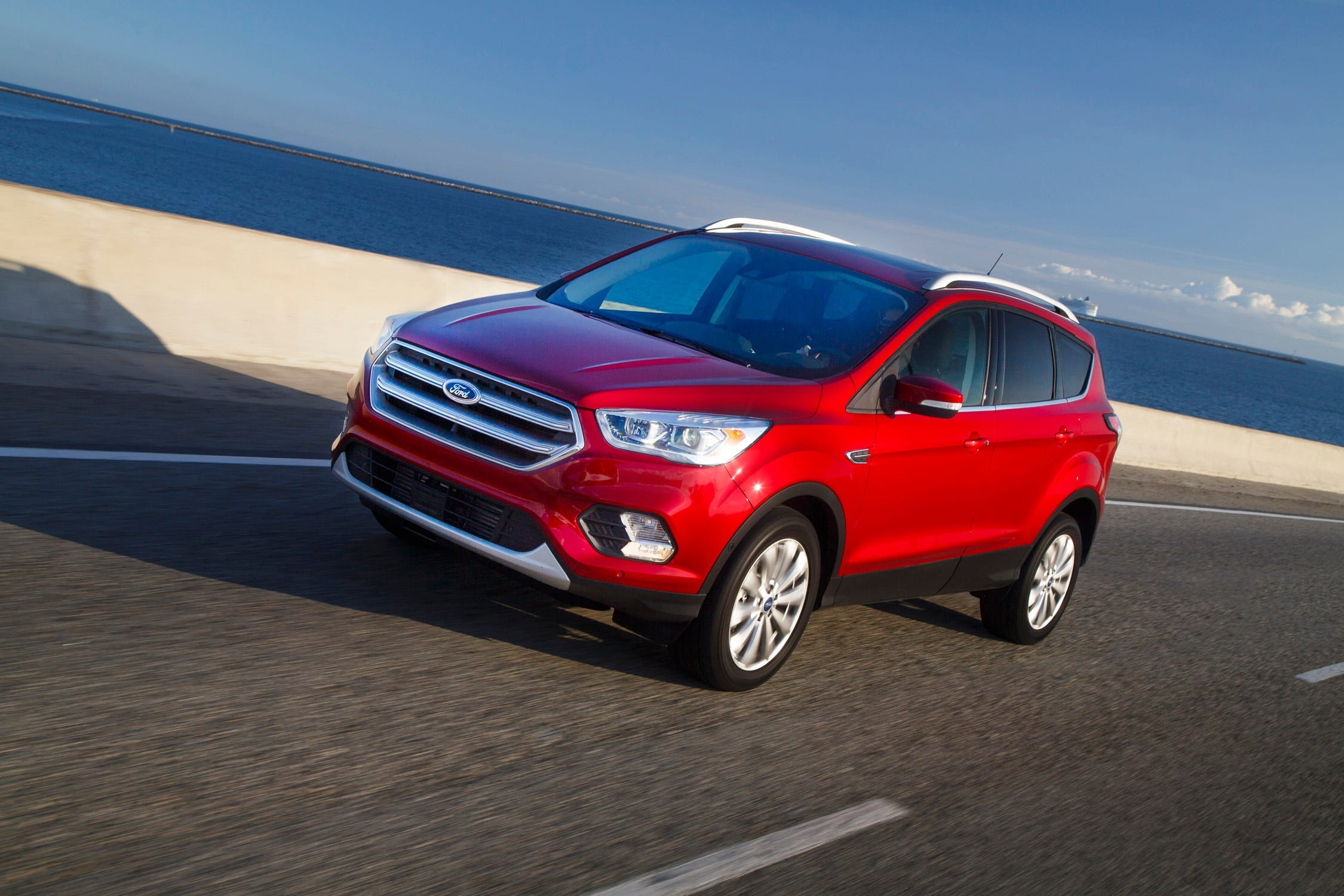
3. Ford Escape (Prior Generations / e.g., 2018 model)
The Ford Escape has been a popular choice among compact SUV shoppers, but certain earlier models have raised concerns about passenger-side crash protection.
The 2018 model is particularly worth examining because of its performance in small-overlap frontal crash testing. These tests focus on collisions that affect only a small portion of the vehicle’s front end.
Since the impact does not involve the entire front structure, the vehicle must rely on carefully designed structural components to prevent excessive movement into the passenger compartment.
In evaluations cited for the Escape, structural intrusion and airbag positioning were areas of concern. During testing, the passenger dummy’s head came close to moving beyond the protective airbag.
Proper airbag positioning matters because the device must cushion the head and upper body during the initial impact. If the occupant moves outside the intended protection area, the risk of injury may increase.
The vehicle’s passenger-side structure also deserves attention. Excessive intrusion can reduce available space around the feet, legs, and lower body, making injuries more likely in certain collisions.
If you are considering an older Ford Escape, do not assume that every model year has identical crash performance. Safety equipment, structural improvements, and test results can differ between generations and production years.
Check the exact model’s IIHS ratings, confirm whether applicable safety recalls have been completed, and have the vehicle inspected before purchase. These steps provide a clearer understanding of its passenger protection capabilities.
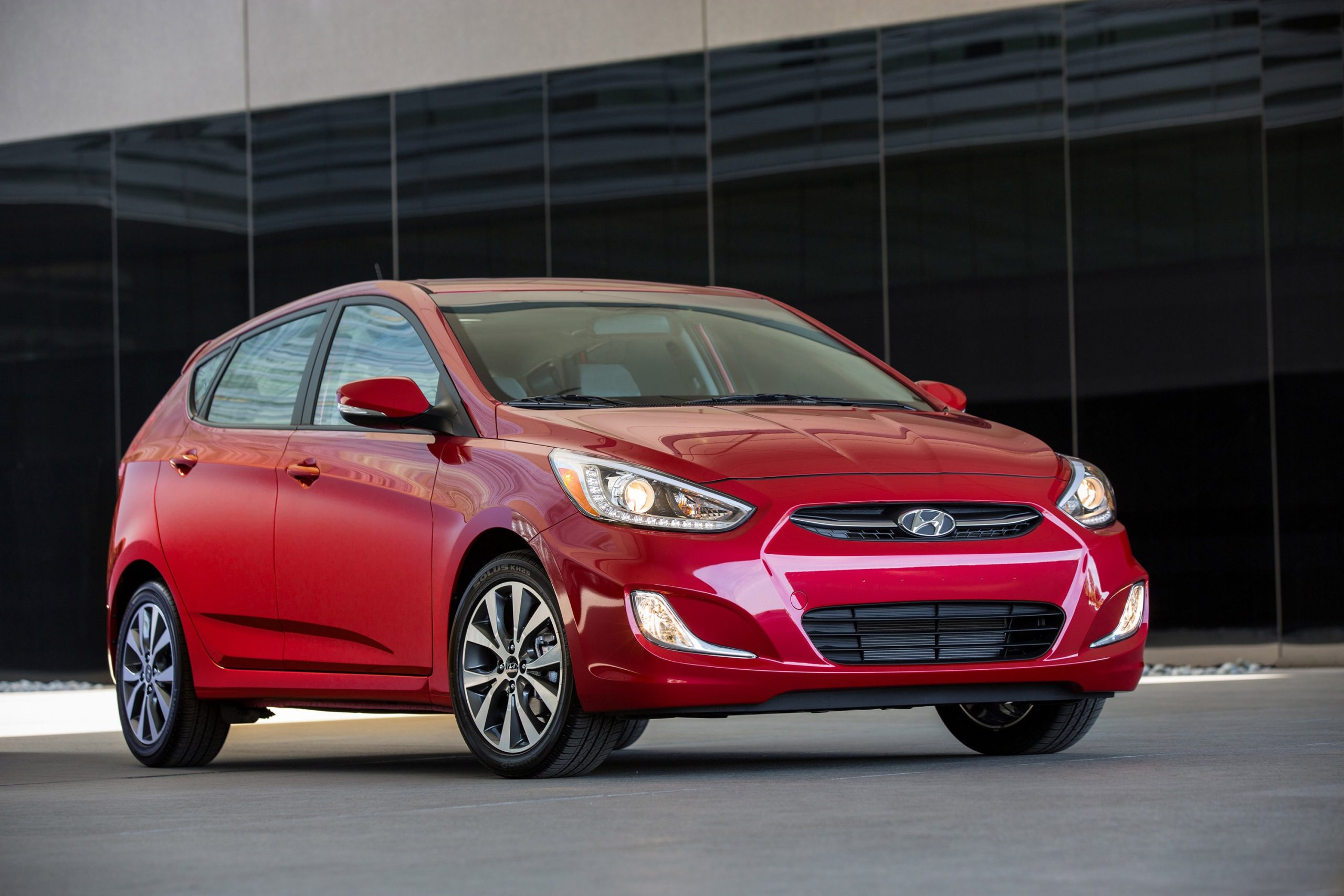
4. 2016-2011 Hyundai Accent
Budget-friendly cars attract first-time buyers, students, and anyone trying to keep transportation expenses manageable. The Hyundai Accent from the 2011 through 2016 model years deserves careful attention, however, because its side-impact crash performance raised concerns about passenger protection.
Safety evaluations identified weaknesses involving the vehicle’s doors and structural pillars, which experienced considerable inward movement during testing. This raised concerns about the potential for torso, hip, and leg injuries among front-seat occupants.
Side-impact collisions can be particularly dangerous because there is limited space between passengers and the striking vehicle.
Unlike frontal crashes, where the engine compartment and front structure can absorb some impact energy, side collisions place considerable pressure on the doors and surrounding pillars.
Strong structural components and properly positioned airbags are essential for reducing the forces transferred to occupants.
The Accent may offer affordable transportation, reasonable fuel economy, and convenient handling, but these advantages should not distract shoppers from its safety record.
A vehicle can perform reliably during everyday driving and still provide less protection than expected during a serious accident.
If you are considering a used Accent from these model years, review the available crash-test results carefully. Check the condition of its airbags, seat belts, doors, and structural components.
You should also investigate its accident history and arrange an independent inspection. If your budget allows, compare the Accent with newer small cars that have stronger crash-test ratings.
Saving money matters, but the protection built into your vehicle deserves equal consideration because structural safety cannot easily be upgraded after purchase.
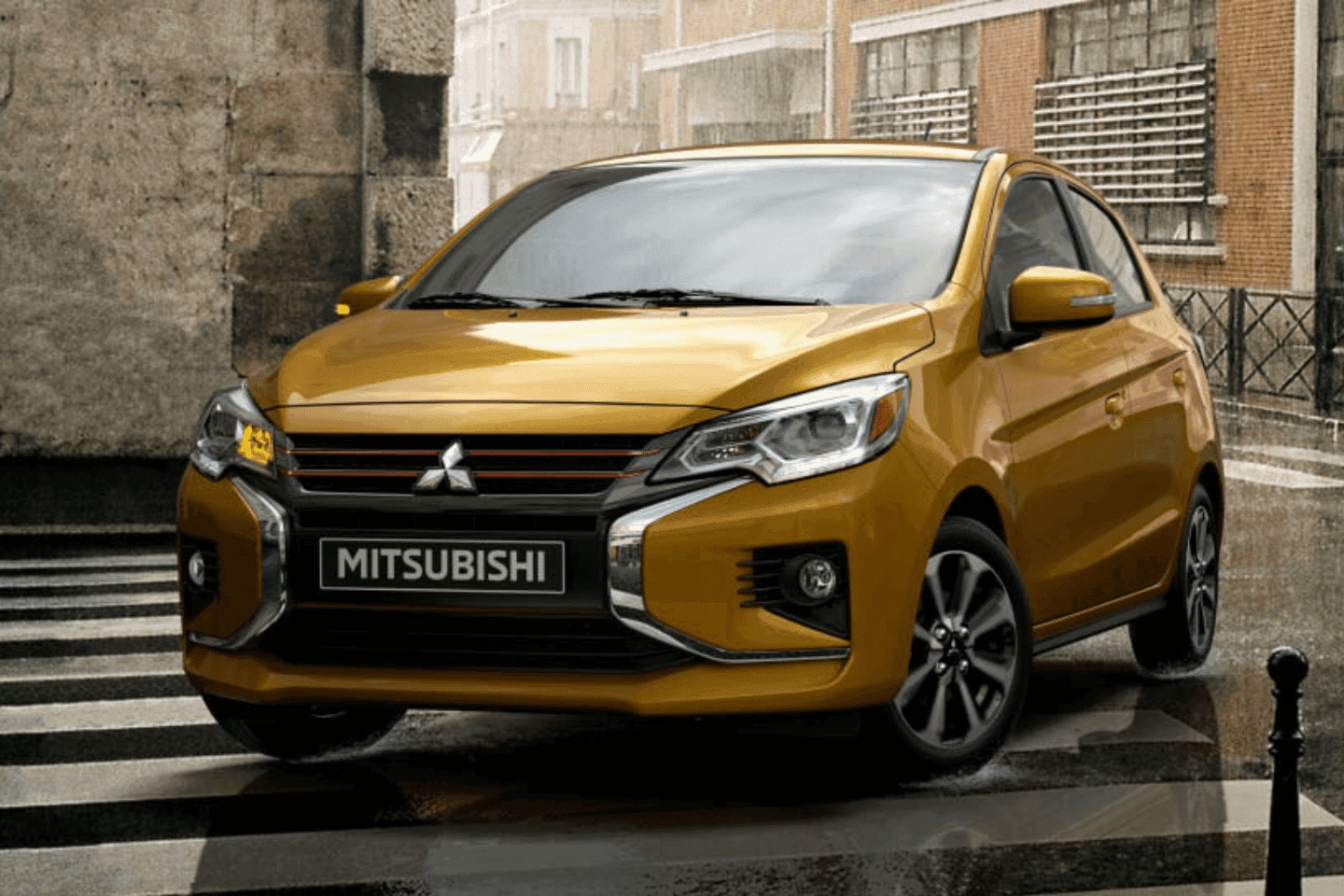
5. Mitsubishi Mirage (2014-2023 models)
The Mitsubishi Mirage appeals to budget-conscious drivers who want an affordable vehicle with excellent fuel economy and relatively simple transportation needs.
Its compact dimensions make parking easier, while its economical design can help reduce everyday fuel expenses. However, shoppers should carefully examine its crash protection before making a purchase.
The Mirage has faced criticism in certain crash evaluations, particularly those involving small-overlap frontal and side-impact performance.
One factor worth considering is the vehicle’s lightweight subcompact construction. During a collision, a car must manage the forces transferred through its body while maintaining enough passenger compartment space to protect occupants.
A smaller vehicle may have less structural space available to absorb certain impacts, particularly when colliding with a much larger vehicle. However, vehicle weight alone does not determine crash safety. Structural engineering, restraint systems, and airbag performance also play important roles.
The Mirage’s affordability and low fuel consumption are attractive benefits, but they should not be the only considerations when comparing small cars. A cheaper vehicle may not provide the occupant protection you expect in a serious collision.
Before purchasing a 2014-2023 Mirage, examine the crash-test results for the exact model year. Avoid assuming that every version received identical evaluations.
Compare its ratings with those of competing subcompact vehicles, paying particular attention to frontal and side-impact protection. Also inspect the airbags, seat belts, and structural condition of any used example.
Spending slightly more on a vehicle with stronger verified crash-test performance may be a worthwhile decision when passenger safety is a priority.
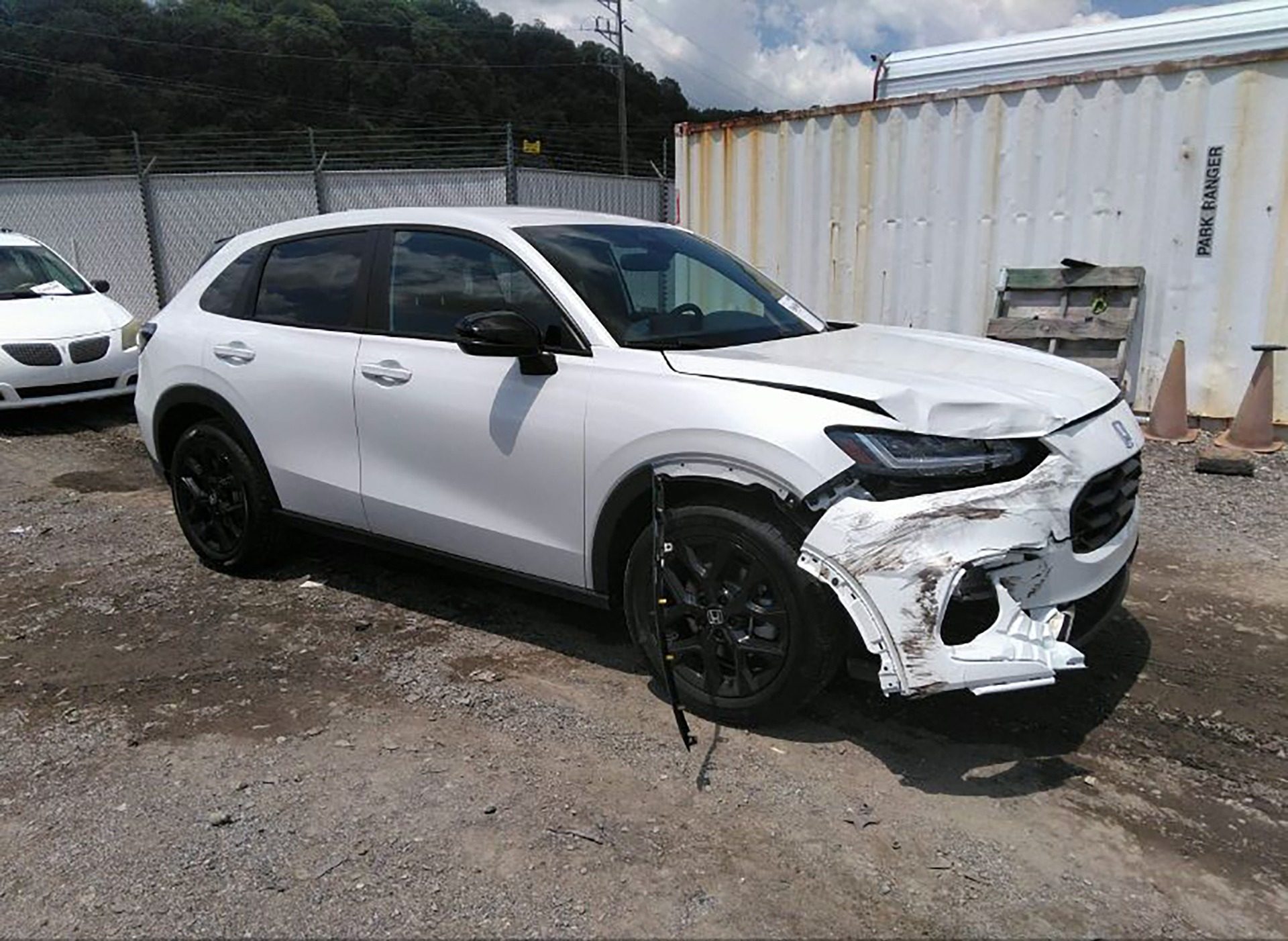
6. Honda HR-V (Early/Updated Side Impact)
The Honda HR-V has attracted attention among compact SUV shoppers because of its practical interior, manageable size, and everyday convenience. However, its performance in updated IIHS side-impact testing has raised questions about occupant protection in certain versions.
The updated side-impact test is designed to represent more demanding collision conditions than older evaluations. It uses a heavier striking barrier traveling at a higher speed to better represent crashes involving larger modern vehicles.
This approach helps safety researchers determine whether vehicles can protect occupants when exposed to stronger side-impact forces.
The HR-V received a Poor rating in the updated evaluation referenced in the supplied safety information. Such a result suggests that the tested vehicle did not provide the level of protection expected under the newer testing requirements.
Side-impact protection depends on several components working together. The doors, side pillars, seat structures, side airbags, and surrounding passenger compartment all contribute to managing crash forces. If these components do not perform adequately, occupants may face a greater risk of head, chest, and abdominal injuries.
It is important to distinguish between different HR-V generations and model years. A result from one tested version should not automatically be applied to every HR-V on the road. Anyone considering this SUV should check the exact model’s IIHS ratings and available safety updates.
Comparing its performance with competing compact SUVs can also help determine whether it meets your expectations for passenger protection.
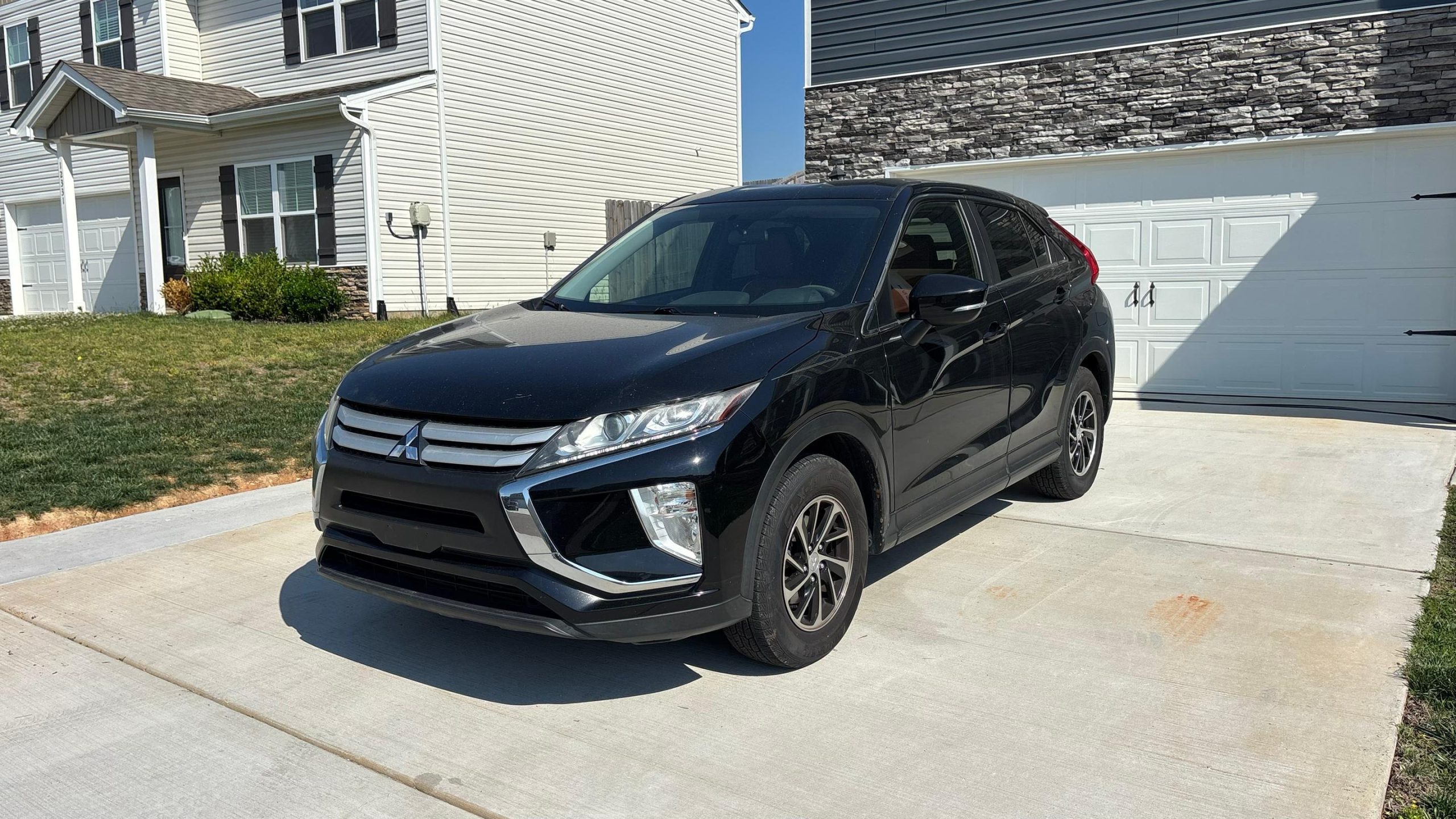
7. Mitsubishi Eclipse Cross
The Mitsubishi Eclipse Cross is a compact SUV that combines a raised driving position with a practical cabin and modern styling. However, its performance in updated side-impact crash testing has raised concerns about how well certain versions protect occupants during severe collisions.
The IIHS introduced stricter side-impact testing to evaluate vehicles under conditions that more closely represent impacts involving heavier vehicles.
These evaluations place additional demands on the doors, side structures, and restraint systems. A vehicle that performed adequately under older testing standards may not achieve the same result when evaluated using more demanding criteria.
The Eclipse Cross received a Poor rating under the updated IIHS side-impact assessment referenced in the supplied information. This result suggests that the tested configuration had difficulty meeting the newer protection standards.
Side collisions can be particularly dangerous because there is less space between an occupant and the striking vehicle. Unlike frontal crashes, where the engine compartment and front structure can absorb considerable energy, side impacts leave the doors and pillars with much less room to manage incoming forces.
For prospective buyers, the most useful approach is to examine the exact model year and available crash-test information. Check whether the vehicle received any structural or restraint-system updates during its production period.
It is also worth comparing its ratings with those of other compact SUVs. A comfortable cabin and attractive equipment list should never replace a careful assessment of crash protection.
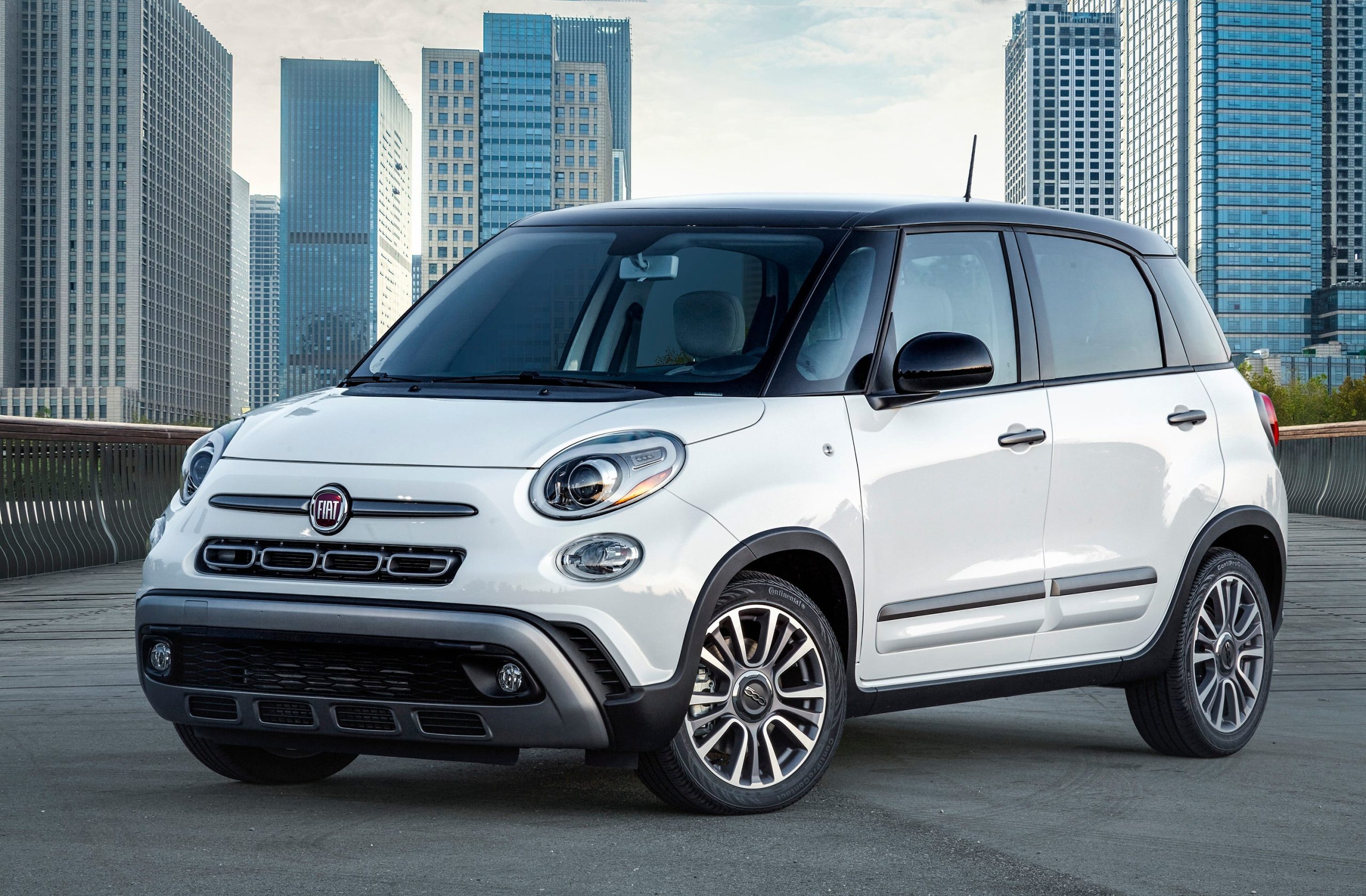
8. Fiat 500L
The Fiat 500L stands out because of its unusual styling, compact exterior dimensions, and relatively spacious cabin. It offers a different approach to small-car practicality, but concerns about crash protection have placed it among vehicles that deserve closer examination when safety is a priority.
Safety assessments and consumer evaluations have identified weaknesses in the 500L’s crash protection compared with some competing vehicles.
When examining any car’s safety performance, it is important to consider how effectively the front and side structures protect occupants during collisions. The passenger compartment must maintain enough space to reduce the risk of direct contact with interior components.
Side impacts deserve particular attention because the distance between the vehicle’s exterior and its occupants is limited.
Strong doors, reinforced pillars, effective airbags, and properly positioned seat belts all contribute to passenger protection. If any part of this system performs poorly, the risk of injury may increase.
The Fiat 500L’s reputation for practicality should therefore be considered separately from its crashworthiness. A spacious interior and convenient seating arrangement do not automatically indicate strong protection during an accident.
If you are interested in purchasing a used 500L, research the crash evaluations available for its specific model year. Check the vehicle’s airbag system, seat belts, and accident history.
A professional inspection can also help identify previous collision repairs or structural damage. Comparing its available safety ratings with other compact vehicles can help you make a more informed decision.
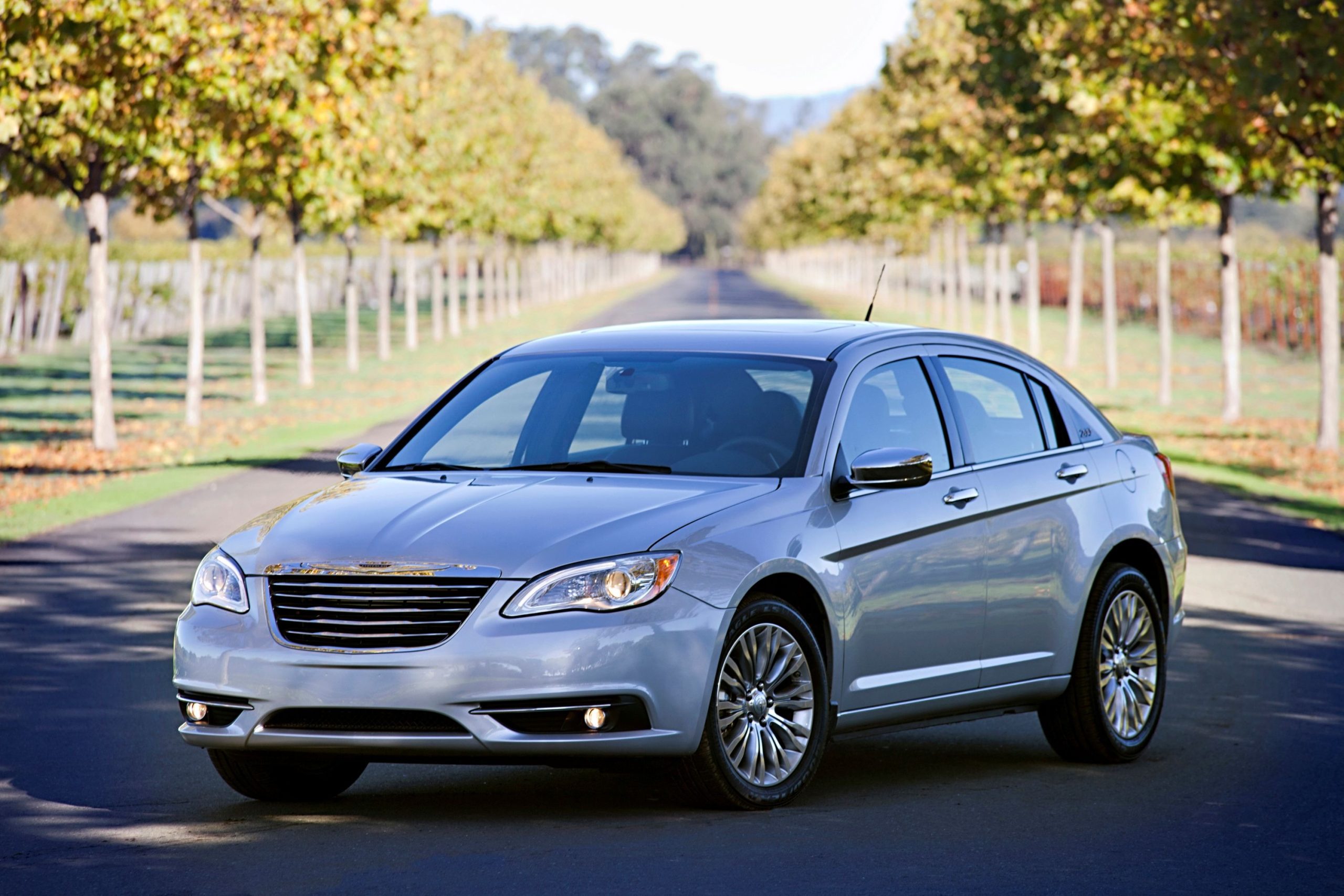
9. Chrysler 200
The Chrysler 200 is a midsize sedan that offered comfortable seating, an attractive interior, and a range of convenience features.
Despite these qualities, concerns about its crashworthiness have placed certain versions among vehicles that shoppers should research carefully before purchasing.
Crashworthiness refers to how effectively a vehicle protects its occupants when an accident occurs. This involves much more than the presence of airbags or seat belt reminders.
The passenger compartment must also maintain its structural integrity while absorbing and redirecting collision forces away from the people inside.
The Chrysler 200 has appeared in discussions of lower-rated midsize sedans for structural protection and crash safety. These concerns make it important to examine the vehicle’s performance in individual crash categories rather than relying on its size or market position.
A midsize sedan may offer more cabin space than a small car, but that does not guarantee better protection in every collision.
Anyone considering a used Chrysler 200 should review the crash ratings for the exact model year. Look at frontal, side-impact, roof-strength, and head restraint evaluations where available.
Also investigate whether the vehicle has been involved in previous accidents or received structural repairs. Pay attention to the condition of the seat belts, airbags, doors, and dashboard warning lights during an inspection.
Previous collision damage can affect how safety equipment functions. A qualified mechanic or collision repair specialist can help identify concerns before you commit to purchasing the vehicle.
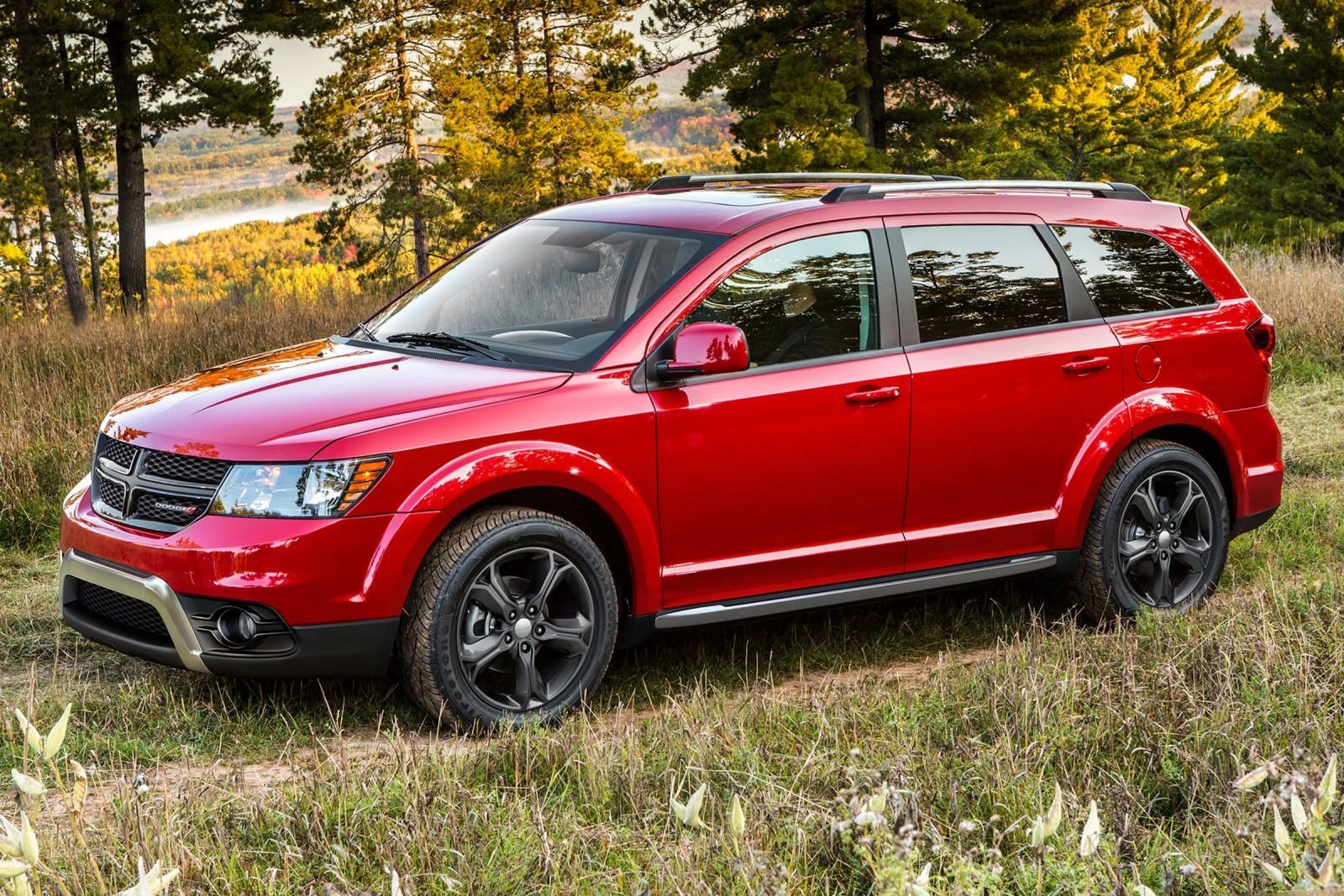
10. Dodge Journey
The Dodge Journey was marketed as a practical family SUV with multiple seating options and useful interior storage. Its size and passenger capacity made it appealing to households that needed room for everyday travel.
However, concerns about structural protection and crash safety have placed it among the vehicles that warrant careful research. Family vehicles should provide dependable protection for occupants in all seating positions.
This means examining how the passenger compartment performs during frontal and side collisions, as well as how effectively the restraint systems protect people during sudden impacts.
The Dodge Journey has been categorized among lower-rated family SUVs in the supplied safety information because of concerns about structural integrity and crash performance.
These concerns are particularly relevant when considering an older used model. A vehicle’s ability to maintain its cabin structure during a collision can influence the level of protection available to passengers.
Shoppers should also remember that a vehicle’s condition plays an important role in its safety. Previous accidents, poorly completed repairs, damaged seat belts, and malfunctioning airbags can affect how well an SUV protects its occupants.
Before purchasing a used Dodge Journey, check the specific model year’s crash-test results and safety equipment. Ask for its maintenance and accident history, and arrange an independent inspection.
If the vehicle has undergone previous collision repairs, have a qualified professional assess the structural work. Taking these precautions can help you determine whether the Journey offers the passenger protection you expect from a family vehicle.