Electric vehicles promise impressive driving distances, but do their batteries really deliver everything manufacturers advertise? For many drivers, the answer depends on road conditions, driving speed, weather, and how efficiently a vehicle uses its stored energy. An EV advertised with 400 miles of range may deliver considerably less during regular highway travel, while another model may actually exceed its official estimate.
Independent road tests from organizations such as Consumer Reports and Edmunds have exposed differences between laboratory ratings and everyday performance.
Understanding these gaps can help you avoid unpleasant surprises, plan longer journeys, and choose an electric vehicle that meets your transportation needs. Here are nine EVs that have struggled to match their advertised ranges, along with six models that have delivered better results in independent testing.
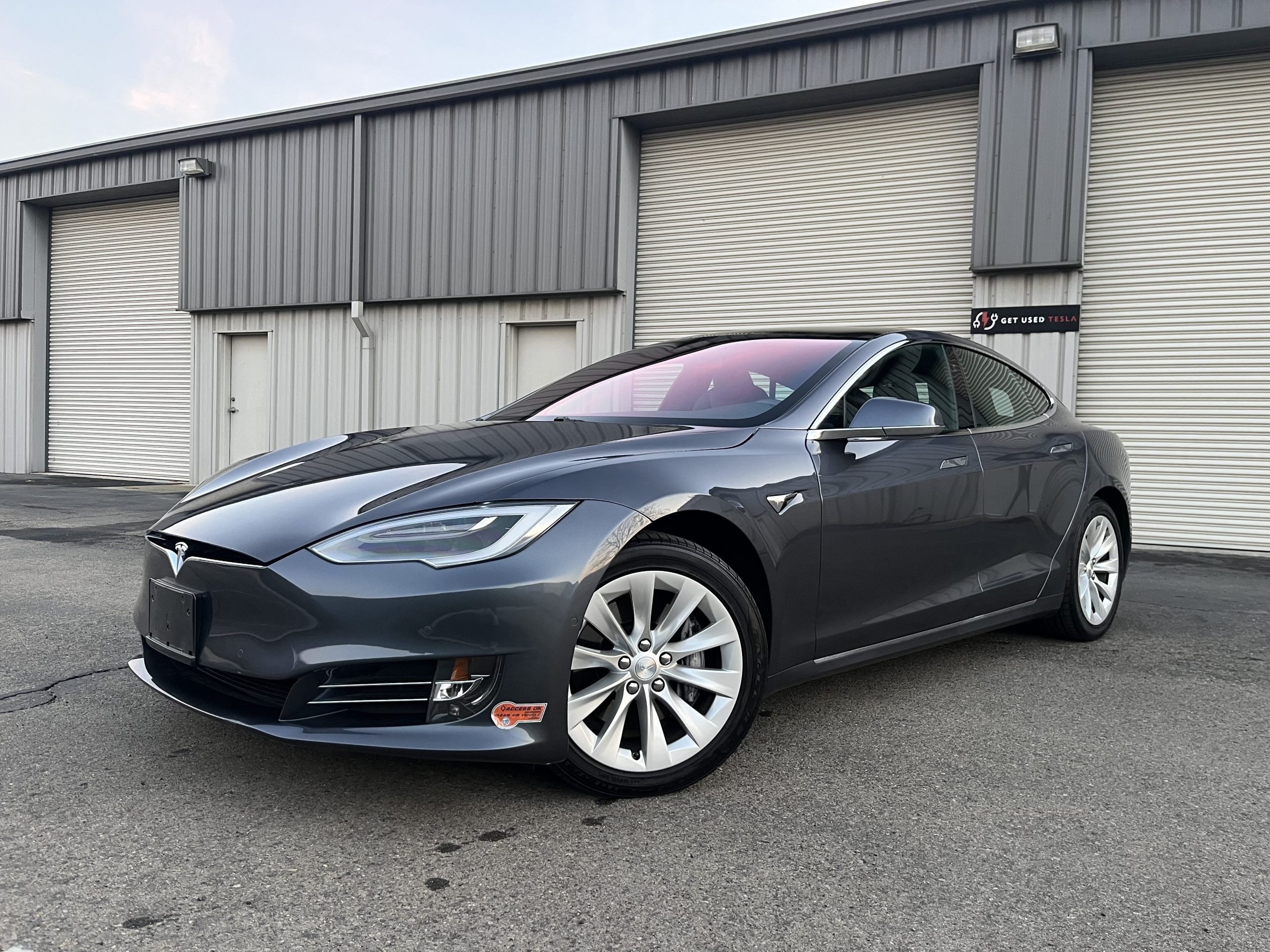
1. Tesla Model S Long Range
The Tesla Model S Long Range is known for its premium interior, impressive acceleration, and advertised driving distance. However, its real-world range has attracted criticism from independent testers who found that the vehicle did not travel as far as its official estimate suggested.
With an advertised range of approximately 445 miles, equivalent to 717 kilometers, expectations are naturally high among drivers considering this luxury electric sedan.
During independent testing, the Model S Long Range reportedly covered approximately 653 kilometers, or 406 miles, before exhausting its usable battery capacity.
That represents a noticeable difference from the advertised figure. Edmunds testing has also found that Tesla models tested on its public-road routes did not consistently reach their EPA estimates.
Several factors can explain these differences. Highway speeds, acceleration habits, outside temperatures, tire selection, and climate control settings all influence battery consumption. Even a highly efficient EV can use considerably more energy when driven quickly for extended periods.
Prospective buyers should look beyond the figures listed on the window sticker before making a decision. Checking independent highway range tests and considering personal driving habits can provide a more realistic picture of what to expect from the vehicle.
If your daily routine includes long highway journeys, actual road-test results may be more useful than an impressive laboratory figure.
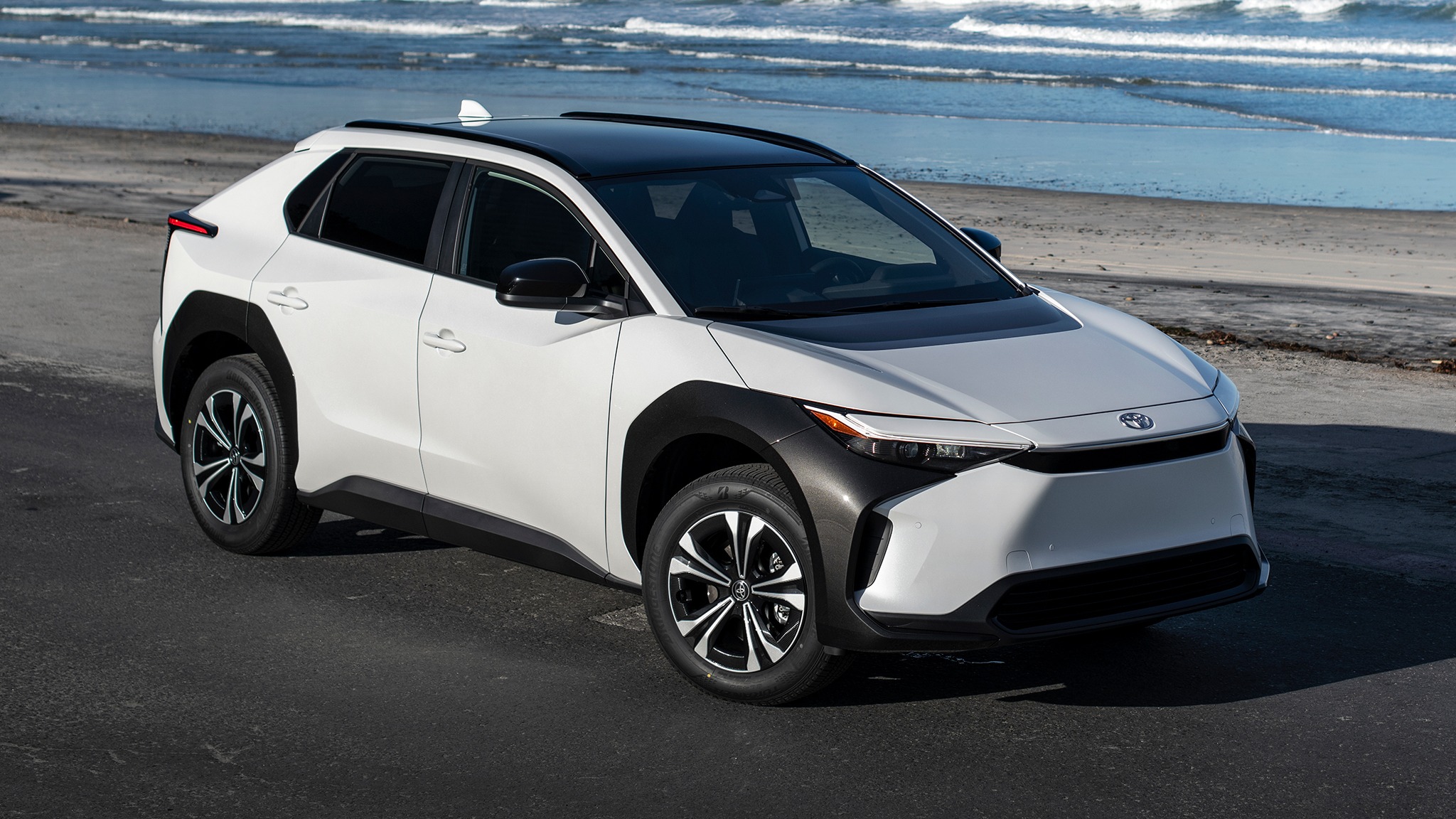
2. Toyota bZ4X
Toyota built its reputation around dependable vehicles, so expectations were naturally high when the company introduced the bZ4X electric SUV.
Its comfortable cabin, practical design, and familiar Toyota branding make it appealing to drivers interested in switching to electric transportation.
However, independent testing has revealed that certain versions may deliver less driving distance than their official estimates suggest.
The front-wheel-drive Limited trim carries an EPA-estimated range of up to 242 miles, according to the supplied information. Independent testers reportedly managed approximately 227 miles before the battery was depleted.
Although the difference may not appear enormous, those missing miles can matter when planning a longer journey or traveling between charging stations.
Several everyday conditions can influence the bZ4X’s battery performance. Driving at sustained highway speeds generally consumes more electricity than traveling through slower urban traffic.
Cold temperatures can also reduce available range because the battery and cabin heating systems require additional energy. Tire pressure and passenger loads may contribute to further differences.
Anyone considering the Toyota bZ4X should compare the ratings for the exact drivetrain and trim level. Front-wheel-drive and all-wheel-drive versions may have different range estimates, so using one figure for the entire model lineup can be misleading.
Check independent driving tests and charging information before making a decision. Toyota’s reputation for reliability is worth considering, but real-world driving distance deserves equal attention when evaluating an electric vehicle.
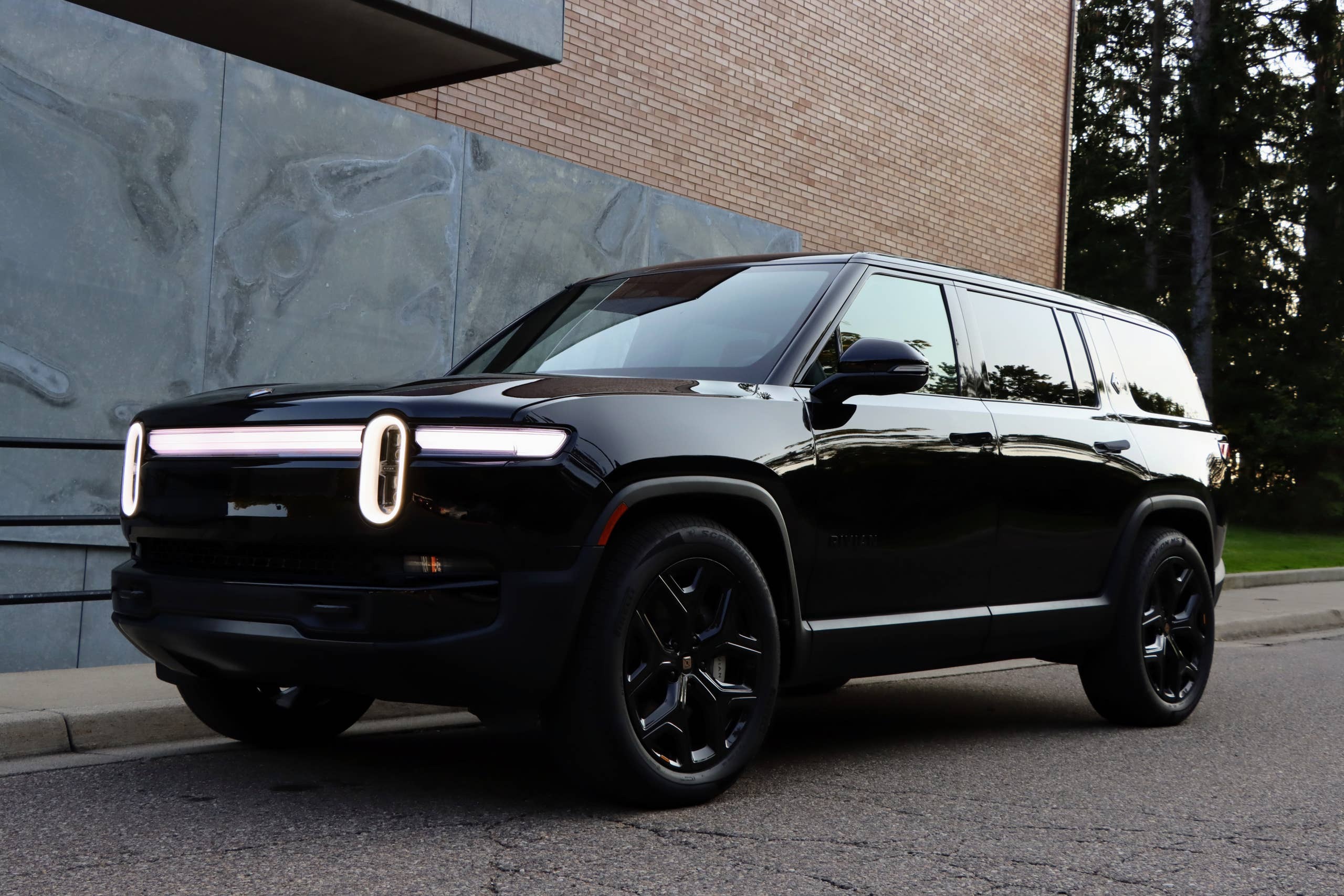
3. Rivian R1S
The Rivian R1S combines three-row seating, premium equipment, and the capability expected from a large electric SUV. It is designed for families who want plenty of interior space without giving up the benefits of electric driving.
However, its impressive advertised range may not always translate into the same distance during highway travel.
Consumer Reports testing highlighted a considerable difference between the vehicle’s advertised 410-mile range and its measured highway performance.
The R1S reportedly fell approximately 52 miles short, covering around 358 miles under the tested conditions. For drivers planning extended road trips, that gap could require an additional charging stop.
The R1S is a relatively large and heavy SUV, and its shape and weight can influence electricity consumption. At higher speeds, aerodynamic resistance increases, requiring the electric motors to use more energy to maintain momentum.
Carrying several passengers or additional luggage can also affect efficiency. This does not mean the R1S is unsuitable for long-distance travel. Its actual performance depends on the battery configuration, wheel selection, weather, and driving habits.
However, prospective owners should avoid assuming that the advertised maximum represents a guaranteed highway distance.
Before purchasing, examine independent highway tests for the exact version you want. Pay attention to charging speed and the availability of reliable charging stations along your usual routes.
A vehicle with excellent interior space and performance still needs dependable range to make long journeys convenient.
4. Ford F-150 Lightning
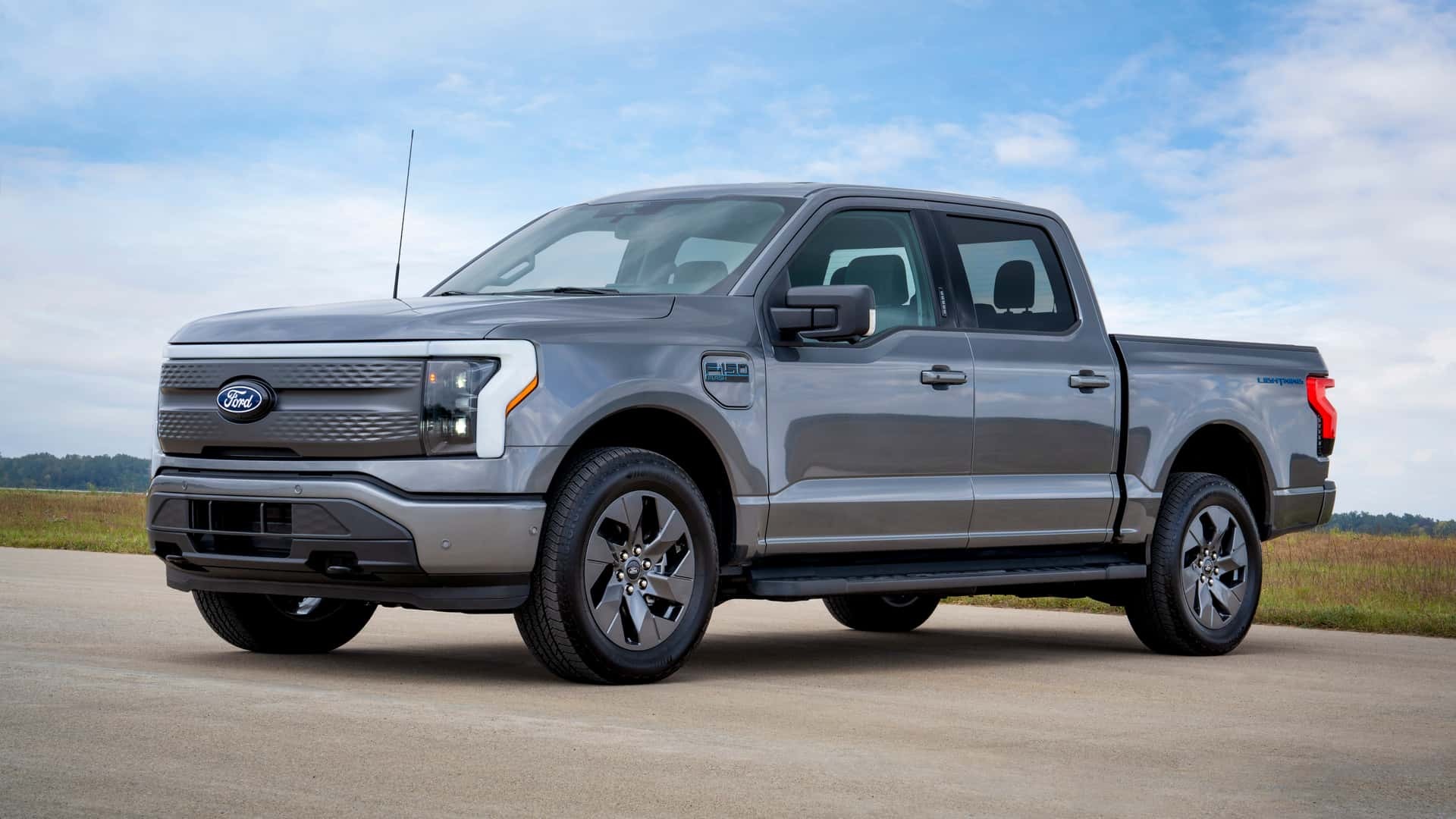
The Ford F-150 Lightning brings electric power to one of America’s most recognizable pickup truck designs. It offers familiar truck practicality, a spacious cabin, and the ability to handle many everyday hauling and transportation needs.
However, its driving range can become less predictable when traveling at sustained highway speeds, particularly in versions equipped with larger batteries and heavy equipment.
The Platinum trim carries an advertised range of approximately 300 miles in the supplied information. Highway testing has reportedly produced a result of around 270 miles, leaving a 30-mile difference from the official estimate.
Other testing conditions can produce different results, depending on speed, temperature, and vehicle configuration. Pickup trucks face particular efficiency challenges because their size, weight, and aerodynamic characteristics can increase energy consumption.
Adding cargo, towing a trailer, or driving against strong winds can place additional demands on the battery. Towing is especially important because it can reduce an electric truck’s usable driving distance considerably.
For people considering the F-150 Lightning, advertised range should be treated as a starting point rather than a guaranteed travel distance. Think about how you intend to use the truck.
Someone driving around town without heavy loads may experience different results from someone regularly towing equipment on highways.
Check independent range evaluations for your preferred trim and battery configuration. Also consider charging access, towing requirements, and the distance between your regular destinations.
These details will help determine whether the Lightning can comfortably support your everyday driving needs.
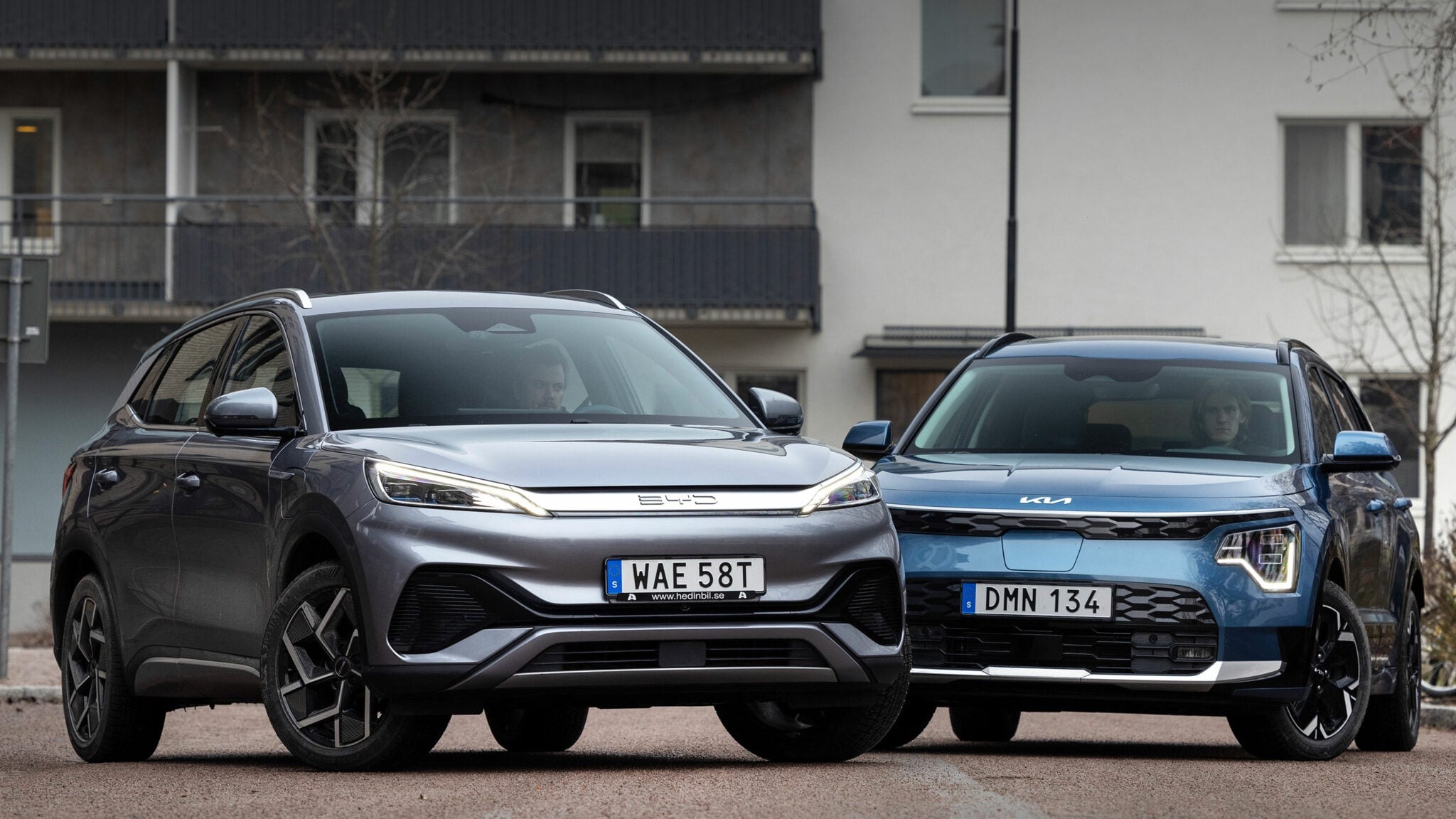
5. BYD Atto 3
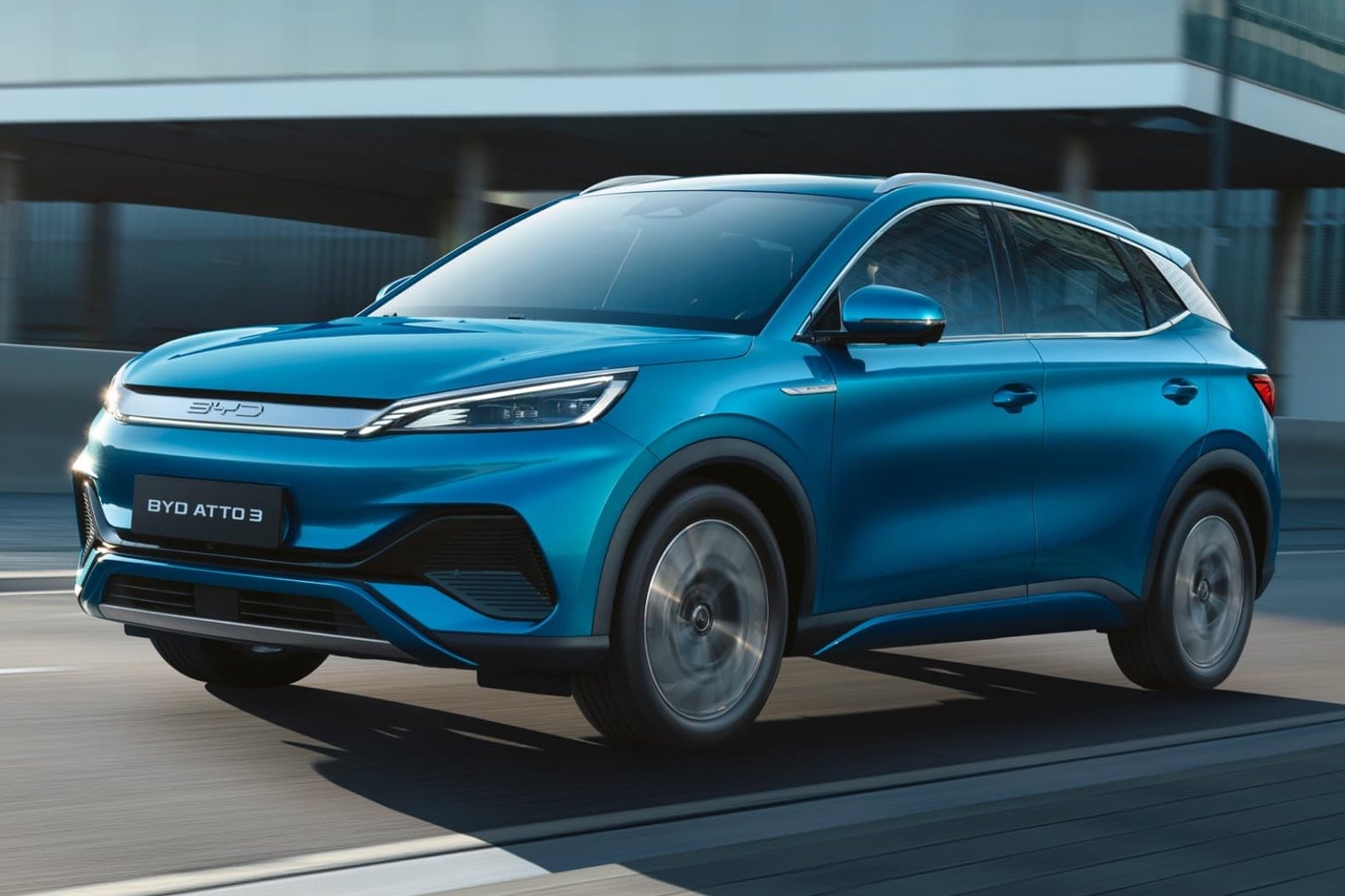
The BYD Atto 3 has attracted attention among electric vehicle shoppers because of its practical dimensions, modern cabin, and competitive pricing.
It offers an accessible entry point into electric SUV ownership, but independent testing has raised questions about how closely its advertised efficiency matches everyday driving performance.
Testing by the Australian Automobile Association reportedly found that the Atto 3 consumed approximately 20% more energy than its stated figures suggested.
The assessment was conducted under relatively favorable temperatures of approximately 17°C to 25°C. Its measured range was also reported to be around 23% below its laboratory-tested claim.
These findings are worth considering because they suggest that the difference cannot simply be attributed to extremely cold weather.
Driving speed, acceleration, road conditions, and the vehicle’s energy management systems can all affect electricity consumption, even when temperatures are comfortable.
For prospective owners, the important question is how much distance the Atto 3 can deliver under the conditions they experience regularly. A vehicle that performs well during short urban trips may produce different results during extended highway travel.
Before purchasing, compare the official range with independent road-test measurements for the exact version available in your market.
Check whether the advertised figure uses the WLTP or another testing standard, since different measurement systems can produce different estimates.
Also consider the vehicle’s charging speed and the availability of charging facilities along your usual routes. Understanding these details can help you avoid depending on a range figure that may be difficult to achieve during ordinary driving.
6. Chevrolet Silverado EV RST
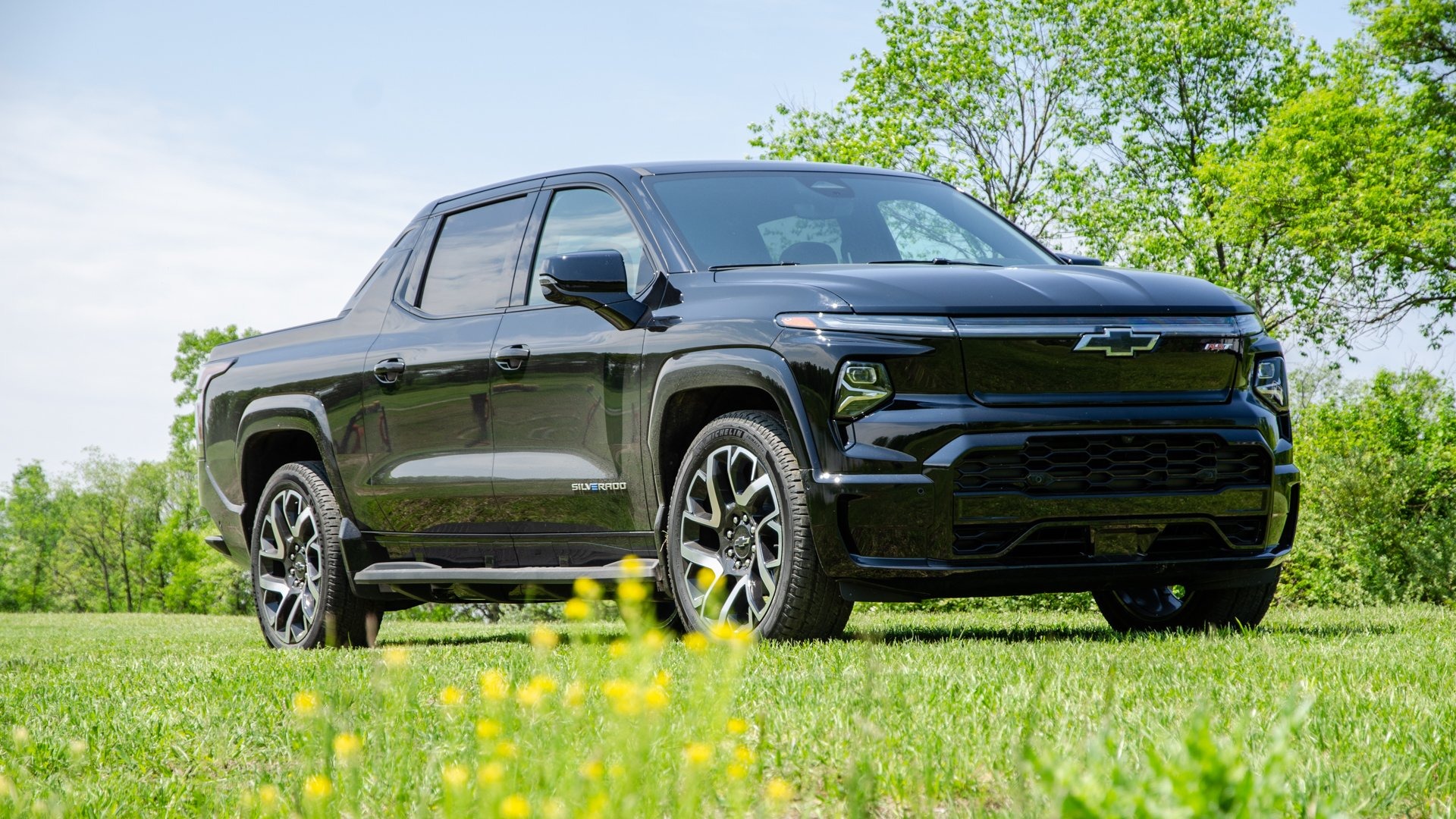
Wheel size matters more than many electric vehicle shoppers realize, especially when comparing advertised driving ranges. The 2024 Chevrolet Silverado EV RST provides a good example of how vehicle configuration can influence battery performance.
Equipped with large 24-inch wheels, this electric pickup carried an advertised range estimate of approximately 493 miles. However, independent highway testing reportedly produced around 472 miles before the battery was depleted. That represents a difference of 21 miles from the official figure.
To be fair, this is a smaller shortfall than some other electric vehicles have experienced during independent evaluations. Traveling 472 miles on a single charge is still an impressive achievement for a full-size electric pickup.
However, drivers who plan long journeys around the advertised 493-mile figure may find the difference inconvenient, particularly when charging stations are limited.
Several factors can explain the result. Large wheels can increase rolling resistance, while the Silverado’s substantial size creates additional aerodynamic demands at highway speeds. Carrying heavy cargo, driving against strong winds, and using climate control can also increase electricity consumption.
The important lesson is to examine wheel options and vehicle configurations before purchasing. Two versions of the same electric truck may deliver different driving distances depending on their equipment.
Compare independent highway evaluations rather than relying entirely on the window sticker. A realistic understanding of the Silverado EV RST’s range can help you plan longer journeys with fewer surprises.
7. Lucid Air (Early/Specific Trims)
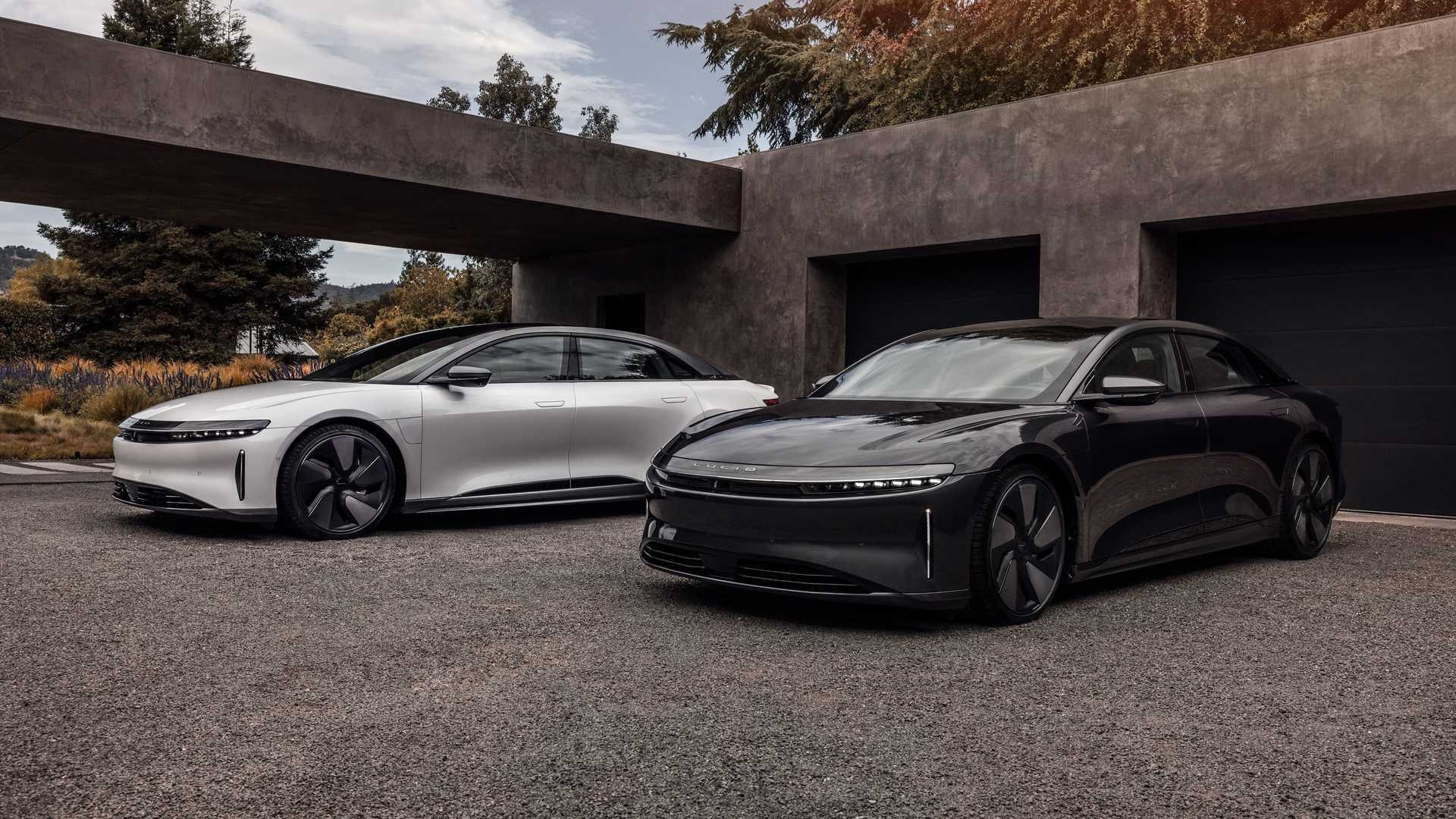
The Lucid Air deserves a fair assessment because it is widely recognized for its impressive electric efficiency, luxurious interior, and long-distance driving capability.
However, reports involving certain early versions and specific software updates have raised questions about how consistently some vehicles deliver their expected range. In particular, some owners and testers have reported reductions of approximately 14%, with an anticipated distance of 406 miles falling to around 350 miles.
That represents a loss of approximately 56 miles, which can make a noticeable difference when planning longer journeys. Drivers who purchase an electric vehicle because of its advertised range naturally expect dependable performance, so unexpected changes in available driving distance can be frustrating.
Software plays an important role in modern electric vehicles. It controls battery management, estimates remaining energy, and helps determine how efficiently electricity is delivered to the motors. Updates may affect the vehicle’s displayed range calculations or energy management behavior.
However, a lower dashboard estimate does not automatically prove that the battery has physically lost capacity. The actual cause should be established through proper diagnostics.
If you are considering a used Lucid Air, ask the seller which software version is installed and whether the vehicle has received relevant service updates.
Request available maintenance records and battery health information from an authorized service center. Also confirm the exact trim level because different versions have different range estimates.
Owner communities can provide useful experiences, but independent testing and professional battery assessments are more reliable when evaluating a particular vehicle.
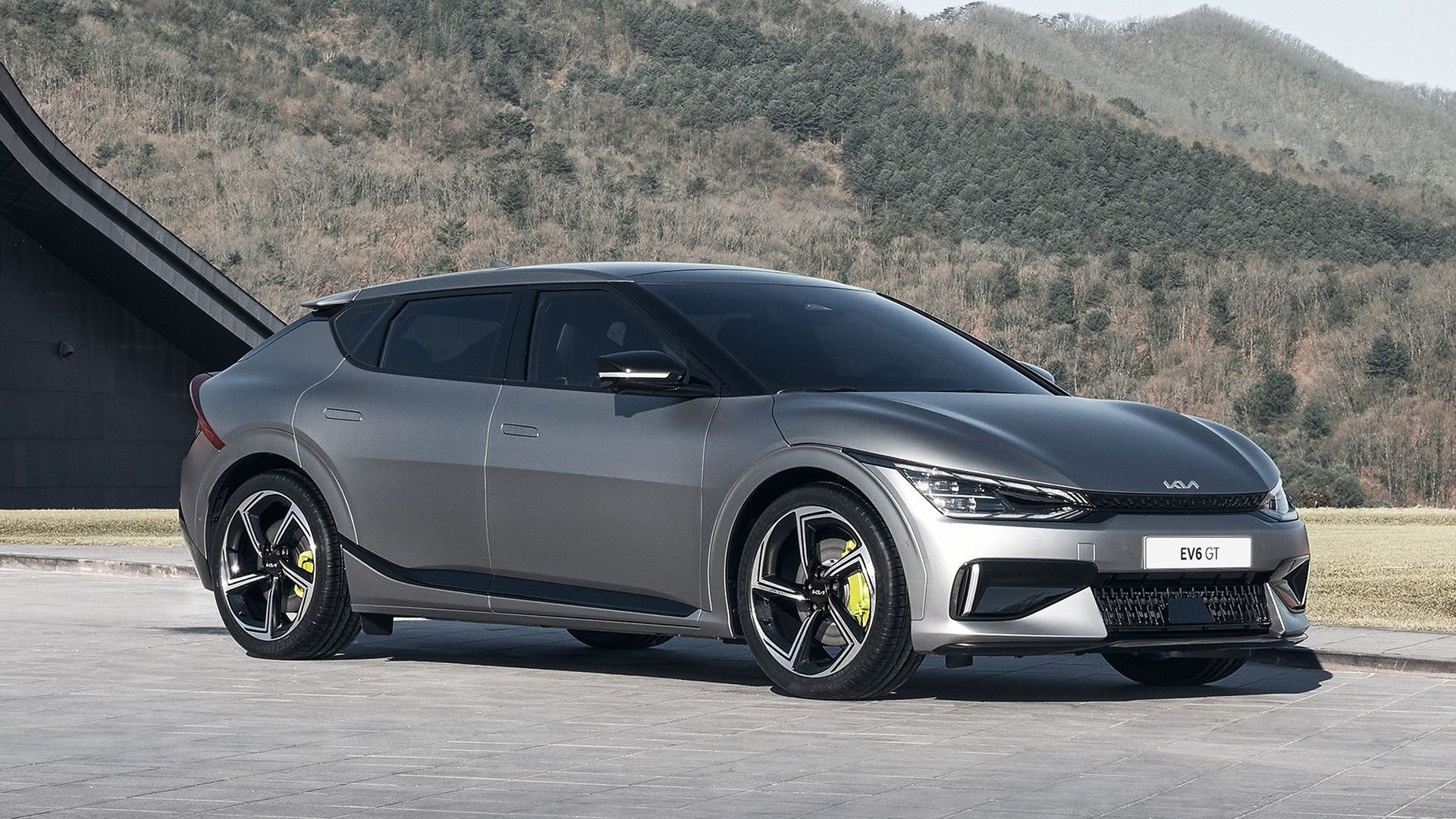
8. Kia EV6
The Kia EV6 is a popular electric crossover that combines modern styling, quick acceleration, and a practical interior. Its charging technology is another major attraction, especially for drivers who want shorter charging stops during longer journeys.
Still, independent real-world testing has identified a difference between its laboratory-certified range and the distance some versions achieve on public roads.
Testing information supplied for the EV6 indicates that certain standard variations delivered approximately 484 kilometers against a laboratory-certified estimate of 528 kilometers.
This represents a reduction of roughly 8%, which may not sound dramatic but can affect travel planning. The gap between estimated and actual range is influenced by several conditions.
Highway driving generally consumes more electricity than slower city travel because aerodynamic drag increases with speed. Outside temperature, tire pressure, passenger weight, and climate control settings can also affect battery consumption.
The EV6’s impressive charging capability can help reduce inconvenience when additional energy is needed. However, charging speed and driving range are separate considerations. A vehicle that charges quickly may still require more frequent stops if its highway efficiency is lower than expected.
Anyone considering the EV6 should compare range figures for the exact battery size, drivetrain, and wheel configuration. Rear-wheel-drive and all-wheel-drive versions may produce different results.
Check independent tests that reflect your typical driving conditions, especially if you regularly travel long distances. This will give you a more realistic idea of how far the vehicle can travel between charging sessions.
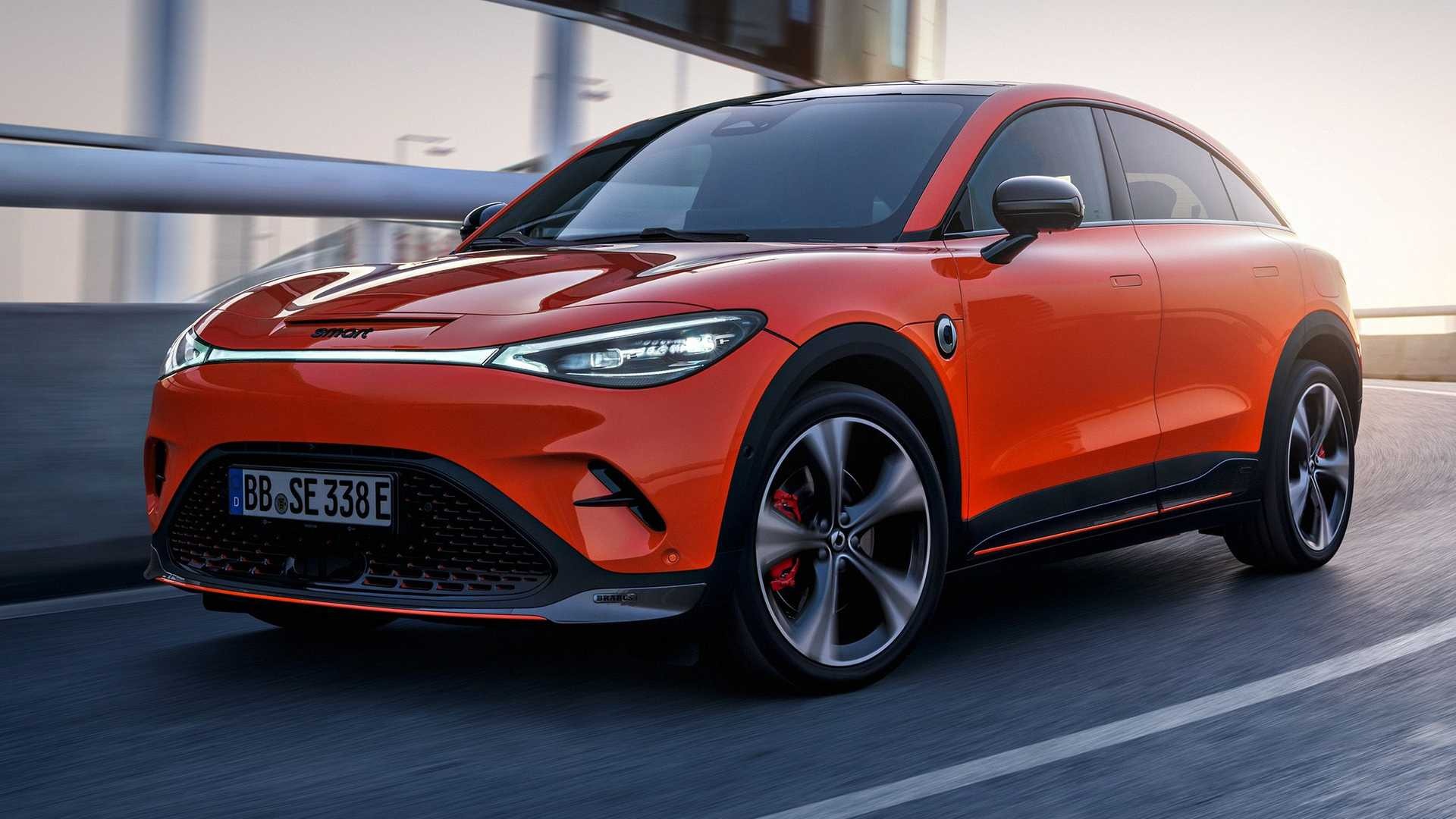
9. Smart #3
The Smart #3 is a stylish electric crossover coupe designed for drivers who want a compact vehicle with modern technology and an appealing exterior.
Its advertised driving range makes it suitable for everyday commuting and longer trips, but real-world testing suggests that the distance available during mixed driving may be lower than its laboratory estimate.
The supplied figures place the vehicle’s laboratory-tested range at approximately 455 kilometers. Real-world mixed-use driving reportedly produced around 432 kilometers, leaving a difference of 23 kilometers.
Although this is a relatively modest gap compared with some other vehicles discussed here, it still demonstrates why laboratory figures should be interpreted carefully.
Mixed driving involves a combination of urban roads, faster routes, traffic conditions, and different acceleration patterns. Each situation affects battery consumption differently.
Frequent stops and lower speeds may benefit some electric vehicles through regenerative braking, while extended highway travel can increase energy use because of aerodynamic resistance.
The Smart #3’s actual performance will also depend on its battery configuration, wheel selection, temperature, and driving habits. For someone whose daily journeys involve relatively short distances, the difference may have little practical effect.
Drivers who frequently travel between cities may need to plan more carefully. Before choosing this model, compare independent road-test results with the official range for the exact trim.
Check its charging speed and consider whether public charging facilities are conveniently located along your usual routes. A realistic understanding of its range will help you decide whether the Smart #3 fits your driving routine.
Electric Vehicles That Beat Them
Not every electric vehicle disappoints when it comes to real-world driving distance. While some models struggle to match their advertised figures, others have demonstrated that their manufacturers’ range estimates are achievable or even conservative under certain driving conditions.
Independent testing from organizations such as Edmunds and Consumer Reports has shown that some electric vehicles can travel farther than their official estimates. Here are six EVs that have delivered impressive real-world range results.
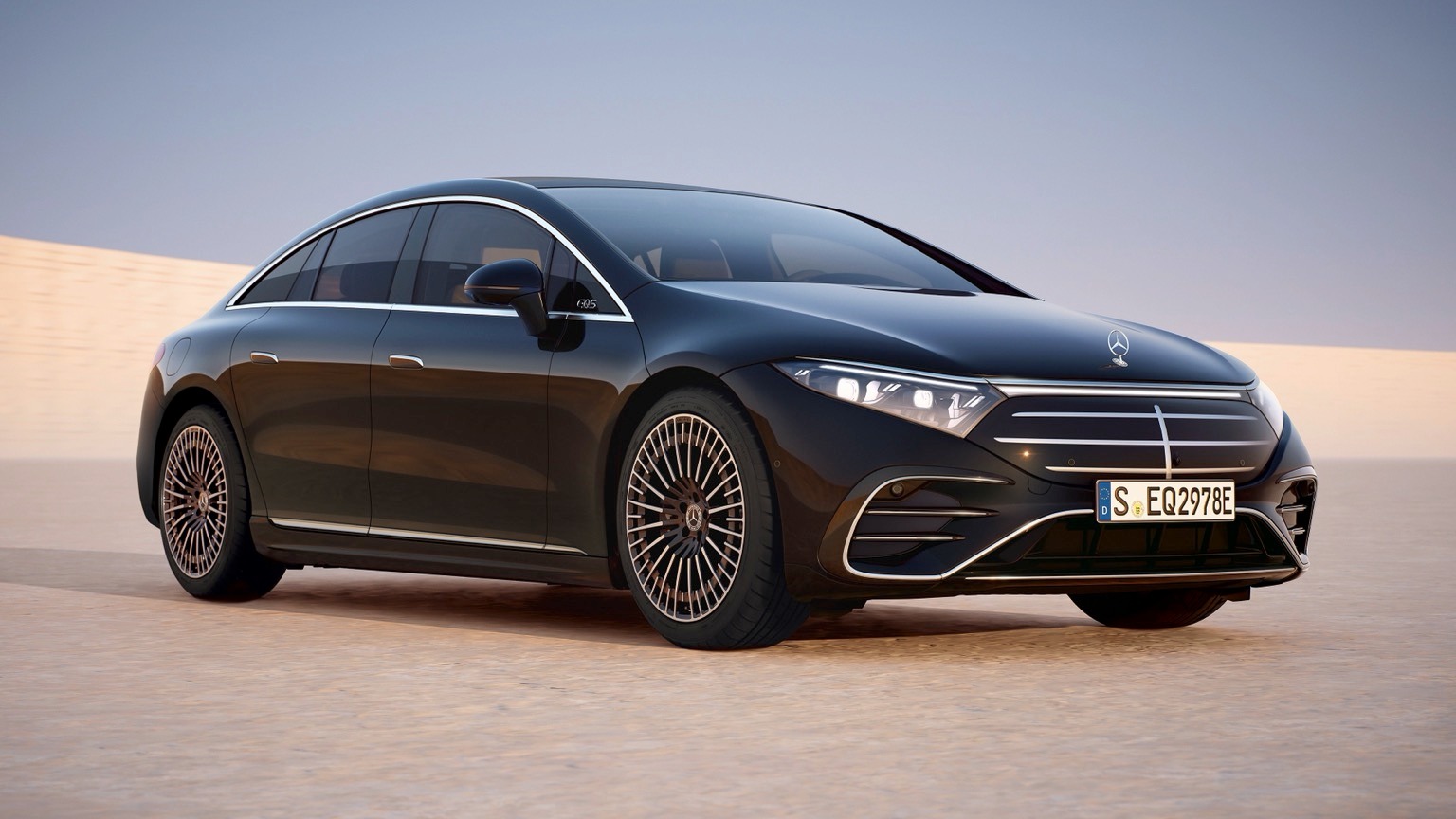
1. Mercedes-Benz EQS 450+
The Mercedes-Benz EQS 450+ is one of the most impressive examples of an electric vehicle delivering exceptional driving efficiency.
Designed as a luxury electric sedan, it combines a large battery, aerodynamic bodywork, and advanced energy management technology to provide an impressive driving experience.
Unlike some electric vehicles that struggle to approach their advertised range, the EQS 450+ has demonstrated that it can travel farther than its official estimate under certain testing conditions.
Its EPA-estimated range is approximately 350 miles, but independent testing by Edmunds recorded an impressive 422 miles on a single charge. That is approximately 72 miles more than its official estimate, making it a particularly interesting option for drivers who regularly travel long distances.
One of the main reasons behind this performance is its streamlined exterior design. The vehicle’s smooth body shape helps reduce aerodynamic resistance, especially when traveling at highway speeds. Lower aerodynamic drag means the electric motors require less energy to maintain speed, allowing more battery power to be used for driving.
Its sophisticated battery management system also helps optimize energy consumption and maximize available driving distance.
Inside, the EQS 450+ offers the comfort expected from a Mercedes-Benz luxury sedan. Its spacious cabin, premium materials, advanced infotainment technology, and comfortable seating make extended journeys more enjoyable.
However, actual driving range still depends on speed, weather, road conditions, and driving habits. For buyers who prioritize long-distance comfort, efficiency, and fewer charging stops, the EQS 450+ is a particularly attractive option.
Its independent testing performance demonstrates that impressive electric range is not always just a marketing promise.
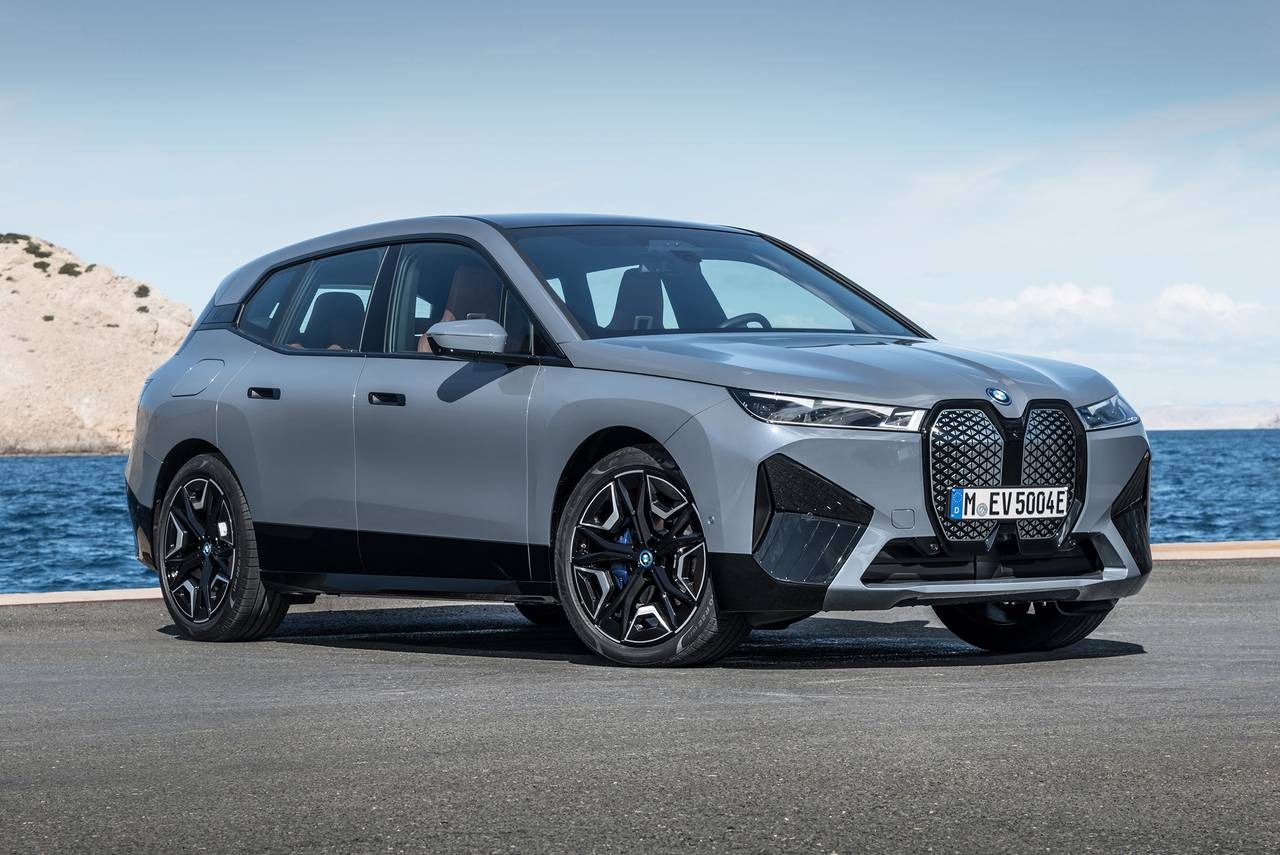
2. BMW iX xDrive50
The BMW iX xDrive50 proves that a large luxury electric SUV can deliver better driving distance than its official rating suggests. Designed to combine premium comfort, modern technology, and impressive electric performance, this SUV offers an appealing option for drivers who want plenty of space without sacrificing driving efficiency.
Despite its substantial size and weight, the iX has demonstrated that it can travel farther than many people might expect from a luxury electric SUV.
With an EPA-estimated range of approximately 324 miles, it already offers respectable distance for a vehicle of its size.
However, Edmunds testing reportedly recorded approximately 370 miles before the battery was depleted. That is around 46 miles beyond its official estimate, making it an impressive result for an electric vehicle in this category.
Several engineering features help explain this performance. BMW designed the iX with an emphasis on aerodynamic efficiency, advanced battery management, and optimized electric motor operation.
Its carefully developed exterior helps reduce air resistance, while its electric drivetrain is designed to use stored energy efficiently. These features contribute to its ability to cover substantial distances on a single charge.
Inside, the BMW iX xDrive50 provides a spacious and comfortable cabin with premium materials, modern infotainment technology, and generous passenger room. These qualities make it particularly suitable for families who regularly travel longer distances.
Of course, actual results depend on driving speed, temperature, wheel configuration, and road conditions. Nevertheless, its independent testing results suggest that the iX xDrive50 can deliver more distance than many buyers might initially expect.
For drivers seeking a premium electric SUV with impressive range and everyday practicality, the BMW iX deserves serious consideration.
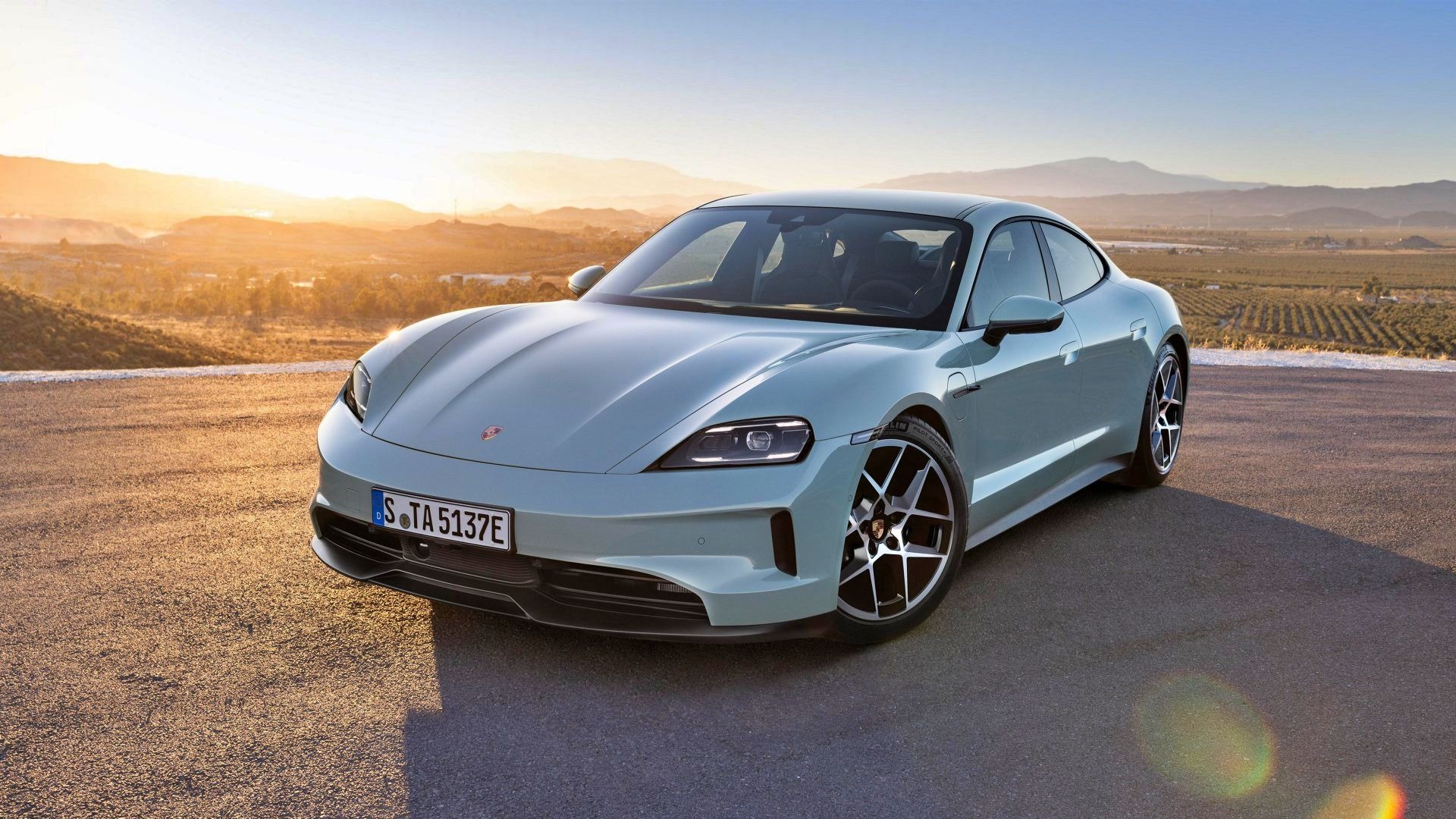
3. Porsche Taycan
The Porsche Taycan has built a reputation around performance, but its real-world efficiency is another reason it deserves attention.
Some versions of the Taycan have demonstrated that they can travel considerably farther than their official EPA estimates.
In independent testing, the 2021 Porsche Taycan 4S reportedly covered approximately 287 miles, exceeding its EPA-estimated range of 227 miles by around 60 miles.
That is an impressive achievement for an electric sports sedan designed with acceleration and driving enjoyment in mind.
Porsche’s engineering approach combines sophisticated battery technology, efficient electric motors, and advanced thermal management.
The Taycan also features an 800-volt electrical architecture, which supports exceptionally fast charging under suitable conditions.
Although aggressive acceleration and sustained high speeds can reduce its range, the independent results demonstrate that the Taycan can deliver excellent efficiency when driven under appropriate conditions.
For drivers who want a combination of sports-car performance, luxury, and dependable everyday range, the Taycan offers a convincing package.
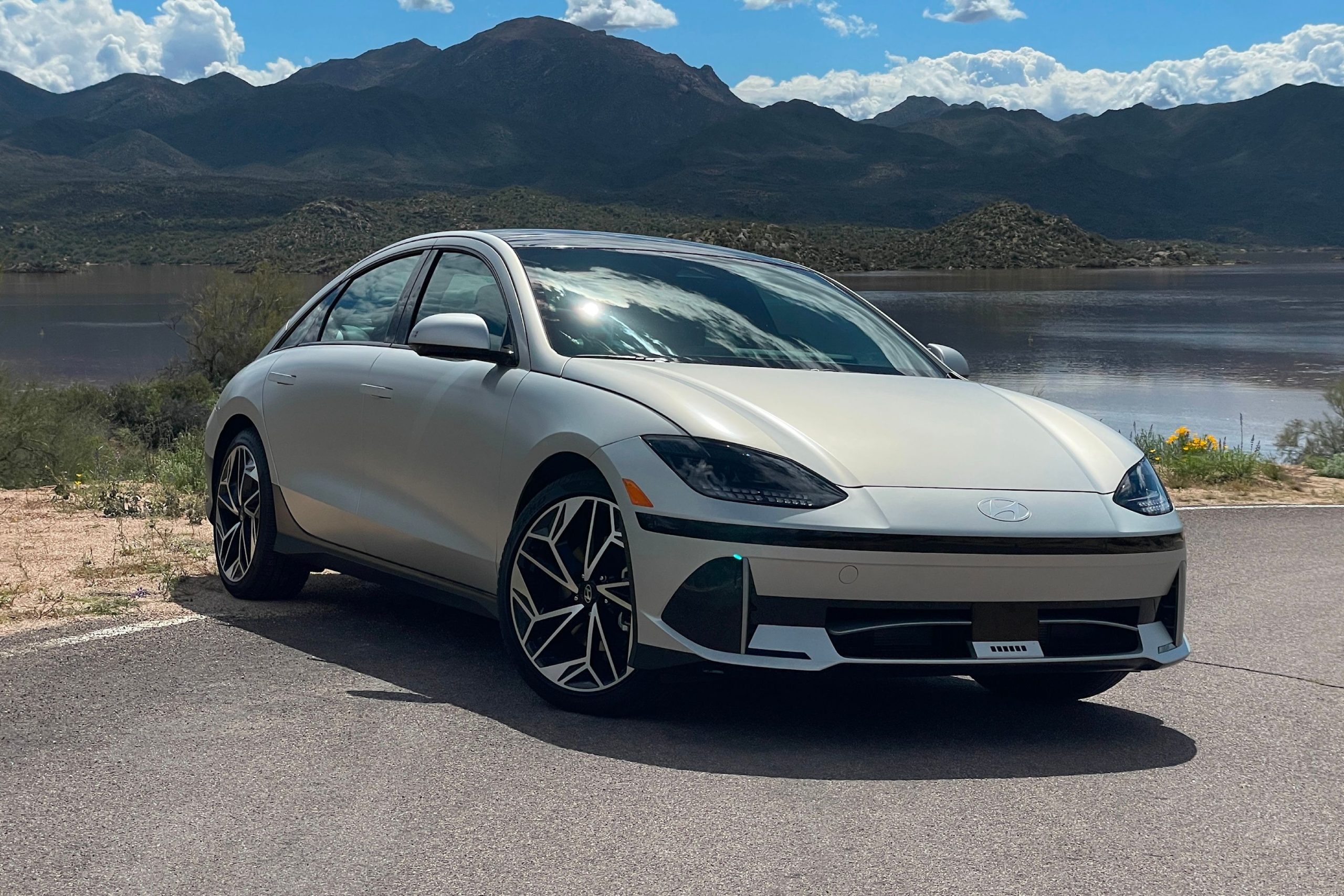
4. Hyundai Ioniq 6
The Hyundai Ioniq 6 is one of the clearest examples of how aerodynamic engineering can improve electric vehicle efficiency.
Its distinctive streamlined body was designed to minimize air resistance, helping the vehicle use less battery energy during longer journeys.
Depending on the version, its EPA-estimated range reaches approximately 361 miles. Independent testing has also demonstrated impressive performance, with some evaluations recording results above the official estimate.
Its aerodynamic shape is particularly beneficial during highway driving, where wind resistance becomes a major factor in electricity consumption.
The Ioniq 6 also uses Hyundai’s advanced 800-volt electrical architecture, allowing compatible charging stations to deliver very fast charging speeds.
For drivers who frequently commute or travel between cities, these features make it an appealing option.
Although weather, driving speed, and wheel selection can influence its actual range, the Ioniq 6 demonstrates that careful engineering can produce meaningful improvements in everyday electric vehicle efficiency.
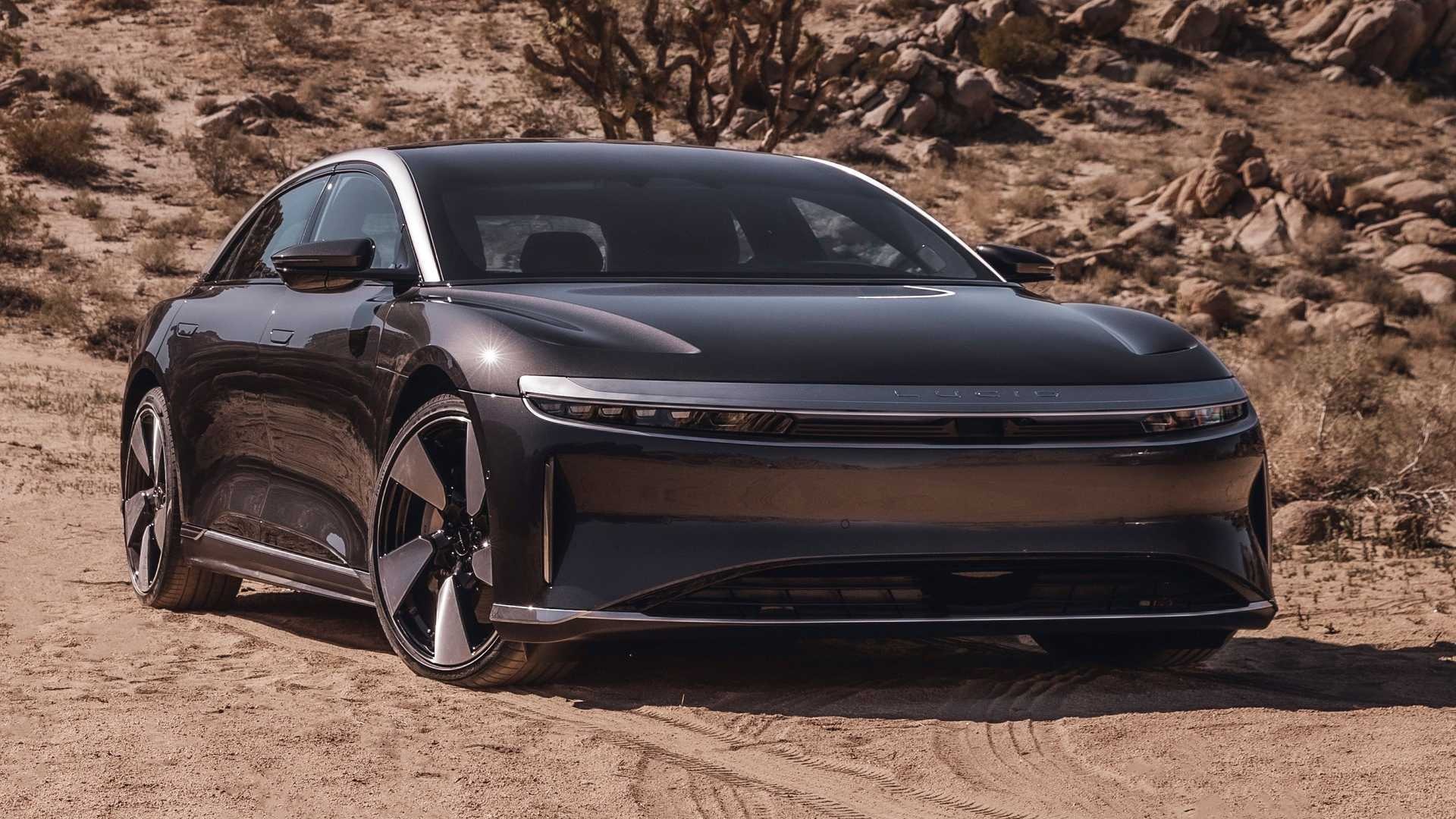
5. Lucid Air Grand Touring
The Lucid Air Grand Touring deserves recognition as one of the most capable long-distance electric vehicles available.
Unlike some electric vehicles that struggle to approach their advertised distances, the Lucid Air has demonstrated exceptional efficiency in independent testing.
Depending on the model year and configuration, its EPA-estimated range can exceed 500 miles. Edmunds testing of the 2022 Lucid Air Grand Touring reportedly recorded approximately 516 miles, exceeding its 469-mile EPA estimate.
That represents approximately 47 additional miles.
Lucid achieves this impressive performance through advanced electric motor technology, efficient battery packaging, and an exceptionally aerodynamic design.
The vehicle also offers a spacious luxury interior, making it suitable for extended journeys.
Its impressive range can reduce the number of charging stops required during long-distance travel, although charging availability and driving conditions still matter.
For buyers who consider range one of their most important purchasing priorities, the Lucid Air Grand Touring provides strong evidence that electric vehicles can deliver outstanding real-world performance.
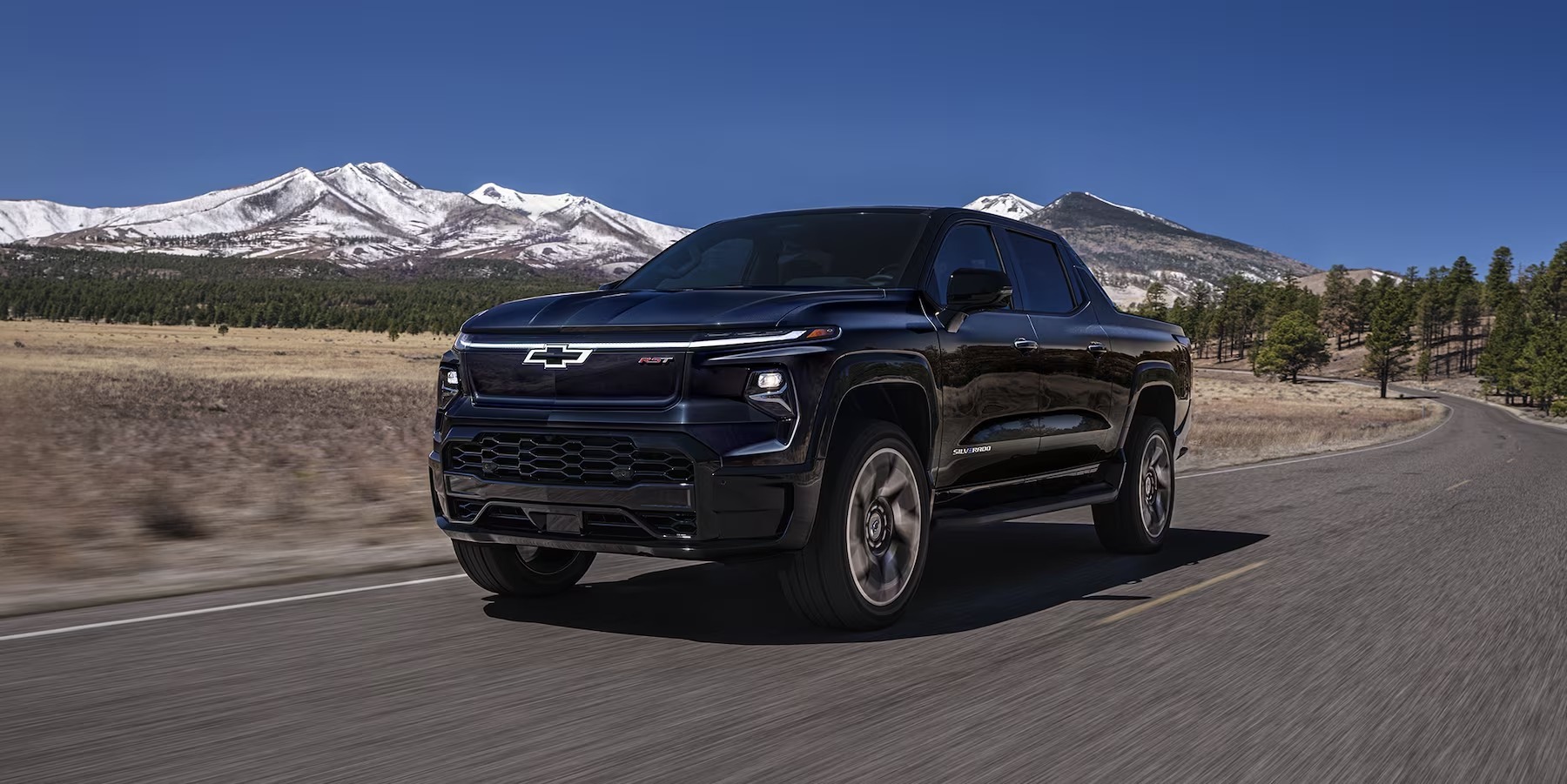
6. Chevrolet Silverado EV
The Chevrolet Silverado EV demonstrates that impressive real-world range is not limited to small electric sedans.
This full-size electric pickup combines substantial battery capacity with practical truck functionality, making it an interesting choice for drivers who need both utility and long-distance capability.
The Silverado EV RST has an EPA-estimated range of approximately 440 miles for certain model configurations, while other configurations and model years carry different ratings.
Independent highway testing has also recorded impressive distances, including approximately 472 miles for a tested RST configuration.
Although the exact comparison depends on model year, equipment, and testing conditions, these results demonstrate the Silverado EV’s impressive long-distance potential.
Its large battery, aerodynamic improvements, and efficient electric drivetrain help it achieve substantial driving distances despite its considerable size.
However, towing, carrying heavy cargo, and driving at high speeds can significantly reduce its range.
For buyers who need an electric pickup for everyday transportation and occasional long journeys, the Silverado EV demonstrates that electric trucks can offer more than just impressive acceleration and towing capability. They can also deliver genuinely useful driving distances.