
The longest drive of the year puts more demands on a vehicle than an ordinary commute. Hours of continuous operation, changing road conditions, heavy passenger loads, and extended exposure to heat can reveal problems that might otherwise go unnoticed.
A vehicle that performs normally during short trips may develop overheating issues, tire problems, battery trouble, or other mechanical failures when driven over a much longer distance. Preparing ahead of time helps identify these problems before they interrupt the journey.
A thorough pre-trip inspection should cover more than engine oil and tire pressure. Brakes, cooling components, electrical systems, visibility equipment, emergency supplies, and the driver’s physical condition all affect road safety.
Some checks can be completed at home, while others require a qualified mechanic. Addressing maintenance needs before departure gives the vehicle a better chance of completing the journey without preventable mechanical problems.
1. Inspect All Four Tires, Including Their Tread and Pressure
Tires deserve particular attention before a long drive because they are the vehicle’s only contact points with the road. Their condition affects traction, braking, steering, handling, and fuel efficiency. A tire that appears acceptable during a short trip may become a serious problem when exposed to hours of highway driving, high temperatures, heavy loads, and sustained speeds.
Start by checking the pressure of all four tires with a reliable tire pressure gauge. Measure them when they are cold, ideally before driving or after the vehicle has been parked for at least three hours. Use the recommended pressure listed on the driver’s door-jamb placard or in the owner’s manual.
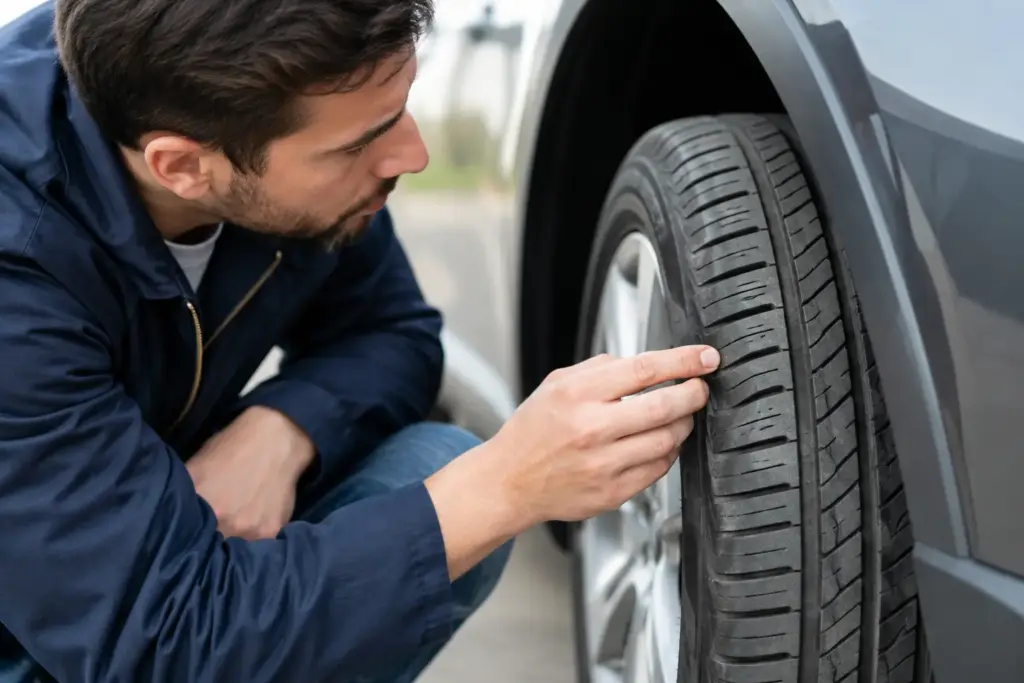
Do not automatically follow the maximum pressure printed on the tire’s sidewall, because that figure does not represent the vehicle manufacturer’s recommended operating pressure.
Next, examine the tread for uneven wear, exposed cords, embedded objects, cracks, and other damage. Check the sidewalls for cuts, bulges, or unusual deformation. Bulges can indicate internal tire damage and should be inspected by a tire professional. Also look for tread wear indicators, which show when a tire has reached its replacement limit.
The spare tire needs attention as well. Check its pressure and condition, and confirm that it is appropriate for the vehicle. If the car uses a temporary spare, understand its speed and distance limitations before traveling.
Underinflation can increase tire flexing and heat buildup, raising the risk of tire failure. Overinflation can also affect handling and ride quality. Proper pressure is particularly important when carrying additional passengers and luggage.
2. Check the Brakes for Wear and Unusual Behavior
A long journey can involve repeated braking, highway exits, steep downhill sections, traffic congestion, and sudden stops. The braking system must be capable of handling these conditions consistently. Worn brake pads, damaged rotors, leaking brake lines, or contaminated brake fluid can compromise stopping performance.
Before leaving, pay attention to how the brake pedal feels. A pedal that suddenly feels unusually soft, sinks toward the floor, or requires more pressure than normal may indicate a hydraulic problem. A vibrating steering wheel or pulsating brake pedal during braking can point to rotor irregularities or other brake-system issues.
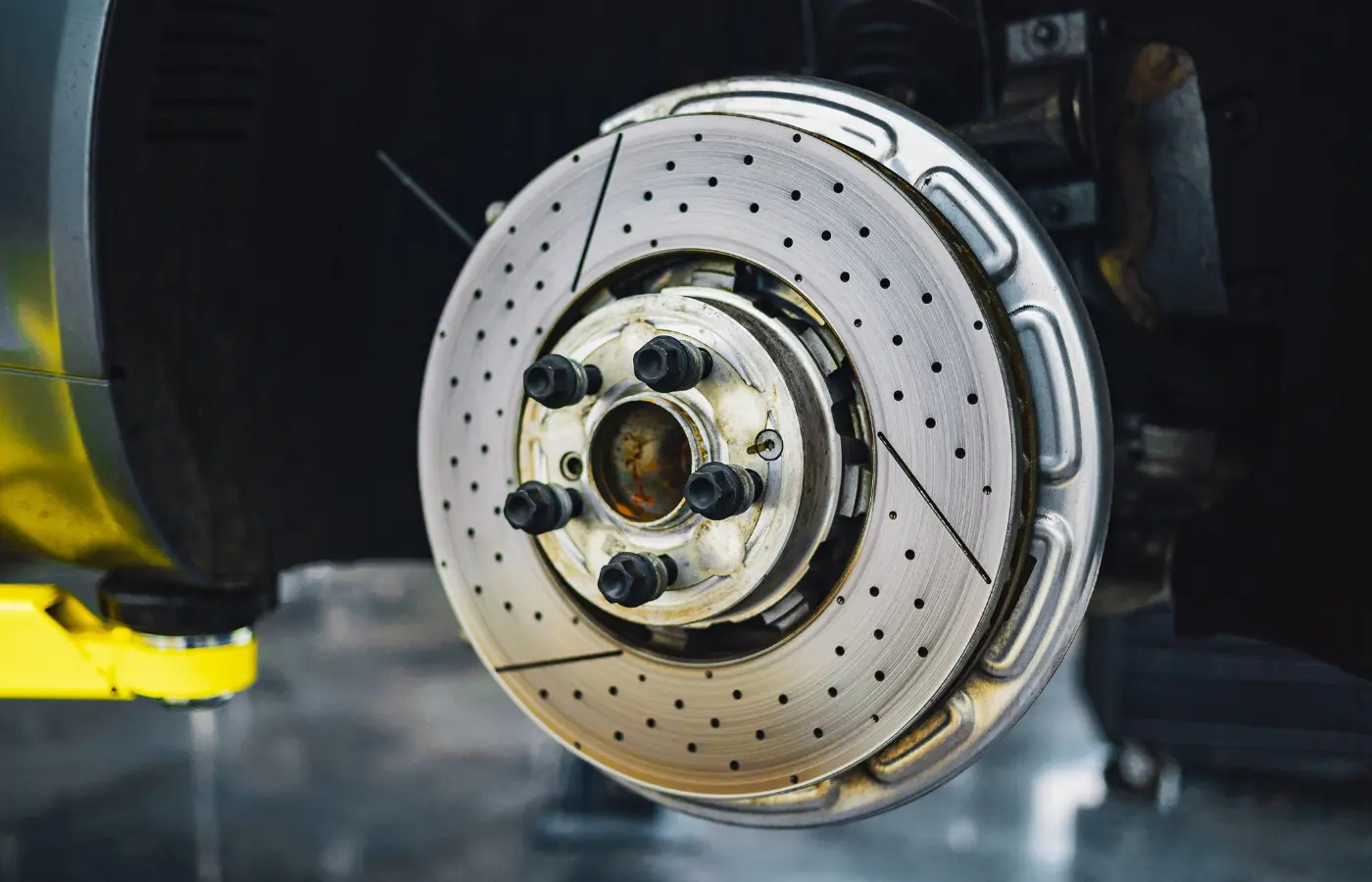
Listen for unusual sounds when applying the brakes. Persistent squealing may indicate worn pads or other problems, while grinding can suggest that friction material has worn away and metal components are contacting each other. These symptoms should not be ignored simply because the vehicle still stops.
Check the brake fluid reservoir according to the owner’s manual. The level should remain within the specified range. A low level can result from brake-pad wear, a leak, or another issue that needs inspection. Adding fluid without identifying the reason for a low level does not resolve an underlying problem.
If the vehicle pulls to one side while braking, requires a longer stopping distance, or produces unusual brake noises, have the system inspected by a qualified technician before departure.
Brake maintenance is especially important when carrying passengers and luggage. Additional vehicle weight increases the demands placed on the braking system, making existing problems more consequential during an extended journey.
3. Inspect Engine Oil, Coolant, and Other Essential Fluids
Engine oil and coolant play different but equally important roles in keeping a vehicle operating correctly. Oil lubricates moving engine components, helping reduce friction and wear. Coolant circulates through the cooling system to regulate engine temperature and prevent overheating. Both should be checked before an extended journey.
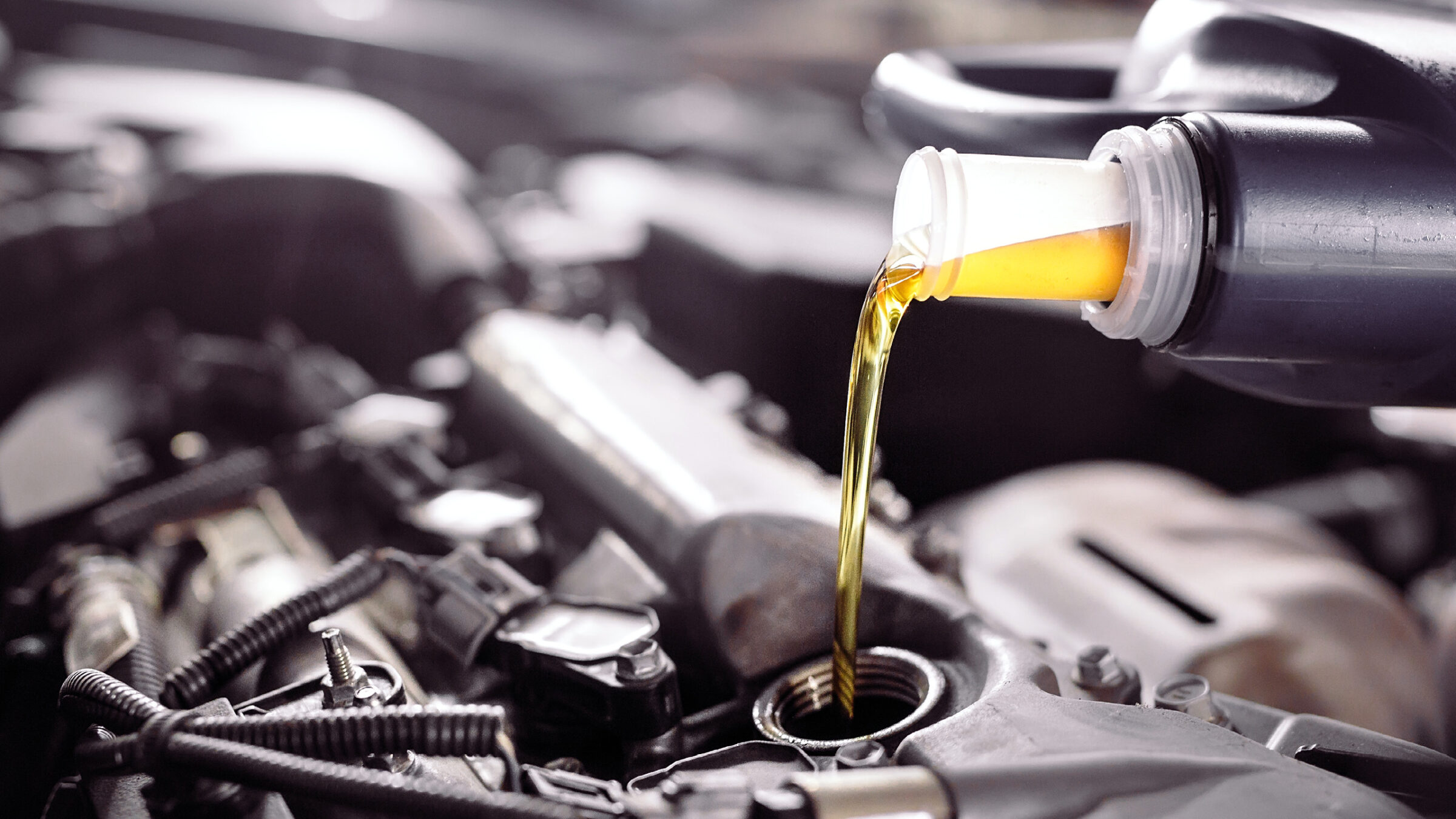
Park the vehicle on level ground and follow the owner’s manual when checking engine oil. Some vehicles require the engine to be switched off for a specified period before checking, while others have electronic oil-level monitoring systems. Confirm that the oil level falls within the recommended range. If an oil change is due during the journey, schedule it before leaving rather than waiting until the vehicle reaches its service interval on the road.
Coolant should be checked when the engine is completely cold. Inspect the coolant reservoir and make sure the level is between the minimum and maximum markings. Never remove a radiator cap while the engine is hot because pressurized coolant can cause severe burns.
Other fluids deserve attention, including brake fluid, transmission fluid where applicable, power-steering fluid on hydraulically assisted systems, and windshield washer fluid. Some modern vehicles use sealed systems or electronic monitoring, so follow the manufacturer’s instructions rather than attempting unnecessary maintenance.
Look underneath the vehicle and around the engine compartment for signs of leakage. Unexplained wet spots, dripping fluid, or persistent low fluid levels require investigation.
A vehicle with insufficient oil or coolant may experience serious mechanical damage during prolonged operation. Checking these fluids before departure helps identify problems before they become more expensive or dangerous.
4. Test the Battery and Charging System
A weak battery can turn a planned road trip into an unexpected roadside stop. Although a battery may still start the engine during ordinary daily use, its condition can deteriorate until it struggles to supply enough power. Long journeys also involve repeated electrical demands from headlights, air conditioning, entertainment systems, navigation equipment, and other accessories.
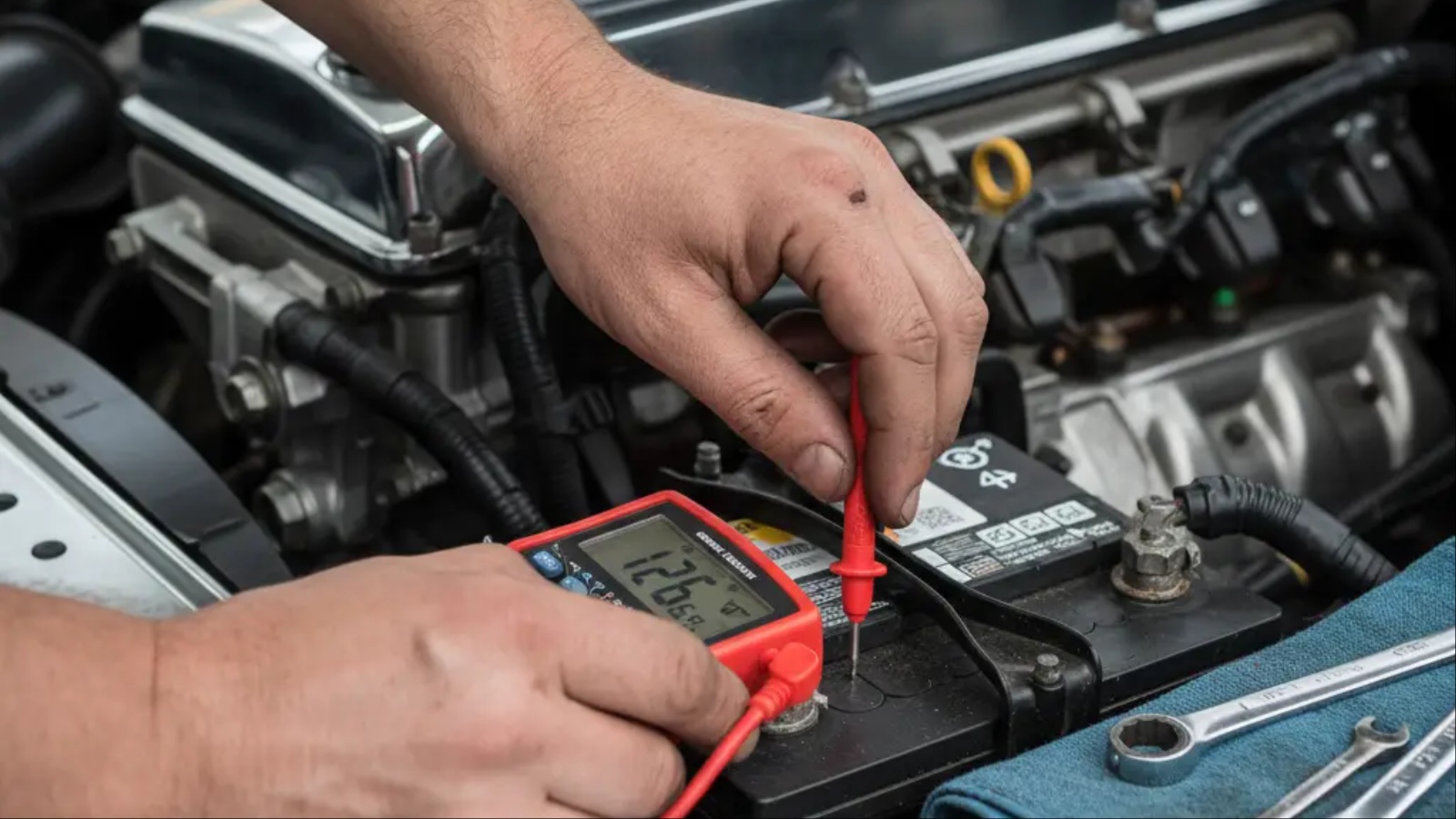
Begin with a visual inspection. Look for corrosion around the battery terminals, loose connections, damaged cables, and signs of physical deterioration. A battery with a swollen case or evidence of leakage needs professional attention. Keep the terminals clean and connections secure, following the manufacturer’s safety instructions.
Battery age is another factor worth considering. Batteries do not have one universal replacement interval because their lifespan depends on design, climate, driving patterns, and maintenance. Vehicles regularly exposed to high temperatures may experience accelerated battery deterioration.
A professional battery test can measure its ability to deliver starting power. It is also important to test the alternator or charging system because a functioning battery cannot compensate for a charging-system problem indefinitely.
Watch for warning signs such as slow engine cranking, dimming lights, repeated starting difficulties, or a battery warning indicator on the dashboard. These symptoms should be investigated before departure.
Hybrid and electric vehicles also generally use a separate low-voltage battery to operate various electrical systems. The appropriate inspection procedure depends on the vehicle’s design.
5. Examine Belts, Hoses, and Signs of Mechanical Leaks
Rubber belts and hoses are easy to overlook because they are not always visible during ordinary driving. However, they perform important functions in many conventional vehicles. A damaged belt can affect engine accessories, while a deteriorating coolant hose can develop a leak and contribute to overheating.
With the engine switched off and cool, visually inspect accessible belts for cracks, fraying, missing sections, glazing, or unusual wear. Check hoses for swelling, soft spots, hardening, cracks, and damaged connections. Do not touch moving belts or attempt to inspect components while the engine is running.
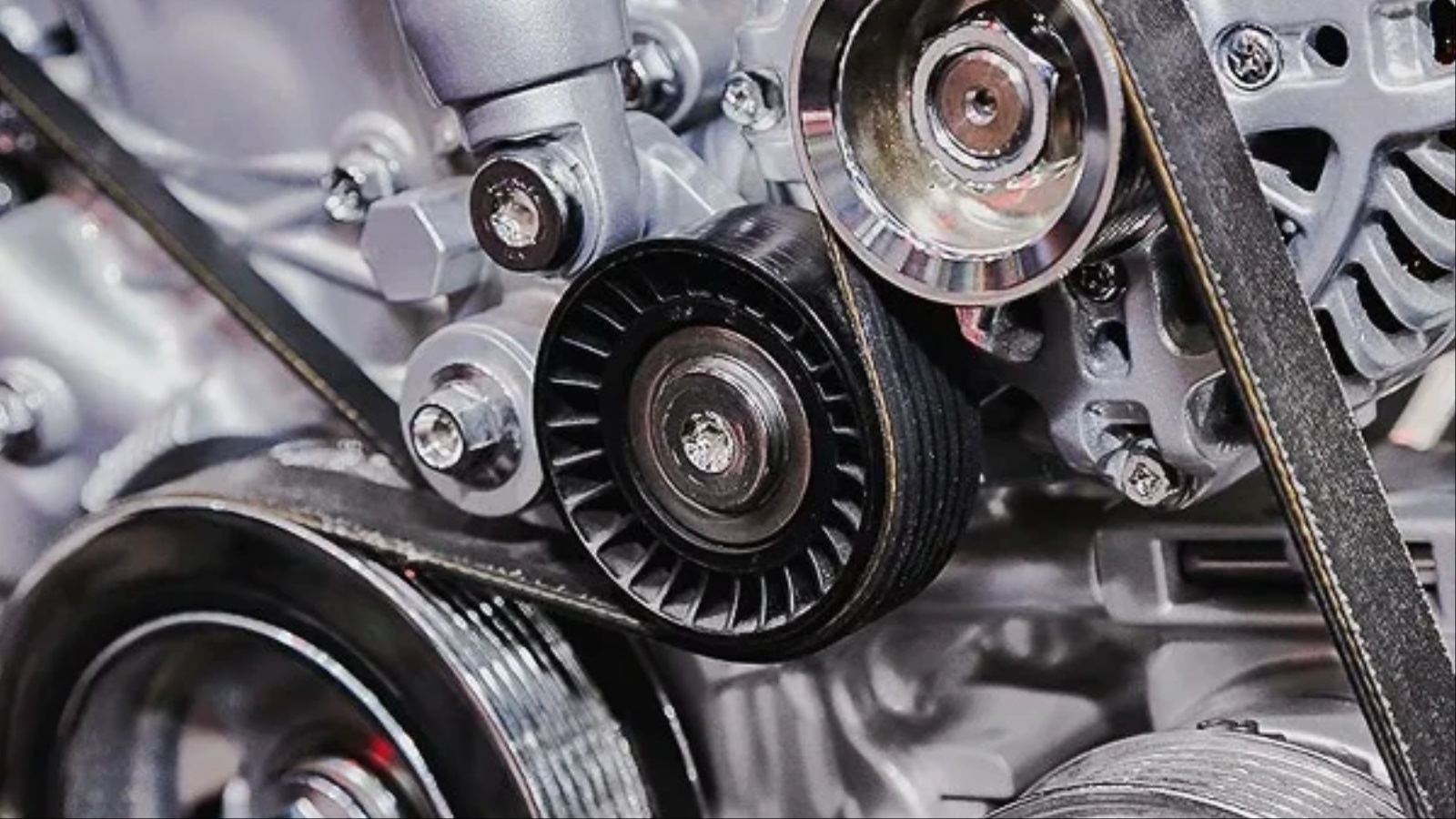
Pay attention to the serpentine belt, which commonly drives accessories such as the alternator, air-conditioning compressor, and power-steering pump on vehicles equipped with hydraulic steering. Some vehicles also use separate belts for particular components. The exact arrangement varies by model.
Look for dried coolant residue around hose connections, water-pump areas, and the radiator. Also inspect the ground where the vehicle is normally parked. Oil, coolant, transmission fluid, and other automotive fluids can leave visible evidence of a leak.
A small leak should not automatically be treated as harmless. A minor coolant leak can become more noticeable after extended operation, while an oil leak can indicate a problem that needs attention before the engine is subjected to prolonged use.
If a belt appears damaged, a hose feels deteriorated, or fluid continues to escape, arrange a professional inspection. Replacing worn components before departure is preferable to discovering a failure far from home.
6. Test Every Exterior Light and Replace Worn Wiper Blades
Visibility becomes especially important during a long journey because drivers may encounter darkness, heavy rain, fog, road spray, and changing weather conditions. Exterior lights and windshield wipers help drivers see the road and make the vehicle visible to other motorists. A failed bulb or damaged wiper blade can create an unnecessary safety problem.
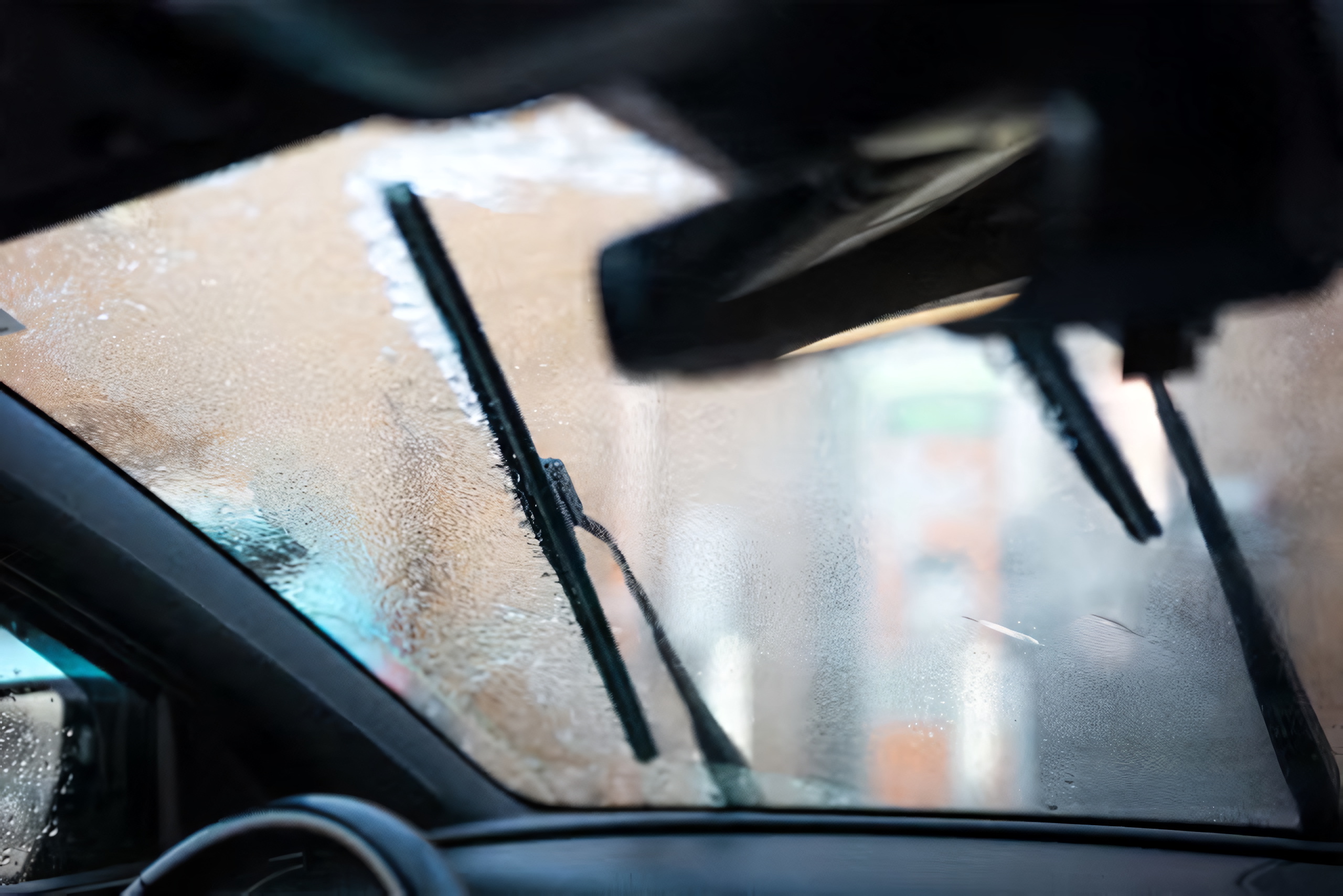
Walk around the vehicle and test the headlights, high beams, low beams, daytime running lights, turn signals, hazard lights, parking lights, and brake lights. Check the reverse lights as well. If possible, ask another person to observe the rear lights while you operate the pedals and controls. Make sure the lenses are clean and free from significant damage.
Headlight alignment also deserves attention. Headlights that point too high can affect approaching drivers, while poorly adjusted headlights may not illuminate enough of the road ahead. If the beams appear uneven or incorrectly positioned, have them checked.
Next, inspect the windshield wiper blades. Look for torn rubber, hardened edges, cracks, or sections that leave streaks across the glass. Wipers should clear water without skipping, chattering, or leaving large areas untouched.
Fill the windshield washer reservoir with the appropriate cleaning fluid. A clean windshield is important because dirt, insects, dust, and road residue can reduce visibility, particularly when sunlight or headlights create glare.
Finally, inspect the windshield itself for cracks or chips. Damage within the driver’s field of vision can interfere with visibility and may require repair or replacement.
Do not wait until the first heavy rain to discover that the wipers are no longer effective. Replacing worn blades and defective bulbs before departure is a straightforward way to avoid visibility problems during the journey.
7. Make Sure the Spare Tire and Emergency Tools Are Ready
Even vehicles with properly maintained tires can experience punctures or other road-related damage. A spare tire and the correct tools can make a difference when a problem occurs far from a repair shop. However, carrying these items is not enough. Drivers should confirm that the equipment is present, functional, and suitable for their vehicle.
If the vehicle has a full-size spare, inspect its tread, sidewalls, and inflation pressure. If it uses a temporary spare, check its condition and understand its operating restrictions. Temporary spares generally have specific speed and distance limitations that must be followed.
Locate the jack, lug wrench, and any required wheel-lock key. Make sure the jack is compatible with the vehicle’s designated lifting points. Consult the owner’s manual to understand the correct procedure for changing a tire.
Some newer vehicles do not include a traditional spare. Instead, they may come with a tire inflator, sealant kit, or run-flat tires. Check whether the repair kit is complete and whether its sealant has expired. Also understand that sealant kits cannot repair every type of tire damage, particularly large punctures or sidewall damage.
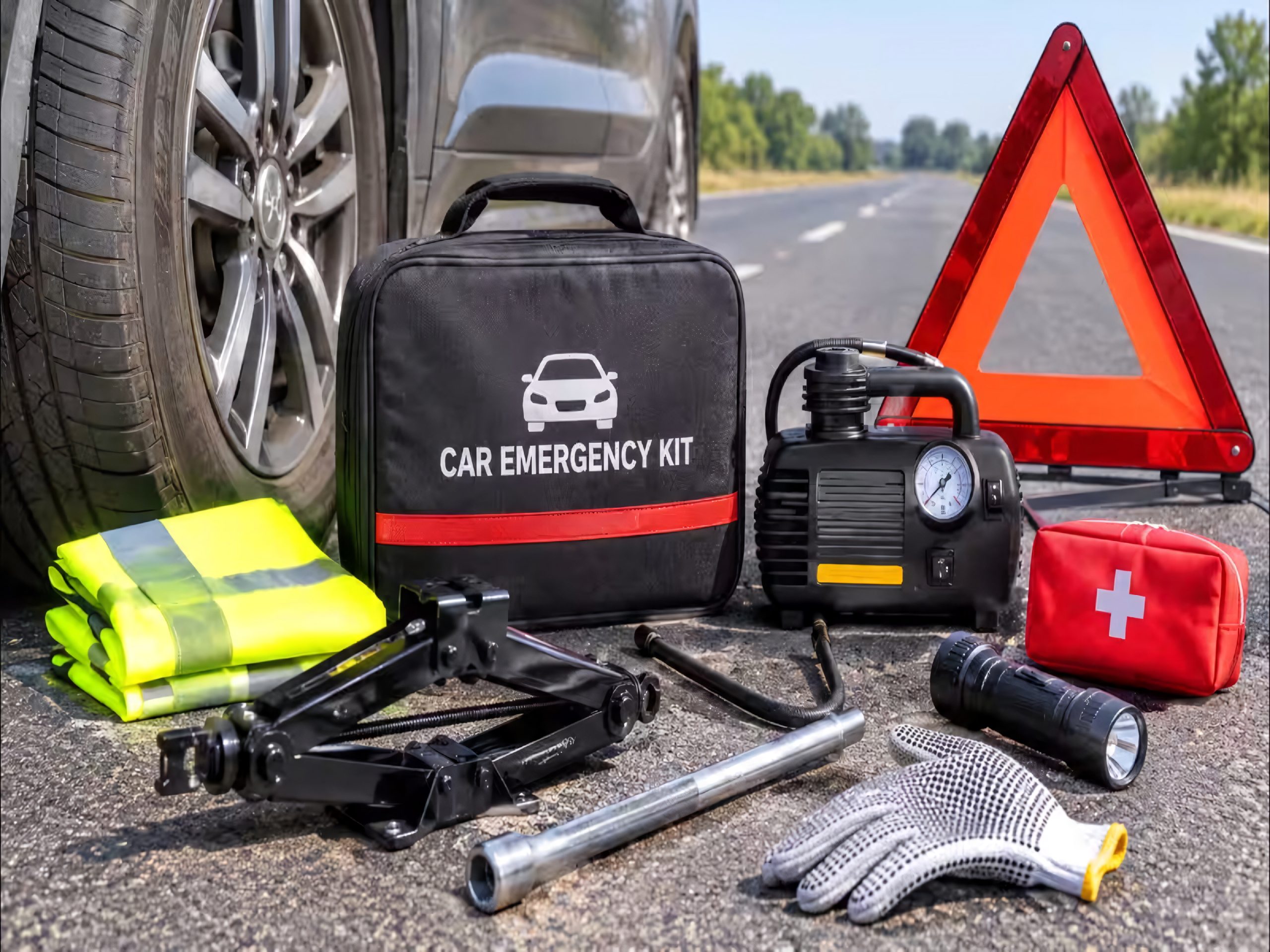
A basic roadside emergency kit should include a flashlight, reflective warning triangle, first-aid supplies, gloves, jumper cables or a portable jump starter, drinking water, and a phone charger. Additional items can include basic tools, a tire pressure gauge, and emergency blankets.
Keep these supplies somewhere accessible rather than burying them beneath luggage. In an emergency, finding the necessary equipment quickly can save time and reduce unnecessary exposure to passing traffic.
8. Check the Air Conditioning, Heating, and Cabin Ventilation
A properly functioning climate-control system contributes to passenger comfort and helps maintain suitable conditions inside the vehicle. During a long drive, an air-conditioning problem can become particularly uncomfortable when traveling through hot weather or sitting in slow-moving traffic.
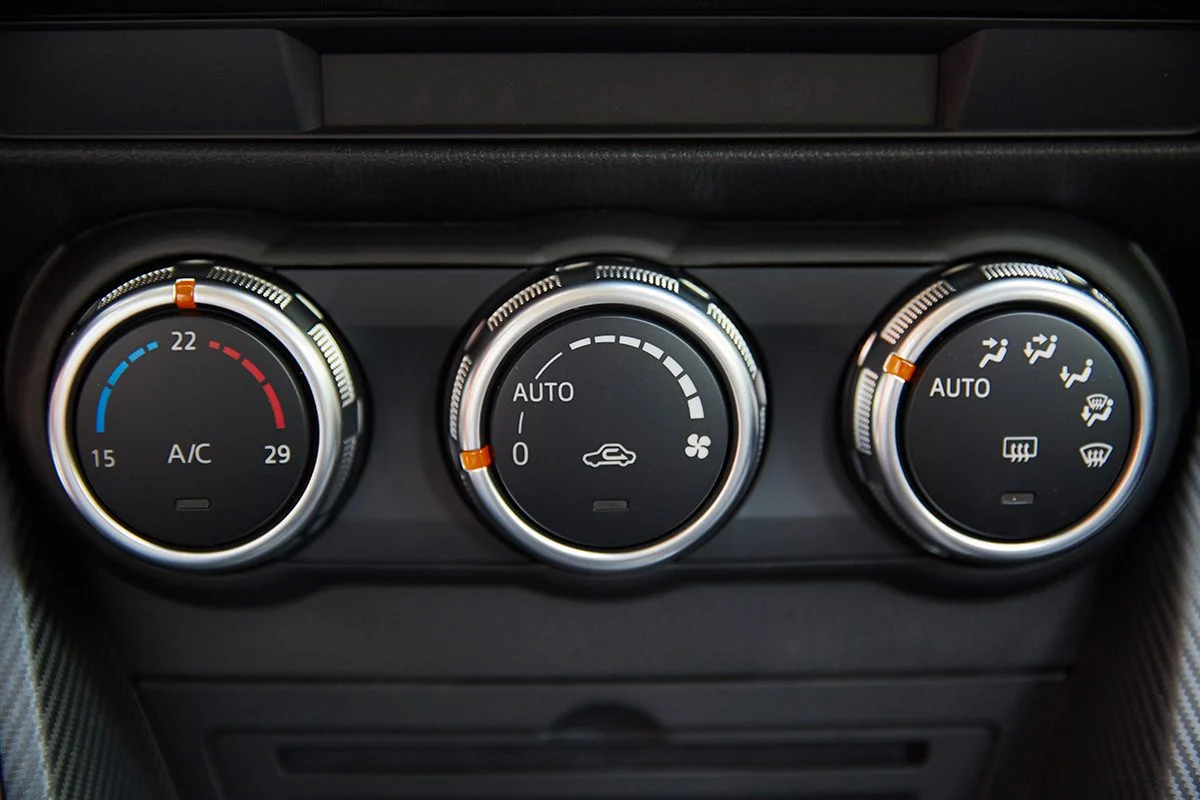
Start the engine and test the air conditioning at different fan speeds. Check whether the system produces sufficiently cool air and whether airflow reaches the expected vents. Listen for unusual noises from the blower motor or compressor. A sudden reduction in cooling performance may indicate a refrigerant leak, a malfunctioning component, or another issue requiring diagnosis.
Test the heating system as well, particularly if the journey involves colder temperatures or areas where window fogging is likely. The defroster should direct air toward the windshield and help clear condensation when necessary.
Inspect the cabin air filter if its replacement is due. A clogged filter can restrict airflow and reduce the effectiveness of the ventilation system. Replacement intervals vary depending on the vehicle and operating conditions.
Check whether the interior ventilation controls work properly, including the settings that direct air toward the windshield, face-level vents, and footwells. Also confirm that the air-recirculation setting operates as intended.
A functioning climate-control system should not be used as a substitute for proper ventilation or driver breaks. If the driver becomes uncomfortable, overheated, or unusually tired, stopping in a safe location is more important than simply increasing the fan speed.
For vehicles with cooling-system warning lights or signs of engine overheating, do not assume that the problem is limited to the cabin air conditioning. Engine cooling and cabin climate control are separate systems, and the actual cause needs to be identified.
9. Plan the Route, Fuel Stops, and Emergency Contacts
Vehicle preparation is only one part of getting ready for an extended journey. Drivers should also review the route, identify available services, and account for potential delays before leaving. A route that looks straightforward on a navigation screen may involve road closures, construction, difficult terrain, toll roads, or limited access to fuel and charging facilities.

Check traffic conditions and weather forecasts before departure. Review the roads you intend to use and identify alternative routes in case of an unexpected closure or severe delay. Navigation applications can provide useful traffic information, but drivers should not rely entirely on live internet access. Download offline maps when possible, especially when traveling through areas with unreliable mobile coverage.
Fuel planning is equally important. Identify fuel stations along the route and avoid allowing the tank to become unnecessarily low in areas where stations are widely spaced. A vehicle’s estimated driving range can change depending on speed, traffic, terrain, air-conditioning use, and passenger or cargo weight.
Electric vehicle owners should plan charging stops using compatible charging stations and the vehicle’s actual driving range. Check charger availability, connector compatibility, and whether alternative charging locations exist along the route.
Save important information, including roadside assistance contact details, insurance information, and emergency numbers. Keep necessary vehicle documents accessible, including registration and proof of insurance where applicable.
If traveling through toll roads, confirm the accepted payment methods and prepare the required account or payment balance. These small preparations can prevent unnecessary delays at toll plazas and service areas.
10. Check the Driver’s Condition and Secure All Passengers and Cargo
A mechanically sound vehicle cannot eliminate the risks associated with driver fatigue, distraction, or improperly secured passengers. The person behind the wheel is just as important as the condition of the car, particularly when the journey involves several hours of continuous driving.

Get adequate sleep before departure. Driving while tired reduces alertness, slows reaction time, and makes it harder to maintain attention. Avoid starting the journey when already sleepy, and do not depend on coffee, loud music, or open windows to overcome significant fatigue.
Plan regular rest stops and include additional time for meals, refueling, bathroom breaks, and unexpected delays. If another qualified driver is available, sharing driving responsibilities can reduce the amount of time one person spends behind the wheel. When sleepiness develops, stop somewhere safe and rest rather than attempting to continue.
Passengers should wear properly fastened seat belts throughout the journey. Children must use age- and size-appropriate child restraints installed according to the manufacturer’s instructions and applicable local regulations. Never allow passengers to travel in cargo areas that are not designed for seating.
Cargo also needs attention. Distribute heavy items carefully and secure loose objects so they cannot move around during braking or sudden steering maneuvers. Do not stack luggage in a way that blocks the driver’s rear visibility. Follow the vehicle’s specified maximum load capacity, including passengers, luggage, and any additional equipment.
Before starting the engine, adjust the driver’s seat, mirrors, and steering wheel. Set up navigation and entertainment controls while parked, rather than handling a phone while driving.
A long journey requires sustained attention. Proper rest, correctly secured passengers, and balanced cargo are essential parts of preparing for the longest drive of the year.