
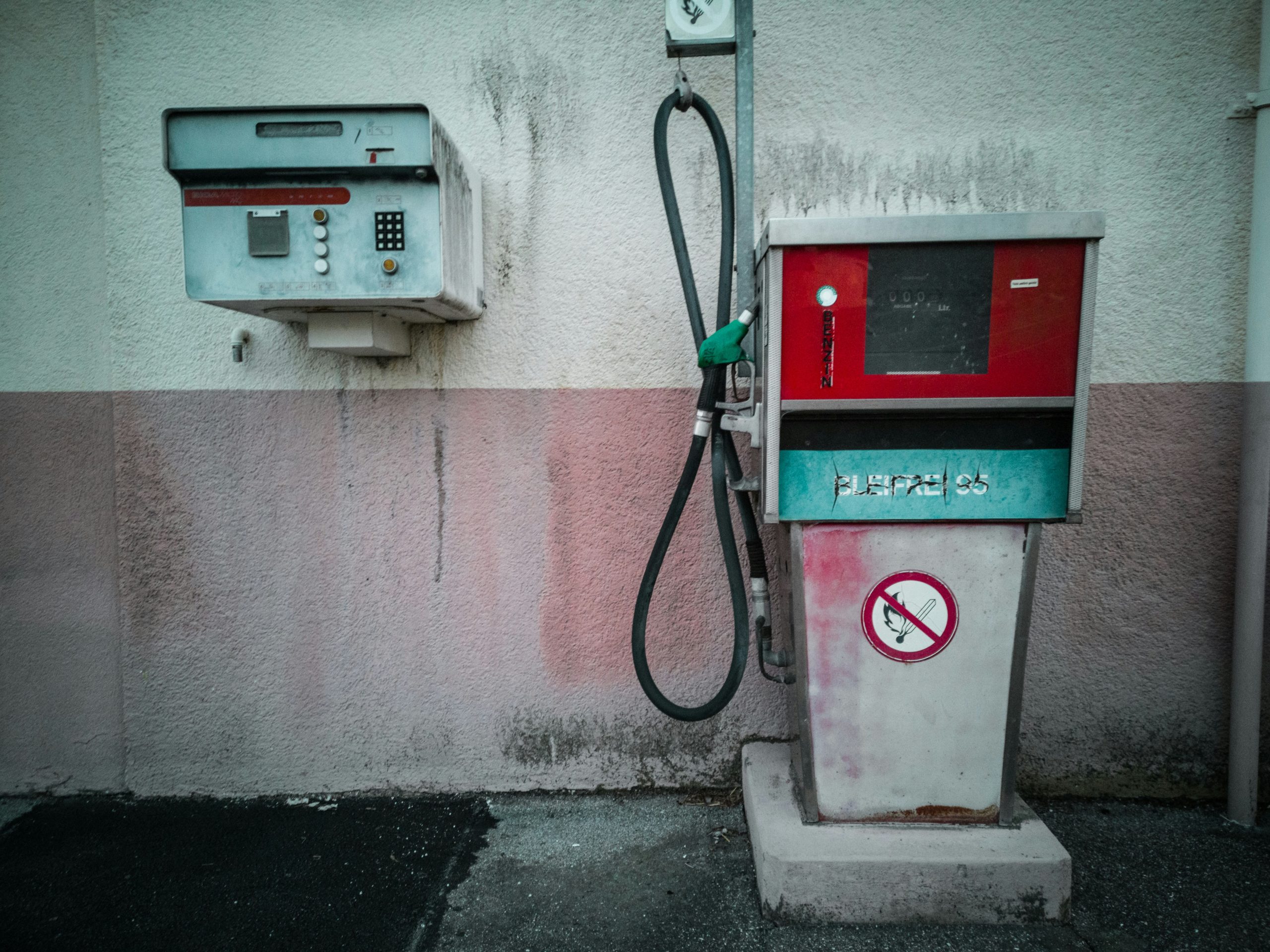
Fuel efficiency plays an important role in keeping everyday driving costs under control. Many drivers spend more money on gasoline than necessary because of small habits they rarely notice.
According to guidance from the American Automobile Association (AAA), driving behavior, vehicle maintenance, and road conditions can all influence fuel consumption. Aggressive acceleration, excessive idling, speeding, and poor tire maintenance are common reasons vehicles use more fuel than expected.
Understanding these habits can help drivers make smarter decisions behind the wheel. By recognizing unnecessary fuel consumption, motorists can improve mileage, reduce expenses, and make their daily journeys more efficient.
1. Aggressive Acceleration and Sudden Braking
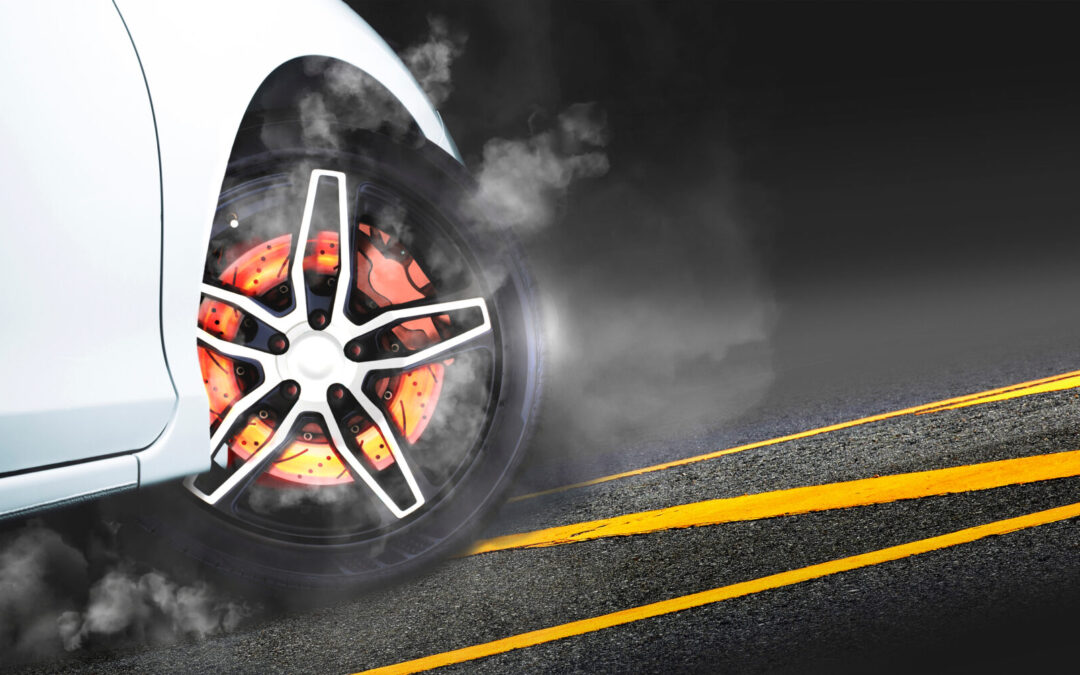
Aggressive acceleration is among the most common driving habits that increase fuel consumption. Pressing the accelerator too hard forces the engine to work harder, which requires additional fuel. Drivers who frequently speed away from traffic lights or rapidly increase their vehicle’s speed often experience lower fuel efficiency.
Sudden braking can also contribute to unnecessary fuel consumption. When motorists accelerate quickly and then brake sharply, they waste much of the energy used to increase their speed. This repeated pattern makes driving less efficient, particularly in busy urban areas.
Smooth acceleration allows the engine to build speed gradually. Applying steady pressure to the accelerator helps maintain a more consistent driving pattern. This approach can reduce unnecessary fuel use without making journeys significantly longer.
Maintaining a reasonable distance from the vehicle ahead also helps prevent frequent braking. Drivers have more time to respond to changing traffic conditions when they avoid following other vehicles too closely. This reduces the need for sudden stops and rapid acceleration.
Anticipating traffic signals is another useful habit. When a driver notices a red light or slowing traffic ahead, gradually reducing speed can prevent unnecessary braking. Looking farther down the road makes it easier to maintain a steady pace.
Aggressive driving can also increase wear on vehicle components. Frequent hard braking places additional stress on brake pads and rotors, while rapid acceleration can increase strain on mechanical systems. These expenses add to the financial disadvantages of inefficient driving.
Drivers should focus on maintaining consistent speed whenever road conditions permit. Gentle movements of the accelerator and brake pedal create a smoother driving experience. They also help reduce unnecessary demands on the engine.
Developing calmer driving habits does not require major lifestyle changes. Small adjustments, such as accelerating gradually and allowing more space between vehicles, can make everyday journeys more economical.
2. Driving at Excessively High Speeds
Speeding is a major factor that can reduce a vehicle’s fuel efficiency. Most passenger vehicles consume fuel less efficiently as their speed increases beyond moderate highway speeds. Higher speeds create greater aerodynamic resistance, forcing the engine to use more energy to keep the vehicle moving.
When a car travels faster, air resistance increases significantly. The engine must overcome this resistance to maintain speed, which leads to higher fuel consumption. This effect becomes more noticeable during long highway journeys.
Many motorists assume that driving faster saves fuel because it reduces travel time. However, the additional gasoline consumed at high speeds can outweigh the small amount of time saved. Maintaining a sensible speed is often more economical.
Using cruise control on suitable highways can help drivers maintain a consistent speed. Frequent acceleration and deceleration may increase fuel consumption, particularly when traffic conditions allow a steady pace. Cruise control can reduce unnecessary speed changes on relatively flat roads.
However, cruise control is not suitable for every situation. Steep hills, heavy traffic, slippery surfaces, and winding roads require drivers to adjust their speed manually. Safety and road conditions should always take priority over fuel savings.
Following posted speed limits is an effective way to develop more efficient driving habits. Speed limits are designed to support safer road conditions, and avoiding unnecessary speeding can also help reduce fuel expenses.
Drivers should remember that fuel economy varies between vehicles. A smaller car, a large SUV, and a pickup truck may respond differently to changes in speed. Checking the manufacturer’s fuel economy guidance can help motorists understand their vehicle’s most efficient operating conditions.
Reducing highway speed to a reasonable level can provide financial benefits over time. Consistent driving, proper speed management, and awareness of road conditions can help motorists avoid wasting gasoline during everyday travel.

3. Leaving the Engine Running While Parked
Leaving a vehicle’s engine running while parked is known as idling. Many drivers allow their engines to run while waiting for passengers, checking their phones, or sitting outside shops. These short periods may seem harmless, but unnecessary idling consumes gasoline without moving the vehicle.
An idling engine continues to burn fuel even when the car is stationary. The amount consumed depends on engine size, vehicle design, air conditioning use, and other operating conditions. Over several days or weeks, repeated idling can contribute to unnecessary fuel expenses.
Some motorists believe that keeping the engine running is better than restarting it. Modern fuel-injected vehicles generally require relatively little fuel to restart. For many vehicles, switching off the engine during extended stops can save more fuel than leaving it running.
Idling is particularly common during school pickups, roadside waiting, and long queues. Drivers may leave their engines running for convenience, especially during hot or cold weather. However, unnecessary idling provides no meaningful transportation benefit.
Using the vehicle’s air conditioning while parked can increase fuel consumption further. The engine must supply additional power to operate the air conditioning compressor in conventional gasoline vehicles. This creates additional fuel demand while the vehicle remains stationary.
There are situations when an engine needs to remain running, including certain traffic conditions, safety situations, and manufacturer-recommended operating procedures. Drivers should follow their vehicle’s instructions rather than switching off the engine in circumstances where doing so could create a problem.
Modern vehicles equipped with automatic start-stop systems can help reduce fuel waste during temporary stops. These systems automatically switch off the engine when appropriate and restart it when the driver is ready to move. Their operation varies by vehicle model.
Avoiding unnecessary idling is a simple way to improve fuel economy. Turning off the engine during extended stationary periods, whenever it is safe and appropriate, can help motorists reduce gasoline consumption and limit unnecessary emissions.
4. Ignoring Tire Pressure
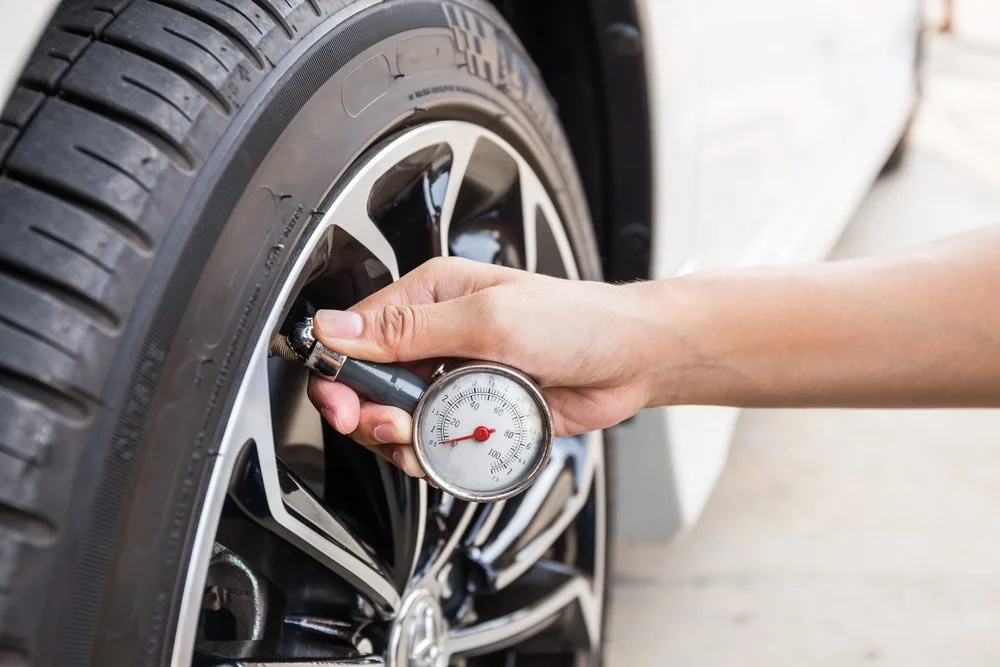
Tire pressure has a direct effect on how efficiently a vehicle moves along the road. Underinflated tires create greater rolling resistance, meaning the engine must work harder to move the vehicle forward. This additional effort can increase fuel consumption.
Many drivers rarely check their tire pressure unless a warning light appears. However, tires can gradually lose air through normal use, temperature changes, and small leaks. Regular inspection helps identify pressure problems before they affect vehicle performance.
When tires are underinflated, more of their surface and structure may deform as they roll. This increases resistance between the tires and the road. The engine then needs additional energy to maintain the same speed.
Correct tire pressure also supports safer vehicle handling. Properly inflated tires generally provide more predictable steering, braking, and stability. Maintaining the recommended pressure therefore benefits both fuel economy and road safety.
Drivers should check the recommended tire pressure in the owner’s manual or on the manufacturer’s tire information label, commonly located inside the driver’s door area. The pressure printed on the tire sidewall usually indicates a maximum rating, not necessarily the correct operating pressure for the vehicle.
Checking tire pressure when the tires are cold provides a more accurate reading. Driving heats the tires and increases internal air pressure, which can affect measurements. A reliable tire pressure gauge makes routine inspections easier.
Temperature changes can also influence tire pressure. Colder weather generally lowers tire pressure, while warmer conditions can increase it. Drivers should check their tires regularly when seasonal temperatures change.
Maintaining the correct pressure helps prevent unnecessary rolling resistance and supports longer tire life. A few minutes spent checking tire inflation can help avoid additional fuel expenses and reduce the risk of premature tire wear.

5. Carrying Unnecessary Weight
The weight of a vehicle influences how much energy its engine needs to operate. Carrying heavy objects that are not required for a journey can increase fuel consumption, particularly during acceleration and frequent stop-and-go driving.
Many drivers use their cars as temporary storage spaces. Sports equipment, unused tools, luggage, old boxes, and other belongings may remain in the trunk for weeks or months. Individually, these objects may seem insignificant, but their combined weight can become substantial.
A heavier vehicle requires more energy to accelerate from a stationary position. This makes unnecessary weight particularly costly in urban environments where traffic lights and congestion frequently require drivers to stop and start.
Removing unused items from the vehicle is a straightforward way to reduce unnecessary load. Drivers should regularly inspect their trunks and rear storage areas to identify belongings that are no longer needed.
Roof racks can also affect fuel economy. Even when empty, certain roof racks create additional aerodynamic resistance. This can make the engine work harder, especially at highway speeds.
Roof-mounted cargo boxes and bicycle carriers can increase air resistance even further. Their effect depends on their size, design, placement, and driving speed. Removing these accessories when they are not required can help improve efficiency.
Drivers should never remove equipment required for safety or emergency situations simply to reduce vehicle weight. Spare tires, emergency supplies, and essential tools may be important during unexpected breakdowns. The aim is to remove unnecessary belongings rather than compromise preparedness.
Keeping a vehicle organized makes it easier to manage its weight. By carrying only essential items and removing unused roof accessories, motorists can reduce unnecessary fuel consumption while maintaining a comfortable and practical driving experience.
6. Using Air Conditioning Excessively
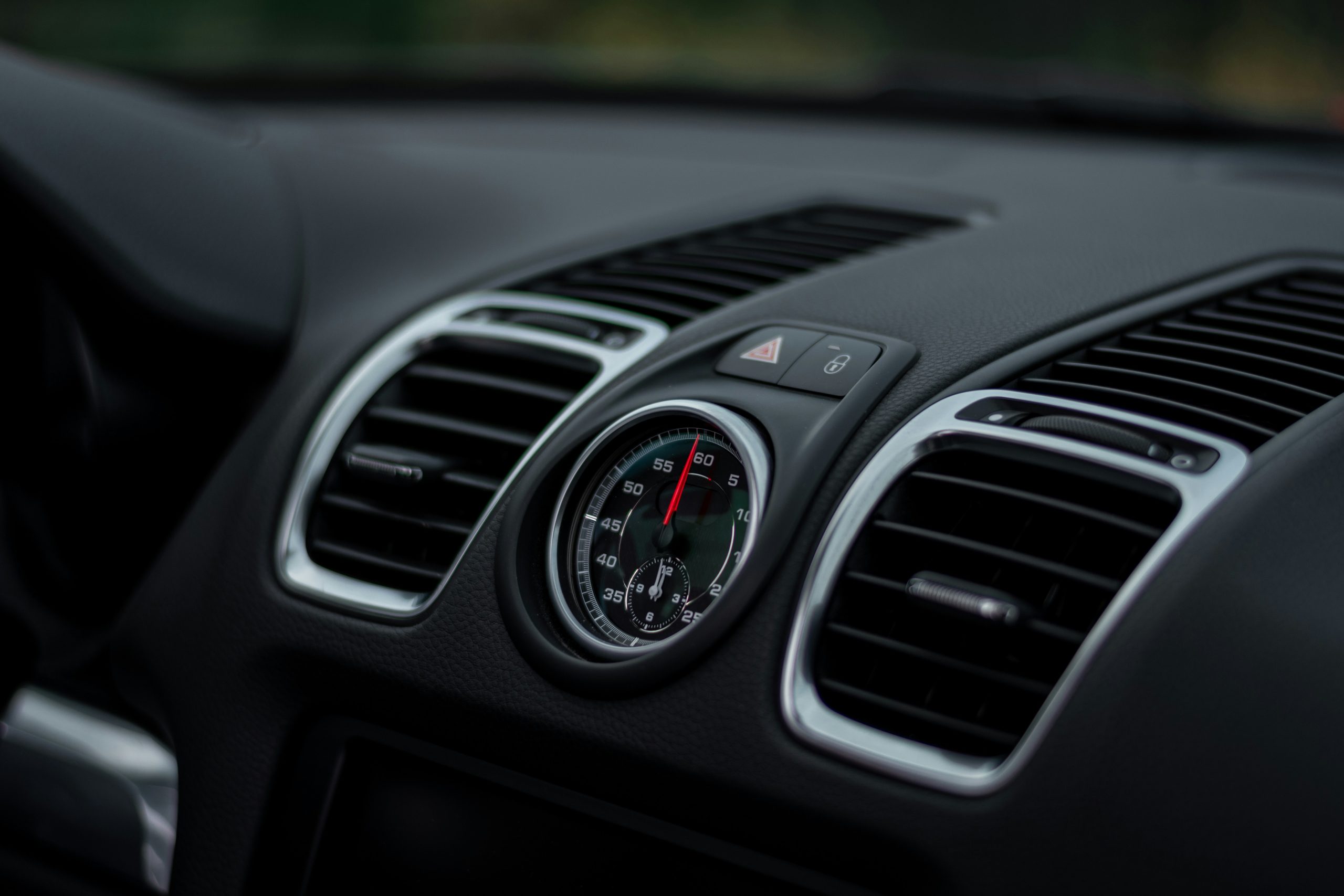
Air conditioning makes driving more comfortable, especially during hot weather. However, operating the system can increase fuel consumption in conventional gasoline-powered vehicles because the engine must provide additional power to run the compressor.
The effect of air conditioning depends on several factors, including outside temperature, vehicle design, compressor efficiency, and cabin cooling requirements. Using the system at its highest setting for extended periods may increase fuel demand.
Many motorists start their cars and immediately switch the air conditioning to its coldest setting. When the cabin is extremely hot, the system may need to work harder to bring the temperature down. Allowing hot air to escape before cooling the interior can help improve comfort.
Parking in shaded areas can also reduce cabin temperatures. Sunlight entering through vehicle windows heats the interior, making the air conditioning system work harder when the driver returns.
Window shades and sunshades can help limit heat buildup while the vehicle is parked. These simple accessories may reduce the amount of cooling required before driving.
At lower speeds, opening the windows can sometimes provide adequate ventilation without using air conditioning. However, open windows can increase aerodynamic drag at higher speeds. Depending on the vehicle and driving conditions, this can offset potential fuel savings.
Drivers should also avoid switching off air conditioning when doing so creates unsafe or uncomfortable conditions. In humid weather, the system can help remove moisture from the cabin and prevent window fogging. Clear visibility should always come first.
Using air conditioning sensibly can help balance comfort and fuel economy. Maintaining a moderate temperature, keeping the cabin cool through sensible parking, and avoiding unnecessary operation can reduce additional fuel demand.
7. Frequent Short Trips With a Cold Engine
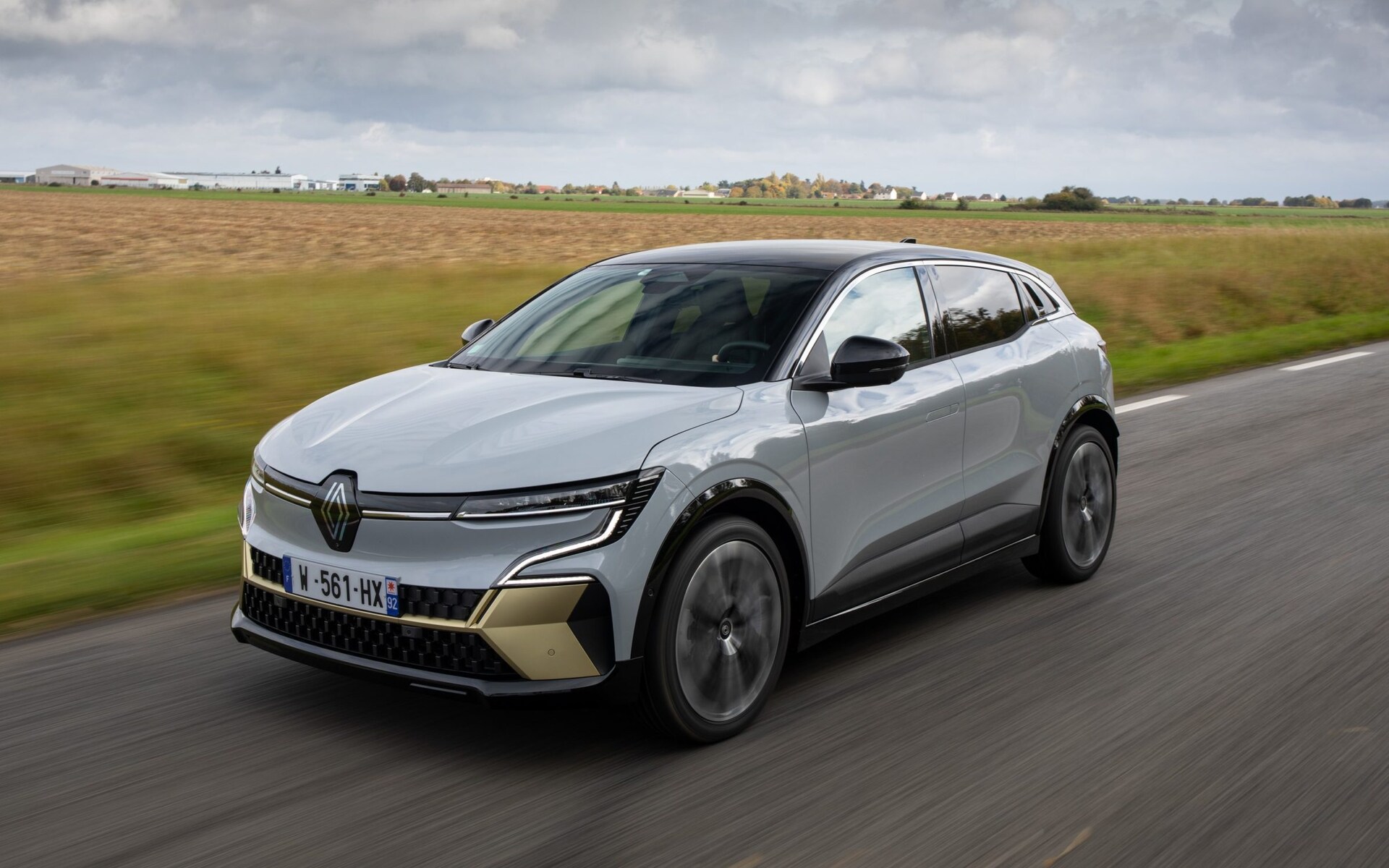
Frequent short journeys can reduce fuel efficiency because a vehicle’s engine often consumes more fuel before reaching its normal operating temperature. When the engine is cold, its systems may require additional fuel to operate efficiently. This makes repeated short trips less economical than longer journeys under suitable driving conditions.
Many drivers use their cars for brief errands, grocery shopping, school drop-offs, and nearby appointments. When several short journeys take place throughout the day, the engine may repeatedly start from a cold condition without having enough time to reach its normal operating temperature.
Cold starts can be particularly inefficient during winter. Lower temperatures affect engine oil viscosity and other operating conditions, which can increase the energy required during the initial period of operation. Modern vehicles are designed to manage these conditions, but fuel consumption can still be higher during warm-up.
Combining several errands into a single journey can help reduce repeated cold starts. Instead of driving home after every small task, motorists can plan their stops along a convenient route. This approach can save time, reduce unnecessary mileage, and improve fuel efficiency.
Drivers should also avoid leaving their vehicles running for long periods simply to warm them up. Most modern gasoline vehicles do not require lengthy stationary warm-ups under normal conditions. Gentle driving after starting the engine is generally more effective, provided visibility and safety requirements are met.
Vehicle manufacturers may provide specific recommendations for cold-weather operation. Following these instructions helps drivers understand how their particular engine should be handled during lower temperatures.
Planning journeys can also reduce unnecessary fuel consumption caused by repeated trips. Checking shopping lists, arranging appointments together, and completing nearby errands in one outing can make everyday driving more efficient.
Reducing unnecessary short journeys does not mean avoiding essential travel. It simply means organizing activities more carefully and using the vehicle when it provides a genuine transportation benefit.
8. Driving With Poor Vehicle Maintenance
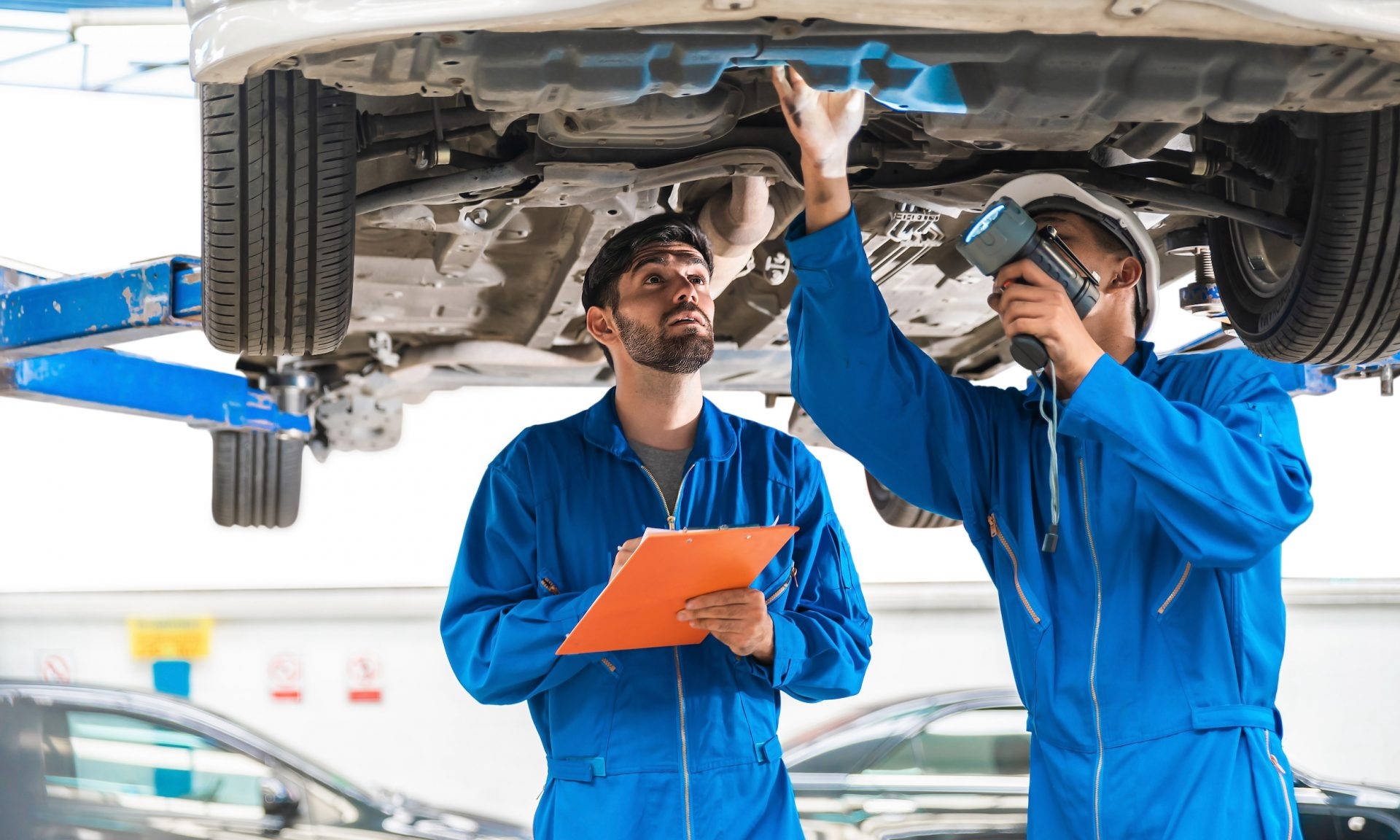
Vehicle maintenance has a significant influence on fuel economy. An engine that is not properly maintained may need additional effort to produce the power required for normal driving. Neglecting routine servicing can therefore lead to increased fuel consumption and unnecessary repair expenses.
Dirty or clogged air filters can affect engine performance. Modern engine management systems compensate for changing airflow conditions, so the exact fuel economy effect varies between vehicles.
However, a damaged or restricted air filter can still affect engine operation and should be replaced according to manufacturer recommendations.
Engine oil also plays an important role in vehicle efficiency. It lubricates moving components and reduces friction within the engine. Using the recommended oil grade helps maintain proper lubrication and supports efficient engine operation.
Incorrect spark plugs can contribute to poor combustion in gasoline engines. Worn or damaged spark plugs may cause misfires, rough idling, and reduced performance. These problems can lead to increased fuel consumption and should be addressed during routine maintenance.
Fuel economy can also suffer when the vehicle has mechanical problems that affect its operation. Faulty oxygen sensors, malfunctioning fuel injectors, and certain engine management issues can interfere with the proper air-fuel mixture. Professional diagnosis is important when warning lights or unusual symptoms appear.
Wheel alignment and brake condition deserve attention as well. Poor alignment can increase tire wear and rolling resistance, while dragging brakes may create unnecessary resistance as the vehicle moves. Both conditions can affect driving efficiency.
Following the vehicle’s recommended service schedule helps identify problems before they become more expensive. Regular inspections, timely oil changes, and appropriate replacement of worn components support reliable performance.
Drivers should not rely only on fuel economy readings to identify mechanical problems. Unusual engine sounds, warning lights, rough acceleration, and changes in vehicle handling may indicate issues that require professional attention.
9. Choosing Inefficient Routes and Driving in Heavy Traffic
Route selection has a noticeable effect on how much gasoline a vehicle consumes. A journey that appears shorter on a map may involve heavy traffic, frequent stops, poor road surfaces, and unnecessary delays. These conditions can increase fuel consumption compared with a slightly longer but smoother route.
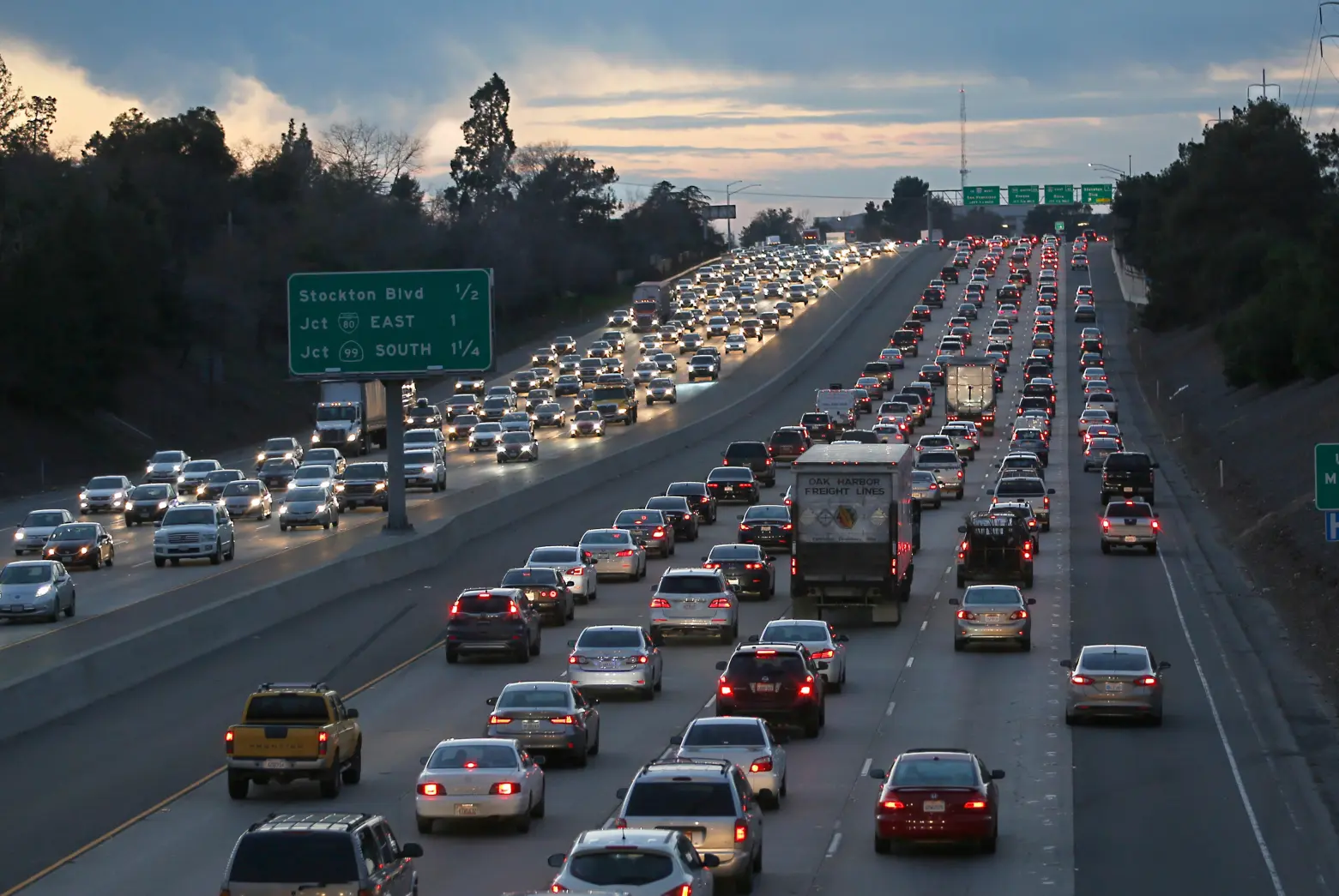
Stop-and-go traffic is particularly demanding on fuel efficiency. Repeated acceleration after coming to a complete stop requires energy, while prolonged waiting can lead to unnecessary idling. Congested roads also make it difficult to maintain a steady driving speed.
Planning a route before leaving can help motorists avoid unnecessary delays. Navigation applications provide traffic information, estimated travel times, and alternative routes. Checking these details before starting a journey can help drivers make more informed decisions.
However, the shortest route is not always the most economical. A slightly longer road with fewer traffic signals and smoother traffic movement may offer better fuel efficiency. Drivers should consider road conditions and expected delays rather than focusing only on distance.
Avoiding peak traffic hours can also make a difference when travel schedules are flexible. Morning and evening rush hours often involve repeated braking, slow movement, and extended waiting periods. Travelling outside these periods may create a smoother journey.
Road conditions should also influence route decisions. Potholes, uneven surfaces, construction zones, and steep inclines can affect driving efficiency. Choosing well-maintained roads when practical can help reduce unnecessary strain on the vehicle.
Drivers should avoid constantly changing lanes in an attempt to move ahead in traffic. Frequent acceleration and braking rarely provide meaningful time savings and may increase fuel consumption. Maintaining a consistent position and driving patiently is generally more efficient.
A little planning before departure can prevent unnecessary fuel waste. Checking traffic conditions, selecting a suitable route, and allowing enough time for the journey can make daily driving more economical and less stressful.
