Cold weather punishes engines in predictable ways. Oil thickens as the temperature falls, so it takes longer to reach bearings, lifters and timing chain tensioners after the key turns. Battery output drops, and a weak battery has the least to give exactly when thick oil demands the most. Gasoline also vaporizes poorly in the cold, so the engine runs rich until it warms, and that extra fuel can wash past the piston rings into the crankcase.
Some designs carry extra risk. Certain timing chain tensioners, valvetrain parts, direct-injection systems and battery packs have documented cold-weather histories, including recalls, service bulletins and warranty extensions.
The twelve vehicles below cover those patterns. Where a problem depends on model year or engine, the entry says so. Owners should confirm details for their own vehicle through a dealer or the NHTSA recall lookup before assuming anything applies.
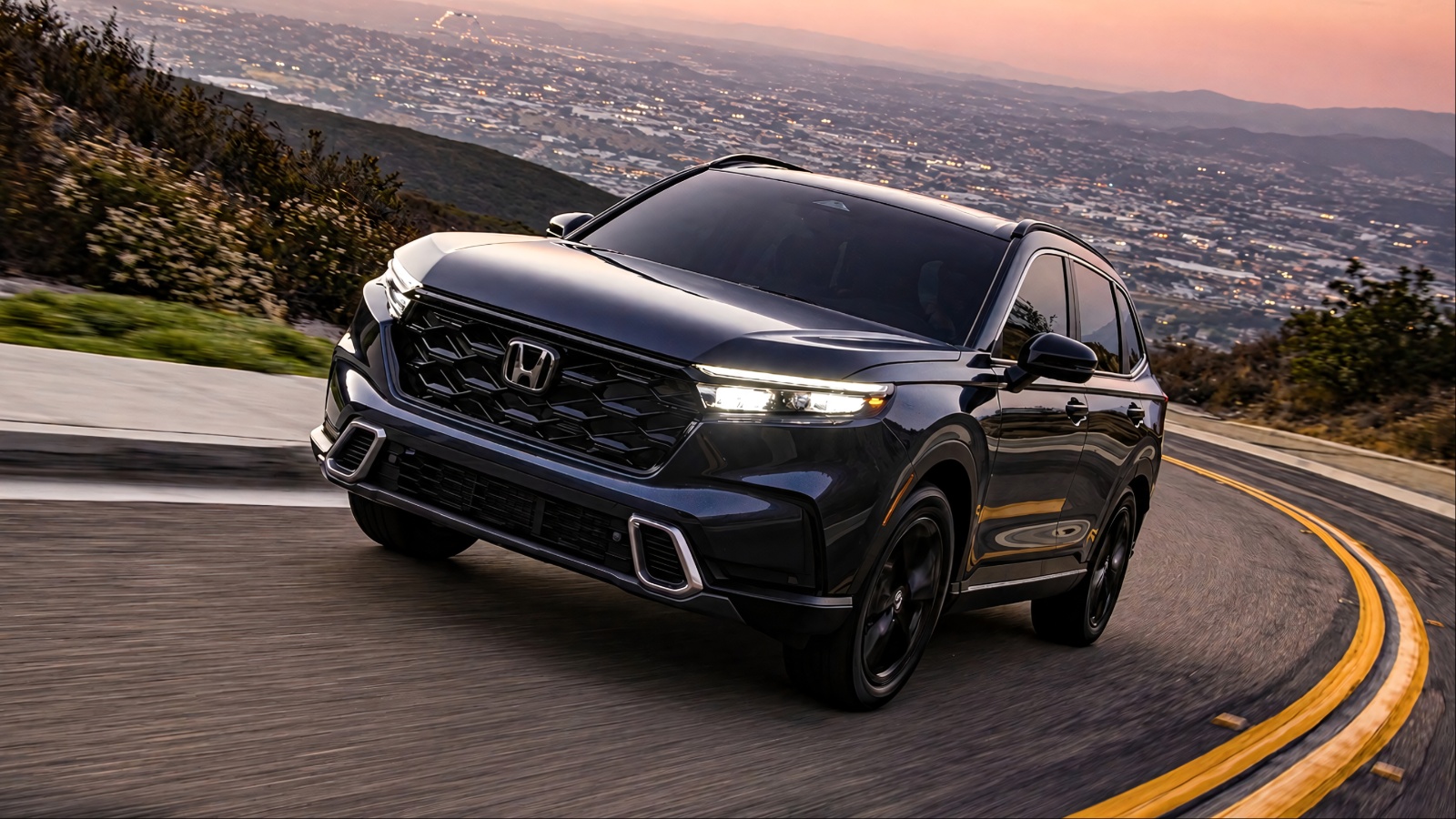
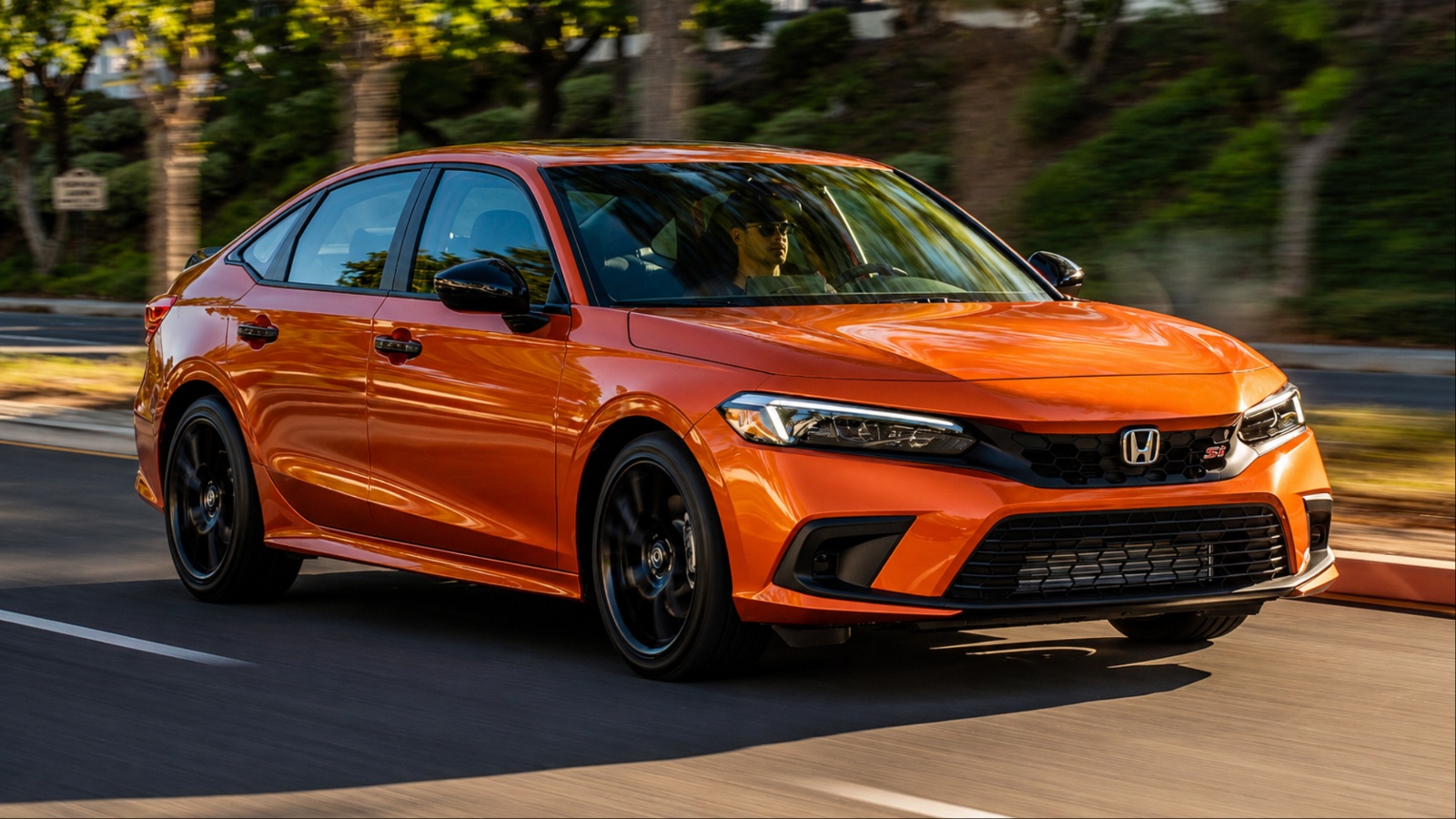
1. Honda CR-V and Civic with the 1.5-liter turbo (2016 to 2018)
Honda’s 1.5-liter turbocharged four-cylinder uses direct injection, and in cold weather it can send unburned gasoline past the piston rings and into the crankcase. The fuel thins the oil.
Owners in cold climates, mostly with the 2017 and 2018 CR-V and the 2016 to 2018 Civic, reported a gasoline smell on the dipstick and an oil level that seemed to rise between changes. Honda responded with engine software updates and extended warranty coverage for some of the affected vehicles and markets.
The freeze matters because short trips in the cold never let the engine reach full operating temperature. Fuel that enters the oil needs sustained heat to boil off, and a string of five-minute drives does the opposite. Thinned oil protects the bearings and the turbocharger less well, and the risk is highest for commuters who rarely drive long enough to warm the engine fully.
Owners should check the dipstick for both level and smell, confirm with a dealer that the latest software update has been applied, and follow the severe-service maintenance schedule, which counts frequent short trips in cold weather. Shortening the oil change interval is a common precaution for these engines, and a longer weekly drive helps clear fuel from the oil.
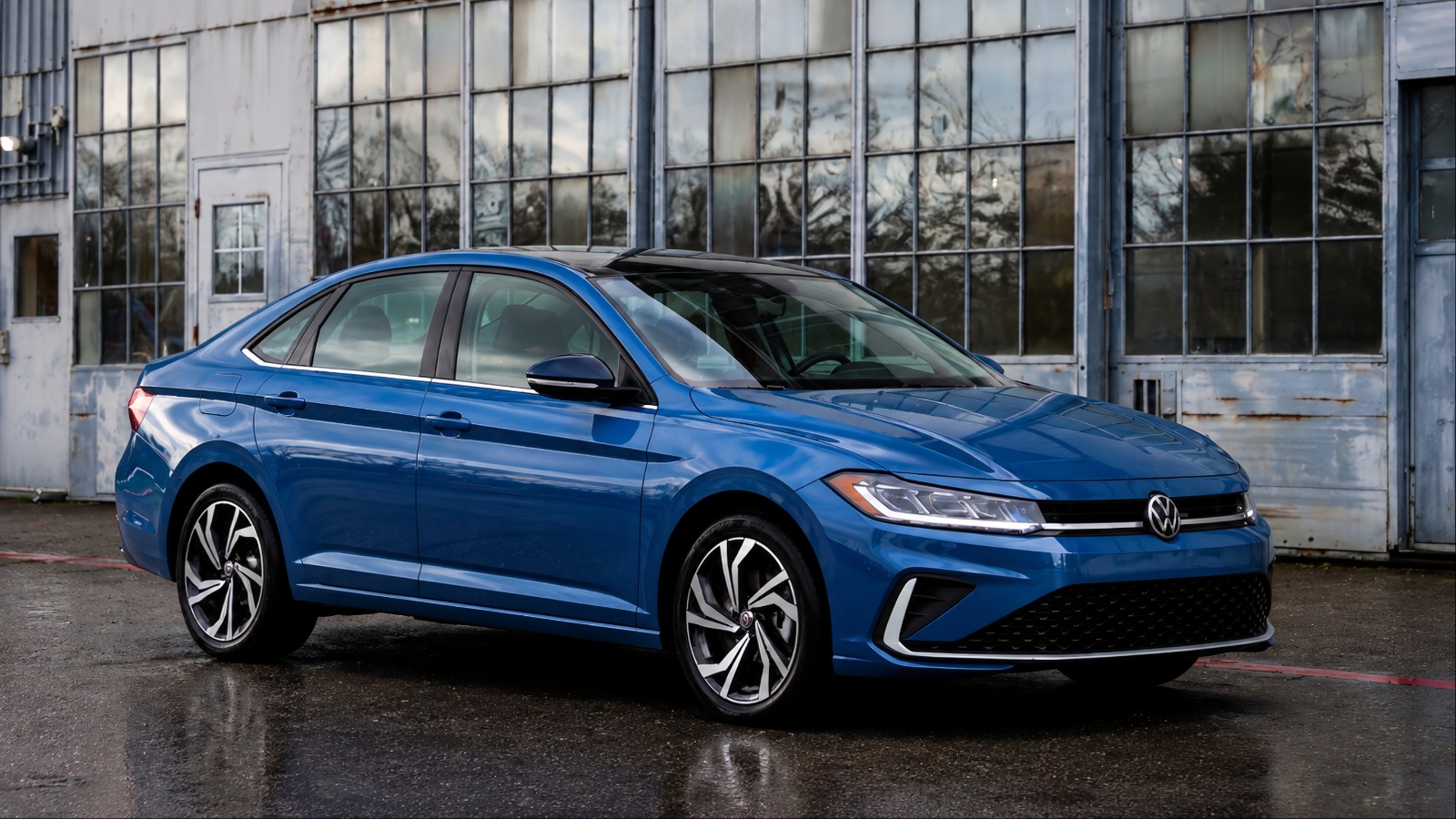
2. Volkswagen and Audi with the 2.0T TSI (about 2008 to 2012)
The early versions of the EA888 two-liter turbo, used in the Jetta, GTI, Passat, Tiguan, Audi A3 and Audi A4, relied on a timing chain tensioner that depends on oil pressure and a ratchet to hold the chain tight. A tensioner that wears or fails can let the chain slip a tooth, and on an interference engine,
that can bend valves. Volkswagen extended warranty coverage on the tensioner for affected cars after owner complaints, a related class action was settled, and later generations received a revised design.
Cold starts are the moment of greatest exposure. Cold oil takes longer to build pressure at the tensioner, so the chain has the least support in the first seconds after the engine fires. Owners most often describe a brief rattle at start-up as the warning sign, and the sound usually fades as pressure rises.
Owners should ask a dealer or an independent specialist whether the car has the updated tensioner, review service records to see whether oil changes used the correct specification, and listen for any rattle in the first seconds of a cold start. Early 2.0T engines also have a reputation for oil consumption, so the oil level deserves regular attention in winter.
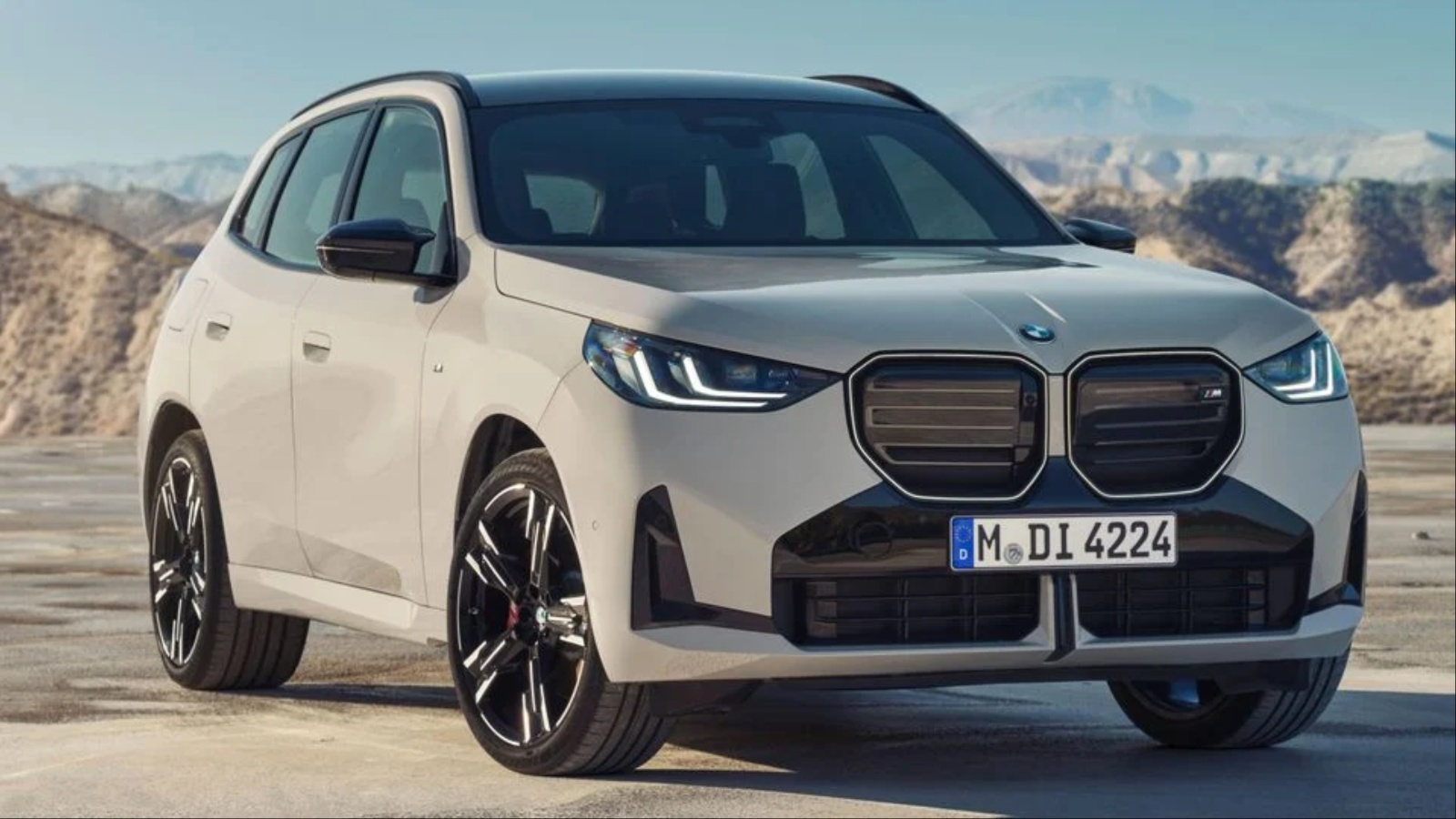
3. BMW with the N20 2.0-liter turbo (about 2012 to 2016)
The N20 four-cylinder powered the 328i, 528i, X1, X3 and other BMW models. Its timing chain guides were made of plastic, and they wore or cracked on a number of engines. The result was a distinctive rattle, most noticeable at start-up.
If the guides break, slack in the chain can cause rough running, a loss of timing or engine failure. BMW revised the part on later production, and many owners and independent shops replace the guides, chain and tensioner together once rattling begins.
The freeze matters because cold oil thickens and slows the supply to the chain tensioner, which makes any existing wear easier to hear. Drivers commonly describe a chain that sounds rough only on cold mornings and quiets within a few seconds. That pattern can precede a more serious failure, so the sound is not something to ignore for long.
Owners should listen for a short metallic rattle just after a cold start, watch for any related warning light, and ask for service records showing whether the guides have already been replaced. A shop can inspect the chain stretch with diagnostic tools. Repair costs vary widely by shop and region, and they are far lower when the work is done before the engine is damaged.
4. Mini Cooper S with the N14 engine (2007 to 2010)
The first-generation turbocharged Mini Cooper S used the N14 four-cylinder, developed jointly by BMW and PSA Peugeot Citroën. The engine became known for timing chain tensioner trouble, along with high oil consumption and problems with its high-pressure fuel pump.
Owners described a rattling sound on cold starts that could come before chain stretch and a loss of timing accuracy. Mini moved to a different engine family for the next generation.
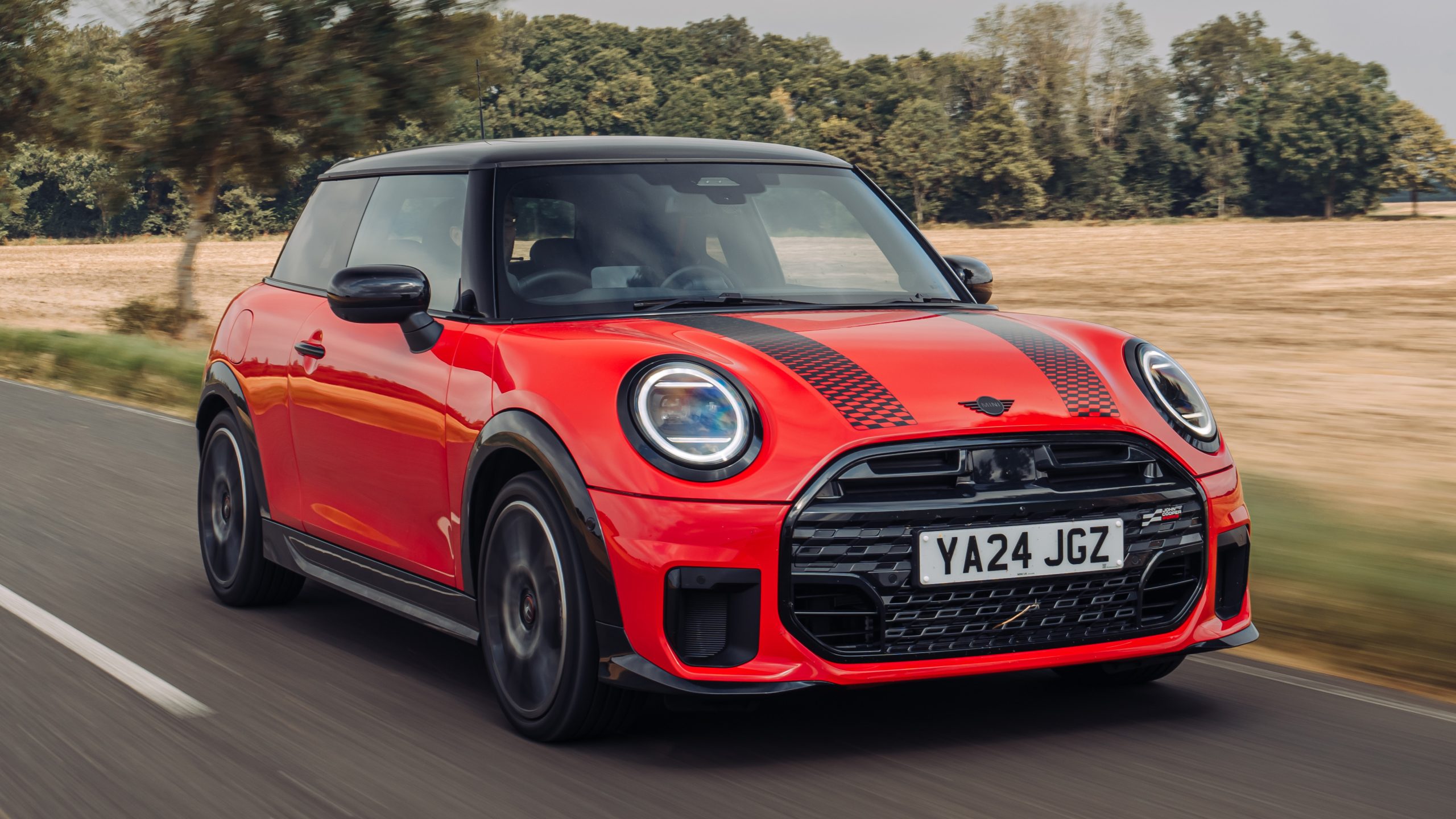
The freeze matters because a tensioner that does not extend quickly leaves the chain slack in the seconds before oil pressure builds. Repeating that cycle every cold morning wears the chain over time. A small engine with a long chain run has little margin once the tensioner is worn, and cold oil slows the response of the whole system.
Owners should listen for a metallic rattle that fades as the engine warms, check the oil level often because these engines have a history of using oil, and find out whether the timing chain and tensioner have ever been replaced. Carbon buildup on the intake valves is also common on direct-injection engines of this era, so a rough idle on a cold start can have more than one cause. A diagnostic scan helps separate them.
5. Chevrolet Silverado and GMC Sierra with the 5.3-liter V8 (about 2007 to 2014)
The Gen IV 5.3-liter V8 is widely associated with cold-start piston slap, a knocking or ticking sound produced by a piston rocking in its cylinder before it expands to running clearance. The noise is typically loudest on a cold start and fades as the engine warms.
Many mechanics consider cold-only piston slap benign when it disappears quickly. The same engines use Active Fuel Management, which shuts down cylinders under light load, and the lifters tied to that system have failed in many engines. Oil consumption complaints have also been common.
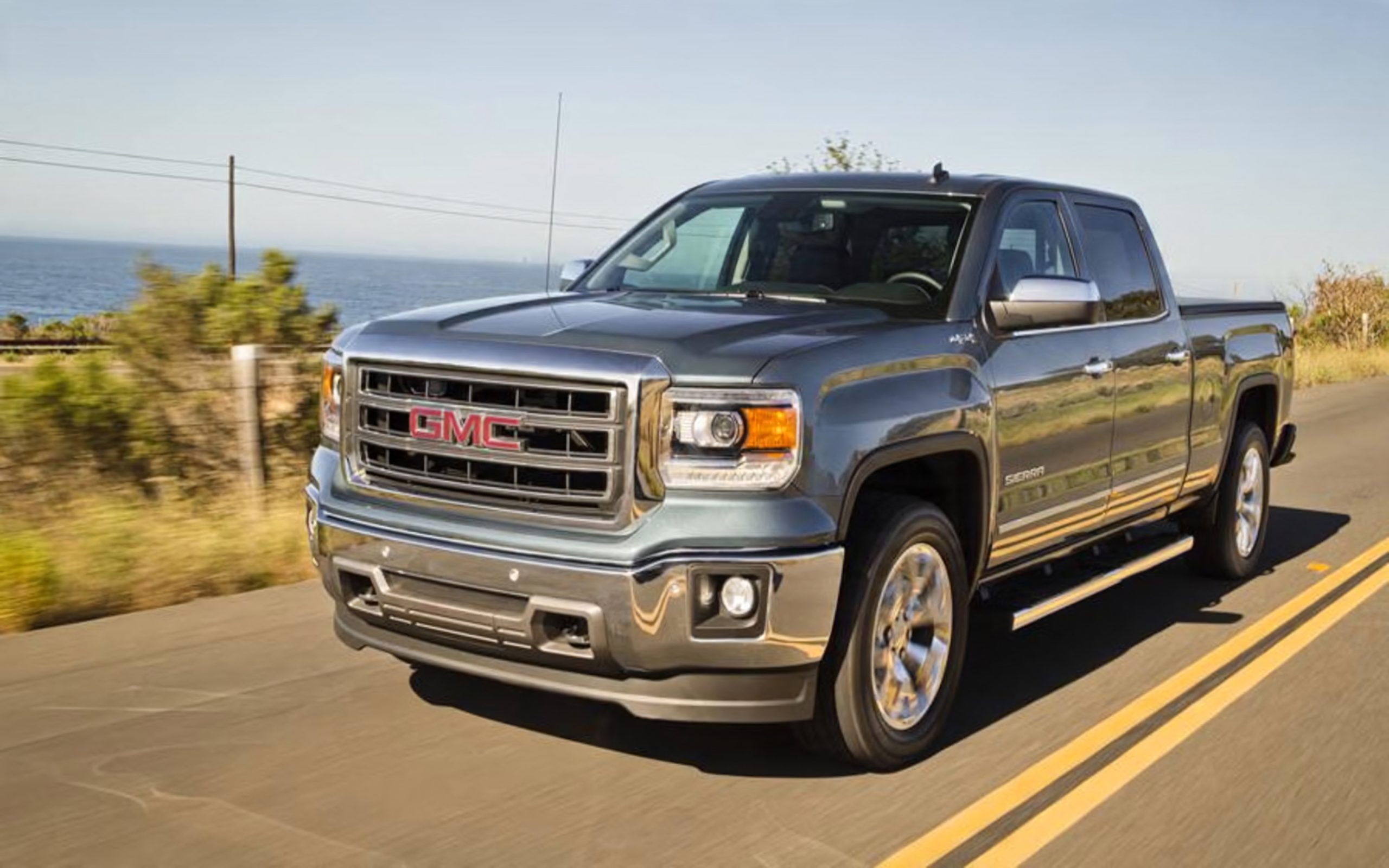
The freeze matters because a cold aluminum block opens piston clearances that a warm engine closes, and cold oil slows delivery to the lifters. A noise that appears only for the first minute is a different matter from one that lingers or arrives with a misfire.
Owners should note how long the noise lasts, check the oil level at each fill-up, and scan for misfire codes, which point toward a collapsed lifter rather than simple piston slap. A persistent tick that does not fade with heat deserves a mechanic’s attention, since a failed lifter can damage the camshaft.
6. Ram 1500 with the 5.7-liter Hemi V8 (2009 to 2020)
The 5.7-liter Hemi is known for a ticking noise at cold start that often has an ordinary cause. Exhaust manifold bolts on this engine are prone to breaking, and the manifold then leaks exhaust at the cylinder head.
The leak is loudest when the metal is cold and the gap is widest, and it tends to quiet as the parts expand with heat. A second and more serious cause involves the multi-displacement system, which deactivates cylinders to save fuel. Lifters on this engine can fail and damage the camshaft.
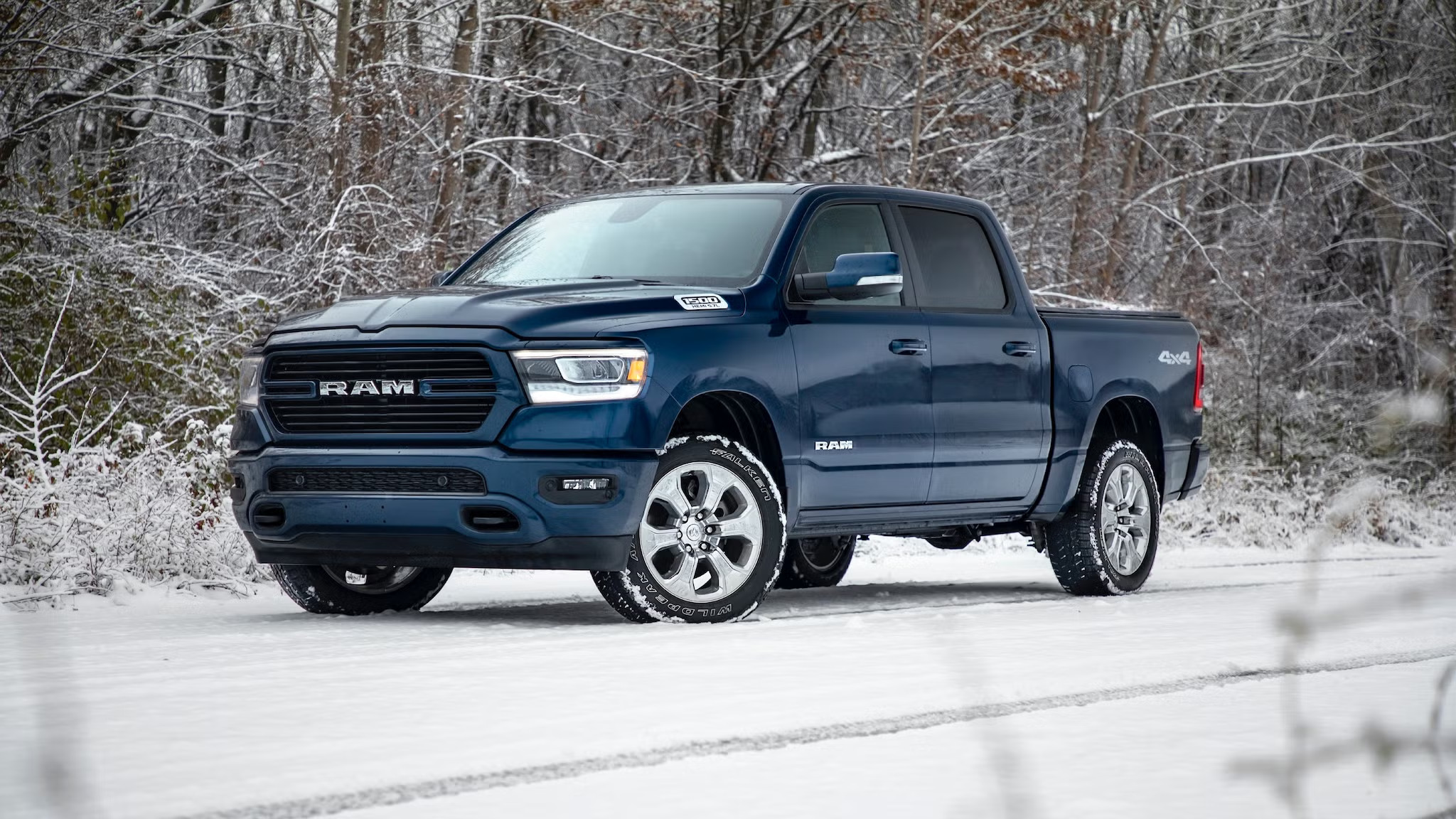
The freeze matters because thermal contraction widens manifold gaps and cold oil slows lubrication to the lifters. The two problems can sound alike on a cold morning, which is why owners sometimes mistake a failing valvetrain for a harmless manifold tick, or the reverse.
Owners should pay attention to how long the tick lasts. A noise that disappears within a few minutes points more toward the manifold, while one that persists points more toward the valvetrain. Misfire codes, a rough idle and a clear record of oil changes all help a mechanic decide. A broken manifold stud can usually be confirmed by direct inspection, and replacing it is a far smaller job than a camshaft repair.
7. Chrysler, Dodge and Jeep with the 3.6-liter Pentastar V6 (especially 2011 to 2013)
The Pentastar V6 appeared in the Jeep Wrangler and Grand Cherokee, the Dodge Charger, Challenger and Durango, the Chrysler 300 and the company’s minivans. Early production drew complaints about a ticking noise and about cylinder head failures that were traced to rocker arm and lifter problems.
Chrysler responded with technical guidance, extended warranty coverage on some vehicles and revised parts on later builds. Engines built after those changes have a considerably better record.
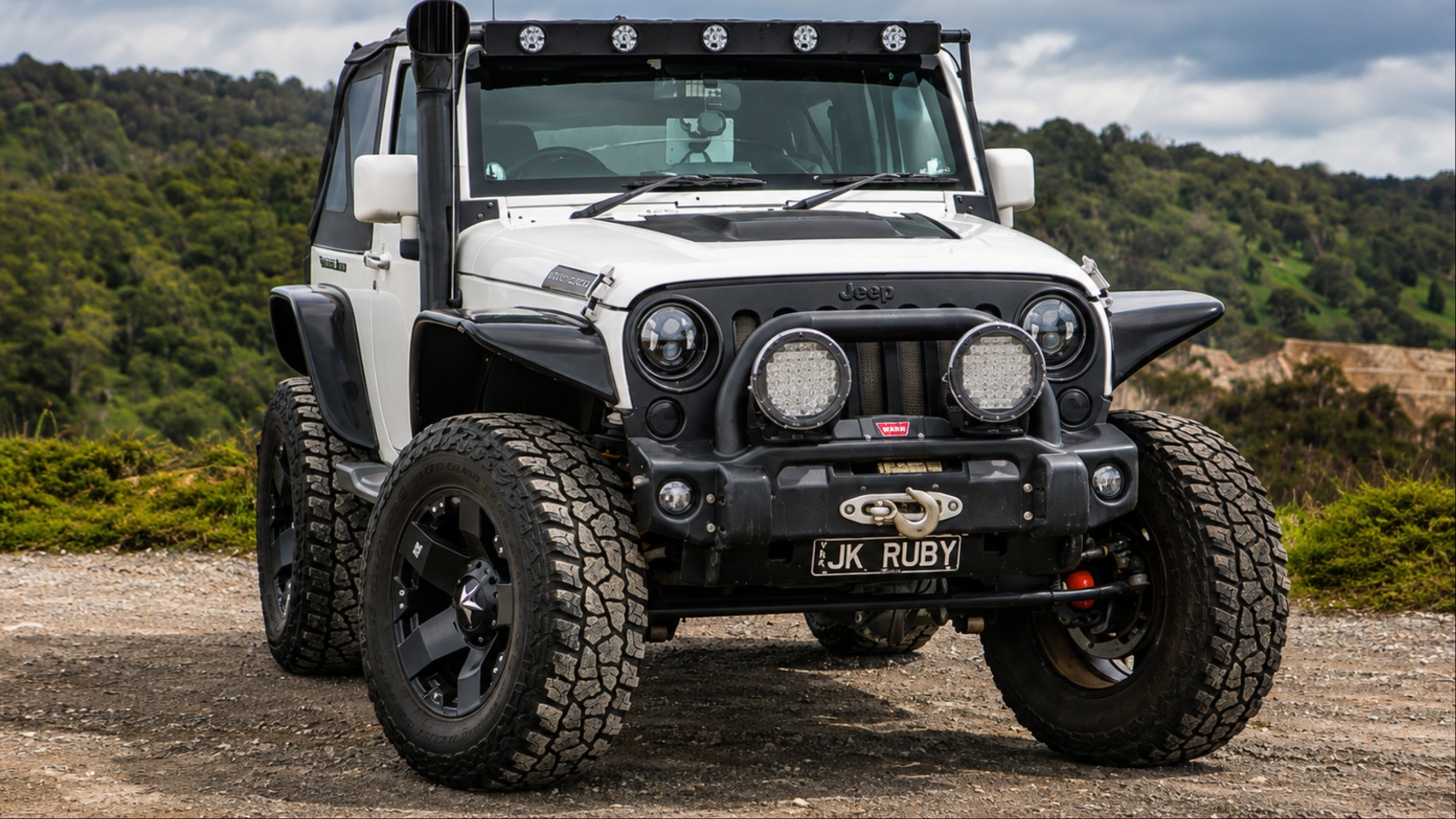
The freeze matters because the valvetrain relies on oil reaching the lifters and rocker arms quickly, and thick cold oil delays that. A tick that fades within seconds is a different situation from one that stays after the engine warms. Persistent ticking can signal a worn rocker or lifter that damages the head over time.
Owners should find the engine’s production date, notice whether a persistent tick comes with a rough idle or a check engine light, and use the oil grade Chrysler specifies, since viscosity matters more than usual in winter. Technicians recommend regular oil changes with the correct filter, and a dealer can say whether any warranty extension applies to a given vehicle.
8. Ford F-150 with the 3.5-liter EcoBoost V6 (2011 to 2017)
The twin-turbocharged 3.5-liter EcoBoost uses variable cam timing, and the phasers that adjust it rely on oil pressure. Owners have long reported a rattle at the front of the engine after a cold start, and Ford has issued service guidance for related timing components on some model years.
A separate pattern involves condensation. In cold and humid conditions, water can collect in the charge-air cooler and then get drawn into the cylinders when the truck accelerates, producing a brief misfire. Ford described this behavior in a technical service bulletin and updated some parts and software.
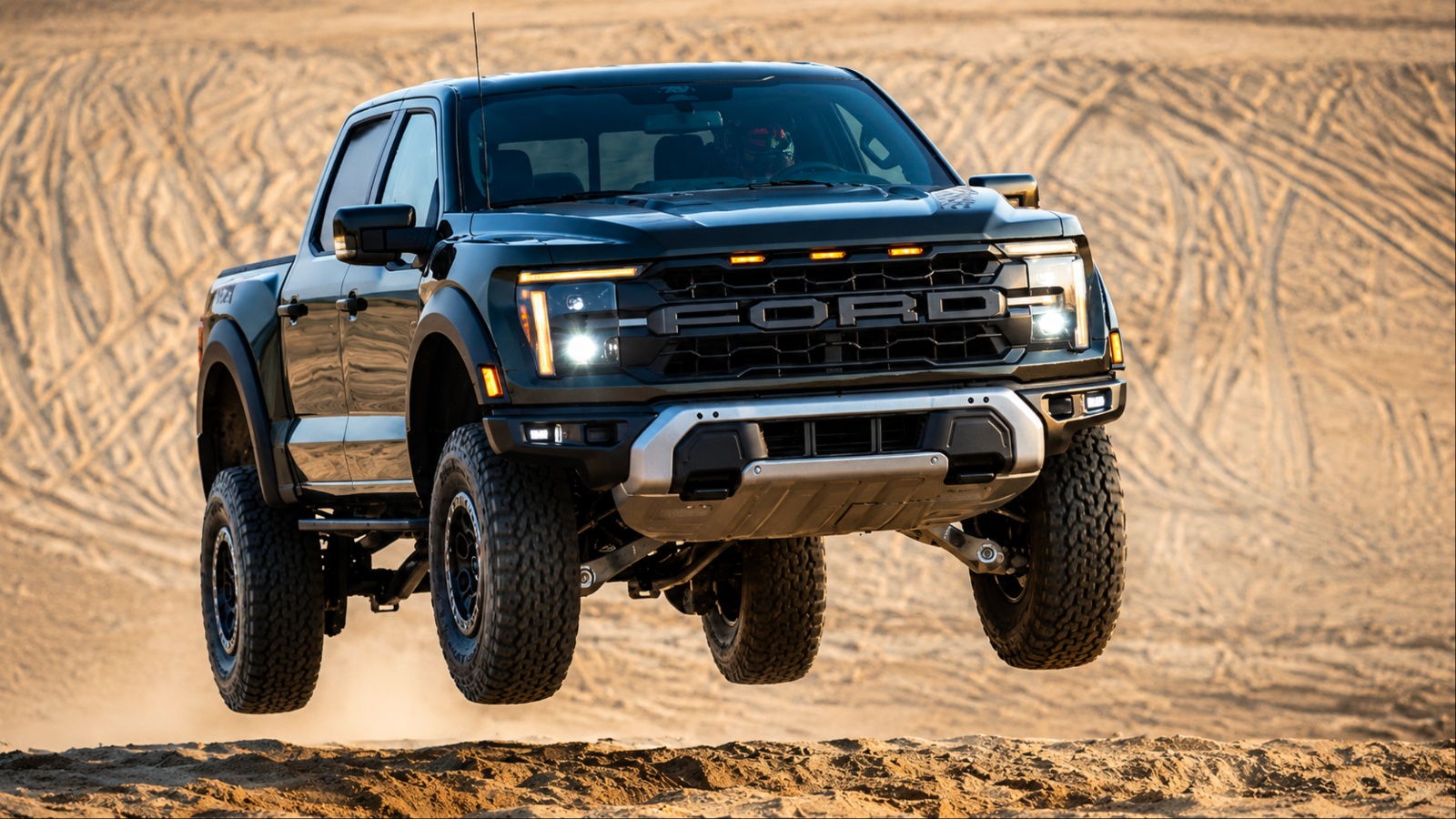
The freeze matters because thick oil, moist air and cold charge-air components create the conditions for both complaints. The rattle usually shows up in the first seconds, while the misfire tends to appear on the first hard acceleration after a cold soak.
Owners should note whether a rattle lasts beyond the first few seconds, watch for misfire codes during acceleration after the truck has sat in the cold, and ask a dealer whether available service updates have been applied. Regular oil changes with the specified grade keep the phasers working as designed.
9. Ram 2500 and 3500 with the 6.7-liter Cummins turbo diesel (2007.5 and later)
Diesel engines ignite fuel through compression, and cold air and a cold block make that harder. The 6.7-liter Cummins uses an intake air heater to warm incoming air at start-up, and it works together with the glow plugs. When the heater or plugs weaken, starting in freezing weather turns into a struggle, with extended cranking and white smoke from unburned fuel. A weak battery makes it worse, since the starter draws heavily.
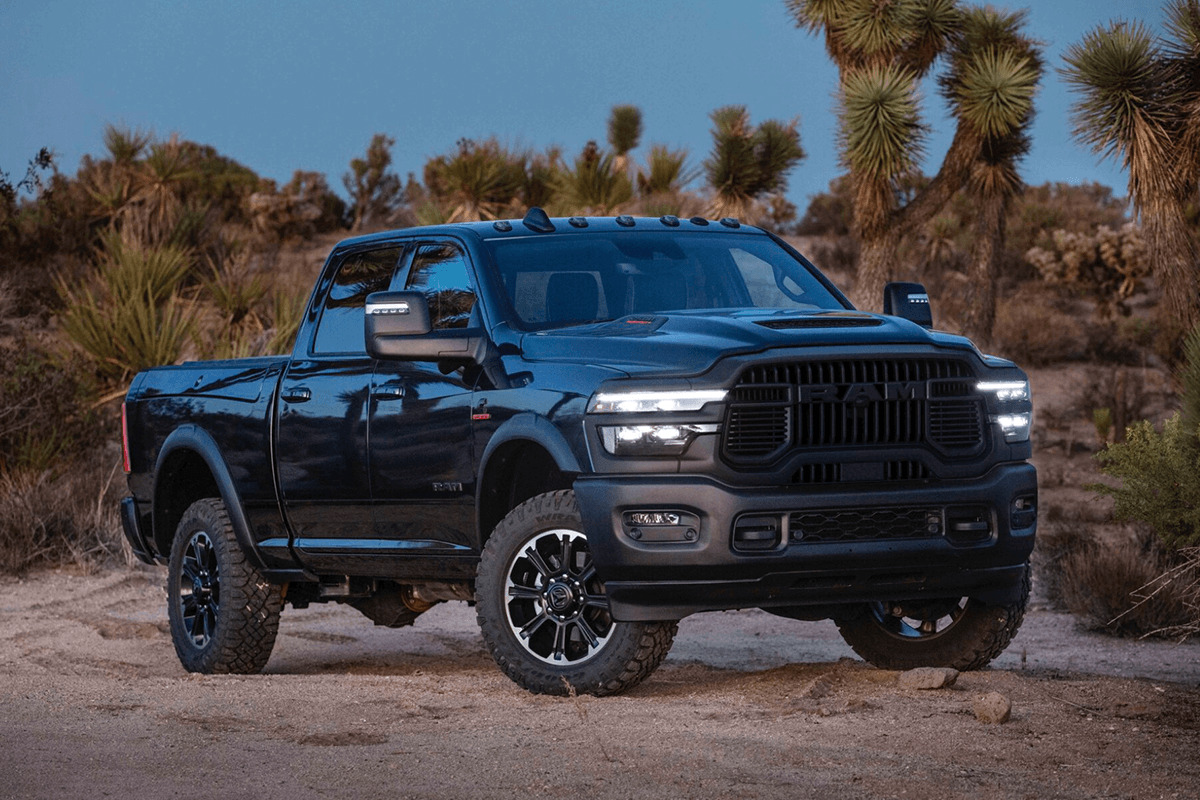
Diesel fuel is the second concern. Standard No. 2 diesel can form wax crystals in the cold, and those crystals can clog the fuel filter. Fuel suppliers in northern regions blend winter fuel to resist this, and the temperature at which waxing begins depends on the blend. A truck filled in a warm region and driven north can carry summer-grade fuel into a freeze. Anti-gel additives are widely sold to lower the gel point.
Owners should test the batteries, replace the fuel filter on schedule, drain the water separator, and make sure the wait-to-start light cycles normally before cranking. A block heater, plugged in overnight, is the most common and effective aid for hard-starting diesels in deep cold.
10. Toyota Prius (third and fourth generation)
A hybrid does not hate the cold the way a rattling timing chain does, but it loses ground in a freeze. The Prius gasoline engine runs more often in cold weather because it must warm the catalytic converter and supply cabin heat that the electric motor cannot make.
Fuel economy drops as a result, and the loss is larger on short trips. Cold also limits the traction battery’s output and charge acceptance until it warms, which reduces regenerative braking and electric-only driving.
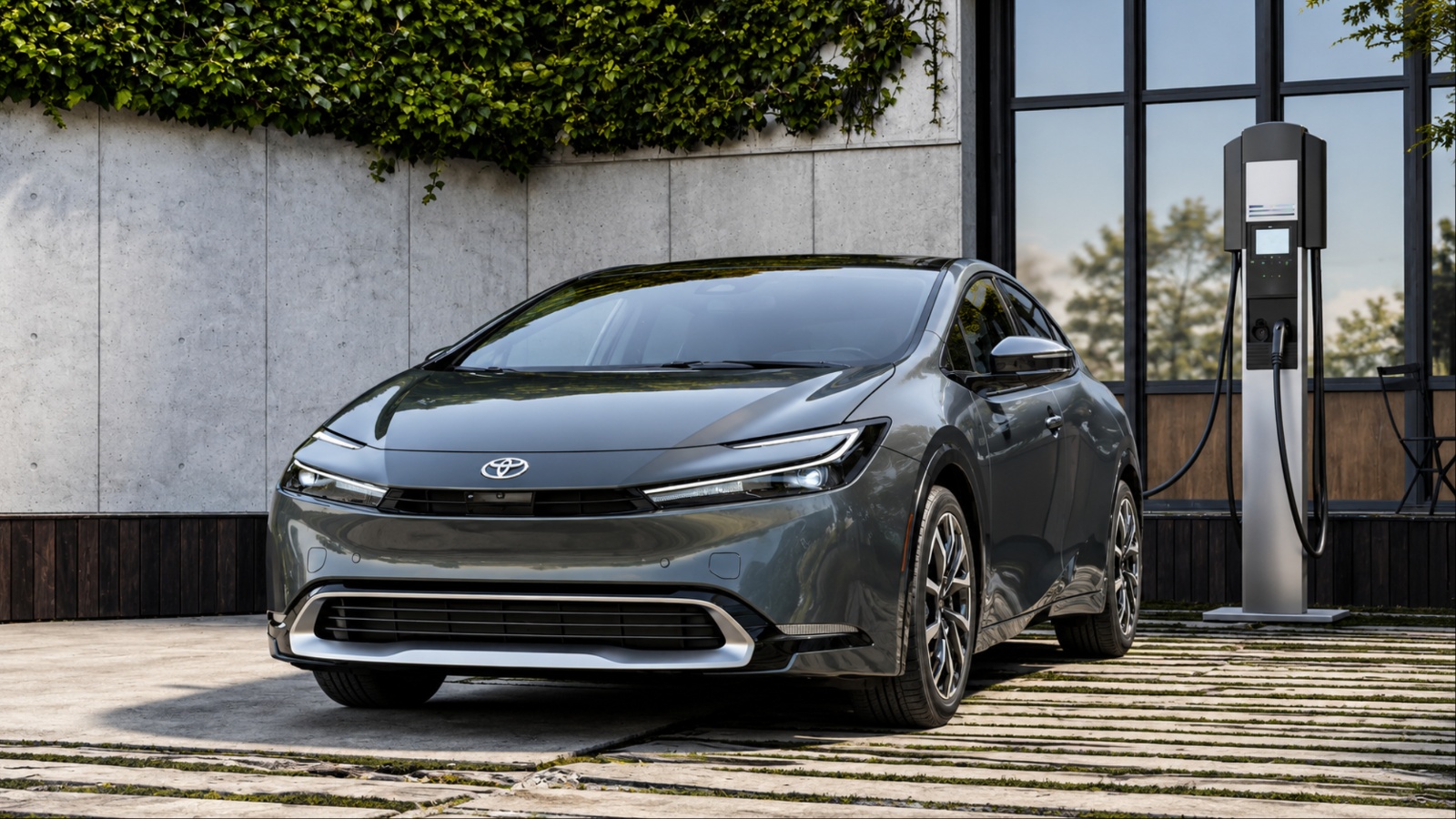
The 12-volt auxiliary battery is the other weak point. It powers the computers that start the hybrid system, so a weak one can leave the car unresponsive even when the large traction battery is charged. Cold temperatures cut the capacity of any lead-acid battery, and age makes the loss worse.
Owners should check the age and condition of the 12-volt battery, which typically lasts a few years, and heed any reduced-power messages on the dashboard. Parking in a garage when possible helps both the engine and the batteries. A sturdy battery test before the first deep freeze costs little and avoids a dead car on a cold morning.
11. Nissan Leaf (first generation, 2011 to 2017)
Electric vehicles lose range in cold weather. A 2019 AAA study found that at about 20 degrees Fahrenheit, with the cabin heater running, the average driving range of the tested vehicles fell by roughly 41 percent. Heating the cabin draws directly on the battery, and lithium-ion cells deliver less power when cold. Charging also slows until the pack warms.
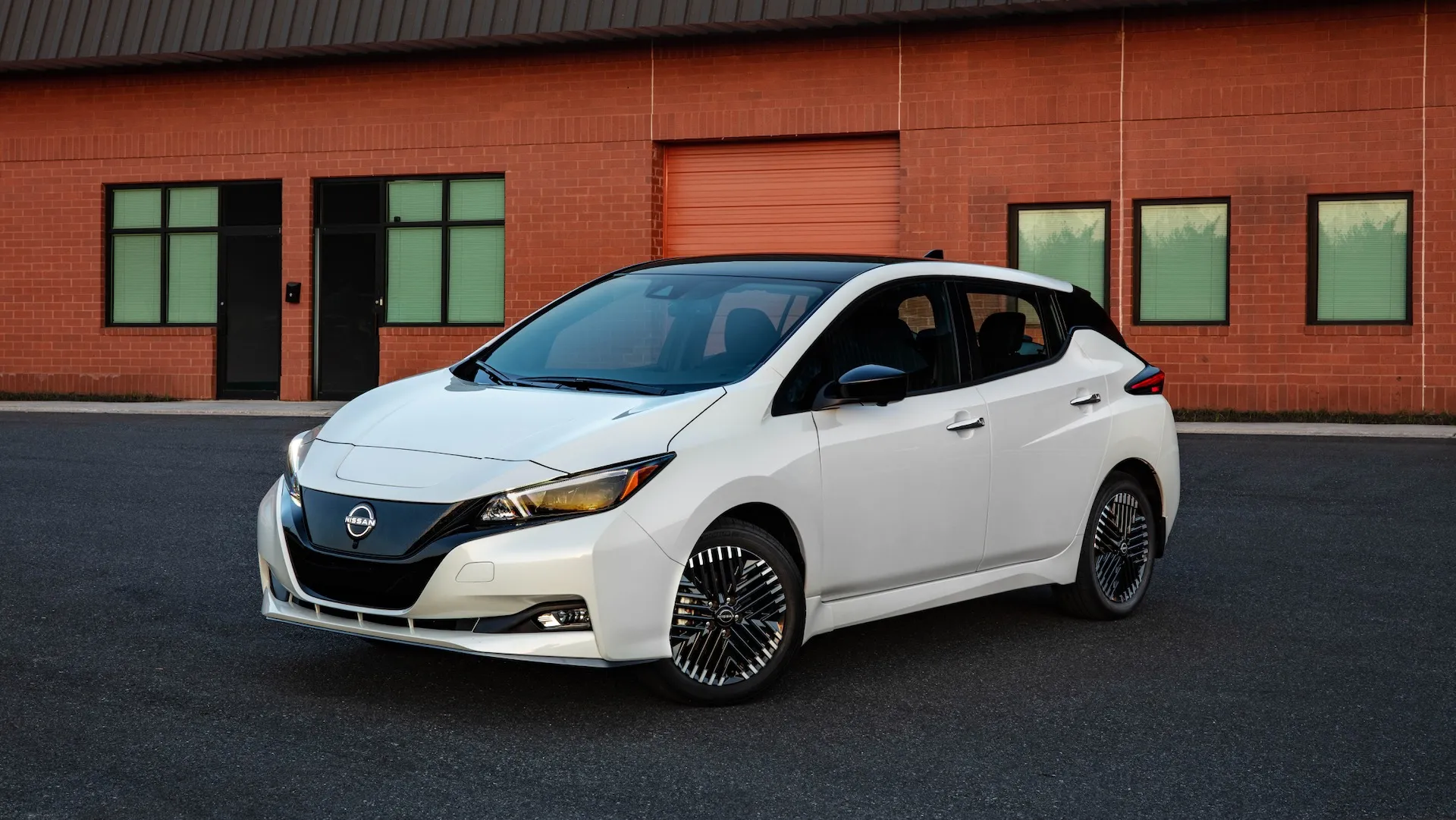
The first-generation Leaf deserves particular mention because its battery relied on passive air cooling rather than a liquid thermal system. A pack without active thermal management follows the ambient temperature more closely, and early Leaf packs earned a reputation for degrading faster than liquid-cooled designs, especially in hot climates. Many base trims also lacked a heat pump, which makes cabin heating more expensive in energy terms.
Owners should check the battery health display, plan trips with a generous margin, and use scheduled preconditioning while the car is plugged in so the cabin and pack warm from the grid rather than from the battery. Seat and steering-wheel heaters use less energy than cabin heating. Charging stops should allow for slower winter speeds.
12. Hyundai Sonata and Kia Optima with the 2.4-liter Theta II engine (2011 to 2019)
The Theta II engine, used in the Hyundai Sonata and Santa Fe Sport and in the Kia Optima, Sorento and Sportage, became the subject of large recalls and investigations. Debris left from manufacturing could restrict oil flow to the connecting rod bearings, and the bearings could then wear and fail.
In 2015, Hyundai recalled about 470,000 Sonatas from the 2011 and 2012 model years in the United States for this reason, and further actions covered related models. Regulators were concerned about engine failure, including stalling and, in some cases, fires. Hyundai and Kia extended warranty coverage and added software that detects bearing wear through the knock sensor and can limit engine power.
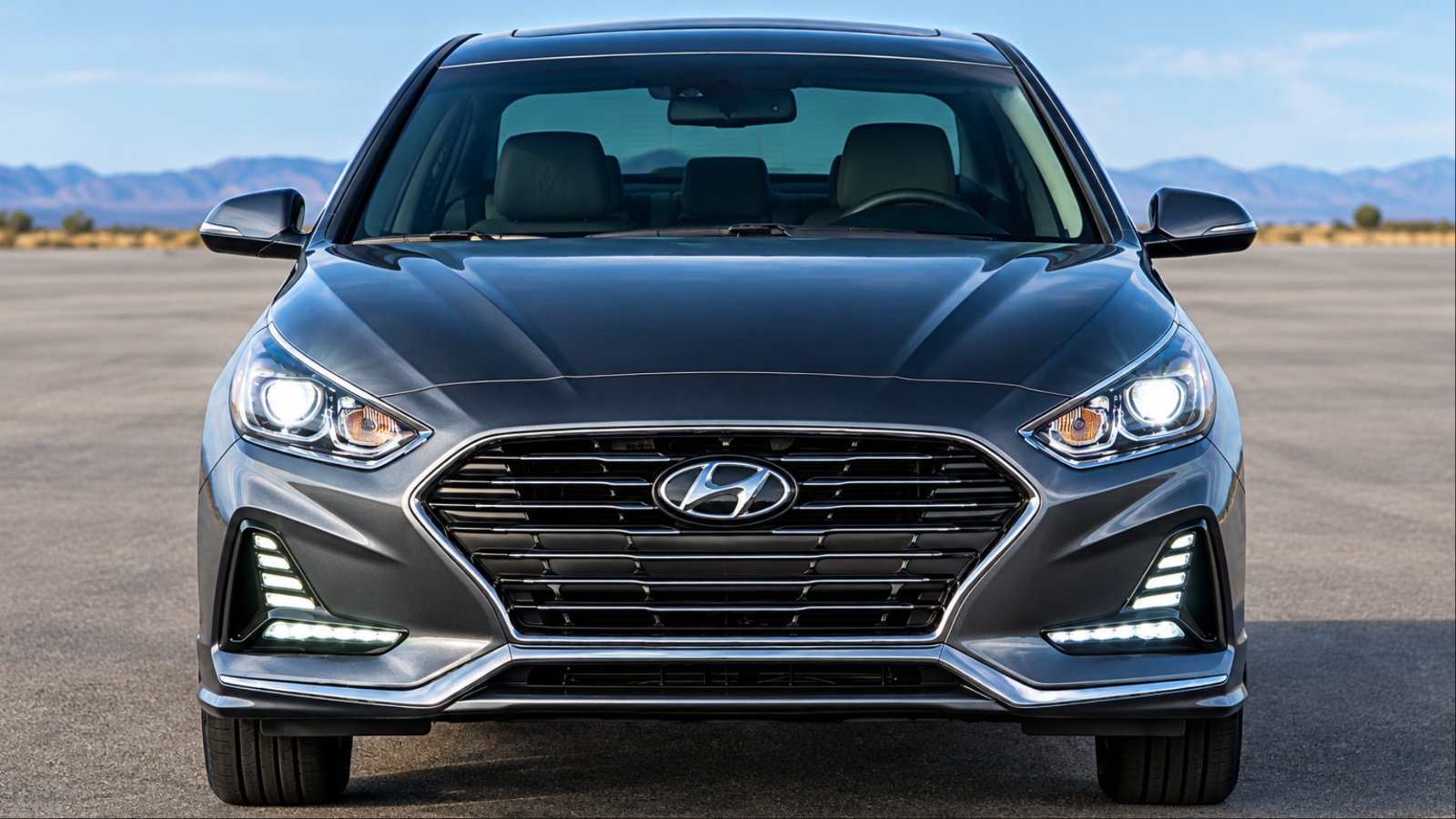
The freeze matters because bearing protection depends on an oil film at the moment of start-up. An engine that already has wear gets the least protection when oil is thick and slow to arrive, so a worn engine is most vulnerable on a cold morning.
Owners should look up open recalls with the free NHTSA lookup, confirm the knock-sensor software update was installed, and keep a clean record of oil changes. A new knocking sound at start-up is a reason to stop and have the engine inspected rather than wait.