
Extended car warranty calls have become a familiar nuisance for American drivers, often arriving months or years after they purchase a vehicle. The caller usually claims that factory coverage is about to expire and offers a chance to prevent expensive repair bills. Some calls use recorded messages, while others connect drivers to sales representatives who already appear to know their vehicle’s make, model, or year.
Although legitimate vehicle service contracts exist, many of these unsolicited calls rely on misleading claims, pressure tactics, and requests for payment. The Federal Trade Commission has repeatedly warned consumers about deceptive telemarketing operations selling these products.
The biggest problem is that many callers are not affiliated with the vehicle manufacturer or dealership they claim to represent. Instead, they use official-sounding department names and urgent warnings to sell independent service contracts. Some have even misrepresented coverage and refund policies. These six types of extended warranty calls contain warning signs that drivers should recognize before sharing personal information or paying anything.
1. The Caller Pretending to Be Your Car Manufacturer or Dealership
One of the most common extended warranty scams begins with a caller pretending to represent the company that manufactured the vehicle or the dealership where it was purchased.
The representative might introduce themselves as someone from a manufacturer’s warranty department, dealer services, or an authorized vehicle protection center. They may mention the vehicle’s make and model to make the conversation sound legitimate.
The problem is that knowing what vehicle someone drives does not establish an official business relationship. Telemarketing companies can obtain vehicle information through marketing databases, previously collected consumer information, and other commercial sources.
The Federal Trade Commission has documented cases in which sellers used the names of manufacturers and dealerships to make consumers believe they were receiving an official warranty offer.

In one enforcement case involving American Vehicle Protection, the FTC alleged that telemarketers falsely represented themselves as affiliated with consumers’ vehicle manufacturers or dealers. Representatives reportedly used names associated with the customer’s actual vehicle brand during their sales pitches.
The operation sold service contracts while creating the impression that consumers were dealing with an authorized source. The FTC later announced a settlement and consumer refunds exceeding $449,000 in October 2024.
A clear red flag arises when an unexpected caller claims to be affiliated with a manufacturer or dealership but cannot provide credible evidence of that connection. In some cases, callers deliberately withhold the name of the company offering the contract until later in the discussion.
Drivers should independently contact their dealership or manufacturer using a phone number obtained from an official website or existing paperwork. They should not rely on the number supplied by an unsolicited caller. A legitimate service contract may come from an independent company, but the seller must not falsely present itself as the vehicle manufacturer or an authorized dealership.
2. The Recorded Call Claiming Your Factory Warranty Is About to Expire
Another common scam starts with an automated message warning that the manufacturer’s warranty is about to expire. The recording may describe itself as a final notification, a last opportunity to renew coverage, or an urgent notice concerning the vehicle’s protection plan. It typically instructs the recipient to press a number to speak with a representative or supposedly prevent coverage from ending.
These messages are designed to make drivers believe they have an existing warranty that needs immediate attention. Some even suggest that the recipient has already received several previous notices. The caller may say that the vehicle’s file will be closed unless the owner responds before a specified deadline.

The Federal Trade Commission has specifically warned about these vehicle warranty robocalls. In a 2021 consumer alert, the agency described recorded messages claiming to come from a vehicle service department and warning that factory coverage had not been extended beyond its cutoff date.
The messages instructed recipients to press different numbers to purchase coverage or stop receiving calls. The FTC identified this type of unsolicited sales robocall as illegal and likely to be a scam.
The important distinction is that a manufacturer’s original warranty and an independently sold vehicle service contract are not the same product. A factory warranty is provided under the manufacturer’s terms when the vehicle is sold. An independent service contract is a separate agreement that may cover certain repairs after the original warranty expires. It does not automatically renew or extend the manufacturer’s original agreement.
Drivers should check their actual warranty expiration date through their owner’s documentation, manufacturer account, or authorized dealership. They should not assume that a recorded message accurately reflects their vehicle’s coverage status.
An automated call that creates urgency without identifying a verifiable company or explaining the actual contract is a reason to hang up. Pressing a number is not necessary to protect an existing manufacturer’s warranty.
3. The Caller Claiming You Have Only a Few Hours or Days to Buy Coverage
High-pressure deadlines are another common feature of deceptive extended warranty calls. A representative might claim that a special price will disappear within hours, that the vehicle will become ineligible after a certain date, or that the owner must purchase protection before the manufacturer’s warranty expires. The purpose is to discourage drivers from comparing prices and reading the contract.
Some callers use phrases such as “final opportunity,” “last chance,” or “immediate enrollment required.” Others claim that the vehicle has been placed on a list of owners who must respond before additional protection becomes unavailable. These statements can make consumers feel that delaying the purchase will leave them responsible for every future repair.
The North Carolina Department of Justice warns that companies marketing extended warranties often use manipulative urgency tactics. Its consumer guidance describes mailers labeled “Second Attempt” or “Time Sensitive” that are designed to make recipients believe they must respond immediately. Similar pressure can appear in telephone sales conversations.
A legitimate vehicle service contract can have eligibility requirements, mileage limits, waiting periods, and enrollment conditions. However, those conditions should be explained in the actual written agreement. A salesperson’s unsupported deadline is not proof that a vehicle will become ineligible or that its existing warranty will disappear.
Drivers should also understand that an original manufacturer’s warranty does not normally require them to purchase a separate service contract before its expiration. The factory warranty remains governed by its own terms.
A caller who refuses to allow time for research, discourages comparison shopping, or threatens immediate financial consequences is using a significant warning sign of deceptive selling. Consumers should request the company’s legal name, contract administrator, coverage document, and complete pricing before considering any purchase.
4. The Caller Asking for Your VIN, Mileage, and Personal Information Before Explaining the Contract
Some extended warranty calls begin with questions that sound like ordinary vehicle verification. The representative may ask for the vehicle identification number, current mileage, purchase date, registration details, or ownership information. These details can be relevant when determining whether a vehicle qualifies for a legitimate service contract, but their use does not establish that the caller is trustworthy.
The vehicle identification number, or VIN, is a unique identifier assigned to an individual vehicle. It can help a service contract provider identify the exact model, engine, configuration, and vehicle history relevant to its eligibility rules. Mileage is also commonly used to determine whether a vehicle qualifies for particular coverage terms.
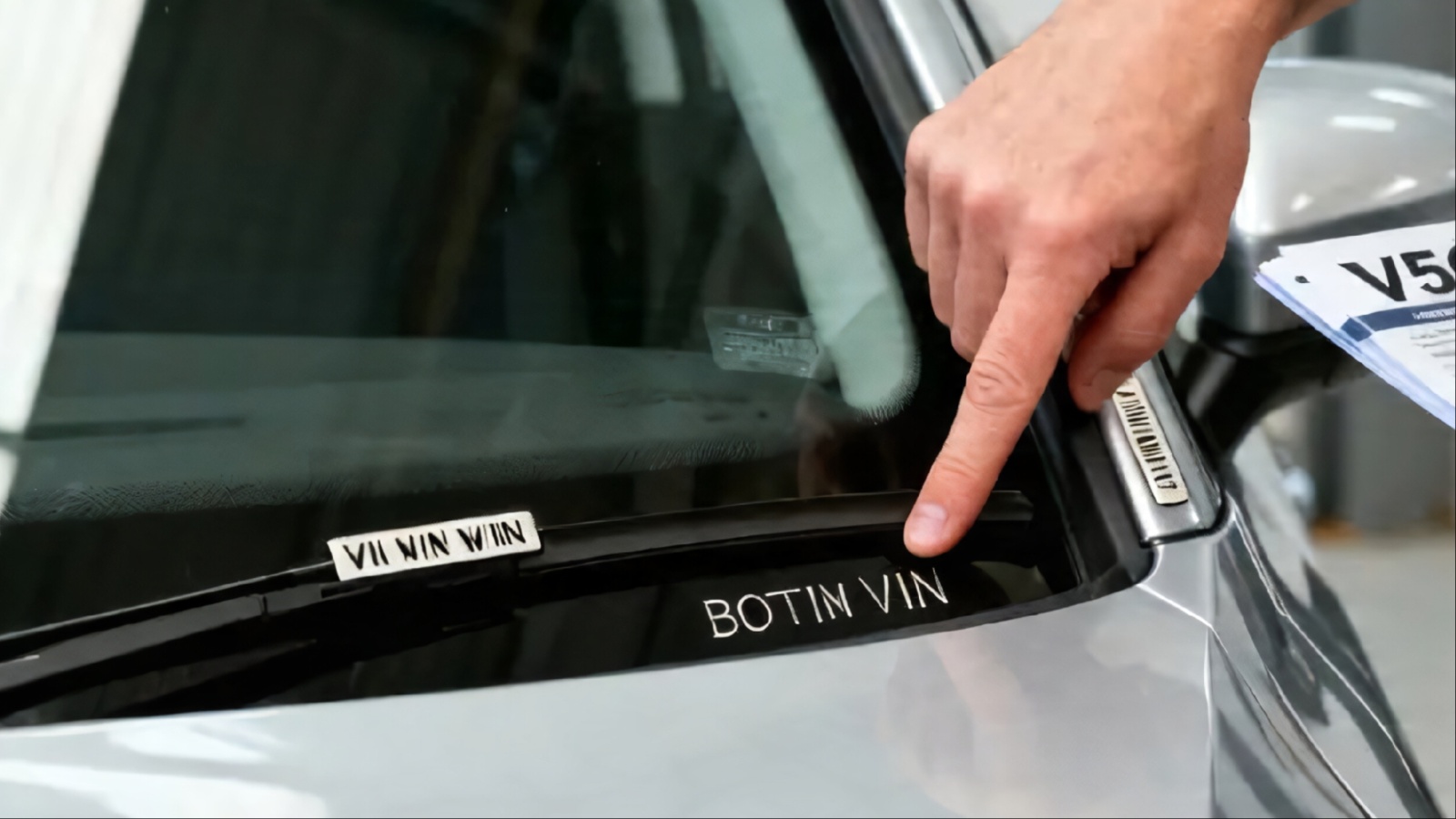
The problem arises when an unsolicited caller collects this information without first identifying the company and explaining why it needs the details. Some callers use basic vehicle information to make their sales pitch appear personalized. The FTC warns that scammers may know what kind of vehicle a consumer drives and when it was purchased, then use those details to make an extended warranty offer seem credible.
The request becomes more concerning when the representative moves from vehicle information to sensitive personal or financial details. A caller might ask for a home address, date of birth, payment card number, bank information, or other information before providing a written contract. There is no good reason to hand over sensitive financial information simply because someone claims to be checking warranty eligibility.
The FTC advises consumers to be cautious when unexpected callers insist on receiving personal information. Caller ID is not reliable proof of identity because scammers can manipulate the number or business name displayed on a phone.
Drivers should independently verify the company before sharing information. They can contact the manufacturer or dealership directly to check their existing warranty and request legitimate service contract options. Vehicle information should only be provided when the recipient’s identity and business purpose have been established.
5. The Caller Demanding an Immediate Down Payment or Credit Card Number
A particularly dangerous extended warranty call is one that moves quickly from a sales pitch to a payment request. The representative may claim that the driver has already qualified for coverage and only needs to provide a credit card number or make an initial payment to activate the agreement. Some callers request a deposit before allowing the customer to review the complete service contract.
This approach creates a financial risk because consumers may not know which company is actually receiving their money, what coverage they are purchasing, or whether the agreement contains significant exclusions. Once payment information has been provided, disputing an unauthorized or misleading transaction can become difficult.

The FTC has documented this exact type of deceptive selling. In its case against American Vehicle Protection, the agency alleged that consumers were pressured into paying hundreds or thousands of dollars for purported extended warranties.
The company allegedly withheld the written contract until after consumers paid a down payment. The FTC also challenged claims that customers would receive full-vehicle protection and unrestricted refunds within 30 days.
A service contract is a separate commercial agreement, so consumers should receive enough information to understand its price, payment schedule, coverage limits, exclusions, and cancellation conditions before purchasing it. They should also know the identity of the company responsible for paying covered claims.
Be particularly cautious when a caller demands immediate payment through an unusual method or refuses to provide written documentation. An unsolicited representative who asks for bank details, payment app transfers, gift cards, or cryptocurrency is displaying a major fraud warning sign. The FTC identifies unexpected demands for these payment methods as common indicators of scams.
Before making a payment, verify the business independently and review the actual agreement. A legitimate service contract does not become more valuable simply because a salesperson claims that enrollment must happen immediately.
6. The Caller Promising Complete Bumper-to-Bumper Coverage and Guaranteed Refunds
The final type of extended warranty scam involves promises that sound almost too good to be true. A representative may claim that the contract covers every mechanical and electrical problem, includes all replacement parts, requires no significant out-of-pocket expenses, and guarantees a full refund if the customer changes their mind.
These claims can make an expensive service contract sound like comprehensive protection against almost any vehicle repair. However, independently sold vehicle service contracts have specific terms, exclusions, coverage limits, and claim procedures. They do not automatically cover every component or every type of damage.
The FTC has taken action against companies that allegedly misrepresented these benefits. In the American Vehicle Protection case, the agency challenged claims that the contracts provided “bumper-to-bumper” or “full vehicle” protection. The written agreements contained numerous exceptions that limited what consumers could actually claim. The agency also challenged representations that customers could receive refunds within 30 days without meaningful restrictions.
This matters because the phrase “bumper-to-bumper” can create an unrealistic impression of what a service contract covers. Even comprehensive manufacturer warranties have exclusions. Independently sold contracts may exclude pre-existing conditions, certain electronic components, wear-and-tear items, maintenance expenses, or damage caused by improper maintenance. Some also require repairs to be performed at approved facilities or require authorization before work begins.
The Federal Trade Commission advises consumers to obtain the complete agreement before paying and compare the salesperson’s promises with the actual written terms. It also warns that some contracts may contain so many restrictions on covered repairs and repair locations that their practical value is limited.
Refund promises deserve the same scrutiny. Consumers should identify the cancellation period, applicable fees, refund calculation, and procedures for requesting cancellation. A verbal promise from a salesperson is not a substitute for written contractual terms.
Drivers should also investigate the company responsible for administering the agreement and paying covered claims. An inexpensive contract with extensive exclusions or an unreliable administrator may provide little protection when an expensive repair is needed.
The key warning sign is a caller who guarantees virtually unlimited protection but refuses to provide the complete written contract before collecting payment. A genuine service agreement should clearly explain what it covers, what it excludes, and what the customer must do to receive benefits.