A vehicle recall is not something drivers should casually ignore, especially when it involves a serious safety defect. While some recalls address minor issues that can be fixed during a routine dealership visit, others carry warnings that require owners to stop driving immediately. Problems involving airbags, brakes, steering systems, batteries, and engine components can put drivers, passengers, and other road users at risk.
In certain cases, continuing to operate an affected vehicle could lead to a crash, sudden fire, or life-threatening injury. The National Highway Traffic Safety Administration (NHTSA) and vehicle manufacturers issue urgent warnings when a defect creates an unacceptable safety risk. Here are seven major recalls and safety issues that deserve your immediate attention if your vehicle is affected.
1. Takata Airbag Inflator Recalls
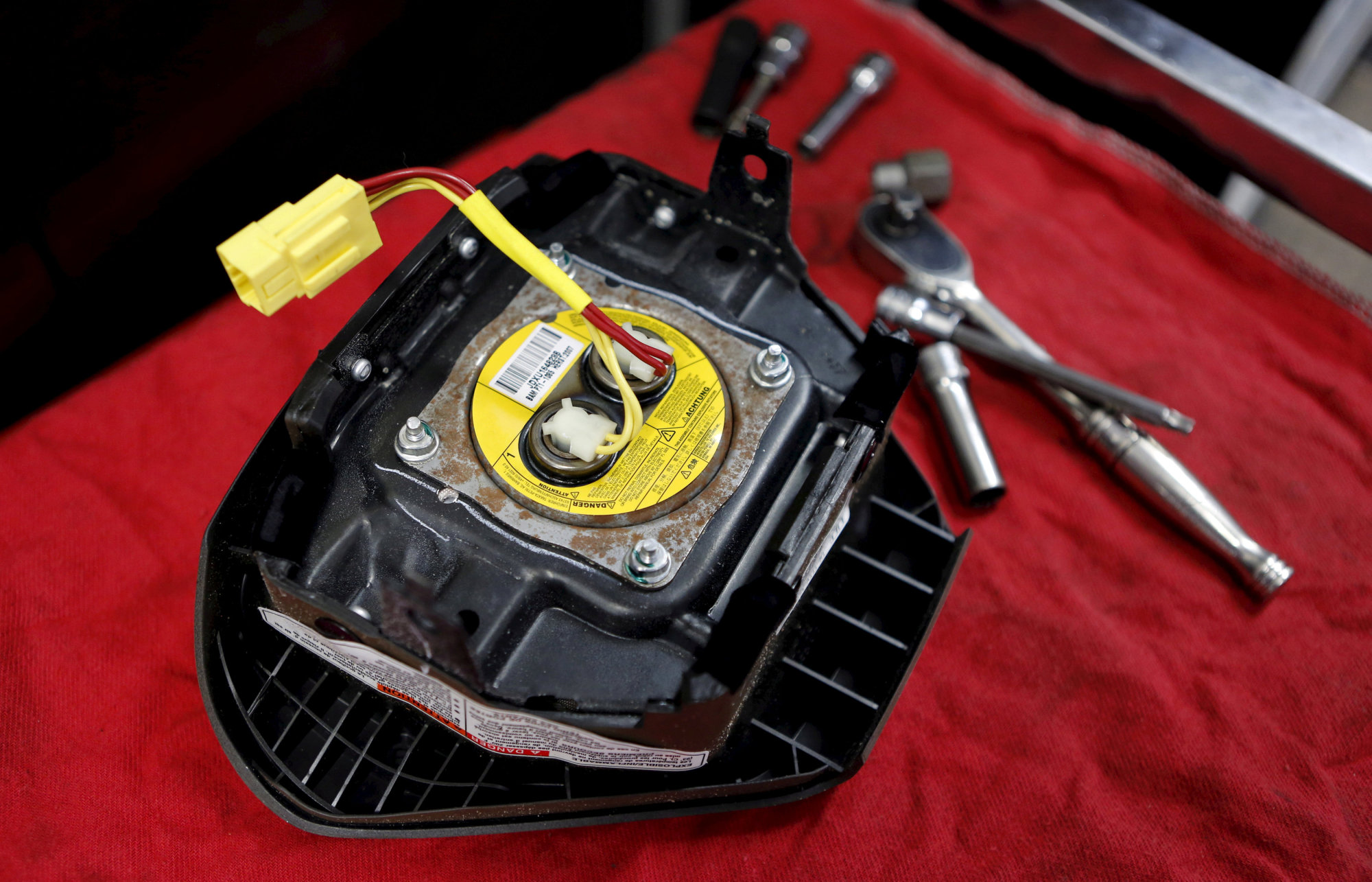
The Takata airbag recall remains one of the largest and most serious automotive safety recalls ever recorded. It affects millions of vehicles from manufacturers such as Honda, Toyota, Ford, BMW, and Chrysler.
The problem involves defective airbag inflators that can rupture when the airbags deploy, sending sharp metal fragments into the passenger compartment.
The danger comes from the chemical propellant used inside certain Takata inflators. Exposure to heat and moisture can cause the propellant to deteriorate, increasing the pressure generated during deployment.
If the inflator housing ruptures, metal pieces can strike the driver or passengers, causing severe injuries or death. This is not a problem that can be identified simply by looking at the airbag cover.
An affected vehicle may appear perfectly normal and still contain a dangerous inflator. Several manufacturers have issued urgent warnings, including strict instructions not to drive certain vehicles until the defective components are replaced.
If you own an older vehicle, do not assume it is exempt because it has never experienced an accident or airbag deployment. Check its VIN through the official NHTSA Recall Lookup Tool at https://www.nhtsa.gov/recalls.
If your vehicle has an active Do Not Drive warning, stop using it and contact the manufacturer or an authorized dealership for instructions.
Arrange appropriate towing rather than driving it to the repair facility. Airbag recalls are free to repair, so there is no reason to take unnecessary risks.
2. Mercedes-Benz Brake Booster Corrosion Recall
A vehicle’s braking system must work reliably whenever you press the brake pedal. That is why the Mercedes-Benz brake booster corrosion recall deserves immediate attention.
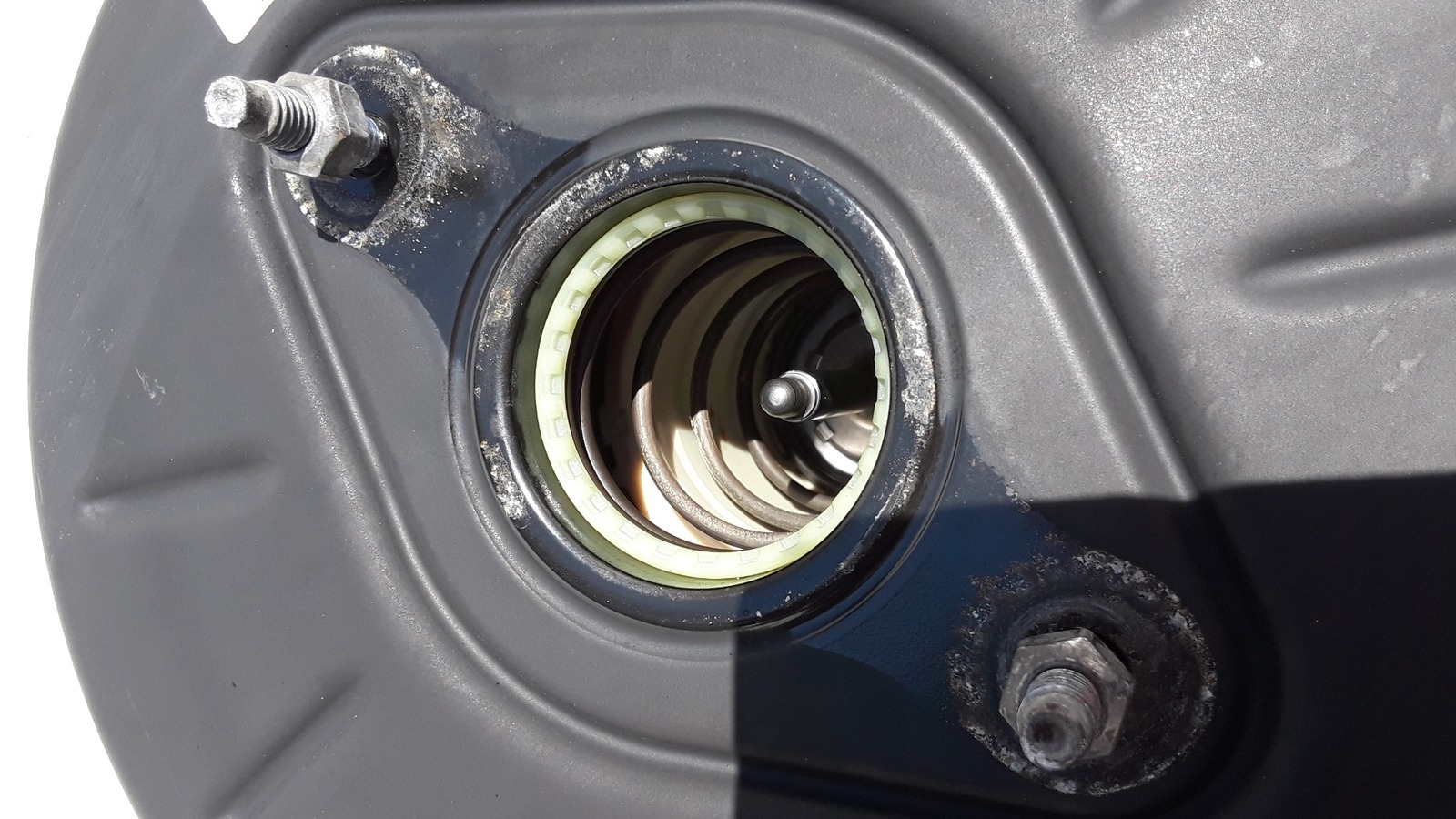
The problem affects certain older Mercedes-Benz models whose brake booster housings can deteriorate after prolonged exposure to moisture and corrosion.
The brake booster helps reduce the physical effort required to apply the brakes. It uses assistance to make stopping the vehicle easier and more controlled.
When corrosion damages its housing, the component may develop structural weaknesses that interfere with its ability to provide proper braking assistance.
In severe cases, pressing the brake pedal can cause the corroded housing to fail. This may result in a sudden loss of mechanical braking assistance, making it much harder to slow down or stop the vehicle.
Drivers could experience a hard brake pedal and reduced braking performance when they need it most. Mercedes-Benz issued an urgent recall affecting hundreds of thousands of older vehicles globally, with specific instructions for affected owners to stop driving until the necessary repairs are completed.
Do not assume that the brakes are safe simply because they still feel normal during short trips. Corrosion may already be present without obvious symptoms.
Check your VIN through the manufacturer’s recall system or the relevant national vehicle safety database. If your vehicle is covered by an active Do Not Drive instruction, arrange for it to be transported to an authorized dealership.
Never attempt to test whether the brakes are still functioning properly by taking the vehicle onto public roads.
3. Ford Fusion & Lincoln MKZ Detaching Steering Wheel
Imagine turning your steering wheel during a highway journey and suddenly realizing that it is no longer properly connected to the steering column.
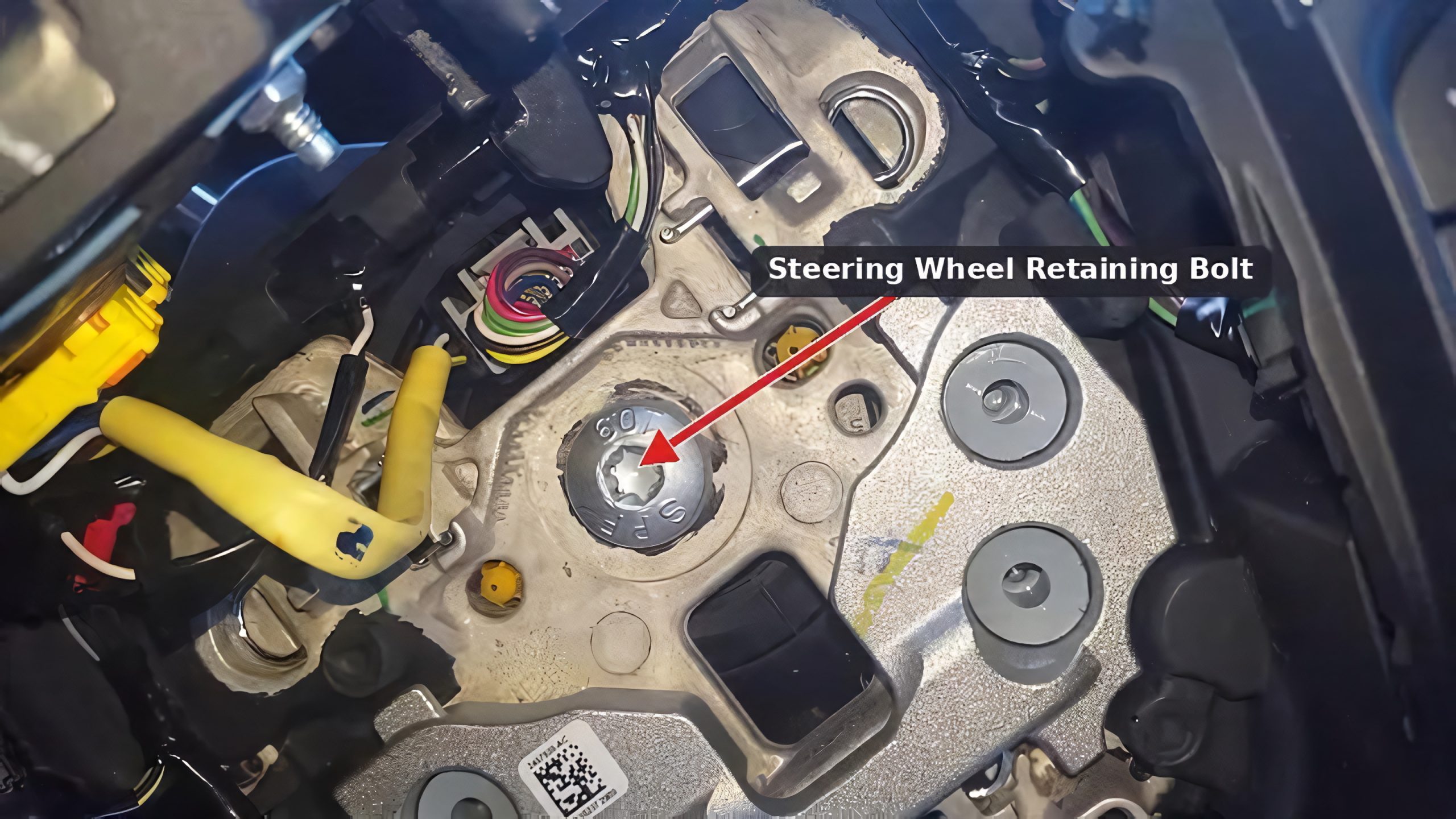
This frightening possibility is at the center of a major recall involving certain Ford Fusion and Lincoln MKZ vehicles. The problem involves a defective steering wheel attachment bolt that can loosen over time.
If the bolt fails to maintain the required connection, the steering wheel may become detached from the steering column while the vehicle is moving. This can leave the driver unable to control the vehicle properly.
Ford recalled more than 1.3 million vehicles to address the issue. The affected vehicles included certain Ford Fusion and Lincoln MKZ models, although the specific model years and production dates depend on the recall campaign.
A loose steering wheel attachment is particularly dangerous because it can create an immediate loss of steering control. At highway speeds, even a brief inability to steer can result in a serious collision.
Drivers may also notice unusual movement or looseness in the steering wheel before a complete failure occurs, but the absence of these symptoms does not guarantee safety.
If you own one of the affected vehicles, check its VIN using the official Ford or NHTSA recall lookup service. Do not rely on the model name alone because not every vehicle from the same production year is necessarily included.
If an active safety notice instructs you not to drive, follow that instruction and arrange transportation to an authorized dealer. The steering wheel attachment must be inspected and repaired according to the manufacturer’s recall procedure.
4. Volvo EX30 Lithium Battery Defect
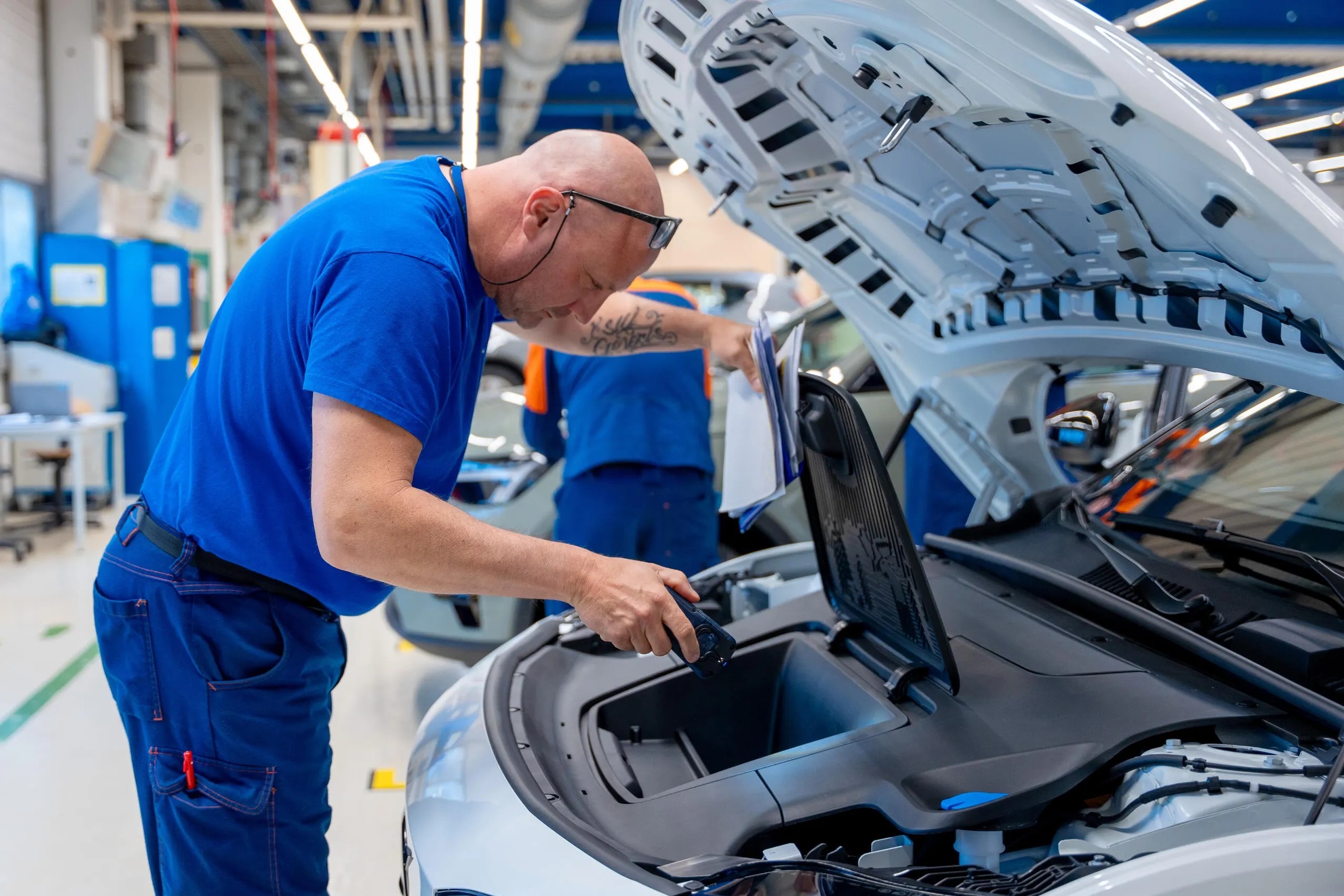
Electric vehicles depend on high-voltage battery packs to deliver the energy needed for driving. Although these systems are designed with several safety protections, a defective battery cell can still create a serious fire hazard.
Certain Volvo EX30 vehicles have faced urgent safety warnings involving potential defects within their lithium-ion battery cells.
The concern involves lithium plating inside affected battery cells. This process can create conditions that lead to internal short circuits. When a short circuit occurs inside a battery cell, temperatures can rise rapidly, potentially triggering thermal runaway.
Thermal runaway is a dangerous reaction in which excessive heat causes a battery cell to release more heat and potentially ignite surrounding materials. Once this process begins, a battery fire can be difficult to control and may spread to other cells within the pack.
Volvo issued safety guidance for affected vehicles, including instructions to limit charging to 70% while awaiting further action. Owners were also advised to park away from buildings where specified by the manufacturer.
It is important to follow the exact instructions associated with your vehicle’s VIN rather than assuming that every EX30 has the same battery issue. Charging restrictions, parking guidance, and driving permissions can vary according to the applicable safety campaign.
Check directly with Volvo or an authorized dealership to confirm whether your vehicle is affected. If the manufacturer issues a Do Not Drive instruction, stop driving and arrange the recommended recovery service.
Never ignore battery warnings, unusual heat, smoke, or burning odors. If you notice signs of a battery fire, move away from the vehicle and contact emergency services.
5. Ford Focus Sudden Engine Stall
An engine that suddenly stops working while a vehicle is moving can create a dangerous situation, particularly on highways or busy roads.
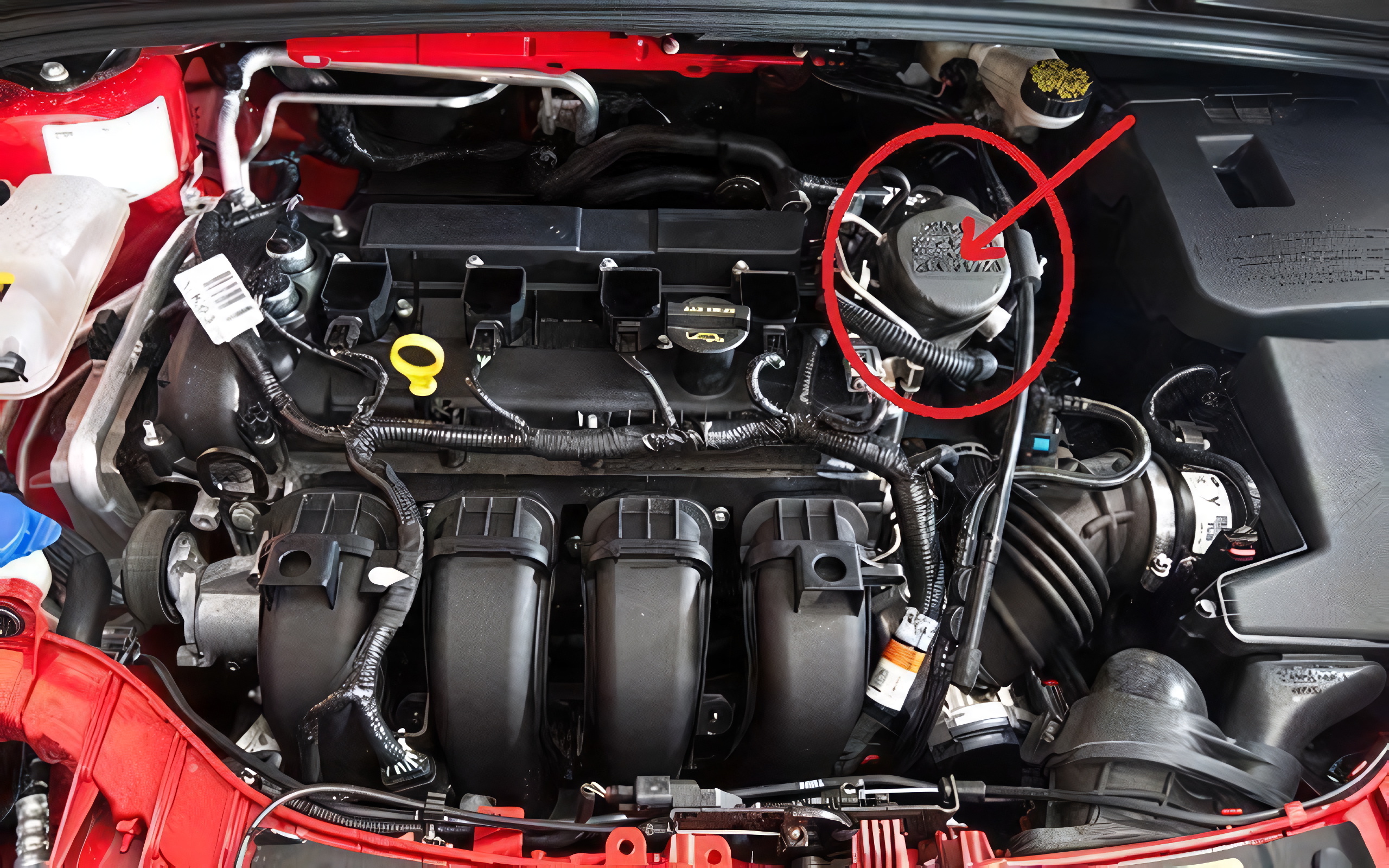
Certain Ford Focus vehicles have been affected by a recall involving a defective canister purge valve that can cause engine performance problems and unexpected stalling.
The canister purge valve is part of the vehicle’s evaporative emissions control system. Its job is to regulate the movement of fuel vapors from the charcoal canister into the engine for combustion.
When the valve malfunctions, it can disrupt the air-fuel balance and create problems with engine operation.
A faulty purge valve may cause rough idling, difficulty starting, reduced engine performance, or unexpected stalling. In some affected vehicles, the problem can also contribute to excessive vacuum conditions that may deform the fuel tank.
An engine stall while driving can be particularly alarming because power steering and power brake assistance may be reduced or lost. Although the steering and braking systems may retain some mechanical function, controlling and stopping the vehicle can become much harder.
The recall affected approximately 1.28 million vehicles, making it an issue that owners should take seriously. However, the exact coverage depends on the vehicle’s model year, production details, and VIN.
If your Ford Focus is covered by an active recall, contact Ford or an authorized dealership for instructions. Do not continue driving if the manufacturer has issued a Do Not Drive warning.
Even if your vehicle appears to run normally, have the recall completed as soon as possible. A free manufacturer repair can help prevent unexpected engine problems and reduce the risk of losing power while driving.
6. BMW & Toyota Supra Engine Starter Relay Fire Risk
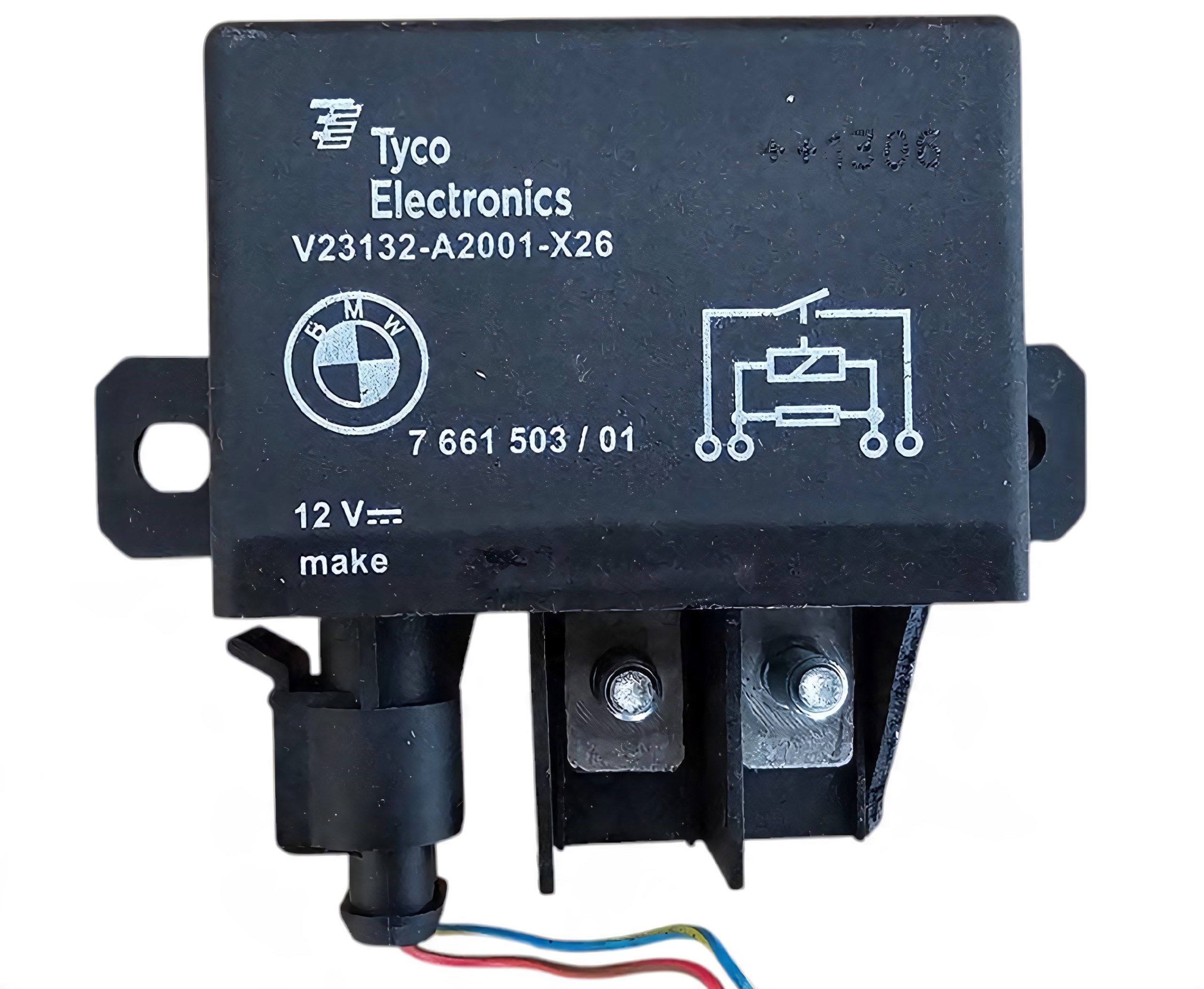
Electrical problems under the hood can become dangerous when a defective component overheats or creates a short circuit. Certain BMW models and Toyota Supra vehicles have been included in starter relay safety campaigns involving the possibility of electrical overheating and fire.
The starter relay helps control the electrical power supplied to the starter motor when you turn the ignition or press the start button.
If the relay develops a fault, its internal electrical contacts may overheat or malfunction. Depending on the defect, this can increase the risk of an electrical short circuit and potentially start a fire in the engine compartment.
The concern is particularly serious because an engine fire can develop quickly. Smoke, burning odors, or unusual electrical behavior may appear before the situation becomes more dangerous.
However, drivers should not wait for these symptoms before checking whether their vehicle is covered by a recall. Certain BMW vehicles and shared-platform Toyota Supra models have been involved in related starter relay recall campaigns.
The affected models, production dates, and required remedies depend on the individual campaign. Owners should check their VIN through BMW, Toyota, or the NHTSA recall database to establish whether their vehicle is included.
If the recall notice instructs you to stop driving, follow the manufacturer’s directions and arrange for appropriate towing. Do not attempt to repair or replace a defective starter relay yourself unless you are qualified to work on the vehicle’s electrical system.
The dealership can inspect the affected component and complete the required recall repair without charging for covered recall work.
7. Chrysler & Jeep Plug-In Hybrid (PHEV) Battery Failures
Plug-in hybrid vehicles combine a conventional engine with a high-voltage battery and electric motor. This arrangement offers flexibility and improved fuel efficiency, but battery defects can create serious safety concerns.
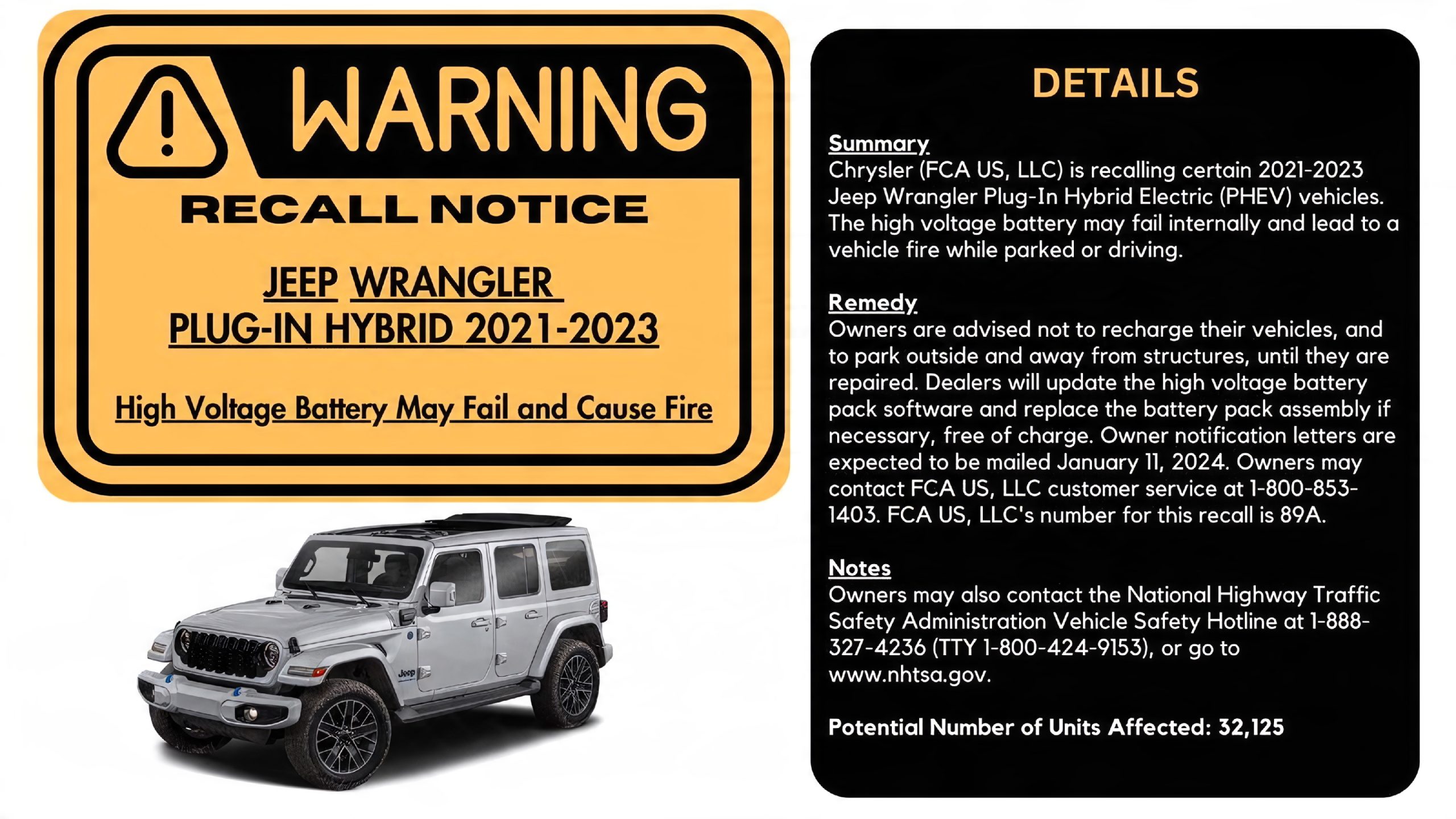
Certain Chrysler and Jeep plug-in hybrid models, including the Jeep Wrangler 4xe and Grand Cherokee 4xe, have faced recalls involving potential high-voltage battery failures.
The problem involves damage to internal separators within certain battery cells. These separators help keep the positive and negative electrodes apart. When they become damaged, an internal short circuit can develop, potentially causing the battery to overheat and catch fire.
Unlike a small electrical fault, a high-voltage battery fire can be difficult to control. Thermal runaway may spread between battery cells, producing intense heat and potentially reigniting even after the initial flames appear to have stopped.
A recall involving more than 320,000 plug-in hybrid vehicles brought attention to this risk. Owners of affected vehicles were given safety instructions, including parking outdoors away from buildings and avoiding battery charging until the manufacturer completed the required inspection or repair.
Do not assume your vehicle is safe simply because it has not displayed a warning message. Battery defects can exist without obvious signs during normal operation.
Check your VIN through the official Jeep, Chrysler, or NHTSA recall system. Follow the exact instructions provided for your vehicle, including any restrictions on charging or parking.
If your vehicle is subject to an active Do Not Drive warning, stop driving it and arrange the recommended towing service. Keep it away from garages, homes, and other structures when instructed by the manufacturer.