Regular vehicle maintenance plays an important role in keeping a car safe, reliable, and efficient. While many drivers focus on tyre pressure, engine oil changes, and fuel levels, checking essential car fluids is equally important.
These fluids help different vehicle systems operate correctly, prevent excessive wear, and reduce the risk of expensive repairs. A monthly inspection can help identify leaks, low fluid levels, and early signs of mechanical problems.
Knowing which fluids to check and how to inspect them gives car owners better control over vehicle maintenance. Here are nine important car fluids worth checking every month.
1. Engine Oil
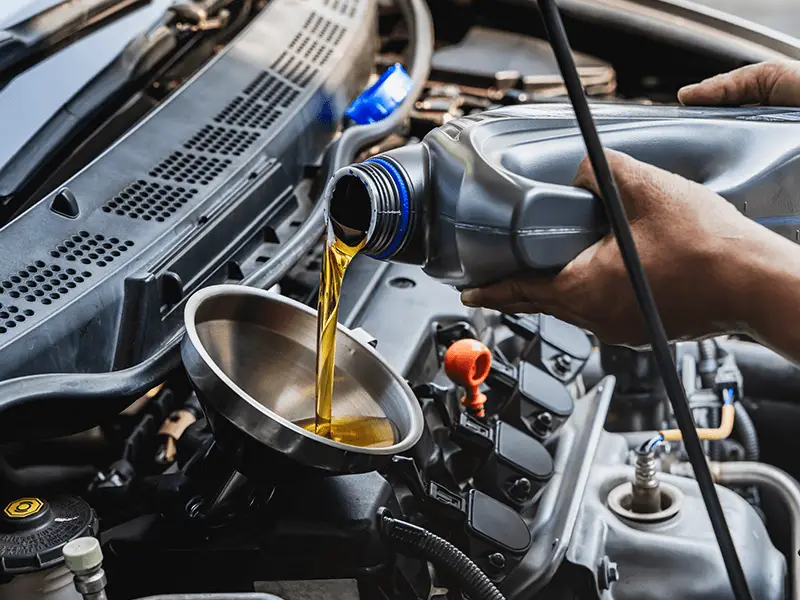
Engine oil is essential for keeping the engine running smoothly. It lubricates moving components, reduces friction, and helps control the heat produced during combustion. Without sufficient lubrication, engine parts can experience excessive wear, which may eventually lead to serious mechanical damage.
Checking engine oil every month helps ensure that the engine has enough lubrication. Most vehicles have a dipstick that allows drivers to inspect the oil level. Park the car on level ground, switch off the engine, and follow the manufacturer’s recommended waiting time before checking.
Pull out the dipstick, wipe it clean with a cloth, insert it completely, and remove it again. The oil level should fall between the minimum and maximum markings. If the level is below the recommended range, add the correct grade of engine oil specified in the owner’s manual.
Pay attention to the oil’s appearance during the inspection. Fresh engine oil is generally amber or brown, depending on its age and formulation. Very dark oil can indicate normal ageing, but thick, gritty, milky, or unusually contaminated oil deserves further investigation.
Low engine oil levels may result from leaks, oil consumption, or inadequate servicing. Look beneath the vehicle for fresh oil stains and inspect the area around the engine for visible leaks. Persistent oil loss should be checked by a qualified mechanic.
Drivers should also follow the recommended oil change interval. Checking the level every month does not replace scheduled oil changes. The correct replacement interval depends on the vehicle, oil specification, driving conditions, and manufacturer’s recommendations.
Using the wrong engine oil can affect lubrication and engine performance. Always choose oil that meets the viscosity and performance specifications listed in the owner’s manual rather than selecting a product based only on price.
Regular engine oil inspections can help prevent avoidable engine damage. They also provide an early warning when the vehicle develops an unusual consumption pattern or a leak that requires professional attention.
2. Coolant
Engine coolant, commonly called antifreeze, regulates engine temperature and protects the cooling system from corrosion and freezing. It circulates through the engine and radiator, carrying away excess heat and helping maintain a suitable operating temperature.
A monthly coolant inspection can help prevent overheating, which may damage important engine components. Most modern vehicles have a transparent coolant expansion tank with minimum and maximum markings. Check the level when the engine is completely cold.
The coolant should generally sit between the marked levels. If it falls below the minimum line, use the coolant type recommended by the vehicle manufacturer. Different coolant formulations may not be compatible, so avoid mixing products without checking their specifications.
Never remove a radiator cap or pressurised coolant reservoir cap while the engine is hot. The cooling system can contain highly pressurised liquid, which may escape suddenly and cause serious burns.
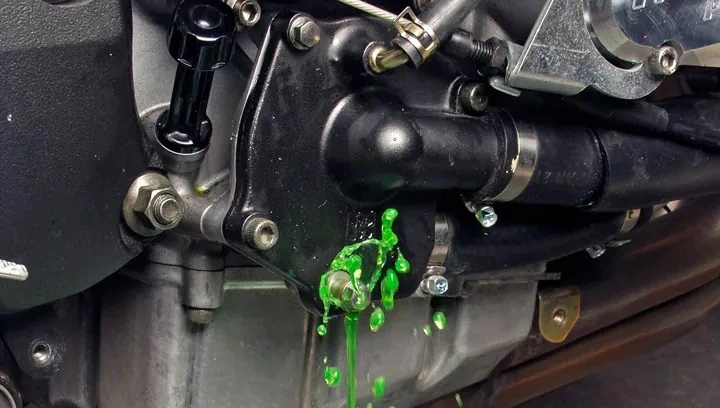
Pay attention to the coolant’s colour and condition. Coolant colours vary according to formulation, so colour alone does not determine whether it is suitable. Rust-like deposits, visible contamination, or an unusual oily appearance may indicate a cooling system problem.
Check the ground beneath the car for coloured liquid or damp areas around the radiator and hoses. A sweet smell near the engine compartment can also indicate a coolant leak. These symptoms should be inspected promptly.
Low coolant levels can result from evaporation in some circumstances, leaks, or internal engine problems. Repeatedly topping up the reservoir without identifying the cause is not a proper solution.
Maintaining the correct coolant level helps protect the engine from overheating and supports reliable performance. Follow the manufacturer’s replacement schedule because coolant gradually loses its protective properties over time.
3. Brake Fluid
Brake fluid transfers the force applied to the brake pedal to the braking components at each wheel. It is a hydraulic fluid that allows the braking system to function effectively. Maintaining the correct level and condition is essential for safe driving.
Most cars have a brake fluid reservoir inside the engine compartment. Its location is usually near the rear of the engine bay, close to the driver’s side. Check the owner’s manual if you cannot identify it.
The reservoir generally has minimum and maximum markings. The fluid level should remain within this range. If the level drops below the minimum marking, the braking system needs attention rather than simply receiving an automatic top-up.
Brake fluid naturally absorbs moisture over time, particularly because many commonly used formulations are hygroscopic. Excess moisture can reduce the fluid’s boiling point and affect braking performance under demanding conditions.
A noticeable reduction in brake fluid may indicate worn brake pads, a leak, or another problem within the hydraulic system. If the brake warning light appears or the pedal feels unusually soft, have the vehicle inspected immediately.
Brake fluid specifications differ between vehicles. Common classifications include DOT 3, DOT 4, and DOT 5.1, but these products are not universally interchangeable. Always follow the specification printed in the owner’s manual or reservoir cap.
Avoid allowing dirt, dust, or other contaminants to enter the reservoir. Brake fluid can also damage vehicle paint, so handle it carefully and clean accidental spills according to the manufacturer’s guidance.
Monthly brake fluid checks provide an opportunity to identify problems before they become more serious. However, checking the reservoir alone cannot confirm the fluid’s condition. Follow the recommended replacement interval and arrange professional testing when necessary.

4. Power Steering Fluid
Power steering fluid helps operate hydraulic power steering systems by transmitting pressure and lubricating internal components. It makes steering easier, particularly when parking or manoeuvring at low speeds.
Not every modern vehicle uses hydraulic power steering. Many newer models feature electric power steering, which does not require conventional power steering fluid. Check the owner’s manual before looking for a reservoir.
In vehicles equipped with hydraulic steering, the fluid reservoir is generally located in the engine compartment. Some reservoirs have a dipstick attached to the cap, while others feature minimum and maximum markings on the container.
Check the level according to the manufacturer’s instructions. Some systems require the fluid to be checked when cold, while others specify a different procedure. Using the wrong checking method can produce an inaccurate reading.
Low power steering fluid may cause whining noises when turning the steering wheel. Drivers may also notice heavier steering, particularly during slow-speed manoeuvres. These symptoms can indicate low fluid or a problem with the steering system.
Inspect the reservoir, hoses, connections, and surrounding areas for signs of leakage. A reddish, amber, or other coloured liquid beneath the front of the vehicle may be power steering fluid, depending on the product used.
Always use the fluid specified by the manufacturer. Some vehicles require dedicated power steering fluid, while others use a particular automatic transmission fluid. Substituting an unsuitable product can damage seals and steering components.
Monthly inspections help identify fluid loss before it affects steering performance. If the reservoir repeatedly becomes low, have the system checked instead of continuing to add fluid without investigating the source.
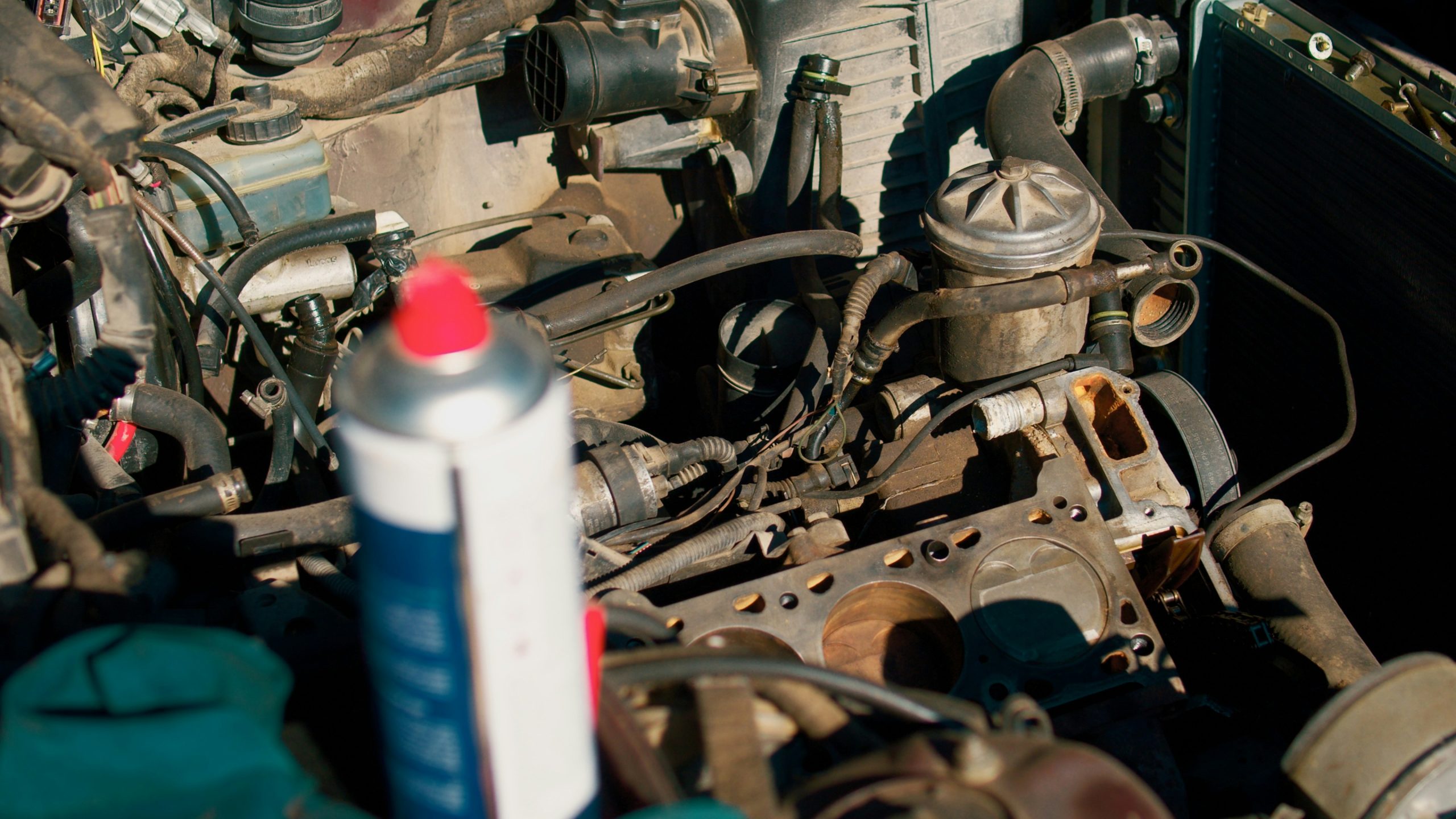
5. Transmission Fluid
Transmission fluid lubricates internal transmission components, helps manage heat, and supports smooth gear changes. In automatic transmissions, it also performs important hydraulic functions that help the gearbox operate correctly.
Transmission fluid checks are particularly important for vehicles with automatic transmissions. However, the inspection procedure varies significantly between manufacturers. Some cars have a transmission dipstick, while others use a sealed system that requires specialised equipment.
If your vehicle has a transmission dipstick, follow the owner’s manual carefully. Certain transmissions require the engine to be running, the vehicle to be at a specified temperature, and the gear selector to be moved through particular positions before checking.
Never assume that every transmission can be inspected using the same method. An incorrect procedure can produce misleading readings and may expose you to hot components or moving parts.
Transmission fluid should have the appearance and condition specified by the manufacturer. Some automatic transmission fluids are red, while others are yellow, green, or other colours. Fluid colour alone cannot reliably establish its condition.
Watch for symptoms such as delayed gear engagement, slipping, unusual noises, or rough shifting. These issues may indicate transmission problems, including low fluid levels, contamination, or mechanical wear.
Low transmission fluid can result from leaks because many transmission systems are designed to operate within a sealed environment. If you notice fluid beneath the vehicle or experience shifting problems, arrange a professional inspection.
Manual transmissions, continuously variable transmissions, and dual-clutch systems may use different lubricants and checking procedures. Always follow the correct service instructions for the particular gearbox installed in your car.

6. Windshield Washer Fluid
Windshield washer fluid helps remove dust, dirt, insects, and road grime from the windscreen. Clear visibility is essential for safe driving, particularly during rain, dusty conditions, and long journeys.
Unlike engine oil or brake fluid, windshield washer fluid does not lubricate mechanical components. Its main purpose is to help the wiper blades clean the glass effectively and maintain a clear view of the road.
The washer fluid reservoir is usually located inside the engine compartment. It often has a cap marked with a windscreen and water spray symbol. The container may be translucent, allowing drivers to see the remaining fluid.
Check the reservoir every month and refill it when necessary. Use a commercially available windshield washer fluid suitable for your climate and vehicle. Avoid using ordinary household cleaning liquids because they may damage paint, rubber components, or washer system parts.
In areas with high temperatures and dusty roads, washer fluid can be used frequently. A sufficient supply ensures that drivers can clean the windscreen whenever dirt or insects interfere with visibility.
Choose a suitable washer fluid for the weather conditions. In colder regions, products with antifreeze properties help prevent freezing. In warmer climates, a suitable cleaning formula can help remove stubborn dirt and road residue.
Inspect the washer nozzles and hoses if the fluid does not spray properly. Blocked nozzles, disconnected pipes, or a faulty washer pump can prevent the system from working even when the reservoir is full.
Keeping washer fluid topped up is a simple maintenance task that supports road safety. It takes only a few minutes and can make a significant difference when driving in poor visibility conditions.
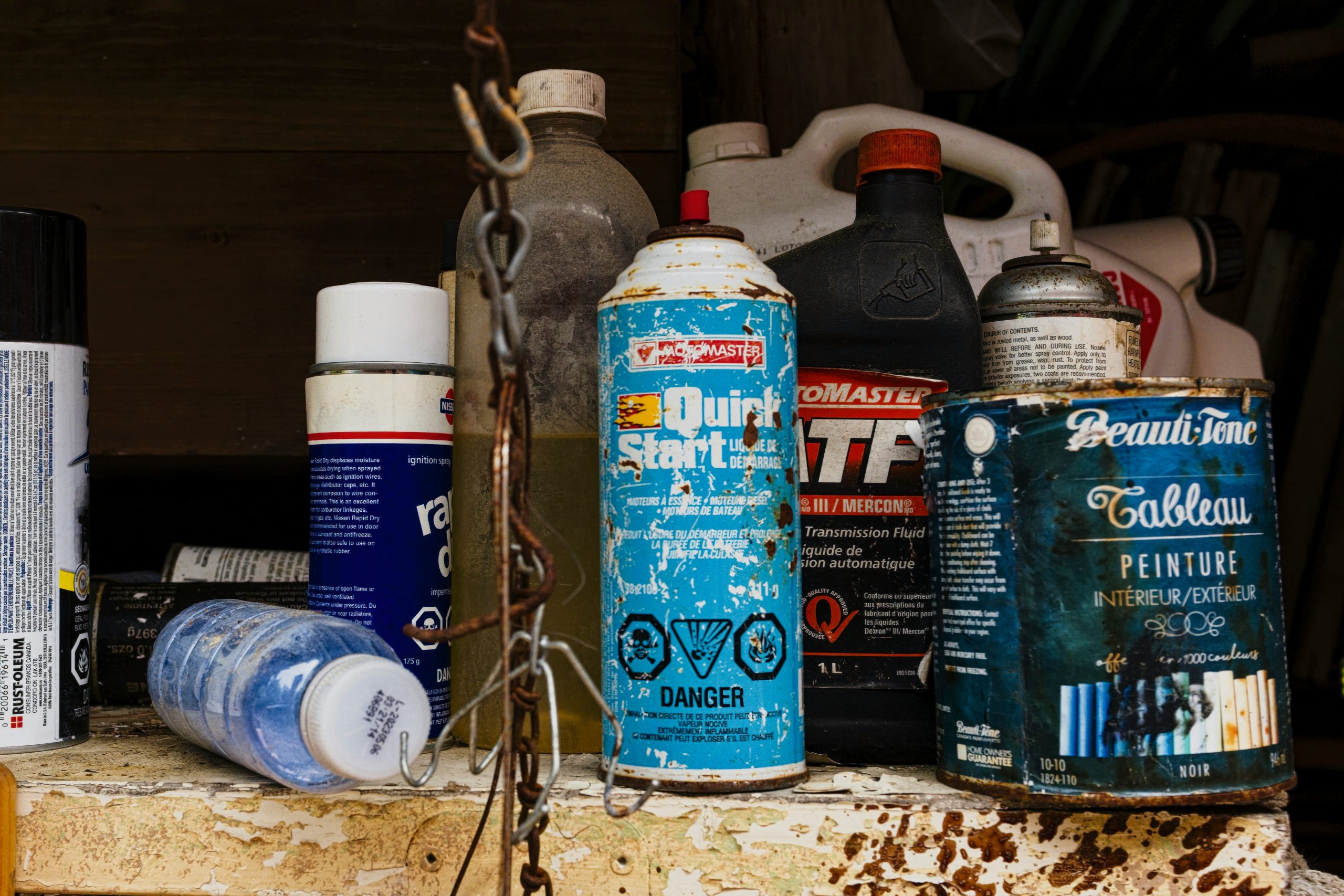
7. Differential Fluid
Differential fluid lubricates the gears and bearings inside a vehicle’s differential. This component distributes engine power to the driving wheels while allowing them to rotate at different speeds, particularly when turning corners.
Differential fluid is especially important in rear-wheel-drive, four-wheel-drive, and all-wheel-drive vehicles. Front-wheel-drive cars may have a differential integrated into the transaxle, where lubrication requirements can differ.
Unlike engine oil, differential fluid is not always easy for drivers to inspect. Many differentials do not have a dipstick or a transparent reservoir. Checking the fluid may require accessing a fill plug and following the manufacturer’s procedure.
Some manufacturers recommend inspecting differential fluid during routine servicing rather than performing a simple monthly level check. Follow the maintenance schedule specified for your vehicle and avoid opening plugs without the correct tools and knowledge.
Unusual whining, humming, or grinding noises from the drivetrain may indicate differential wear or lubrication problems. These sounds can change with vehicle speed or when accelerating and decelerating.
Leaks around the differential housing, axle seals, or related connections should also receive attention. Differential oil is often thicker than engine oil and may have a strong characteristic smell.
The correct differential lubricant depends on the vehicle’s design and operating requirements. Some differentials require specific gear oil viscosities, while limited-slip differentials may need additional friction-modifying properties.
Regular professional inspection helps ensure that the differential receives suitable lubrication. If your vehicle has accessible service information or a recommended inspection interval, use it to plan maintenance and prevent unnecessary drivetrain wear.
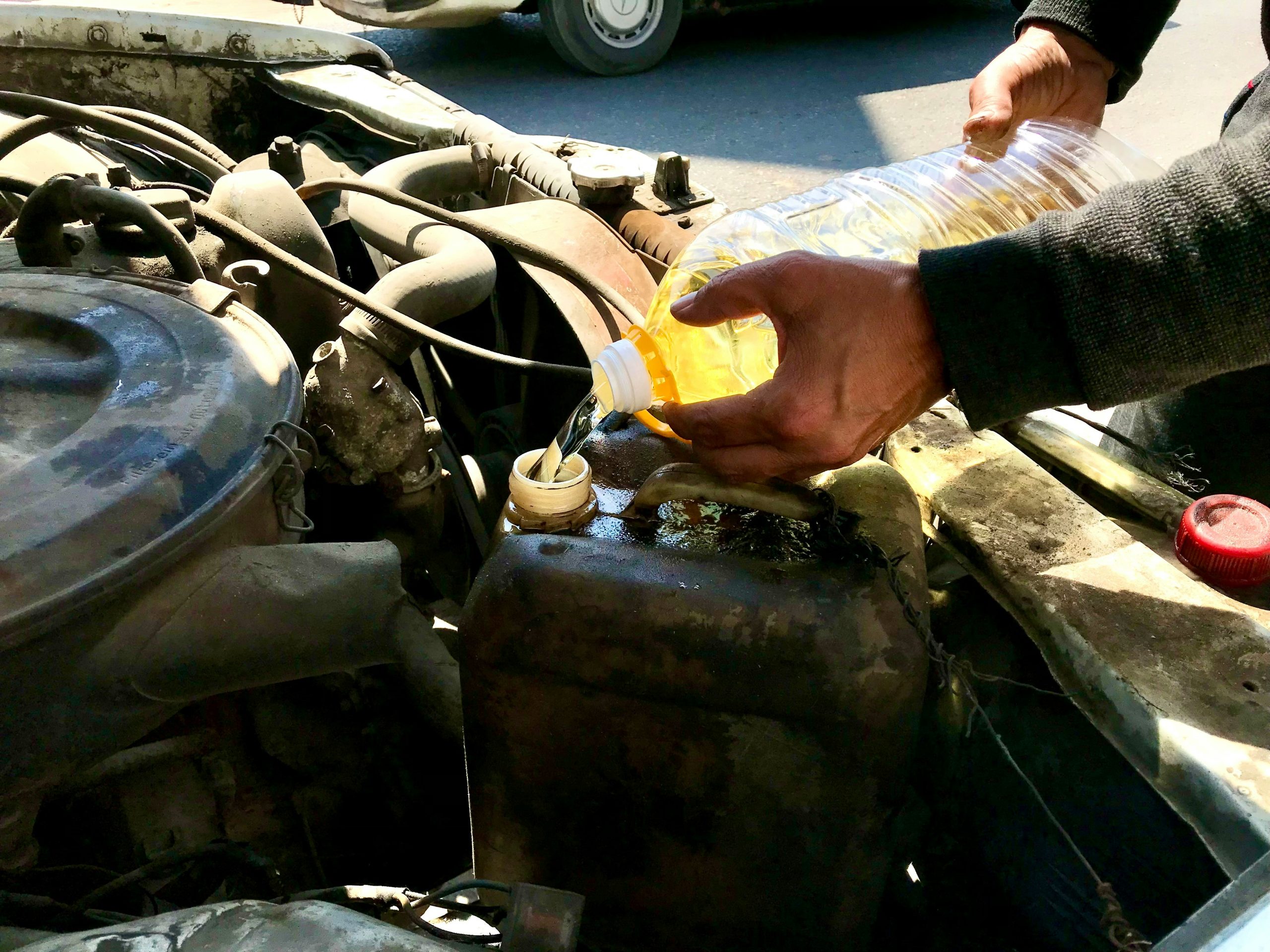
8. Clutch Fluid
Clutch fluid is used in vehicles equipped with hydraulic clutch systems. It transfers pressure from the clutch pedal to the clutch release mechanism, allowing the driver to engage and disengage the clutch during gear changes.
Not every manual transmission vehicle has a hydraulic clutch. Some models use a mechanical cable instead, meaning they do not require clutch fluid. Check your owner’s manual to determine which system your car uses.
In vehicles with hydraulic clutches, the fluid reservoir may be separate or shared with the brake fluid reservoir. Some manufacturers use a common reservoir with separate hydraulic circuits, while others provide individual containers.
Check the fluid level using the markings on the reservoir. It should remain within the recommended range. If the level is low, investigate the cause before adding more fluid.
Low clutch fluid can affect pedal operation and make gear changes difficult. Drivers may notice a soft clutch pedal, difficulty selecting gears, or a pedal that does not return to its normal position.
Inspect the master cylinder, slave cylinder, hydraulic lines, and connections for signs of leakage. Fluid around the clutch pedal or near the transmission housing may indicate a problem with the hydraulic system.
Use only the fluid specification recommended by the vehicle manufacturer. Many hydraulic clutch systems use a specified brake fluid, but this should never be assumed without checking the owner’s manual.
Monthly checks can help identify fluid loss before the clutch system stops functioning correctly. If the clutch pedal suddenly becomes soft or the vehicle becomes difficult to shift, arrange an inspection instead of continuing to drive with a potentially faulty system.
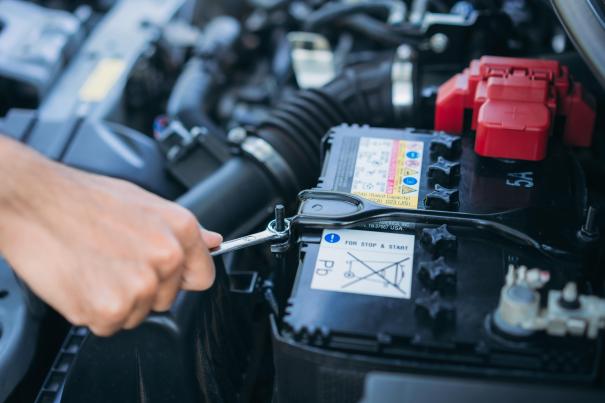
9. Battery Electrolyte
Battery electrolyte is the liquid inside certain types of lead-acid batteries. It contains a mixture of sulfuric acid and distilled water that allows the battery to store and release electrical energy.
Not every car battery requires electrolyte inspections. Many modern vehicles use sealed, maintenance-free batteries that should not be opened. These batteries are designed to operate without routine electrolyte top-ups.
Some conventional flooded lead-acid batteries have removable caps that allow the electrolyte level to be inspected. If your vehicle uses this type, follow the battery manufacturer’s safety instructions and recommended inspection schedule.
The electrolyte should cover the battery plates or reach the specified level indicators. If topping up is permitted, use only distilled or demineralised water as instructed by the manufacturer. Never add ordinary tap water or additional acid as a routine measure.
Battery maintenance requires particular care because electrolyte contains corrosive sulfuric acid. Wear appropriate protective equipment, avoid sparks and open flames, and never lean directly over an open battery.
Look for signs of corrosion around the battery terminals, damaged casing, swelling, or leakage. White or bluish deposits around the terminals may indicate corrosion that needs appropriate cleaning and inspection.
If the battery repeatedly loses electrolyte, becomes weak, or shows physical damage, arrange a professional battery inspection. Charging system faults, excessive heat, or battery deterioration may contribute to these problems.
Checking battery condition helps support reliable starting and electrical operation. For sealed batteries, focus on terminal condition, secure connections, battery casing, and charging performance rather than attempting to open the unit.