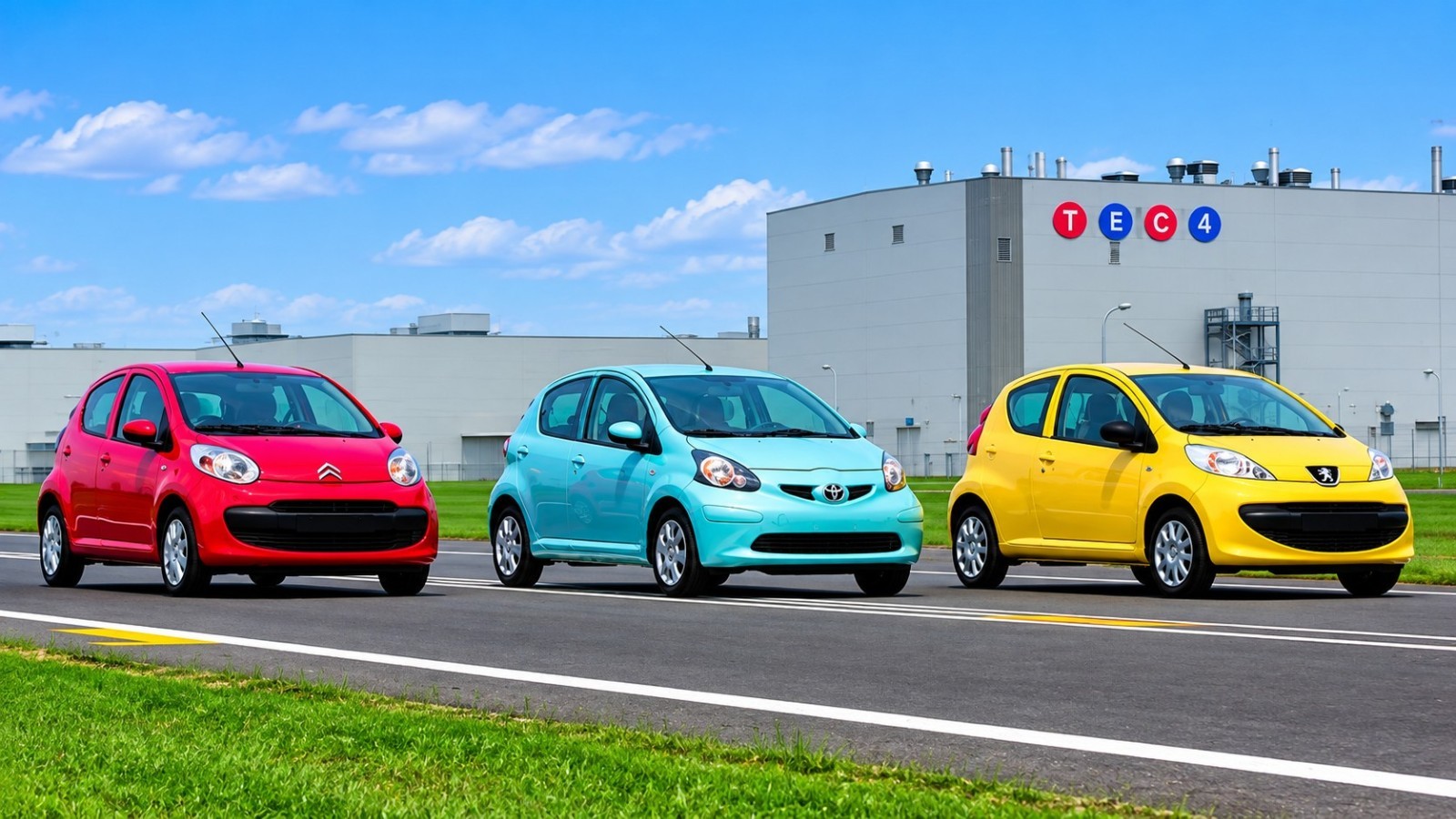
The automotive industry has a long history of manufacturers sharing vehicle platforms, engines and production facilities. While these partnerships often happen behind the scenes, some have resulted in remarkably similar cars being sold simultaneously under three different manufacturer names.
Known as badge engineering or rebadging, the practice allows automakers to expand their product ranges, reduce development costs and reach customers through established dealer networks without independently developing an entirely new vehicle.
However, these cars are not always identical. Differences in exterior styling, interior equipment, engine availability and brand positioning can make one version more appealing than another. Some partnerships involved genuine joint development, while others simply involved manufacturers adapting an existing vehicle for their own markets.
From affordable European hatchbacks to Japanese sports coupes and American minivans, several examples demonstrate how one underlying vehicle could carry three distinct identities. Here are 10 cars that were sold under three different badges at the same time, along with the engineering relationships behind them.
1. Toyota Aygo
The Toyota Aygo is one of the clearest examples of three manufacturers collaborating to produce closely related cars for the European market. Introduced in 2005, the first-generation Aygo was developed alongside the Peugeot 107 and Citroën C1 through a partnership between Toyota and PSA Peugeot Citroën.
Rather than creating three independent small cars, the companies shared engineering, structural components and manufacturing resources to reduce development and production expenses.
The collaboration began with an agreement signed in July 2001, which established plans for jointly developing and manufacturing affordable entry-level passenger vehicles. Production eventually started at the Toyota Peugeot Citroën Automobile (TPCA) facility in Kolín, Czech Republic, in February 2005. Toyota officially confirmed that the plant produced all three models on a common platform. The cars subsequently went on sale in European markets.
Although the Aygo, 107 and C1 shared much of their underlying engineering, their exterior designs reflected their respective manufacturers. The Toyota received its own front-end styling, while Peugeot and Citroën used distinctive grille, headlight and bumper treatments. Their compact dimensions, approximately 3.4 metres in length, made them particularly suitable for crowded urban environments.
The original range included a 1.0-litre petrol engine and a 1.4-litre diesel option, depending on the model and market. These small powertrains suited buyers prioritising manoeuvrability, relatively low running costs and straightforward everyday transportation.
The arrangement continued through subsequent generations, although the original three-car partnership eventually changed. The second-generation Aygo, 108 and C1 continued the shared relationship before Peugeot and Citroën withdrew from the segment. The Aygo therefore demonstrates how three manufacturers could target the same customer group without producing three entirely separate vehicles.
2. Toyota GT86
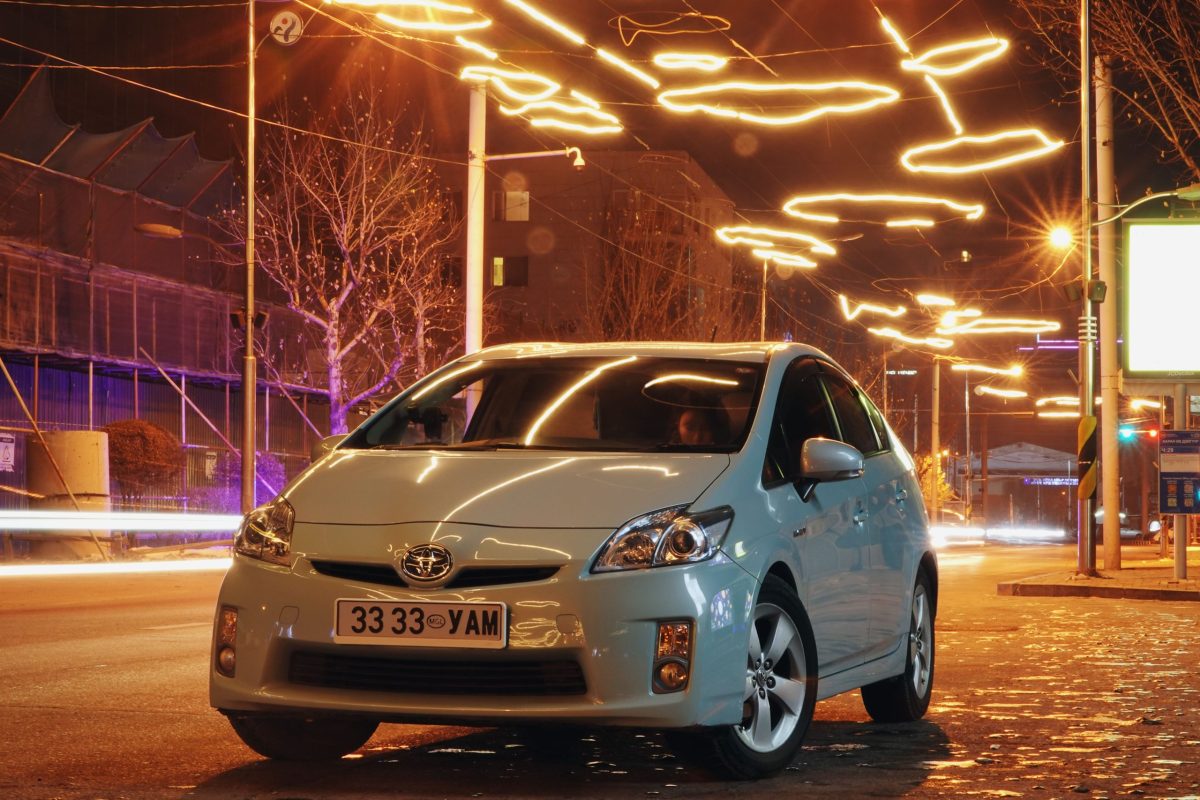
The Toyota GT86 became particularly interesting because its relationship with two other badges involved more than simply exchanging manufacturer logos. Developed jointly by Toyota and Subaru, the rear-wheel-drive sports coupe was also marketed in North America as the Scion FR-S.
The three versions shared the same fundamental engineering and represented a coordinated attempt to make affordable, driver-focused sports cars more accessible.
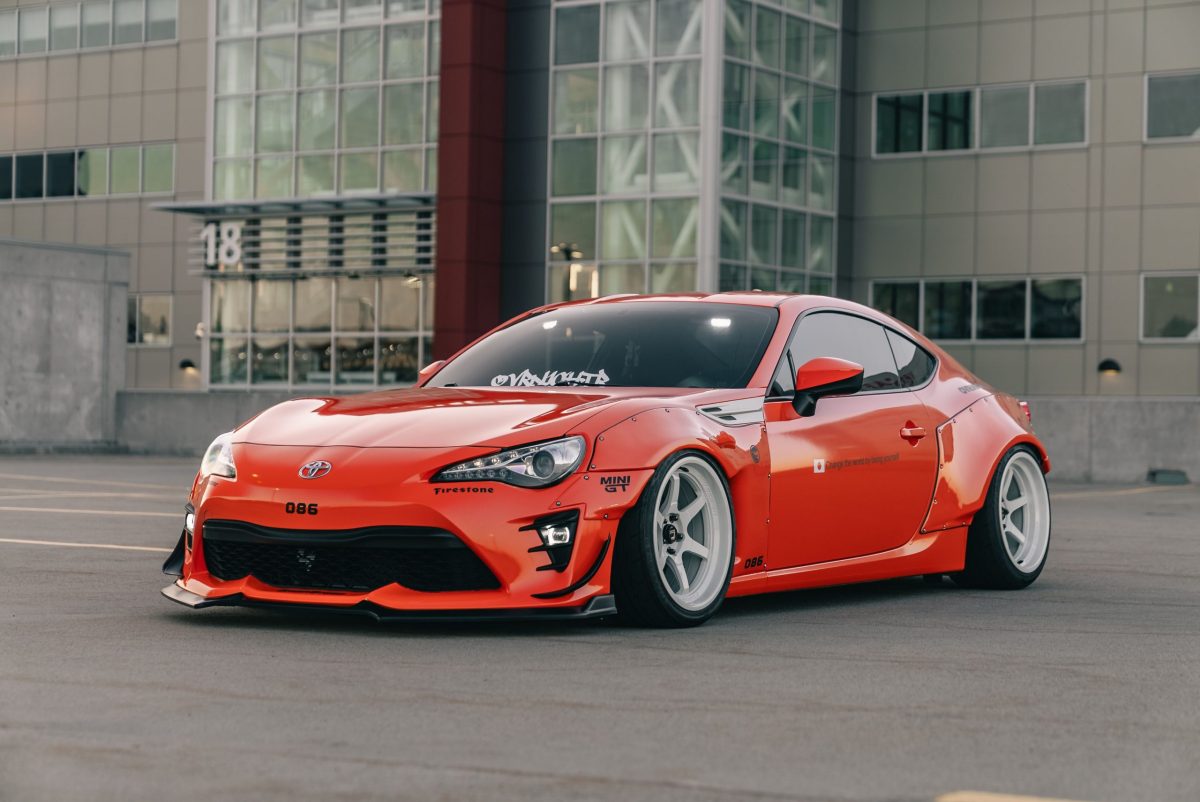
The Toyota 86 made its production debut in 2012, while Subaru introduced the BRZ and Scion sold the FR-S in the United States. Toyota’s official vehicle history confirms that the 86 was jointly developed with Fuji Heavy Industries, Subaru’s former corporate name, and manufactured by Subaru. The collaboration combined Toyota’s direct-injection technology with Subaru’s experience developing horizontally opposed engines.
All three versions used a naturally aspirated 2.0-litre four-cylinder boxer engine. Its low mounting position helped reduce the vehicle’s centre of gravity, supporting the balanced handling characteristics that became central to the coupe’s identity. Power was delivered to the rear wheels through a six-speed manual or automatic transmission, depending on specification.
The GT86, BRZ, and FR-S shared the same fundamental body structure, dimensions, and mechanical layout. However, differences in exterior styling, equipment, suspension tuning, and manufacturer-specific settings helped distinguish each version. Their relatively modest power outputs were deliberate, as the development philosophy focused on handling, steering precision, and driver engagement rather than outright horsepower.
The Scion brand was discontinued in 2016, after which Toyota absorbed the FR-S into its own range as the Toyota 86 for the 2017 model year. The BRZ continued under Subaru. This makes the original three-badge arrangement a particularly interesting example of a sports car developed through genuine manufacturer cooperation rather than straightforward rebadging.
3. Ford Galaxy
The first-generation Ford Galaxy was part of a three-way European manufacturing collaboration that also produced the Volkswagen Sharan and SEAT Alhambra. Developed during a period when multi-purpose vehicles were gaining popularity among European families, the three models shared their fundamental vehicle architecture while offering different manufacturer identities.
The project involved Ford and the Volkswagen Group through Autoeuropa, a joint manufacturing venture established in Portugal. Production began in the mid-1990s at the Palmela facility, where the three related MPVs were assembled. The arrangement allowed the companies to share development expenses, manufacturing infrastructure and major vehicle components while competing through their individual dealer networks.
The Galaxy was positioned as a practical family vehicle with passenger-car driving characteristics. Volkswagen marketed the Sharan around versatility and family convenience, while SEAT offered the Alhambra as a similarly spacious alternative within its own product range. Despite the different badges, the vehicles shared their basic body structure, seating arrangement and substantial mechanical components.
The first-generation models offered flexible seating configurations, making them suitable for families requiring additional passenger capacity. Depending on production year and market, engine choices included petrol and diesel units, paired with manual or automatic transmissions. Equipment levels and individual specifications differed between manufacturers, so the three vehicles were not necessarily identical in every respect.
The partnership eventually changed when Ford withdrew from the original arrangement. Volkswagen and SEAT continued developing their versions, while Ford subsequently developed later Galaxy generations independently.
The original Galaxy, Sharan and Alhambra remain a useful example of how two automotive groups could collaborate on one vehicle programme while maintaining three separate commercial identities.
4. Renault Trafic
The Renault Trafic is another vehicle that demonstrates the commercial advantages of shared automotive development. During its first generation, it was closely related to the Opel Vivaro and Nissan Primastar, with all three manufacturers offering versions of the same medium-sized van. The partnership helped the companies compete in Europe’s commercial vehicle market without independently funding every aspect of development.
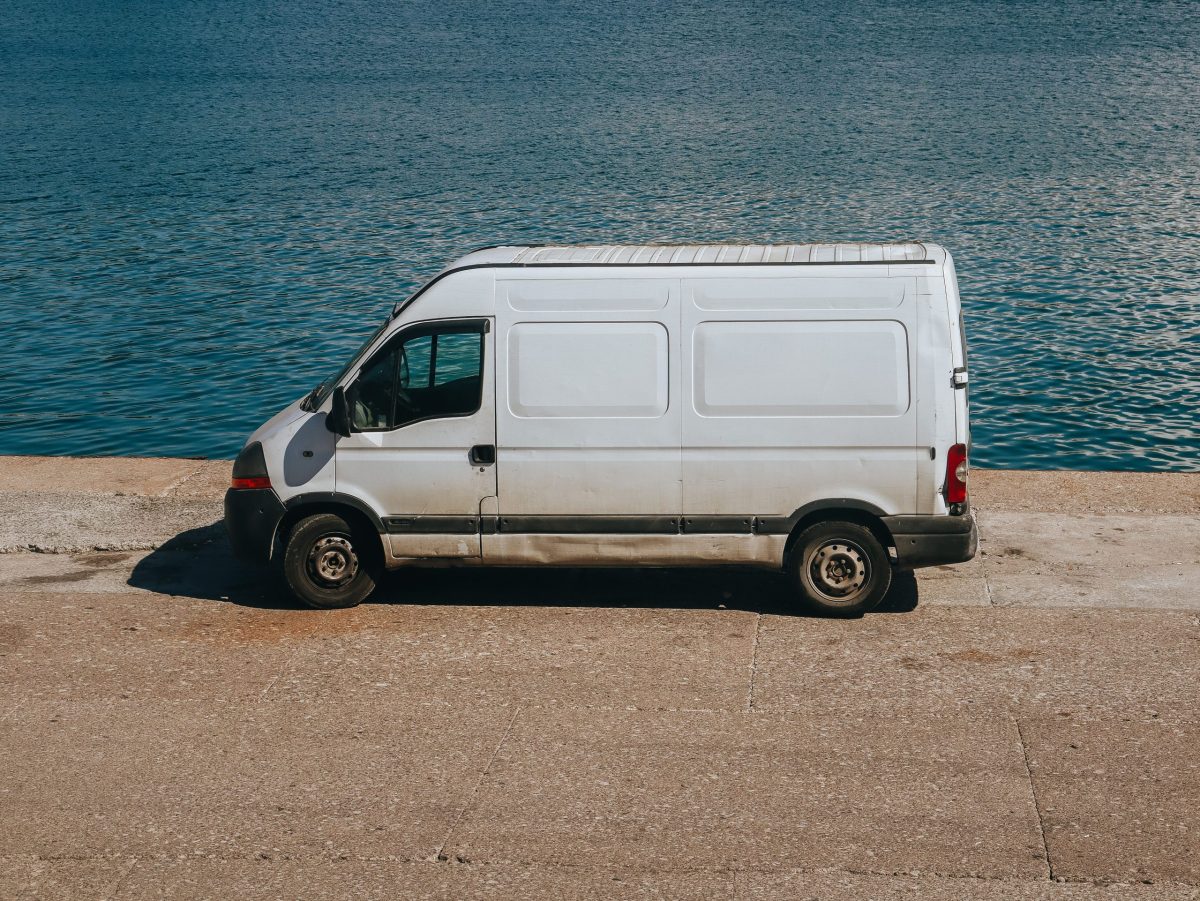
The first-generation trio emerged in the early 2000s through cooperation between Renault, General Motors and Nissan. Renault supplied much of the underlying engineering, while the companies distributed their respective versions through established commercial vehicle dealerships. Production was also spread across manufacturing facilities associated with the partnership.
The three vans shared their basic body architecture, cargo-area design and substantial mechanical components. Their configurations included panel vans and passenger-carrying versions, with different body lengths and equipment options depending on market requirements. These variations allowed businesses to select vehicles suited to deliveries, passenger transport and specialist commercial applications.
Diesel engines were particularly important in this segment. The original range included 1.9-litre common-rail diesel units and larger 2.5-litre engines, with power outputs varying according to specification and production year. Buyers could also find different transmission and equipment combinations across the three badges.
Renault marketed the vehicle as the Trafic, Opel sold it as the Vivaro, and Nissan used the Primastar name in Europe. Their differences were primarily associated with manufacturer-specific styling, trim, equipment and dealer support rather than entirely separate vehicle engineering.
The original arrangement remained in place through later model updates, although the partnership between the manufacturers changed over time. The Trafic family highlights why commercial vehicles are well suited to badge-sharing agreements, as business buyers typically place greater importance on payload capacity, reliability, running costs, and service support than on brand-specific styling.
5. Toyota Proace
The Toyota Proace entered the European commercial vehicle market through an agreement with PSA Peugeot Citroën. Its original counterparts were the Peugeot Expert and Citroën Jumpy, creating another three-badge arrangement in which manufacturers shared a common vehicle foundation to compete in the medium-sized van category.
Toyota announced its cooperation with PSA in July 2012, with the intention of introducing a medium-sized van based on the existing Peugeot and Citroën products. Sales of the original Proace began in 2013. The agreement allowed Toyota to strengthen its European light-commercial vehicle offering without developing an entirely new van independently.
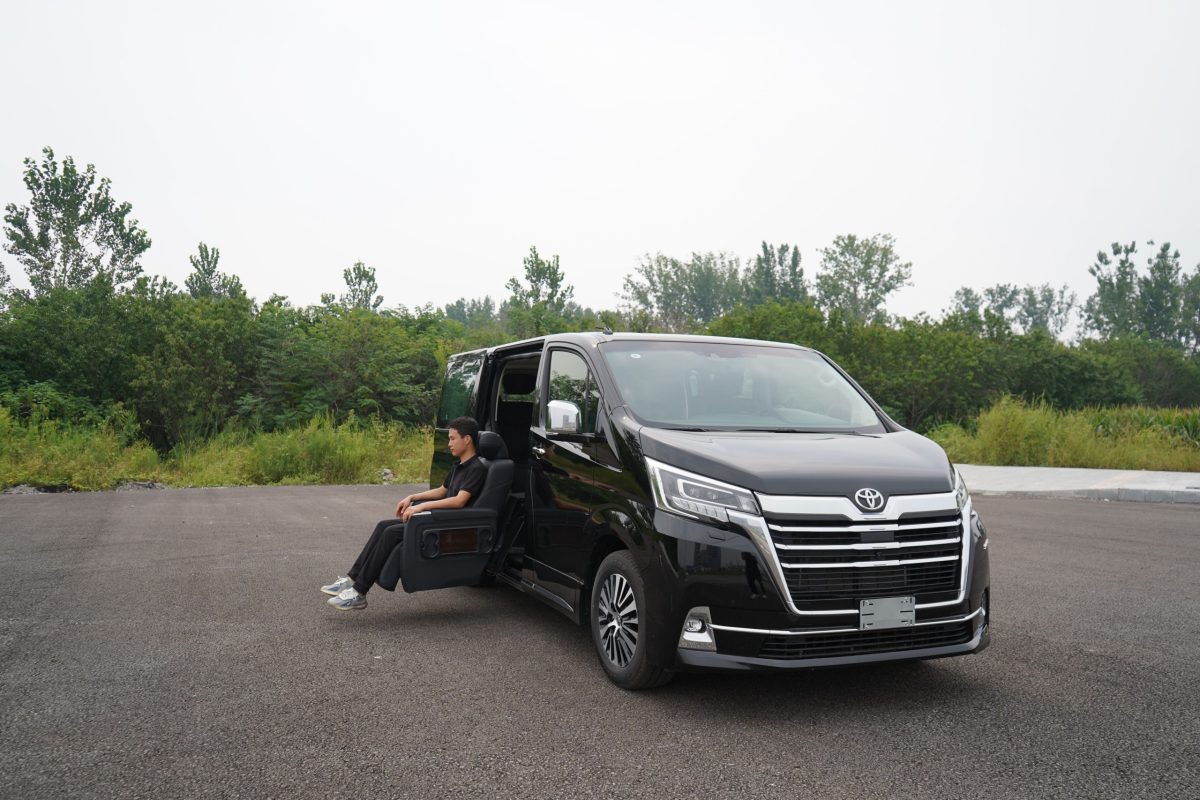
The relationship continued with the next generation introduced in 2016. The updated Proace, Expert and Jumpy shared their basic platform, body architecture and major mechanical components. Production took place at PSA’s Sevelnord facility in Valenciennes, France, where the shared manufacturing programme supported all three brands.
These vehicles were designed for businesses requiring greater cargo capacity than compact delivery vans could provide. Buyers could choose different body lengths, panel van configurations and passenger-oriented versions, depending on the model and market. Diesel engines formed an important part of the original range, while later generations introduced additional powertrain developments.
Although the three vans shared their fundamental engineering, their front-end styling, badges, equipment packages and dealership experiences remained manufacturer-specific. Toyota’s version also benefited from the company’s established commercial vehicle customer network.
The Proace is particularly interesting because Toyota gradually expanded the relationship beyond the original combustion-engine van. Later versions introduced battery-electric alternatives, including the Proace Electric, with related electric models offered by Peugeot and Citroën.
The partnership illustrates how shared vehicle development can evolve alongside changes in technology and commercial transportation requirements.
6. Fiat Ducato
The Fiat Ducato is part of one of Europe’s most established commercial vehicle collaborations. Its closely related counterparts include the Peugeot Boxer and Citroën Relay, known as the Citroën Jumper in several markets. These three large vans were developed through cooperation between Fiat and PSA Peugeot Citroën, allowing the manufacturers to compete across the same commercial vehicle segment.
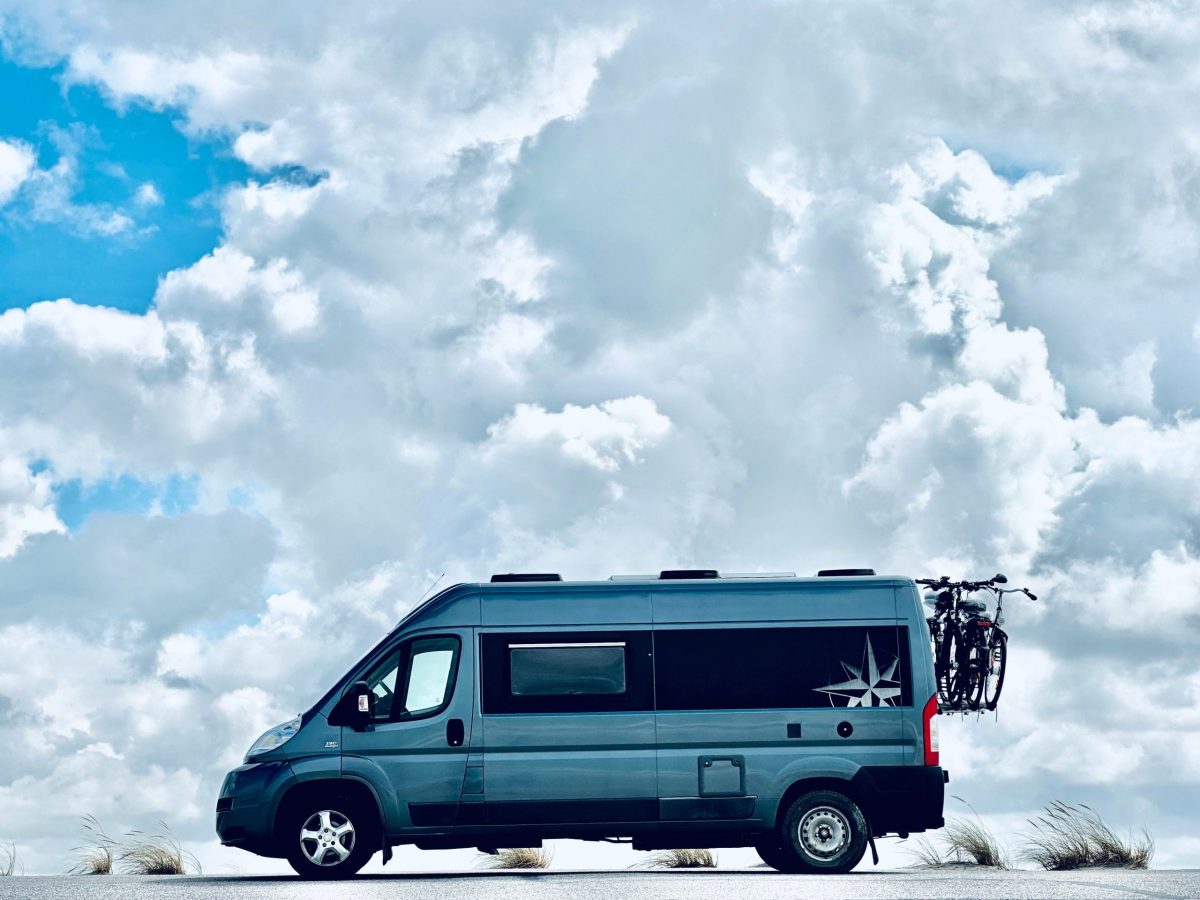
The relationship grew through the Sevel Sud manufacturing operation in Italy. The shared vehicle programme enabled the companies to combine engineering resources and production capacity while maintaining separate brands. The next-generation versions introduced in 2006 continued this arrangement, with each manufacturer offering its own interpretation of the same basic van architecture.
The platform was designed to accommodate a wide range of commercial applications. Depending on specification, customers could choose different wheelbases, roof heights and gross vehicle weight ratings.
Body configurations included conventional panel vans, chassis cabs and other versions intended for specialist conversions. These characteristics made the vehicles suitable for delivery fleets, construction businesses, motorhomes and passenger transport.
Engine choices varied by generation and market. Diesel powertrains were central to the range because commercial operators generally prioritised torque, load-carrying capability and fuel efficiency. The three manufacturers also offered different equipment combinations and styling details to distinguish their products.
Although the mechanical foundations were closely related, ownership considerations could differ. Dealer accessibility, warranty coverage, service costs and parts availability were important factors for businesses operating several vehicles.
The Ducato family also became particularly significant in the European motorhome industry. Its adaptable chassis and multiple body configurations made it a popular foundation for campervan and recreational vehicle conversions.
This partnership demonstrates how sharing a vehicle platform can support multiple industries beyond conventional commercial transportation.
7. Fiat Scudo
The Fiat Scudo represents another long-running collaboration between Fiat and PSA Peugeot Citroën. Its first-generation counterparts were the Peugeot Expert and Citroën Dispatch, with all three models introduced in 1995. The vehicles were developed to meet demand for medium-sized commercial vans that offered useful cargo capacity without the dimensions of larger delivery vehicles.
The three manufacturers used the Sevel Nord production facility in Valenciennes, France. Sharing the platform and manufacturing operation allowed the companies to spread development costs while offering closely related vehicles through separate dealership networks.
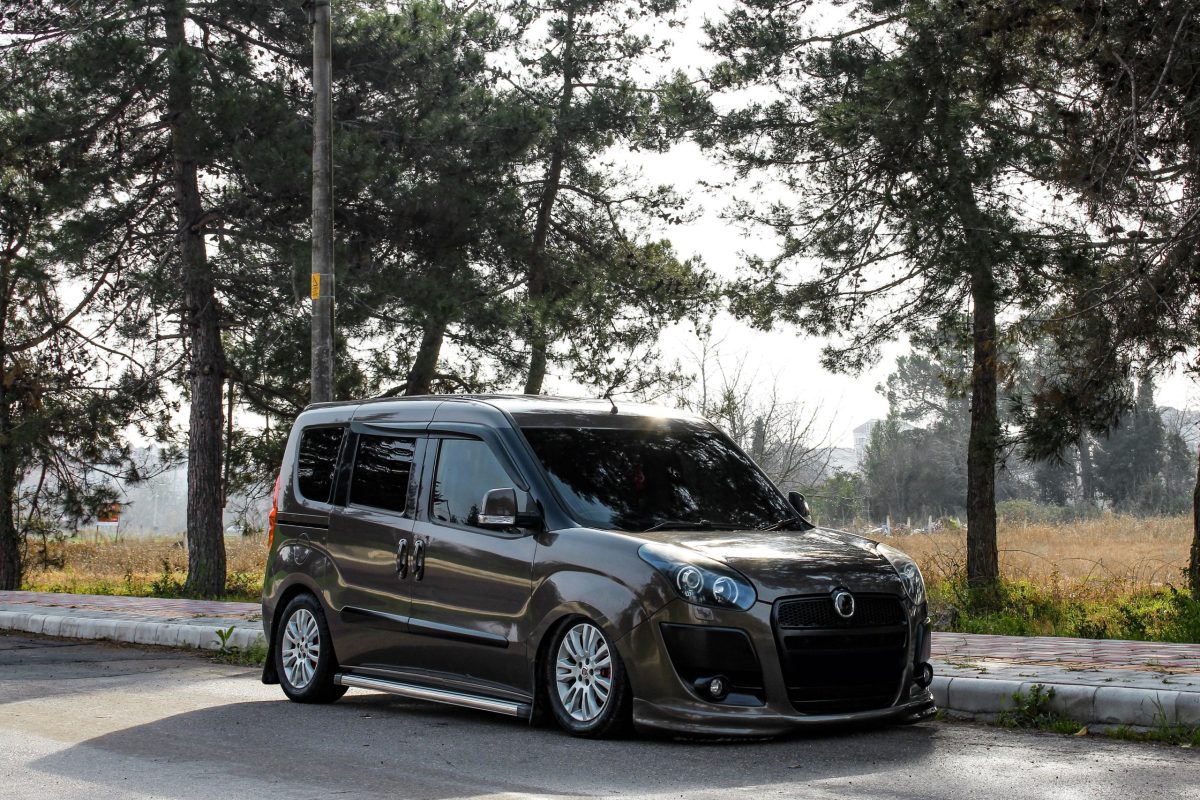
The Scudo, Expert and Dispatch shared their fundamental vehicle architecture and many mechanical components. Their compact dimensions made them suitable for urban delivery work, tradespeople and businesses requiring practical cargo space. Passenger-carrying configurations were also available, extending their usefulness beyond conventional commercial transportation.
Engine options included petrol and diesel units, with diesel becoming particularly important for fleet customers. The available specifications changed throughout the vehicles’ production lives, so engine outputs and transmission choices depended on the relevant model year and market.
The first-generation trio was replaced by an updated range in 2007, continuing the partnership. Stellantis’ historical documentation records that production of the previous-generation Peugeot Expert, Citroën Dispatch and Fiat Scudo had exceeded 900,000 vehicles by the mid-2000s.
The arrangement later evolved into another collaboration involving Toyota, which introduced the Proace alongside the Peugeot Expert and Citroën Jumpy. This distinction matters because the Fiat Scudo’s original three-badge partnership and Toyota’s later participation were separate stages in the development of the medium-sized van family.
The Scudo demonstrates how manufacturers can maintain a long-running commercial vehicle programme by adapting partnerships as market requirements and corporate relationships change.
8. Chevrolet Colorado
The Chevrolet Colorado became part of a three-brand pickup arrangement when General Motors and Isuzu developed closely related midsize trucks. Alongside the GMC Canyon, the platform also supported the Isuzu i-Series, giving buyers three manufacturer identities based on substantially shared engineering.
The first-generation Colorado and Canyon arrived for the 2004 model year, while Isuzu introduced the i-Series in North America for the 2006 model year. The vehicles were built around General Motors’ GMT355 platform, which supported several body configurations and drivetrain arrangements.
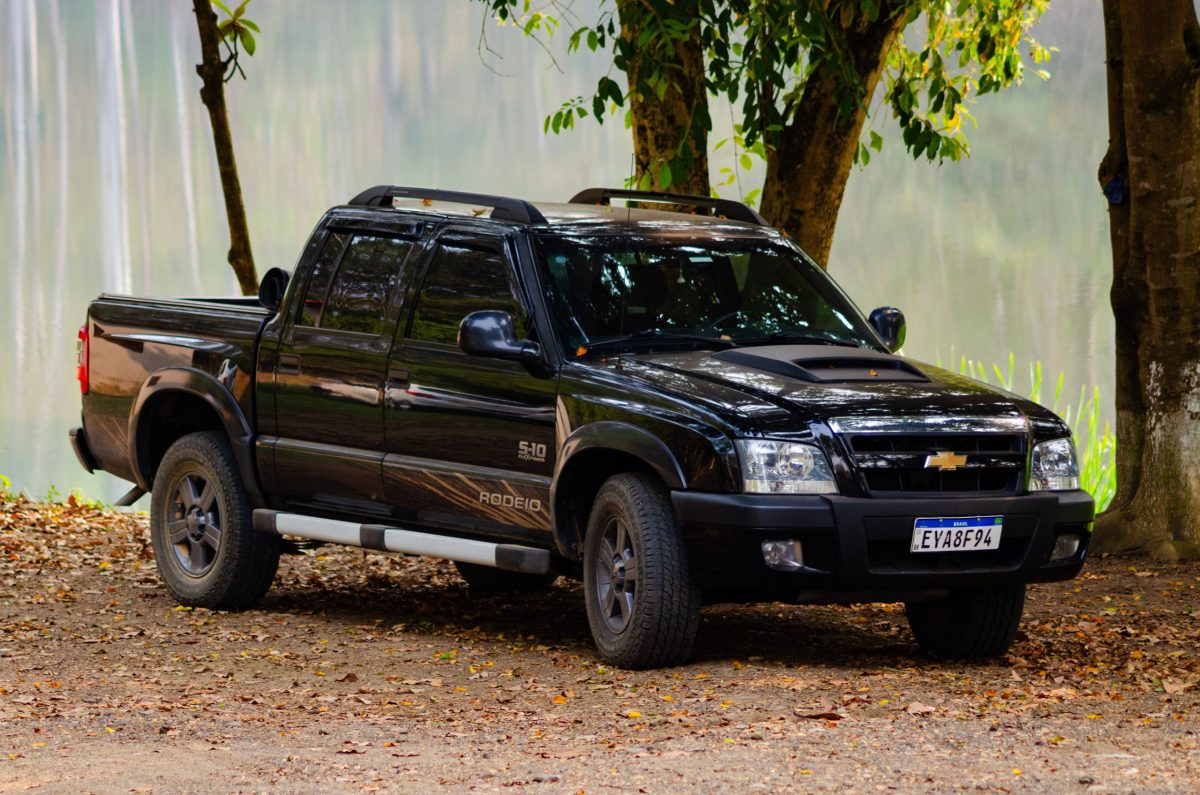
The Isuzu range initially included the i-280 and i-350, with different engine and equipment combinations. Chevrolet and GMC offered a wider selection of configurations, including regular-cab, extended-cab and crew-cab versions. Buyers could choose between rear-wheel drive and four-wheel drive, depending on the model.
Engine availability also varied. The original North American range included four-cylinder and five-cylinder petrol engines, with the five-cylinder option providing additional power for customers requiring greater capability. Transmission options and towing specifications depended on the selected configuration.
The three manufacturers used different marketing approaches. Chevrolet positioned the Colorado as a mainstream midsize pickup, GMC promoted the Canyon through its professional-grade identity, and Isuzu used the i-Series to strengthen its North American truck presence.
Although the trucks shared their basic structure and mechanical architecture, differences in exterior styling, available trims and equipment helped distinguish them. The arrangement also gave General Motors access to a broader customer base while allowing Isuzu to participate without independently developing an entirely new pickup platform.
The first-generation vehicles remained in production until 2012, making the Colorado family a notable example of cross-manufacturer platform sharing in the North American pickup market.
9. Suzuki Swift
The Suzuki Swift has appeared under several different manufacturer badges through Suzuki’s long-standing relationship with General Motors. During the late 1980s and early 1990s, closely related versions of the Suzuki Cultus and Swift family were marketed as the Geo Metro and Pontiac Firefly, creating a three-brand arrangement across North American markets.
The relationship developed through cooperation between Suzuki and General Motors, which allowed Suzuki to expand the international reach of its compact cars while giving GM access to economical small vehicles. The second-generation Cultus became particularly important to this arrangement.
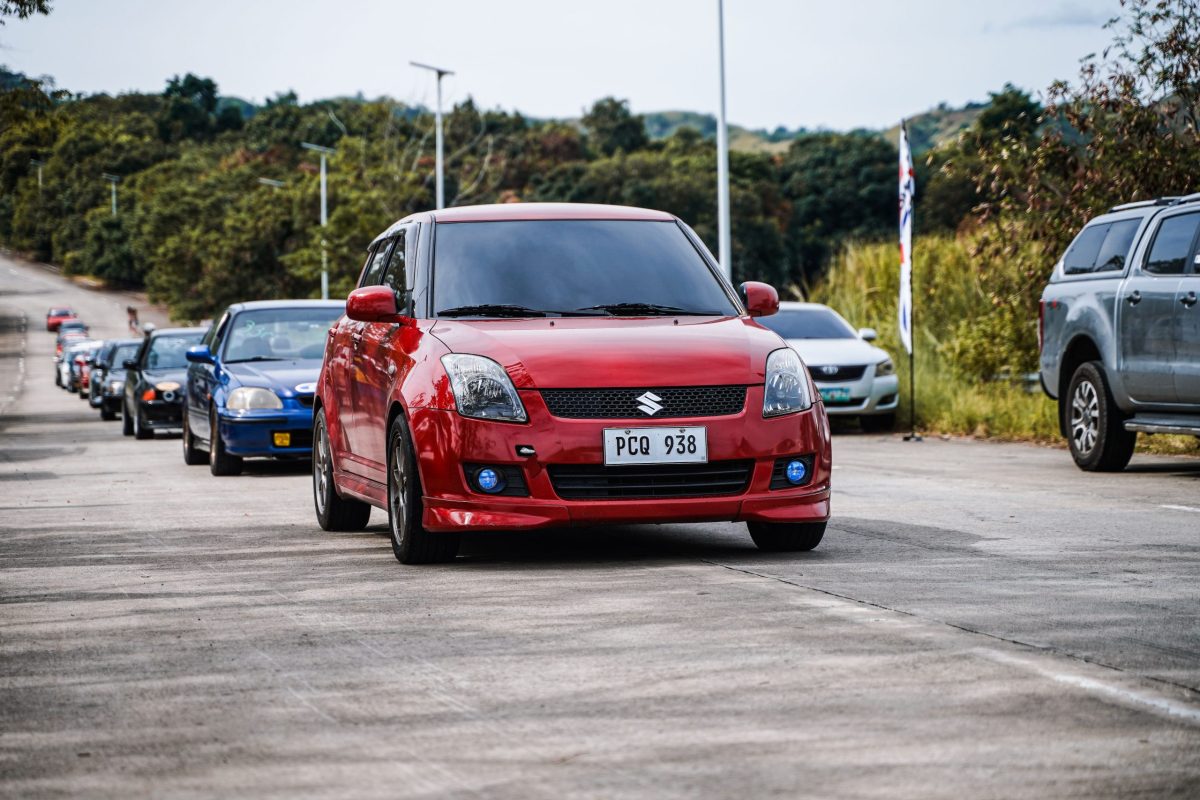
The Suzuki Swift was sold in several markets, while the Geo Metro was primarily associated with the United States and the Pontiac Firefly with Canada. Their availability overlapped during the early 1990s, although the precise model names and specifications depended on the country.
The vehicles shared compact front-wheel-drive engineering and were designed around affordable everyday transportation. Small-displacement three-cylinder engines were a major feature of the North American versions, with selected markets and model years also receiving larger engines. Hatchback and sedan body styles were available, while the wider Cultus family included additional configurations.
The Geo Metro became particularly well known for its fuel economy, making it attractive to buyers seeking inexpensive transportation. Pontiac used the Firefly to offer a small car through its Canadian dealer network, while Suzuki continued promoting its own version internationally.
It is important to distinguish these vehicles from completely identical products. Their engines, body styles and equipment could vary between markets, and the three badges were not necessarily offered in every country simultaneously.
Nevertheless, the shared Cultus/Swift engineering and overlapping sales make this family a strong example of how one compact-car programme could serve three manufacturer identities.
10. Chevrolet Venture
The Chevrolet Venture was part of General Motors’ three-brand minivan strategy during the late 1990s and early 2000s. Closely related versions were sold as the Oldsmobile Silhouette and Pontiac Montana, with all three models sharing the company’s U-body architecture.
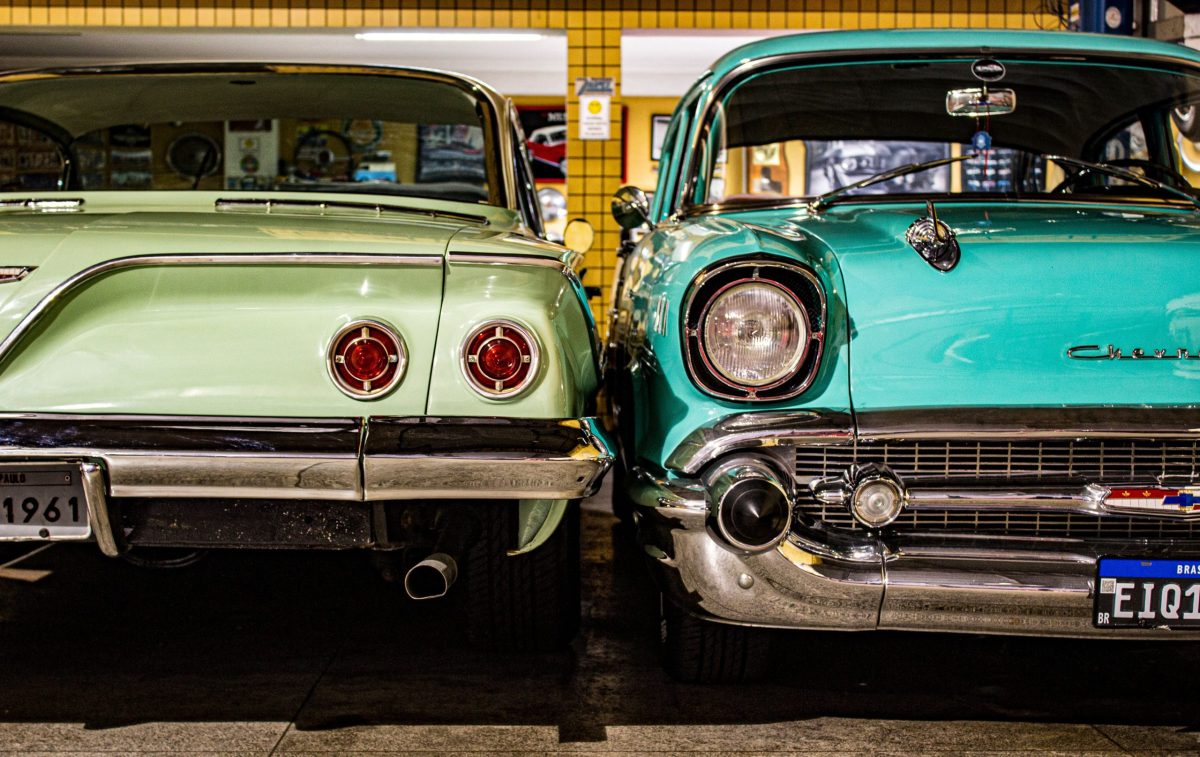
The second-generation GM minivan family arrived for the 1997 model year. Chevrolet introduced the Venture, Oldsmobile offered the Silhouette, and Pontiac initially marketed its related vehicle as the Trans Sport before adopting Montana as a standalone model name for 1999. From that point, the three distinct nameplates were sold simultaneously.
Their shared engineering included a front-wheel-drive platform, transverse engine layout and flexible passenger seating. All three were designed to accommodate families requiring more interior space than a conventional passenger car could provide. Selected versions also offered all-wheel drive.
A 3.4-litre V6 petrol engine was a prominent powertrain across the range, paired with a four-speed automatic transmission. Wheelbase and equipment configurations varied, allowing buyers to select standard or extended-length versions depending on their passenger and luggage requirements.
The manufacturers differentiated the vehicles through styling and positioning. Chevrolet targeted mainstream family buyers, Oldsmobile presented the Silhouette as a more upscale offering, and Pontiac used the Montana’s sportier image to appeal to customers looking for a more distinctive minivan.
Despite those differences, the three vehicles shared much of their fundamental engineering and offered broadly similar practical capabilities. Chevrolet and Pontiac continued their minivan offerings into the middle of the 2000s, while Oldsmobile’s Silhouette ended production after the 2004 model year.
The Venture family illustrates how manufacturers can use one platform to address several customer segments, although excessive overlap can also create competition between brands within the same corporate group.