A vehicle can have impressive performance figures and modern technology yet still leave its owner disappointed. Consumer Reports measures this differently by asking people who already own the vehicles whether they would purchase the same one again.
Its 2025 Annual Auto Survey, used for the 2026 ratings, collected information covering approximately 380,000 vehicles. The results reveal which manufacturers have done the best job of meeting customer expectations after purchase.
This ranking focuses specifically on the percentage of owners willing to buy the same vehicle again, not reliability, resale value, or road-test performance.
1. Rivian: 85% Would Buy Again
Consumer Reports owner satisfaction ranking: 1st
Rivian takes first place with an impressive 85% of surveyed owners saying they would buy the same vehicle again. That is a substantial lead over BMW in second place, which records 71%. The result is particularly interesting because Rivian is a relatively young automaker competing in the premium electric-vehicle market against manufacturers with much longer histories.
Its high satisfaction figure suggests that many customers appreciate the experience its vehicles deliver, even though the brand has faced challenges with reliability.
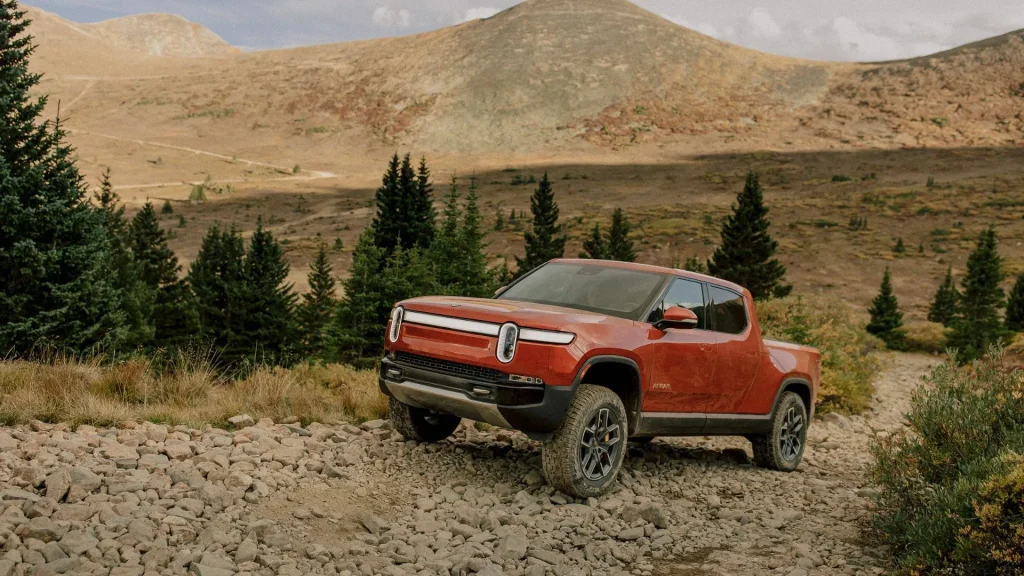
The company’s US lineup centers on the R1T electric pickup and R1S electric SUV. Both use Rivian’s dedicated electric-vehicle architecture and offer multiple motor configurations. Buyers are attracted by features such as strong electric acceleration, available all-wheel drive, substantial cargo flexibility, and technology designed around outdoor activities.
The R1T’s storage solutions, including its distinctive gear tunnel, also give it a different character from conventional gasoline-powered pickups.
There is an important contrast in Consumer Reports’ findings. Rivian leads the owner satisfaction ranking, but the same organization places it at the bottom of its 2026 brand reliability assessment.
CR explains that owners can remain happy with vehicles despite experiencing problems, particularly when the driving experience or other qualities meet their expectations. Warranty coverage may also reduce the financial impact of certain repairs.
This makes Rivian’s first-place finish worth understanding rather than interpreting as proof of perfect ownership. The 85% figure measures willingness to buy again, not the percentage of vehicles free from faults. Potential buyers should separately investigate reliability, service access, repair experiences, and charging arrangements in their area.
Rivian’s achievement is particularly noteworthy given its relatively recent entry into a highly competitive market. Despite being a young automaker, it has earned strong customer loyalty, with a significant majority of owners saying they would buy one of its vehicles again.
2. BMW: 71% Would Buy Again
Consumer Reports owner satisfaction ranking: 2nd
BMW secures second place with 71% of owners saying they would purchase the same vehicle again. Although that is 14 percentage points below Rivian, it is a strong result among established manufacturers.
BMW’s position also shows that customer satisfaction is not determined simply by how long a company has been selling cars. Owners are judging the experience of living with their vehicles, including comfort, performance, usability, and whether the purchase delivered what they expected.
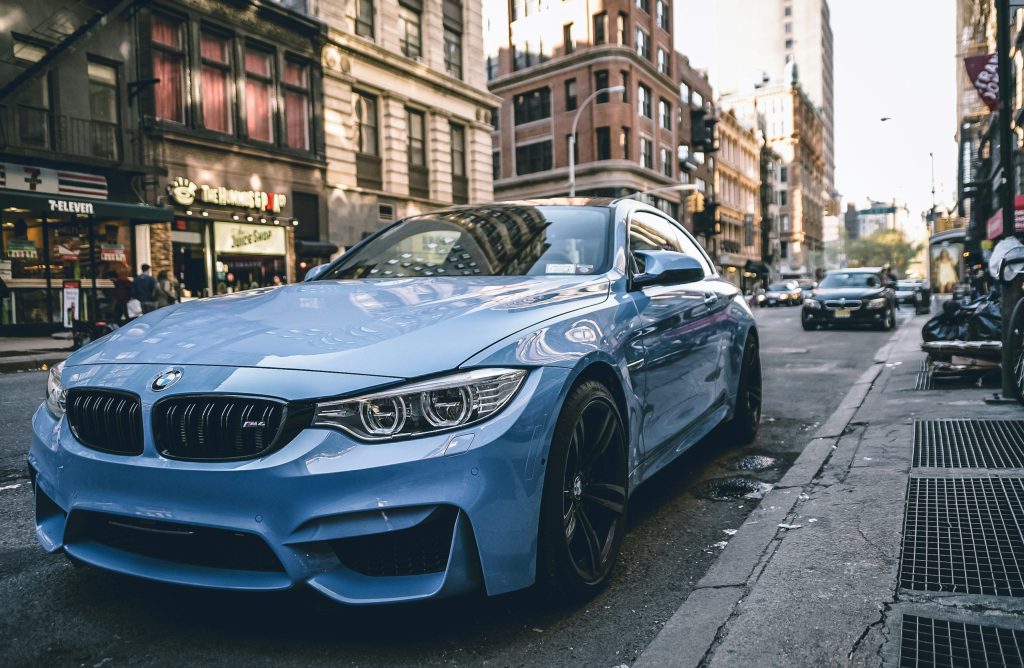
The German automaker has a broad US product range, covering compact luxury cars, executive sedans, sports models, and SUVs. Its vehicles are often purchased by drivers who place considerable importance on responsive handling, engine performance, and premium cabin quality.
Models such as the 3 Series and 5 Series appeal to sedan buyers, while the X3, X5, and X7 provide alternatives for customers who need more passenger or cargo space. The electric i4, i5, and iX extend that choice to battery-powered vehicles.
BMW’s strong satisfaction result suggests that many owners appreciate the combination of driving enjoyment and everyday usability. Consumer Reports also gives BMW a four-out-of-five owner satisfaction rating in its 2026 brand report card, supporting its position near the top of the survey.
However, a willingness to buy again should not be confused with low ownership costs or trouble-free reliability. BMW receives a three-out-of-five predicted reliability rating in the same CR report card. Maintenance, replacement parts, insurance, and repair expenses can also be higher than those of many mainstream vehicles.
For someone considering a BMW, the survey provides encouraging evidence that owners frequently feel satisfied with their purchase. Still, the exact model and powertrain matter.
A buyer comparing a compact sedan with a large luxury SUV should examine model-specific reliability information, service costs, and equipment before deciding. The 71% result reflects strong customer loyalty, but it does not mean every BMW delivers the same ownership experience.
3. Subaru: 69% Would Buy Again
Consumer Reports owner satisfaction ranking: 3rd
Subaru earns third place with 69% of surveyed owners saying they would purchase the same vehicle again. Its result puts it level with Tesla and ahead of several major manufacturers. This is an encouraging position for a company whose US lineup focuses heavily on practical passenger cars and SUVs rather than luxury vehicles.
Subaru has developed a particularly strong following among buyers who value standard all-wheel drive, useful ground clearance, and vehicles suited to changing weather conditions.
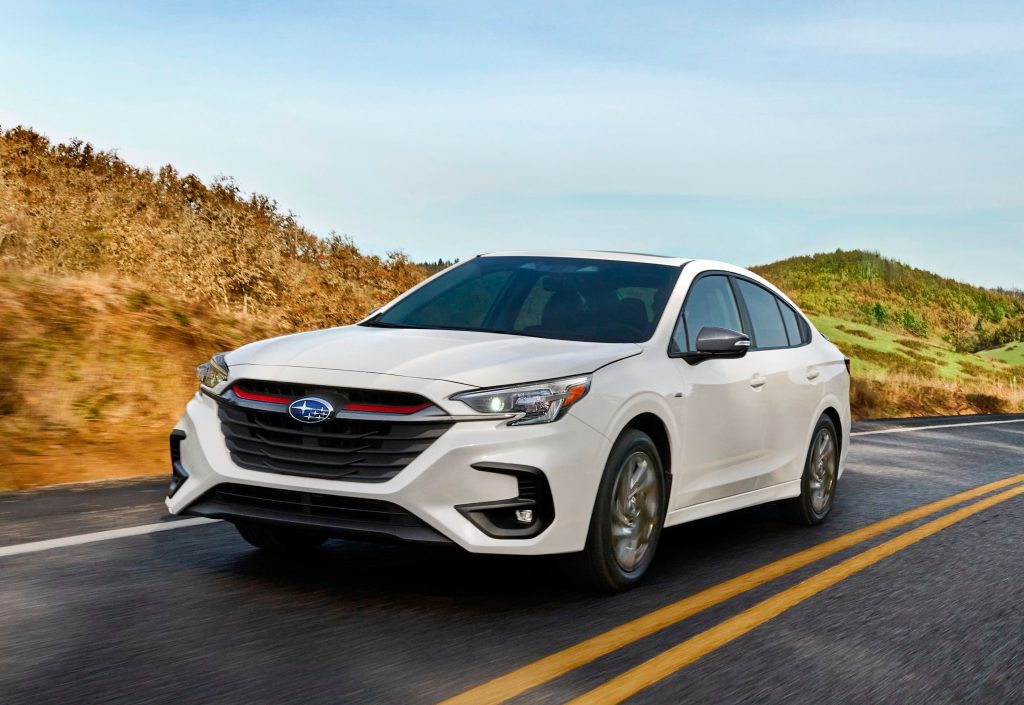
The brand’s popularity is supported by models serving different needs. The Crosstrek appeals to buyers looking for a compact crossover, while the Forester offers a taller cabin and family-friendly practicality.
The Outback combines wagon-like proportions with SUV-inspired capability, and the Ascent provides three rows of seating. This variety allows Subaru to attract customers who want everyday transportation as well as those who regularly travel on snowy roads or unpaved routes.
One interesting aspect of Subaru’s result is that its owners appear willing to return despite the brand not being positioned as a luxury manufacturer. Its appeal is built around practical engineering and a recognizable driving experience.
Consumer Reports also awarded Subaru four out of five points for owner satisfaction in its 2026 brand report card.
However, the 69% figure does not mean every Subaru owner is equally happy. Individual models can differ in comfort, engine performance, infotainment usability, and reliability. The brand’s standard all-wheel-drive arrangement is useful, but it does not eliminate the need for appropriate tires or careful driving in poor conditions.
For buyers considering a Subaru, this survey result provides a meaningful indication of customer loyalty. Its third-place position suggests that many owners believe the brand delivers what they expected when purchasing their vehicles.
Checking the specific model’s reliability, fuel economy, and road-test performance remains important before making a final decision.
4. Tesla: 69% Would Buy Again
Consumer Reports owner satisfaction ranking: 4th
Tesla shares the 69% satisfaction figure with Subaru, securing fourth place in Consumer Reports’ ranking. Its position reflects the continued appeal of the company’s electric vehicles among existing customers.
Tesla has built its identity around battery-powered performance, software-driven features, charging infrastructure, and a minimalist cabin approach. For owners who enjoy these characteristics, returning to the same brand can feel like a natural choice rather than switching back to a conventional gasoline-powered vehicle.
The American automaker’s US passenger-vehicle lineup includes the Model 3 sedan, Model Y SUV, Model S luxury sedan, and Model X SUV. The Cybertruck adds a distinctive electric pickup to its range. These vehicles offer different combinations of driving range, acceleration, passenger capacity, and equipment.
The Model 3 and Model Y are particularly important because they serve customers looking for relatively accessible electric transportation compared with the company’s larger and more expensive offerings.
Tesla’s ownership experience also differs from that of many traditional manufacturers. Software updates can introduce interface changes and additional functions after a vehicle has been purchased.
Its Supercharger network is another important part of the ownership proposition for drivers who regularly travel beyond their local area. These features may help explain why a substantial proportion of owners remain interested in buying the brand again.
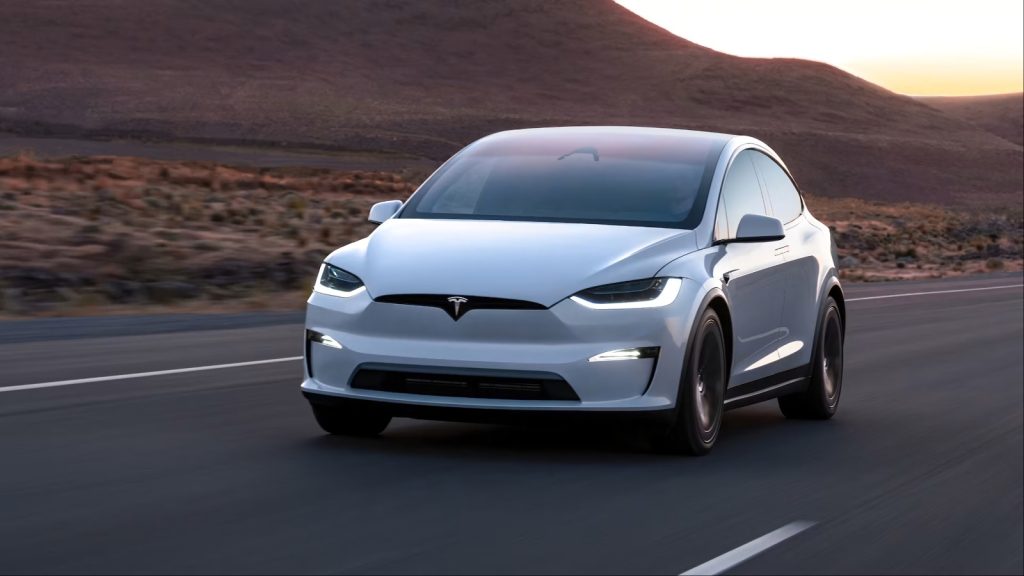
There are, however, reasons to examine the survey result carefully. Coresults Reports gives Tesla a three-out-of-five predicted reliability rating in its 2026 brand report card, meaning satisfaction should not be interpreted as proof of exceptional dependability.
Potential buyers should also consider charging access, insurance costs, repair availability, and the specific vehicle’s range. Tesla’s 69% result demonstrates meaningful customer loyalty, but it does not establish that an electric vehicle suits every household.
Drivers who can charge conveniently and appreciate its technology may find the ownership experience particularly appealing.
5. Ford: 68% Would Buy Again
Consumer Reports owner satisfaction ranking: 5th
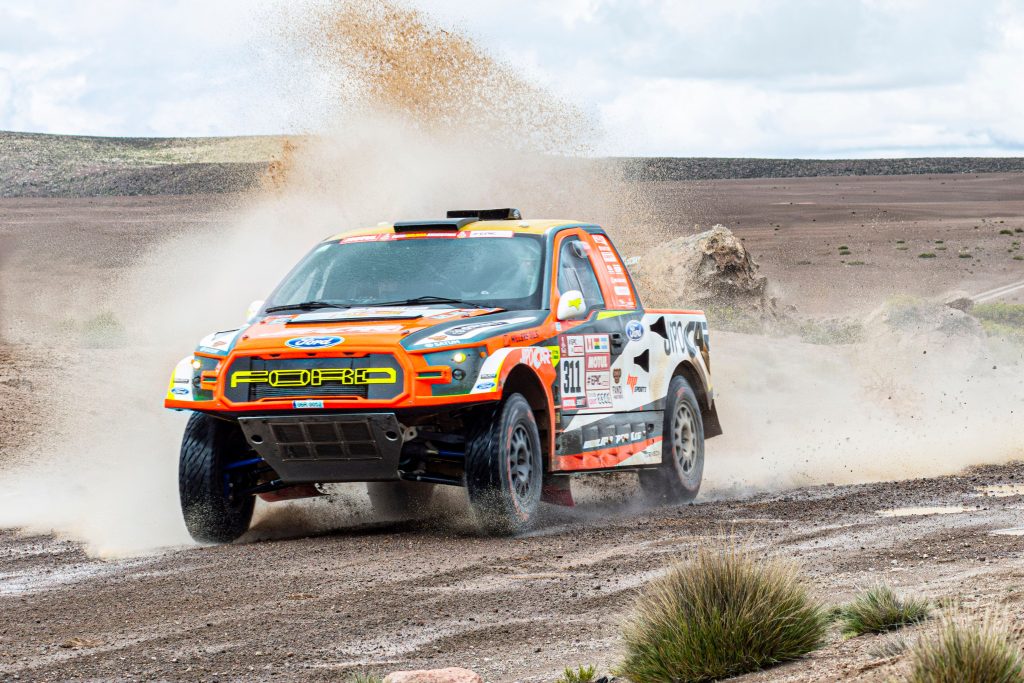
Ford earns fifth place with 68% of surveyed owners saying they would purchase the same vehicle again. Its position is supported by a diverse American lineup that includes family SUVs, full-size pickups, performance cars, and electric vehicles.
Unlike manufacturers focused on just one vehicle category, Ford serves customers with very different expectations, which makes its satisfaction result particularly interesting.
The F-150 remains one of the company’s most important models, attracting buyers who need towing capability, cargo space, and everyday practicality.
The Mustang appeals to drivers who prioritise performance and driving enjoyment, while the Bronco targets customers interested in off-road capability. The Explorer and Expedition offer additional choices for families who need more passenger space.
This variety means that customer satisfaction can depend heavily on the vehicle selected. A pickup owner may judge a vehicle by its hauling ability, while an SUV buyer may place greater importance on comfort, technology and third-row practicality.
Ford’s 68% result is encouraging, but it should not be interpreted as a reliability rating. Consumer Reports evaluates predicted reliability separately, and individual models can perform differently.
For potential buyers, Ford’s position suggests that many existing customers feel their purchases have delivered what they expected. Nevertheless, checking model-specific reliability, maintenance expenses, fuel economy and safety ratings is essential before choosing a vehicle.
The brand average provides useful context, but it cannot replace a detailed assessment of the exact model and trim.
6. Genesis: 66% Would Buy Again
Consumer Reports owner satisfaction ranking: 6th, tied
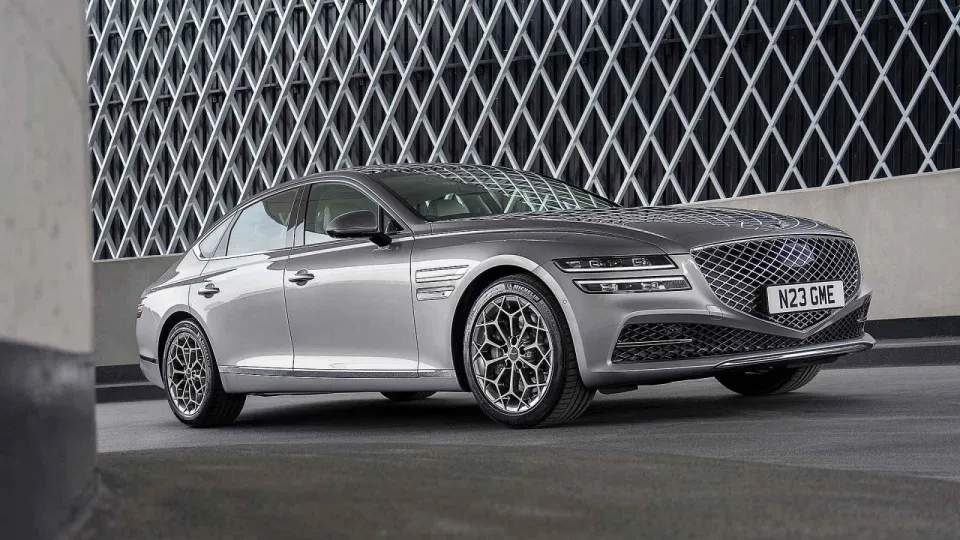
Genesis records 66% in the owner satisfaction survey, sharing sixth place with Lexus. The South Korean luxury manufacturer has developed a strong position in the US market by offering premium interiors, extensive equipment and distinctive styling. Its range includes the G70, G80 and G90 sedans, along with the GV70, GV80 and electric GV60 SUVs.
One reason buyers consider Genesis is the equipment available for the price. Its vehicles frequently offer features associated with more expensive luxury competitors, including sophisticated cabin materials, advanced driver-assistance systems and comfortable seating.
The GV70, for example, gives customers a smaller alternative to traditional midsized luxury SUVs, while the larger GV80 provides additional passenger and cargo space.
Genesis also receives four out of five points for owner satisfaction in Consumer Reports’ 2026 brand report card. However, its predicted reliability rating is two out of five, an important distinction for anyone considering long-term ownership.
The 66% buy-again result indicates that a majority of surveyed owners would repeat their purchase, but it does not mean every model delivers the same experience. Buyers should investigate the reliability history of their preferred vehicle, particularly its electronics and powertrain, and check the availability of authorised service facilities in their area.
Genesis deserves attention from shoppers comparing luxury features and pricing. Its satisfaction result is strong, although ownership costs, service convenience and model-specific dependability should remain part of the purchasing decision.
7. Lexus: 66% Would Buy Again
Consumer Reports owner satisfaction ranking: 6th, tied
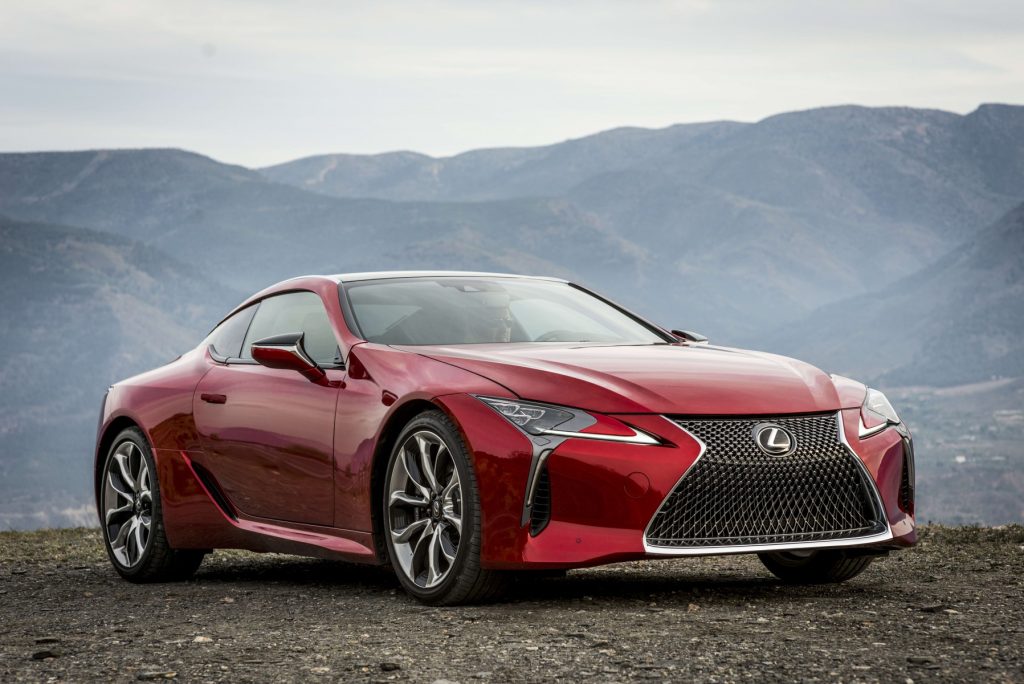
Lexus shares sixth place with Genesis, recording 66% of owners willing to buy the same vehicle again. The Japanese luxury manufacturer has established a strong reputation in the United States through comfortable vehicles, refined cabins and a wide selection of gasoline and hybrid powertrains.
Its range includes the ES and LS sedans, NX and RX crossovers, and larger GX and LX SUVs. A major part of Lexus’s appeal is its focus on relaxed, predictable driving. Many models prioritise cabin quietness, comfortable suspension tuning and straightforward operation rather than aggressive performance.
Hybrid options also attract customers seeking better fuel economy without moving to a fully electric vehicle. The RX Hybrid and NX Hybrid are examples of models that combine luxury equipment with electrified powertrains.
Consumer Reports gives Lexus four out of five points for predicted reliability and four out of five for owner satisfaction in its 2026 brand report card. These results reinforce its position as a manufacturer worth considering for buyers who value long-term ownership confidence.
However, the 66% buy-again result shows that reliability alone does not guarantee complete customer satisfaction. Some owners may want more engaging handling, more modern infotainment systems or greater interior flexibility. Others may find the pricing of higher trims difficult to justify.
For shoppers, Lexus offers a compelling combination of comfort and reputation. Still, comparing individual models is essential. A compact NX serves different needs from a full-size LX, and their running costs, passenger capacity and driving characteristics differ considerably.
8. Toyota: 65% Would Buy Again
Consumer Reports owner satisfaction ranking: 8th
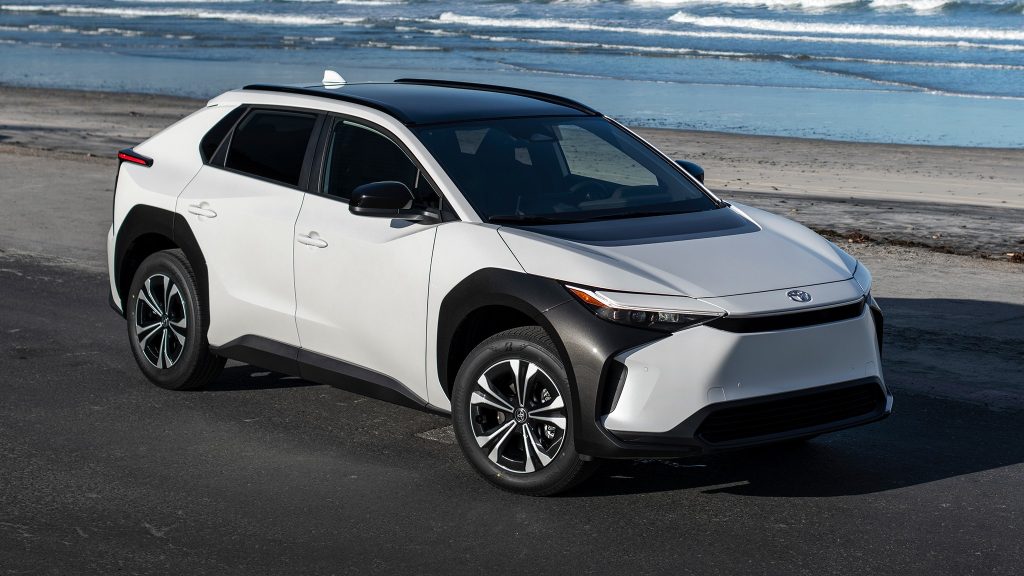
Toyota takes eighth place with 65% of surveyed owners saying they would purchase the same vehicle again. Its position is particularly significant because the company sells vehicles across nearly every major mainstream segment in the United States.
The lineup includes the Corolla, Camry, Prius, RAV4, Highlander, Tacoma and Tundra, giving customers options ranging from economical commuter cars to full-size pickups.
Toyota’s appeal is closely connected to practical engineering, fuel efficiency and long-term ownership confidence. Hybrid technology is another major part of its strategy. Models such as the Prius, Camry Hybrid and RAV4 Hybrid give buyers the opportunity to reduce gasoline consumption without depending on public charging infrastructure.
This flexibility is particularly useful for households that want better fuel economy but are not ready to purchase an electric vehicle.
Consumer Reports awards Toyota four out of five points for predicted reliability and four out of five for owner satisfaction in its 2026 brand report card.
Its 65% buy-again figure nevertheless shows that customer satisfaction involves more than dependability. Some owners may prefer stronger acceleration, quieter interiors or more intuitive infotainment systems. Others may feel that certain trims have become expensive compared with competitors.
For potential buyers, Toyota remains a strong candidate, especially when practicality and fuel economy are priorities. However, the brand average should not be treated as a guarantee that every model is equally satisfying.
Comparing comfort, equipment, performance and reliability at the individual model level will produce a more useful purchasing decision.
9. Honda: 64% Would Buy Again
Consumer Reports owner satisfaction ranking: 9th, tied
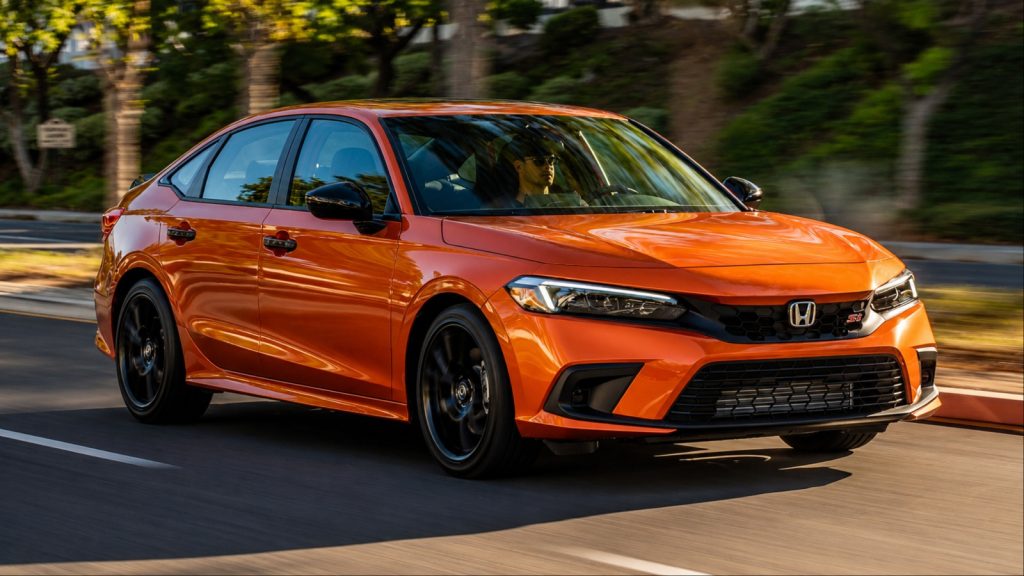
Honda receives 64% in the owner satisfaction survey, sharing ninth place with Chevrolet. The Japanese manufacturer has a broad presence in the American market, with vehicles such as the Civic, Accord, HR-V, CR-V and Pilot.
Its lineup covers compact commuting, family transportation and larger three-row SUV requirements, making it a familiar choice for a wide range of households.
One of Honda’s strengths is its focus on everyday usability. The Civic offers a relatively compact footprint and efficient powertrains, while the Accord provides more passenger space and a traditional midsized-sedan layout.
The CR-V is aimed at families who need cargo flexibility, and the Pilot adds a third seating row for larger households. Hybrid versions of the Accord and CR-V also provide alternatives for buyers seeking improved fuel efficiency.
Consumer Reports gives Honda four out of five points for predicted reliability and four out of five for owner satisfaction in its 2026 brand report card.
Despite these positive ratings, the 64% buy-again result suggests that some owners would consider another manufacturer next time. Factors such as pricing, cabin materials, infotainment usability and driving performance can influence that decision. A strong reliability reputation does not automatically make a vehicle the preferred choice for every customer.
Honda’s position is encouraging for shoppers who value practical transportation. However, buyers should compare the exact model and trim they intend to purchase. A Civic and a Pilot have substantially different passenger requirements, equipment levels and operating costs, so the brand percentage cannot tell the complete story.
10. Chevrolet: 64% Would Buy Again
Consumer Reports owner satisfaction ranking: 9th, tied
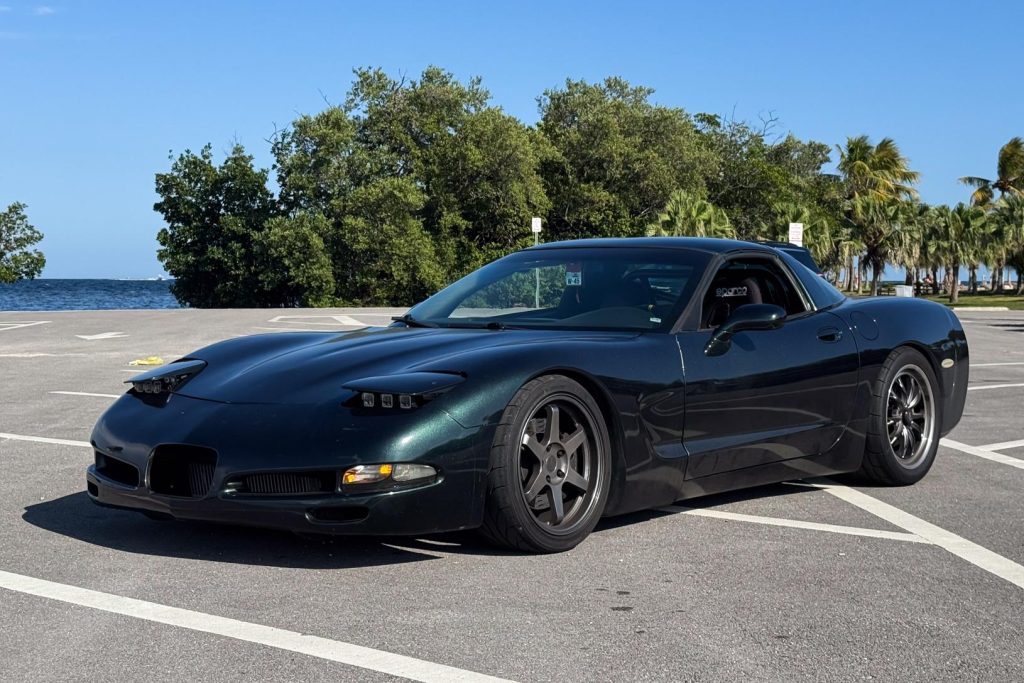
Chevrolet also records 64%, tying with Honda for ninth place. Its wide-ranging US lineup includes affordable passenger vehicles, family SUVs, pickups, electric models and high-performance sports cars.
The Equinox, Traverse, Tahoe, Silverado and Corvette serve very different buyers, making Chevrolet one of the more varied manufacturers represented in this satisfaction comparison.
That diversity is important when interpreting the result. Silverado customers may purchase their trucks for towing, hauling or work-related needs, while Corvette buyers are usually looking for performance and driving excitement.
Families considering the Traverse or Tahoe may place greater emphasis on passenger capacity, cargo room and comfort. A single brand percentage combines these different ownership experiences.
Consumer Reports gives Chevrolet four out of five points for owner satisfaction in its 2026 brand report card.
However, this does not mean every model receives equally positive feedback. An owner’s experience can depend on the powertrain, equipment, price paid and how well the vehicle suits its intended purpose.
The 64% result indicates that most surveyed owners would make the same purchase again, although the figure leaves room for improvement. Buyers should examine model-specific reliability information, safety performance and operating expenses rather than assuming that every Chevrolet offers the same level of satisfaction.
For shoppers comparing mainstream American vehicles, Chevrolet provides plenty of choice. Its range is particularly relevant for people who need a pickup or a larger family SUV. The best way to use this ranking is as a starting point, followed by a closer evaluation of the individual vehicle.
11. Lincoln: 63% Would Buy Again
Consumer Reports owner satisfaction ranking: 11th
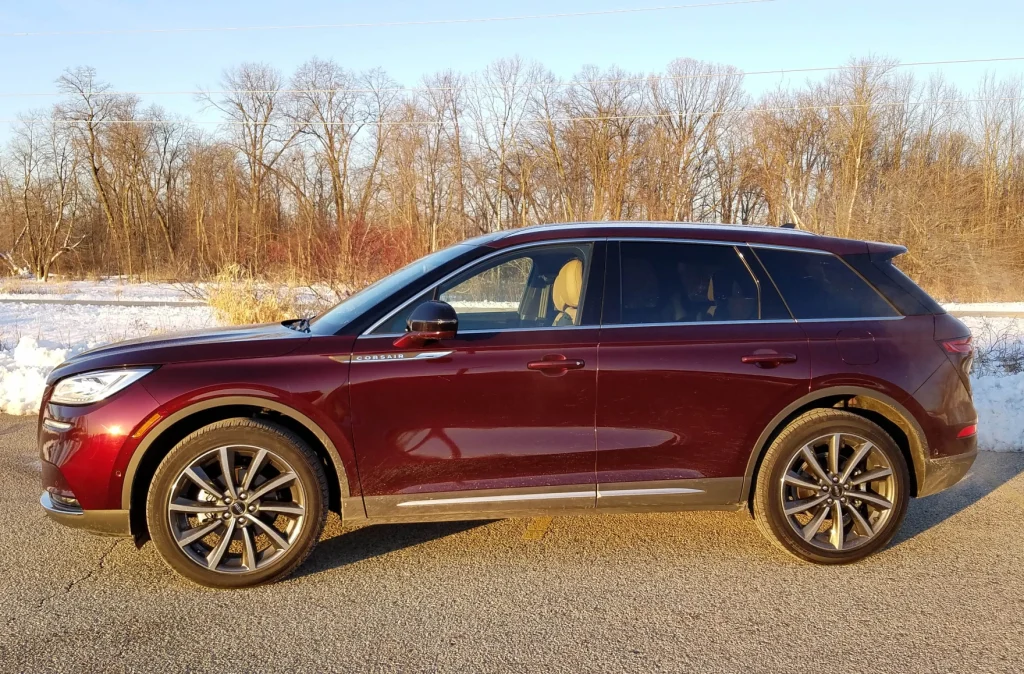
Lincoln completes the ranking with 63% of surveyed owners saying they would buy the same vehicle again. The American luxury manufacturer currently concentrates its US lineup on SUVs, including the Corsair, Nautilus, Aviator and Navigator.
These vehicles target customers who value a comfortable cabin, premium equipment and a relaxed driving experience rather than an especially aggressive approach to performance.
The company’s focus on comfort is an important part of its identity. The Corsair offers a smaller luxury SUV format, while the Nautilus provides more space and a technology-focused interior. The Aviator adds three-row seating, and the Navigator serves buyers who need a large luxury SUV with substantial passenger and cargo capacity.
Consumer Reports’ owner satisfaction breakdown gives Lincoln five out of five points for comfort, making this one of its strongest categories. This suggests that the brand’s emphasis on a comfortable driving and passenger experience is appreciated by many owners.
However, comfort is only one part of ownership. Reliability, technology usability, fuel consumption, repair expenses and dealership experience can all influence whether someone would repeat a purchase.
Lincoln’s 63% result indicates that a majority of surveyed owners remain satisfied enough to consider buying the same brand again, but it finishes below the other manufacturers in this selection.
For shoppers interested in American luxury SUVs, Lincoln is worth considering, especially when ride comfort and interior space are priorities. A careful test drive and comparison of individual model reliability results will help determine whether its strengths match the buyer’s expectations.