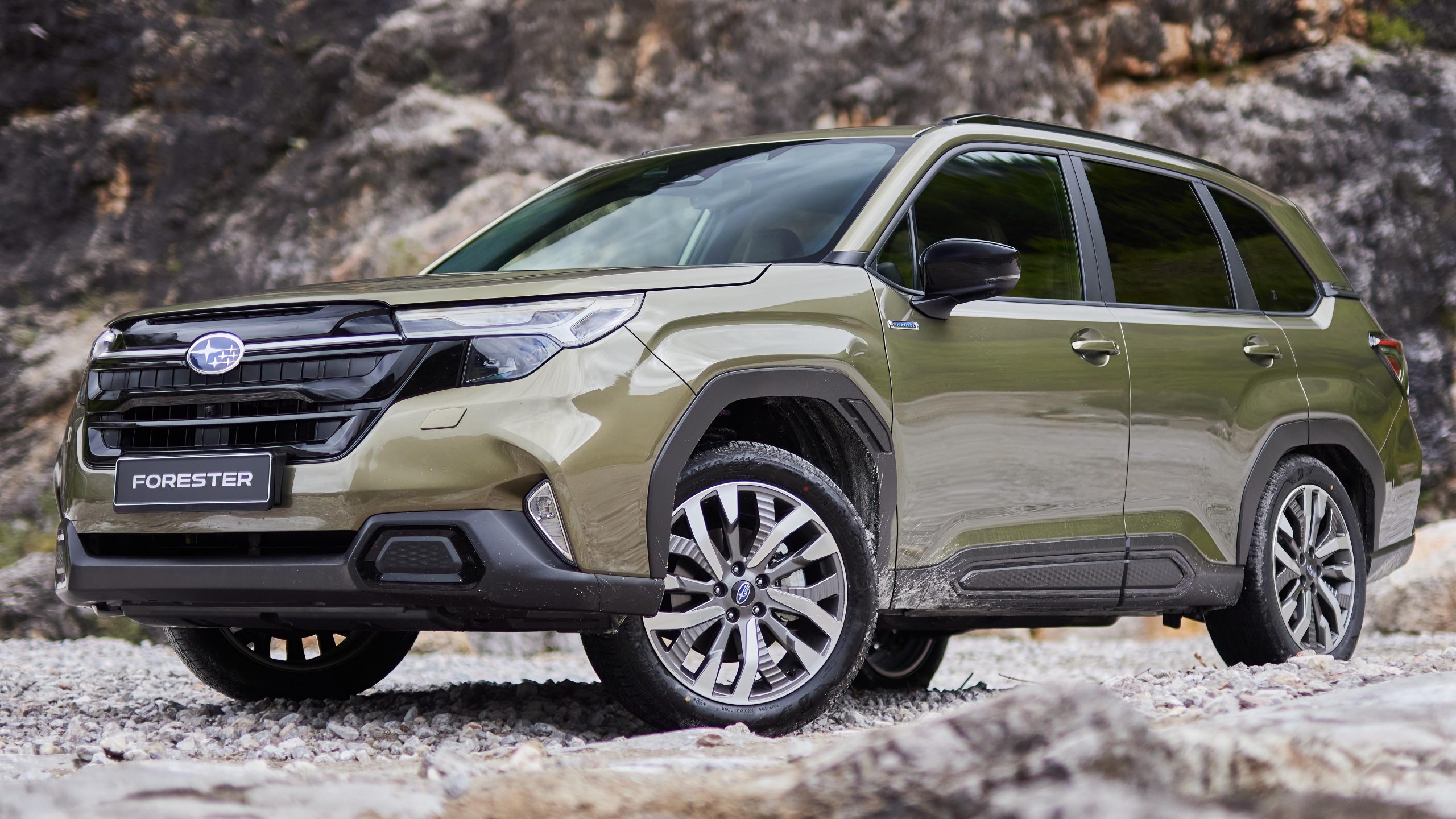
Consumer Reports puts new vehicles through an extensive testing program before assigning a road-test score. Its evaluations cover acceleration, braking, handling, ride comfort, emergency maneuvers, fuel economy, seat comfort, and everyday usability.
These assessments help identify vehicles that perform well beyond what their specifications promise. For this list, the focus is strictly on the organization’s 2026 US road-test scores, rather than reliability predictions or combined ratings.
The results include luxury SUVs, an electric sedan, and practical family vehicles, showing that excellent test performance is not limited to one vehicle category.
1. BMW X5: 96/100
Consumer Reports road-test score: 96/100
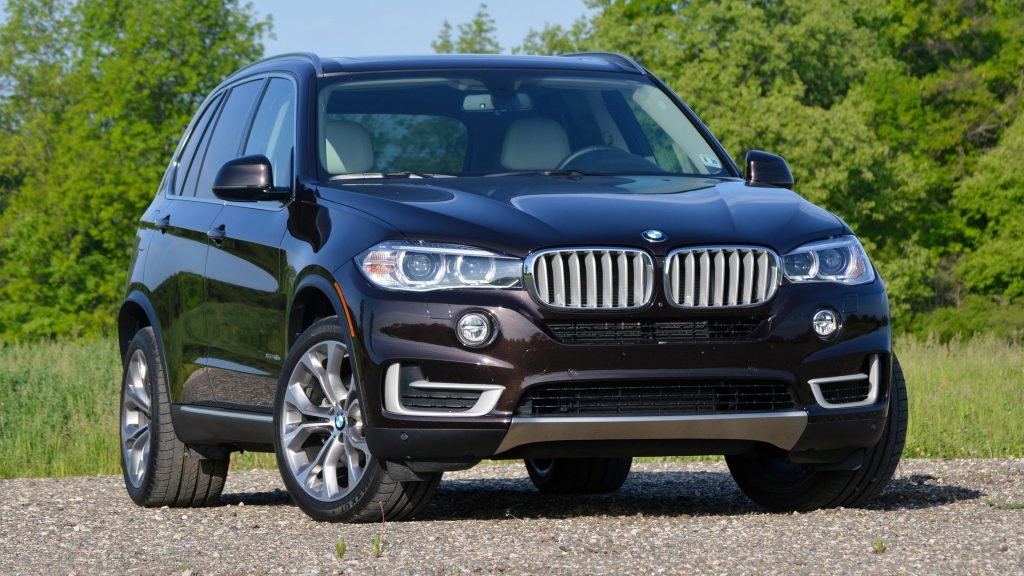
The BMW X5 takes the top position in this selection with an impressive 96-point road-test score. That is a particularly strong result for a mid-sized luxury SUV, a category where manufacturers must balance substantial vehicle weight, passenger comfort, and responsive handling.
Consumer Reports describes the X5 as a well-rounded vehicle, highlighting its power delivery, refined cabin, comfortable suspension, and confident road manners. Its performance is not dependent on one standout feature. Instead, the SUV succeeds by delivering a consistently polished experience across several important areas.
CR’s tested gasoline-powered xDrive40i uses a turbocharged 3.0-liter inline-six engine producing 375 horsepower, paired with an eight-speed automatic transmission and all-wheel drive.
The organization recorded a 0-to-60 mph time of just 6 seconds. Its measured fuel economy was 23 mpg overall, an impressive result for a gasoline-powered luxury SUV with this level of performance.
The transmission also received praise for its quick, smooth gear changes, while the engine responds immediately without noticeable turbo hesitation.
The suspension deserves considerable credit. Rather than allowing the body to feel unsettled over uneven pavement, it keeps the X5 composed while maintaining a comfortable ride. Braking performance is another strength, and the quiet cabin adds to the sense of refinement.
Its front seats are supportive and offer extensive adjustment, making longer journeys more comfortable for the driver and front passenger.
Not every detail is perfect. The rear-seat cushion sits relatively low, which can leave some passengers wanting more thigh support. The infotainment system also has a learning curve because certain functions are buried in layered menus. Nevertheless, its 96-point result establishes the X5 as an exceptional performer in CR’s testing.
2. Subaru Forester Hybrid: 94/100
Consumer Reports road-test score: 94/100
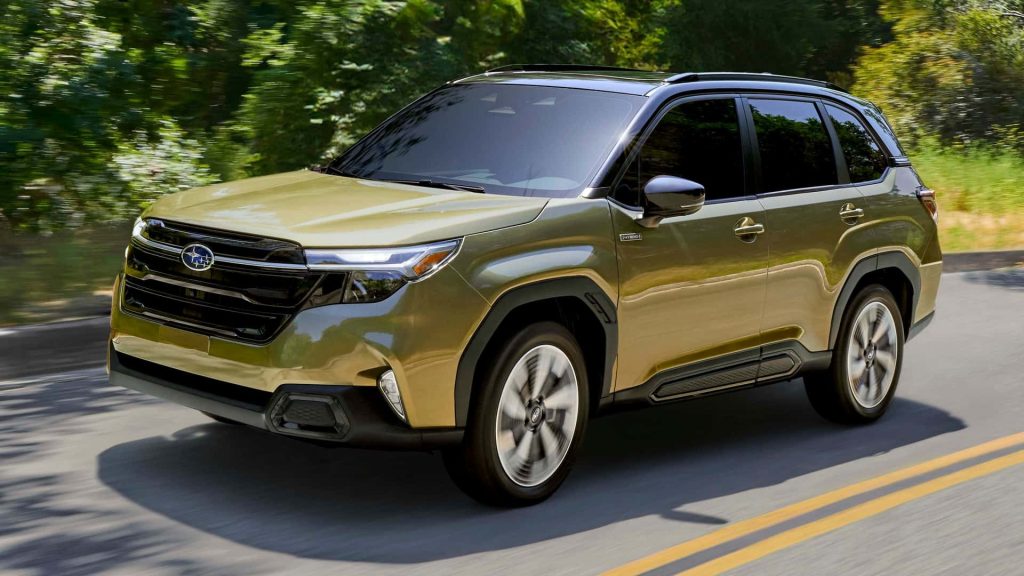
The Subaru Forester Hybrid earns 94 points, placing it among the highest-scoring vehicles in Consumer Reports’ 2026 testing. Its achievement is especially interesting because it is a practical compact SUV rather than a high-powered luxury vehicle.
The hybrid version retains the Forester’s useful cabin layout, excellent outward visibility, and standard all-wheel drive while adding electric assistance to improve power delivery and fuel economy. CR’s testers found that the hybrid system makes everyday driving smoother, particularly when pulling away from a stop or accelerating at lower speeds.
Under the hood is a 2.5-liter horizontally opposed four-cylinder engine working with two motor-generator units and a 1.1-kilowatt-hour lithium-ion battery. The system produces 194 horsepower and sends power through an electronically controlled continuously variable transmission.
Subaru uses a mechanical full-time all-wheel-drive system rather than relying on a small electric motor to provide rear-wheel traction. This arrangement helps maintain the brand’s familiar approach to all-weather capability.
CR recorded 34 mpg overall during its testing, compared with 29 mpg for the conventional Forester it evaluated. The hybrid also delivers a more pleasant initial takeoff because electric assistance helps provide power at low speeds.
Its ride is comfortable, and the added weight of the hybrid equipment slightly improves how the suspension handles uneven surfaces. The cabin is quieter than the regular model, although the engine can become noticeably louder when pushed hard.
There are compromises. The 0-to-60-mph run took 9.3 seconds, so the Forester Hybrid is not particularly quick. Its handling is competent but not especially entertaining, and the interior materials are relatively basic for a vehicle carrying a hybrid price premium.
Even so, its combination of practicality, visibility, ride comfort, and fuel efficiency makes the 94-point result understandable.
3. BMW X7: 94/100
Consumer Reports road-test score: 94/100
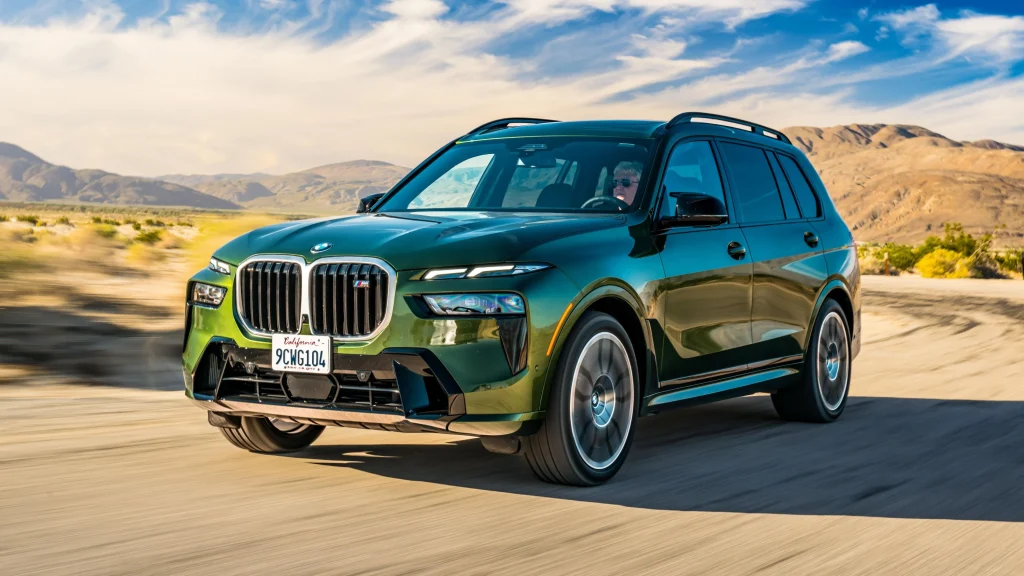
A large three-row SUV might not be the first vehicle that comes to mind when discussing excellent road-test performance. The BMW X7 challenges that assumption with a score of 94 out of 100. Its result places it alongside the Subaru Forester Hybrid, despite serving a very different purpose.
Where the Subaru prioritizes practical family transportation and efficiency, the X7 concentrates on combining substantial passenger space with luxury, strong acceleration, and controlled handling.
The tested X7 was equipped with a turbocharged 3.0-liter six-cylinder engine producing 375 horsepower and paired with an eight-speed automatic transmission. Consumer Reports recorded a 0-to-60-mph time of 6.5 seconds and fuel economy of 22 mpg overall.
Those figures are respectable for a full-size luxury SUV with three seating rows. The powertrain delivers its performance smoothly, while the automatic transmission helps the vehicle maintain a relaxed character during ordinary driving.
The X7’s cabin is a major part of its appeal. Its first two rows offer generous space, and the interior uses premium materials to create the atmosphere expected from a flagship BMW SUV. The vehicle also benefits from a quiet cabin and a composed ride, making it suitable for long highway journeys.
Handling is more controlled than its size might suggest, although buyers should not expect it to feel as agile as a smaller sports sedan.
There are practical limitations. The third row is more suitable for children or shorter journeys than for regularly carrying adults. Its large dimensions can also make tight parking spaces and narrow urban streets challenging. Fuel economy is another consideration for buyers who drive long distances frequently.
Nevertheless, the X7’s 94-point score demonstrates that size does not automatically prevent a vehicle from delivering impressive road manners. It combines luxury, passenger capacity, and performance in a package that performed exceptionally well in CR’s evaluations.
4. BMW i5: 93/100
Consumer Reports road-test score: 93/100
The BMW i5 earns 93 points, proving that an electric luxury sedan can deliver a highly accomplished driving experience without relying solely on instant acceleration. It brings electric propulsion to the familiar 5 Series format, combining a spacious four-door body with a quiet cabin and modern technology.
Consumer Reports’ test results place it among the strongest vehicles in its category, with particular strengths in acceleration, handling, ride comfort, and cabin refinement.
The US lineup includes several powertrain configurations. The eDrive40 uses a single electric motor producing 335 horsepower, while the xDrive40 adds a second motor and all-wheel drive, raising output to 389 horsepower.
The more powerful M60 xDrive produces 590 horsepower from its dual-motor setup. Buyers therefore have a choice between a more efficiency-oriented luxury sedan and a substantially quicker performance version.
One of the most useful findings from CR’s testing concerns highway driving distance. The organization measured 295 miles at a steady 70 mph in its tested i5. This is an important figure because highway driving can produce different results from laboratory estimates or manufacturer range claims.
For drivers who regularly travel between cities, independently measured range provides a more practical indication of what to expect.
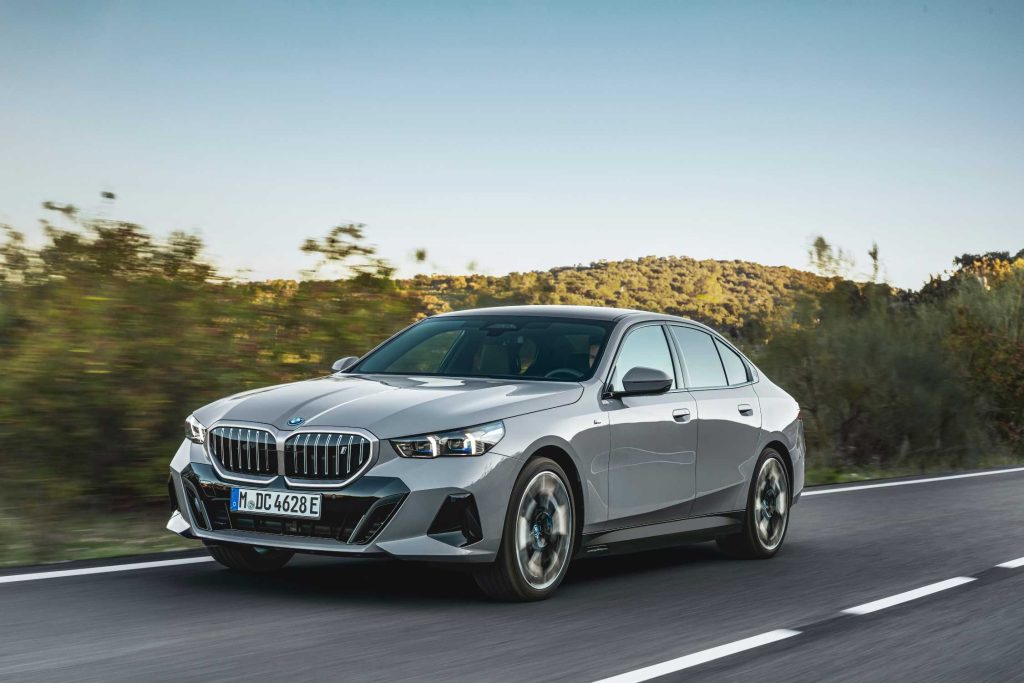
The i5 also benefits from a quiet cabin and comfortable front seats. Its handling feels controlled, and the electric powertrain provides immediate response when accelerating.
The large digital displays give the interior a modern appearance, although putting many vehicle functions into touchscreen menus can make some adjustments less convenient. Rear-seat space is also not particularly generous compared with certain larger luxury sedans.
Its 93-point result reflects a well-developed combination of comfort, refinement, and performance. However, purchase price, charging access, and real-world range should all be considered before choosing an electric vehicle.
5. Lexus TX Hybrid: 93/100
Consumer Reports road-test score: 93/100
The Lexus TX Hybrid shares the i5’s 93-point result, but its strengths come from an entirely different approach to vehicle design. It is a three-row luxury SUV intended for families who need passenger capacity without giving up comfort or strong acceleration.
Consumer Reports’ tested TX500h F Sport combines a turbocharged gasoline engine with electric assistance, producing a powertrain that feels considerably more energetic than its large body might suggest.
Its hybrid system pairs a turbocharged 2.4-liter four-cylinder engine with electric motors to produce 366 horsepower. The tested version uses a six-speed automatic transmission and all-wheel drive.
CR recorded a 0-to-60-mph time of 6.3 seconds and fuel economy of 24 mpg overall on premium fuel. These results make it a reasonably quick family SUV, although its efficiency is not comparable with smaller hybrid crossovers.
The TX500h’s handling is one of its most notable qualities. Its steering feels well weighted, and the suspension keeps body movement controlled through corners.
The adaptive suspension and dynamic rear steering help the large SUV feel more manageable when changing direction. It also provides generous room in the first two rows, while the third row gives families useful additional seating capacity.
The interior is comfortable, although the infotainment system requires some adjustment. Its large 14-inch display is easy to read, but using a touchscreen for several frequently accessed functions can distract drivers.
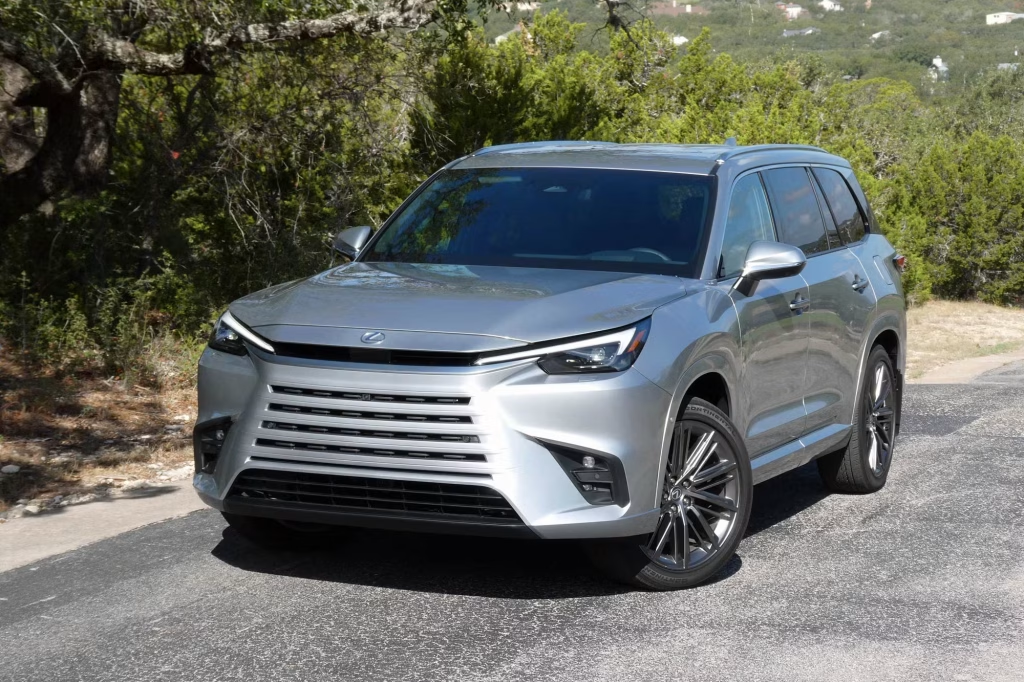
The 22-inch wheels fitted to CR’s tested vehicle also allow some rough pavement to be felt inside the cabin. Third-row space is useful, but adults may find it less comfortable than the first two rows.
The TX Hybrid’s 93-point result is a strong endorsement of its driving performance. Buyers should still compare the hybrid with the regular TX and consider the higher price, premium-fuel requirement, and intended passenger use before deciding which version makes the most sense.
6. Subaru Ascent: 92/100
Consumer Reports road-test score: 92/100
The Subaru Ascent earns 92 points, making it another strong performer among family-focused SUVs. Unlike the Forester, which is a smaller two-row crossover, the Ascent is designed to accommodate larger families with three rows of seating.
Its road-test result is particularly notable because the vehicle prioritises comfort, visibility and passenger practicality rather than sporty driving characteristics. Consumer Reports found that its suspension delivers a plush and controlled ride, helping it remain comfortable over uneven roads.
Power comes from a turbocharged 2.4-liter four-cylinder boxer engine producing 260 horsepower and 277 lb-ft of torque. It is paired with a continuously variable transmission and Subaru’s standard all-wheel-drive system.
CR’s testing recorded 22 mpg overall, which is a reasonable figure for a three-row SUV with this powertrain and drivetrain configuration.
The engine provides enough power for ordinary commuting and highway driving, although its initial response can feel jumpy when pulling away from a stop. That behaviour takes some adjustment, particularly for drivers who prefer smoother throttle response.
The suspension is a clear strength. It absorbs bumps effectively and keeps the vehicle settled during regular driving, making the Ascent a comfortable option for families covering long distances.
Handling is less impressive. The steering lacks the precision found in smaller SUVs, and the body leans noticeably when the vehicle is pushed through corners. This is not necessarily a serious concern for its intended audience, but drivers seeking a more engaging experience may prefer a smaller crossover.
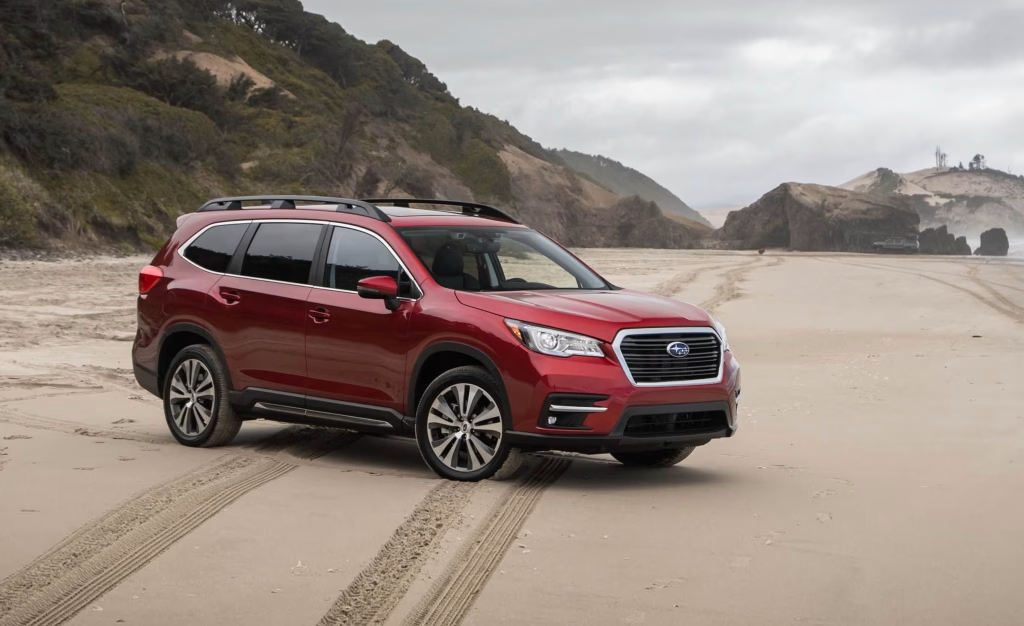
The Ascent’s 92-point road-test score shows that a family SUV can perform very well without being sporty. Its combination of standard all-wheel drive, a comfortable ride and useful interior space makes it a practical choice.
Buyers should still consider fuel consumption, third-row access and the vehicle’s individual reliability results before purchasing.
7. Audi A8: 91/100
Consumer Reports road-test score: 91/100
The Audi A8 secures a 91-point road-test score, placing it among the strongest luxury sedans evaluated in Consumer Reports’ 2026 US ratings. Its appeal is based on refinement rather than aggressive sports-car behaviour.
The A8 is designed to provide a quiet, comfortable and composed experience, particularly for drivers who spend considerable time travelling on highways. Its road-test result reflects the importance of ride quality, cabin comfort and predictable handling in a full-size luxury sedan.
The tested A8 uses a turbocharged 3.0-liter V6 engine paired with an eight-speed automatic transmission and all-wheel drive. The engine produces 335 horsepower, providing substantial performance for a large sedan.
CR’s published testing table records a 0-to-60-mph time of 6.1 seconds and fuel economy of 21 mpg overall. These figures show that the A8 offers respectable acceleration, although fuel consumption is not its strongest selling point.
The A8’s strengths are closely connected to its luxury-car mission. Its suspension is designed to isolate occupants from rough road surfaces, while the cabin offers the quietness expected from a flagship sedan.
The driving experience is smooth and relaxed, and all-wheel drive provides additional traction in slippery conditions. Its long-wheelbase proportions also help create a spacious passenger environment.
However, the A8 is expensive to purchase and maintain compared with mainstream sedans. Its size can make it less convenient in crowded parking areas, and its fuel economy may disappoint drivers who prioritise low running costs.
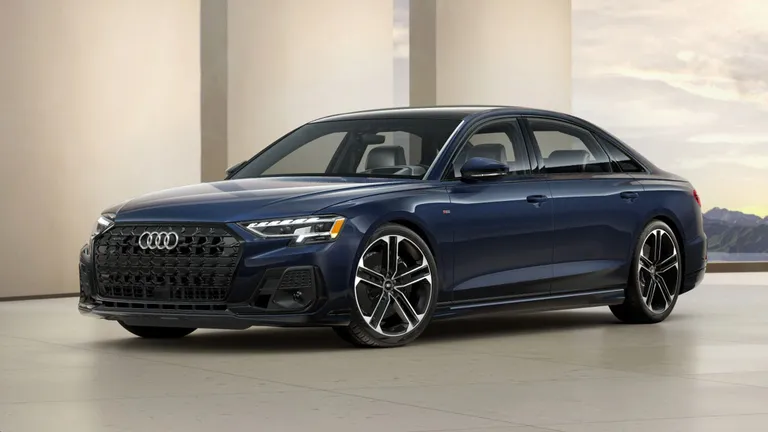
The model’s premium positioning also means that buyers should carefully compare equipment and ownership expenses with competing luxury sedans.
A 91-point road-test score is a strong achievement, especially for a vehicle focused on comfort and refinement. The A8 is best suited to buyers who value a quiet, sophisticated highway cruiser more than a lightweight or particularly sporty driving experience.
8. BMW 5 Series: 90/100
Consumer Reports road-test score: 90/100
The BMW 5 Series completes this selection with a 90-point road-test score. It is important to note that this score is tied with other models, including the Audi Q7 and Genesis GV60 in the published 2026 results.
The 5 Series is included here as one representative of that tied group. Its appeal comes from balancing luxury-sedan comfort with responsive handling, making it suitable for drivers who want a refined daily vehicle that remains enjoyable on longer journeys.
Consumer Reports tested the 530i, which uses a turbocharged 2.0-liter four-cylinder engine producing 255 horsepower. It is paired with an eight-speed automatic transmission, and the tested version uses all-wheel drive.
CR recorded 29 mpg overall, a strong result for a luxury midsize sedan with this level of equipment. The magazine’s published testing table also lists a 6.6-second 0-to-60-mph time for the tested model.
The 5 Series delivers a composed driving experience. Its steering and handling feel controlled, while the suspension maintains a firm but compliant ride. The front seats are well shaped and supportive, and the rear seat offers useful passenger space, although taller occupants may find it somewhat snug.
The cabin’s 14.9-inch central touchscreen houses many of the vehicle’s functions, giving the dashboard a clean appearance but requiring drivers to navigate menus for some adjustments.
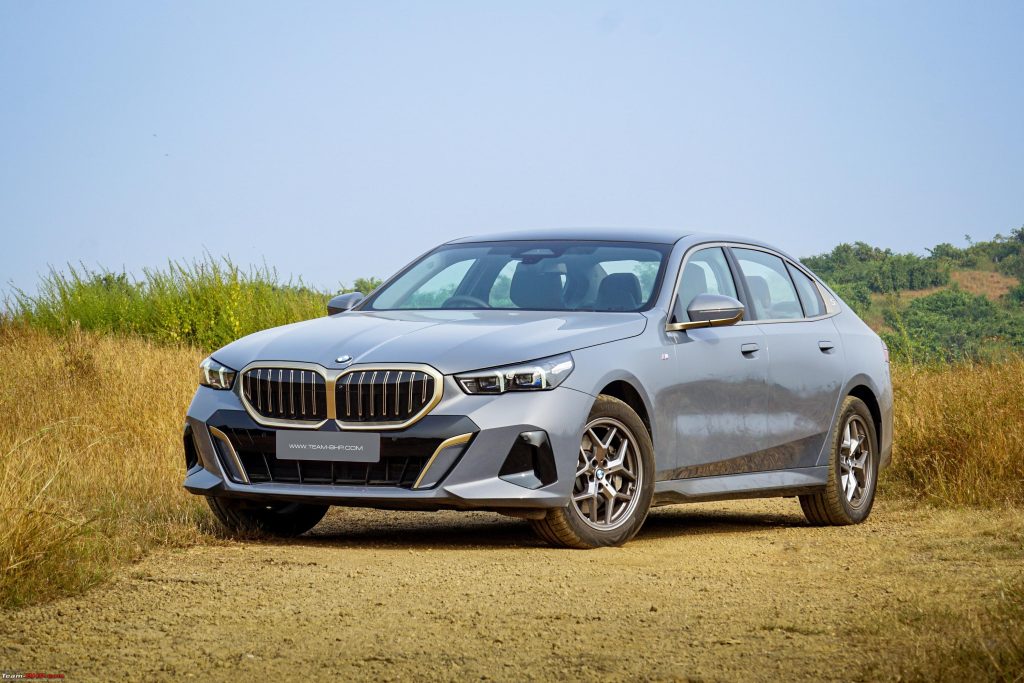
BMW also offers a more powerful 540i with a turbocharged 3.0-liter inline-six engine producing 375 horsepower. This gives buyers an alternative if they want stronger acceleration than the four-cylinder model provides.
Rear-wheel drive is available on certain versions, while equipment and drivetrain availability vary by configuration.
The 5 Series earns its place through a balanced combination of performance, efficiency and comfort. Its 90-point result is not the highest in this selection, but it remains a strong showing in a competitive luxury-sedan segment. Buyers should compare the exact trim and powertrain rather than assume every 5 Series delivers identical results.