
A new vehicle can look impressive in a showroom but become an expensive ownership experience when mechanical and electrical problems start appearing. Consumer Reports’ 2026 reliability assessment highlights ten vehicles that American buyers should research particularly carefully before making a purchase.
Based on owner feedback covering approximately 380,000 vehicles, the survey identifies recurring problems involving engines, transmissions, electric motors, batteries, charging systems, and onboard electronics.
Interestingly, electric vehicles and plug-in hybrids account for most of these entries, although conventional gasoline-powered SUVs also struggle. These rankings offer an important warning about choosing newer technology without considering its reliability history.
1. GMC Acadia: Predicted Reliability Score of 14
Rank 1 | 14/100
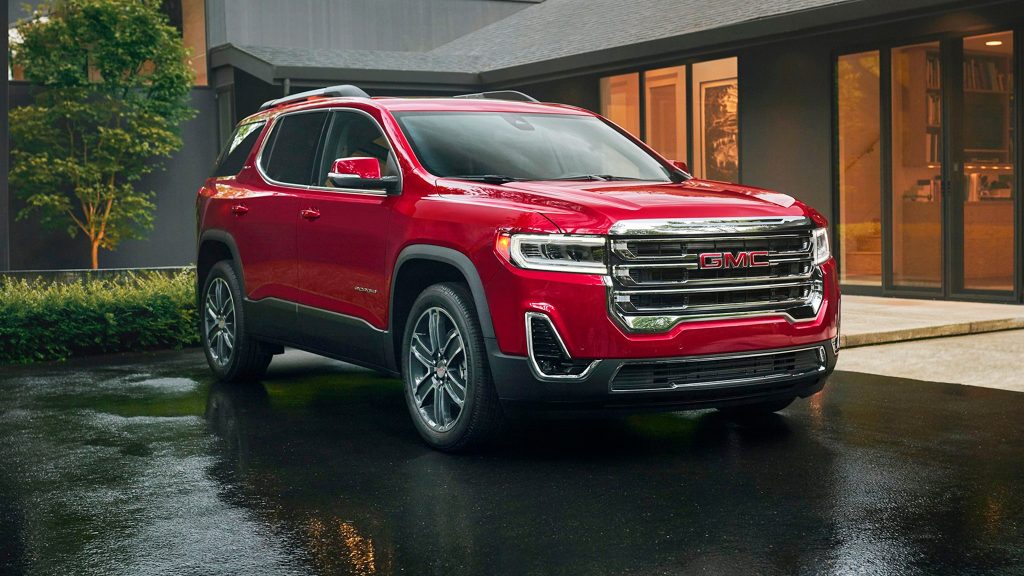
The GMC Acadia takes the bottom position in Consumer Reports’ 2026 reliability assessment, recording just 14 points out of 100. This is a particularly concerning result for a midsize three-row SUV designed to serve American families.
The latest generation received a substantial redesign for the 2024 model year, bringing updated styling, a more spacious cabin, and a new powertrain. However, the changes have not translated into the dependable ownership experience that buyers would expect from a modern family vehicle.
Under the hood, the 2026 Acadia uses a turbocharged 2.5-liter four-cylinder engine producing 328 horsepower and 326 lb-ft of torque. An eight-speed automatic transmission sends power to the front wheels or an available all-wheel-drive system, depending on configuration.
These specifications make the SUV reasonably powerful for transporting passengers and cargo, but performance figures do not tell the full ownership story.
Consumer Reports identifies several concerning trouble areas, particularly the transmission, brakes, electrical accessories, and in-car electronics.
Owner reports include transmission-fluid leaks and more serious transmission failures, along with electronic equipment that can malfunction. Problems involving these systems can create inconvenience and potentially expensive repairs once warranty coverage expires.
The Acadia’s low score is especially important because it is not an electric vehicle with an unfamiliar powertrain. It demonstrates that conventional gasoline SUVs can also experience substantial reliability difficulties.
For American families considering this GMC, the 14-point prediction deserves serious attention. Buyers should investigate the specific model year, outstanding recalls, and repair history rather than assuming that a major redesign automatically produces a more dependable vehicle.
2. Rivian R1T: Predicted Reliability Score of 18
Rank 2 | 18/100
Electric pickups promise impressive acceleration, advanced technology, and the convenience of home charging. However, the Rivian R1T’s predicted reliability score of just 18 shows that an innovative product can still face considerable ownership challenges.
It ranks second among the least reliable vehicles in Consumer Reports’ 2026 assessment, making it one of the weakest performers in the electric pickup segment.
Unlike traditional trucks, the R1T uses an electric skateboard platform with its battery pack integrated into the vehicle’s structure. Depending on configuration, the pickup has dual-motor, tri-motor, or quad-motor all-wheel-drive arrangements.
Its higher-performance versions deliver substantial power, while the vehicle’s electric architecture provides instant torque and impressive acceleration.
Unfortunately, owners have reported problems involving major electric components. Consumer Reports identifies concerns with the EV battery, electric motors, climate system, steering and suspension, electrical accessories, and body hardware.
Some reports describe battery replacements and electric motor failures. Other complaints involve powered door-handle mechanisms and tailgate hardware, illustrating that reliability problems are not restricted to the main propulsion system.
This matters because electric pickups rely on sophisticated electronic and mechanical systems working together. A fault involving the battery, motor, or supporting electronics can require specialized diagnostic equipment and repairs. Owners may also have fewer convenient service options depending on their location.

Consumer Reports’ 18-point prediction is based on earlier R1T model-year information and Rivian’s brand reliability results. It should not be interpreted as proof that every 2026 truck will experience failures, but it signals considerable ownership risk compared with higher-rated alternatives.
The R1T remains an interesting electric pickup for its performance and utility. Nevertheless, American buyers prioritizing dependable long-term ownership should investigate its reliability history and service arrangements carefully before purchasing.
3. Chevrolet Blazer EV: Predicted Reliability Score of 19
Rank 3 | 19/100
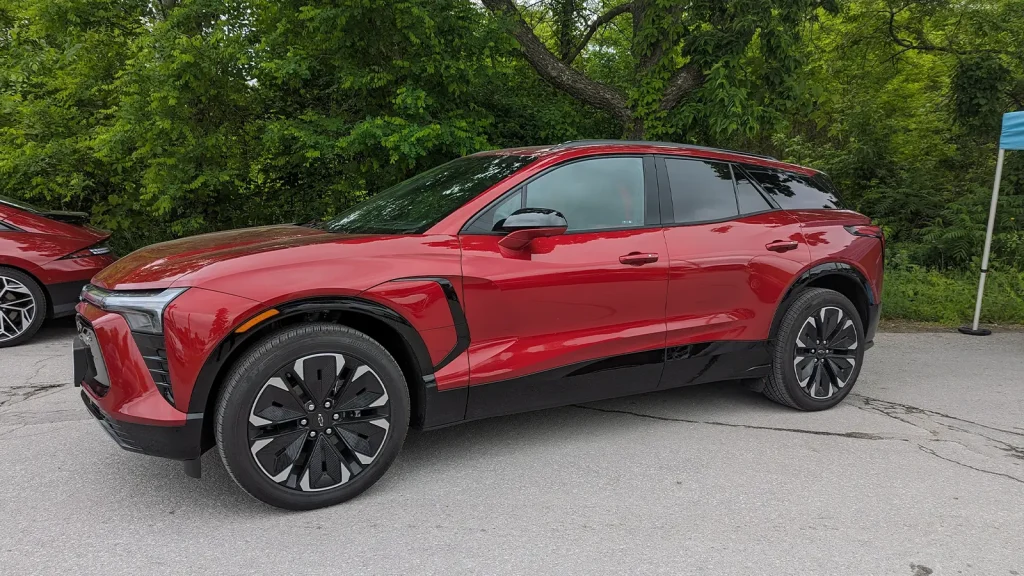
Chevrolet’s Blazer EV earns just 19 points in Consumer Reports’ 2026 reliability assessment, placing it among the three weakest-performing vehicles in the survey.
The electric SUV was introduced as an important part of Chevrolet’s transition toward battery-powered transportation, offering modern styling, multiple configurations, and a technology-focused cabin.
However, its reliability results indicate that buyers should look beyond its impressive specifications before making a purchasing decision.
The American-market Blazer EV is available in different configurations, including front-wheel-drive and all-wheel-drive versions, depending on trim and model year. Its electric powertrain delivers immediate acceleration, while the larger battery configurations provide substantial driving range.
The vehicle also supports DC fast charging, allowing drivers to replenish the battery at compatible public charging stations.
Unfortunately, Consumer Reports identifies several problem areas that have affected its predicted reliability. These include EV battery malfunctions, battery cooling problems, climate-system faults, electrical accessories, and onboard electronics.
Reports involving the 12-volt battery are particularly relevant because this smaller battery supports many conventional electrical functions, even though the vehicle uses a much larger high-voltage battery for propulsion.
Infotainment complaints also deserve attention. Problems involving display screens freezing or going blank can affect navigation, vehicle settings, and access to important information. Climate-system issues are another concern because electric vehicles depend on electrically operated heating and cooling equipment.
The Blazer EV’s 19-point score does not mean every vehicle will experience these problems. However, it indicates that previous owner experiences have created a weak reliability prediction for the 2026 model.
For American shoppers considering an electric SUV, the Blazer EV deserves particularly careful research. Checking the latest software updates, recall completion, warranty coverage, and service availability is sensible before committing to ownership. Its technology is appealing, but its reliability record remains a significant concern.
4. Mazda CX-90 Plug-in Hybrid: Predicted Reliability Score of 20
Rank 4 | 20/100
The Mazda CX-90 Plug-in Hybrid is an example of how combining multiple advanced technologies can create additional reliability challenges.
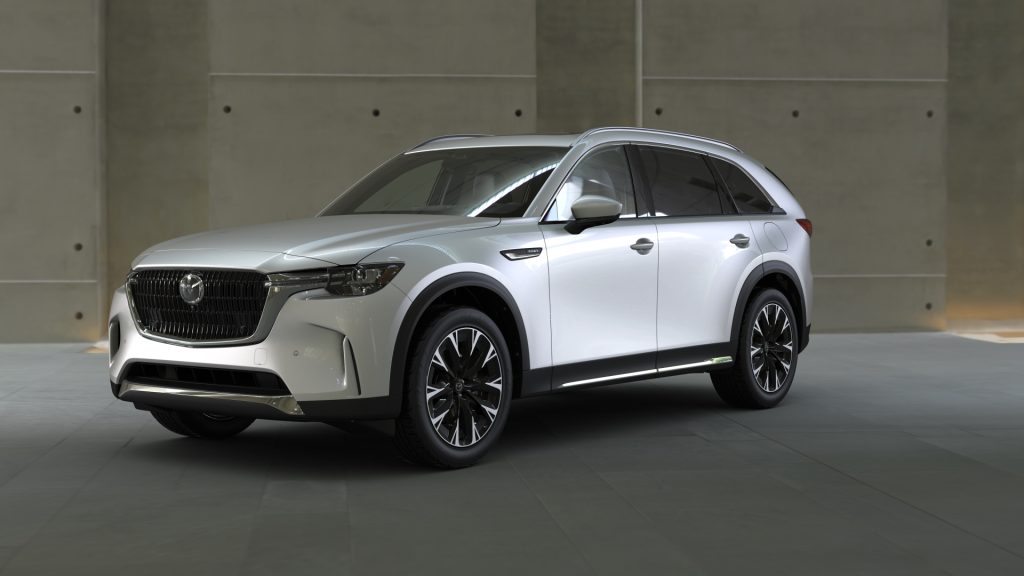
With a predicted reliability score of just 20, this three-row SUV ranks fourth among Consumer Reports’ least reliable vehicles for 2026. Its premium interior, attractive styling, and electrified powertrain make it appealing on paper, but its reported ownership problems tell a less encouraging story.
Unlike a conventional hybrid, the CX-90 Plug-in Hybrid can be charged externally and driven using electricity for shorter journeys. Its powertrain combines a 2.5-liter four-cylinder gasoline engine with an electric motor and a rechargeable battery.
The system produces 323 horsepower and 369 lb-ft of torque when using premium gasoline. Mazda also provides standard all-wheel drive, making the vehicle suitable for drivers who want additional traction.
The plug-in system offers an EPA-estimated electric driving range of 27 miles. This allows some owners to complete shorter daily journeys without regularly using gasoline, provided the battery is charged.
However, Consumer Reports identifies numerous trouble areas, including the EV battery, electric motors, transmission, drive system, fuel system, climate equipment, steering, suspension, brakes, and electrical accessories.
Problems involving battery cooling and electrical components are particularly concerning because repairs can require specialized equipment.
The complexity of combining a gasoline engine, electric motor, battery, and conventional transmission creates additional systems that must operate together reliably. A malfunction in one area can affect the vehicle’s operation even when other components remain functional.
For American families considering this plug-in hybrid, the 20-point result is a substantial warning. The vehicle offers useful performance and electric driving capability, but its reliability prediction suggests that buyers should carefully investigate its ownership history and warranty protection before purchasing.
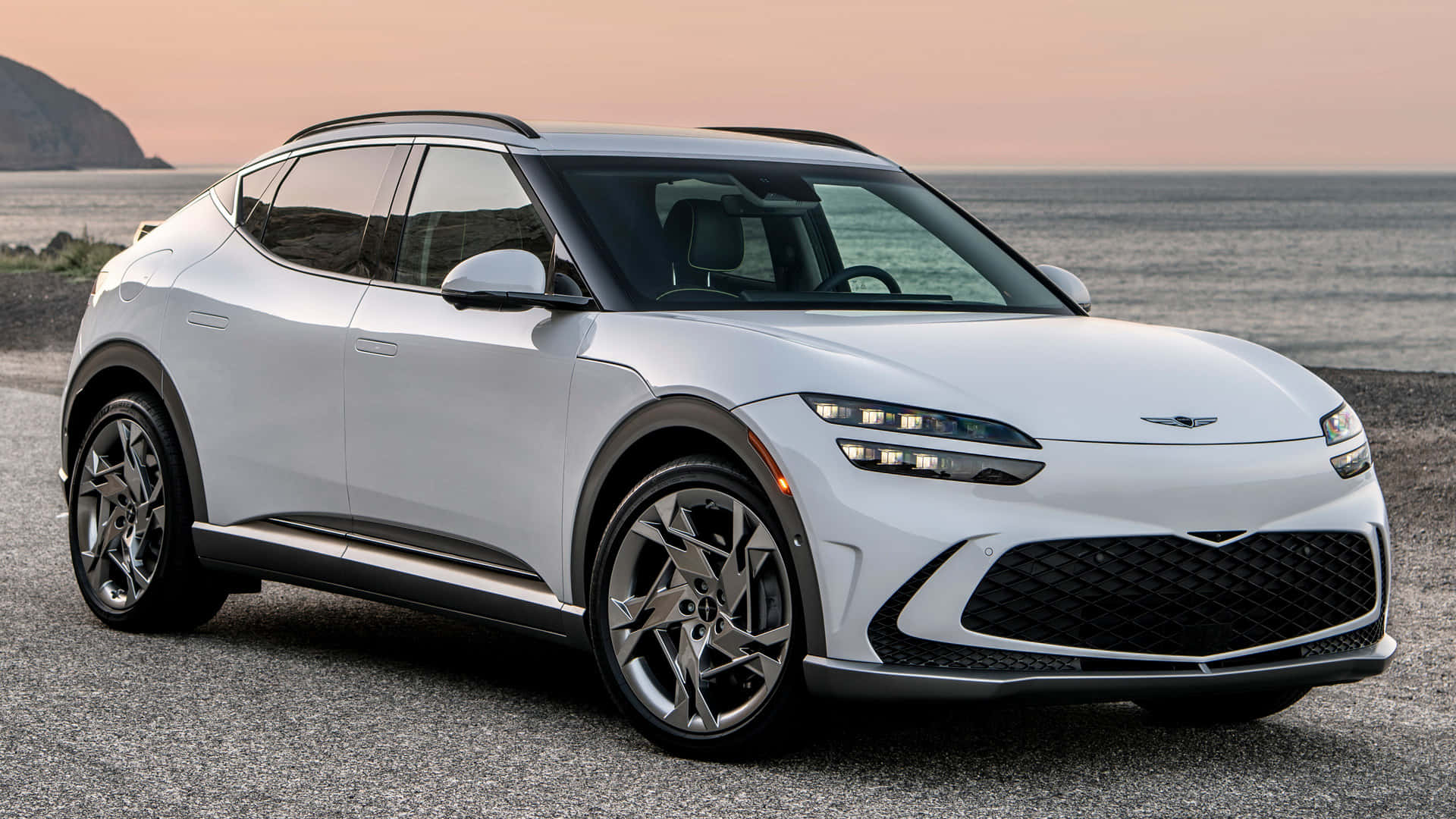
5. Genesis GV60: Predicted Reliability Score of 21
Rank 5 | 21/100
The Genesis GV60 brings luxury-car technology and electric performance together, but its predicted reliability score of 21 makes it one of the weakest vehicles in Consumer Reports’ 2026 assessment.
This result is particularly disappointing for a premium electric SUV that competes with established luxury manufacturers. Its comfortable cabin and sophisticated equipment may attract buyers, but reported problems across several vehicle systems create reasons for caution.
The GV60 uses an all-electric powertrain and is available with different motor configurations. The standard American model offers rear-wheel drive, while higher-performance versions provide all-wheel drive.
Depending on configuration, the vehicle delivers substantial acceleration and an EPA-estimated driving range that varies with battery and drivetrain specifications.
Its interior is one of its major selling points. Genesis offers premium materials, advanced infotainment technology, digital displays, and driver-assistance features. The vehicle also supports DC fast charging through its 800-volt electrical architecture, allowing compatible charging stations to replenish its battery relatively quickly.
Unfortunately, Consumer Reports identifies problems involving the EV battery, charging equipment, drive system, climate controls, brakes, electrical accessories, body hardware, and in-car electronics. Some owner reports describe battery-pack replacement and cooling problems.
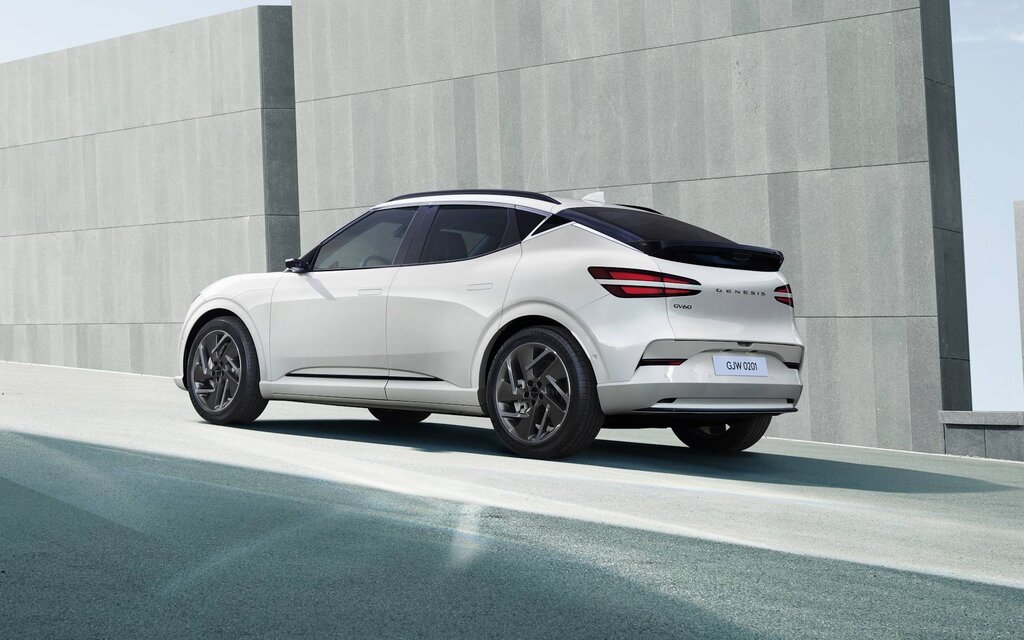
Charging-related complaints are also important because the integrated charging control unit can affect the vehicle’s ability to charge or maintain power.
These concerns are not exclusive to Genesis. Consumer Reports has identified related integrated charging control unit problems across certain Hyundai, Kia, and Genesis electric vehicles. In some reported cases, charging failures have been accompanied by power loss while driving.
A score of 21 is a serious concern for prospective buyers. The GV60 remains an attractive luxury EV, but its predicted reliability suggests that shoppers should investigate charging-system updates, battery warranty coverage, and available service support before making a purchase.
6. Mazda CX-90: Predicted Reliability Score of 23
Rank 6 | 23/100
Mazda’s conventional CX-90 also struggles in Consumer Reports’ 2026 reliability assessment, earning just 23 points. Its appearance on the list is particularly noteworthy because the manufacturer has traditionally enjoyed a positive reputation for producing well-engineered passenger vehicles.
The CX-90 represents Mazda’s move toward larger, more premium SUVs, but its more complicated mechanical package has introduced challenges that prospective owners should understand.
The American-market CX-90 uses a longitudinally mounted engine and rear-biased all-wheel-drive architecture. Buyers can choose a turbocharged 3.3-liter inline-six engine producing either 280 or 340 horsepower, depending on configuration and fuel requirements. Both versions use an eight-speed automatic transmission.
Unlike smaller Mazda crossovers, the CX-90 offers three-row seating and accommodates up to eight passengers, depending on configuration. Its interior emphasizes comfort and premium materials, while available equipment includes advanced driver-assistance systems and a large infotainment display.
However, Consumer Reports identifies several reported problem areas. These include engine concerns, transmission problems, steering, brakes, electrical accessories, onboard electronics, and noises or leaks.
Some owner reports have involved premature timing-chain problems, transmission slipping, torque-converter concerns, and malfunctioning keyless-entry equipment.
The transmission complaints deserve particular attention because this SUV uses an eight-speed automatic rather than a conventional continuously variable transmission. Problems involving shifting behavior or internal components can affect driving smoothness and potentially create expensive repair requirements.
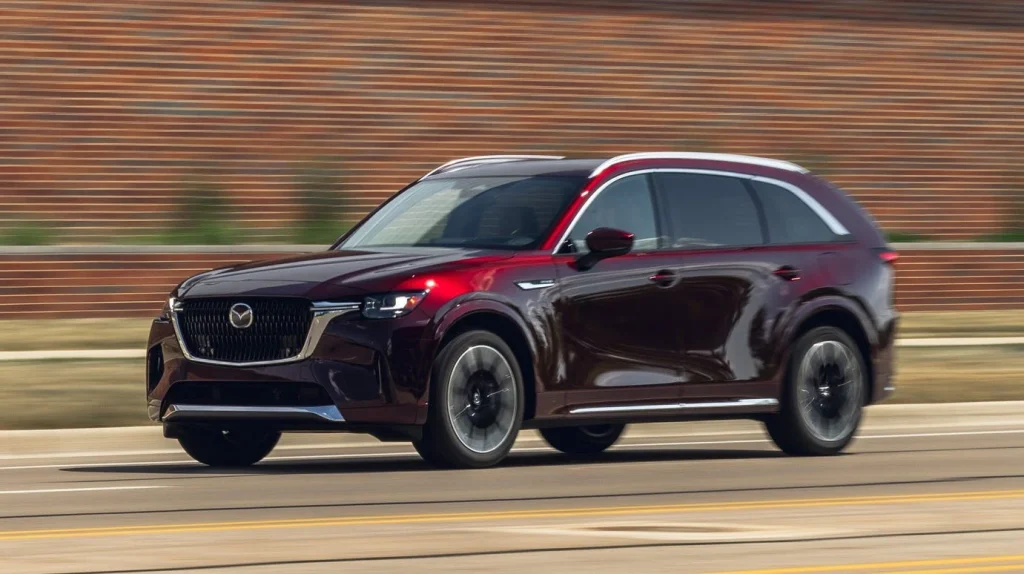
Its 23-point reliability prediction is a substantial concern for a family SUV positioned as a premium product. Buyers should not assume that a higher purchase price guarantees stronger mechanical durability.
The CX-90 still offers impressive performance, substantial passenger space, and an upscale cabin. Nevertheless, American shoppers should investigate its specific model-year reliability record, software updates, recalls, and service history before considering a purchase.
7. Kia EV9: Predicted Reliability Score of 24
Rank 7 | 24/100
The Kia EV9 is one of the most ambitious electric SUVs available to American families, offering three-row seating and a fully electric powertrain. However, its predicted reliability score of 24 places it seventh among Consumer Reports’ least reliable 2026 vehicles.
This result is disappointing for a model designed to demonstrate how practical electric transportation can replace conventional family SUVs.
The EV9 uses Hyundai Motor Group’s E-GMP electric vehicle architecture and offers rear-wheel-drive and all-wheel-drive configurations. Depending on version, its electric powertrain produces between approximately 215 and 379 horsepower. Its larger battery configurations provide an EPA-estimated driving range that varies according to drivetrain, wheels, and trim.
Space is one of its strongest advantages. The EV9 accommodates six or seven passengers, depending on seating configuration, making it suitable for larger households. Its flat electric platform also allows Kia to provide a spacious cabin without requiring a conventional engine compartment and transmission tunnel.
Unfortunately, Consumer Reports identifies several reliability concerns involving the EV battery, charging equipment, drive system, brakes, steering, suspension, electrical accessories, and body hardware. Battery-related complaints are particularly important, with some reports involving individual battery cells requiring replacement.
Charging-system problems are another concern shared with certain related Hyundai and Genesis electric vehicles. Consumer Reports has highlighted integrated charging control unit failures that can prevent charging and, in some circumstances, contribute to power loss while driving.
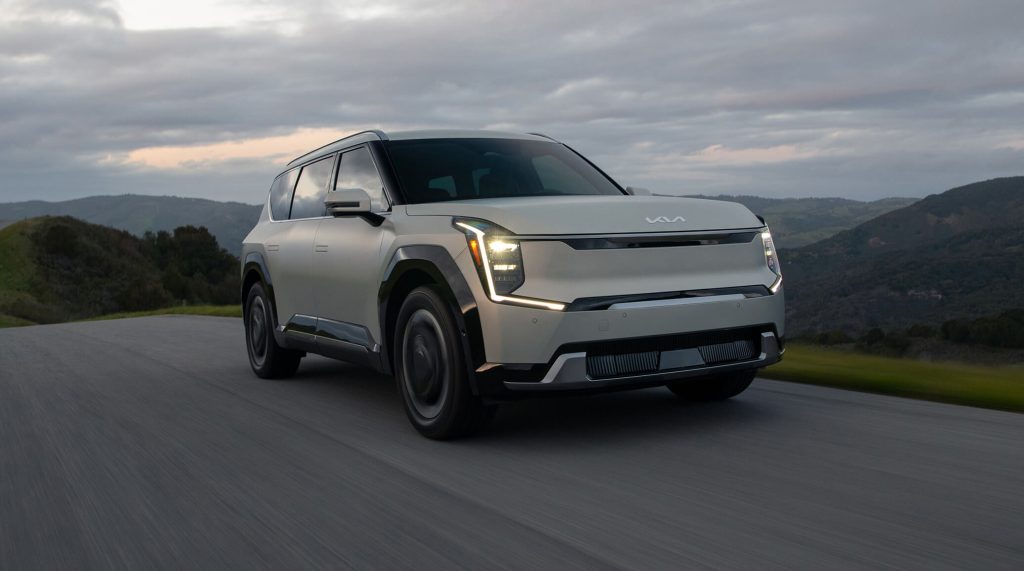
For a family SUV, these problems can be especially inconvenient. A vehicle that cannot charge properly or requires specialized battery repairs can disrupt daily commuting and family travel.
The EV9 remains an appealing electric vehicle because of its spacious interior, modern technology, and fast-charging capability. Nevertheless, its 24-point reliability prediction suggests that buyers should carefully examine battery coverage, charging-system updates, and local repair support before purchasing one.
8. Kia EV6: Predicted Reliability Score of 25
Rank 8 | 25/100
The Kia EV6 has received considerable attention for its distinctive styling, fast-charging technology, and impressive electric performance. Unfortunately, its predicted reliability score of 25 places it among the ten weakest-performing vehicles in Consumer Reports’ 2026 assessment.
This result demonstrates that a technologically advanced electric crossover can offer excellent driving characteristics while still presenting significant ownership concerns.
Built on Hyundai Motor Group’s E-GMP platform, the EV6 is available with rear-wheel-drive and all-wheel-drive powertrains. Its American lineup includes different battery and motor configurations, with power outputs varying by trim.
Higher-performance versions deliver substantial acceleration, while long-range configurations offer an EPA-estimated driving range of up to approximately 319 miles, depending on model year and equipment.
The EV6 also supports 800-volt-class DC fast charging under compatible conditions. This technology allows relatively rapid charging compared with many electric vehicles using lower-voltage architectures. However, the charging system itself has been an important reliability concern.
Consumer Reports identifies problems involving the EV battery, electric motors, charging equipment, climate system, electrical accessories, brakes, and body hardware. The integrated charging control unit is particularly relevant because failures can affect battery charging and electrical operation.
Consumer Reports has reported that certain Hyundai and Kia electric vehicle owners experienced charging failures and power loss associated with ICCU problems. Its survey found that approximately 2 to 10 percent of owners experienced ICCU-related issues, depending on the model and model year.
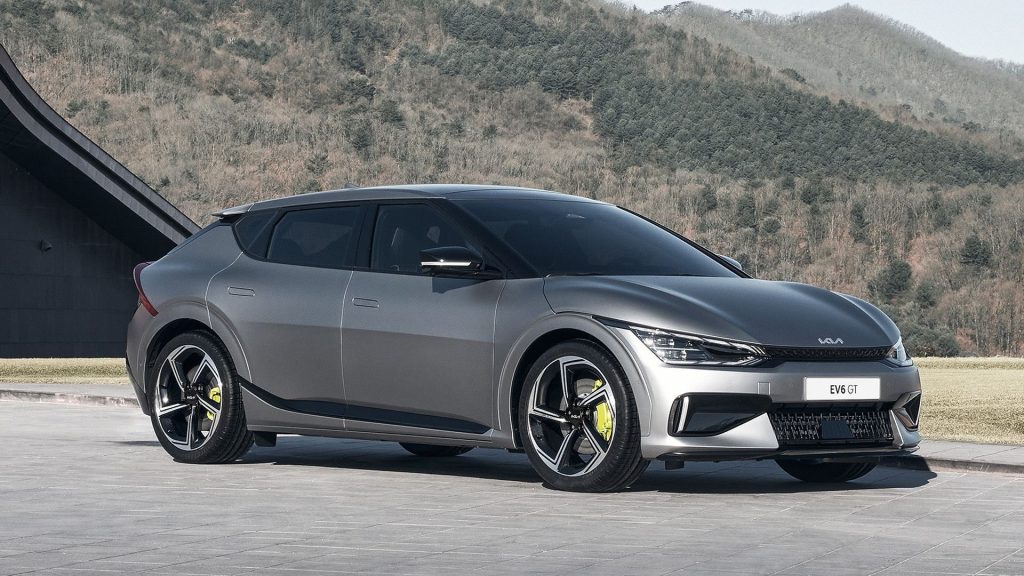
The EV6 remains an interesting alternative to conventional gasoline crossovers, especially for drivers with access to convenient home charging. However, its 25-point prediction indicates that buyers should investigate charging-system repair history, software updates, and applicable recalls.
A compelling driving experience is valuable, but dependable daily transportation should remain a priority when spending a substantial amount on a new electric vehicle.
9. Honda Prologue: Predicted Reliability Score of 25
Rank 9 | 25/100
Honda’s Prologue is an important vehicle for the manufacturer’s electric strategy in the United States, but its predicted reliability score of 25 creates a significant challenge. The midsize electric SUV was developed through Honda’s collaboration with General Motors and uses GM’s Ultium-based electric vehicle architecture.
Although this partnership helped Honda introduce an electric SUV without developing an entirely separate platform, the vehicle’s reliability results have been disappointing.
The 2026 Prologue offers front-wheel-drive and dual-motor all-wheel-drive configurations. Its electric powertrain produces up to 300 horsepower in the all-wheel-drive version, while its battery provides an EPA-estimated driving range of up to approximately 308 miles, depending on configuration.
Practicality is one of its strongest qualities. The Prologue provides seating for five, a spacious cabin, and a useful cargo area. Its comfortable ride and conventional SUV proportions make it an approachable option for drivers transitioning from gasoline-powered vehicles to electric transportation.
However, Consumer Reports identifies problems involving the EV battery, charging system, climate controls, drive system, electrical accessories, body hardware, and onboard electronics. Battery-related complaints are especially concerning because some owner reports have involved replacement requirements.
Charging problems can also create inconvenience for drivers who depend on their vehicles for daily commuting.
Electronic display problems are another reported concern. When infotainment screens freeze or become unresponsive, drivers may lose access to certain vehicle functions and information.
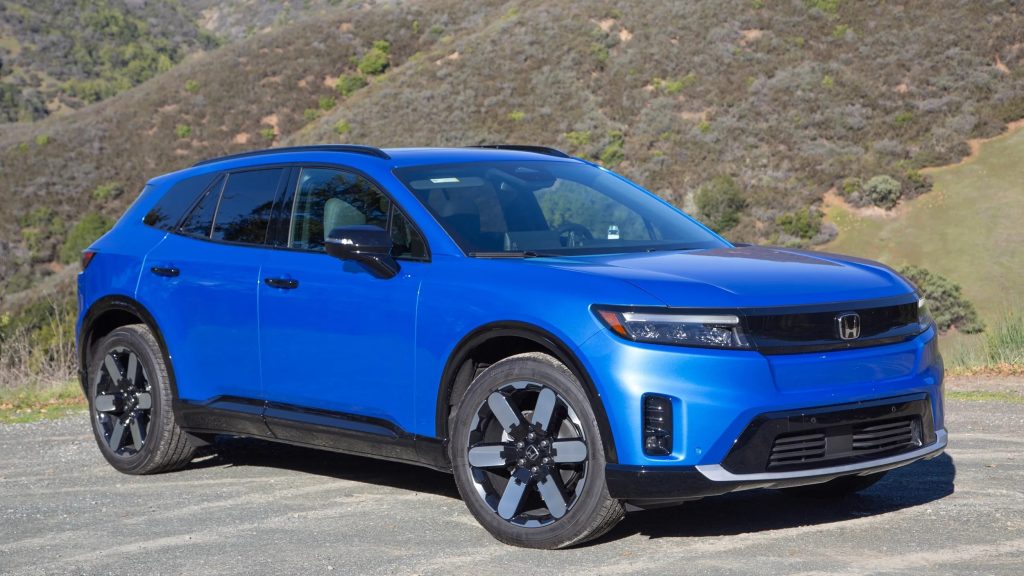
The 25-point prediction indicates that the Prologue has considerable reliability challenges compared with stronger-performing electric vehicles. It is important to remember that Honda’s reputation for dependable gasoline vehicles does not automatically transfer to a jointly developed electric platform.
For American shoppers, the Prologue deserves careful evaluation. Checking battery warranty provisions, charging-system updates, software campaigns, and dealership service capabilities is particularly important before purchasing this electric SUV.
10. Chrysler Pacifica Hybrid: Predicted Reliability Score of 26
Rank 10 | 26/100
The Chrysler Pacifica Hybrid finishes this list with a predicted reliability score of 26, making it the highest-scoring vehicle among Consumer Reports’ ten least reliable 2026 models. Its position is particularly interesting because the Pacifica Hybrid occupies a practical family-oriented segment rather than the premium electric vehicle market.
It combines conventional minivan versatility with plug-in hybrid technology, but its reliability history raises concerns for households considering long-term ownership.
The Pacifica Hybrid uses a 3.6-liter V6 gasoline engine combined with electric motors and a rechargeable battery. Its plug-in hybrid system produces 260 combined horsepower and uses an electronically controlled variable transmission.
Unlike a conventional hybrid, owners can recharge its battery externally and complete shorter journeys using electric power.
Passenger flexibility is one of the minivan’s biggest advantages. It offers three rows of seating for up to seven occupants, along with sliding rear doors and a spacious interior.
Chrysler’s Stow ‘n Go seating system is available on conventional Pacifica models, although the hybrid configuration has different storage and seating arrangements because of its battery packaging.
Consumer Reports identifies problems involving the engine, transmission, electrical accessories, in-car electronics, EV battery, and charging system. Some owners have reported transmission-related concerns, while complaints involving the battery cooling system and malfunctioning infotainment screens add to the vehicle’s reliability difficulties.
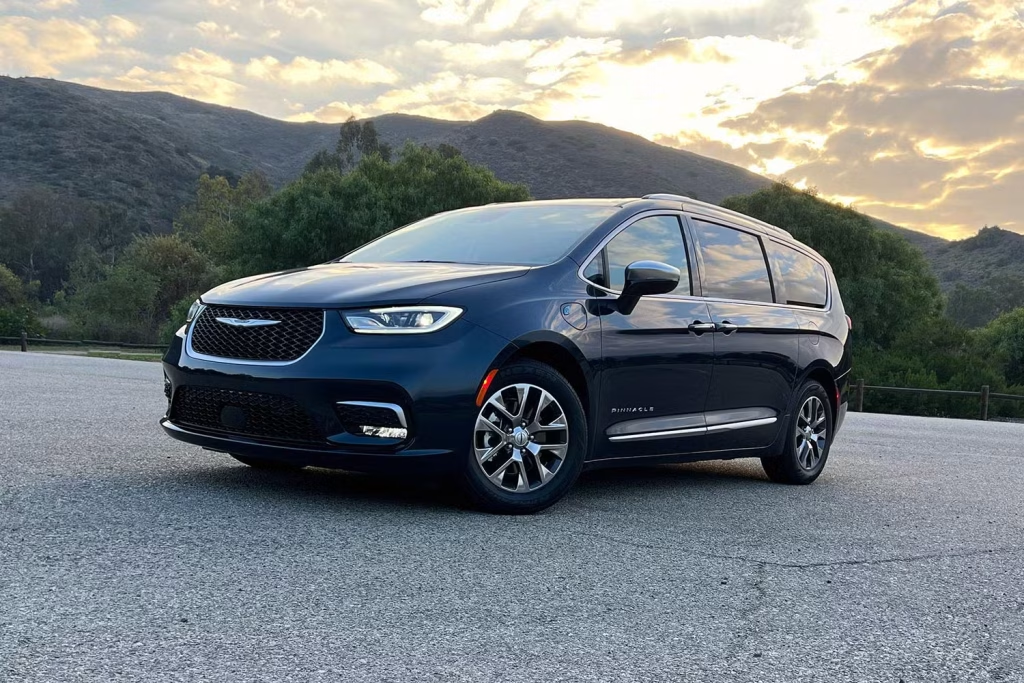
The complexity of combining a gasoline engine, electric motors, charging equipment, and battery-management systems creates additional components that require proper operation. This is particularly relevant for a family vehicle expected to handle frequent daily journeys.
A 26-point prediction is not an encouraging result, especially when buyers may intend to keep a minivan for many years. The Pacifica Hybrid offers excellent passenger flexibility and electric driving capability, but its reported reliability problems should not be ignored.
American families considering this model should carefully check its service records, applicable recalls, battery coverage, and warranty provisions before purchasing.
